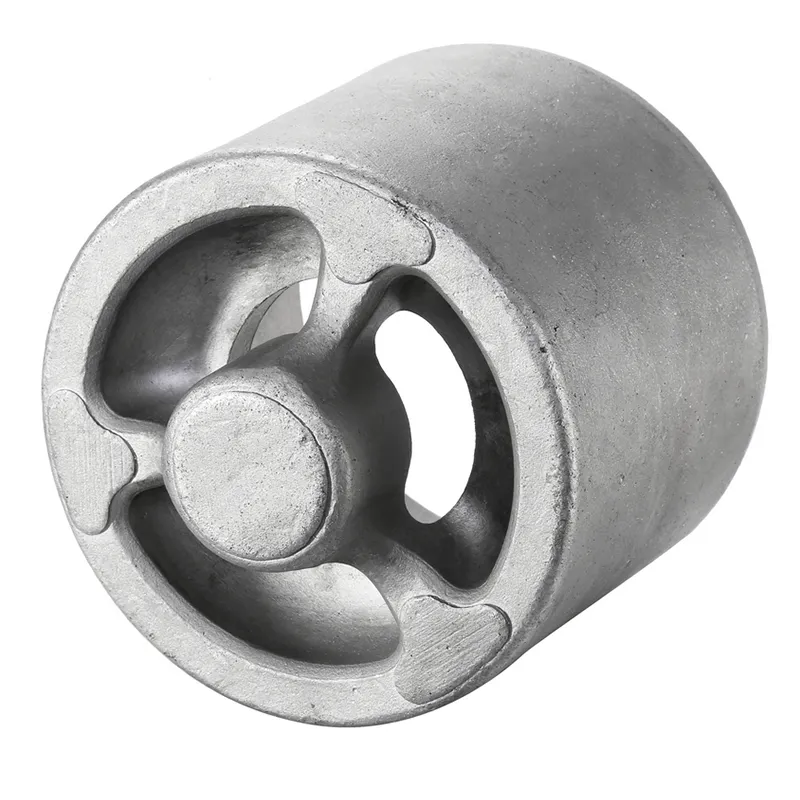
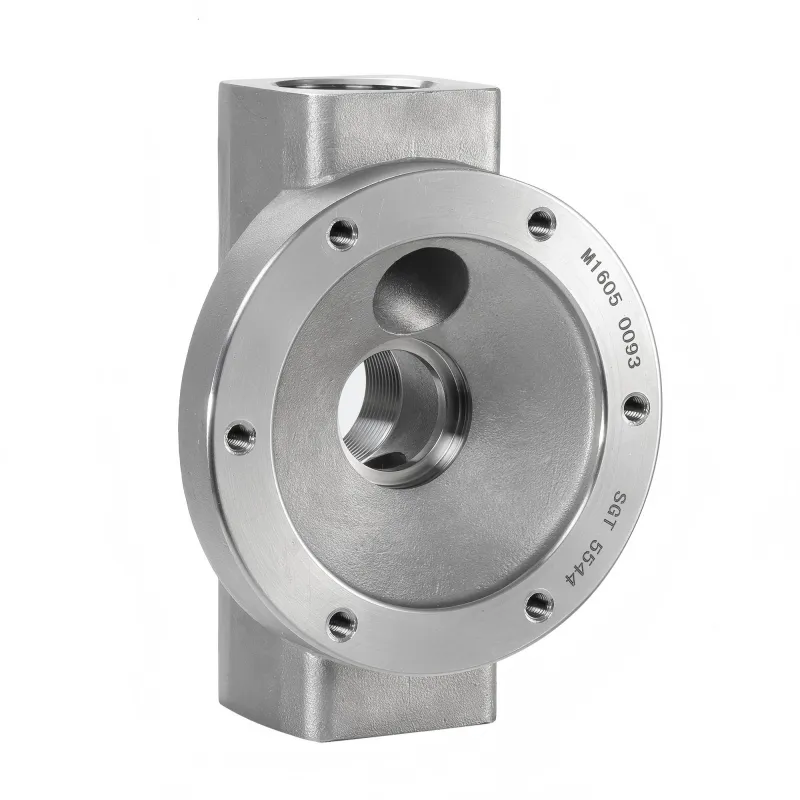
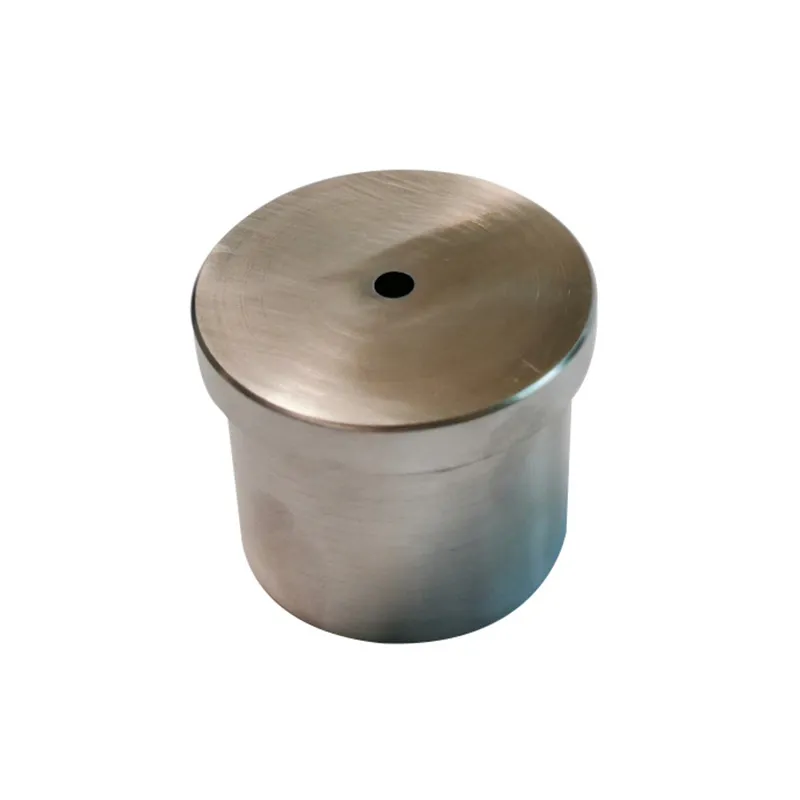
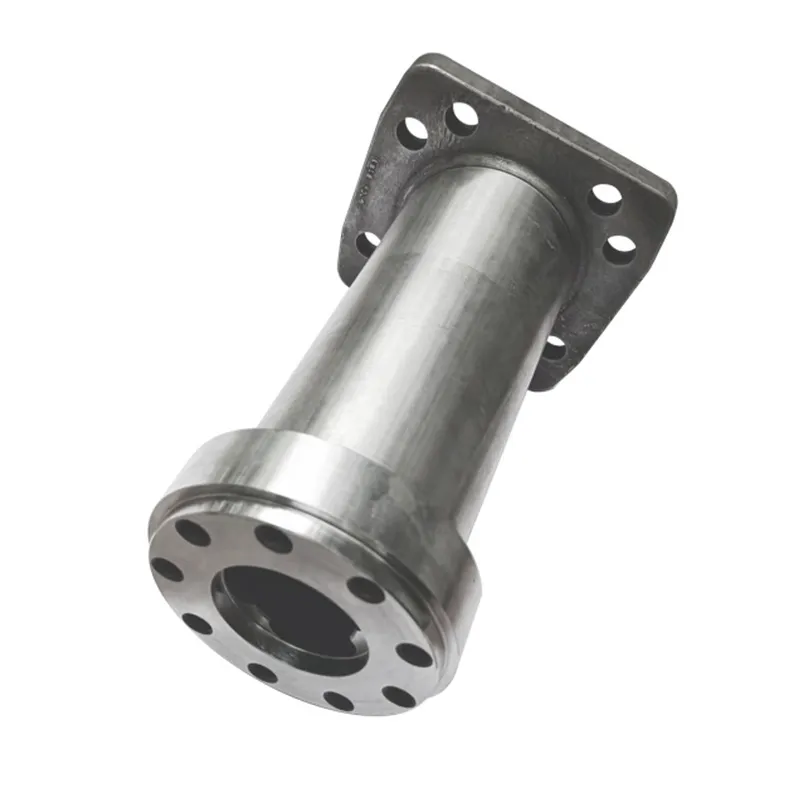
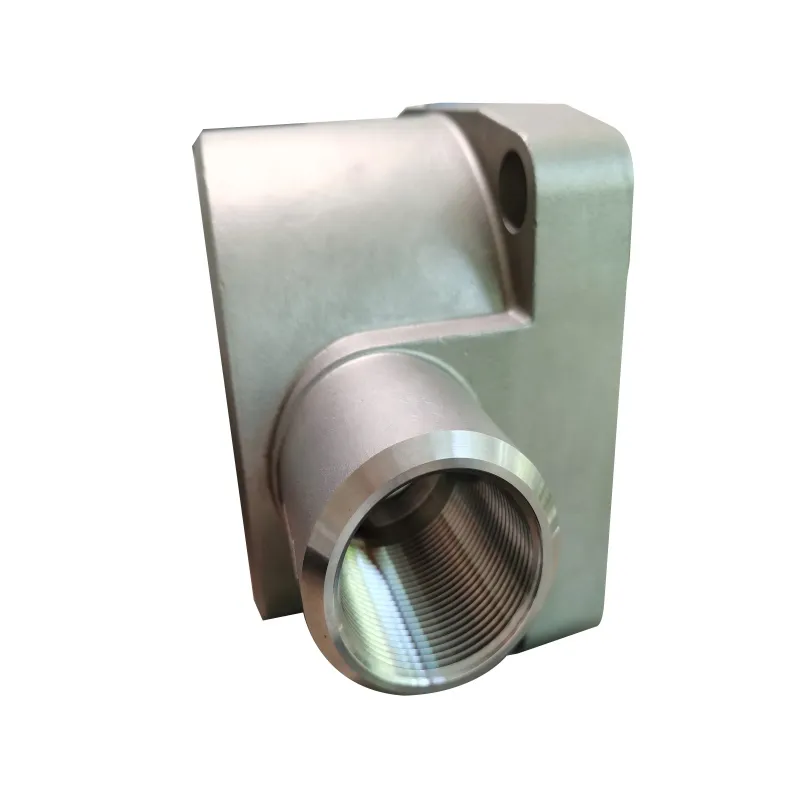
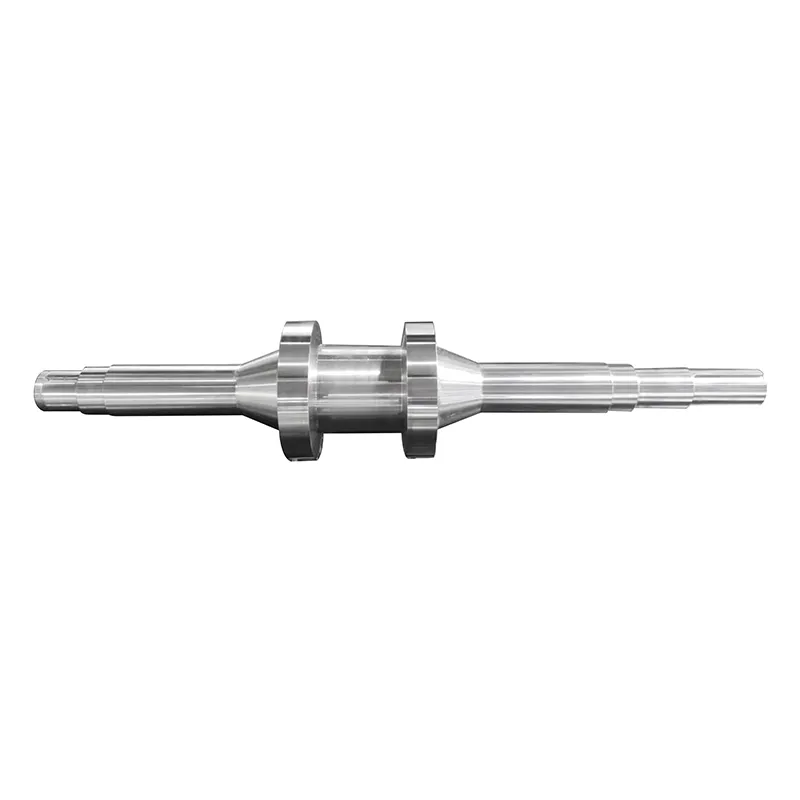
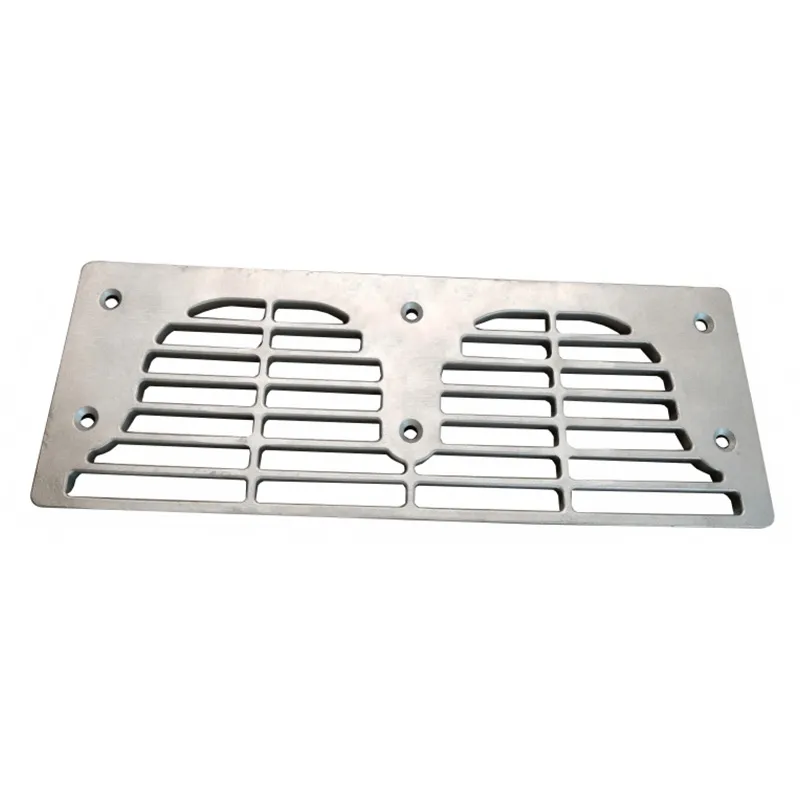
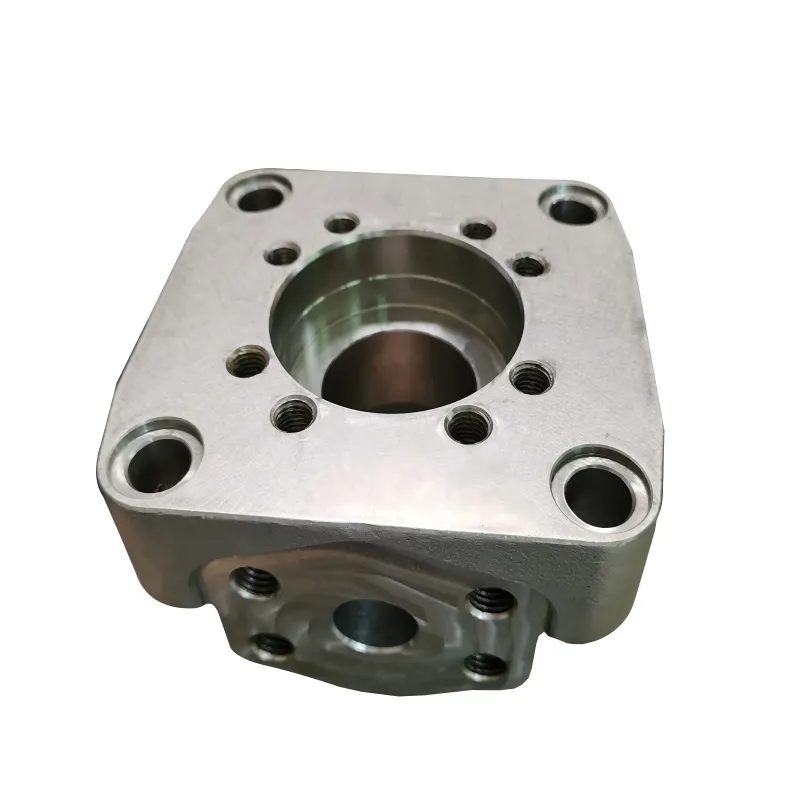
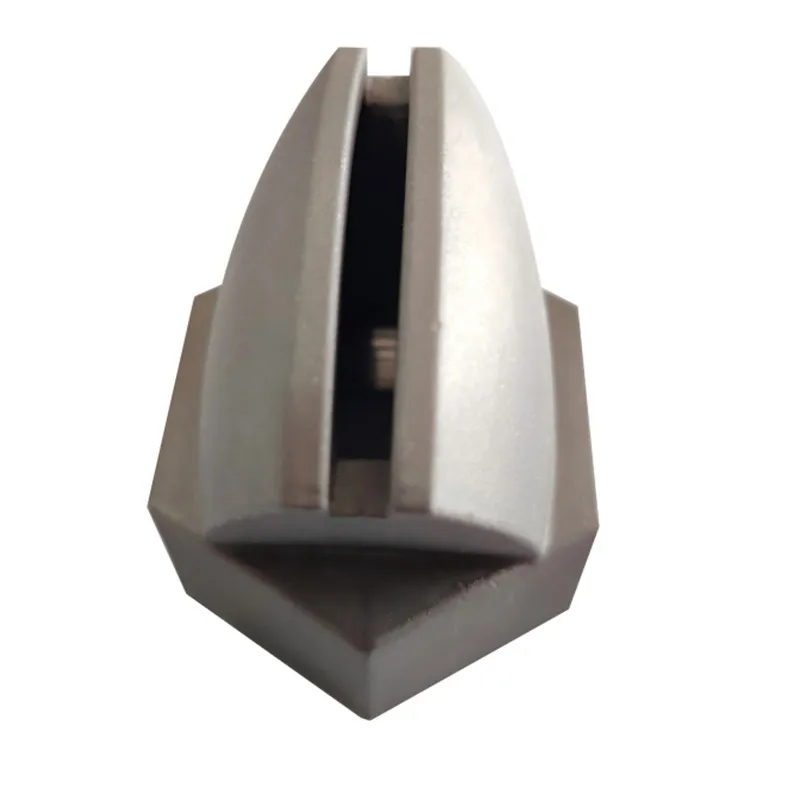
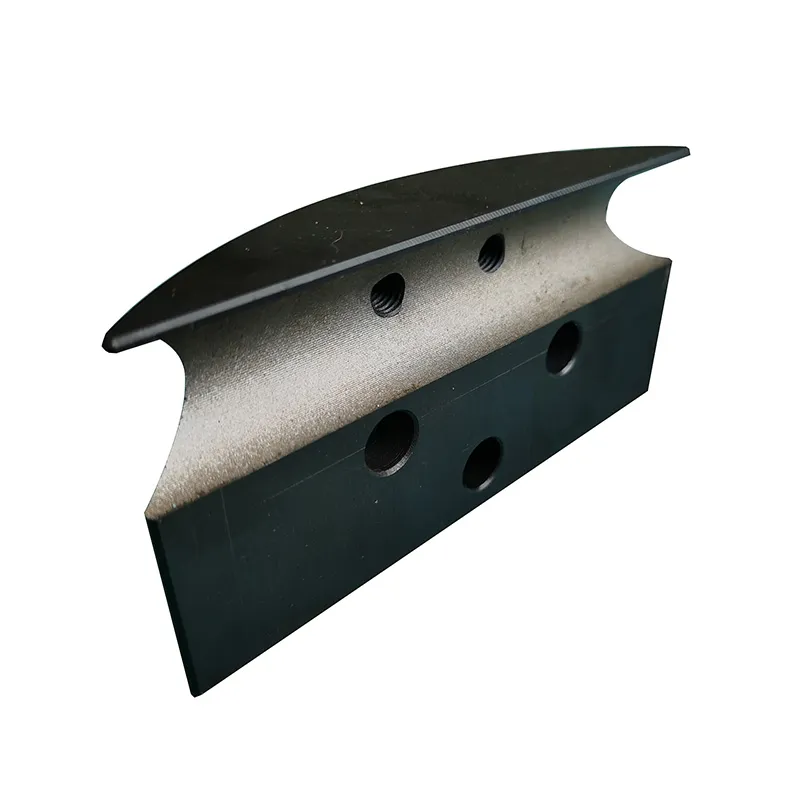
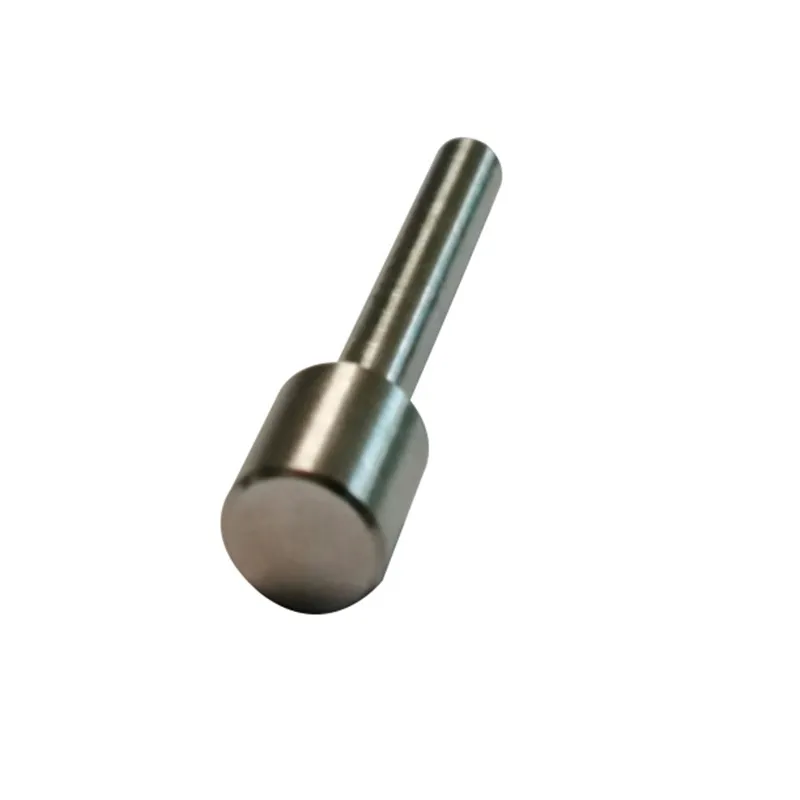
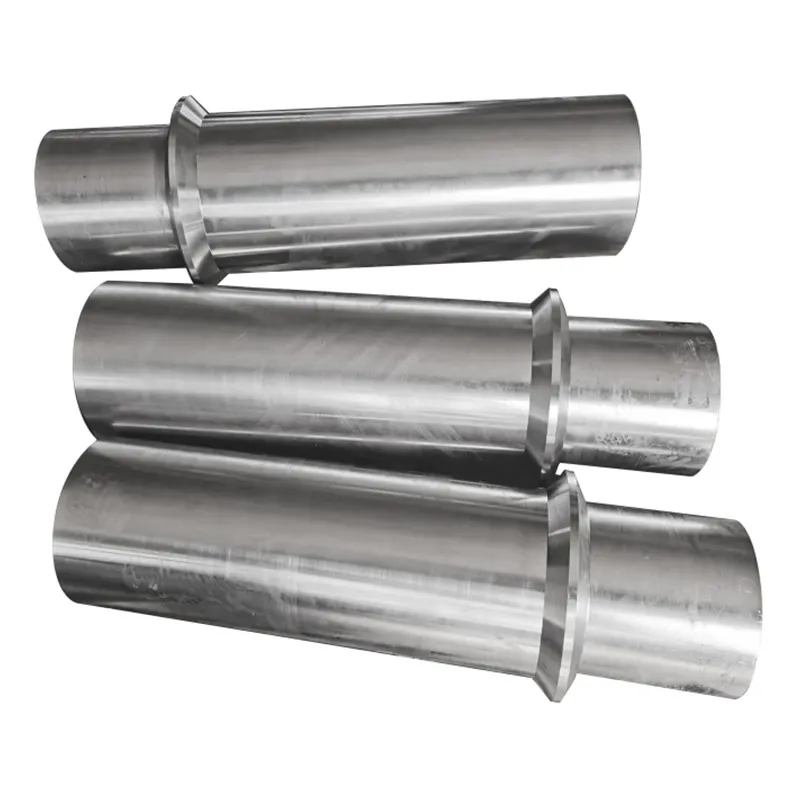
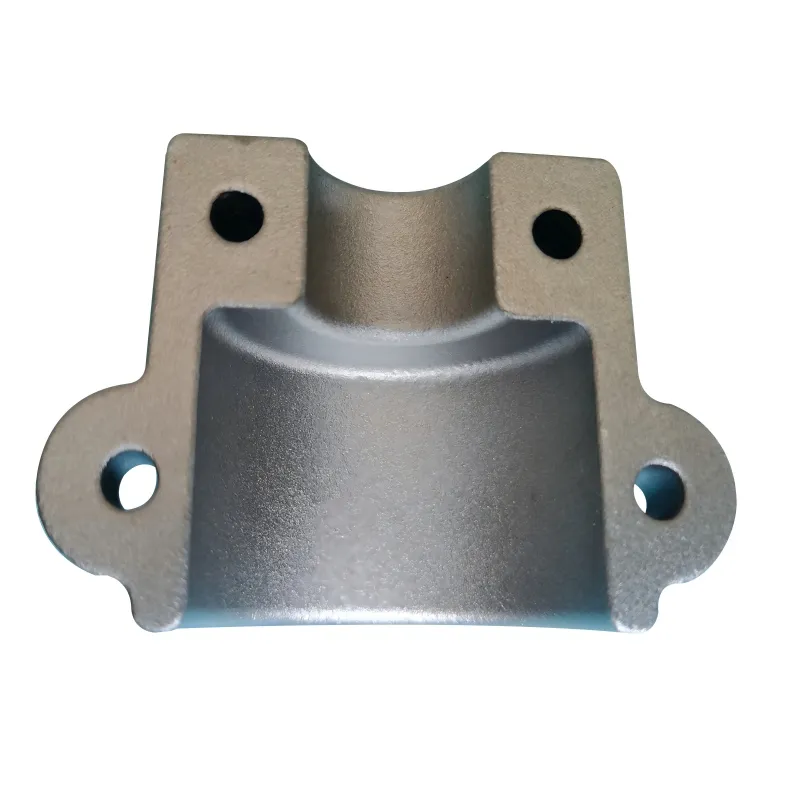
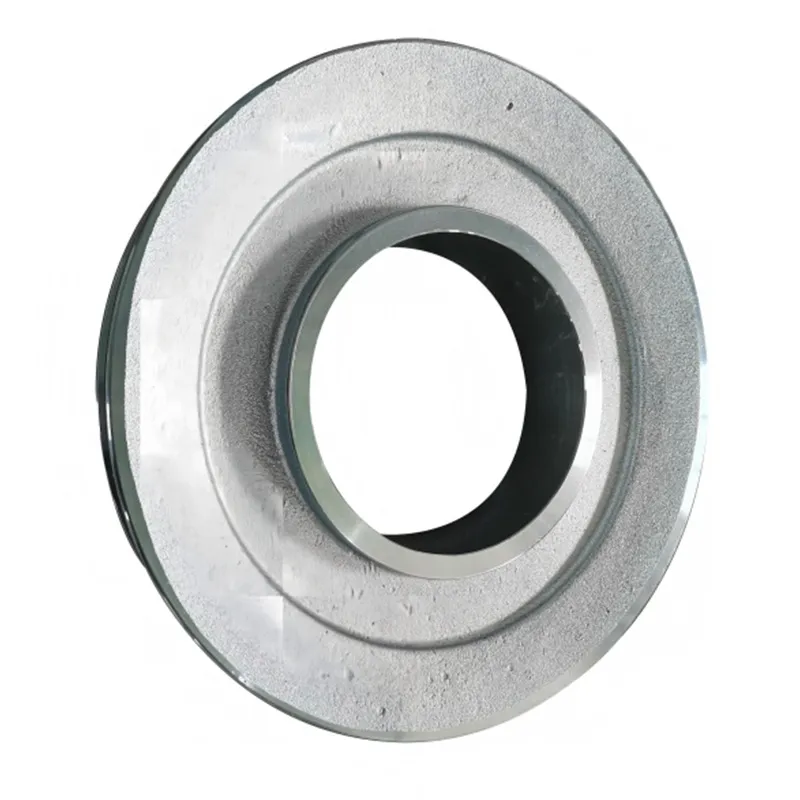
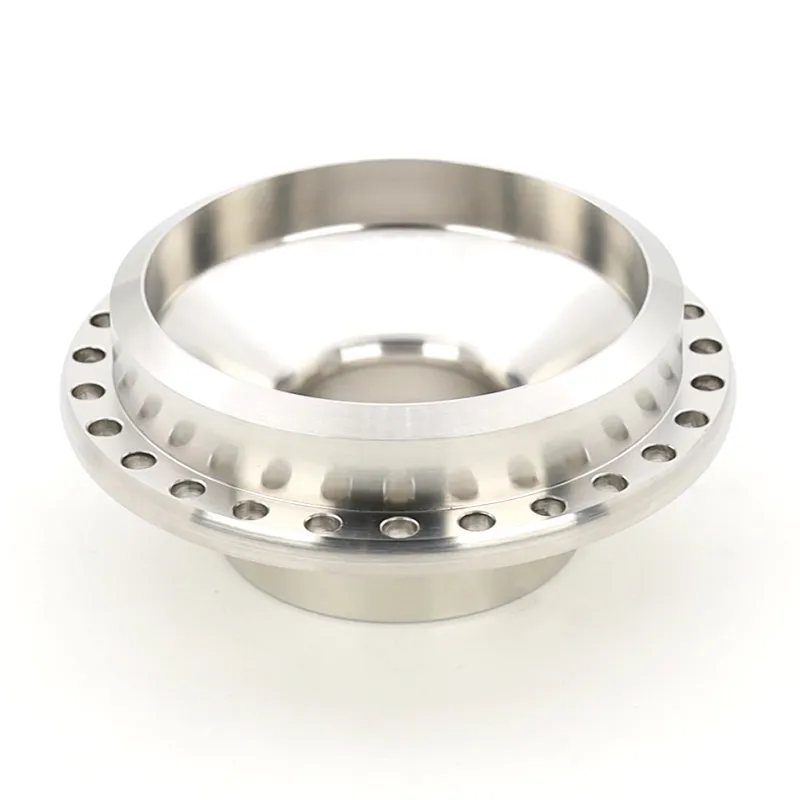
When you hear 'shell molding steel casting part', most think it's just another sand casting variant. That's the first misconception. It's a distinct beast, with its own set of rules, quirks, and a surface finish that can fool you into thinking it's been machined already. The real story isn't in the glossy brochure specs; it's in the handling of the resin-bonded sand, the thermal shock during pouring, and the subtle warpage that only shows up after the first cut. I've seen too many designs fail because they treated it like a drop-in replacement for investment casting or green sand. It sits in a sweet spot—more precise than typical sand casting, less costly than full investment for certain geometries, but with its own very specific design for manufacturability demands. It's a process that rewards experience, and punishes assumptions.
The Shell Process: Where Theory Meets the Shop Floor
The textbook makes it sound straightforward: create a heated metal pattern, dump coated sand on it, let a shell form, cure it. Reality is a dance of temperatures and timing. The phenolic resin coating the sand isn't just a binder; its cure rate dictates shell thickness and strength. If your pattern temperature isn't consistent—say, a complex core box section is a few degrees cooler—you get a weak spot. That weak spot might hold during handling, but fail under the ferrostatic pressure of molten steel, causing a run-out or a fin. It's a failure you often can't see until you shake out the casting.
Steel, especially low-alloy or carbon grades common in valve bodies or structural brackets, introduces another variable: heat. Pouring 1500°C+ steel into a thin, resin-bonded shell creates massive thermal decomposition. The gases have to escape, or you get porosity. That's where the venting design on the pattern and in the core assembly becomes critical. It's not just poking holes; it's understanding the gas flow path from the moment metal hits the mold until solidification. I recall a job for a pump housing, where we kept getting subsurface blowholes near the flange. The solution wasn't more vents, but repositioning the primary ingate to change the metal flow front, allowing gases to be pushed ahead to existing vents instead of being trapped.
This is where a foundry's longevity shows. A company like Qingdao Qiangsenyuan Technology Co., Ltd. (QSY), with their three decades in casting, would have a deep library of pattern and gating system modifications for standard geometries. That tacit knowledge—knowing that a certain wall thickness for a shell molding steel casting part needs a slightly different draft angle than the CAD model suggests to ensure consistent shell release—is what separates a functional part from a high-yield, high-integrity one. You can find them at https://www.tsingtaocnc.com – their experience across shell and investment casting means they understand the trade-offs between processes instinctively.
Material Choices: It's Not Just Steel
Specifying steel is a good way to get a part that might work, but not optimally. The shell process handles a range, but each behaves differently. Carbon steels like 1020 or 1030 are forgiving, but for parts needing more strength like loader linkage components, you jump to 4130 or 4140. That's when pre-heating the molds becomes more than a recommendation; it's mandatory to prevent cracking from too rapid a cooling rate. The quenching and tempering that often follows casting has to be factored into the initial pattern design to accommodate predictable distortion.
Then you have the stainless grades. 304, 316 – they're common requests for corrosion-resistant fittings. The challenge here is the metal's fluidity and shrinkage. Stainless doesn't flow like carbon steel, and it pulls more as it solidifies. If your feeding system (risers) isn't sized and placed correctly for the specific alloy, you end up with shrinkage cavities. I've seen a batch of 316L pipe flanges where the center hub was sound, but the bolt circle had micro-shrinkage, leading to leaks under pressure. The fix was adding small, strategic chills to the shell mold to directionalize solidification, a tweak that came from cross-referencing with similar nickel-based alloy behavior.
Speaking of special alloys, that's where the process can really shine or become a nightmare. QSY's mention of working with cobalt and nickel-based alloys is telling. These are often used in severe service parts—valve trim for high-temperature oil & gas, or wear plates in mining. Their melting point is higher, their chemistry sensitive. The shell mold must be absolutely dry (any moisture causes hydrogen pickup and embrittlement), and the pouring technique has to be rapid and turbulent-free to avoid slag formation. It's high-stakes casting. Getting a sound shell molding steel casting part in Monel or Hastelloy is a benchmark of foundry capability.
The Dimensional Tightrope: Precision vs. Reality
The advertised tolerance for shell molding is often ±0.005 in./in. or better. That's achievable, but it's a nominal value on a simple plane. The real trick is maintaining that across a complex parting line, or on features formed by core assemblies. The shell mold itself is rigid, which is good, but the process of bonding two shell halves together with adhesive is a potential error source. Too much adhesive, and it squeezes into the cavity, creating flash. Misalignment by even half a millimeter gets baked in.
We learned this the hard way on a run of gearbox brackets. The CAD model was perfect, the pattern was CNC-machined to spec. But the locating pins on the tooling had worn slightly. The result was a cumulative misalignment between the bolt bore cores in the two halves. The castings passed initial visual inspection, but during machining, the drill would break because the bores were off-center. The loss wasn't just the castings; it was the machining time and tools. The solution was a rigorous tooling maintenance schedule and a shift to ceramic alignment pins for critical jobs.
This interplay between casting and machining is crucial. A foundry that offers integrated CNC machining, like QSY does, has a major advantage. Their machinists see the recurring deviations firsthand—maybe the wall opposite the parting line consistently has +0.3mm extra stock. That feedback goes directly to the pattern shop for a correction on the next tooling iteration. It closes the loop. When you source a shell molding steel casting part from such a supplier, you're not just buying a casting; you're buying their institutional memory of how that specific part behaves from pattern to finished mill.
When It Goes Wrong: Failure Analysis as a Tool
Not every job runs smooth. The educational ones are the failures. There was a component for a hydraulic manifold, a small but thick block with internal channels. The material was 8620, a common choice. The first samples looked great, clean surface. But pressure testing revealed leaks. Radiography showed a network of fine, interconnected porosity throughout the thick sections. Classic microporosity. The culprit? The shell mold, for all its advantages, cools the metal faster than a large green sand mold. In thick sections, this can lead to isolated pools of liquid that get trapped during solidification, unable to feed.
We had to redesign the part. Not the functional design, but the casting design. We added subtle external ribs—not for strength, but to act as cooling fins to promote more uniform solidification. We also changed the gating to feed the thick section from a lower point. It worked. The takeaway was that shell molding sometimes requires you to design for the process more aggressively than other methods, even if it means adding a gram or two of metal in non-critical areas to ensure soundness.
Another common, subtle failure is metal penetration. The steel doesn't literally penetrate the sand, but the high heat can break down the resin binder at the mold-metal interface, allowing liquid metal to seep into the sand grains. It creates a rough, fused surface that's a nightmare to machine. It often happens in deep, narrow pockets or at the bottom of down-sprue impacts. The fix is usually in the sand coating—a finer grain size or a different resin formulation for that specific area of the pattern. It's a detail you only spot by cutting up scrap castings and looking at the as-cast surface under magnification.
The Economic Equation: Why Shell, Why Not Something Else?
So, when does shell molding make economic sense? It's never the cheapest upfront tooling option. The metal patterns are expensive. But for runs from a few hundred to tens of thousands, it often wins on total cost per part. You save massively on machining time due to the near-net shape and excellent surface finish (often 125-250 μin Ra as-cast). You reduce cleaning room labor because there's no heavy sand knocking. The dimensional consistency reduces scrap in subsequent machining.
Compare it to investment casting for a moment. For a complex, thin-walled turbine blade in stainless steel, investment is king. But for a more robust, chunky steel casting part like a truck axle bracket or a marine cleat, shell molding offers similar precision at a lower cost-per-kg of metal, and with faster cycle times. The decision matrix involves part size (shell is great for medium sizes), complexity (internal cores are fine), alloy, and volume.
This is the judgment a seasoned supplier brings. Looking at QSY's scope—shell molding, investment casting, and machining—they're positioned to offer that unbiased advice. They can look at a drawing and say, For this geometry in 17-4PH, investment might be better for the first 500 pieces, but if your annual volume is 5000, let's develop a shell mold. That consultancy is as valuable as the casting itself. It prevents you from over-engineering the process or selecting one that's doomed to have yield issues. In the end, a successful shell molding steel casting part isn't just about the foundry pouring good metal; it's about selecting the right battlefield from the start, with all its gritty, practical constraints in full view.