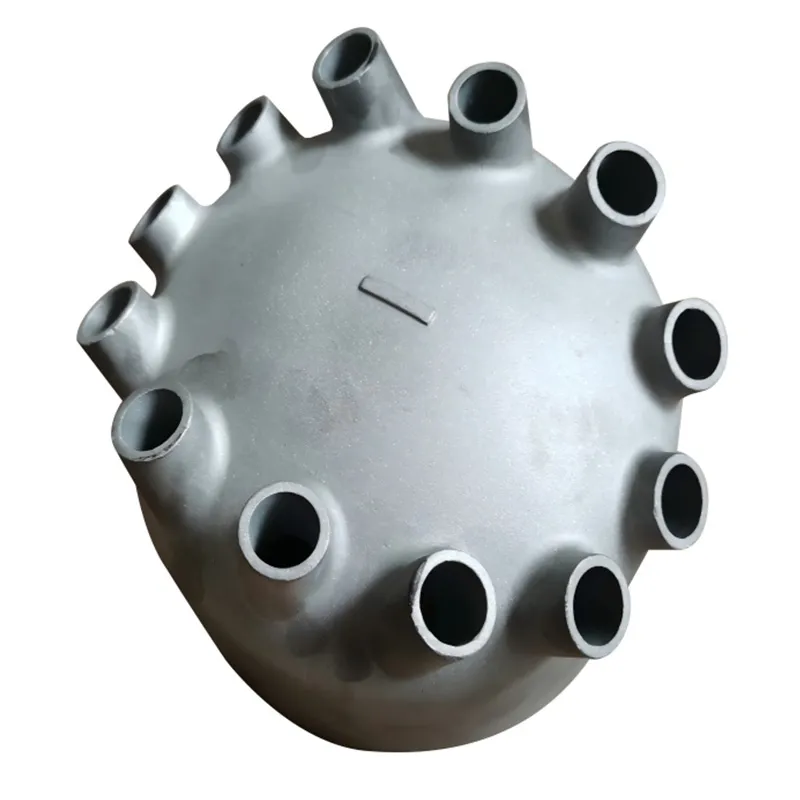
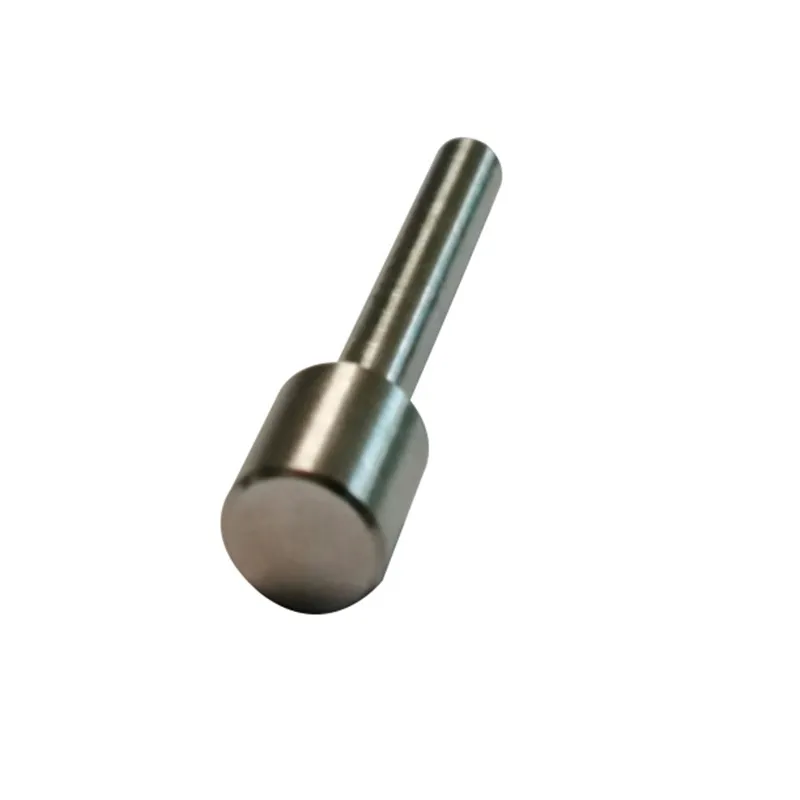
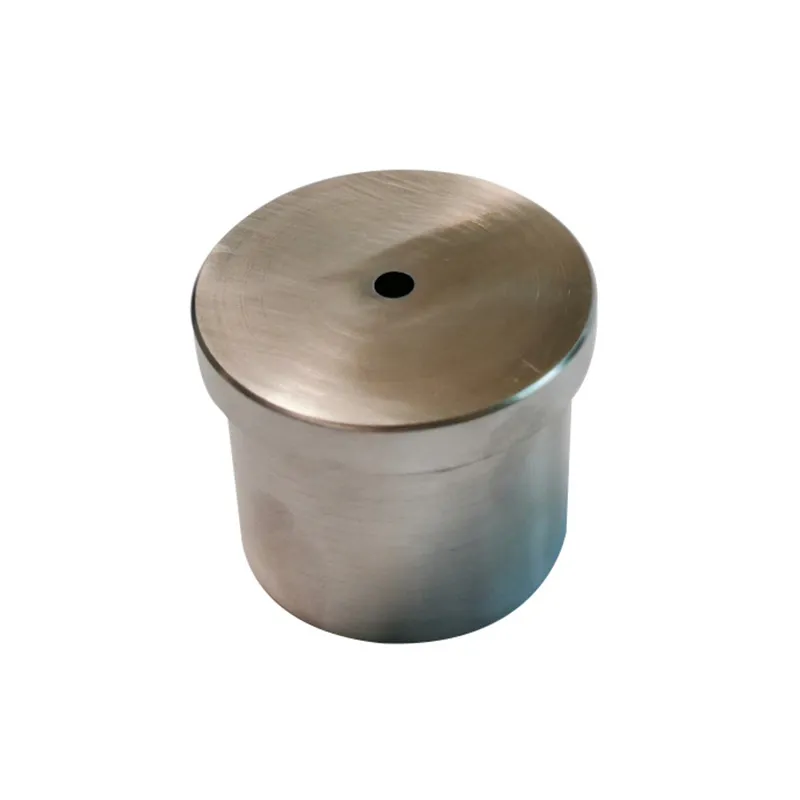
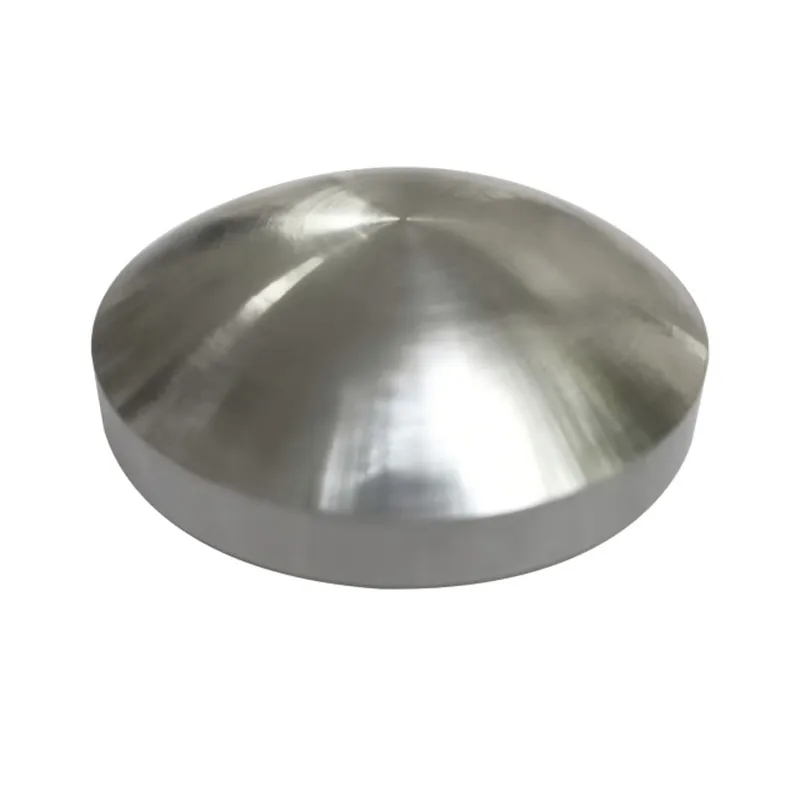
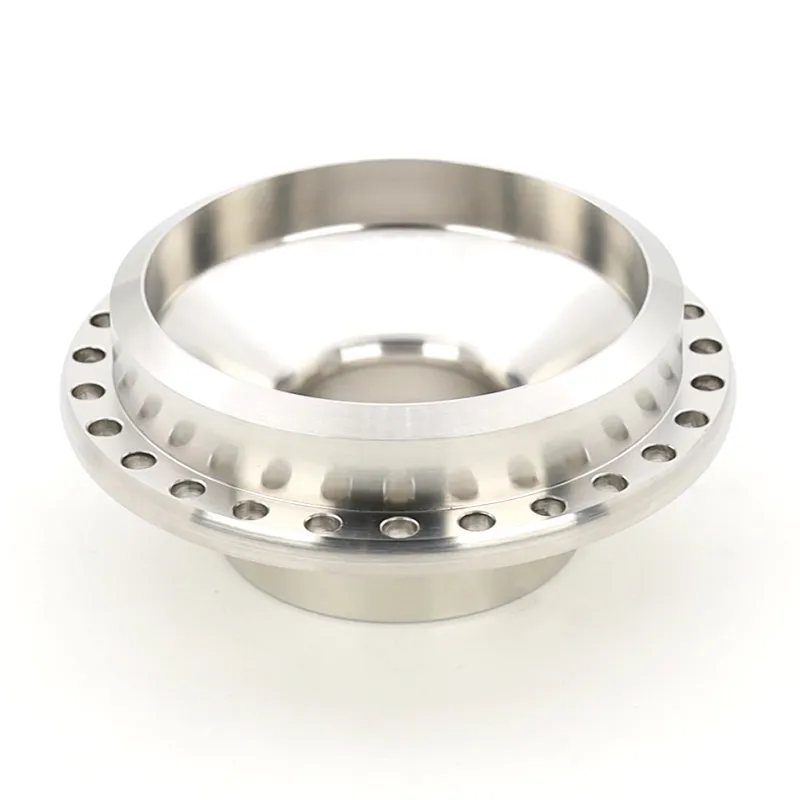
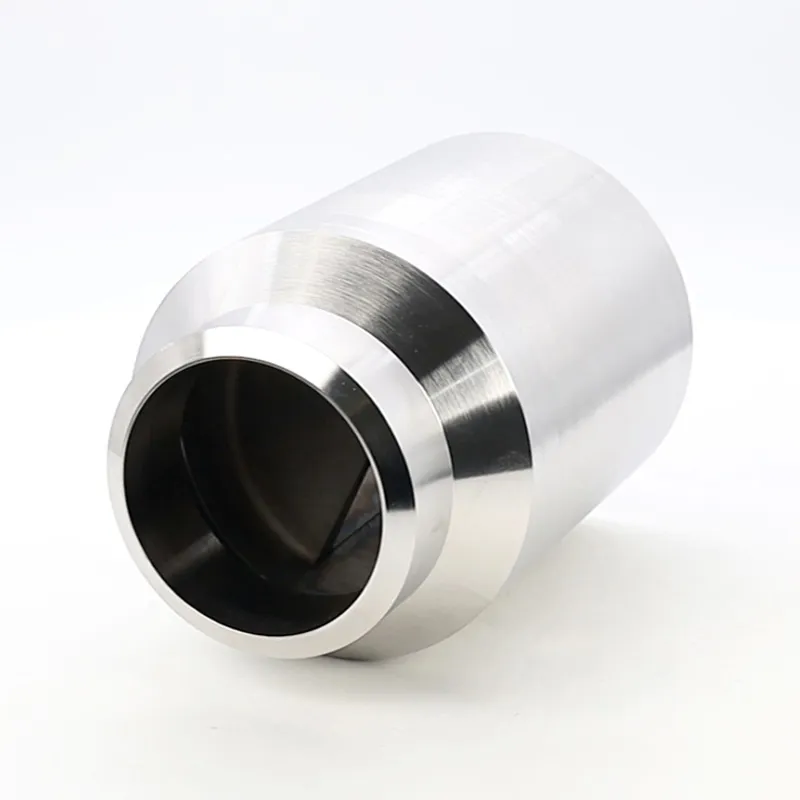
Let's be honest, when most people hear 'silica sol investment casting', they picture flawless jet engine blades or intricate art pieces. That's the glamour side. The reality, the daily grind, is about making a reliable shell that doesn't crack, slump, or retain too much ash, for parts that often go unseen. It's a process where the binder—the silica sol—is everything and nothing at the same time. The magic isn't just in the colloidal silica itself, but in how you marry it with the stucco, the drying environment, and frankly, how you manage expectations. Many shops think switching to a silica sol investment casting process is a direct upgrade for everything. It's not. It's a tool, and a finicky one at that.
The Core of the Shell: More Than Just a Binder
I remember when we first transitioned some lines from ethyl silicate to silica sol. The sales pitch was all about better surface finish and higher green strength. What they didn't emphasize enough was the climate control. With ethyl silicate, you have some leeway. With silica sol, your drying area becomes a critical process parameter. The relative humidity and airflow aren't just comfort factors; they dictate the gelation rate of the sol. Too fast, and you get a brittle, micro-cracked face coat. Too slow, and your production cycle grinds to a halt.
We learned this the hard way on a batch of valve bodies for a client. The finish was beautiful, dimensional accuracy was spot-on, but we had a 30% shell failure rate during dewaxing. The shells looked perfect. The issue? We had a humid spell, and the primary coats hadn't fully gelled before we applied the backup coats. During autoclave dewaxing, the steam pressure found those weak, partially-gelled layers. The result was catastrophic shell fractures, not the neat wax drainage we needed. It wasn't a material failure; it was a process knowledge failure.
That's where the real expertise lies—not in buying the silica sol, but in building the system around it. It's about knowing that the zircon flour for the first coat needs a different pH-adjusted sol than the one you might use for the later aluminosilicate stucco coats. It's a chemistry set on an industrial scale.
Where It Truly Shines (And Where It Doesn't)
For all its fussiness, silica sol investment casting is unbeatable for certain applications. Think thin sections, complex internal passages, or alloys that are highly reactive. The monolithic ceramic shell you get from a well-executed silica sol process is incredibly dense and refractory. We use it almost exclusively for our high-temperature alloy work—the nickel-based and cobalt-based stuff. The shell stability at pouring temperatures is superior, which minimizes metal-shell reaction and gives you a cleaner metal surface.
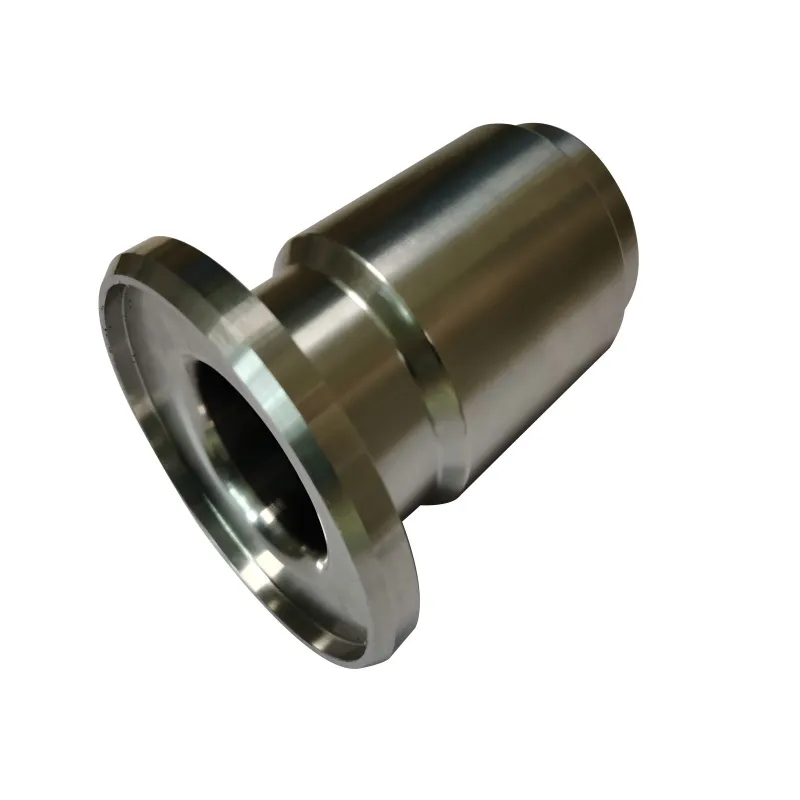
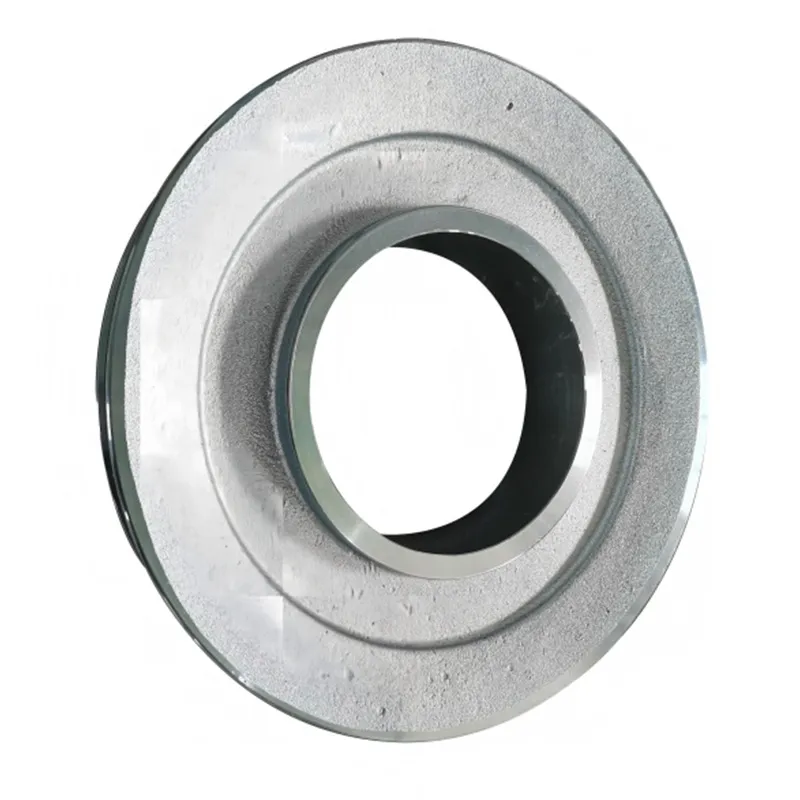
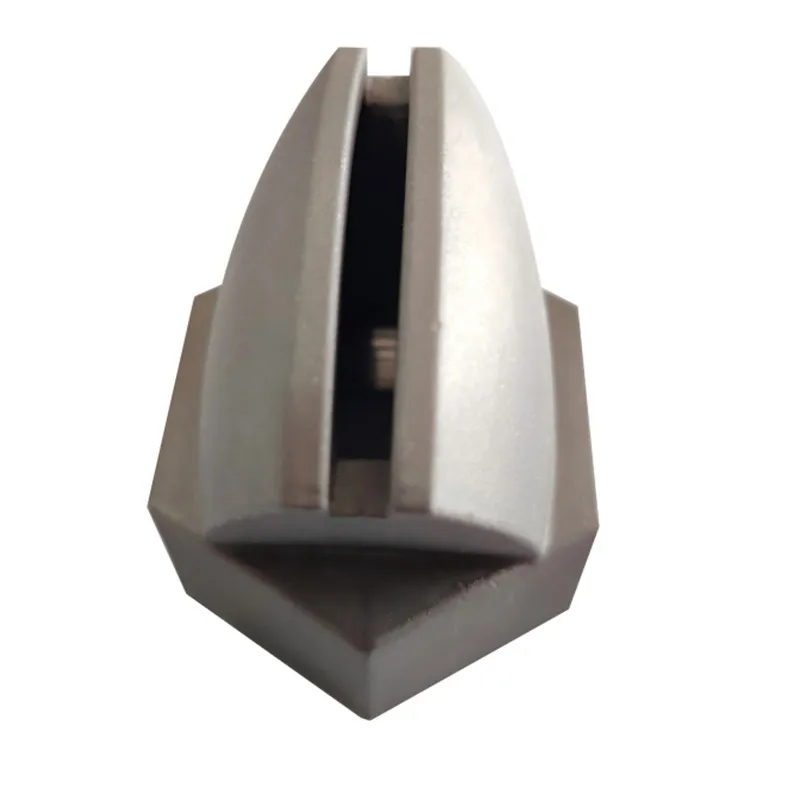
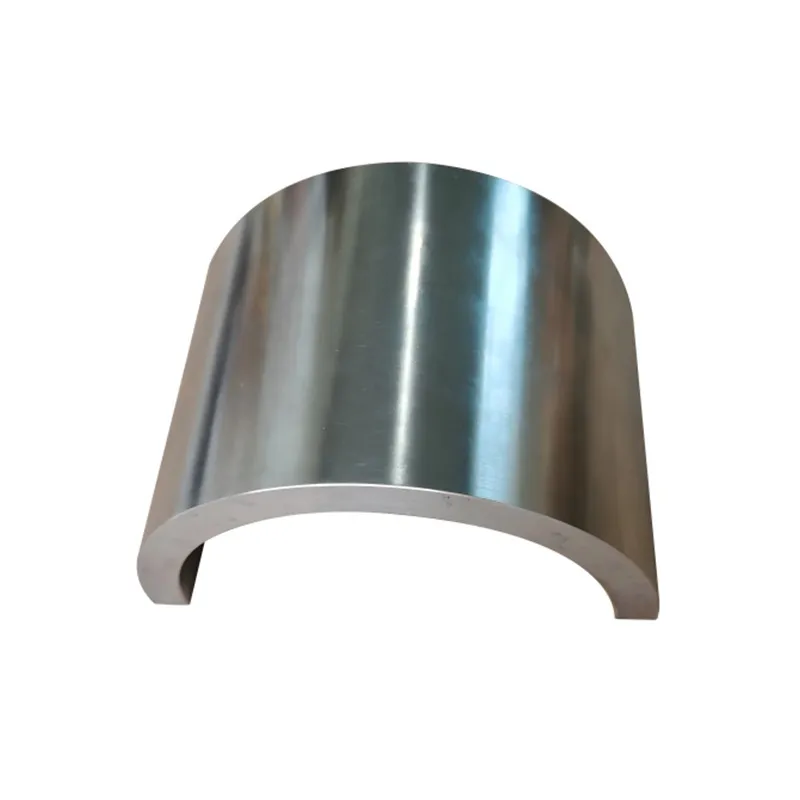
I was looking at a project from a supplier, Qingdao Qiangsenyuan Technology Co., Ltd.(QSY), who lists this as a core competency. With their 30 years in casting and machining, you can bet their process for stainless steel and special alloy castings leans heavily on a mature silica sol system. It's not something you dabble in; it's a commitment. For a standard carbon steel knob or a simple iron bracket? Overkill. The cost and cycle time don't justify it. The ROI comes when you're casting a stainless steel impeller with vanes thinner than a coin, where dimensional fidelity is non-negotiable.
The Machining Handshake
This is a point often missed. The investment casting process doesn't end at shakeout. A good foundry thinks about the machining from the start. A silica sol shell typically yields a finer surface finish, which sounds great. But it also means the casting skin is harder and more uniform. This affects how your CNC tools engage with the first cut. We've had to adjust feed rates and tool paths for parts coming from our silica sol line compared to our other processes.
An integrated operation like QSY, which handles both shell mold casting, investment casting, and CNC machining under one roof, has a distinct advantage here. Their machining team isn't receiving a black-box casting; they're getting a part whose process history they likely understand. They know that the gate remnant on a silica sol casting might have a slightly different hardness profile, so they can program the CNC accordingly. This closed-loop from molding to machining is where real quality and efficiency are built, not just in the casting department alone.
The Grain of Sand in the Gears
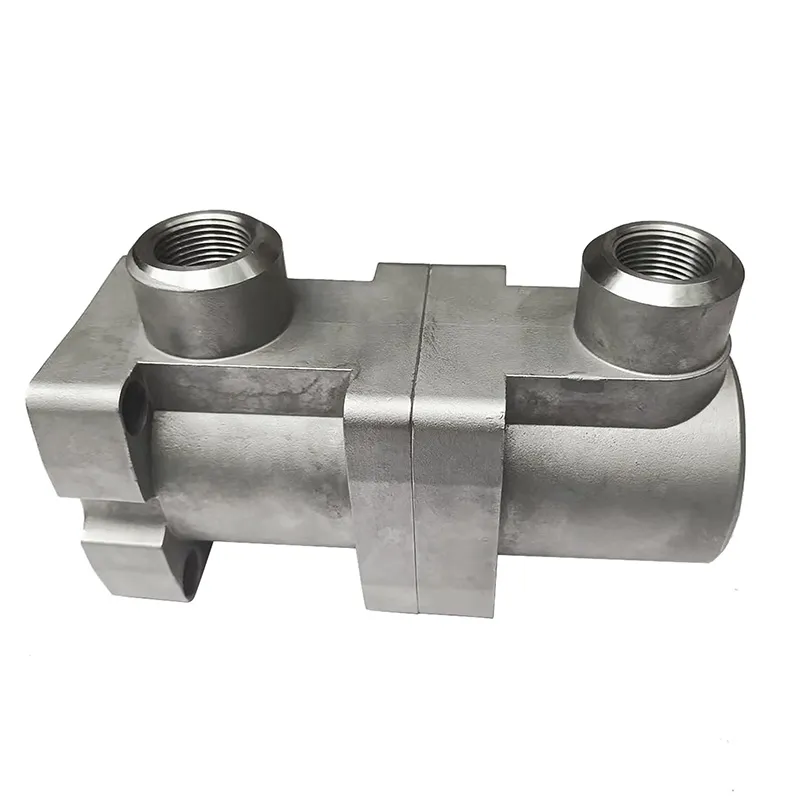
No process is perfect. The major headache with silica sol, aside from climate sensitivity, is the leachability of the shell. Burnout is critical. Any residual silica binder can leave a glassy, sintered residue on the casting surface, especially in re-entrant angles. This isn't a loose sand grain you can blast off; it's fused. We once had a batch of pump housings where this residue was trapped in internal threads. It was a nightmare to rectify, almost requiring electrochemical removal.
This is where the investment in investment casting gets real. Your burnout furnace profile isn't a set and forget. It needs to be tailored to the shell mass and alloy. A heavy-section steel casting needs a different thermal cycle than a thin-walled aluminum one to ensure complete binder removal. It's another layer of process control that separates a job shop from a precision foundry.
A Pragmatic Perspective
So, is silica sol the future? For high-integrity, precision components, absolutely. It's the backbone of aerospace, medical, and high-end industrial casting. But it's not a universal panacea. The decision to use it should be a technical and commercial calculation: the required surface finish (Ra values), the alloy's reactivity, the part geometry, and the acceptable cost per unit.
When evaluating a partner for such work, you're not just buying a casting. You're buying their environmental control logs, their slurry maintenance records, their burnout charts. You're buying decades of ingrained practice, like what you'd infer from a long-standing operator in the field. The real value in a process like silica sol investment casting is deposited not in the bank, but in the collective muscle memory of the technicians and engineers who've fought its battles, learned from its failures, and harnessed its considerable strengths to produce parts that simply can't be made any other way.