When you hear 'silicon mold casting', the mind often jumps straight to small-scale resin trinkets or hobbyist prototypes. That's a common, and frankly limiting, misconception. In an industrial context, especially when you're dealing with complex geometries for functional metal parts, the role of silicone—note the 'e', the industrial-grade material—is far more nuanced. It's not the end product but a critical, often under-discussed, intermediary tool. My experience straddles both the precision foundry and the machining shop, and I've seen too many projects stumble by treating the mold-making process as an afterthought. The reality is, the quality of your silicone mold directly dictates the quality of the wax pattern, which in turn defines the final metal casting. Get the first step wrong, and you're just machining scrap.
The Silicone Bridge: From 3D Model to Wax Pattern
Let's talk process. We don't cast metal directly into silicone. That's a crucial distinction. In investment casting, which is our core business at Qingdao Qiangsenyuan Technology Co., Ltd. (QSY), the silicone mold is used exclusively to produce wax patterns. The sequence is: master model (often 3D printed or machined) -> silicone mold -> injection of molten wax -> wax pattern assembly -> ceramic shell building -> dewaxing -> metal pouring. The silicone mold is the replicator. Its accuracy, surface finish, and durability determine how faithful your wax patterns are to the original design. I've spent countless hours debating Shore hardness with material suppliers—a softer 20A might capture incredible detail but wear out after 50 shots, while a 40A might last for 300 but risk tearing on deep undercuts. There's no universal answer, only a series of trade-offs based on part geometry and volume.
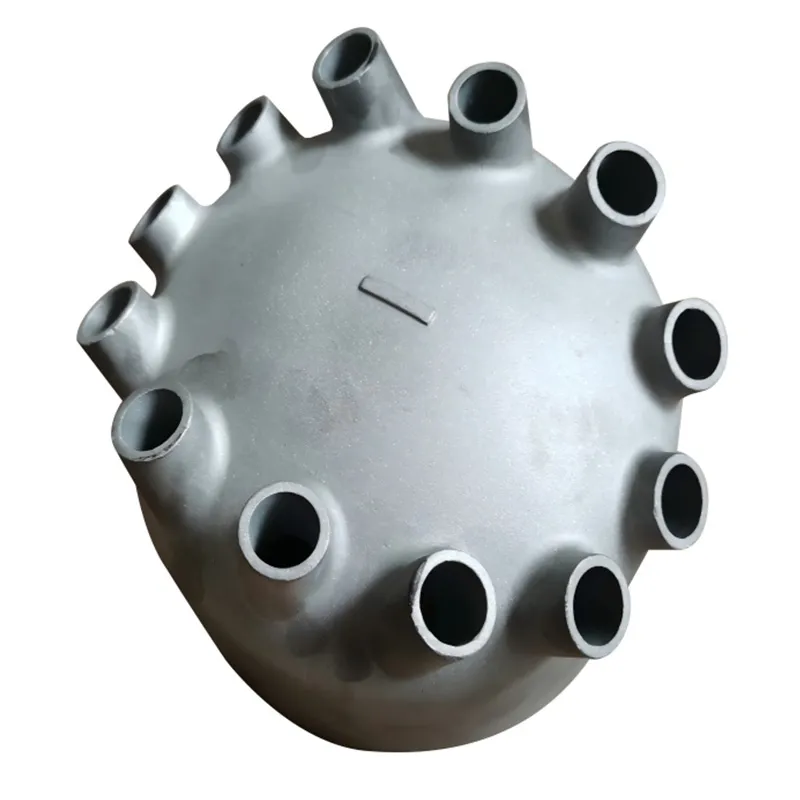
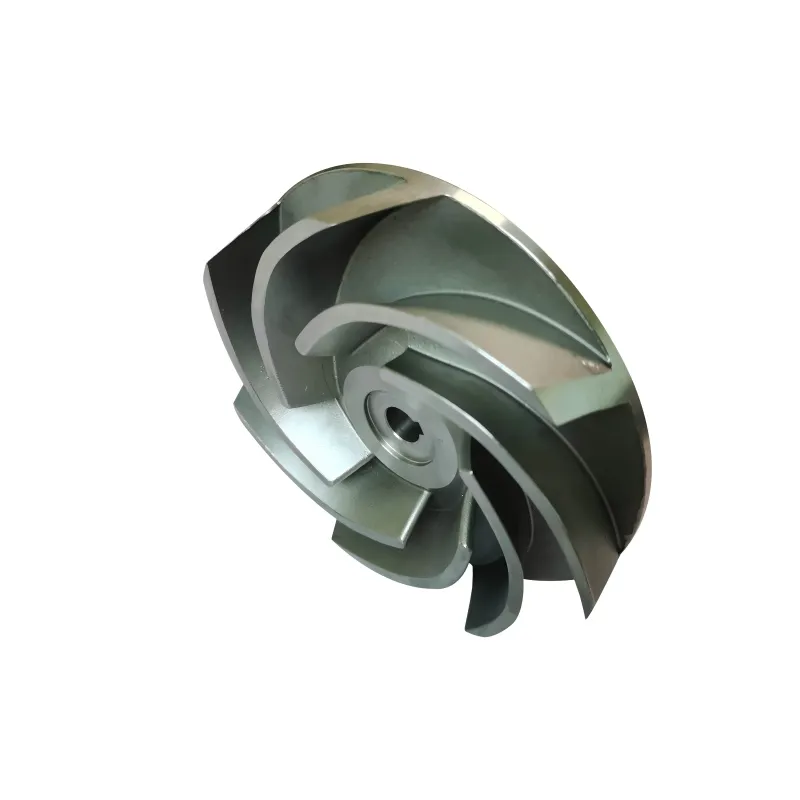
One specific headache is air entrapment. When you pour silicone over a complex master with deep pockets or fine textures, air bubbles are the enemy. We've tried every trick: pressure pots, vacuum degassing chambers, and even meticulously brushing a thin layer of silicone onto the model first. The method that finally clicked for a series of impeller prototypes involved a two-part pour and a custom-built tilting table. It was a messy, iterative process, but it got the bubble count down to near zero. That's the kind of hands-on problem-solving you won't find in a textbook. You can see some of the complex results of this pattern-making stage in the case studies on our site at https://www.tsingtaocnc.com.
The choice of silicone itself is a science. We predominantly use platinum-cure systems for their low shrinkage and excellent reproduction of detail, especially critical for parts that will later be cast in stainless steel or nickel-based alloys. Tin-cure is cheaper, but the inhibition issues and higher shrinkage can introduce deviations that become magnified in the final metal part. For a high-volume job for a hydraulic component last year, we actually prototyped with both. The platinum-cure mold produced wax patterns that held a ±0.1mm tolerance, while the tin-cure batch drifted. The upfront cost was higher, but it saved a fortune in downstream machining time to correct errors.
Where the Mold Meets the Metal: The QSY Workflow
Our 30-year history in casting and machining isn't just about having machines; it's about developing a connected workflow. The silicon mold casting process for patterns is the quiet, clean-room precursor to the noisy, fiery reality of the foundry. A wax pattern made from a perfect silicone mold will have a surface finish that translates directly to the ceramic shell. A rough, pitted pattern from a poor mold means you start the shell process at a disadvantage, often leading to veining or inclusions on the final casting. We've learned to inspect the wax patterns with the same scrutiny as the final machined part.
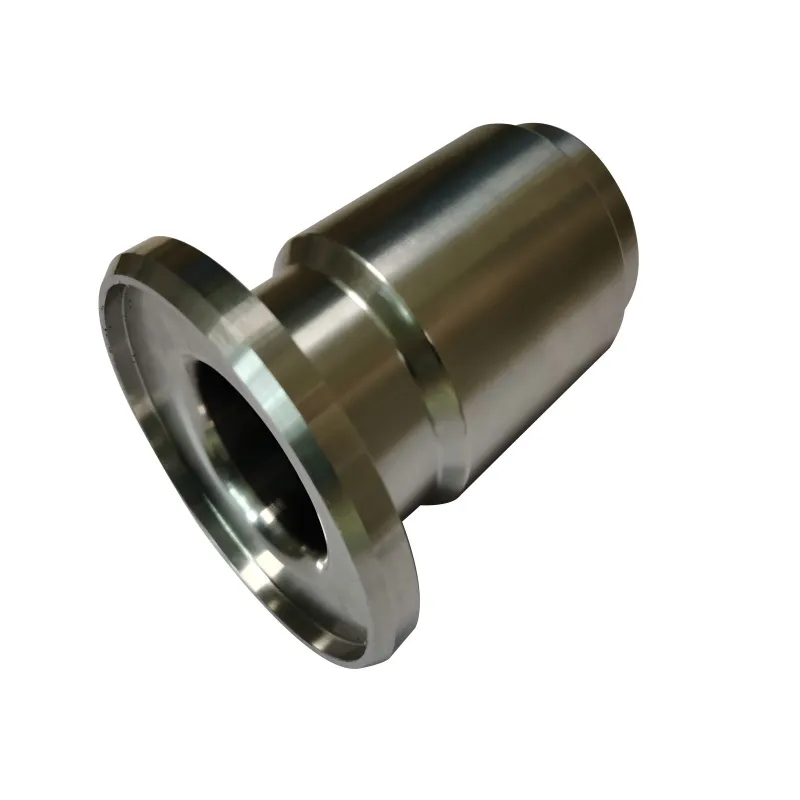
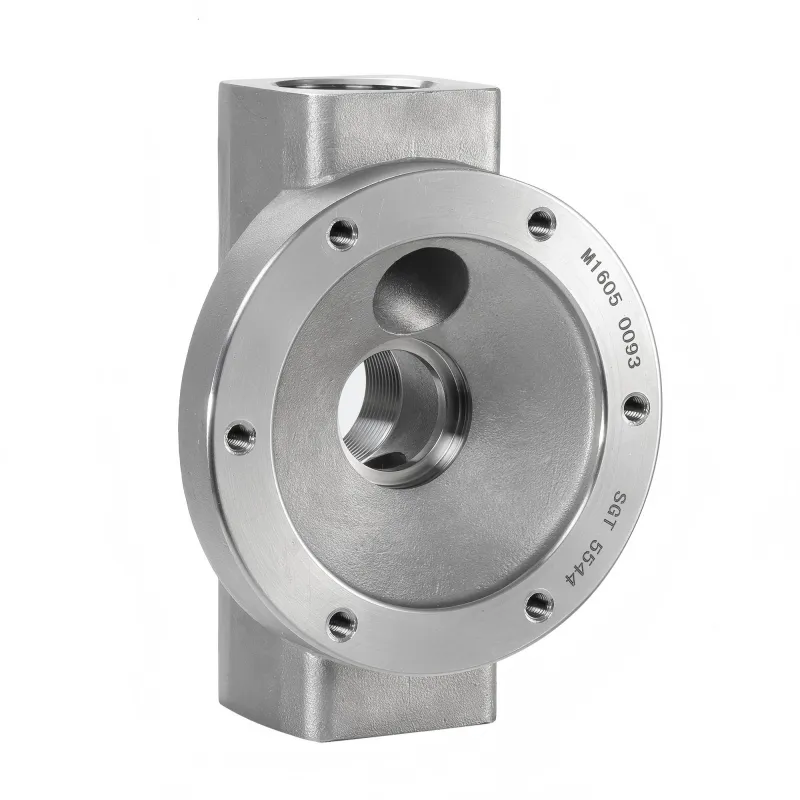
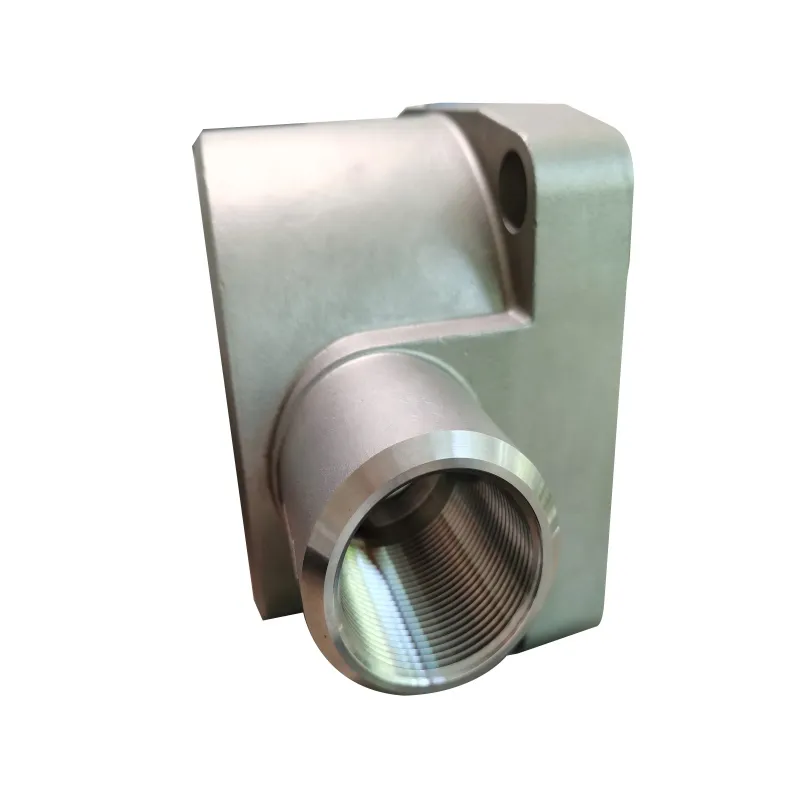
This is where the integration with CNC machining becomes non-negotiable. Even with a perfect investment casting, most functional parts require precision mating surfaces, threads, or tight-tolerance bores. A valve body we recently produced for a client is a prime example. The silicone-molded wax pattern created the complex internal passages that would be impossible to machine. After casting in duplex stainless steel, our CNC department took over, machining the flange faces and valve seats to a Ra 0.8 finish. The silicon mold enabled the geometry; CNC machining ensured the functionality. One process is subservient to the other; they have to work in tandem.
Failure is a better teacher than success. Early on, we had a project for a series of cobalt-chrome alloy dental frameworks. The geometry was extreme, with razor-thin margins. Our first silicone mold approach used a standard block mold design. The result? Wax patterns that consistently fractured during de-molding. The solution wasn't a better silicone, but a different mold design—a multi-part, keyed mold that carefully relieved stress during wax ejection. It added a day to the tooling process but eliminated 100% of the pattern losses. That lesson fundamentally changed how we approach mold design for delicate features.
Material Matters: More Than Just Iron and Steel
While we handle plenty of cast iron and carbon steel, the demands of silicon mold casting for patterns become even more critical with special alloys. When you're dealing with expensive materials like nickel-based superalloys for aerospace or high-wear cobalt alloys for the food industry, the cost of a scrapped casting isn't just the metal—it's the lost time and the broken production schedule. The dimensional stability of your silicone mold is paramount because these alloys often have high melting points and different solidification behaviors, which can amplify any minor imperfection from the wax stage.
I recall a prototype run for a turbine blade in Inconel. The first few casts showed slight dimensional drift on the airfoil profile. We traced it back not to the ceramic shell or the pour, but to a barely measurable thermal expansion in the silicone mold during the high-pressure wax injection phase. The mold itself was distorting under production conditions, something that didn't show up in a hand-poured test. We had to switch to a high-temperature-stability silicone formulation and modify the wax injection pressure curve. It was a subtle, costly interaction between materials that you only learn through painful iteration.
The takeaway here is that specifying silicone for molds is hopelessly vague. You need to think in terms of the entire chain: the wax's injection temperature and shrinkage, the alloy's pouring temperature, and the required final tolerances. The mold material is a active participant in the system, not a passive container.
Practical Pitfalls and Unspoken Details
Beyond the data sheets, there are shop-floor realities. Silicone has a pot life, and mixing large batches for a big mold is a race against time. I've been part of a team frantically pouring as the material began to thicken, knowing that a rushed pour could mean a worthless block of rubber. Venting is another art form. Where do you place the vents to allow air to escape without creating flash on the wax pattern? We often add temporary clay vents during the silicone pour, then dig them out later to create perfect channels. It's a manual, almost sculptural skill.
Then there's maintenance. A good silicone mold can produce hundreds of wax patterns, but it degrades. It absorbs moisture from the atmosphere, it slowly reacts with certain wax additives, and it mechanically fatigues. We have a logging system for our molds—shot count, visual inspection results, and measured dimensions of a sample wax pattern every 50 cycles. This data lets us predict mold life and schedule tooling refurbishment before quality drops. This operational discipline is what separates a job shop from a reliable supplier like QSY.
Finally, don't underestimate the importance of the master model. If your 3D-printed master has layer lines, your silicone mold will capture them, and your wax pattern will have them, and your ceramic shell will have them, and your final stainless steel casting will have them. Sometimes, it's more cost-effective to machine an aluminum master for a high-volume silicone mold, just to get that optically smooth starting surface. It's a classic cost-benefit analysis that happens at the very beginning of every project.
Conclusion: It's a Tool, Not a Magic Bullet
So, to wrap this up, silicon mold casting in the context of industrial metal part production is a sophisticated, detail-obsessed step in a longer journey. It's a enabling technology for investment casting, particularly for complex, low-to-medium volume parts across materials from cast iron to superalloys. Its success hinges on material science, mold design, process control, and a deep understanding of the entire manufacturing chain that follows.
The goal is never just to make a silicone mold. The goal is to produce a consistent, high-fidelity stream of wax patterns that enable predictable, high-quality metal castings. When you partner with a manufacturer, you're not just buying their machines; you're buying this accumulated, often hard-won, process knowledge. That's the real value—the kind of integrated expertise we've built at Qingdao Qiangsenyuan over three decades, where the pattern shop, the foundry, and the CNC floor speak the same technical language.
In the end, it comes down to respect for the process. The silicone mold is a humble, often overlooked piece of tooling. But treat it as an afterthought, and it will become the single point of failure in your project. Give it the consideration it demands, and it becomes the reliable, repeatable bridge between your design and a functional metal component.