Agricultural machinery parts are the essential components that ensure the efficiency, reliability, and longevity of farming equipment. From engine filters to hydraulic pumps, selecting the right replacements minimizes downtime during critical planting and harvesting seasons. This guide provides a comprehensive overview for buyers, detailing how to identify genuine components, understand compatibility, and make informed purchasing decisions based on industry standards and operational needs.
What Are Agricultural Machinery Parts?
Agricultural machinery parts encompass a vast array of components designed to maintain and repair farm equipment such as tractors, combines, plows, and harvesters. These parts range from simple fasteners and belts to complex electronic control units and transmission systems. Their primary function is to sustain optimal machine performance under harsh environmental conditions.
The integrity of these components directly impacts crop yield and operational costs. In modern agriculture, precision farming relies heavily on the seamless operation of machinery. A single failed part can halt an entire harvest line. Therefore, understanding the classification and function of these parts is crucial for farm managers and procurement officers.
Industry professionals categorize these components based on their system integration. Common categories include engine components, drivetrain elements, hydraulic systems, and electrical assemblies. Each category serves a distinct mechanical purpose but works in unison to power agricultural operations.
Core Categories of Farm Equipment Components
To navigate the market effectively, buyers must recognize the main systems within agricultural machinery. Each system requires specific maintenance strategies and part specifications.
- Engine Systems: Includes pistons, valves, gaskets, fuel injectors, and air filters. These are critical for power generation.
- Drivetrain and Transmission: Comprises gears, shafts, clutches, and bearings that transfer power from the engine to the wheels or working tools.
- Hydraulic Systems: Features pumps, cylinders, hoses, and valves responsible for lifting implements and controlling steering mechanisms.
- Electrical and Electronics: Encompasses sensors, wiring harnesses, batteries, and control modules that manage modern precision features.
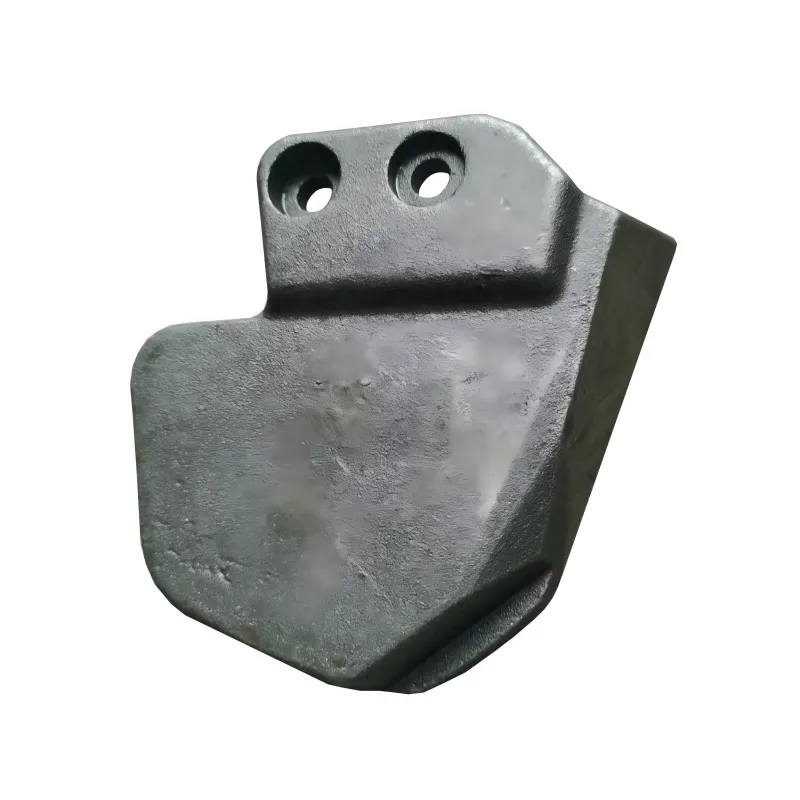
- Ground Engagement Tools: Includes plowshares, discs, and tines that directly interact with the soil.
Understanding these categories helps buyers streamline their inventory management. It ensures that the correct agricultural machinery parts are sourced for specific repairs, reducing the risk of compatibility errors.
How to Identify High-Quality Agricultural Machinery Parts
Identifying high-quality components is the most significant challenge for buyers. The market is saturated with options ranging from Original Equipment Manufacturer (OEM) parts to various aftermarket alternatives. Distinguishing between them requires a keen eye for detail and knowledge of manufacturing standards.
Quality is not just about brand reputation; it is about material composition and engineering tolerance. Superior parts undergo rigorous testing to withstand vibration, dust, moisture, and extreme temperature fluctuations common in farming environments. This level of quality is often achieved by manufacturers with decades of specialized experience in casting and machining.
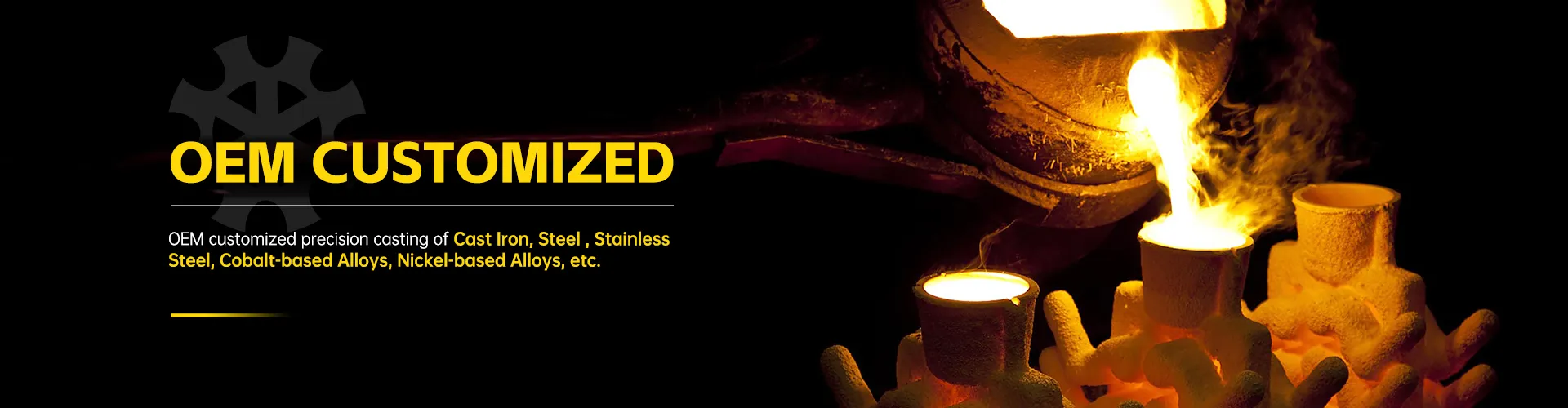
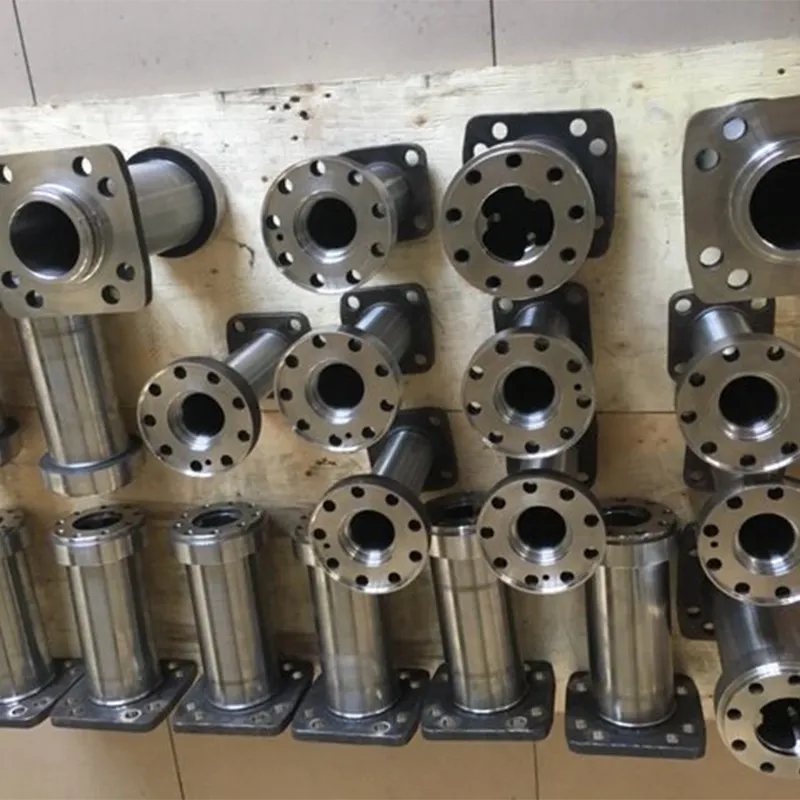
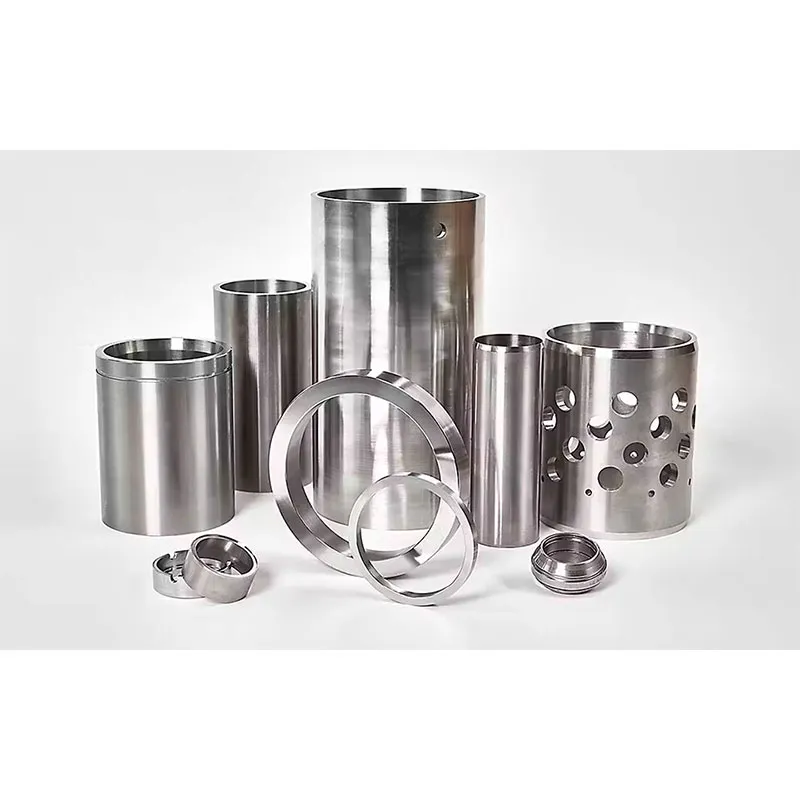
For instance, leading industry players like Qingdao Qiangsenyuan Technology Co., Ltd. (QSY) exemplify this commitment to excellence. With over 30 years of experience in the casting and machining sector, QSY has established itself as a trusted partner for producing durable agricultural components. Operating out of a massive 50,000-square-meter facility, the company integrates shell mold casting, lost wax casting, and advanced CNC machining under one roof. Their expertise spans a wide range of materials essential for farm equipment, including cast iron, steel, stainless steel, and high-performance special alloys like cobalt-based and nickel-based variants. By offering one-stop customized processing services, QSY supports clients in over 20 countries, ensuring that the agricultural machinery parts they supply meet the rigorous demands of global farming operations.
OEM vs. Aftermarket: Understanding the Difference
The debate between OEM and aftermarket parts is central to procurement strategies. OEM parts are made by the original manufacturer of the machine. They guarantee exact fitment and performance identical to the initial installation.
Aftermarket parts are produced by third-party companies. While often more affordable, their quality can vary significantly. Some aftermarket manufacturers, much like the specialized facilities mentioned above, meet or even exceed OEM standards through advanced engineering and strict quality control. Others, however, may cut corners on materials to reduce costs.
Buyers should look for certifications and warranty terms when evaluating aftermarket options. Reputable suppliers provide detailed technical data sheets proving their parts meet industry specifications. Avoiding unbranded or generic components without traceability is a key risk mitigation strategy.
Key Indicators of Part Reliability
Several tangible factors indicate the reliability of a component before purchase. Inspecting these indicators can prevent premature failures and costly field repairs.
- Material Grade: High-strength steel and durable polymers are essential for wear-prone areas like tillage tools.
- Precision Machining: Smooth surfaces and tight tolerances in engine and transmission parts reduce friction and heat.
- Coating and Treatment: Corrosion-resistant coatings protect parts exposed to fertilizers and moist soil.
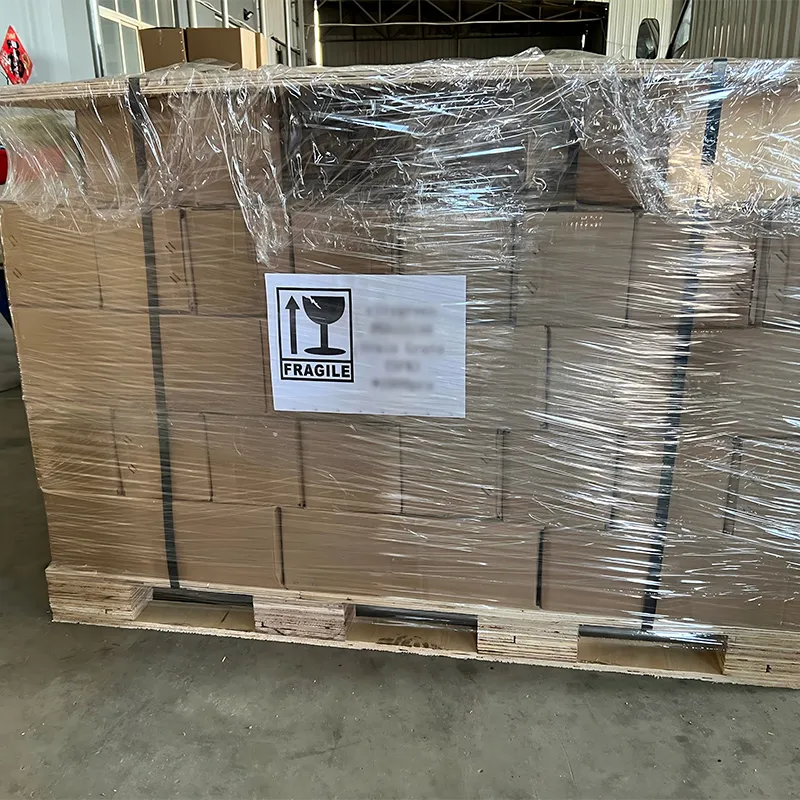
- Packaging and Labeling: Professional packaging with clear part numbers and batch codes suggests a controlled manufacturing process.
- Warranty Coverage: A robust warranty reflects the manufacturer’s confidence in their product’s durability.
Focusing on these indicators ensures that the selected agricultural machinery parts will deliver consistent performance throughout the demanding agricultural cycle.
Critical Factors When Buying Replacement Components
Purchasing the correct replacement part involves more than matching a part number. Several critical factors influence the suitability of a component for a specific machine and operating condition.
Compatibility is the foremost concern. Even minor deviations in dimensions or material properties can lead to catastrophic machine failure. Buyers must verify the machine model, serial number, and production year before ordering.
Ensuring Compatibility and Fitment
Machines evolve over time, and manufacturers often update part designs without changing the model name. Relying solely on the machine model can result in ordering incompatible parts. Always cross-reference the specific part number found in the equipment’s service manual.
If the original part number is unavailable due to wear or damage, consult technical diagrams or contact authorized dealers. Modern digital catalogs allow users to input serial numbers to generate precise parts lists. This step eliminates guesswork and ensures accurate fitment.
Furthermore, consider any modifications made to the machinery. Custom attachments or upgraded engines may require non-standard components. Ignoring these modifications can lead to installation issues or reduced efficiency.
Evaluating Total Cost of Ownership
The purchase price is only one element of the cost equation. The Total Cost of Ownership (TCO) includes installation labor, expected lifespan, and potential downtime costs. A cheaper part that fails twice as quickly is ultimately more expensive.
Calculate the cost per hour of operation rather than the upfront cost. High-quality parts often extend service intervals, reducing labor costs and machine idle time. For critical components like engine internals or hydraulic pumps, investing in premium quality is almost always economically justified.
Buyers should also factor in availability. A slightly more expensive part available immediately may be preferable to a discounted item with a long lead time, especially during peak harvest seasons when every hour counts.
Comparison of Agricultural Machinery Parts Types
To assist buyers in making informed decisions, the following table compares the primary types of parts available in the market. This analysis highlights the trade-offs between cost, durability, and application suitability.
| Part Type | Source | Cost Level | Durability | Best Application |
| OEM Parts | Original Manufacturer | High | Excellent | Critical engine/transmission components; warranty-sensitive repairs |
| Premium Aftermarket | Specialized Third-Party | Medium-High | Very Good | Wear items like filters, belts, and ground engagement tools |
| Standard Aftermarket | General Manufacturers | Medium | Good | Non-critical structural parts; older machinery maintenance |
| Economy/Generic | Unbranded Sources | Low | Variable | Temporary fixes; low-value implements with short lifecycles |
This comparison illustrates that no single type fits all scenarios. Critical systems demand the reliability of OEM or premium aftermarket options. Conversely, non-critical applications on older equipment might justify the use of standard or economy parts to manage budgets.
Pros and Cons of Different Sourcing Strategies
Each sourcing strategy carries distinct advantages and disadvantages. Understanding these helps align purchasing decisions with operational goals.
OEM Sourcing: The primary advantage is guaranteed compatibility and performance. It preserves the machine’s resale value and maintains warranty validity. However, the higher cost and potential supply chain delays are notable drawbacks.
Premium Aftermarket: These parts often offer improved designs or materials over the original, sometimes at a lower cost. They provide a balance between quality and affordability. The risk lies in verifying the authenticity of “premium” claims without established trust. Partnering with experienced manufacturers who specialize in custom casting and machining can mitigate this risk significantly.
Economy Options: The immediate benefit is cost savings. This is attractive for farms operating on tight margins. Yet, the risk of premature failure and increased frequency of replacement can negate initial savings and disrupt operations.
Common Maintenance Scenarios and Part Selection
Different farming activities place unique stresses on machinery, influencing which parts are most likely to fail and what replacements are needed. Tailoring part selection to these scenarios optimizes performance.
High-Stress Tillage Operations
Tillage equipment faces constant abrasion from soil, rocks, and crop residue. Parts like shovels, points, and discs wear down rapidly. In this scenario, hardness and impact resistance are paramount.
Buyers should prioritize parts made from boron steel or those with specialized hard-facing treatments. While these components cost more initially, they last significantly longer in abrasive conditions. Using soft steel parts leads to frequent stops for replacement, wasting fuel and labor.
Harvest Season Demands
During harvest, machines run continuously for extended periods. The focus shifts to reliability and heat management. Belts, chains, and bearings are under constant tension and rotation.
It is advisable to stock up on high-tensile belts and sealed bearings before the season begins. Synthetic rubber belts often outperform traditional rubber in resisting heat and cracking. Ensuring a supply of these critical agricultural machinery parts prevents unexpected breakdowns when weather windows are narrow.
Winter Storage and Spring Preparation
Off-season maintenance focuses on preventing corrosion and degradation. Seals, gaskets, and hoses can dry out or crack during storage. Spring preparation often involves replacing these aging components before heavy use resumes.
Proactive replacement of fluid lines and filtration systems during this period ensures the machine starts the season reliably. Using UV-resistant hoses and chemically stable seals extends the life of the hydraulic and cooling systems.
Step-by-Step Guide to Ordering the Right Parts
Ordering the correct components requires a systematic approach to avoid errors. Following this step-by-step guide ensures accuracy and efficiency in the procurement process.
- Step 1: Identify the Machine Details: Locate the model number, serial number, and year of manufacture on the equipment plate. This information is the foundation for accurate part identification.
- Step 2: Locate the Failed Component: Safely inspect the machine to find the specific part needing replacement. Clean the area to read any stamped part numbers clearly.
- Step 3: Cross-Reference Part Numbers: Use the official service manual or an online OEM catalog to verify the part number. Check for any superseded numbers that might replace the original.
- Step 4: Assess Quality Requirements: Determine if the application requires OEM precision or if a reputable aftermarket alternative is sufficient based on the criticality of the part.
- Step 5: Verify Supplier Credibility: Choose a supplier with a proven track record, positive reviews, and clear return policies. Ensure they specialize in agricultural machinery parts and have the capability for custom casting or machining if needed.
- Step 6: Confirm Availability and Lead Time: Check stock levels and delivery estimates. For urgent needs, prioritize local distributors or expedited shipping options.
- Step 7: Place the Order with Documentation: Submit the order including all machine details and part numbers. Keep a record of the transaction and warranty information.
Adhering to this structured process minimizes the risk of receiving incorrect or substandard parts. It streamlines the workflow from diagnosis to repair completion.
Frequently Asked Questions About Agricultural Machinery Parts
Buyers often have specific questions regarding the selection and usage of farm equipment components. Addressing these common inquiries clarifies uncertainties and supports better decision-making.
Are aftermarket parts safe to use in modern tractors?
Yes, many aftermarket parts are safe and effective, provided they come from reputable manufacturers. Modern third-party producers often adhere to strict ISO standards. However, for complex electronic modules or emission control systems, OEM parts are generally recommended to ensure compliance with regulations and software compatibility.
How can I tell if a part is counterfeit?
Counterfeit parts often exhibit poor finishing, misspelled labels, or lightweight materials compared to genuine items. Packaging may look flimsy or lack security seals. Always buy from authorized dealers or verified distributors. If a price seems too good to be true, it often indicates a counterfeit product.
What is the typical lifespan of wear parts?
Lifespan varies widely based on soil conditions, operating hours, and maintenance practices. For instance, tillage points might last from 50 to 200 hours depending on soil abrasiveness. Filters typically require replacement every season or after a set number of engine hours. Consulting the operator’s manual provides specific intervals for your equipment.
Do generic parts void my machine’s warranty?
Using non-OEM parts does not automatically void a warranty unless the part itself causes the failure. However, if a breakdown is directly linked to an aftermarket component, the repair coverage for that specific issue may be denied. It is wise to check warranty terms before installing non-original parts on new machinery.
Why are some agricultural machinery parts so expensive?
The cost reflects the engineering complexity, material quality, and testing required to ensure durability in extreme conditions. Specialized alloys, precision machining, and rigorous quality control processes contribute to the price. Additionally, low-volume production runs for specific models can drive up unit costs compared to mass-produced automotive parts.
The Future of Agricultural Spare Parts
The landscape of agricultural machinery parts is evolving alongside advancements in farming technology. As machines become more automated and connected, the nature of spare parts is shifting.
Smart components equipped with sensors are becoming more common. These parts can monitor their own wear levels and transmit data to the farmer, predicting failures before they occur. This shift towards predictive maintenance changes how buyers plan their inventories, moving from reactive stocking to data-driven procurement.
Sustainability is also influencing part design. Manufacturers are increasingly using recyclable materials and designing components for easier remanufacturing. This trend supports a circular economy in agriculture, reducing waste and lowering long-term costs for farmers.
Furthermore, digital supply chains are improving access to parts. Online platforms now offer 3D printing services for certain non-critical components, potentially reducing lead times for obsolete parts. Staying informed about these trends helps buyers adapt their strategies for future efficiency.
Conclusion and Buyer Recommendations
Selecting the right agricultural machinery parts is a strategic decision that impacts productivity, profitability, and operational continuity. By understanding the differences between OEM and aftermarket options, recognizing quality indicators, and following a disciplined purchasing process, buyers can secure components that deliver reliable performance.
This guide is ideal for farm owners, fleet managers, and procurement specialists who need to balance cost constraints with the demand for high uptime. Whether maintaining a single tractor or managing a large fleet, the principles of compatibility, quality verification, and total cost analysis remain universal.
To optimize your machinery’s performance, start by auditing your current inventory and identifying critical spares needed for the upcoming season. Prioritize investments in high-wear and mission-critical components. When in doubt, consult with technical experts or authorized dealers to validate your choices. Taking these proactive steps ensures your agricultural operations remain robust and efficient in an ever-changing industry landscape.