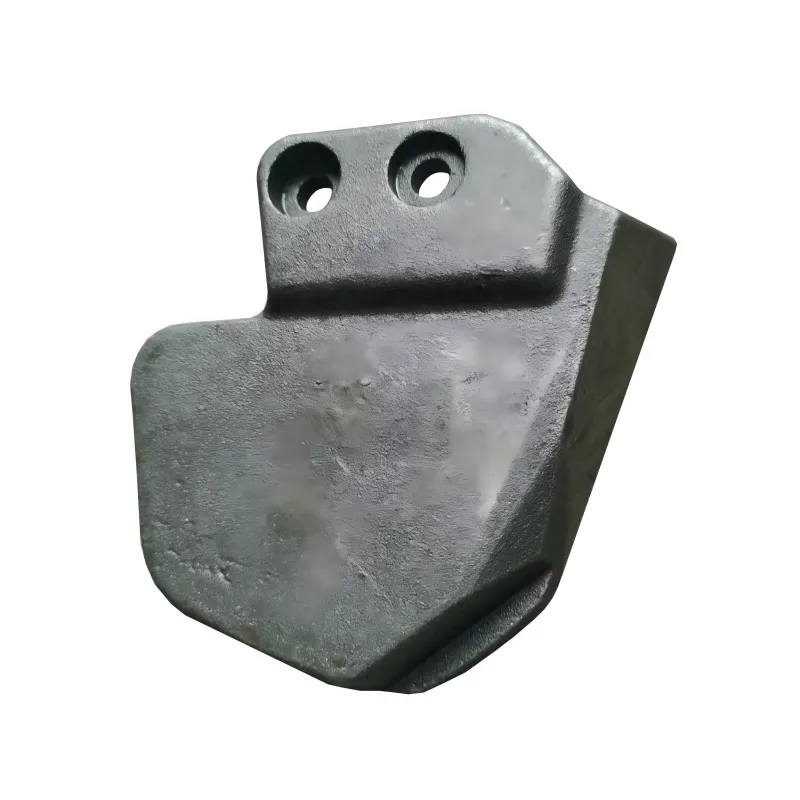
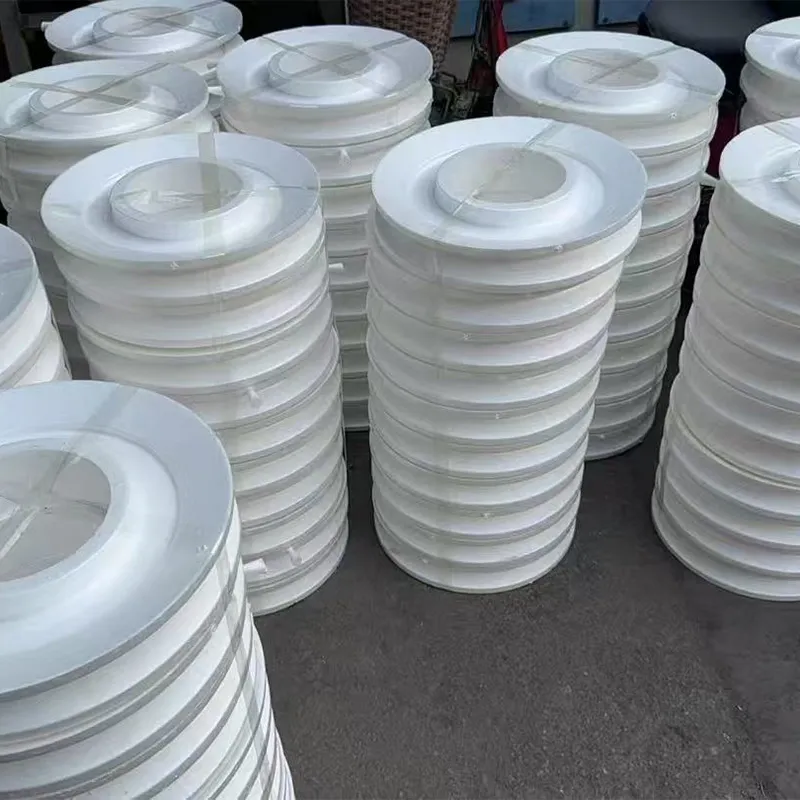
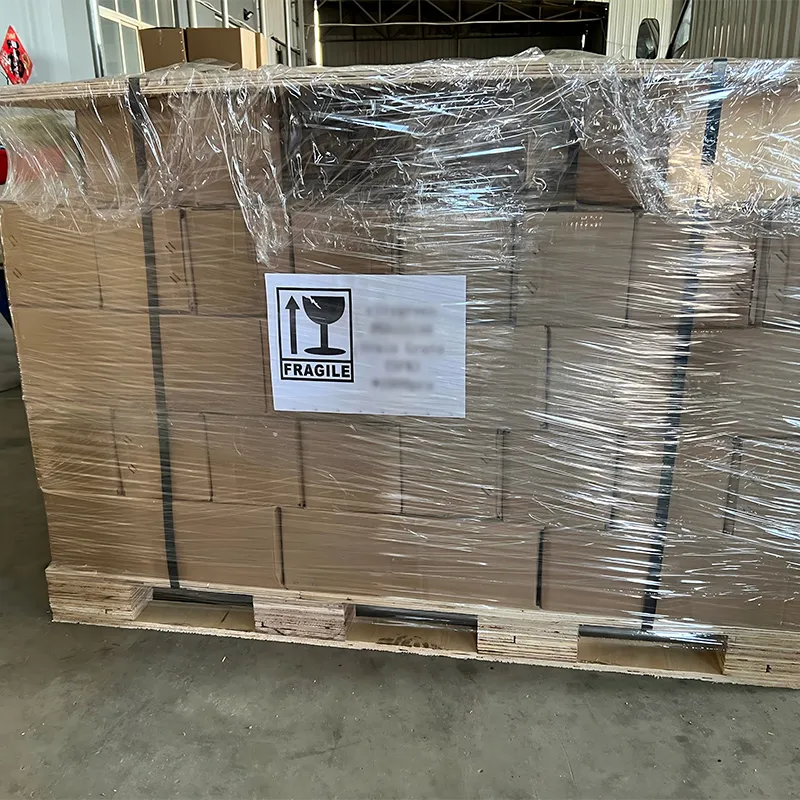
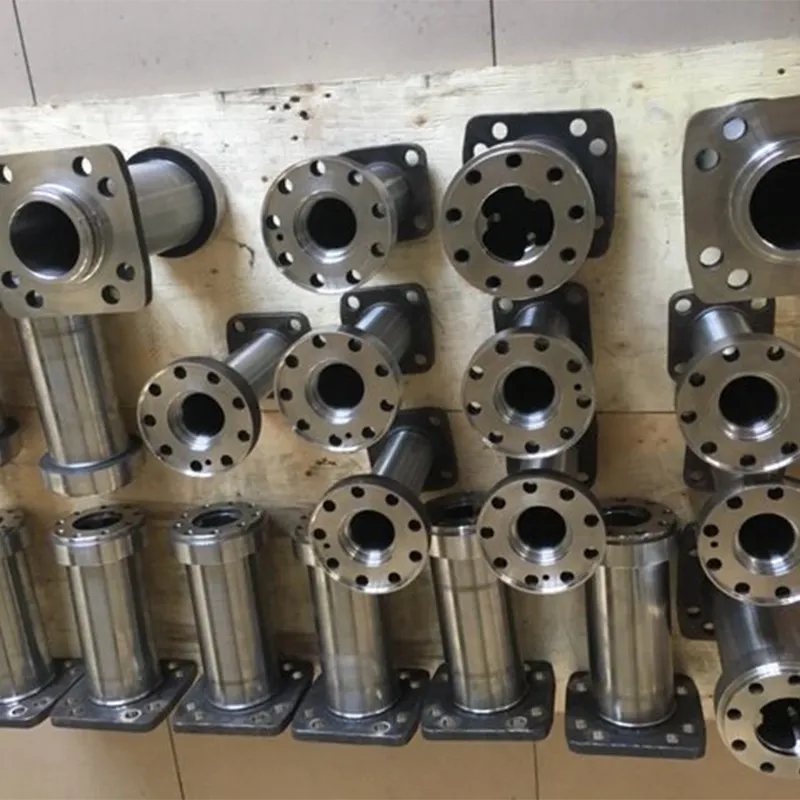
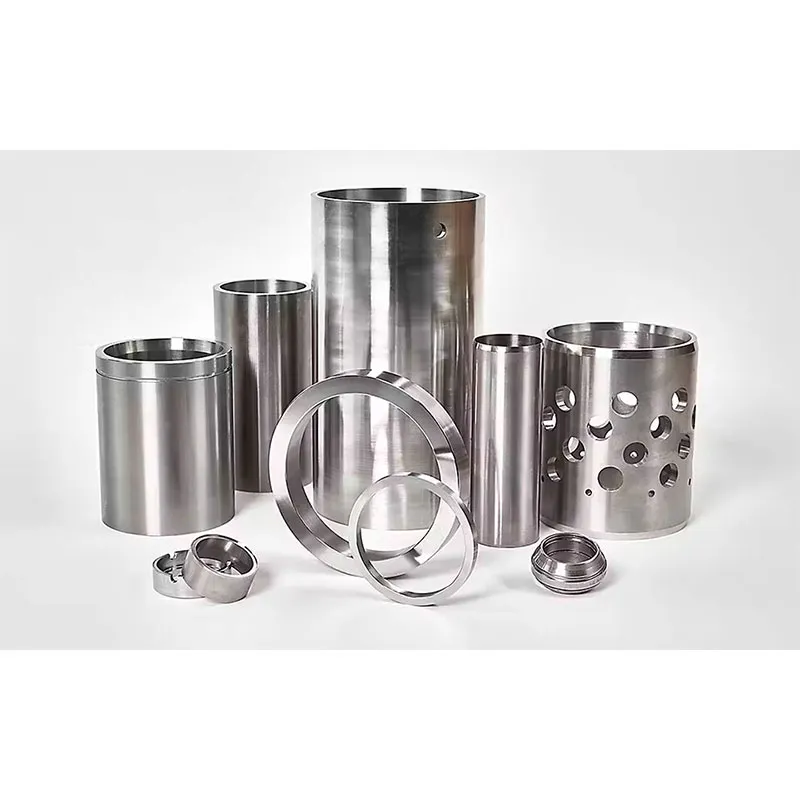
Gravity cast iron parts are metal components manufactured by pouring molten iron into a mold under the force of gravity, without external pressure. This cost-effective casting method is ideal for producing complex geometries with excellent mechanical properties, making it a preferred choice for automotive, machinery, and infrastructure applications where durability and dimensional stability are paramount.
What Are Gravity Cast Iron Parts?
Gravity cast iron parts refer to components created through the gravity die casting or permanent mold casting process using iron-based alloys. Unlike high-pressure die casting, this technique relies solely on gravitational force to fill the mold cavity. The result is a dense microstructure with minimal gas porosity, offering superior strength compared to sand casting.
The process typically involves reusable metal molds, often made from steel or iron, which allow for tighter tolerances and smoother surface finishes. Gravity cast iron parts are widely recognized in engineering circles for their balance between production efficiency and material integrity.
Engineers favor this method when designing components that must withstand significant thermal cycling or mechanical stress. The absence of turbulent filling reduces oxide inclusions, ensuring the final product meets rigorous industry standards for reliability and longevity.
The Manufacturing Process of Gravity Cast Iron
Understanding the production workflow is essential for buyers evaluating supplier capabilities. The gravity casting process is distinct due to its controlled filling and solidification phases, which directly influence the quality of the final component.
Step-by-Step Production Workflow
- Mold Preparation: Reusable metal molds are preheated to a specific temperature to prevent thermal shock and ensure smooth metal flow.
- Melting and Alloying: Raw iron materials are melted in a furnace, with precise additives introduced to achieve the desired chemical composition.
- Pouring: Molten iron is poured manually or automatically into the mold cavity strictly under the influence of gravity.
- Solidification: The metal cools and solidifies within the mold, forming the near-net shape of the part.
- Ejection and Cleaning: Once cooled, the part is ejected, and gates or risers are removed via machining or grinding.
- Quality Inspection: Final parts undergo dimensional checks and non-destructive testing to verify integrity.
This systematic approach ensures consistency across large production runs. The controlled cooling rate allows for the formation of a fine grain structure, which is critical for enhancing the mechanical properties of gravity cast iron parts.
Key Technical Parameters
Successful casting depends on maintaining strict control over several variables. Mold temperature, pouring speed, and alloy composition are the primary factors determining the success rate. Deviations in these parameters can lead to defects such as cold shuts or misruns.
Industry practitioners emphasize the importance of mold coating technologies. These coatings protect the mold surface and regulate heat transfer, further refining the microstructure of the casting. Proper management of these technical aspects distinguishes high-quality manufacturers from average suppliers.
Types of Iron Alloys Used in Gravity Casting
Selecting the correct alloy is fundamental to the performance of the final component. Different iron alloys offer varying levels of strength, ductility, and wear resistance, tailored to specific application requirements.
Gray Cast Iron
Gray cast iron is the most common material used in gravity casting due to its excellent castability and vibration damping characteristics. The presence of graphite flakes provides self-lubricating properties, making it ideal for engine blocks and brake discs.
While it has lower tensile strength compared to other alloys, its compressive strength is exceptional. Engineers often specify gray iron for applications where stiffness and thermal conductivity are more critical than impact resistance.
Ductile (Nodular) Iron
Ductile iron, also known as nodular iron, contains spheroidal graphite structures that significantly improve toughness and elongation. This makes gravity cast iron parts made from ductile iron suitable for heavy-duty applications like crankshafts and gearboxes.
The modification of the graphite structure during the melting process enhances the material’s ability to absorb energy without fracturing. It bridges the gap between the castability of gray iron and the mechanical properties of steel.
Malleable Iron
Malleable iron is produced by heat-treating white cast iron to convert carbon into temper carbon nodes. This process yields a material with good ductility and machinability, often used for small, intricate fittings and agricultural equipment parts.
Although the production cycle is longer due to the annealing stage, the resulting properties justify the investment for components requiring high impact resistance in thin sections.
Advantages and Disadvantages Analysis
Evaluating the pros and cons helps buyers make informed decisions regarding project feasibility and budget allocation. Gravity casting offers a unique set of benefits but also presents certain limitations compared to alternative manufacturing methods.
| Feature | Advantages | Disadvantages |
| Cost Efficiency | Lower tooling costs compared to high-pressure die casting; suitable for medium to high volumes. | Higher per-unit cost than sand casting for very low volume runs. |
| Material Quality | Dense microstructure with minimal porosity; superior mechanical properties. | Limited to ferrous alloys with good fluidity; not suitable for all metal types. |
| Surface Finish | Smoother surfaces reduce post-processing machining time and costs. | Complex internal cavities may require additional core inserts, increasing complexity. |
| Production Speed | Faster cycle times than sand casting due to reusable molds. | Slower than high-pressure die casting for mass production of small parts. |
| Design Flexibility | Allows for thicker wall sections and complex geometries without turbulence defects. | Wall thickness uniformity is critical to prevent shrinkage defects. |
The table above highlights why gravity cast iron parts are often the optimal choice for mid-volume production runs requiring high integrity. The trade-off between initial tooling investment and per-part quality is a key consideration for procurement teams.
Common Applications Across Industries
The versatility of gravity cast iron enables its use in diverse sectors. From automotive powertrains to industrial machinery, these components form the backbone of many critical systems.
Automotive Sector
In the automotive industry, gravity cast iron parts are ubiquitous. Engine blocks, cylinder heads, and brake rotors frequently utilize this manufacturing method. The ability to produce thick-walled sections with consistent quality ensures safety and performance under extreme operating conditions.
Furthermore, the vibration damping capacity of gray iron contributes to noise reduction in vehicles, enhancing passenger comfort. As emission standards tighten, the precision offered by gravity casting supports the development of more efficient engine designs.
Industrial Machinery
Heavy machinery relies on robust components capable of withstanding continuous load cycles. Gearbox housings, pump bodies, and valve components are commonly produced via gravity casting. The dimensional stability of these parts ensures proper alignment of internal mechanisms, reducing wear and maintenance needs.
Manufacturers in this sector prioritize the longevity of equipment. The dense structure of gravity cast iron minimizes the risk of catastrophic failure, which is crucial for minimizing downtime in industrial operations.
Infrastructure and Construction
Pipe fittings, manhole covers, and structural connectors are other vital applications. These components must endure harsh environmental conditions and heavy loads. Gravity casting provides the necessary corrosion resistance and mechanical strength required for long-term infrastructure projects.
The scalability of the process allows for the production of both standard and custom-sized components, adapting to the specific needs of construction blueprints and civil engineering requirements.
Quality Control and Standards Compliance
Ensuring the reliability of gravity cast iron parts requires adherence to stringent quality control protocols. Reputable manufacturers implement multi-stage inspection processes to guarantee compliance with international standards.
Non-Destructive Testing (NDT)
Techniques such as ultrasonic testing, magnetic particle inspection, and dye penetrant testing are standard practices. These methods detect subsurface defects, cracks, or inclusions that could compromise part performance without damaging the component itself.
Regular NDT implementation builds trust between suppliers and buyers, providing verifiable evidence of product integrity. It is a hallmark of authoritative manufacturers committed to delivering defect-free solutions.
Chemical and Mechanical Testing
Spectrometry is used to verify the chemical composition of the melt, ensuring it matches the specified alloy grade. Tensile testing, hardness testing, and impact tests validate the mechanical properties against industry benchmarks like ASTM or ISO standards.
Documentation of these test results is often provided with shipment certificates, offering transparency and traceability. This level of diligence is essential for engineers validating components for safety-critical applications.
How to Choose the Right Supplier
Selecting a competent partner is as critical as the design itself. The market contains numerous foundries, but only a few possess the expertise to deliver high-quality gravity cast iron parts consistently.
Evaluate Technical Capabilities
Prospective buyers should assess the supplier’s equipment age, mold-making facilities, and melting capacity. Modern induction furnaces and automated pouring systems indicate a commitment to precision and efficiency. Ask about their experience with specific alloy grades relevant to your project.
A supplier with a dedicated engineering team can offer valuable design-for-manufacturability (DFM) feedback. This collaboration can optimize part geometry to reduce weight and cost while maintaining structural integrity.
Review Quality Certifications and Experience
Look for certifications such as ISO 9001, IATF 16949 for automotive, or specific industry accreditations. These credentials demonstrate that the supplier operates under a verified quality management system. Request sample inspection reports to gauge their attention to detail.
Experience is equally vital. For instance, Qingdao Qiangsenyuan Technology Co., Ltd. (QSY) brings over 30 years of expertise in the casting and machining industry to the table. With a massive production workshop spanning more than 50,000 square meters, QSY integrates shell mold casting, lost wax casting, and advanced CNC machining under one roof. Their comprehensive facilities include dedicated lines for casting, machining, quality inspection, and packaging, ensuring a seamless workflow from raw material to finished product.
QSY specializes in handling a wide range of materials, including cast iron, steel, stainless steel, and special alloys like cobalt-based and nickel-based variants. This versatility allows them to serve diverse sectors such as agricultural machinery, medical and food processing equipment, mining machinery, and petrochemicals. By providing one-stop customized services, QSY has successfully partnered with clients in over 20 countries, demonstrating the global reliability that buyers should seek in a manufacturing partner.
Visiting a facility like QSY, if possible, provides firsthand insight into operational discipline and workplace safety standards. A clean, organized foundry often correlates with higher product quality and reliability.
Frequently Asked Questions (FAQ)
Addressing common queries helps clarify uncertainties for buyers and engineers exploring gravity casting solutions.
What is the difference between gravity casting and sand casting?
Gravity casting uses reusable metal molds, resulting in better surface finish, tighter tolerances, and faster production cycles. Sand casting uses expendable sand molds, which are cheaper for single prototypes but offer lower dimensional accuracy and rougher surfaces.
Can gravity cast iron parts be heat treated?
Yes, many gravity cast iron components undergo heat treatment processes like annealing, normalizing, or quenching and tempering. These treatments enhance hardness, relieve internal stresses, and improve machinability depending on the application requirements.
What is the typical lead time for gravity cast iron orders?
Lead times vary based on order volume and complexity. Generally, mold fabrication takes a few weeks, followed by production runs. For standard parts, delivery can occur within 4-6 weeks, while custom projects may require longer timelines for validation and tooling.
Are gravity cast iron parts environmentally friendly?
The process is relatively eco-friendly due to the reuse of metal molds, reducing waste compared to sand casting. Additionally, iron is fully recyclable, and modern foundries employ filtration systems to minimize emissions, aligning with sustainable manufacturing goals.
What design considerations are crucial for gravity casting?
Designers should focus on uniform wall thickness to prevent shrinkage cavities. Avoid sharp corners to reduce stress concentrations and facilitate smooth metal flow. Incorporating draft angles aids in easy ejection from the mold, preserving part geometry.
Future Trends in Gravity Casting Technology
The landscape of metal casting is evolving with technological advancements. Innovation continues to drive improvements in efficiency, sustainability, and part performance for gravity cast iron parts.
Simulation and Digital Twinning
Advanced simulation software now allows engineers to predict filling patterns and solidification behavior before physical production begins. This digital approach reduces trial-and-error, saving time and material costs while optimizing gating systems for maximum yield.
Digital twinning enables real-time monitoring of the casting process, allowing for immediate adjustments to parameters. This data-driven strategy enhances consistency and reduces the rejection rate of finished components.
Sustainable Manufacturing Practices
Foundries are increasingly adopting energy-efficient melting technologies and recycling scrap metal internally. The shift towards green energy sources and improved emission control systems reflects the industry’s commitment to reducing its carbon footprint.
Development of new alloy formulations aims to achieve higher strength with less material usage, promoting lightweighting initiatives in the automotive and transport sectors without compromising safety.
Conclusion and Next Steps
Gravity cast iron parts represent a cornerstone of modern manufacturing, offering an unparalleled blend of strength, durability, and cost-effectiveness. Their application spans critical industries where performance cannot be compromised, from automotive engines to heavy industrial machinery.
For engineers and buyers, understanding the nuances of alloy selection, process controls, and supplier evaluation is key to successful project execution. The advantages of dense microstructures and superior surface finishes make this method a strategic choice for medium-to-high volume production.
Who should consider this solution? Organizations seeking reliable, high-integrity components for demanding environments will find gravity casting to be the optimal path. Whether upgrading existing product lines or developing new innovations, partnering with an experienced foundry is the logical next step.
To move forward, evaluate your specific design requirements against the capabilities outlined in this guide. Engage with qualified manufacturers who can provide DFM insights and demonstrate a track record of quality. By leveraging the potential of gravity cast iron parts, you can ensure the longevity and success of your mechanical systems.