Railway train spare parts are mission-critical components engineered to ensure the safety, reliability, and operational efficiency of rolling stock. These parts range from structural castings and precision-machined hydraulic components to high-wear resistance alloy fittings. Sourcing from a certified OEM manufacturer like QINGDAO QIANGSENYUAN TECHNOLOGY CO., LTD. ensures adherence to strict dimensional tolerances, material integrity, and international quality standards. This guide details the technical specifications, manufacturing processes, and selection criteria for high-performance railway components, focusing on durability under extreme dynamic loads and environmental stress.
Understanding Railway Train Spare Parts: Critical Components and Functions
Railway systems operate under unique mechanical stresses, including high vibration, variable thermal conditions, and continuous dynamic loading. Consequently, railway train spare parts must exceed standard industrial requirements for fatigue resistance and structural integrity. These components are not merely replacements; they are engineered solutions designed to maintain the safety margins of locomotives, passenger coaches, and freight wagons.
The complexity of modern rail infrastructure demands a diverse supply chain capable of producing both standard consumables and highly specialized, non-standard geometries. Key categories include:
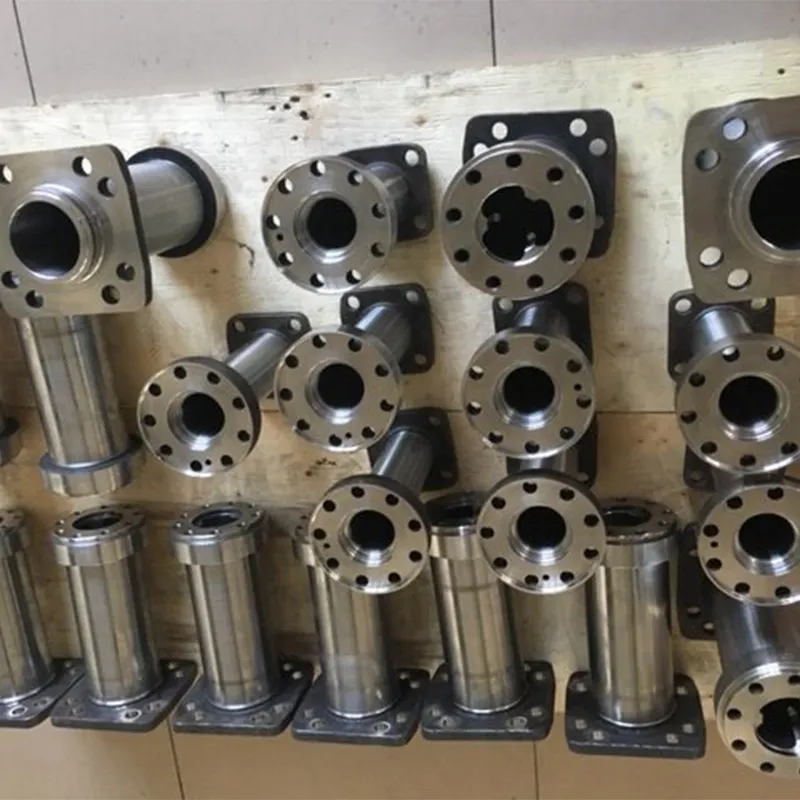
- Undercarriage and Bogie Components: Parts such as axle boxes, suspension brackets, and center shaft rollers that bear the primary weight of the train and absorb track irregularities.
- Hydraulic and Pneumatic Systems: Precision valves, piston pump cylinder housings, and fittings that control braking systems, door mechanisms, and suspension adjustments.
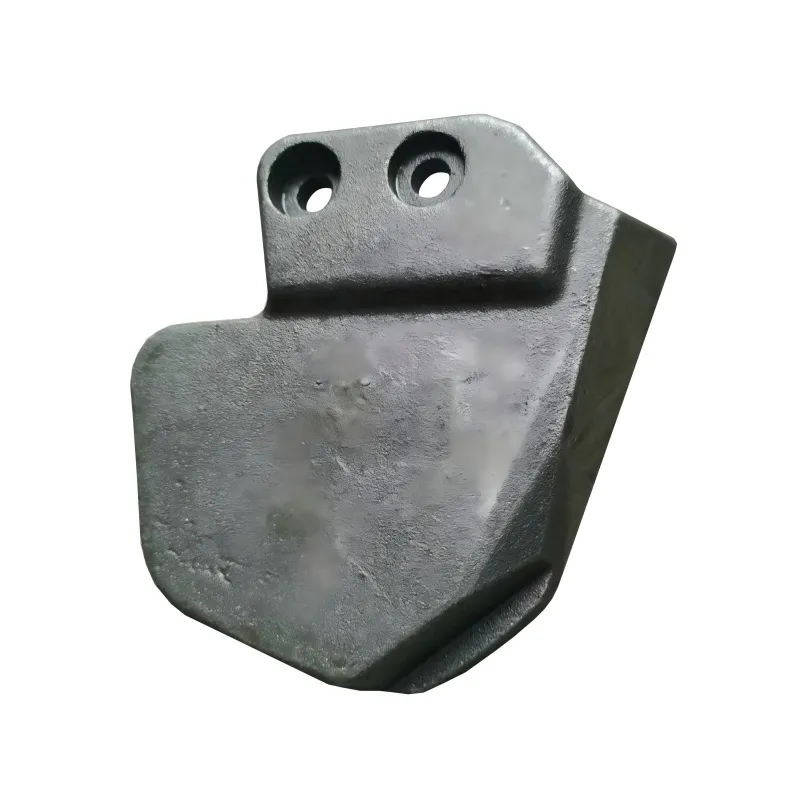
- Structural Castings: Heavy-duty iron and steel castings used in frame assemblies, couplers, and buffer systems.
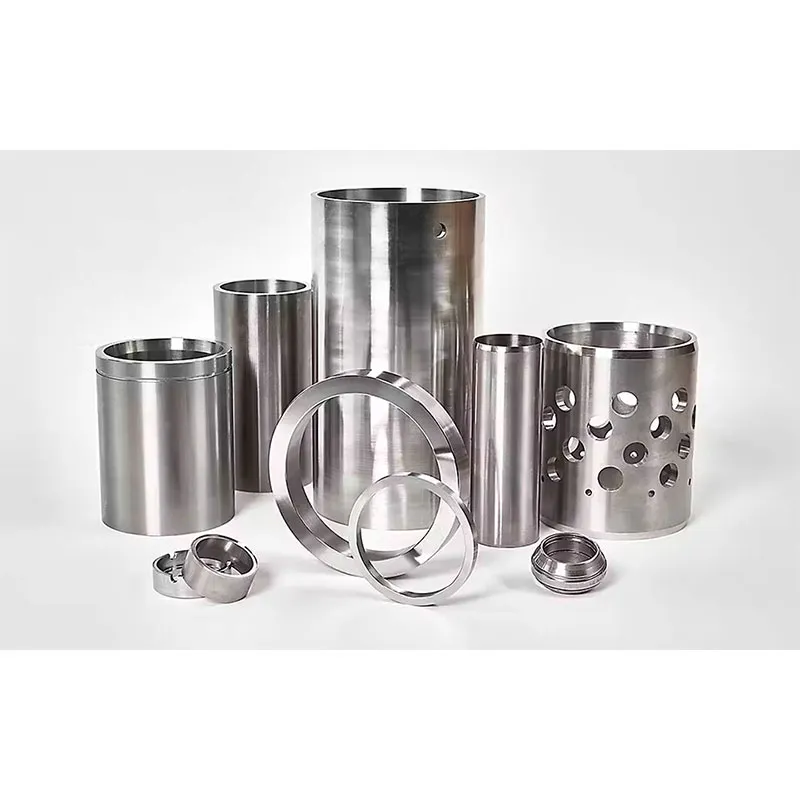
- High-Wear Resistance Fittings: Nozzles, plugs, and guides made from superalloys like cobalt-nickel to withstand abrasion in high-friction zones.
At QINGDAO QIANGSENYUAN TECHNOLOGY CO., LTD., the focus is on precision metal components for these demanding applications. By integrating design support with rigorous material selection, the company delivers parts that align with functional performance requirements, ensuring minimal downtime and extended service life for railway operators.
Material Science in Railway Manufacturing: Why Alloy Selection Matters
The longevity of a railway spare part is directly correlated to its metallurgical composition. Standard carbon steels often fail under the cyclic loading typical of rail transport. Therefore, advanced manufacturing partners prioritize high-performance alloys that offer superior yield strength, corrosion resistance, and wear properties.
Cobalt-Nickel Alloys and Superalloys
For components exposed to extreme friction or high-pressure fluid dynamics, cobalt-based alloys are indispensable. QINGDAO QIANGSENYUAN TECHNOLOGY specializes in processing difficult-to-machine superalloys, including AMS 5387 Cobalt Alloy 6 and T800 cobalt-based materials. These materials exhibit exceptional resistance to galling and seizing, making them ideal for:
- Pump Parts: Internal components of hydraulic systems where microscopic surface imperfections can lead to catastrophic leakage.
- Nozzles and Plugs: High-velocity flow control elements that require precise geometry retention over thousands of operating cycles.
- Wear Plates and Guides: Surfaces subject to constant metal-on-metal contact.
The use of T800 and AMS 5387 grades ensures that parts maintain their dimensional stability even under thermal expansion and high-stress conditions. This expertise in handling complex metallurgy distinguishes a specialized OEM from generalist machine shops.
Steel and Stainless Steel Castings
Structural integrity in railway frameworks relies heavily on high-grade steel and stainless steel castings. These materials provide the necessary toughness to absorb impact energy during coupling or emergency braking. Through investment and sand casting processes, manufacturers can produce complex geometries with uniform microstructures, reducing the risk of internal voids or weak points that could lead to fracture.
Manufacturing Processes: Precision CNC Machining and Casting
Producing railway-grade components requires a hybrid approach combining robust casting techniques with high-precision CNC machining. This vertical integration allows for tight control over dimensional stability and surface quality.
Investment and Sand Casting Capabilities
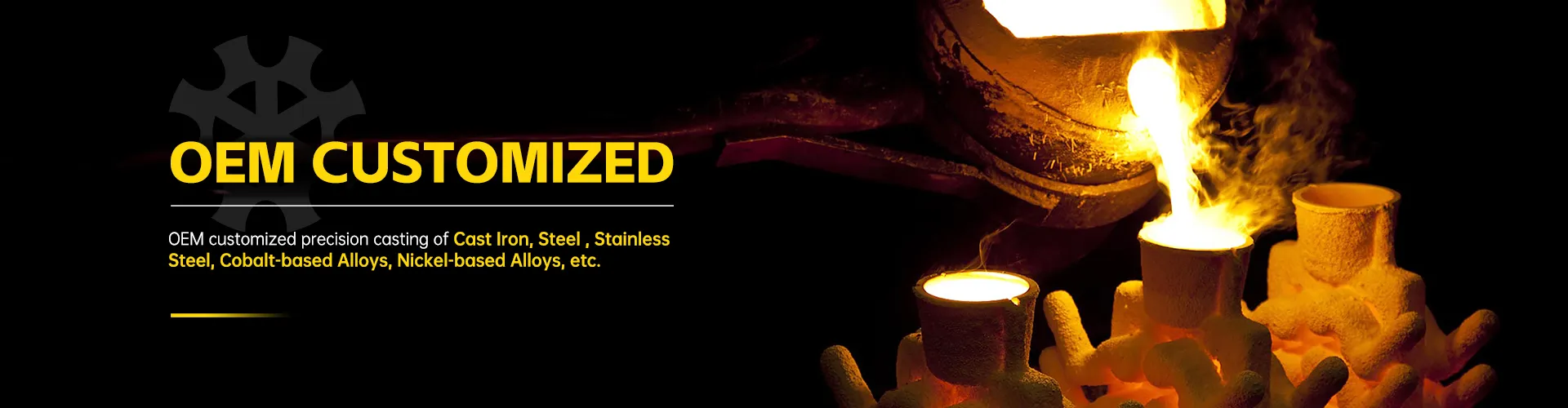
Casting forms the foundational shape of heavy-duty components. QINGDAO QIANGSENYUAN TECHNOLOGY utilizes ISO-compliant facilities equipped for both investment casting (for intricate, high-precision parts) and sand casting (for larger, structural components). The casting process is critical for establishing the internal grain structure of the metal, which dictates its mechanical strength.
Key advantages of their casting operations include:
- Complex Contours: Ability to cast near-net shapes that reduce subsequent machining time and material waste.
- Material Consistency: Collaboration with certified raw material suppliers ensures consistent metallurgical properties across batches.
- Heat Treatment Integration: Post-casting heat treatments are applied to relieve internal stresses and enhance hardness or toughness as specified by engineering requirements.
Multi-Axis CNC Machining
Once cast, components undergo precision CNC machining to achieve final dimensional tolerances. Railway parts often require Geometric Dimensioning and Tolerancing (GD&T) within microns. Multi-axis machining centers allow for the creation of complex features, such as internal threads, precise bore diameters, and contoured surfaces, in a single setup. This reduces cumulative error and ensures that parts like piston pump cylinder housings and pressure valves fit perfectly within their assemblies.
Surface finishing is also integrated into the workflow. Whether for corrosion resistance in coastal environments or reduced friction in moving assemblies, surface treatments are applied to meet functional needs.
Quality Assurance and Compliance in Railway Supply Chains
In the railway industry, failure is not an option. Therefore, quality assurance (QA) is embedded at every stage of production, not just as a final inspection step. Trustworthiness in a supplier is demonstrated through documented protocols, traceability, and advanced measurement technologies.
Inspection Protocols and Traceability
QINGDAO QIANGSENYUAN TECHNOLOGY adheres to a disciplined quality management approach. Every critical component retains full material traceability, linking the finished part back to its original raw material batch certification. This is crucial for regulatory compliance and incident investigation.
Inspection processes include:
- Incoming Material Verification: Spectroscopic analysis to confirm alloy composition before production begins.
- In-Process Dimensional Inspection: Use of Coordinate Measuring Machines (CMM) and optical measuring instruments to verify geometric accuracy during machining.
- Final Functional Assessment: Pressure testing, visual inspection, and functional checks per customer specifications.
Adherence to International Standards
While specific railway standards (such as EN 15085 for welding or IRIS for quality management) vary by region and operator, the fundamental requirement is consistent compliance with international dimensional and material standards. An ISO-compliant production facility ensures that processes are standardized, repeatable, and auditable. This level of discipline provides global buyers in North America, Europe, and Southeast Asia with the confidence that parts will perform as expected upon installation.
Key Applications of Precision Railway Spare Parts
Understanding where these components fit within the railway ecosystem helps in specifying the right manufacturing partner. The versatility of precision metal components allows them to serve multiple subsystems.
Hydraulic and Pneumatic Control Systems
Modern trains rely heavily on hydraulic and pneumatic systems for braking, suspension, and door operations. Components such as pressure valves and pump foundations must withstand high internal pressures without deformation. Leakage or valve sticking can compromise safety systems. The use of cobalt-nickel alloy components in these systems enhances durability against wear and corrosion from hydraulic fluids.
Bogie and Underframe Assemblies
The bogie is the chassis or framework carrying the wheels, attached to the vehicle. It includes suspension systems and axle bearings. Engineering vehicle onboard winch center shaft rollers and similar rotating elements are subject to immense radial and axial loads. Precision machining ensures these rollers rotate smoothly, reducing friction heat and preventing premature bearing failure.
Specialized Engineering Vehicles
Beyond passenger and freight trains, maintenance-of-way vehicles and engineering rigs require robust spare parts. These vehicles often operate in harsher conditions, requiring components with higher impact resistance. Custom-fabricated non-standard components from T800 alloys provide the necessary ruggedness for these specialized applications.
Selection Guide: How to Choose the Right Railway Spare Parts Manufacturer
Selecting an OEM for railway components involves evaluating technical competence, production capacity, and quality culture. Below is a comparative framework to assist procurement engineers in making informed decisions.
| Selection Criteria | General Machine Shop | Specialized OEM (e.g., Qiangsenyuan) |
| Material Expertise | Limited to standard steels and aluminums. | Deep competence in cobalt-nickel, AMS 5387, and T800 superalloys. |
| Process Integration | Often outsources casting or heat treatment. | Vertically integrated casting, machining, and finishing for better control. |
| Quality Traceability | Basic final inspection reports. | Full batch traceability, CMM data, and material certifications. |
| Engineering Support | Builds strictly to print. | Offers DFM (Design for Manufacturability) feedback and GD&T interpretation. |
| Application Focus | General industrial parts. | Focused on mission-critical hydraulic, valve, and structural components. |
Key Questions to Ask Potential Suppliers
- Can you provide material certificates for high-alloy components? Ensure they source from certified mills and can provide mill test reports.
- What is your process for handling non-standard geometries? Look for evidence of multi-axis CNC capability and casting simulation.
- How do you manage dimensional stability during heat treatment? Experienced manufacturers have protocols to minimize distortion.
- Do you offer prototype support? The ability to produce prototypes allows for validation before medium-volume production runs.
Common Challenges in Railway Part Procurement and Solutions
Procuring railway spare parts often presents unique challenges related to lead times, specification clarity, and quality consistency. Addressing these proactively can mitigate project risks.
Challenge 1: Ambiguous Technical Drawings
Solution: Engage manufacturers early in the design phase. QINGDAO QIANGSENYUAN TECHNOLOGY provides project management support that includes drawing validation and GD&T interpretation. This collaborative approach identifies potential manufacturability issues before production begins, reducing cost and rework.
Challenge 2: Inconsistent Material Quality
Solution: Partner with suppliers who maintain technical collaborations with material suppliers. Consistent metallurgical properties are achieved through strict incoming verification and batch tracking, ensuring that every cobalt alloy plug or steel casting meets the required hardness and tensile strength.
Challenge 3: Long Lead Times for Custom Parts
Solution: Choose a manufacturer with structured production planning and lean workflow practices. By integrating casting and machining in-house, bottlenecks associated with third-party vendors are eliminated, ensuring stable delivery timelines for both prototypes and production orders.
FAQ: Frequently Asked Questions About Railway Train Spare Parts
What are the most critical materials for high-wear railway components?
Cobalt-nickel alloys, such as AMS 5387 and T800, are among the most critical for high-wear applications. They offer superior resistance to abrasion, galling, and high-temperature deformation compared to standard stainless steels, making them ideal for valve seats, nozzles, and pump internals.
Why is vertical integration important in manufacturing railway parts?
Vertical integration, encompassing casting, machining, and finishing, allows for tighter quality control and faster turnaround. It eliminates communication gaps between separate vendors and ensures that dimensional stability is maintained throughout the entire production process.
Can custom railway parts be produced in medium volumes?
Yes. Manufacturers like QINGDAO QIANGSENYUAN TECHNOLOGY are equipped to handle both prototype and medium-volume production orders. Lean workflow practices ensure that cost-efficiency is maintained without compromising the precision required for railway applications.
How do manufacturers ensure compliance with railway safety standards?
Compliance is ensured through rigorous documentation, material traceability, and adherence to ISO-compliant quality management systems. Regular audits, CMM inspections, and functional testing validate that each part meets the specified engineering requirements.
What is the role of CNC machining in railway part production?
CNC machining is essential for achieving the precise tolerances required for mating parts, such as pistons in cylinders or bearings in housings. Multi-axis CNC machines allow for the creation of complex geometries that cannot be achieved through casting alone, ensuring smooth operation and longevity.
Conclusion: Partnering for Reliability and Performance
The integrity of railway operations depends on the quality of its smallest components. From pressure valves to winch center shaft rollers, every part plays a vital role in ensuring safety and efficiency. Selecting the right manufacturing partner is a strategic decision that impacts maintenance costs, operational uptime, and overall system reliability.
QINGDAO QIANGSENYUAN TECHNOLOGY CO., LTD. stands out as a reliable partner for complex, mission-critical parts. With deep technical competence in processing high-performance alloys, vertically integrated manufacturing capabilities, and a disciplined approach to quality assurance, the company delivers solutions that meet the rigorous demands of the global railway industry. Their focus on responsive technical consultation and transparent communication enables early risk mitigation and cost-effective design realization.
For engineering teams and procurement specialists seeking high-precision railway train spare parts, prioritizing a manufacturer with proven expertise in cobalt-nickel alloys and precision casting is essential. By leveraging specialized knowledge and advanced manufacturing technologies, businesses can secure a supply chain that supports long-term operational excellence.
Ready to optimize your railway component supply chain? Contact our engineering team for detailed specifications, material consultations, or to request a quote for your next project. Explore our related products and technical solutions to see how our precision manufacturing capabilities can meet your specific application needs.