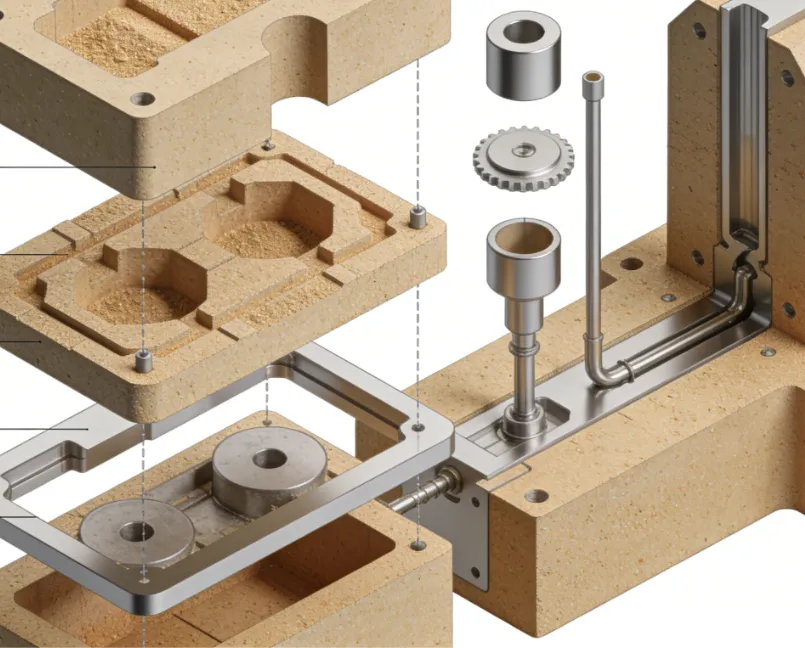
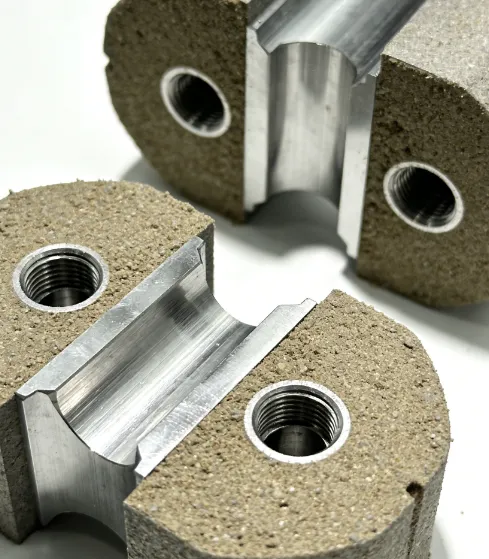
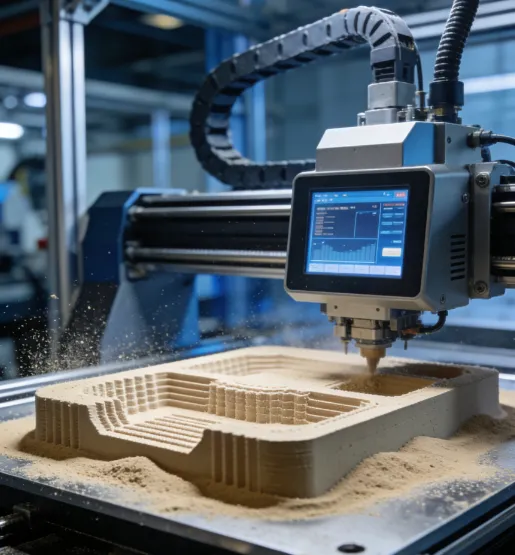
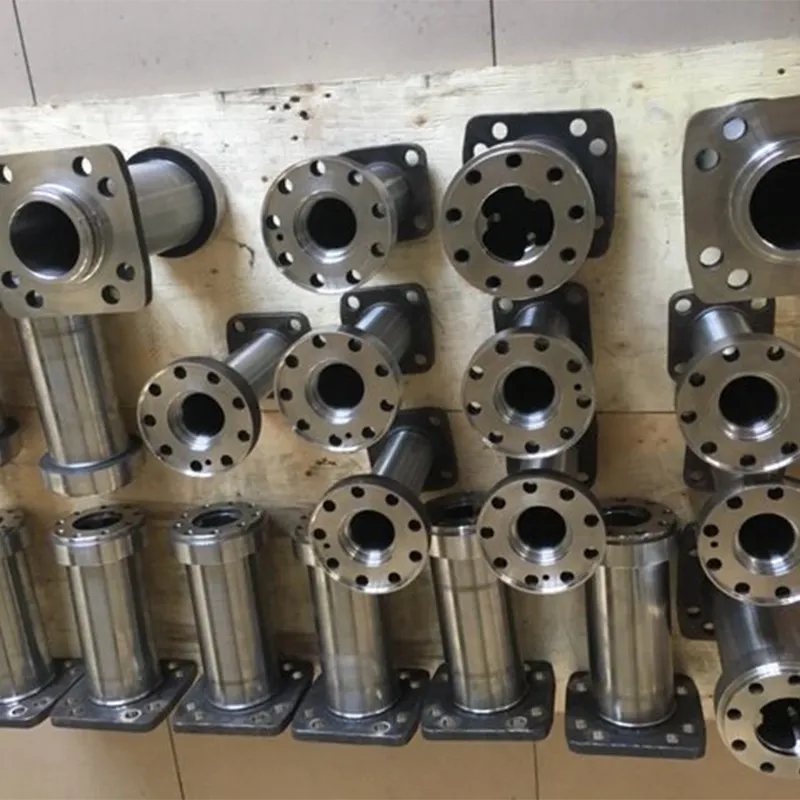
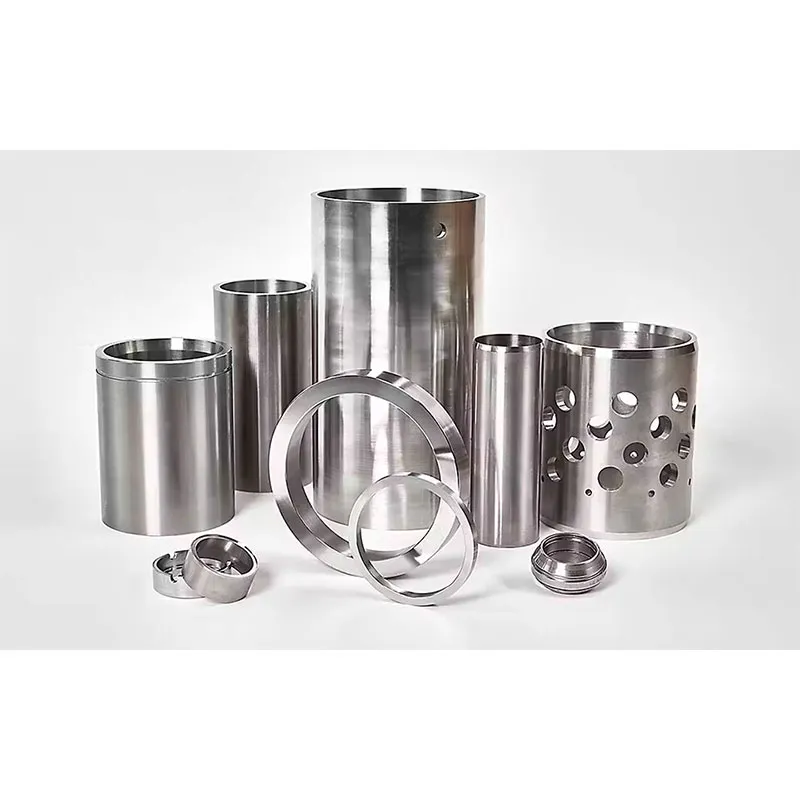
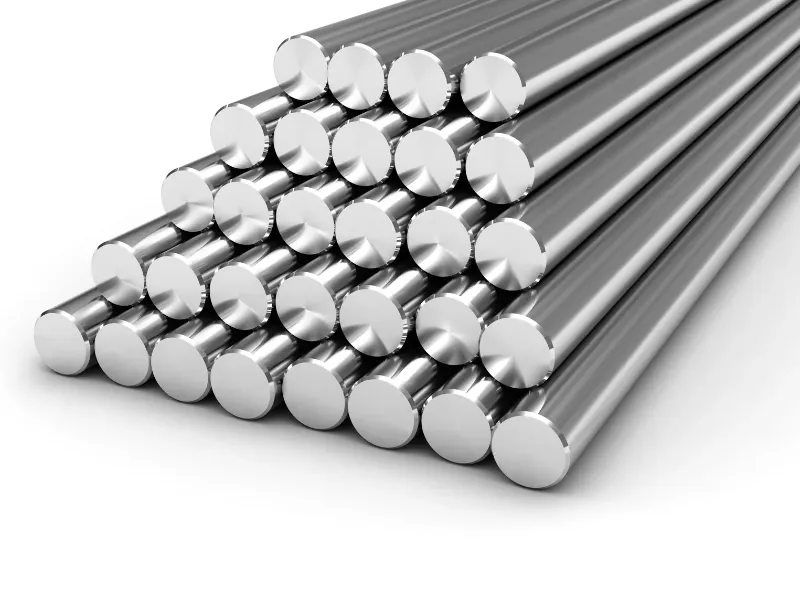
One of the most transformative innovations in this field is the use of 3D printing to create sand molds and cores directly from digital designs. This eliminates the need for physical patterns, allowing manufacturers to quickly iterate designs, produce complex geometries, and respond to customized requirements with high efficiency.
Rapid sand casting is particularly valuable in industries such as automotive development, aerospace prototyping, and machinery manufacturing, where speed and flexibility are critical. It enables faster validation of designs and reduces overall development costs.
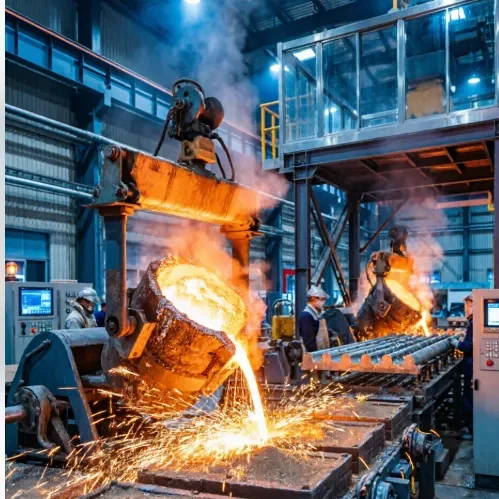
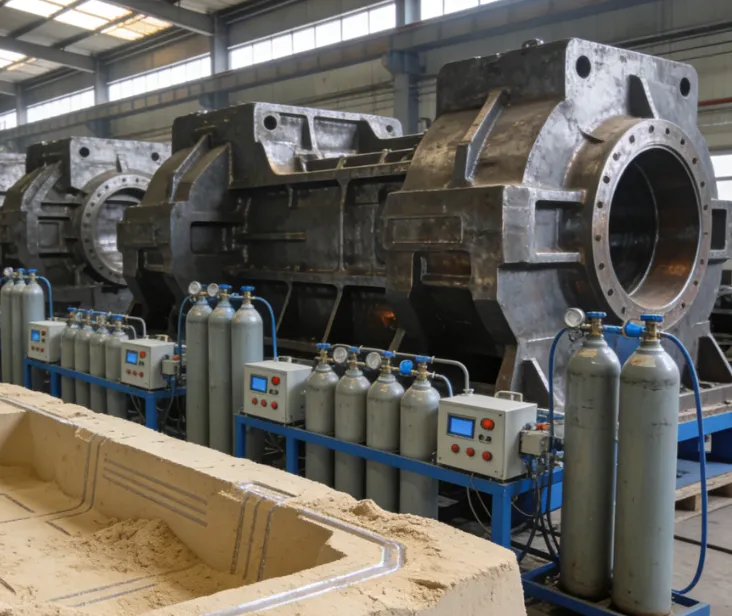
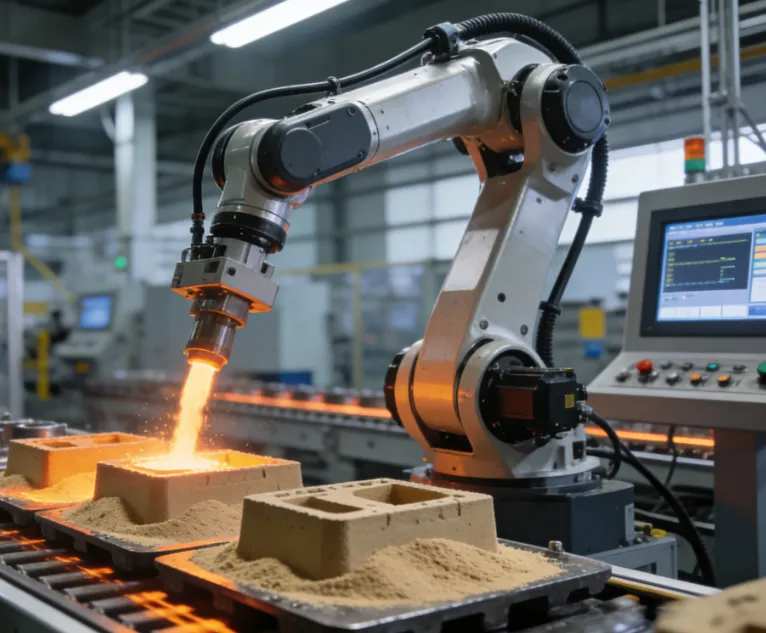
The adoption of automation reduces reliance on manual labor, minimizes human error, and ensures repeatable quality across large production volumes. It also improves workplace safety by limiting direct human exposure to high-temperature environments and hazardous conditions.
In modern foundries, automated sand casting systems are often integrated with real-time monitoring and data analytics, enabling predictive maintenance, process optimization, and continuous quality improvement.
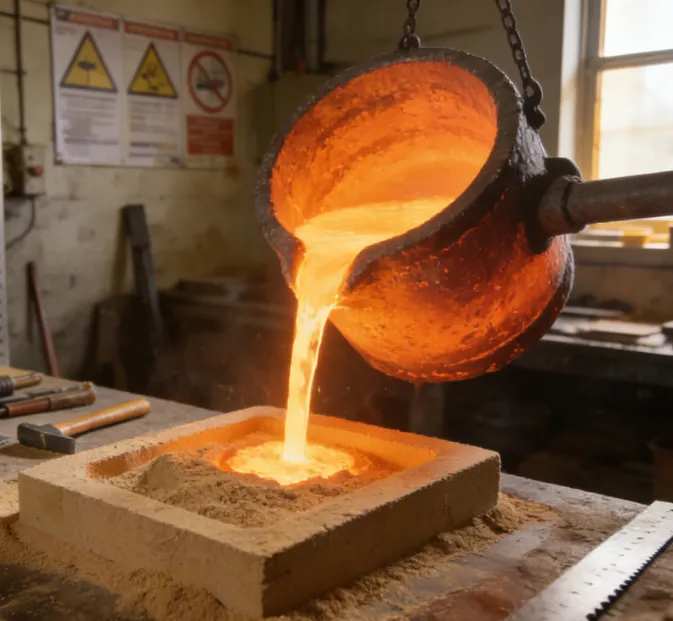
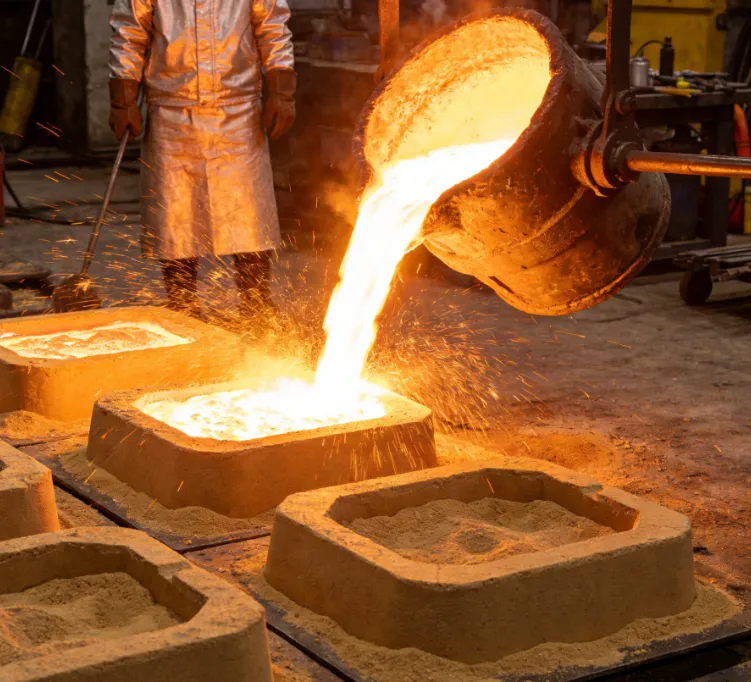
Techniques such as fine-grain sand selection, optimized gating design, and the use of high-performance mold coatings contribute to better surface integrity and reduced defects. In addition, precision sand casting often incorporates controlled cooling and solidification processes to enhance microstructure and mechanical properties.
This method is widely used for producing complex and high-value components in industries such as aerospace, automotive, and precision machinery, where tight tolerances and superior quality are essential.
5.Choosing the Right Sand Casting Supplier — OEM & Quality Assurance
5.1 Why Choose OEM Sand Casting?
OEM sand casting services provide manufacturers with tailored solutions that align precisely with their design specifications, performance requirements, and application scenarios. Unlike standard off-the-shelf components, OEM casting allows for full customization—from material selection and structural design to finishing and assembly.
A professional OEM sand casting manufacturer typically offers an integrated service model that includes design support, mold development, casting production, machining, surface treatment, and quality inspection. This one-stop solution reduces coordination costs, shortens project timelines, and ensures consistency across all stages of production.
For industries requiring specialized components—such as automotive, energy, construction, and industrial machinery—OEM sand casting provides the flexibility and technical expertise needed to achieve optimal performance and reliability.
5.2 Advantages of China Sand Casting Foundries
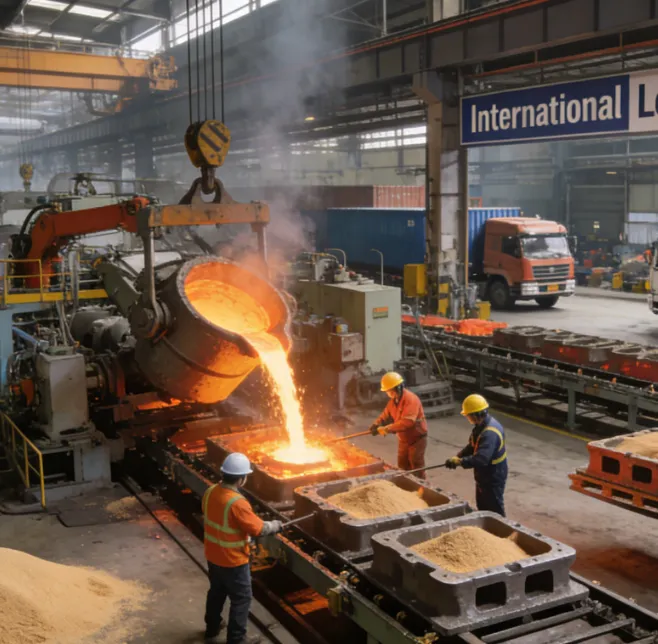
A China sand casting foundry offers a compelling combination of cost efficiency, technical expertise, and large-scale production capabilities. Over the past decades, China has developed a highly mature casting ecosystem supported by skilled labor, advanced equipment, and continuous process innovation.
Working with a China sand casting manufacturer enables businesses to benefit from competitive labor costs without compromising on quality. Many leading Chinese foundries have adopted international standards such as ISO certifications and advanced quality control systems, ensuring reliable and consistent output.
In addition, a China sand casting supplier typically operates within a well-established industrial supply chain, providing efficient access to raw materials, machining services, heat treatment, and logistics support. This integrated network significantly improves responsiveness and delivery speed for global customers.
5.3 Key Criteria for Evaluating Sand Casting Suppliers
Selecting the right partner among various sand casting companies requires a comprehensive evaluation of multiple factors that directly impact product quality and project success.
Quality Control: A reliable supplier should have a robust quality management system, including raw material inspection, process monitoring, and final testing. This ensures consistent delivery of high quality sand casting products.
Technical Capability: Advanced engineering support, simulation tools, and experience in complex casting projects are essential indicators of a supplier’s competence.
Production Capacity: The ability to scale production while maintaining quality is critical, especially for long-term or high-volume projects.
Lead Time and Delivery: Efficient production planning and logistics management contribute to shorter lead times and reliable delivery schedules.
Cost Efficiency: Suppliers offering high cost performance sand casting balance competitive pricing with dependable quality, ensuring maximum value for customers.
Customer Service: Clear communication, technical support, and after-sales service are essential for building long-term partnerships.
5.4 How to Find “Sand Casting factory”
When searching for a sand casting factory, businesses often prioritize proximity to reduce transportation costs, improve communication efficiency, and shorten delivery cycles. Local sourcing can be particularly advantageous for urgent projects or ongoing production needs.
Keywords such as sand casting foundry near me or sand casting companies near me are commonly used in search engines to identify nearby suppliers. However, while location is important, it should be balanced with factors such as technical capability, quality standards, and pricing competitiveness.
In many cases, companies adopt a hybrid sourcing strategy—combining local suppliers for rapid response with international partners (such as Chinese foundries) for cost-effective large-scale production. This approach allows businesses to optimize both efficiency and cost in their supply chain.
6.Sand Casting Cost and Return on Investment
6.1 Factors Affecting Sand Casting Cost
Understanding sand casting cost requires a comprehensive evaluation of multiple variables throughout the production process. Each stage contributes to the overall expense and directly impacts the final pricing of the casting.
Material Cost: The type of metal used—such as cast iron, steel, or aluminum—plays a significant role in determining cost. Fluctuations in raw material prices can also influence overall project budgets.
Mold and Tooling Cost: While sand casting generally has lower tooling costs compared to other methods, pattern design and mold preparation still require investment, especially for complex geometries or high-precision requirements.
Processing Cost: This includes melting, pouring, cooling, and post-processing operations such as cleaning, machining, and surface treatment. More complex parts typically require additional processing steps, increasing overall cost.
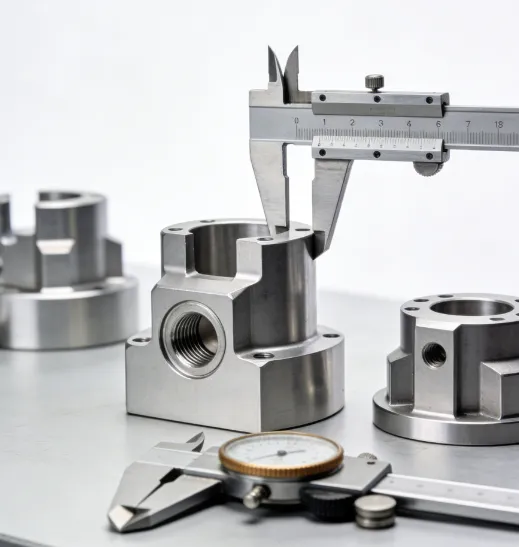
Inspection and Quality Control Cost: Ensuring product quality involves dimensional inspection, material testing, and non-destructive testing (NDT). Higher quality standards naturally lead to increased inspection costs.
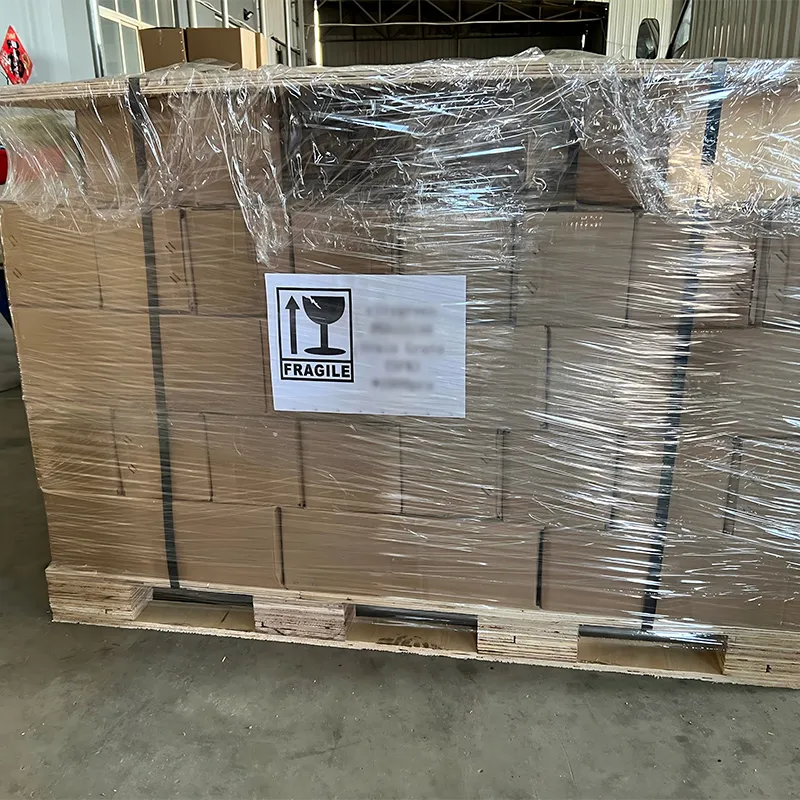
Logistics and Delivery: Transportation, packaging, and export-related expenses can also contribute significantly, particularly for international orders.
6.2 Strategies to Optimize Sand Casting Cost
Reducing costs while maintaining quality is a key objective for manufacturers. Several strategies can help optimize the sand casting process:
Design Optimization: Simplifying part geometry, reducing unnecessary thickness, and designing for manufacturability can significantly lower material usage and processing complexity.
Batch Production: Increasing production volume helps distribute tooling and setup costs over a larger number of units, reducing the per-unit cost.
Automation Integration: Incorporating automated systems into molding, pouring, and finishing processes improves efficiency, reduces labor costs, and enhances consistency.
Material Selection: Choosing the right material based on performance requirements can prevent over-engineering and unnecessary expenses while maintaining product reliability.
Supplier Collaboration: Working closely with experienced casting suppliers allows for early-stage cost optimization through process recommendations and design improvements.
6.3 Return on Investment in Sand Casting
While initial production costs are an important consideration, the true value of sand casting lies in its long-term return on investment (ROI). Well-executed sand casting delivers durable, reliable components that perform consistently under demanding conditions.
The ability to produce customized parts tailored to specific applications reduces the need for modifications and enhances overall system efficiency. This leads to lower maintenance costs, reduced downtime, and extended product lifecycles.
Furthermore, the flexibility of sand casting allows manufacturers to adapt quickly to design changes and evolving market demands, providing a strategic advantage in competitive industries.
In summary, when balancing cost, performance, and scalability, sand casting remains a highly attractive manufacturing solution with strong long-term economic benefits.
7. Our Sand Casting Services and Commitment
7.1 Our Expertise and Capabilities
With years of hands-on experience in the casting industry, we have established ourselves as a trusted partner for global clients seeking reliable and efficient sand casting solutions. Our team combines practical engineering knowledge with advanced manufacturing technologies to deliver consistent results across diverse applications.
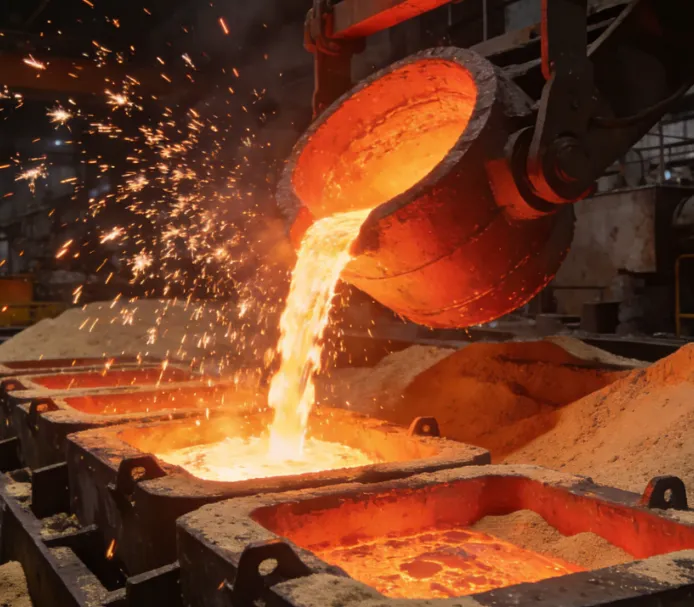
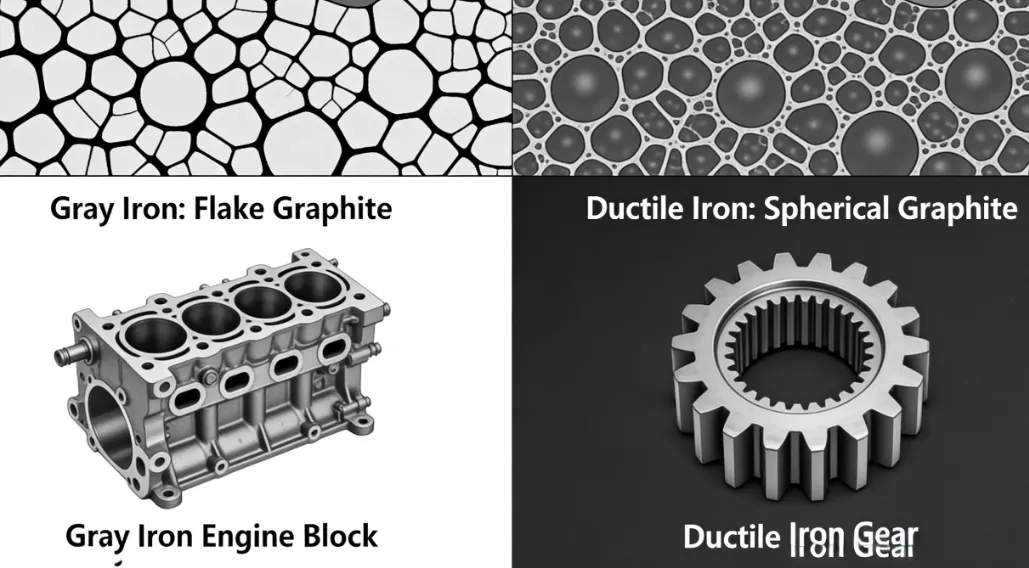
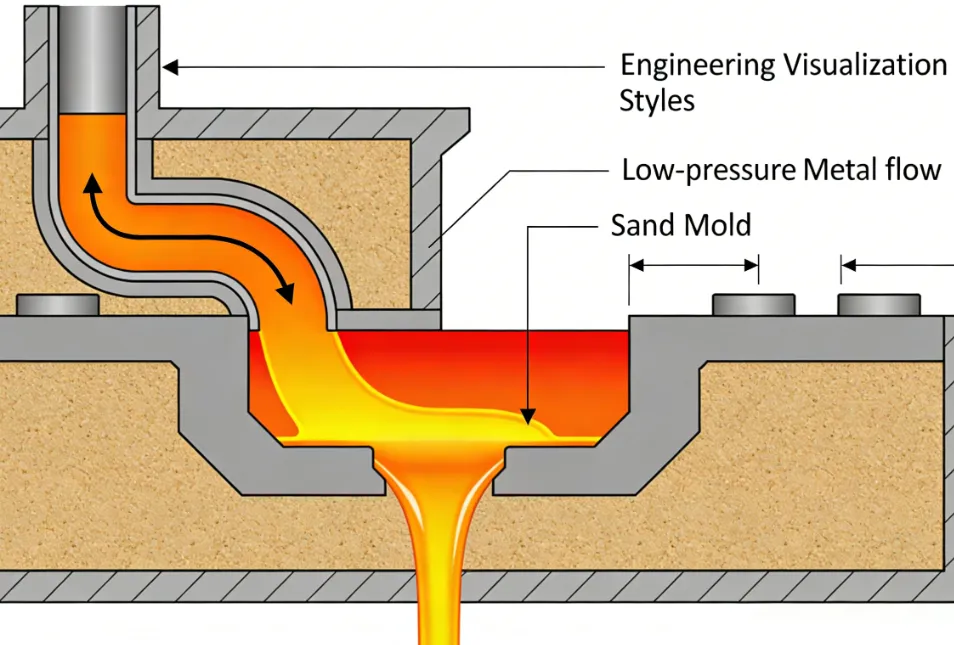
As a full-service sand casting factory, we offer a wide range of casting processes tailored to meet different technical and commercial requirements. Our capabilities include steel sand casting, stainless steel casting, iron and ductile iron casting, as well as advanced processes such as resin sand casting, sodium silicate (water glass) casting, low pressure casting, and precision sand casting.
Equipped with modern production lines, automated molding systems, and advanced simulation tools, we are able to handle projects ranging from small customized components to large-scale industrial parts. Our flexible production approach allows us to adapt quickly to customer needs while maintaining high efficiency.
7.2 Quality Control and Certifications
Quality is at the core of everything we do. We are committed to delivering high quality sand casting products that meet or exceed international standards. Our comprehensive quality management system covers every stage of production—from raw material inspection to final product verification.
Our facility is equipped with advanced inspection and testing equipment, including spectrometers, tensile testing machines, hardness testers, and non-destructive testing (NDT) systems. These tools enable us to ensure the mechanical properties, chemical composition, and structural integrity of each casting.
In addition, we comply with globally recognized certifications such as ISO quality management standards, reinforcing our commitment to consistent quality and continuous improvement.
7.3 Customer Cases and Success Stories
Over the years, we have successfully delivered customized casting solutions to clients across various industries, including automotive, construction machinery, energy, agriculture, and industrial equipment manufacturing.
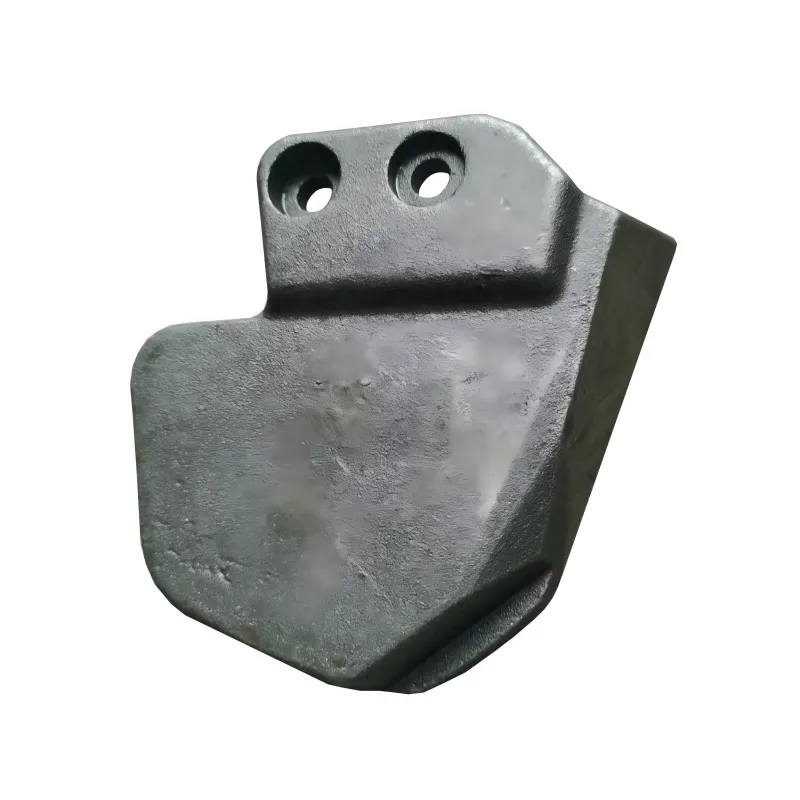
From producing high-strength structural components for heavy machinery to precision-engineered parts for specialized equipment, our solutions are designed to meet specific performance requirements. By working closely with our clients, we are able to optimize designs, reduce costs, and improve overall product performance.
Our long-term partnerships with international customers reflect our reliability, technical expertise, and commitment to delivering value-driven solutions.
7.4 Contact Us: Your OEM Sand Casting Partner
As a leading China OEM sand casting manufacturer, we are dedicated to providing high-performance, cost-effective, and fully customized casting solutions for global clients.
Whether you are looking for a dependable sand casting supplier or a professional partner to handle complex OEM projects, we are here to support you at every stage—from concept development to final delivery.
Contact us today to discuss your project requirements and discover how our expertise, advanced capabilities, and customer-focused approach can help bring your ideas to life.
8.Conclusion: The Future of Sand Casting and Your Success
Sand casting continues to stand as a cornerstone of global manufacturing, combining time-tested principles with continuous technological innovation. From traditional foundry practices to advanced solutions such as automation, rapid prototyping, and precision engineering, the evolution of sand casting reflects the industry’s ability to adapt to modern demands.
Looking ahead, trends such as digitalization, intelligent manufacturing, and environmentally friendly processes will further enhance efficiency, quality, and sustainability. These advancements ensure that sand casting remains not only relevant but increasingly competitive in a rapidly changing industrial landscape.
As a trusted partner in this field, we are committed to delivering reliable, high-performance casting solutions tailored to your specific needs. Our expertise, comprehensive capabilities, and customer-focused approach enable us to support your projects with consistency, flexibility, and long-term value.
Whether you are developing new products, optimizing existing designs, or seeking a dependable manufacturing partner, we are here to help you succeed.
Contact us today to explore how our sand casting solutions can support your business growth and bring your ideas into reality.