You see ‘sustainable casting’ tossed around a lot these days, often slapped onto marketing materials for processes that are, frankly, not much greener than they were thirty years ago. When it comes to shell molding for cast iron parts, the answer isn’t a simple yes or no. It’s a ‘well, it depends on what you’re comparing it to and how you’re running the shop.’ From where I stand, having spent years around these lines, the sustainability question hinges on a gritty, practical balance between material efficiency, energy use, and what happens to all that sand after you shake out the casting.
The Shell Process: Where the Real Gains (and Pains) Are
The core idea of shell molding is elegant: a thin, hardened shell of sand and resin forms the mold cavity instead of a massive, dense sand block. Immediately, you’re using less sand—a lot less. For a typical gray iron valve body we run, the shell mold might weigh 15 kg, whereas a comparable green sand mold could be pushing 200 kg. That’s a direct material reduction that feels substantial on the floor. You’re not moving as much mass, not reclaiming as much, and theoretically, dumping less waste.
But here’s the first catch: the resin. It’s a phenolic thermoset. To cure that shell, you’re baking it at around 300°C. That’s an energy input green sand doesn’t have, as it’s used ‘cold’. So you’ve traded bulk sand handling for targeted thermal energy. Is that a net win? On our energy meters, for high-volume, repeatable parts like manifolds or pump housings, the consistency and speed of shell molding often lead to less total furnace time per good casting. Fewer rejects mean you’re not remelting good iron, which is a huge, often overlooked energy sink.
The sand itself becomes a problem child. Green sand can be recycled in-house almost endlessly with water and bentonite. Shell sand is coated with that spent, cured resin. You can’t just toss it back in the mixer. We’ve tried sending it to third-party processors for thermal reclamation, where they burn off the resin. It works, but now you’ve got transport emissions and another energy bill. Some shops blend a percentage of reclaimed shell sand back into new sand mixes for cores or non-critical molds, but it’s a balancing act—too much and your surface finish suffers, leading to—you guessed it—more scrap.
Cast Iron’s Inherent Edge and a Practical Case
This gets overlooked: starting with cast iron as your base material is a sustainability head-start. Its melting point is lower than steel’s, so the initial energy to get it liquid is less. More importantly, the scrap loop for iron is robust. Our own returns—gates, risers, rejected castings—go right back into the charge, often making up 50-60% of the melt. It’s a closed loop within the plant walls. The longevity of a well-cast iron part also plays in. A shell-molded iron bracket for heavy machinery might outlast the machine itself. Durability is a fundamental sustainability metric that doesn’t always make it into the carbon calculation spreadsheets.
I remember a project for a hydraulic component supplier. They were debating between shell-molded ductile iron and a fabricated steel weldment. We ran the numbers not just on unit cost, but on estimated lifecycle. The single-piece casting eliminated welding energy, inspection points, and potential failure seams. The near-net-shape capability of the shell process meant minimal machining stock. They went with the casting. Five years on, their field failure rate for that part is near zero. That’s sustainable in the most real sense: it didn’t come back, it didn’t fail, it didn’t need replacement. That’s the argument you make on the shop floor, not in a brochure.
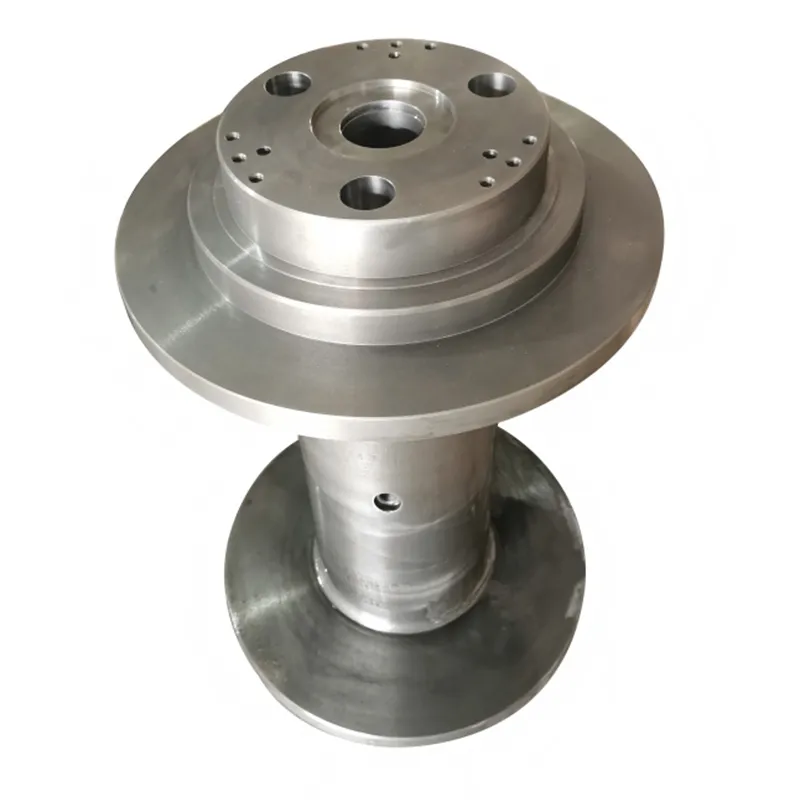
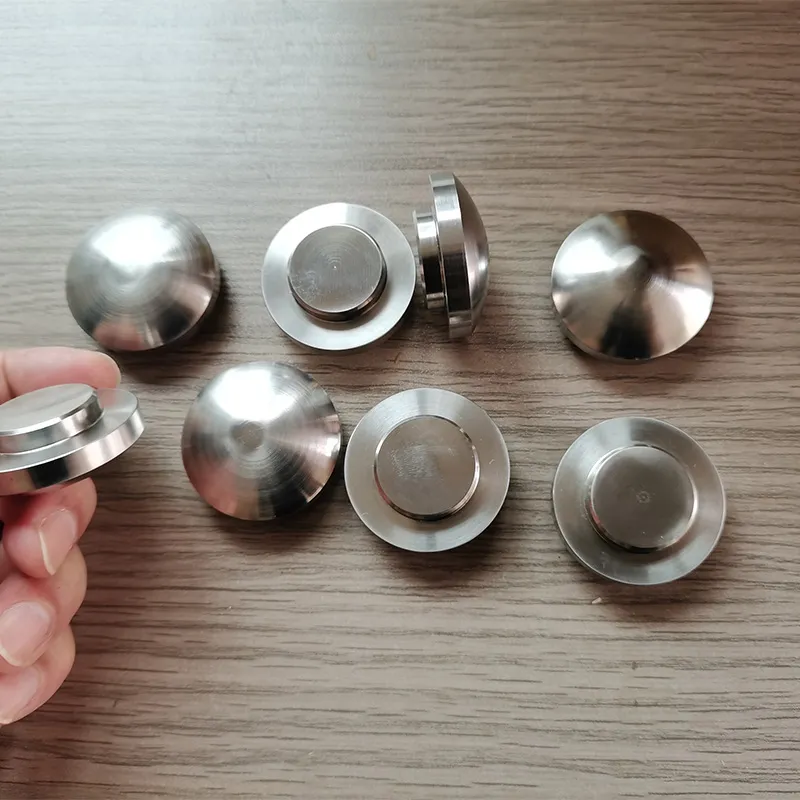
We work with a partner, Qingdao Qiangsenyuan Technology Co., Ltd. (QSY), on some complex alloy projects. They’ve been in casting and machining for over three decades, and their take mirrors this practical view. For their shell mold work on cast iron and stainless steel components, the focus is on precision to reduce downstream machining waste. A perfectly formed shell cavity means you’re not using a CNC mill to remove excess material for an hour, just to hit a tolerance. That downstream energy saving, from their machining division’s perspective, is a critical part of the total environmental cost that the foundry alone often doesn’t get credit for.
The Gritty Realities and Failed Experiments
It’s not all clean gains. The smell in a shell molding bay is distinct—that phenolic resin odor. Ventilation and air handling systems have to be top-notch, which is another energy draw. We experimented with a ‘greener’ bio-based resin binder a few years back. The marketing was great. On the line, the shell strength was inconsistent, especially in humid weather. We got a higher rate of mold cracks during handling, leading to a spike in scrap due to metal penetration. We scrapped the trial after two months and ate the cost. Sustainability that compromises yield is a non-starter in a competitive market; you go out of business. The lesson was that the alternative chemistry has to match the mechanical performance first.
Another reality is the pattern cost. For shell molding, you need metal patterns, usually iron or aluminum, machined to a high standard. They’re expensive. If you’re doing low-volume, high-mix work, the environmental cost of producing that pattern might never be amortized over the small batch of castings. The process only becomes truly ‘sustainable’ in a holistic view when you’re running high volumes or very long production cycles from that same pattern. Otherwise, you’re better off with a more flexible process, even if it’s less efficient per piece.
So, Is It Sustainable? The Shop Floor Verdict
After all this, my take is this: shell molding for cast iron parts can be a more sustainable route compared to many other casting methods, if—and it’s a big if—your operation is optimized for it. If you’re pouring high volumes of similar parts, managing your sand reclamation effectively (even if it’s off-site), and leveraging the dimensional accuracy to slash machining waste, then yes, you’re on a good path. The material efficiency at the molding stage is real and significant.
But if you’re a small job shop firing up a shell line for short runs, dealing with poor sand management, and battling scrap rates, any environmental advantage evaporates fast. The sustainability isn’t in the process name; it’s in how you run it. It’s in the melt charge full of internal returns, in the well-maintained patterns that last for decades, and in the design engineer who works with you to make the part castable, not just machinable.
Ultimately, for us, it’s a tool. A shell mold is a fantastic tool for certain jobs, and when used right, it does less harm for the same output. That’s about the most honest definition of industrial sustainability you’ll get from someone with resin dust on their boots. It’s not a revolution; it’s a careful, sometimes messy, evolution of practice. And that’s the real work.