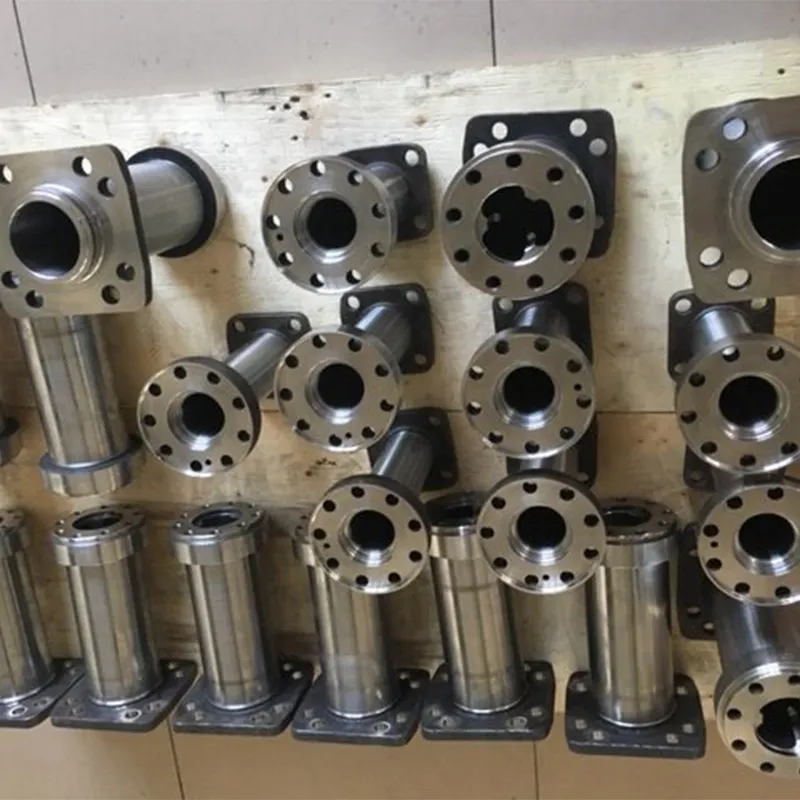
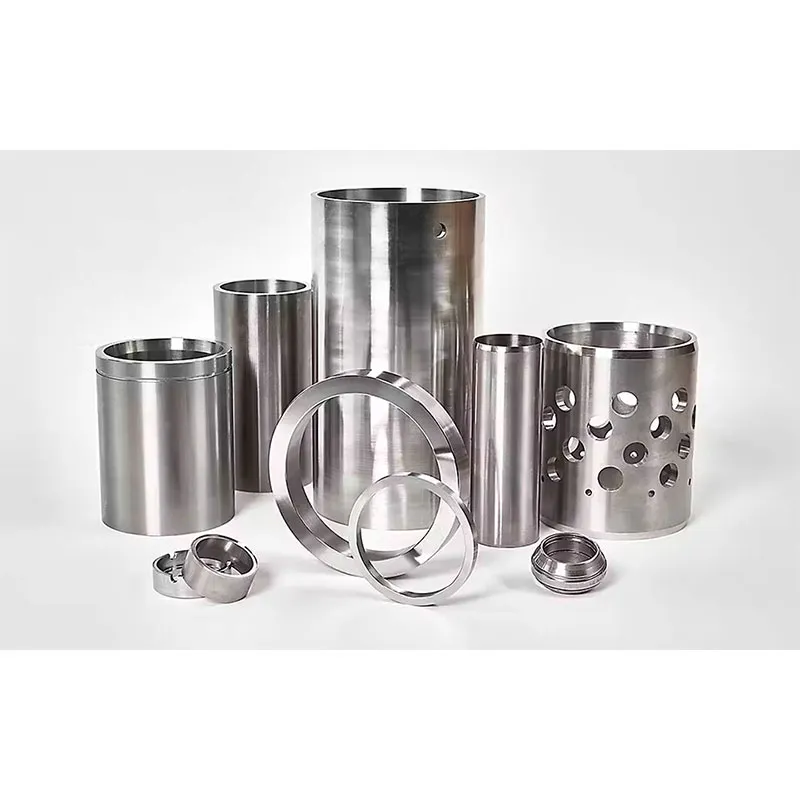
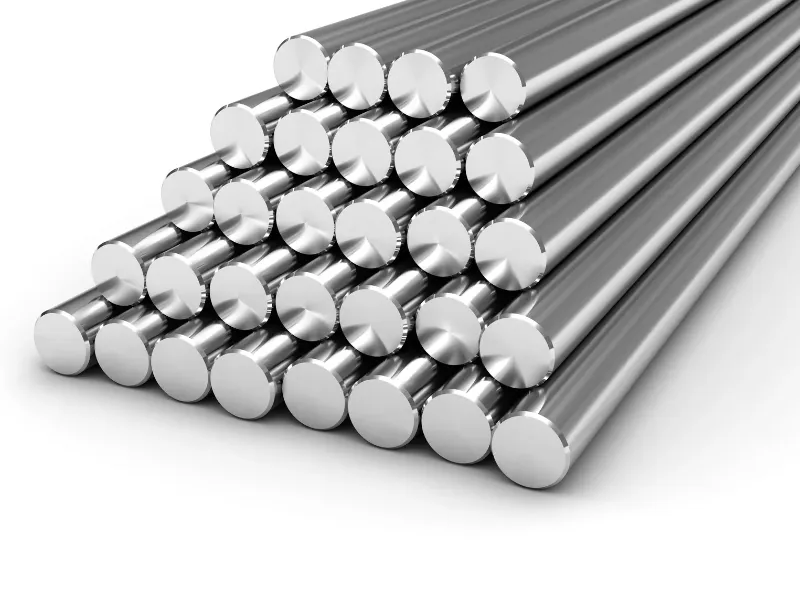
When sourcing ductile iron casting suppliers for 2026, industrial buyers prioritize manufacturers who combine metallurgical precision with vertical integration. Ductile iron, known for its superior nodular graphite microstructure, offers high tensile strength and impact resistance essential for hydraulic systems, oil and gas equipment, and heavy engineering vehicles. The ideal partner provides not just casting capabilities but also CNC machining, rigorous quality assurance (ISO-compliant), and material traceability. Companies like QINGDAO QIANGSENYUAN TECHNOLOGY CO., LTD. exemplify this standard by delivering complex, mission-critical components such as piston pump cylinder housings and pressure valves, ensuring dimensional accuracy and structural integrity under high-pressure conditions.
Why Ductile Iron Remains the Preferred Material for Industrial Components in 2026
Ductile iron, also known as spheroidal graphite iron, has evolved from a commodity material to a high-performance engineering solution. Its unique microstructure, characterized by spherical graphite nodules rather than flakes, prevents crack propagation and significantly enhances ductility. For procurement engineers and project managers, understanding why this material dominates specific sectors is crucial for effective supplier selection.
Metallurgical Advantages Over Gray Iron and Steel Castings
While gray iron offers excellent machinability and damping capacity, it lacks the tensile strength required for dynamic load applications. Conversely, steel castings provide high strength but often at a higher cost and with greater challenges in casting complex geometries due to fluidity issues. Ductile iron bridges this gap.
- High Strength-to-Weight Ratio: Ductile iron components can be designed with thinner walls than gray iron, reducing overall weight without compromising structural integrity.
- Impact Resistance: The nodular graphite structure absorbs energy, making it ideal for parts subject to shock loads, such as winch system shafts and engineering vehicle components.
- Machinability: Despite its strength, ductile iron remains relatively easy to machine, allowing for tight tolerances on features like valve seats and pump interfaces.
In 2026, the demand for these properties has intensified in sectors like renewable energy infrastructure and advanced hydraulic systems, where failure is not an option. Suppliers must demonstrate the ability to control the nodularity rate and matrix structure (ferritic, pearlitic, or martensitic) to meet specific performance criteria.
Key Criteria for Selecting Top Ductile Iron Casting Suppliers
Identifying reliable ductile iron casting suppliers requires moving beyond price comparisons. The complexity of modern industrial parts demands a supplier with deep technical competence and vertically integrated capabilities. Here are the critical factors that define a top-tier manufacturer.
1. Vertical Integration: From Casting to Precision Machining
A common bottleneck in supply chains is the disconnect between the foundry and the machine shop. Leading suppliers, such as QINGDAO QIANGSENYUAN TECHNOLOGY CO., LTD., operate ISO-compliant facilities that house both casting and CNC machining operations. This integration offers several strategic advantages:
- Dimensional Stability: By controlling the entire process, manufacturers can account for shrinkage and distortion during heat treatment, ensuring final machined parts meet strict GD&T (Geometric Dimensioning and Tolerancing) requirements.
- Reduced Lead Times: Eliminating third-party logistics between casting and machining accelerates production cycles, which is vital for prototype validation and medium-volume orders.
- Quality Consistency: In-house processing allows for immediate feedback loops. If a casting defect is detected during machining, the root cause can be traced back to the pouring or cooling stage instantly.
2. Material Expertise and Alloy Specialization
Standard ductile iron (e.g., ASTM A536 Grade 65-45-12) suits many applications, but demanding environments require specialized alloys. Top suppliers demonstrate expertise in handling difficult-to-machine materials and high-performance alloys alongside standard iron grades. For instance, QINGDAO QIANGSENYUAN TECHNOLOGY extends its competence to cobalt-nickel alloy components and AMS 5387 cobalt alloy 6 pump parts. This breadth of material knowledge ensures that when a project requires a hybrid approach—such as a ductile iron housing with stainless steel inserts or specific corrosion-resistant coatings—the supplier has the metallurgical insight to execute it correctly.
Key material considerations include:
- Traceability: Certified raw materials and full batch traceability are non-negotiable for oil and gas and medical-adjacent applications.
- Heat Treatment Capabilities: Ability to perform annealing, normalizing, and quenching/tempering to achieve desired hardness and microstructure.
- Custom Alloy Development: Collaboration with material suppliers to tweak chemical compositions for specific wear or corrosion resistance needs.
3. Quality Assurance and Inspection Protocols
Trustworthiness in B2B manufacturing is built on transparent, documented quality control. A reputable supplier embeds QC at every stage, not just at final shipment. Look for partners who utilize advanced inspection technologies:
- CMM (Coordinate Measuring Machine): For verifying complex contours and critical dimensions on parts like piston pump cylinder housings.
- Optical Measuring Instruments: For high-precision verification of small features and surface finishes.
- Non-Destructive Testing (NDT): Methods such as ultrasonic testing, magnetic particle inspection, and dye penetrant testing to detect internal and surface defects.
QINGDAO QIANGSENYUAN TECHNOLOGY adheres to documented inspection protocols, retaining full traceability for critical components. This disciplined approach minimizes the risk of field failures and ensures compliance with international standards.
Applications of High-Performance Ductile Iron Castings
Understanding the application context helps buyers communicate their needs more effectively to suppliers. Ductile iron is not a one-size-fits-all solution; its grade and processing must align with the operational environment.
Hydraulic Systems and Pump Assemblies
Hydraulic components operate under extreme pressure and continuous cyclic loading. Parts such as piston pump cylinder housings and pressure valves require exceptional dimensional accuracy to maintain seal integrity and prevent fluid leakage. Ductile iron’s ability to withstand high hoop stresses makes it ideal for these applications. Furthermore, the material’s damping capacity reduces vibration and noise in hydraulic power units.
Suppliers specializing in this sector, like QINGDAO QIANGSENYUAN TECHNOLOGY, focus on the structural integrity of these parts under high-pressure conditions. Their experience with pump foundations and specialized pump assemblies ensures that the casting design optimizes flow dynamics while maintaining mechanical strength.
Engineering Vehicles and Heavy Machinery
Off-highway vehicles, excavators, and agricultural machinery rely on components that can absorb shock and resist wear. Onboard winch center shaft rollers and suspension components are prime examples. These parts face abrasive environments and impact loads that would fracture gray iron or fatigue lower-grade steels.
The durability of ductile iron extends the service life of these vehicles, reducing maintenance downtime. Manufacturers with experience in this sector understand the importance of surface finishing and corrosion resistance, often integrating coatings or specialized treatments to protect against harsh outdoor conditions.
Oil and Gas Equipment
The oil and gas industry demands materials that resist corrosion and high pressures. While superalloys like T800 cobalt-based materials are used for extreme niches (such as nozzles and plugs), ductile iron serves as a robust, cost-effective solution for valve bodies, pipe fittings, and pump casings. Suppliers must ensure that their ductile iron grades meet specific NACE (National Association of Corrosion Engineers) standards for sour service environments if required.
| Application Sector | Key Components | Critical Performance Requirements | Material Considerations |
| Hydraulic Systems | Piston pump cylinder housings, Pressure valves | High pressure resistance, Dimensional accuracy, Seal integrity | Fine-grained ductile iron, Precision CNC machining |
| Engineering Vehicles | Winch center shaft rollers, Suspension arms | Impact resistance, Wear resistance, Fatigue strength | High-toughness ductile iron, Surface hardening |
| Oil & Gas | Valve bodies, Pump casings, Pipe fittings | Corrosion resistance, High tensile strength | Corrosion-resistant alloys, Strict NDT protocols |
| Specialized Pumps | Pump foundations, Impellers | Vibration damping, Structural stability | Standard ductile iron, Balanced casting design |
Common Challenges in Ductile Iron Casting and How to Mitigate Them
Even with advanced technology, casting ductile iron presents challenges. Awareness of these issues helps buyers evaluate a supplier’s technical depth.
1. Shrinkage and Porosity
Ductile iron expands slightly during graphitization, which can lead to shrinkage porosity if not properly managed through gating and riser design. Experienced suppliers use simulation software to predict solidification patterns and optimize mold designs. QINGDAO QIANGSENYUAN TECHNOLOGY employs structured production planning and lean workflow practices to ensure stable delivery timelines, implying a mature understanding of process control that minimizes such defects.
2. Machining Difficulties
While generally machinable, certain grades of ductile iron with high hardness or inconsistent microstructures can cause tool wear and poor surface finishes. Vertically integrated suppliers can adjust heat treatment parameters to optimize machinability before the part reaches the CNC stage. This holistic view prevents the “hard spot” issues that often plague outsourced machining operations.
3. Dimensional Variation
Complex geometries, such as those found in cobalt alloy nozzles or intricate pump housings, are prone to warping during cooling. Multi-axis machining capabilities allow suppliers to correct minor deviations, but the primary control lies in the casting process. Suppliers with in-house CMM inspection can validate dimensions early, preventing costly rework later.
FAQ: Sourcing Ductile Iron Castings in 2026
What is the difference between ductile iron and gray iron castings?
The primary difference lies in the graphite structure. Gray iron contains flake graphite, which acts as stress concentrators, making it brittle but excellent for damping vibration. Ductile iron contains spherical graphite nodules, which provide high tensile strength, ductility, and impact resistance. For structural components under load, ductile iron is superior.
Can ductile iron be welded?
Yes, ductile iron can be welded, but it requires specialized procedures to prevent cracking in the heat-affected zone. Pre-heating and post-weld heat treatment are often necessary. However, for most industrial applications, mechanical assembly or casting complex shapes as a single unit is preferred to avoid welding complexities.
How do I ensure quality when sourcing from overseas suppliers?
Look for suppliers with ISO certifications and documented quality control processes. Request detailed inspection reports (including CMM data and NDT results) for initial samples. Partners like QINGDAO QIANGSENYUAN TECHNOLOGY offer transparent communication during engineering review and drawing validation, which helps mitigate risks early in the project lifecycle.
What industries benefit most from ductile iron castings?
Industries requiring high strength and durability, such as automotive, construction machinery, oil and gas, water treatment, and hydraulic systems, benefit most. Specifically, applications involving dynamic loads, high pressure, or wear resistance are ideal candidates for ductile iron.
Does the supplier handle custom alloys?
Top-tier suppliers often have the capability to work with custom alloys. For example, QINGDAO QIANGSENYUAN TECHNOLOGY specializes in high-performance alloys like AMS 5387 and T800 cobalt-based materials, demonstrating the flexibility to handle non-standard components fabricated from difficult-to-machine superalloys.
The Role of Technical Consultation in Successful Procurement
Procuring complex metal components is not merely a transactional activity; it is a collaborative engineering effort. The best ductile iron casting suppliers act as extensions of your engineering team. They provide feedback on manufacturability, suggesting design modifications that reduce cost without compromising function. This “Design for Manufacturing” (DFM) approach is critical for optimizing part geometry for casting and machining.
QINGDAO QIANGSENYUAN TECHNOLOGY emphasizes responsive technical consultation and GD&T interpretation. By validating drawings and offering feedback on manufacturability, they enable early risk mitigation. This proactive engagement ensures that the final product aligns with functional performance requirements, whether it is a simple bracket or a complex piston pump cylinder housing.
Supply Chain Stability and Delivery Commitments
In the post-pandemic era, supply chain resilience is paramount. Suppliers with lean workflow practices and structured production planning can offer more reliable delivery timelines. QINGDAO QIANGSENYUAN TECHNOLOGY serves customers across North America, Europe, and Southeast Asia, maintaining stable delivery for both prototype and medium-volume production orders. This reliability is achieved through efficient inventory management of certified raw materials and optimized production scheduling.
Conclusion: Partnering for Precision and Performance
Selecting the right ductile iron casting suppliers in 2026 requires a focus on technical expertise, quality assurance, and vertical integration. The ideal partner does not just pour metal; they engineer solutions. They understand the nuances of metallurgy, the precision of CNC machining, and the rigor of quality control needed for mission-critical applications.
For industries such as hydraulic systems, engineering vehicles, and oil and gas, the stakes are high. Components like pressure valves, pump foundations, and winch center shaft rollers must perform flawlessly under stress. Companies like QINGDAO QIANGSENYUAN TECHNOLOGY CO., LTD. stand out by combining deep technical competence in high-performance alloys with a disciplined approach to quality and delivery. Their ability to handle complex geometries, ensure material traceability, and provide responsive technical support makes them a reliable partner for global B2B engagements.
If you are looking for a supplier who can deliver precision metal components with consistent quality and technical insight, consider partnering with a manufacturer that prioritizes engineering excellence and transparent communication.
Ready to optimize your supply chain with high-performance ductile iron castings?
Contact our engineering team today to discuss your project requirements, request a quote, or learn more about our capabilities in CNC machining and custom casting solutions.
Explore Our Product Solutions and Technical Capabilities