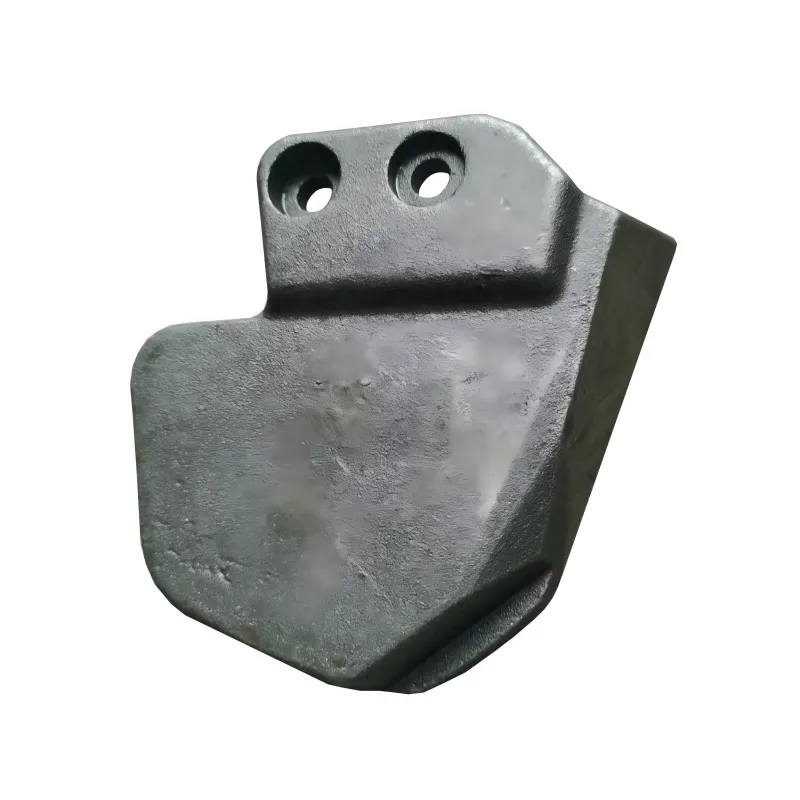
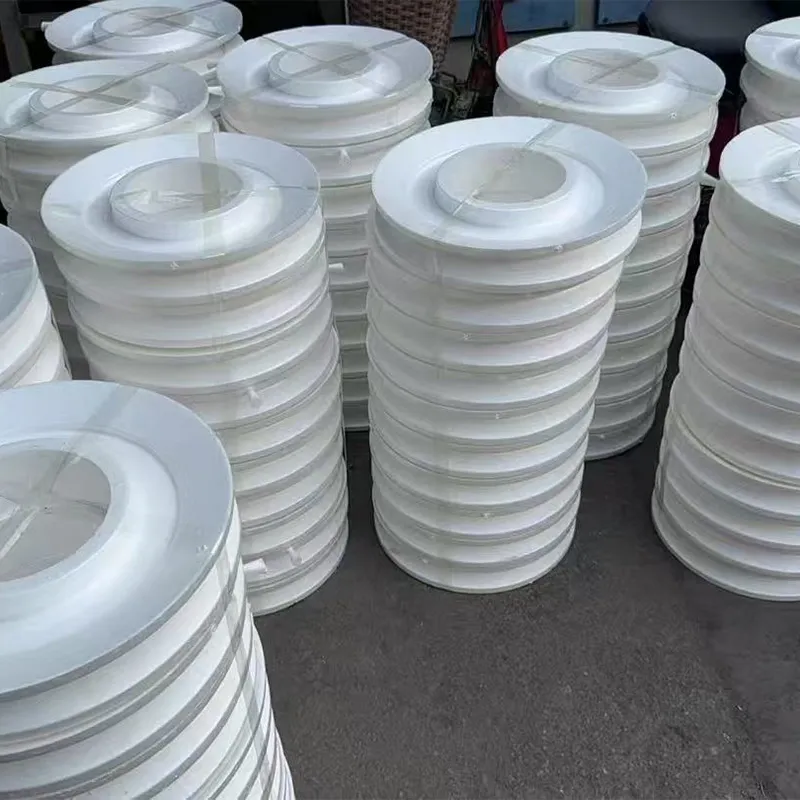
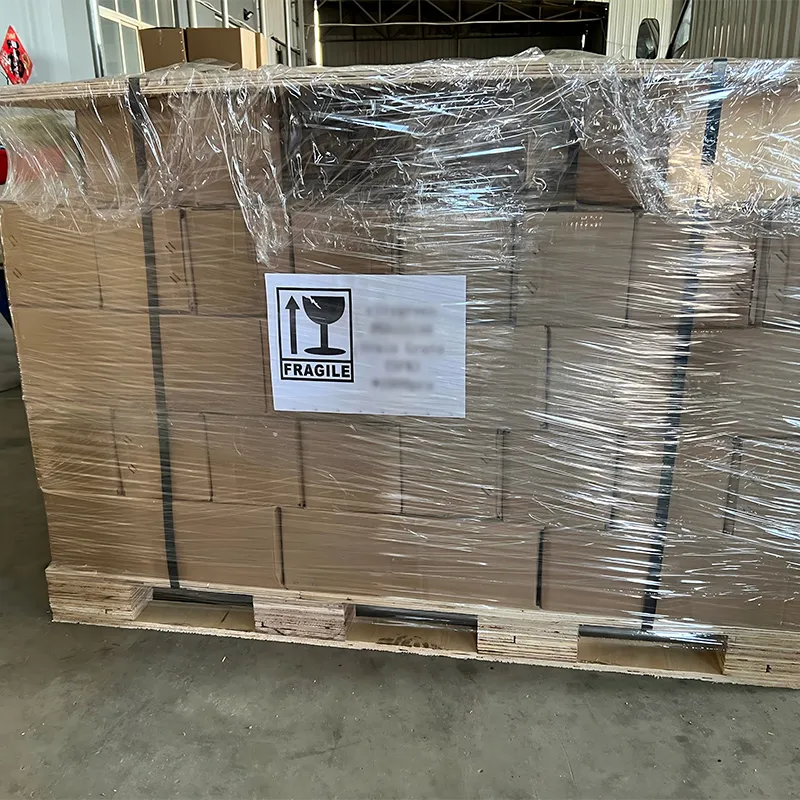
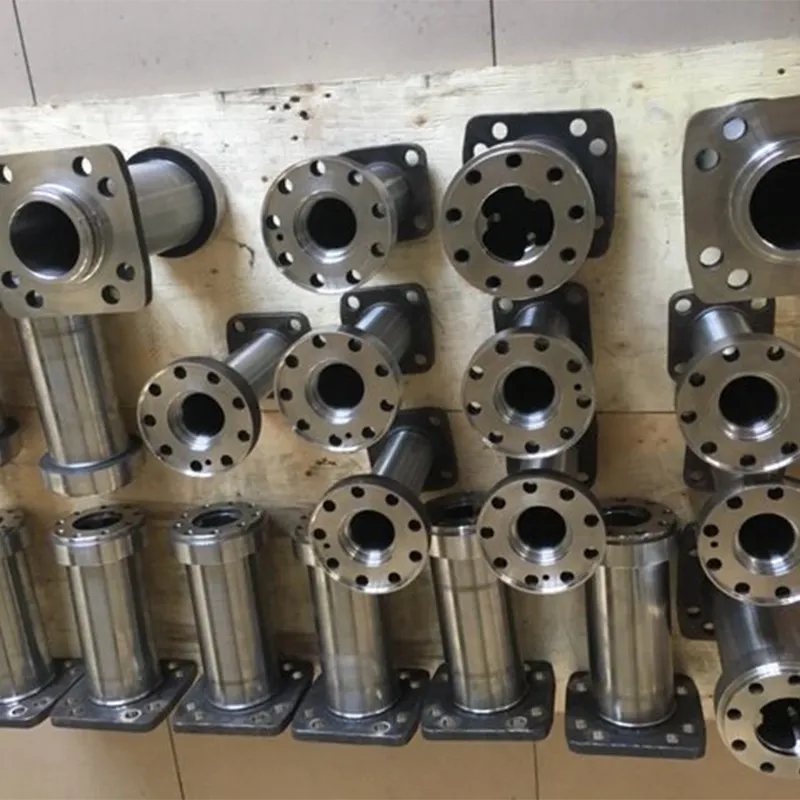
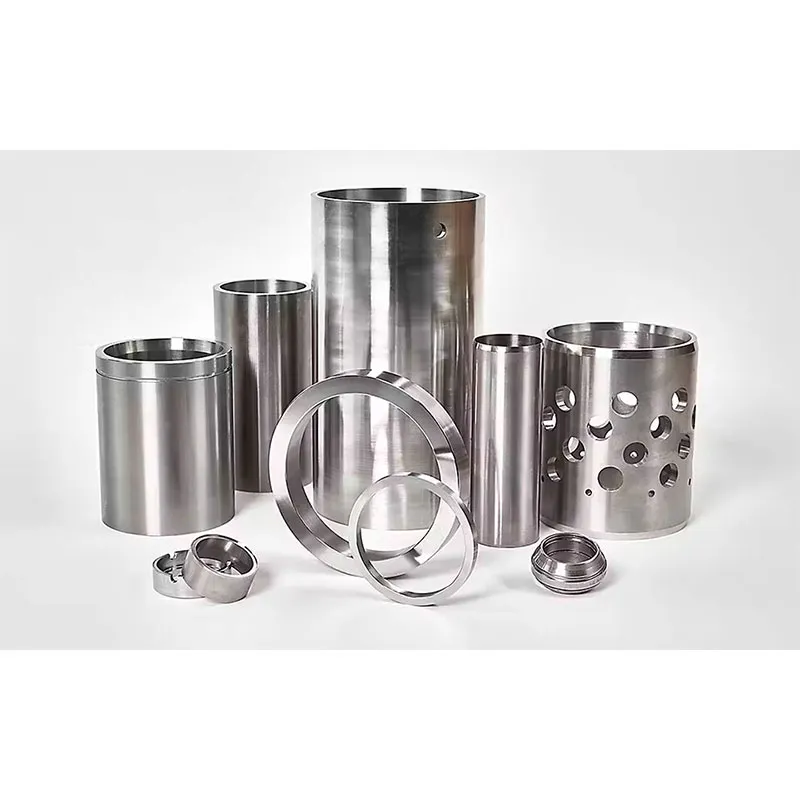
When evaluating sand casting companies, industrial buyers prioritize precision, material versatility, and scalable OEM capabilities. As a leading manufacturer with over three decades of industry experience, we specialize in delivering high-integrity cast components for automotive, aerospace, agricultural, and heavy machinery sectors. Our comprehensive facility combines traditional sand casting techniques with advanced shell mold and investment casting methods, alongside precision CNC machining, to ensure dimensional accuracy and superior surface finish. This guide details how to select the right partner, understand technical specifications, and optimize your supply chain for cost-effective, high-volume production.
Understanding the Role of Modern Sand Casting Companies
Sand casting remains the most versatile metal casting process, accounting for over 60% of all metal castings produced globally. For B2B procurement managers and engineering leads, selecting the right sand casting companies is critical to product reliability. Unlike die casting or investment casting, sand casting allows for the production of complex geometries in ferrous and non-ferrous metals without the prohibitive cost of hard tooling for low-to-medium volumes.
In 2026, the industry has shifted from simple component fabrication to integrated engineering solutions. Top-tier manufacturers now offer concurrent engineering support, helping clients optimize part design for manufacturability (DFM) before molds are created. This reduces lead times and minimizes waste. The core value proposition of a professional sand casting supplier lies in their ability to balance metallurgical integrity with economic efficiency.
Core Capabilities of a Premier OEM Manufacturer
A robust casting facility must demonstrate competence across several key areas. These capabilities distinguish generic foundries from strategic manufacturing partners:
- Pattern Engineering: Precision machining of wood, metal, or resin patterns that define the final component geometry.
- Mold Making: Utilization of both manual and automated molding lines to create consistent sand molds, as well as specialized shell molds for higher precision.
- Melting and Pouring: Strict control of melt chemistry using spectrometry to ensure alloy compliance (e.g., ASTM, DIN, JIS standards), including specialized alloys like cobalt and nickel-based superalloys.
- Post-Processing: Integrated finishing services including shot blasting, grinding, heat treatment, and multi-axis CNC machining.
- Quality Assurance: Implementation of non-destructive testing (NDT) such as X-ray, ultrasonic, and magnetic particle inspection within dedicated quality workshops.
By integrating these steps under one roof, manufacturers reduce logistical friction and ensure traceability from raw material to finished goods. This vertical integration is a hallmark of reliable sand casting companies serving international markets.
The Sand Casting Process: Technical Breakdown
Understanding the technical workflow is essential for effective communication with your manufacturing partner. The sand casting process involves creating a mold from sand compacted around a pattern, pouring molten metal into the cavity, and allowing it to solidify. While the basic principle is ancient, modern execution relies on precise control variables.
Step-by-Step Production Workflow
The following steps outline the standard operational procedure in a high-quality foundry environment:
- Pattern Creation: A replica of the final part is created, slightly larger to account for metal shrinkage during cooling. Patterns often include gating systems to guide metal flow.
- Mold Preparation: Sand is mixed with binders (clay for green sand, chemical resins for no-bake) to achieve specific strength and permeability properties.
- Molding: The pattern is placed in a flask (mold box), and sand is packed around it. In automated lines, this is done via high-pressure compaction to ensure uniform density.
- Core Insertion: If the part has internal hollows, sand cores are inserted into the mold cavity before closing.
- Pouring: Molten metal is poured at controlled temperatures. Turbulence is minimized to prevent oxide formation and gas entrapment.
- Cooling and Shakeout: The metal solidifies within the sand mold. Once cooled, the mold is broken away (shakeout) to reveal the rough casting.
- Cleaning and Finishing: Gates and risers are removed. The surface is cleaned via shot blasting to remove residual sand and improve surface texture.
This structured approach ensures repeatability. For buyers, verifying that a supplier follows standardized operating procedures (SOPs) at each stage is a key indicator of process maturity.
Key Variables Influencing Quality
Several technical parameters directly impact the final casting quality. Experienced engineers monitor these variables closely:
- Sand Grain Size and Distribution: Affects surface finish and permeability. Finer grains yield smoother surfaces but lower permeability, increasing the risk of gas defects.
- Binder Content: Determines mold strength. Insufficient binder leads to mold erosion; excessive binder can cause gas porosity.
- Pouring Temperature: Must be optimized for the specific alloy. Too low results in cold shuts; too high increases shrinkage and grain coarseness.
- Cooling Rate: Controlled by mold material and part geometry. Rapid cooling can increase hardness but may induce residual stresses.
Understanding these factors allows procurement teams to ask informed questions during supplier audits, demonstrating technical due diligence.
Material Versatility in Sand Casting
One of the primary advantages of working with specialized sand casting companies is the wide range of alloys supported. Unlike processes limited to specific melting points or fluidities, sand casting accommodates nearly all engineering metals. The choice of material depends on the application’s mechanical requirements, environmental exposure, and cost constraints.
Ferrous Alloys: Iron and Steel
Ferrous metals dominate the sand casting market due to their strength and cost-effectiveness. Common variants include:
- Gray Cast Iron: Known for excellent vibration damping and machinability. Ideal for engine blocks, pump housings, and machine bases.
- Ductile Iron (Nodular Iron): Offers higher tensile strength and ductility compared to gray iron. Used in automotive suspension components and pipe fittings.
- Carbon Steel: Provides high strength and toughness. Suitable for heavy-duty applications like mining equipment and valve bodies.
- Stainless Steel: Used for corrosion-resistant parts in food processing, chemical, and marine industries. Requires careful control of pouring temperature to prevent oxidation.
Non-Ferrous and Special Alloys
Non-ferrous castings are preferred when weight reduction or electrical conductivity is critical, while special alloys serve extreme environments. Key materials include:
- Aluminum Alloys: Lightweight with good corrosion resistance. Common in aerospace, automotive, and consumer electronics housings. A356 and A380 are frequent specifications.
- Brass and Bronze: Excellent wear resistance and low friction. Ideal for bearings, bushings, and marine hardware. Bronze castings often require directional solidification techniques to ensure integrity.
- Special Alloys (Cobalt & Nickel-Based): Essential for high-temperature and corrosive applications in petrochemical and energy sectors. These require advanced melting and handling capabilities typically found in premier facilities.
Selecting the right alloy involves balancing performance needs with budget. An experienced manufacturer will advise on material substitution opportunities that maintain performance while reducing cost.
Comparing Sand Casting Methods: Green Sand vs. No-Bake vs. Shell Mold
Not all casting is identical. The binding method used to hold the sand grains together significantly affects the final product’s precision, surface finish, and cost. Understanding the difference between Green Sand, No-Bake (Resin Sand), and Shell Mold casting is crucial for specifying the right process for your project.
| Feature | Green Sand Casting | No-Bake (Resin) Sand Casting | Shell Mold Casting |
| Binding Agent | Clay and Water | Chemical Resins | Thermosetting Resin |
| Moisture Content | High (2-4%) | Low (<0.5%) | None |
| Dimensional Accuracy | Moderate | High | Very High |
| Surface Finish | Rougher (Ra 12.5-25 µm) | Smoother (Ra 6.3-12.5 µm) | Excellent (Ra 3.2-6.3 µm) |
| Tooling Cost | Lower | Higher | Moderate to High |
| Production Speed | Fast (suitable for high volume) | Slower (curing time required) | Fast cycle times |
| Typical Applications | Engine blocks, pulleys, general hardware | Large valves, pump casings, complex geometries | Automotive parts, small complex gears, medical components |
Green Sand Casting is the most common method due to its low cost and high throughput. It is ideal for high-volume production of smaller to medium-sized parts. However, the moisture content can lead to gas-related defects if not managed properly.
No-Bake Casting uses chemically bonded sand that hardens at room temperature. This method produces molds with higher dimensional stability and better surface finish, making it suitable for larger, more complex parts where precision is critical.
Shell Mold Casting, a specialty of many advanced foundries like Qingdao Qiangsenyuan Technology (QSY), uses a thin shell of resin-bonded sand. It offers superior surface finish and dimensional accuracy compared to traditional green sand, bridging the gap between sand casting and investment casting for medium-volume, high-precision parts.
How to Choose the Right Sand Casting Supplier
Selecting a manufacturing partner is a strategic decision. In 2026, supply chain resilience and quality consistency are more important than ever. When evaluating sand casting companies, consider the following criteria to ensure a successful partnership.
1. Technical Expertise and Engineering Support
Look for suppliers with in-house engineering teams capable of performing simulation analysis. Software like MAGMASOFT or ProCAST allows foundries to predict filling patterns, cooling rates, and potential defect locations before physical prototyping. This proactive approach reduces trial-and-error costs and accelerates time-to-market.
2. Quality Certifications and Compliance
Verify that the manufacturer holds relevant international certifications. For automotive suppliers, IATF 16949 is mandatory. For general industrial applications, ISO 9001:2015 is the baseline. Additionally, check for industry-specific approvals, such as PED (Pressure Equipment Directive) for pressure vessels or NADCAP for aerospace components.
3. Production Capacity and Scalability
Assess whether the supplier can handle your volume requirements. Do they have automated molding lines for high-volume orders? Can they scale up quickly if demand spikes? Conversely, do they accommodate low-volume prototype runs without excessive minimum order quantities (MOQs)? Flexibility is key for businesses with fluctuating demand.
4. Supply Chain Transparency
A reliable supplier provides full traceability of materials. Request mill certificates for raw metals and documentation for sand additives. Transparency in the supply chain ensures that you meet regulatory requirements and maintains consistent product quality.
5. Post-Casting Services
Consider suppliers who offer end-to-end solutions. If a foundry can perform CNC machining, heat treatment, and surface coating in-house, it simplifies logistics and reduces the risk of damage during transit between multiple vendors. Integrated services also streamline quality control, as one entity is responsible for the final dimension and finish.
Common Defects in Sand Casting and Prevention
Even with advanced processes, casting defects can occur. Understanding these issues helps buyers interpret quality reports and collaborate effectively with suppliers on corrective actions. Here are the most common defects and their root causes:
- Porosity: Small holes caused by trapped gas or shrinkage. Prevention: Improve mold venting, optimize pouring speed, and use chills to control solidification.
- Shrinkage Cavities: Voids formed when metal contracts during cooling. Prevention: Design proper gating and risering systems to ensure continuous feed of molten metal.
- Sand Inclusions: Particles of sand embedded in the metal surface. Prevention: Increase mold strength, improve sand washing, and optimize pouring height to reduce erosion.
- Cold Shuts: Lines or cracks where two streams of metal meet but fail to fuse. Prevention: Increase pouring temperature and improve mold preheating.
- Misruns: Incomplete filling of the mold cavity. Prevention: Ensure adequate metal volume and faster pouring rates.
A reputable manufacturer will have a robust quality control system to detect these defects early. They should provide detailed root cause analysis and corrective action plans if issues arise, demonstrating a commitment to continuous improvement.
Industry Applications of Sand Cast Components
Sand casting serves a diverse array of industries. Its ability to produce large, complex, and durable parts makes it indispensable in sectors where performance and reliability are non-negotiable.
Automotive and Transportation
The automotive sector is a major consumer of sand castings, particularly for engine and transmission components. Cylinder heads, engine blocks, brake calipers, and suspension arms are commonly cast from aluminum and iron. The trend toward electric vehicles (EVs) is shifting demand toward lightweight aluminum structures and battery housing components, where sand casting offers a cost-effective solution for complex shapes.
Energy and Power Generation
In the energy sector, sand castings are used in wind turbine hubs, gearboxes, and hydroelectric power components. Oil and gas applications require high-pressure valves and pump bodies made from stainless steel and duplex alloys, demanding strict adherence to safety standards and material integrity.
Construction and Heavy Machinery
Heavy equipment manufacturers rely on sand casting for durable parts like excavator buckets, track links, and hydraulic pump housings. These components must withstand extreme abrasion and impact, making ductile iron and high-manganese steel popular choices.
Agriculture and Food Processing
Agricultural machinery requires robust, cost-effective parts for tractors, harvesters, and irrigation systems. Similarly, food processing equipment demands high-grade stainless steel castings that meet hygiene standards. Sand casting provides the necessary durability for gears, pulleys, and housing units that operate in harsh outdoor or sanitary environments.
Cost Drivers in Sand Casting Procurement
Understanding what drives cost helps in negotiating better terms and optimizing design for manufacturing. The total cost of a sand casting is influenced by several factors:
- Part Complexity: Complex geometries require more intricate patterns and cores, increasing tooling and labor costs.
- Material Choice: Alloy prices fluctuate based on global commodity markets. Stainless steel and specialty aluminum alloys are generally more expensive than gray iron.
- Volume: Higher volumes amortize tooling costs over more units, reducing the per-part price. Automated molding lines also offer economies of scale.
- Tolerances and Finish: Tighter tolerances and smoother surface finishes require higher precision tooling and more post-processing, increasing costs.
- Lead Time: Rush orders may incur expedited fees for pattern making and production scheduling.
To optimize costs, consider designing parts with uniform wall thicknesses, avoiding unnecessary undercuts, and specifying realistic tolerances. Collaborating with your supplier during the design phase can identify cost-saving opportunities without compromising functionality.
Future Trends in Sand Casting Technology
The sand casting industry is evolving with technological advancements. In 2026, several trends are shaping the future of manufacturing:
3D Printing for Patterns and Cores
Additive manufacturing (3D printing) is revolutionizing pattern making. Binder jetting and sand printing allow for the creation of complex cores and patterns directly from CAD data, eliminating the need for traditional tooling. This is particularly beneficial for prototypes and low-volume production, significantly reducing lead times and costs.
Digitalization and Industry 4.0
Smart foundries are adopting IoT sensors to monitor melting temperatures, mold humidity, and pouring rates in real-time. Data analytics enable predictive maintenance and process optimization, ensuring consistent quality and reducing downtime. Digital twins allow for virtual simulation of the entire casting process, further enhancing precision.
Sustainability and Green Manufacturing
Environmental regulations are driving the adoption of eco-friendly binders and sand reclamation technologies. Foundries are investing in energy-efficient melting furnaces and waste heat recovery systems. Sustainable practices are not just regulatory requirements but also competitive advantages in attracting environmentally conscious buyers.
Frequently Asked Questions (FAQ)
What is the typical lead time for sand casting?
Lead times vary based on complexity and volume. Prototype samples can be produced in 2-4 weeks, including pattern making. Mass production typically requires 4-8 weeks after sample approval. Rush services may be available for an additional fee.
What is the minimum order quantity (MOQ) for sand casting?
MOQs depend on the supplier and process. For green sand casting, MOQs can be as low as 50-100 pieces for small parts. For larger, complex no-bake castings, MOQs may start at 10-20 pieces due to higher setup costs. Always discuss specific requirements with your supplier.
Can sand casting achieve tight tolerances?
Standard sand casting tolerances are generally ±0.5mm to ±1.0mm depending on size. With high-precision tooling and process control, tolerances of ±0.25mm can be achieved. For tighter tolerances, secondary CNC machining is recommended.
How does sand casting compare to die casting?
Sand casting is more cost-effective for low-to-medium volumes and larger parts. It supports a wider range of alloys, including high-melting-point steels. Die casting is faster and offers better surface finish for high-volume, smaller parts, but tooling costs are significantly higher.
What information is needed for a quote?
To receive an accurate quote, provide 2D/3D CAD files, material specifications, annual volume estimates, tolerance requirements, and any specific testing or certification needs. Clear communication of these details ensures a precise and timely quotation.
Why Partner with Qingdao Qiangsenyuan Technology (QSY)?
While understanding the general landscape of sand casting is vital, choosing a partner with proven infrastructure and specialized expertise is equally important. Qingdao Qiangsenyuan Technology Co., Ltd. (QSY) stands out as a premier provider of one-stop customized casting and machining services.
With over 30 years of experience in the casting and machining industry, QSY operates a massive production workshop covering over 50,000 square meters. This extensive facility encompasses dedicated production lines for shell mold casting, investment casting (lost wax), and sand casting, alongside a state-of-the-art CNC machining workshop, quality inspection center, and packaging department.
Our Core Advantages
- Diverse Casting Capabilities: Beyond standard sand casting, we specialize in shell mold and lost wax casting, offering flexibility for various precision requirements.
- Advanced Material Handling: We work with a broad spectrum of materials, including cast iron, steel, stainless steel, and high-performance special alloys such as cobalt-based and nickel-based alloys, catering to demanding industries like petrochemicals and medical machinery.
- Integrated CNC Machining: Our in-house CNC machining workshop ensures that castings meet exact dimensional specifications, providing a seamless transition from raw cast to finished component.
- Global Reach: We have successfully cooperated with clients in more than 20 countries across sectors including agricultural machinery, medical and food processing, industrial equipment, and mining.
- One-Stop Service: From initial design consultation to final packaging and shipping, we manage the entire lifecycle, reducing supply chain complexity for our international partners.
We understand that every project is unique. Whether you need a single prototype or millions of components, QSY is equipped to deliver consistent, high-quality results. Our focus on long-term partnerships means we are invested in your success, providing ongoing support and continuous improvement.
Conclusion: Securing Your Supply Chain with Reliable Manufacturing
Choosing the right sand casting companies is a critical step in ensuring the quality and reliability of your industrial products. By understanding the technical nuances of the process, material options, and quality indicators, you can make informed decisions that drive value for your business. In 2026, the emphasis is on partnerships that offer technical expertise, flexibility, and transparent communication.
Facilities like Qingdao Qiangsenyuan Technology exemplify the modern standard of manufacturing—combining decades of experience with expansive, integrated capabilities. We invite you to explore how our diverse casting methods and machining services align with your project requirements. Whether you are developing a new product or optimizing an existing supply chain, we are ready to provide the precision and reliability you need.
Ready to start your next project?
Contact our engineering team today for a comprehensive consultation and customized quote. Let us help you bring your designs to life with world-class casting and machining solutions.
Request a Quote / View Technical Specifications