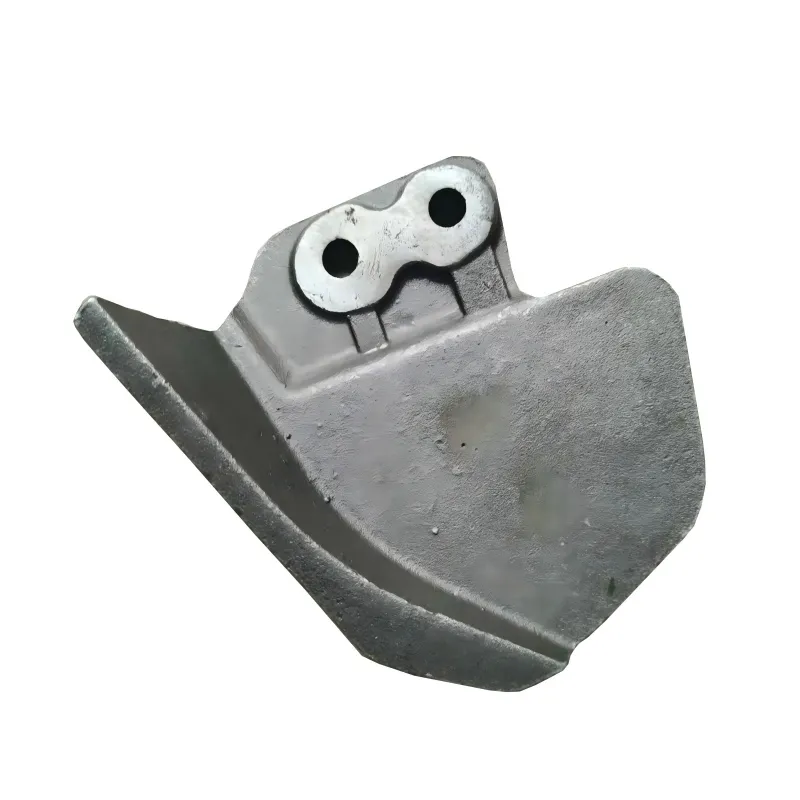
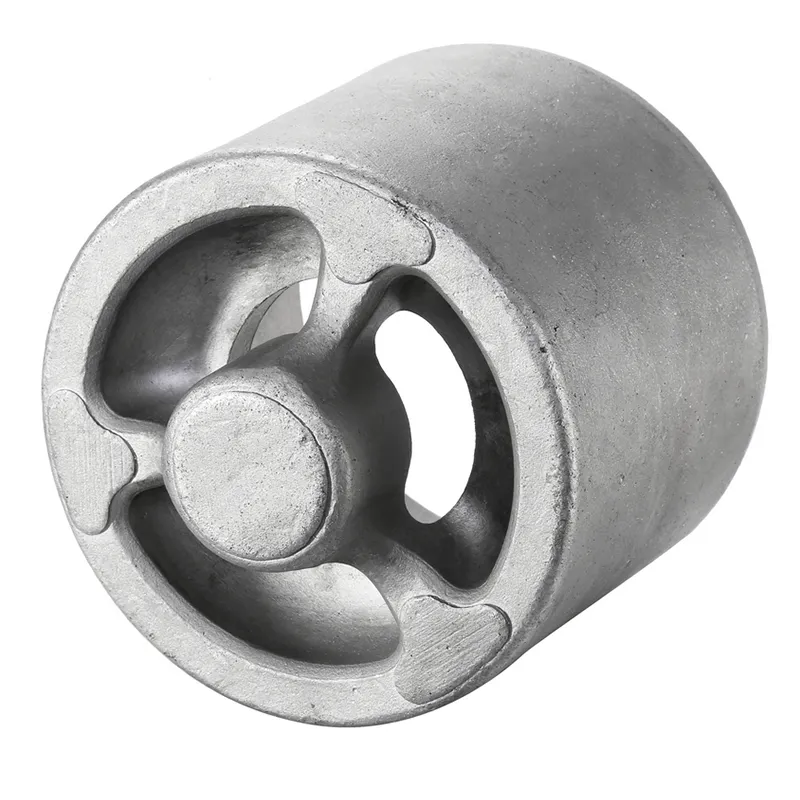
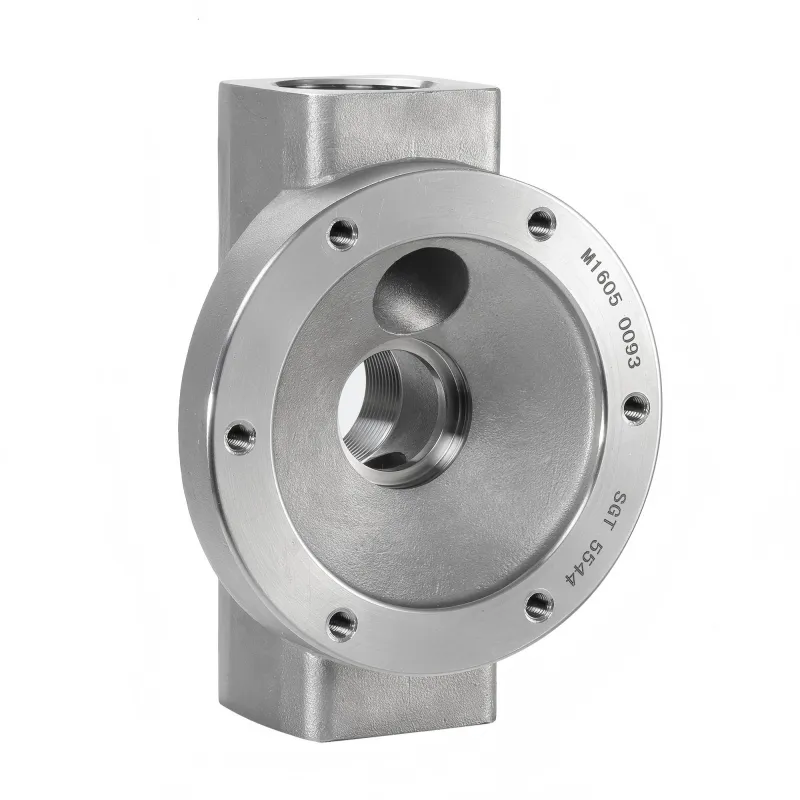
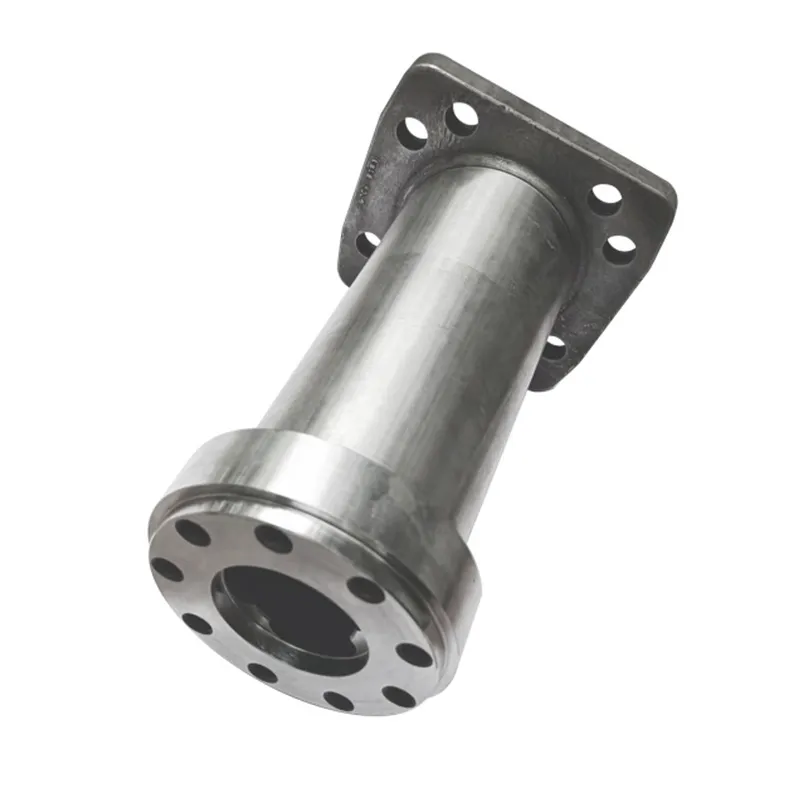
You hear 'sodium silicate sand casting' and most minds jump straight to the CO2 process. That's the classic, the one in all the textbooks. Blow gas, get a hard mold, pour. But if you've been on the floor for a while, you know that's just the door in. The real conversation starts with the binders, the breakdown, and the brutal honesty about when it shines and when it's a complete pain to shake out. It's not a one-trick method, and treating it like one is where a lot of shops, especially new ones, burn their fingers on scrap rates and cleaning costs.
The Binder Reality: It's Not Just Water Glass
Calling it 'water glass' simplifies it to the point of being misleading. Yes, it's sodium silicate, but the modulus—the ratio of SiO2 to Na2O—is everything. A high modulus binder sets faster, gives better strength, but gods, the reclaim. If your sand system isn't set up for it, you'll be buying new sand by the truckload because the breakdown is terrible. We learned this the hard way on a long-run job for some pump housings. Used a standard off-the-shelf binder, and after three cycles, the sand was like cement chunks. Had to ditch the whole batch. Now we work closely with our chemical supplier to tweak the modulus based on the alloy and complexity. For heavy-section steel castings, you might want a different formulation than for thin-wall ductile iron. It's not a commodity; it's a recipe.
And then there's the hardening method. CO2 is the poster child, but it's prone to over-gassing. You get a furry, white scum on the mold surface if you're not precise—carbonation. It ruins the surface finish. For critical jobs, we shifted to ester hardening years ago. You mix the liquid ester with the silicate-bonded sand, and it sets on its own time. It gives you a more uniform strength, a better surface, and frankly, more control. The trade-off? You're working against the clock once it's mixed. It adds a layer of planning that the simple CO2 method doesn't have. You can't just mix a ton and let it sit.
This is where the 30-odd years in the game, like what you see at a firm such as Qingdao Qiangsenyuan Technology Co., Ltd. (QSY), matters. They've seen the shift from pure CO2 to these more controlled processes. On their platform, tsingtaocnc.com, they list shell and investment casting upfront, but you dig a bit into their capabilities and you know a shop with that history has had to wrestle with sand casting fundamentals, including sodium silicate processes, especially for their large or one-off steel and alloy jobs. The choice of binder system isn't academic; it's what separates a clean casting from a cleaning room nightmare.
The Reclamation Headache: The Unspoken Cost
Nobody talks about sand reclamation enough when they're selling you on the 'green' aspects of silicate binders. It's inorganic, no nasty fumes during pouring, which is true and a big plus. But the spent sand is a rock. Mechanical reclamation often isn't enough; you need thermal reclamation to really break down those silicate bonds. That's a major capital cost. If your volume doesn't justify it, you're looking at disposal costs and new sand expenses eating into your margin.
We ran the numbers on a mid-sized job for mining equipment brackets. The casting itself was fine, strong as an ox. But the cleaning... hours of grinding. And the sand? We tried to crush it and reuse it, but the LOI (Loss on Ignition) shot up, and the grain distribution was ruined. It affected flowability and finish on the next batch. We ended up taking a hit just to get rid of the used sand. It was a lesson: sodium silicate isn't a set-and-forget sand system like some resin-bonded processes. You have to plan for its entire lifecycle in your shop.
This is a critical consideration for a multi-process foundry. A company like QSY, which handles everything from intricate investment casting to heavy machining, has to make strategic choices. They might reserve sodium silicate sand casting for specific applications where its high strength and dimensional stability for large, simple shapes outweigh the reclamation hassle, and use shell molding for more complex, higher-volume parts. It's about fitting the process to the part, not forcing one process to do everything.
Where It Earns Its Keep: The Heavyweight Champion
So why bother? Because for certain jobs, nothing else is as straightforward or cost-effective. Large, one-off or low-volume steel castings. Think machine tool bases, large gear blanks, or frames for heavy machinery. You need immense mold strength to hold the weight of the metal without deformation, and you need a mold that doesn't generate a lot of gas when the steel hits it. Sodium silicate sand, especially with ester hardening, delivers that. The dimensional accuracy is good for a sand process, and the lack of organic fumes means a safer pour and often fewer subsurface defects.
I remember a job for a portal frame in low-alloy steel, weighing about 8 tons. We used a furan resin system on the first attempt. The mold cracked from the exothermic heat. Switched to a heavily modified, high-modulus sodium silicate with a slow-set ester. Took longer to prepare the mold, but it held. The pour was clean, and the casting required minimal weld repair. That's its sweet spot: brute strength and stability where other sand systems might falter under thermal stress.
This aligns with the material expertise you'd find at a long-standing operator. Working with the steels and special alloys—like the nickel-based and cobalt-based ones mentioned in QSY's portfolio—often demands mold materials that are equally robust and inert. Pouring a high-temperature superalloy into a mold that might off-gas or react is a recipe for rejection. The inorganic nature of a well-cured sodium silicate mold becomes a major asset here.
The Surface Finish Trade-Off and Machining
Let's be blunt: you don't choose sodium silicate sand casting for a mirror finish. You get a decent, but somewhat rough, surface. There's always a glaze, a sort of glassy skin, that forms. It's hard. Great for wear resistance on the final part, but hell on cutting tools if you don't account for it. Your machining partners need to know this. You can't just send them a print and the casting; you need to specify the process so they can plan their tool paths and inserts accordingly.
This is where integrated machining capability is a godsend. When the foundry and the machine shop are under one roof, or closely aligned like they are at Qingdao Qiangsenyuan Technology Co., Ltd., the feedback loop is tight. The machining team knows exactly what's coming from the sodium silicate line: they expect the hard surface scale and plan their CNC programs for it. They might use more aggressive roughing passes or specific grade inserts. This internal knowledge prevents the blame game between casting and machining when a tool wears out prematurely. It's all part of the same cost and quality calculation.
Final Thought: A Specialist's Tool, Not a Default
In the end, sodium silicate sand casting is a powerful, sometimes stubborn, specialist in the foundry's toolkit. It's not the default sand process. Its value is unlocked when you need that combination of high strength, dimensional stability for large forms, and a chemically inert mold for demanding alloys. The pitfalls—sand reclamation, surface finish, and the need for precise process control—are real and demand respect.
The shops that use it well, the ones with decades of pattern-making and metallurgical knowledge, understand it as a system. They've moved past the basic CO2 trick and into tailored binder chemistry and hardening methods. They've factored in the total cost, from sand to shakeout to the first machining cut. For a multi-process specialist focusing on demanding materials, as outlined on tsingtaocnc.com, it remains a vital, if sometimes under-appreciated, option for delivering a robust, reliable heavy casting where it counts.
So next time someone mentions it, don't just think of a textbook diagram. Think of a hardened mold on the floor, waiting for a ton of molten steel, and all the nuanced decisions that got it there—and all the work that'll come after to turn it into a finished part. That's the real picture.