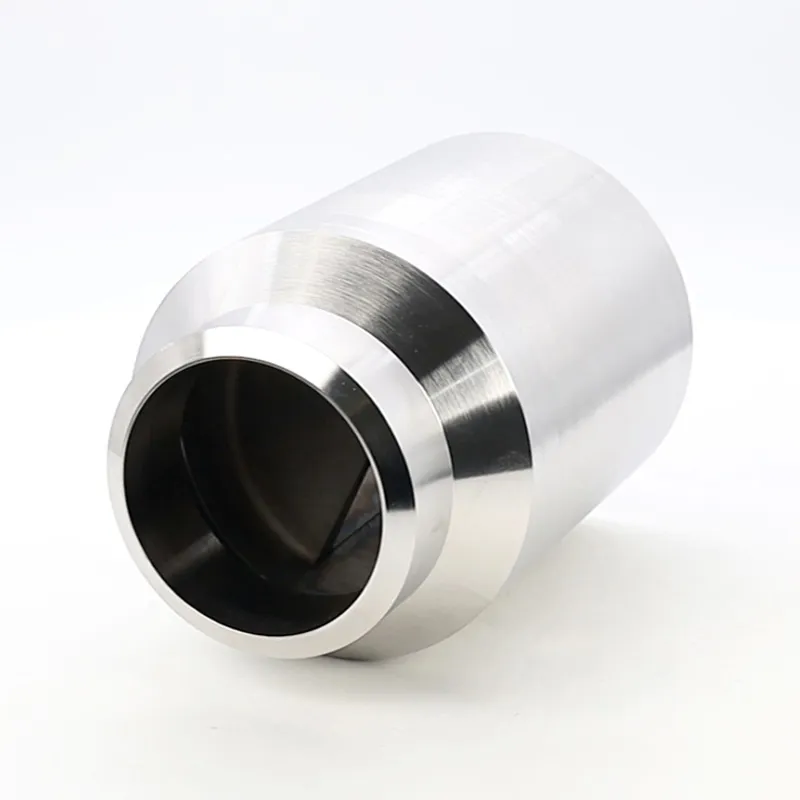
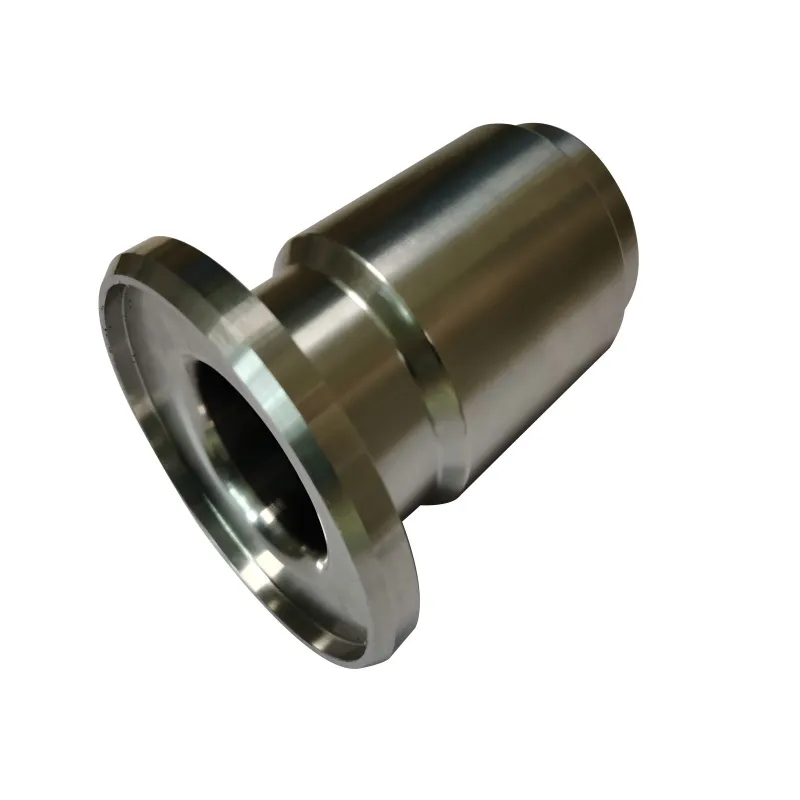
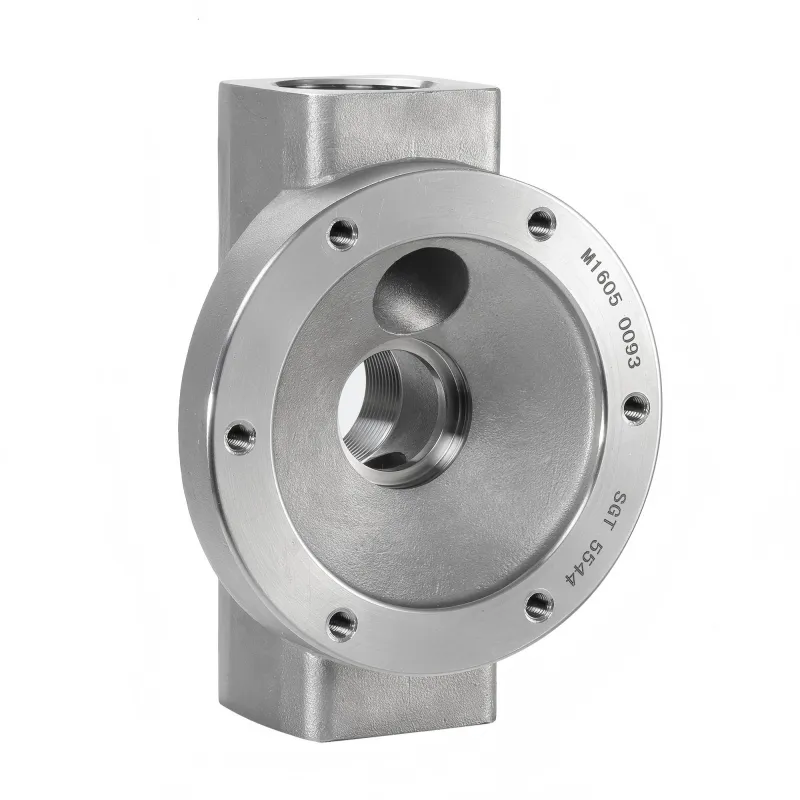
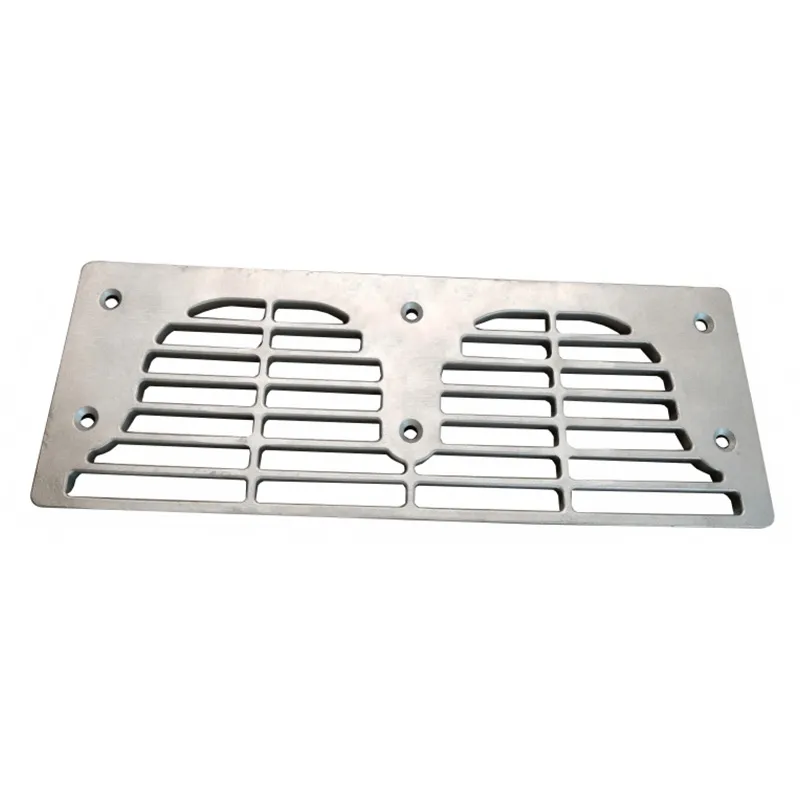
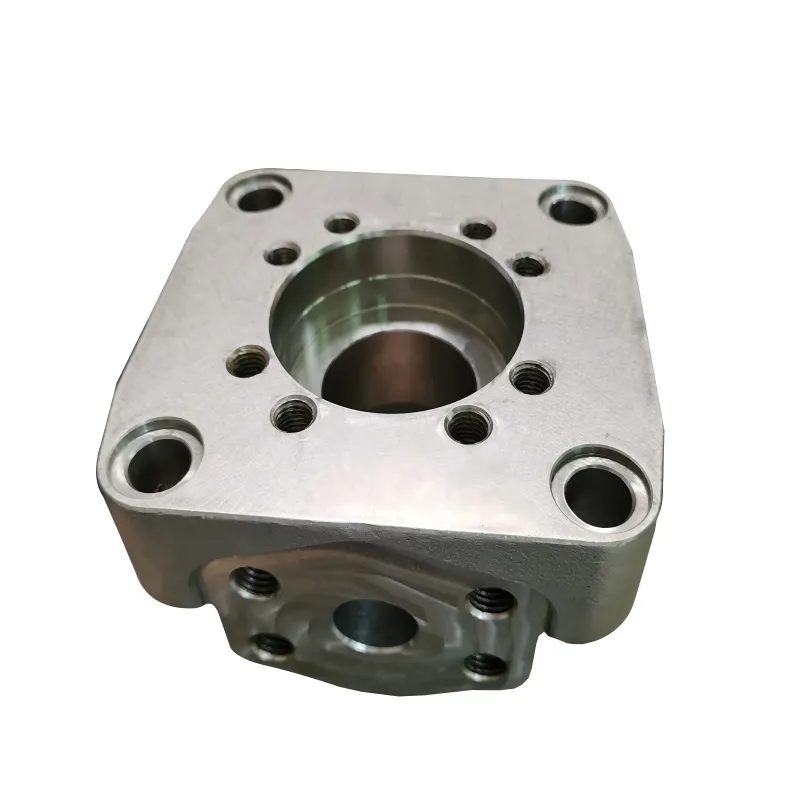
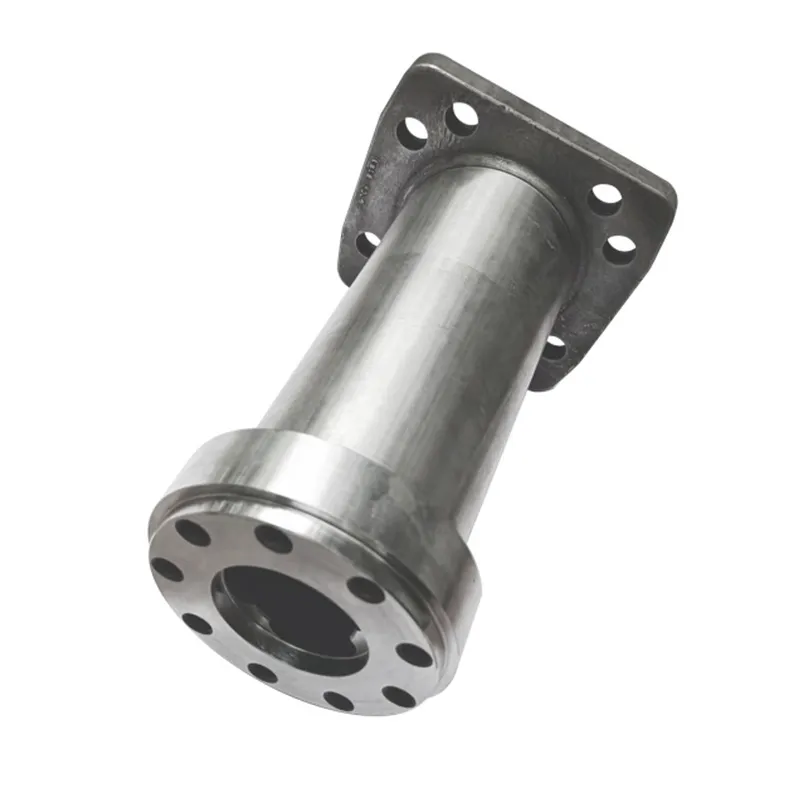
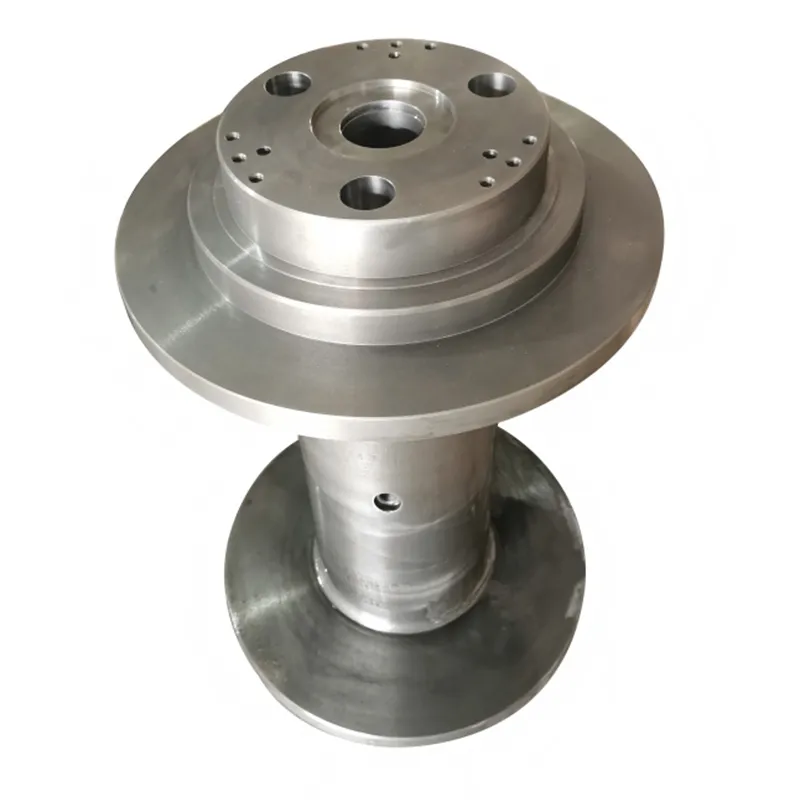
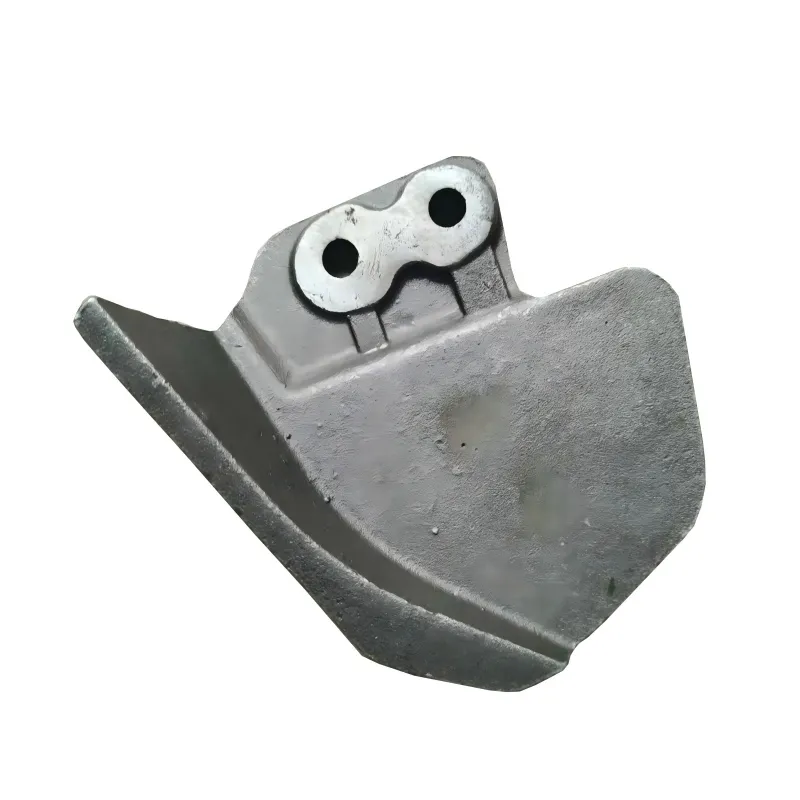
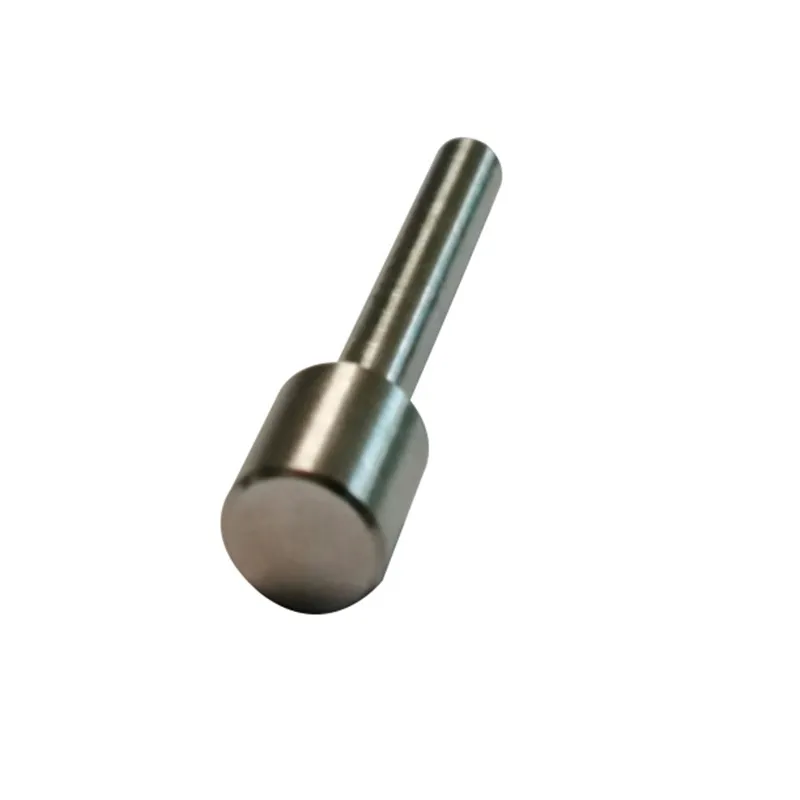
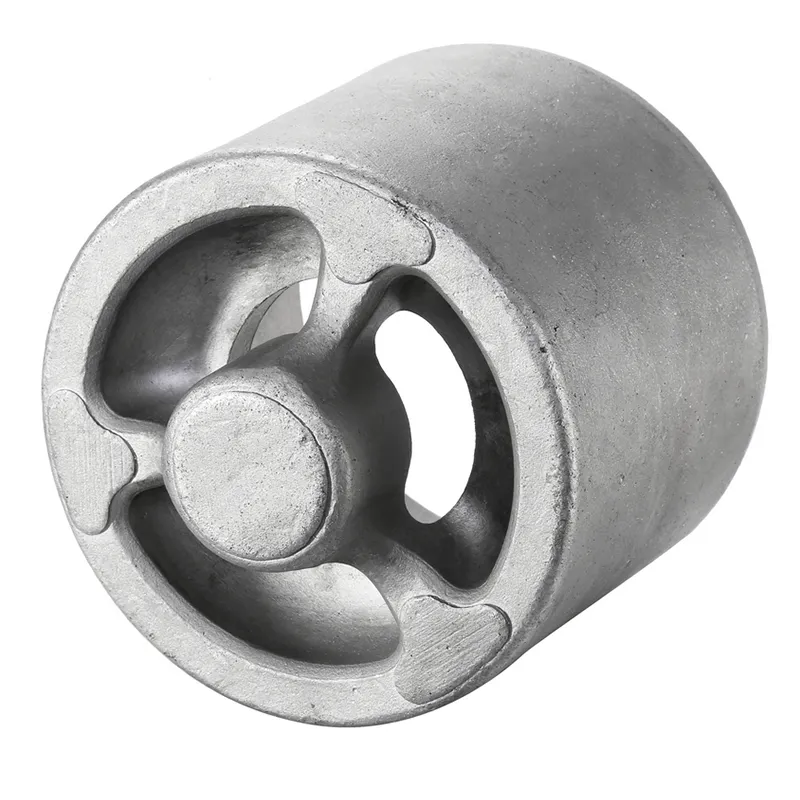
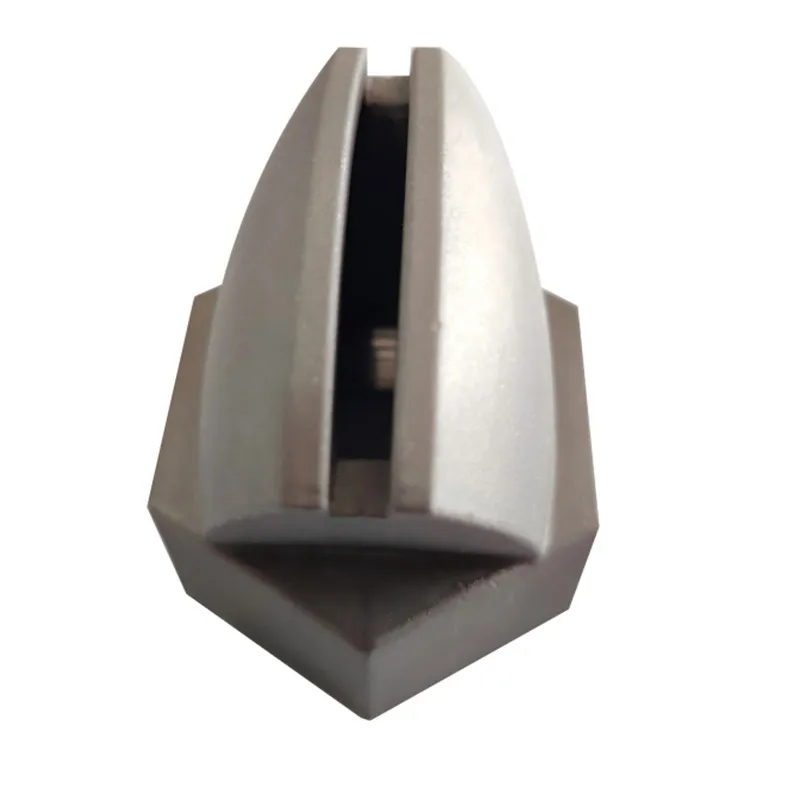
When most procurement guys hear 'special alloy bushing', they immediately jump to material grades – Inconel 718, Stellite 6, Hastelloy C-276 – and think the job is done. That's the first, and costliest, mistake. The alloy is just the starting point; the real devil is in the fabrication process and the actual service environment, which the print often gets wrong. I've seen too many projects where a beautifully machined cobalt-based bushing failed in weeks because everyone focused on the 'special' and forgot about the 'bushing' part of its function.
The Special in the Alloy Isn't a Magic Bullet
Let's talk about cobalt-based alloys, like Stellite. Yes, phenomenal wear and corrosion resistance, great for high-temperature applications like turbine linkages or severe slurry pumps. But specifying it is the easy part. The casting process for these materials is a different beast. They're not like pouring gray iron. The melt behavior, the shell mold reaction, the solidification shrinkage – if your foundry doesn't have deep experience, you'll get micro-cracking, inclusions, or inconsistent hardness right out of the gate. It looks perfect until it goes under a microscope or into service.
I recall a valve manufacturer sourcing a batch of special alloy bushings for a corrosive chemical processing line. The material certs were perfect, all to ASTM A494. But in operation, they showed premature galling. The failure analysis pointed to carbide distribution. The casting cooled too fast, creating a brittle, uneven carbide network at the grain boundaries. The spec was met, but the metallurgy was wrong for the application. The fix wasn't a new material; it was a revised foundry practice with controlled cooling. This is where a partner like Qingdao Qiangsenyuan Technology Co., Ltd. (QSY) stands out. With three decades in shell and investment casting, they've likely seen and solved this cooling rate problem across different alloy families. It's that process knowledge, not just the furnace, that matters.
Another common oversight is machinability. Nickel-based alloys are notorious for work hardening. You design a tight-tolerance bushing with thin sections. If the CNC machining sequence is off – wrong insert grade, incorrect feed/speed, poor coolant application – you induce residual stresses or a hardened skin layer. The part passes final inspection but deforms or cracks under initial load. The bushing didn't fail; the post-casting process did.
Design for Manufacture, Not Just for Function
Engineers love designing the ideal bushing: complex lubrication channels, undercuts for seal retention, thin walls for weight saving. Then they throw it over the wall to manufacturing. With special alloys, this is a recipe for disaster and astronomical cost. Every design nuance multiplies the difficulty.
For instance, those internal cross-drilled oil holes. In a steel bushing, you drill them after casting. With many nickel or cobalt alloys, post-casting drilling is tough. It's often better to cast them in using ceramic cores. But that requires expert mold design to ensure the core is properly supported and doesn't shift during pour, and that the core material can be fully removed after casting without leaving residue. QSY's expertise in shell mold casting and investment casting becomes critical here. They can advise on feasible geometries from the start. Should that channel be round or an oval? A slight draft angle might make the core removal 100% reliable without affecting function. This back-and-forth is what separates a prototype that works from a production-ready component.
Wall thickness uniformity is another silent killer. A bushing might have a thick flange and a thin sleeve. Differential cooling in the mold creates stresses. In a brittle special alloy, this can lead to hot tears – tiny cracks that originate during solidification. You might not see them without dye penetrant inspection. The lesson: sometimes you need to add a little material in one section to ensure uniform cooling, then machine it back. It seems wasteful, but it's cheaper than a 30% scrap rate.
The Forgotten Factor: The Mating Surface
Here's a hard-won lesson: a bushing never works alone. Its performance is a system property. You can put a perfect Stellite bushing into a mild steel housing, and under load, the softer housing deforms, misaligning the bushing and causing edge-loading and rapid failure. The material pairing is everything.
We had a case on a heavy-duty excavator pivot. The special alloy bushing (cobalt-based) was specified for abrasion resistance. The pin was hardened steel. The failure mode was severe adhesive wear. The problem? The hardness difference was too extreme. The two surfaces micro-welded under high contact pressure. The solution was to slightly lower the bushing's hardness and ensure a specific surface finish on the pin. It was counter-intuitive – we degraded the bushing material property to make the system work. This is the kind of practical judgment that comes from seeing parts fail in the field, not just from a data sheet.
Corrosion compatibility is another minefield. A super corrosion-resistant nickel alloy bushing might create a galvanic cell with a stainless steel housing in a wet environment, eating away the housing. Sometimes, you need to specify isolation sleeves or coatings not for the bushing, but to protect its neighbor. The system view is non-negotiable.
When CNC Machining Makes or Breaks the Bushing
Casting gets you the rough shape, but the final CNC machining defines the performance. Tolerance is just one line on the drawing. For a bushing, the surface integrity is paramount. The machining process must not degrade the material properties developed during casting and heat treatment.
Take a precipitation-hardened nickel alloy like Inconel 718. It gets its strength from a specific heat treatment cycle. Aggressive machining can generate enough localized heat to over-age the material in that zone, creating a soft spot. The bushing might have perfect dimensions but fail under load due to this localized weakness. A skilled machinist, or a shop with integrated casting and machining like QSY, knows to use sharp, specialized tooling, high-pressure coolant, and light finishing passes to preserve the substrate.
Then there's the bore finish. A mirror finish isn't always best. For a bushing meant to retain oil, a certain cross-hatch pattern is needed. For one operating dry or with a solid film lubricant, a different roughness average (Ra) is optimal. Communicating this functional requirement to the machining team is vital. Simply putting Ra 0.4 on the drawing might be wrong.
Cost vs. Lifetime: The Real Calculation
The biggest pushback on special alloy bushings is always cost. A single cobalt-alloy bushing can cost 50x its carbon steel equivalent. Framing this as a part cost is how you lose the argument. The calculation is total cost of ownership: part cost + installation labor + machine downtime for replacement + production losses during downtime.
I worked on a continuous caster roll in a steel mill. The original bushings lasted about 6 weeks in the high-heat, scale-laden environment. Downtime to replace them was 12 hours, costing six figures in lost production. We switched to a centrifugally cast nickel-chromium-boron alloy bushing. The unit cost was staggering. But they lasted over 18 months. The ROI was calculated in weeks, not years. The key was proving the lifetime, which required a small pilot batch and rigorous in-situ monitoring. No one buys these on a brochure's promise.
This is where partnering with a vertically integrated manufacturer pays off. A company that handles the casting, heat treatment, and machining in-house, like the operations described at QSY's facility, can provide a more reliable prediction of performance and lifetime because they control the entire variable chain. They've also seen what happens when their parts are pushed to limits in the field, which informs better process control back in the shop.
Concluding Without a Conclusion
There's no grand finale here. Specifying and manufacturing a reliable special alloy bushing is an exercise in managing trade-offs and hidden variables. It's about choosing the right alloy family, then tailoring the casting and machining process to that specific alloy's quirks for that specific application. It's about designing the system around the bushing, not just the bushing in isolation. And it's about finding a fabricator who understands the material's behavior from the melt to the final cut, who can be a consultative partner, not just an order-taker. The material certificate is the beginning of the conversation, not the end of it. The real spec is written in the performance on the factory floor, long after the purchase order is closed.