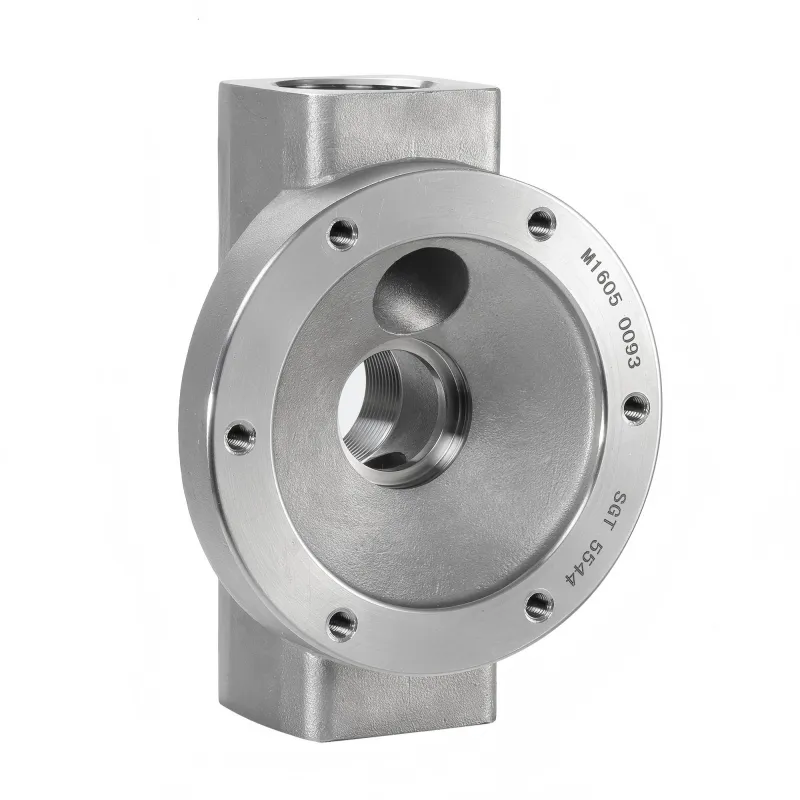
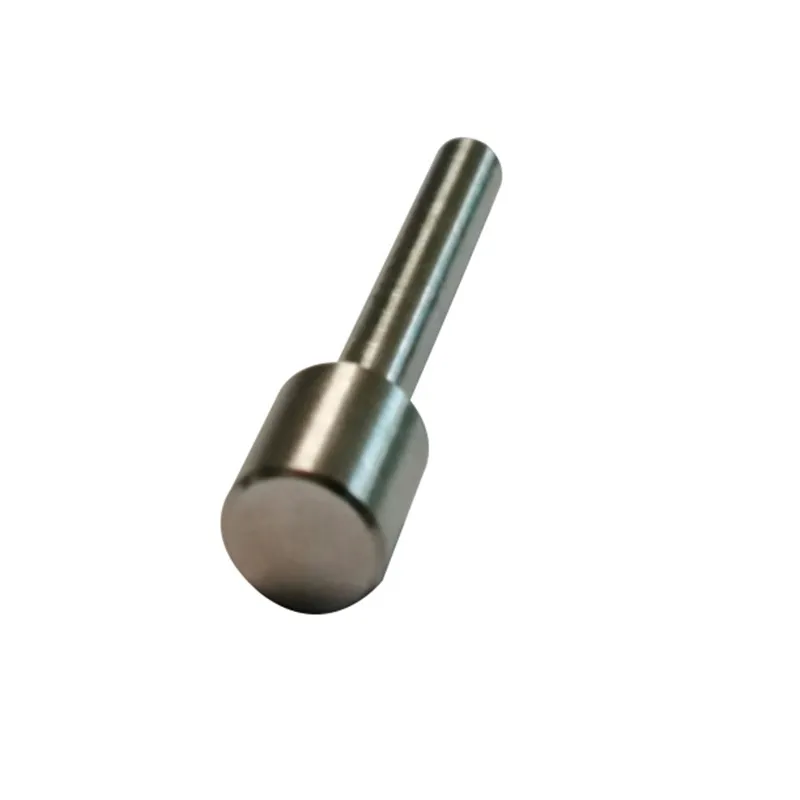
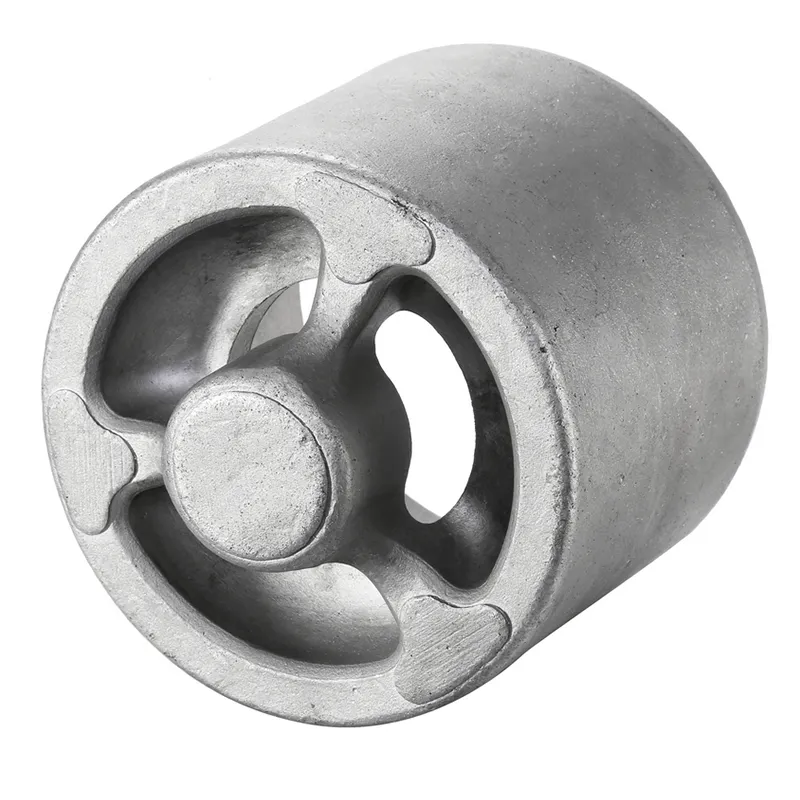
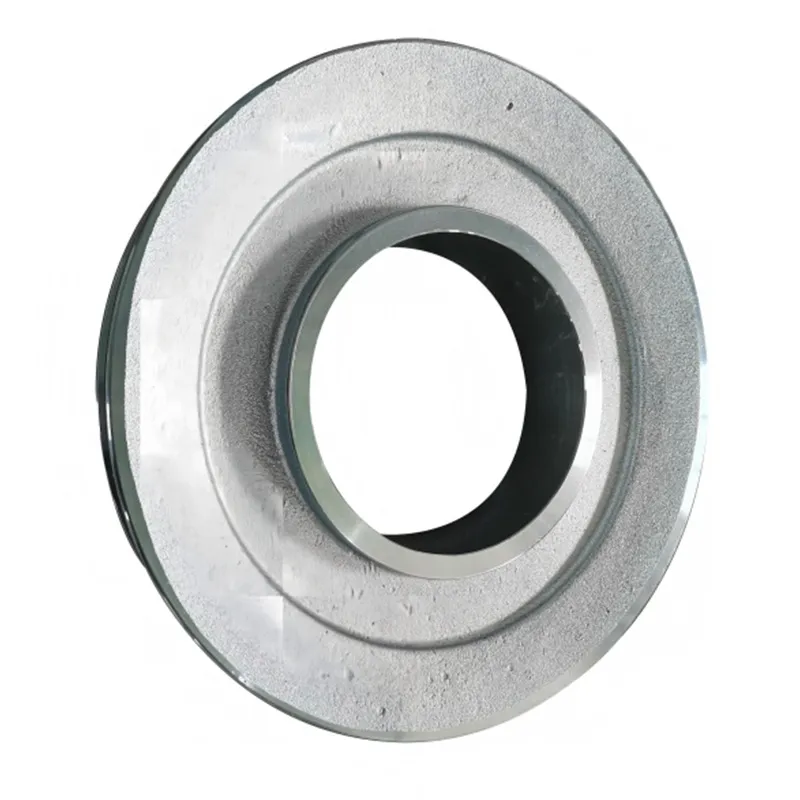
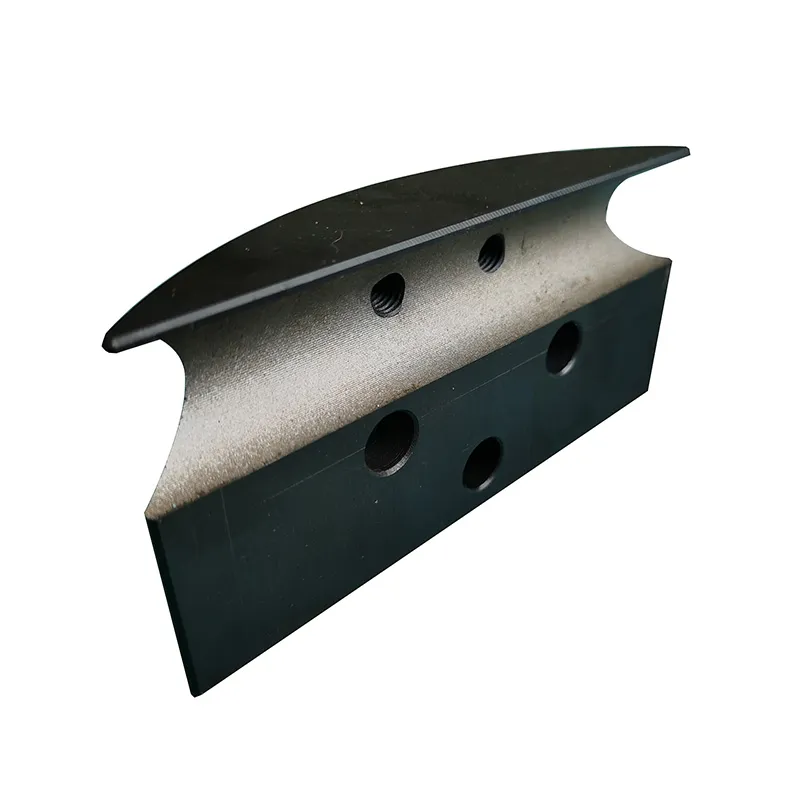
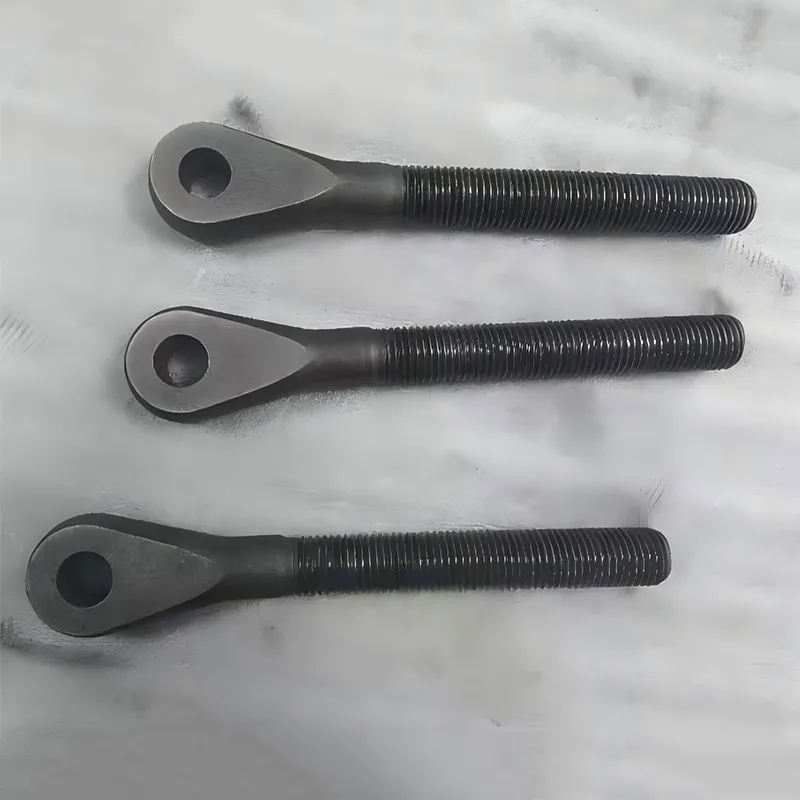
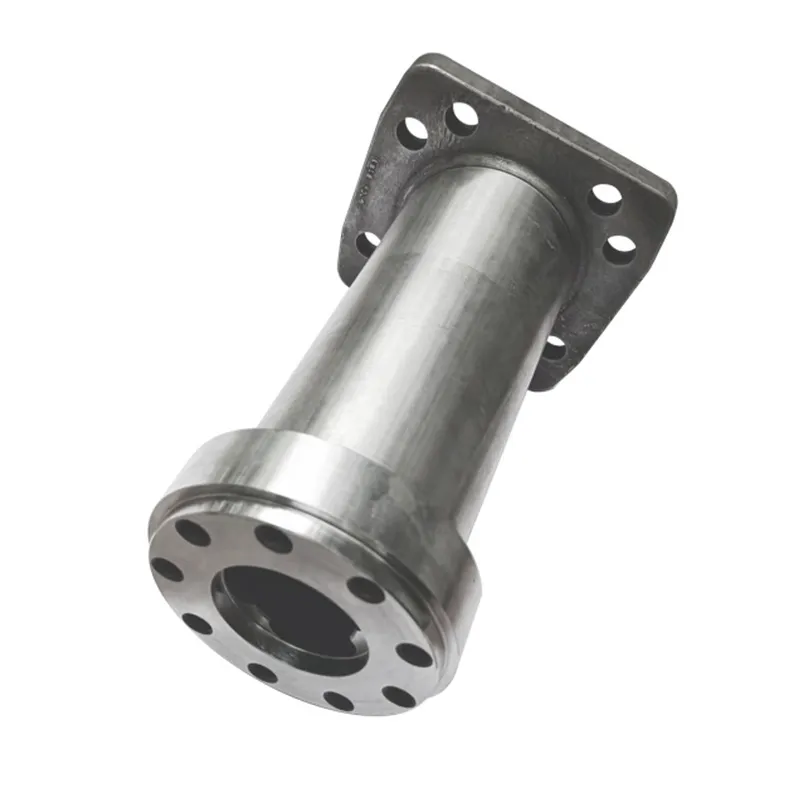
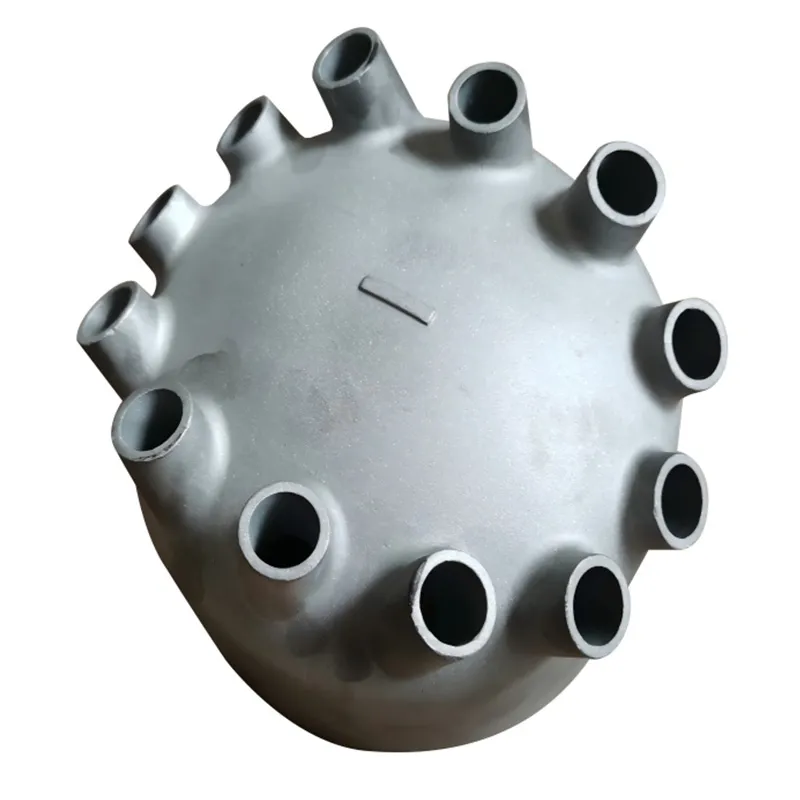
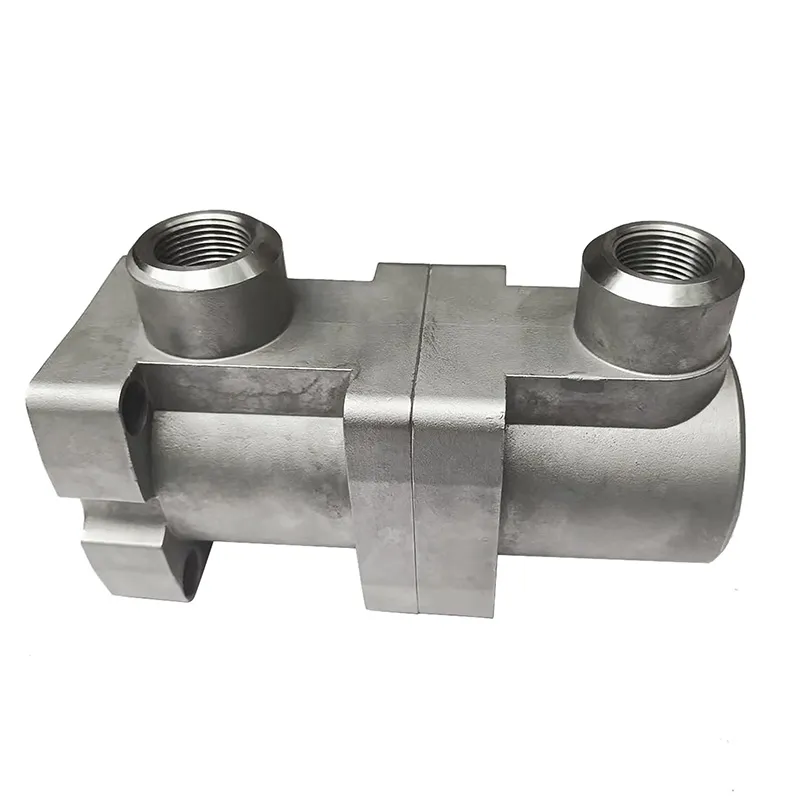
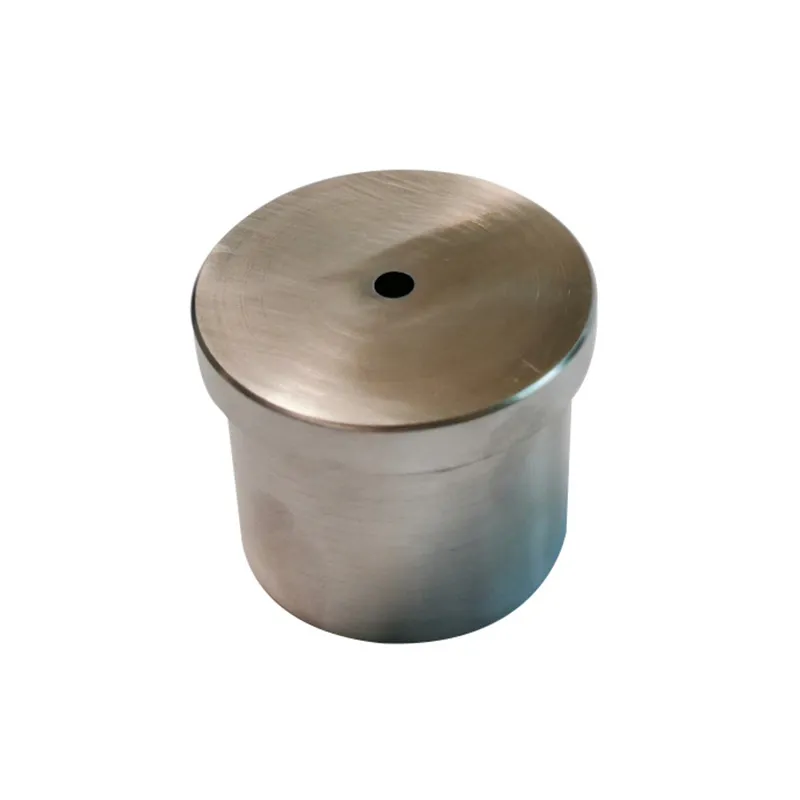
When most people hear 'special alloy parts,' they think of the spec sheet: Inconel 718, Hastelloy X, CoCrMo, with their impressive tensile strength and corrosion resistance numbers. That's the marketing pitch. The reality on the shop floor, especially in complex investment castings and subsequent machining, is a different beast. The gap between a perfect material certificate and a functional, reliable component is where the real work happens. It's not just about having the alloy; it's about understanding what happens to it from molten state to finished part.
The Special in Special Alloys Isn't Just Chemistry
Take a common request: a high-temperature nickel-based alloy component for a turbine application. The client provides the AMS spec. That's the starting line, not the finish. The 'special' nature begins with sourcing. Not all master alloys or virgin material melts behave identically. Trace elements, the exact melting and refining process at the mill—these subtly influence castability and, later, machinability. We've learned to qualify our material sources not just with paperwork, but with small test castings. A supplier's Inconel 625 might pour slightly differently than another's, affecting mold fill and final integrity in thin sections.
This is where long-term operation matters. A company like Qingdao Qiangsenyuan Technology Co., Ltd. (QSY), with its three decades in casting and machining, has likely seen multiple source changes over the years. That institutional memory is critical. You build a mental library: Source A's 316L is great for large valves, but for intricate shell mold casting of small, complex shapes, Source B's heat has better fluidity. This isn't on any data sheet.
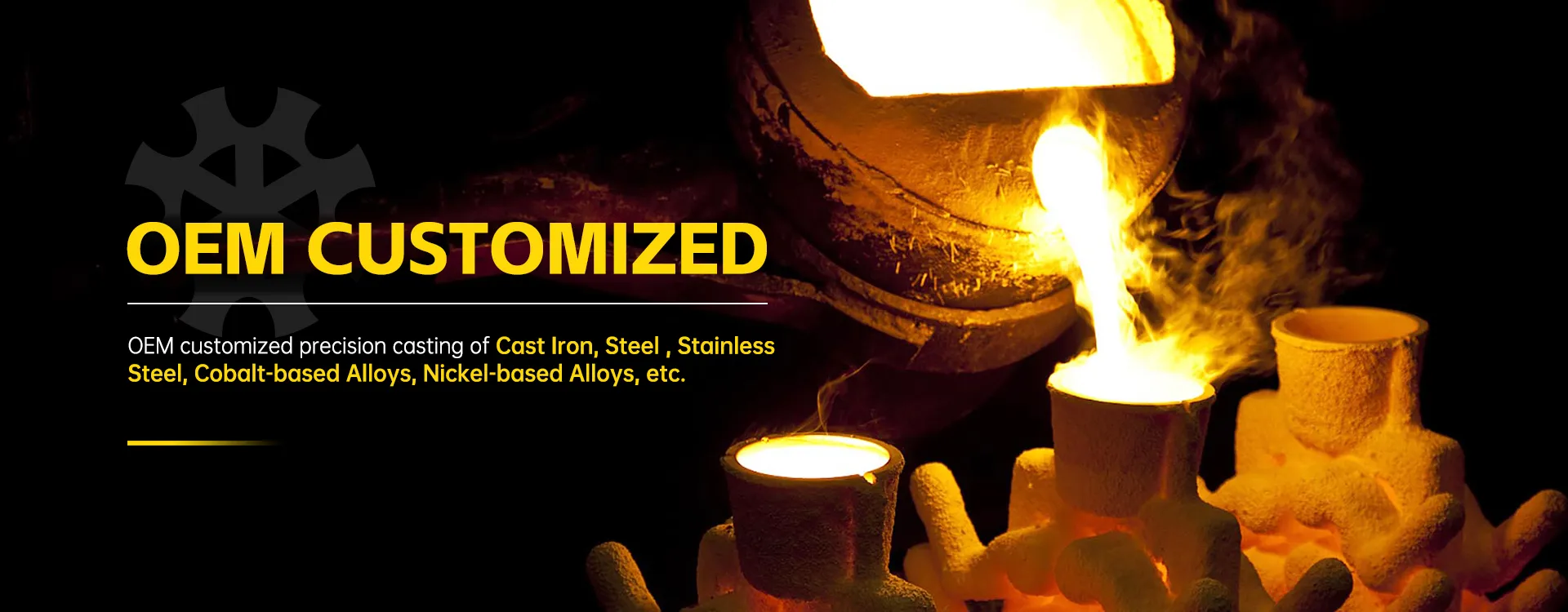
The casting process itself—whether it's their specialty shell mold or investment casting—imposes its own 'alloy modification.' The thermal dynamics during solidification create the microstructure. Too fast, and you risk micro-porosity; too slow, and grain growth can weaken the part. For special alloys, the window for optimal parameters is often narrower. Post-casting heat treatment becomes non-negotiable, not an option, to relieve stresses and achieve the designed phase structure. Getting this wrong can turn a high-strength alloy part brittle.
Machining: Where Theoretical Meets Reality
This is the great humbler. You have a beautifully cast cobalt-chromium alloy part. The chemistry is perfect, the X-ray is clean. Now you need to put it on a CNC machine to achieve tight-tolerance bores and surface finishes. This is where many projects face unexpected costs and delays.
Special alloys work-harden. A cutting tool that hesitates, even for a moment, can create a surface layer harder than the tool itself. We've ruined expensive inserts in minutes learning this. Coolant isn't just about cooling; it's about preventing this work-hardening and ensuring chip evacuation. The wrong coolant pressure or type can lead to chip re-welding. The machining strategies for these materials are defensive: consistent, aggressive cuts to get under the work-hardened layer from the previous pass, rather than light, cautious skimming.
Toolpath programming needs to account for the part's residual casting stresses. Sometimes, when you clamp and machine one side, the part moves slightly as internal stresses rebalance. It's frustrating. You might hold tolerance on the first operation, only to find distortion after unclamping. This often leads to a sequence of rough machining, a stress-relief cycle, then finish machining. It's not the fastest route, but it's reliable. Their integrated CNC machining capability is crucial here—having casting and machining under one roof allows for this iterative, feedback-driven process without the blame game between separate vendors.
Failure Points and Subtle Compromises
Not every story is a success. Early on, we had a project for a corrosion-resistant nickel alloy part for the chemical industry. It passed all standard tests. But in field service, it failed through stress corrosion cracking in a specific crevice geometry we hadn't considered a hotspot. The lesson? Environment is everything. A 'special alloy' is only special for specific conditions. We now spend as much time discussing the operating environment—exact chemical concentrations, temperatures, cyclic loading—as we do the part print.
Another common compromise is between design idealism and manufacturability. A designer might specify razor-thin walls and acute internal angles in a stainless steel alloy to save weight. But can the molten metal fill that section without chilling prematurely? Can a tool reach that internal angle for machining or inspection? Sometimes, the most valuable input is suggesting a slight design tweak—a radius increase of 0.5mm, a draft angle adjustment—that makes the part actually producible without compromising function. This is the practical collaboration that defines success.
Quality verification also gets trickier. Dye penetrant testing is standard, but for critical high-integrity parts, we often push for more. For instance, radiography to check for internal porosity in the casting's critical sections. It adds cost and time, but skipping it is a gamble. The decision hinges on the part's function. Is it a structural load-bearer or a non-critical housing? The term 'special alloy parts' implies a duty beyond ordinary, so our inspection protocols usually need to match that implication.
The Integrated Advantage: From Melt to Machine
This is why the model of a foundry with in-house machining, like the one described at https://www.tsingtaocnc.com, makes sense for these materials. The learning loop is tight. The machining team can directly tell the casting team, This batch of parts had harder spots here, making tool wear excessive. The casting team can then investigate: was it a slight variation in pour temperature? A modification to the gating system? This feedback is gold.
It also allows for combined process optimization. For example, deciding how much stock to leave for machining. Too much, and you're wasting expensive alloy and machining time. Too little, and a slight casting shift or surface imperfection means the part can't be cleaned up to dimension. Having both teams under one roof lets you empirically determine the optimal allowance for a specific part geometry and alloy.
Furthermore, handling becomes a concern. Special alloy parts, post-casting and between machining ops, are often valuable and sensitive. Keeping them in a controlled environment, tracking them closely, and minimizing transit reduces risk of mix-ups, damage, or contamination. An integrated facility simplifies this logistics chain immensely.
Looking Ahead: It's Still a Craft
Despite all the advances in simulation software for casting (like MAGMA) and CNC programming, producing top-tier special alloy components remains a deeply experiential craft. The software gives you a probable starting point, but the craftsman—the foundry engineer, the machinist—makes the final adjustments based on sight, sound, and feel. The way the metal pours, the color of the chip during machining, the sound of the cut.
The future, I think, lies in capturing more of this tacit knowledge. But for now, it resides in the people and the institutional practices of firms that have been through the cycles, like a 30-year-old operation would have. They've navigated material shortages, adapted to new alloy grades, and invested in the right CNC technology to cut them.
So, when evaluating a source for special alloy parts, look beyond the material list and the machine park. Look for evidence of this integrated, problem-solving mindset. Ask about a challenging project they've completed. The answer will tell you far more than a glossy brochure ever could. The real product isn't just the alloy part; it's the applied knowledge that ensures that part works as intended, reliably, where it counts.