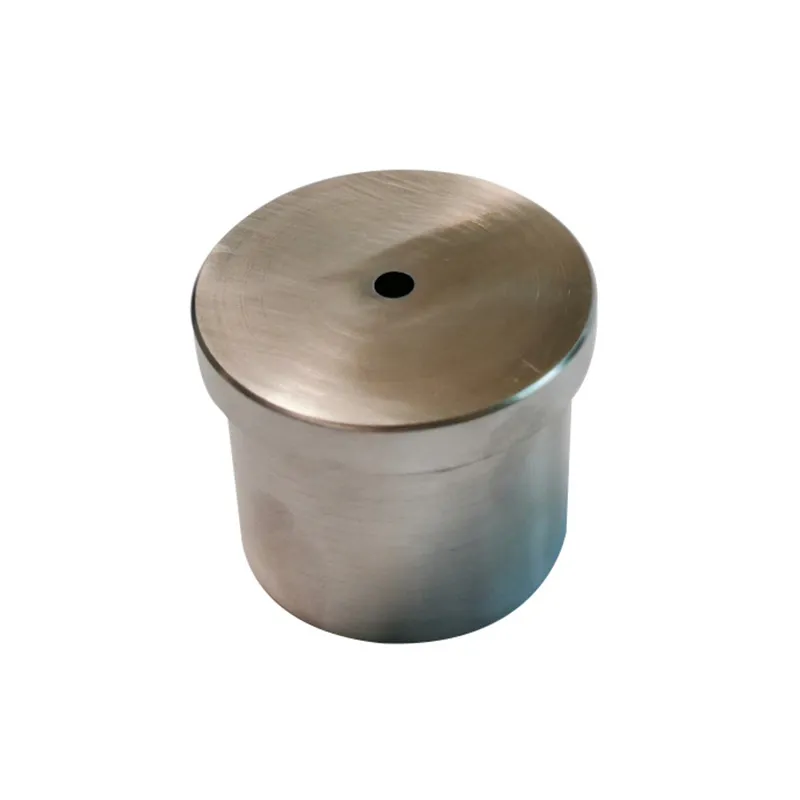
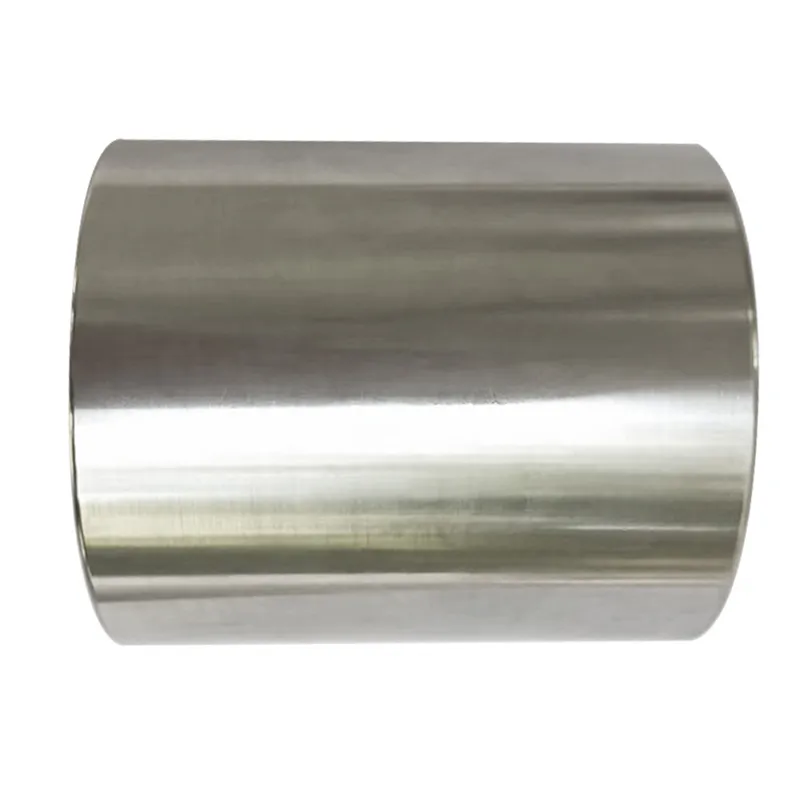
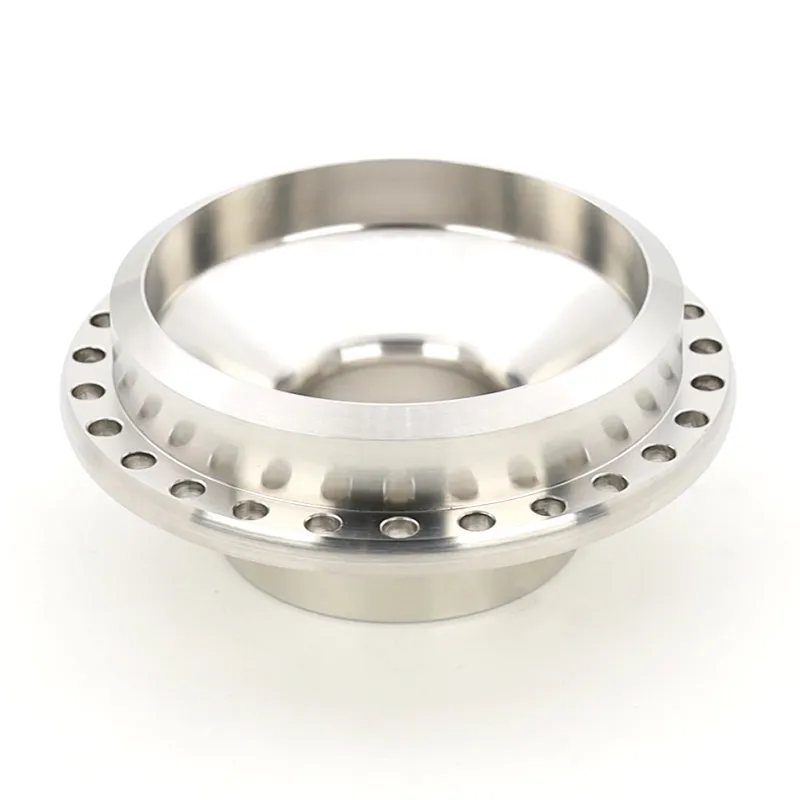
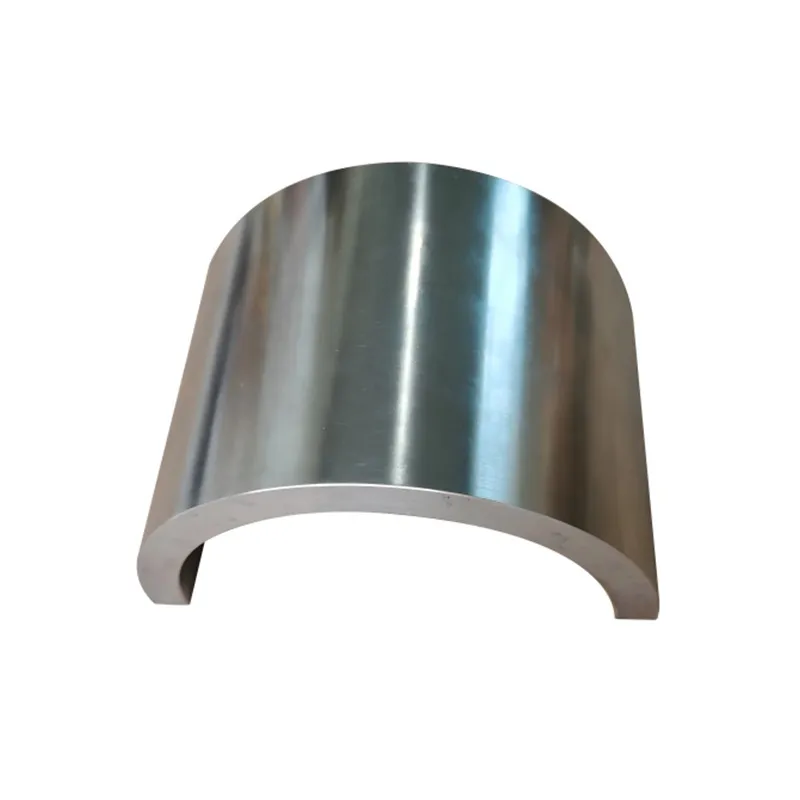
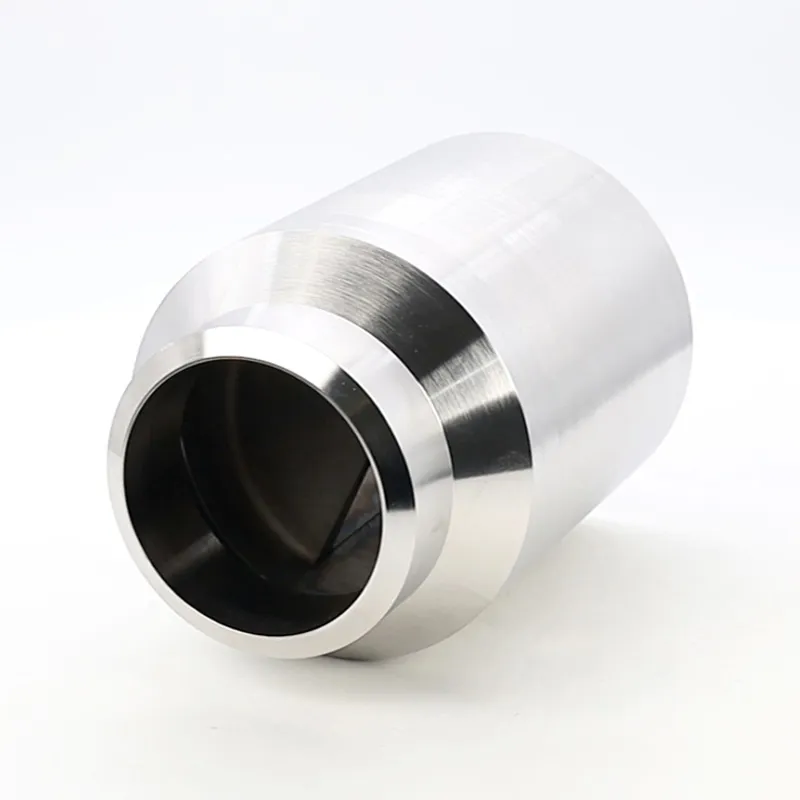
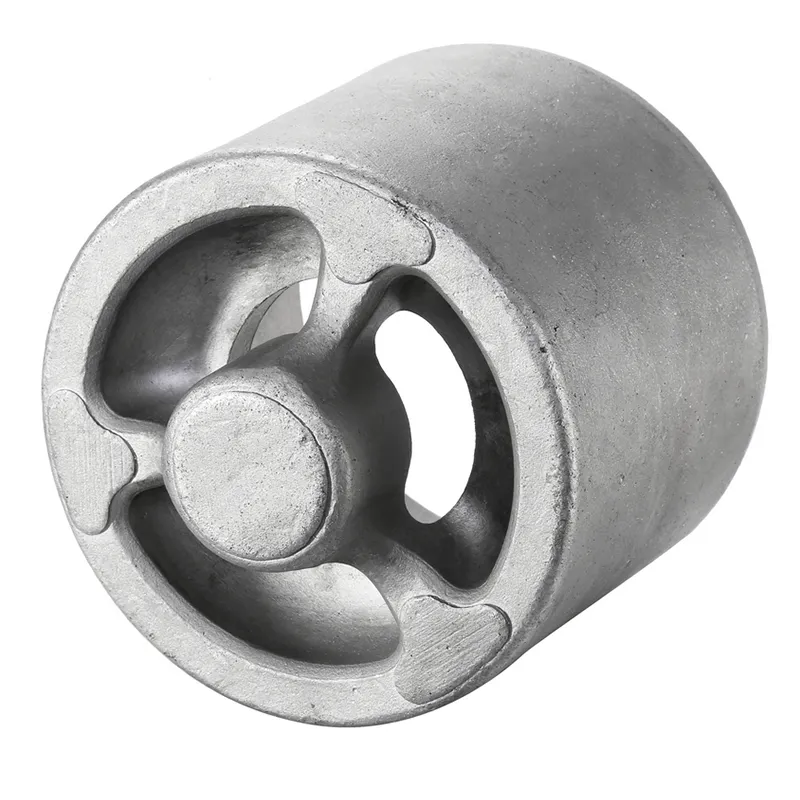
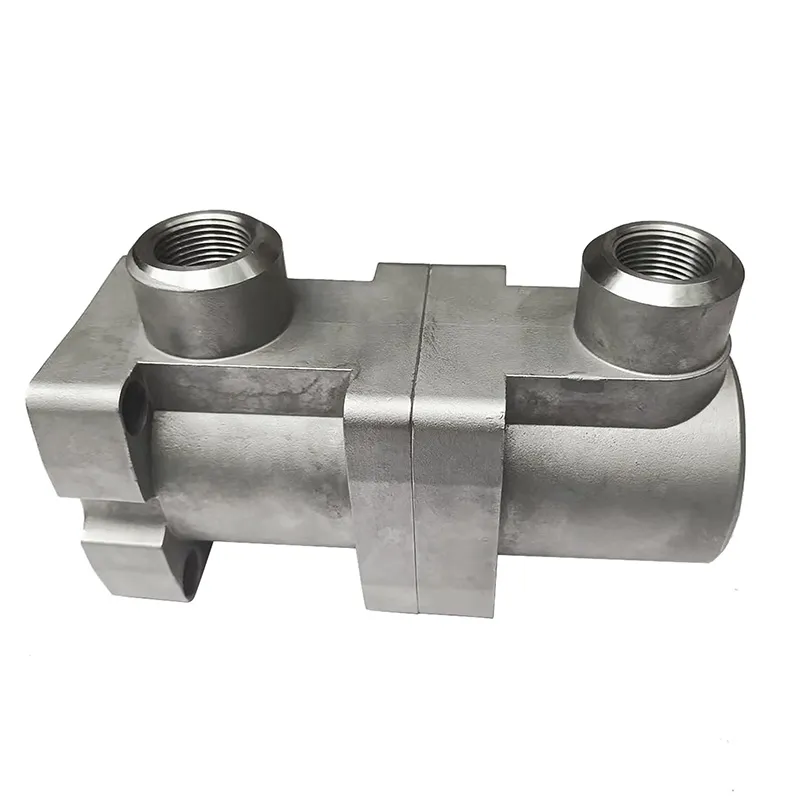
When you hear 'special alloy sleeve', the immediate image is often just a high-grade metal tube. That's the first misconception. In practice, it's a functional component defined by its environment—extreme heat, corrosive media, or relentless abrasion. The 'special' isn't marketing fluff; it's the difference between a part that lasts a season and one that survives a campaign. I've seen too many projects treat it as a commodity item, only to face premature failure during FAT. The real challenge isn't just picking a Ni-Cr or Co-based alloy from a datasheet; it's understanding how the manufacturing process, from casting to finishing, locks in the performance—or introduces hidden flaws.
The Core Misunderstanding: Material vs. Component
Most spec sheets focus on alloy composition: Inconel 625, Hastelloy C-276, Stellite 6. That's the starting point, not the finish line. I recall a project for a petrochemical client where we sourced a special alloy sleeve specified as Inconel 718. It checked all the chemical boxes. Yet, it cracked under thermal cycling in service. The failure analysis pointed not to the material grade, but to the grain structure. It had been machined from bar stock, and the grain flow was wrong for the axial and radial stresses it saw. A cast component, despite having the same nominal chemistry, would have had an isotropic structure better suited for the load. That's a lesson you don't forget.
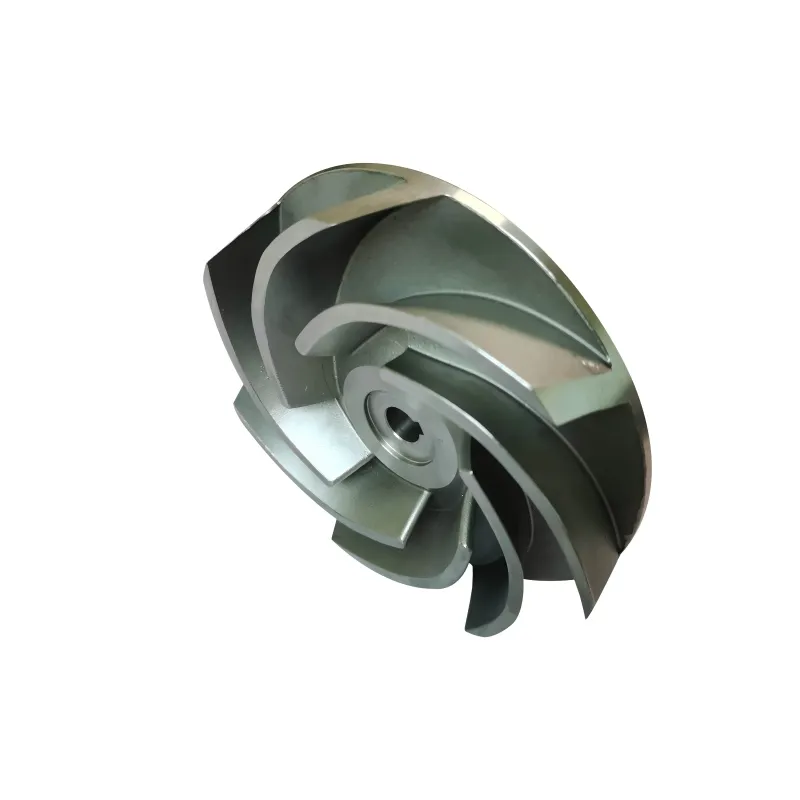
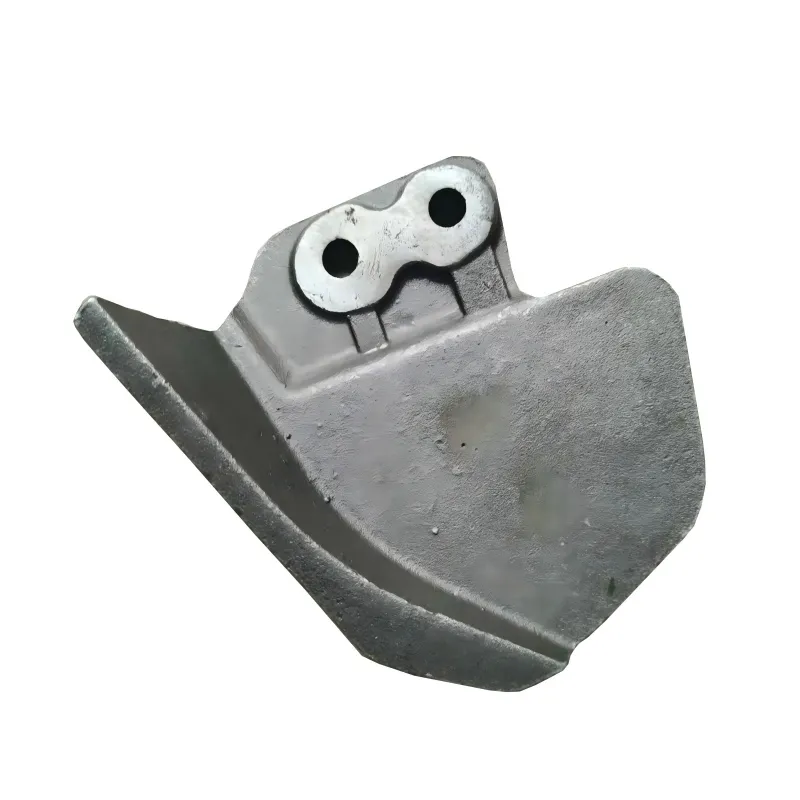
This is where a foundry's experience becomes critical. A company like Qingdao Qiangsenyuan Technology (QSY), with their three decades in shell and investment casting, understands this implicitly. They aren't just selling metal; they're selling a method. For a special alloy sleeve destined for a high-temperature pump, the investment casting process they offer can produce a near-net-shape part with a controlled, fine grain structure that's inherently more resistant to thermal fatigue compared to a part hogged out of a forged bar. The difference is in the microstructure, something a procurement officer reading a standard might never consider.
The choice between casting and machining from solid isn't just about cost. It's about performance geometry. Often, a sleeve needs internal channels for cooling or integral flanges. Machining these from bar stock is wasteful and can compromise material integrity. A cast sleeve allows for these features to be formed as part of the initial shape, preserving the alloy's continuity. I've worked with QSY on prototypes where this approach shaved 25% off the weight and improved heat dissipation just by optimizing the wall sections and incorporating cooling ribs directly into the mold design—something impossible with a standard tube.
The Devil in the Details: Process and Practical Hurdles
Casting a special alloy sleeve isn't a push-button operation. These alloys are often viscous in the molten state and prone to issues like micro-shrinkage. Early in my career, we had a batch of cobalt-based alloy sleeves that passed dimensional inspection but failed in pressure testing. The culprit was micro-porosity, invisible to the eye, stemming from inadequate gating and riser design during casting. It wasn't a material failure; it was a process failure. Solving it required adjusting the pouring temperature and modifying the mold's feeder system—empirical knowledge that comes from years of trial and error on the foundry floor.
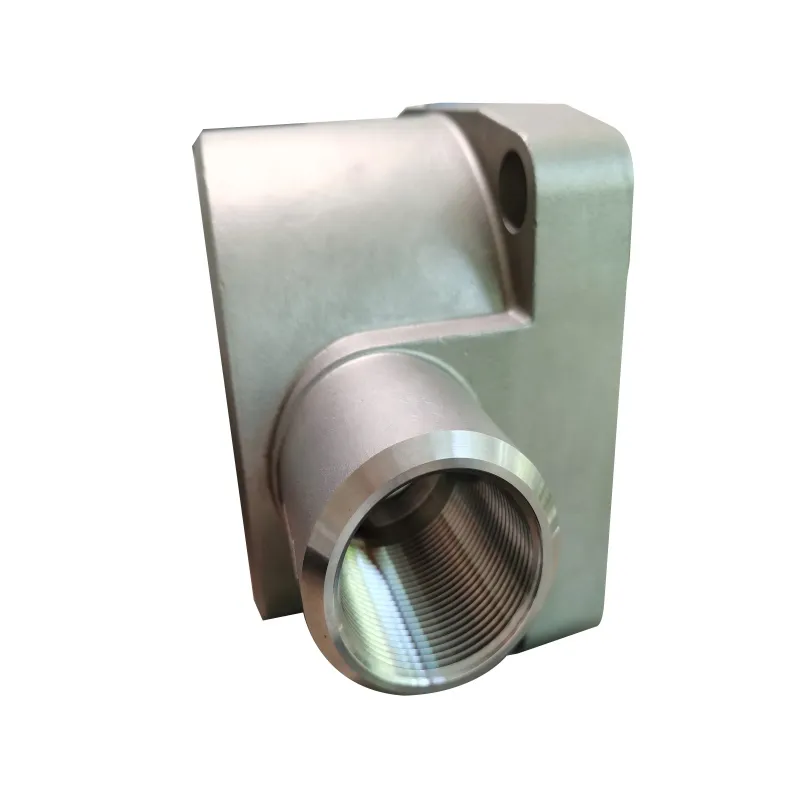
Post-casting operations are just as pivotal. Take heat treatment. For many nickel-based alloys, solution annealing and aging are non-negotiable to achieve the desired precipitate hardening. But the time-temperature curve is sensitive. I've witnessed a furnace temperature overshoot by 30°C during aging, which resulted in over-aging. The sleeves were slightly softer than specified, leading to accelerated wear in a slurry application. The batch had to be scrapped. It underscores that control over the entire value chain, from melt to final heat treat, is essential. A supplier's in-house machining capability, like QSY's CNC department, is a major advantage as it allows for coordinated process control.
Then there's the finish. The surface integrity of a special alloy sleeve running against a seal or bearing is critical. A machined finish with tooling marks or built-up edge can become a nucleation site for cracks or accelerate seal wear. We learned to specify not just an Ra value, but sometimes a non-directional finish (like vibratory finishing) for critical sealing surfaces. It's a small detail, but on a sleeve for a hydraulic cylinder in a subsea actuator, that surface finish directly correlates to seal life and fluid contamination risk.
Real-World Application and Failure Analysis
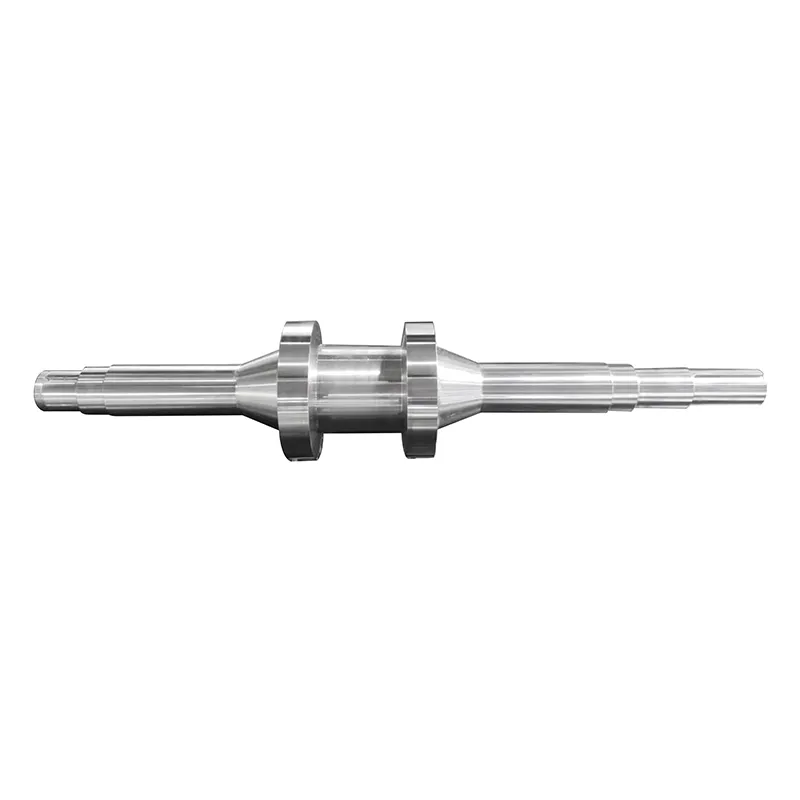
Let's talk about a concrete case. We developed a special alloy sleeve for the shaft assembly of a large centrifugal fan in a waste-to-energy plant. The environment was brutal: fluctuating temperatures up to 750°C, and corrosive flue gas condensate. The initial design used a generic stainless steel sleeve with a ceramic coating. It spalled within months. The redesign moved to a centrifugally cast Ni-Cr-Mo alloy (similar to Alloy 625), produced by a specialist foundry. The key wasn't just the alloy change; it was designing the sleeve with a slight interference fit to manage thermal expansion differentials with the carbon steel shaft, and specifying a precise ID tolerance for post-installation honing.
Another scenario involves wear sleeves in mining equipment. Here, abrasion is the primary enemy. A straight hardened steel sleeve might work for a while, but a cobalt-based Stellite alloy sleeve, applied as a weld overlay or cast as a complete component, offers an order of magnitude better wear life. The cost is higher, but the total cost of ownership plummets when you factor in downtime for changeouts. The trick is often to use the special alloy selectively—as a liner or on the high-wear zones of the sleeve—bonded or cast onto a tougher, less expensive substrate. This hybrid approach is where design and material expertise truly merge.
Failures are the best teachers. I once investigated the cracking of several alloy 825 sleeves in a heat exchanger. The material was correct for the chlorides present. The failure analysis, however, traced it to chloride-induced stress corrosion cracking (SCC). The root cause? Residual tensile stress from an overly aggressive machining pass during the final boring operation. The solution involved switching to a gentler machining parameter and adding a low-temperature stress relief step. The material was capable, but the manufacturing-induced stress pushed it over the edge into failure.
Sourcing and Collaboration: The Supplier Relationship
This brings me to a practical point: sourcing. You don't just buy a special alloy sleeve from a catalog. It's a collaborative development. When you engage with a manufacturer, you're assessing their metallurgical support, their failure history, and their willingness to troubleshoot. A brief look at a company like QSY's portfolio (tsingtaocnc.com) shows a focus on casting and machining special alloys. That vertical integration is a green flag. It means they can control the quality from the molten metal to the final threaded hole or ground surface, and they likely have the historical data to advise on alloy selection for specific service conditions.
The dialogue should start with the application's real-world conditions: temperature range, thermal cycles, media (pH, presence of sulfides, chlorides), mechanical load (static, cyclic, impact), and wear mechanisms. A good supplier will ask these questions. If they just quote on a print, be wary. The best outcomes I've had involved sharing service failure parts with the supplier's engineering team for joint analysis. For instance, sending a worn sleeve back to QSY's technical team for them to examine the wear pattern can inform the next iteration—perhaps suggesting a switch from a nickel-based to a cobalt-based alloy for better galling resistance.
Finally, prototyping and testing are non-negotiable. For critical applications, it's worth investing in a short pilot run. Put the prototype sleeves into a test rig that simulates the worst-case service condition, or at a minimum, conduct accelerated life tests. This phase might reveal unexpected issues, like fretting at a clamp connection or vulnerability to a specific chemical contaminant. This iterative loop with a technically competent supplier is what transforms a standard component into a reliable, application-engineered solution.
Concluding Thoughts: It's an Engineered System
So, wrapping this up, a special alloy sleeve is never just a sleeve. It's a material science problem, a manufacturing challenge, and a design puzzle all rolled into one. The alloy is the foundation, but the value is engineered through process mastery and application-specific design. Ignoring the interplay between casting technique, heat treatment, machining, and final finishing is a sure path to an expensive failure.
The industry is moving away from viewing these as off-the-shelf items. The trend is toward deeper collaboration with foundries and machinists who have the metallurgical depth and processing capability under one roof. It's about creating a component where the material properties are fully realized and aligned with the service duty. That's the difference between a part that simply fits and one that truly functions.
In the end, the most successful projects treat the sleeve not as a passive item on a bill of materials, but as an active, integral part of a larger system. Its selection and manufacture require a blend of textbook knowledge and hard-won, practical judgment—the kind that comes from having seen a few things go wrong, and understanding exactly why.