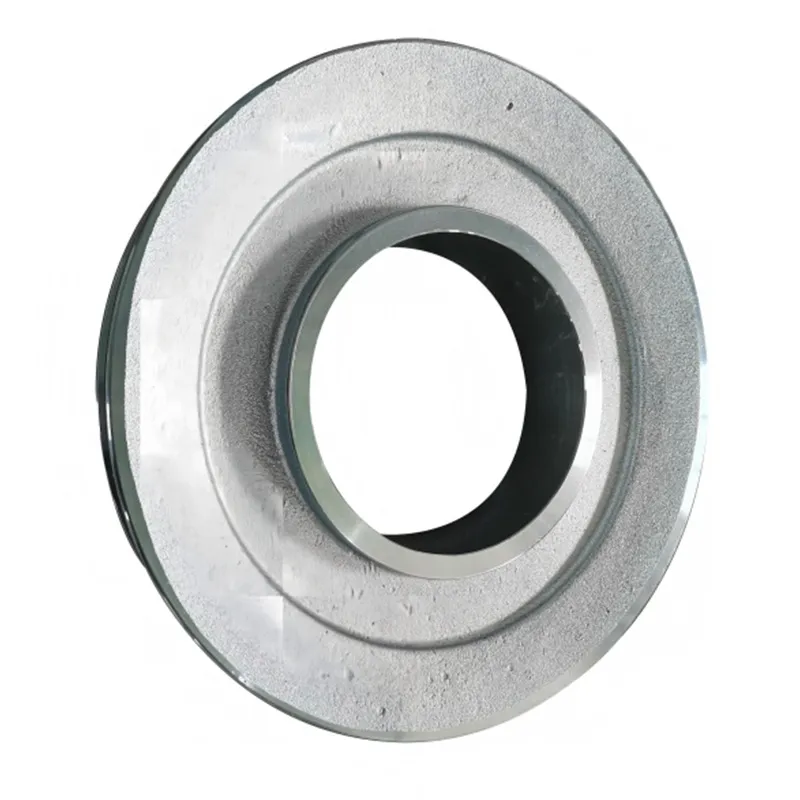
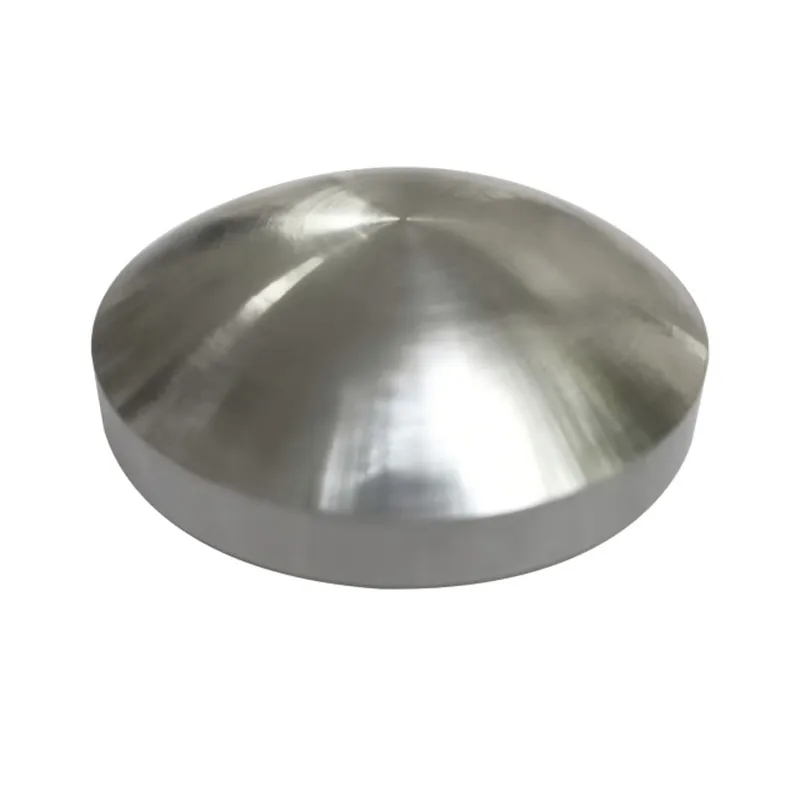
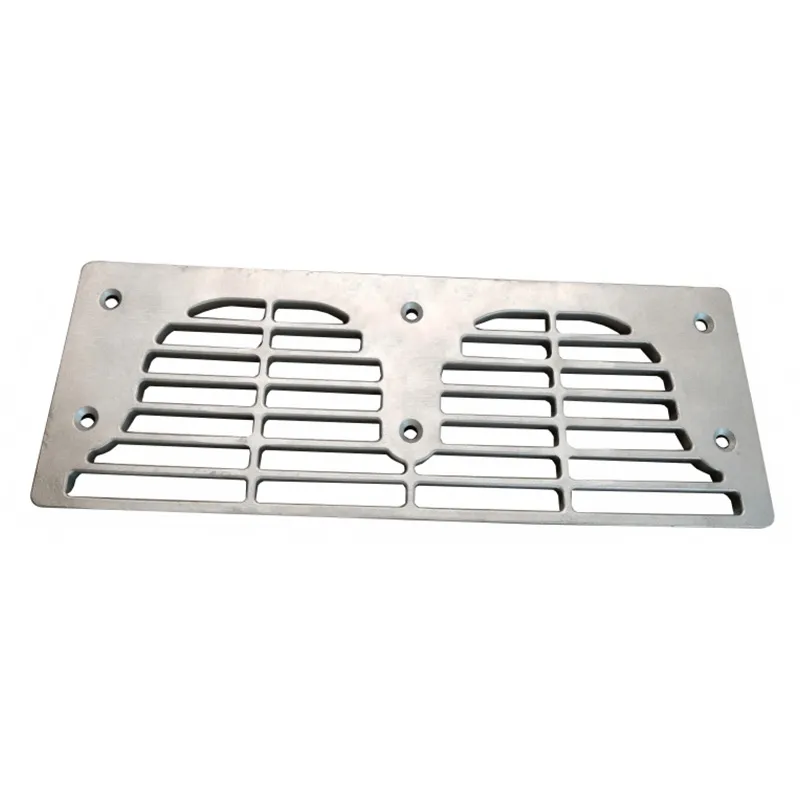
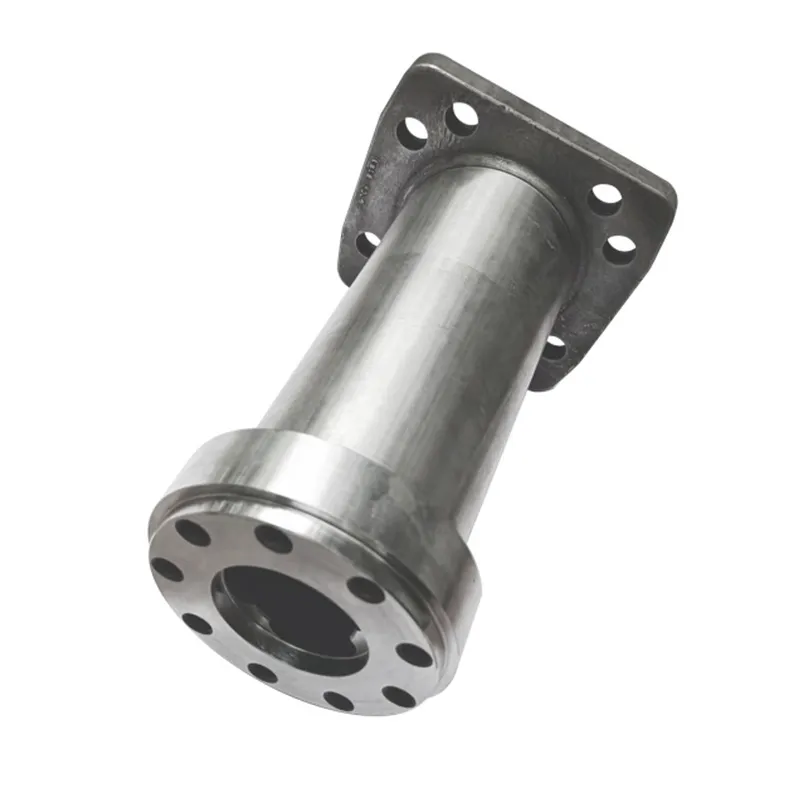
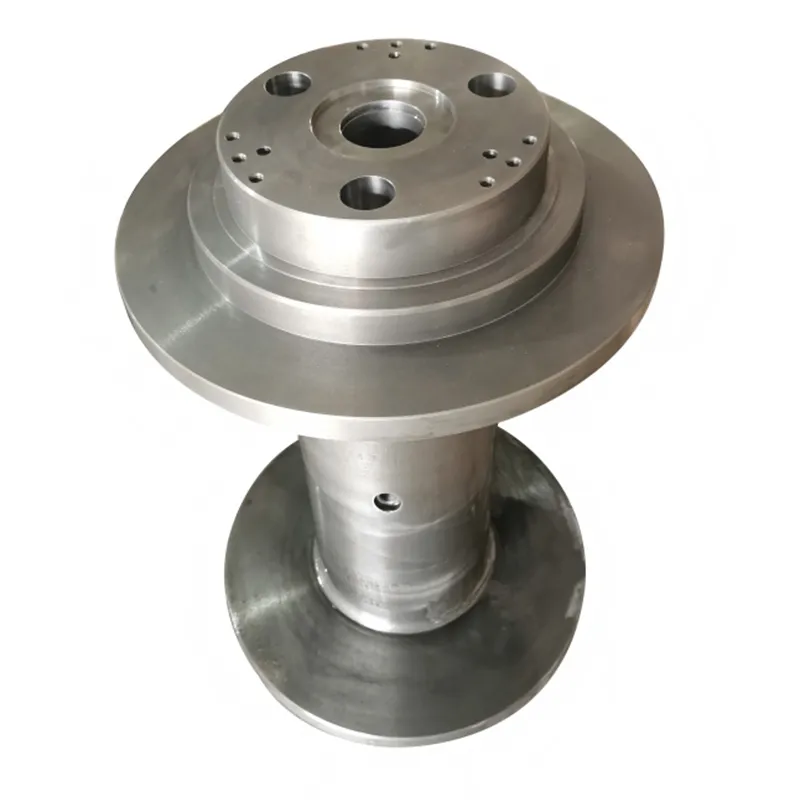
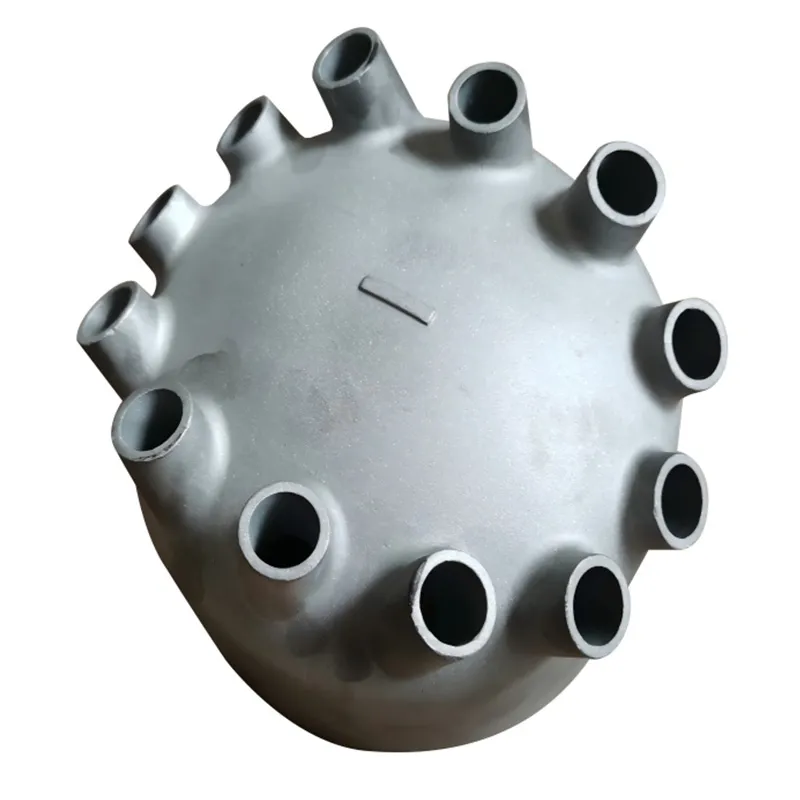
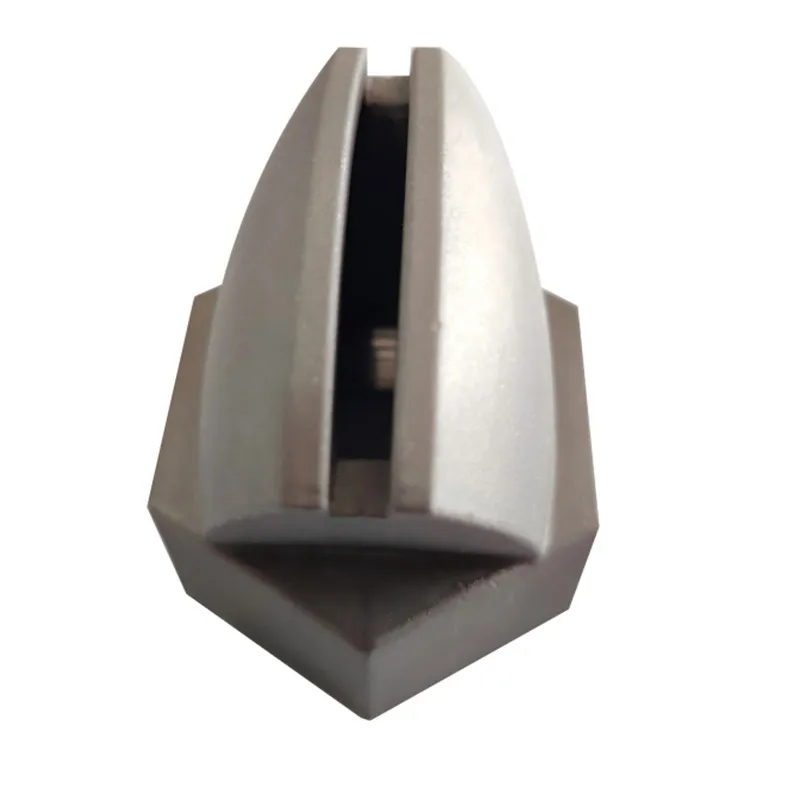
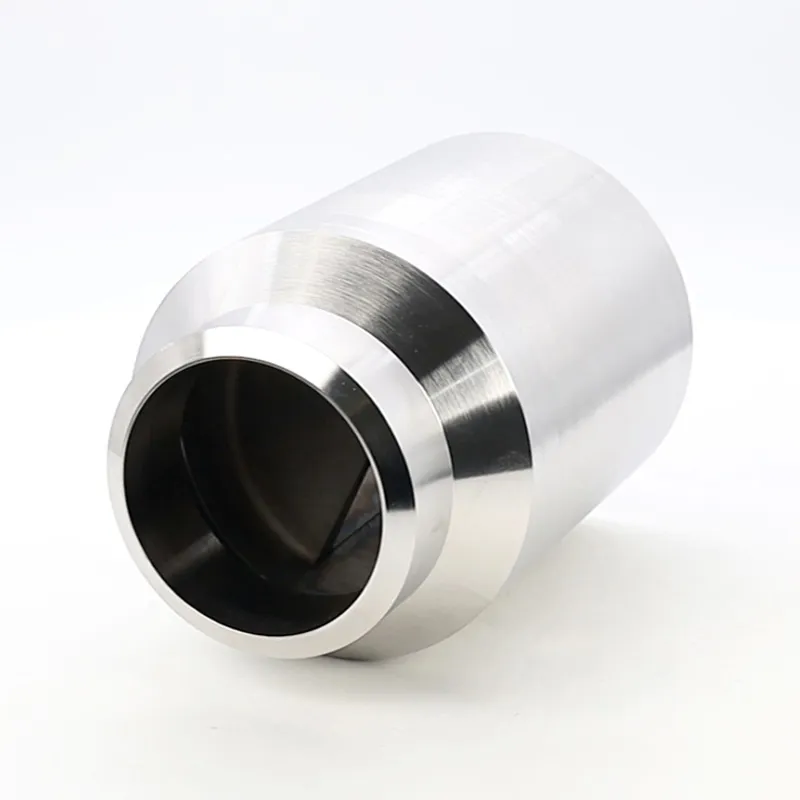
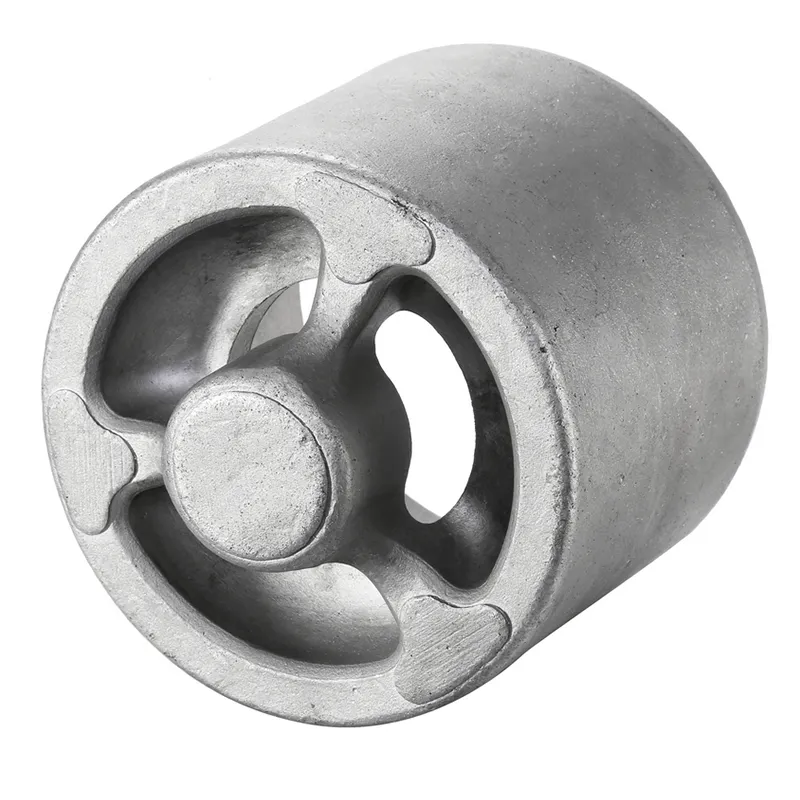
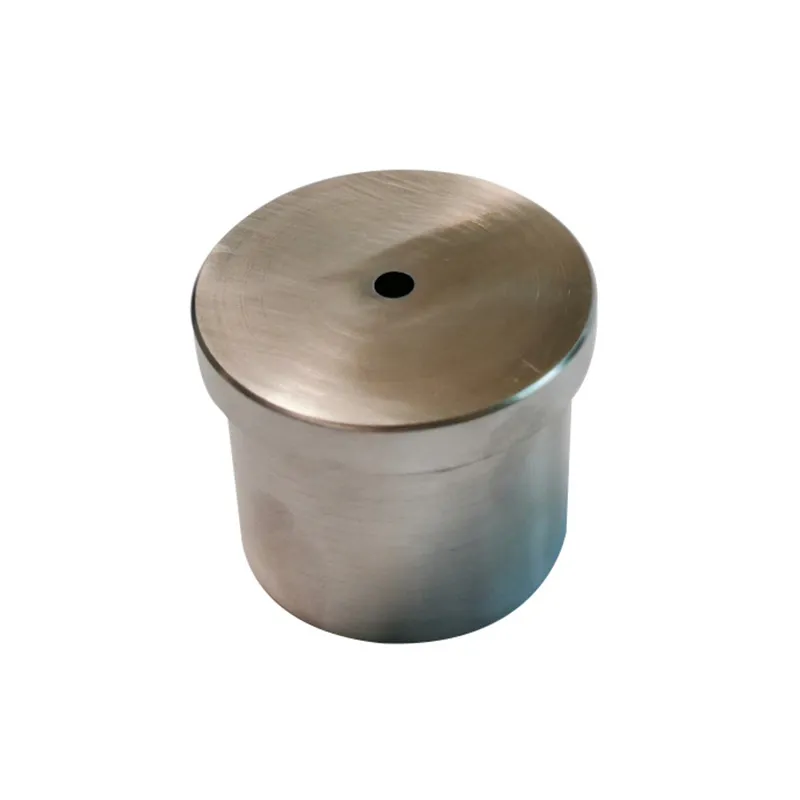
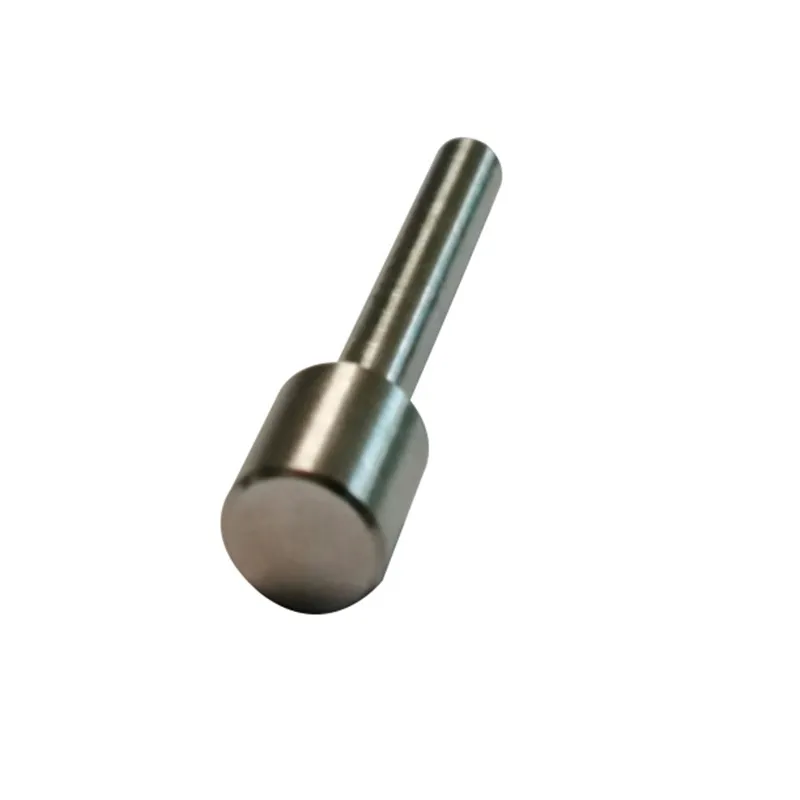
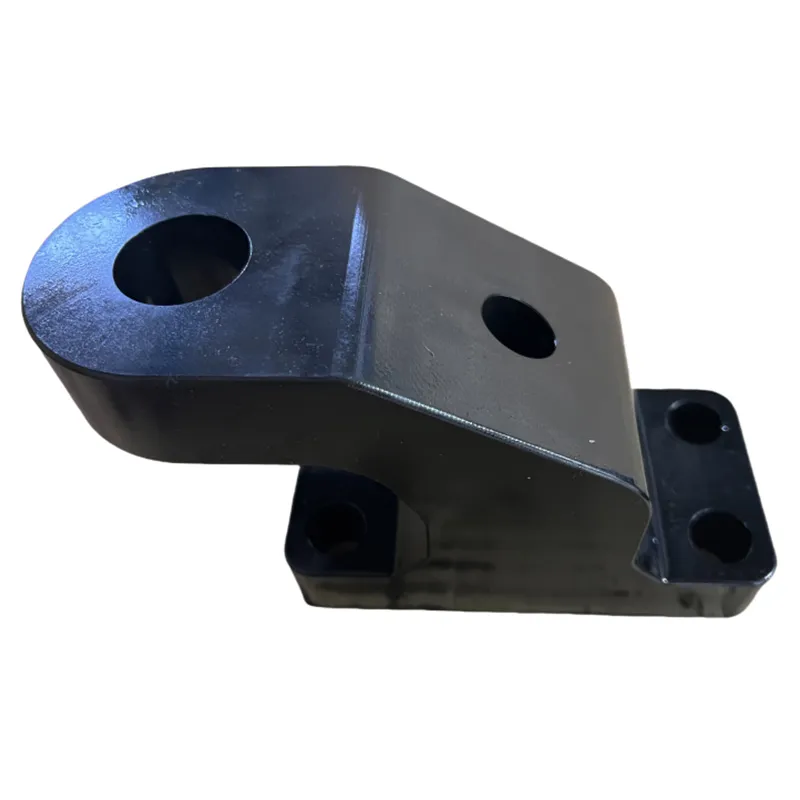
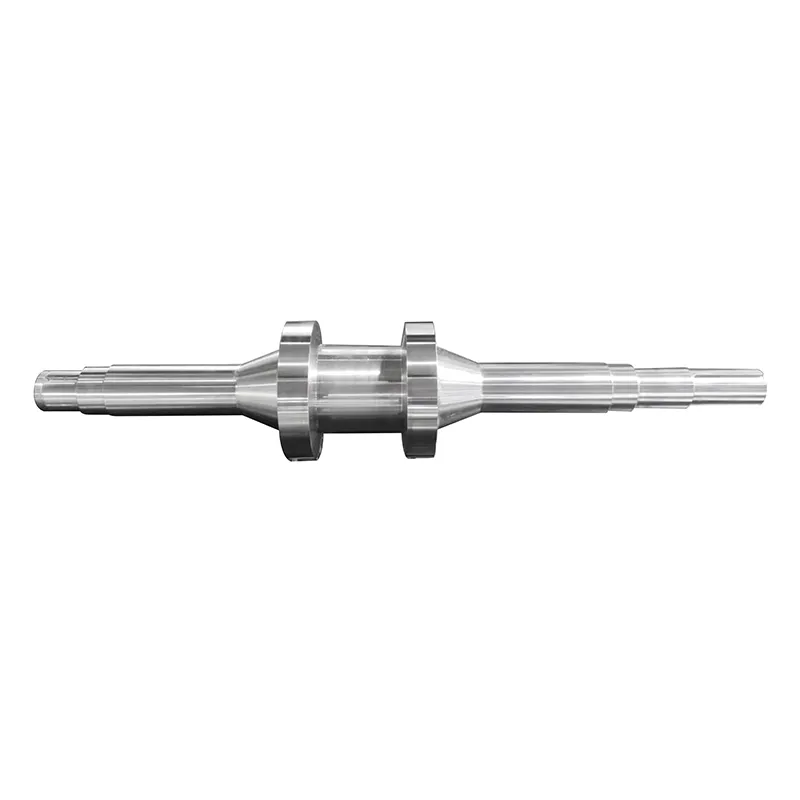
When someone says 'special stainless steel part,' half the time they're picturing something out of a sci-fi movie, the other half they just mean 316L. That's the first gap between spec sheets and real fabrication. 'Special' isn't just a grade; it's a conversation about the entire lifecycle—from the alloy's behavior in the crucible to its performance under a specific corrosive medium or stress cycle. I've seen too many drawings where the material callout is an afterthought, copied from an old project, leading to a world of pain during machining or, worse, in the field. The real work starts when you dig into what makes it special: is it the molybdenum content for pitting resistance, the controlled nitrogen for strength, or the specific heat treatment curve for that dual-phase structure? That's where the decades in this business, like at Qingdao Qiangsenyuan Technology Co., Ltd.(QSY), count. You build a feel for it.
The Special in the Alloy Soup
Let's talk alloys. 304, 316—these are the vanilla. The 'special' territory begins with things like 17-4PH, 2205 duplex, or the super austenitics like 254 SMO. But naming them is easy. The trick is knowing that a 'special stainless steel part' made from 17-4PH isn't truly special until it hits the H1150 or H900 condition. The machining strategy for the solution-annealed state versus the aged state is completely different. Get it wrong, and you'll burn through tools or induce micro-cracks. We learned this early on with a batch of valve stems. The spec said 17-4PH, but the heat treatment milestone was vague. We machined them all post-aging, thinking it was the final state. The client later needed a design tweak—a simple groove. Trying to machine that aged material was a nightmare; the tool wear was astronomical. Should have left some stock for final machining after aging. A basic mistake that looks obvious in hindsight.
Then there's the sourcing. Not all special stainless is created equal. A melt from Mill A can behave subtly differently from Mill B, especially with the complex super alloys. For a critical pump shaft in a saltwater injection system, we insisted on traceability back to the melt lot and the mill test report. The extra cost and lead time raised eyebrows initially, but it eliminated a variable when we faced intermittent tool failure during a deep-hole drilling operation. Turned out, a slight variance in sulfur content (within spec, but on the high end) from a secondary source was causing it. We now default to trusted material channels for anything beyond 316, a practice solidified over QSY's 30 years in casting and machining.
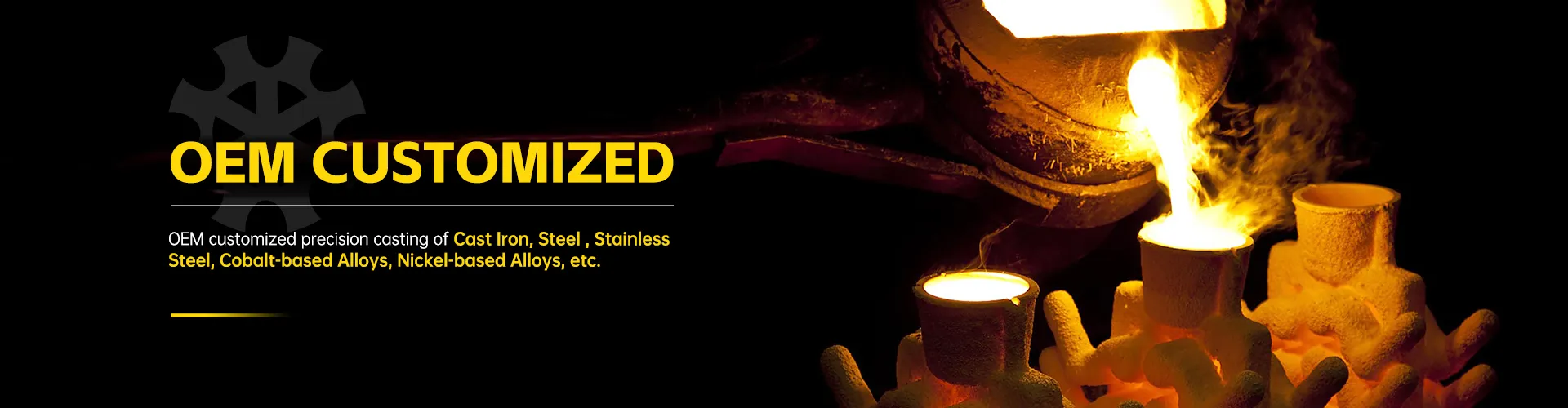
And casting it? That's another layer. Pouring a nickel-based alloy like Inconel 625 into a shell mold for a complex, thin-walled special stainless steel part is an art. The fluidity is different, the shrinkage is more pronounced, and the risk of hot tearing is real. You can't just use the same gating and risering system you'd use for carbon steel. It requires simulation and a lot of foundry intuition. We've had our share of scrapped clusters early on, learning that the preheat temperature of the mold and the pour speed need to be dialed in with almost obsessive precision for these materials.
CNC Machining: Where Theory Meets the Cutting Edge
This is where the rubber meets the road. Anyone can buy a bar of super duplex stainless; making a precise, stress-free part from it is the challenge. The first rule: respect the work hardening. Austenitic and duplex grades love to get hard and tough right under your cutting tool. If you get timid with your depth of cut or feed, you're just rubbing and heating the surface, creating a hardened layer that will shatter your next pass's tool. You need to get under that work-hardened zone. Aggressive, consistent cuts often work better than cautious ones.
Coolant isn't just for cooling; it's for lubrication and chip evacuation. For many of these sticky alloys, a high-pressure through-tool coolant system is non-negotiable. It breaks the chip and gets it away from the cut zone. We learned this on a project for a special stainless steel part—a turbine blade retention block from Alloy 718. The chips were welding themselves to the insert, leading to catastrophic failure. Switching to a high-pressure system and using a specific, high-lubricity coolant formulation changed everything. The part finish improved, and tool life tripled.
Toolpath strategy matters more than people think. Climb milling is generally preferred to conventional milling to minimize work hardening. But for thin-walled sections common in investment cast parts, you have to consider rigidity. Sometimes you need to use a trochoidal milling path or adjust the stepover to manage tool pressure and prevent part deflection. It's not just about the CAM software's default settings; it's about the programmer knowing how the material will push back. This is the kind of hands-on CNC machining knowledge that separates a job shop from a specialist.
The Casting Foundation: Shell and Investment
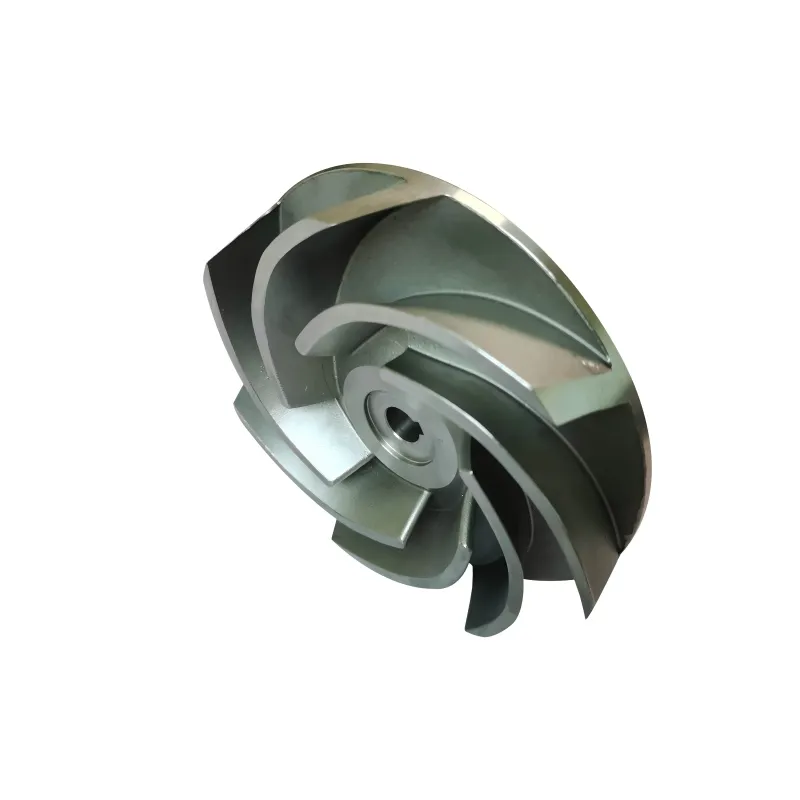
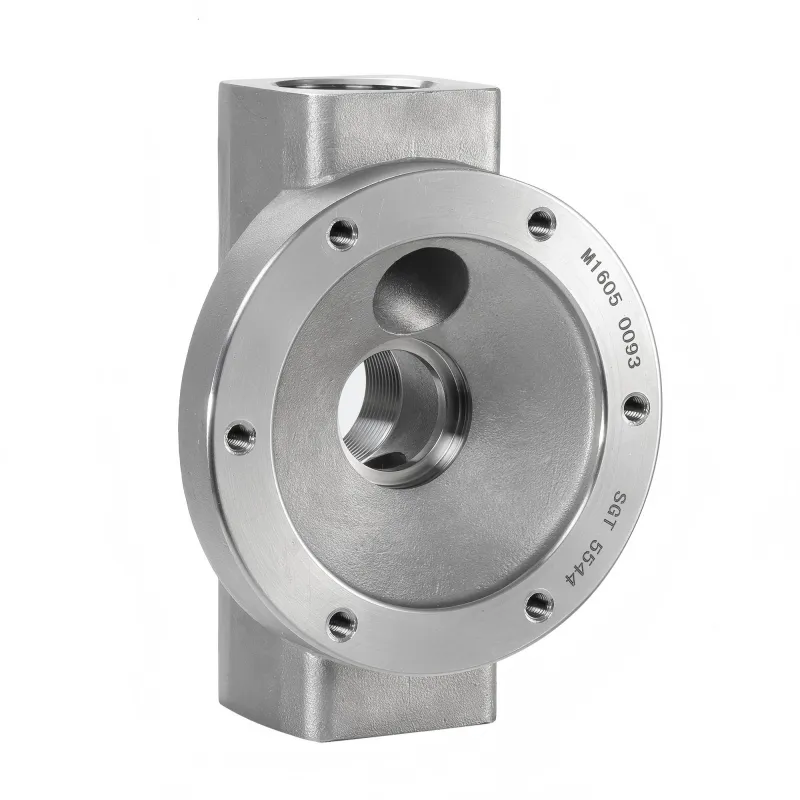
Most of these special parts start as castings, especially for complex geometries. Shell mold casting and investment casting are our bread and butter at QSY. For stainless, the choice between them often comes down to volume, surface finish, and dimensional tolerance. Shell molding is great for larger runs of somewhat complex parts, but for the truly intricate stuff—think impellers with shrouded blades, or manifold blocks with internal channels—investment casting is the only way.
But here's a nuance: the ceramic shell for investment casting can interact with the alloy. For high-temperature alloys rich in reactive elements like titanium or aluminum, you need a special face coat (like a yttria-based slurry) to prevent a chemical reaction that ruins the surface finish. We found this out the hard way on an early run of cobalt-based alloy parts. The surface came out pitted and rough, requiring excessive and costly finish machining. The fix was in the first step: the ceramic formulation. Now it's a standard check on our process sheet for reactive alloys.
Dimensional control is another beast. The shrinkage factor for a 17-4PH part is different from that of a 316 part, and it's not linear. It can vary with section thickness. We maintain extensive pattern databases and correction factors, built from measuring hundreds of first-article castings. It's empirical, not just theoretical. When a client sends us a print for a new special stainless steel part, we're not just looking at the final dimensions; we're mentally calculating the pattern dimensions, the expected distortion, and where we'll need to add machining stock. It's a backward-forwards dance.
Failure is a Data Point
You don't learn from perfect runs. You learn from the ones that go sideways. I remember a batch of large valve bodies in 2205 duplex. They passed all the dimensional checks and the PMI (Positive Material Identification). But in pressure testing, a few showed micro-leaks at a critical weld junction. The culprit? Ferrite-austenite phase balance was off. The heat treatment after welding wasn't quite right, leaving an area with too high ferrite, compromising corrosion resistance and integrity. The material was technically 2205, but its 'special' property—the balanced phase structure—was lost locally. We had to revamp our post-weld heat treatment protocol for thick-section duplex welds. Now, we often specify and perform interpass temperature control and post-weld solution annealing for critical welds on these materials.
Another classic failure is over-specifying. A client once insisted on Alloy C276 (a superb nickel-based alloy) for a part exposed to a mildly acidic environment at room temperature. It was massive overkill. We suggested a 904L super austenitic, which would have performed perfectly at half the material cost and been easier to machine. They were fixed on the best material. We made it, they paid the premium, but it was a poor engineering decision. Part of our job is to consult, to push back gently with data. Sometimes you win that conversation, sometimes you don't, but you have to try.
These experiences, good and bad, are what inform the process today. When you look at the capabilities listed on a site like https://www.tsingtaocnc.com, behind each line—special alloys, CNC machining, investment casting—there are a hundred stories like these. They're not just services; they're learned, and sometimes hard-earned, processes.
The Realistic Deliverable
So, what does a client actually get when they order a true special stainless steel part from a vertically integrated maker? They're not just buying a chunk of metal shaped to a drawing. They're buying the material selection advice (or validation), the foundry expertise to cast it soundly, the machining know-how to cut it efficiently without inducing stress, and the quality checks that go beyond a caliper—like PMI, PT, RT, or corrosion testing if needed.
The finish is critical. A mirror polish might be for cosmetics, but a specific Ra finish (say, 0.8μm) on a sealing surface is functional. For parts in chloride environments, passivation is a must to maximize the passive oxide layer. But passivating a duplex stainless steel requires a different nitric acid bath concentration and temperature than for a standard austenitic. Get it wrong, and you might actually induce corrosion.
Ultimately, it comes down to treating the material with respect from start to finish. From the moment the alloy is chosen, through the pattern shop, the foundry floor, the CNC machines, and the final inspection, every step needs an awareness of what makes that stainless steel 'special.' It's not magic; it's metallurgy, mechanics, and a lot of meticulous attention to detail. That's what turns a purchase order into a reliable component that performs in the field for years. And that's the only outcome that really matters.