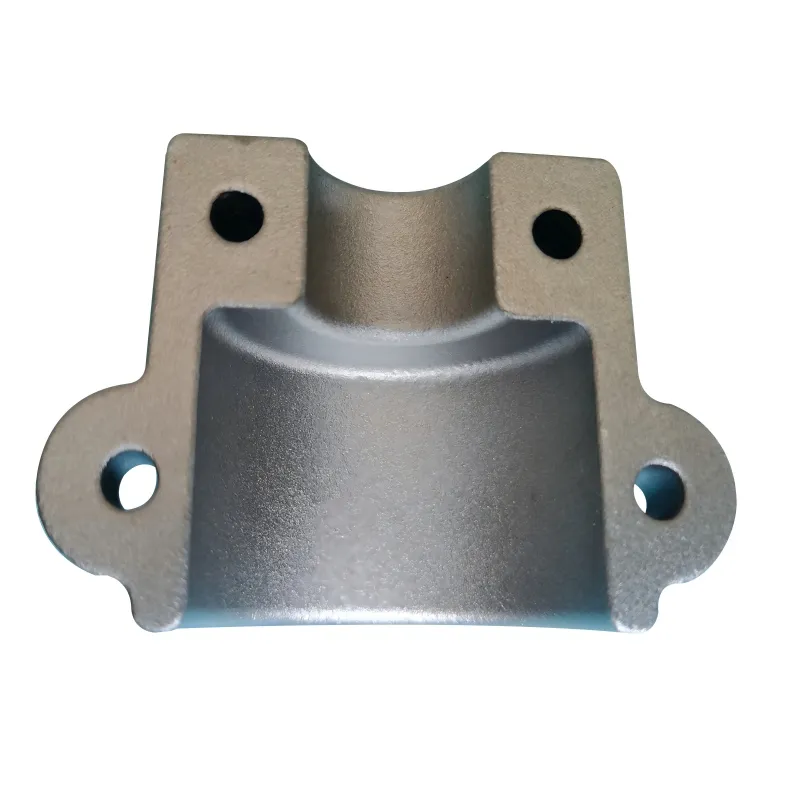
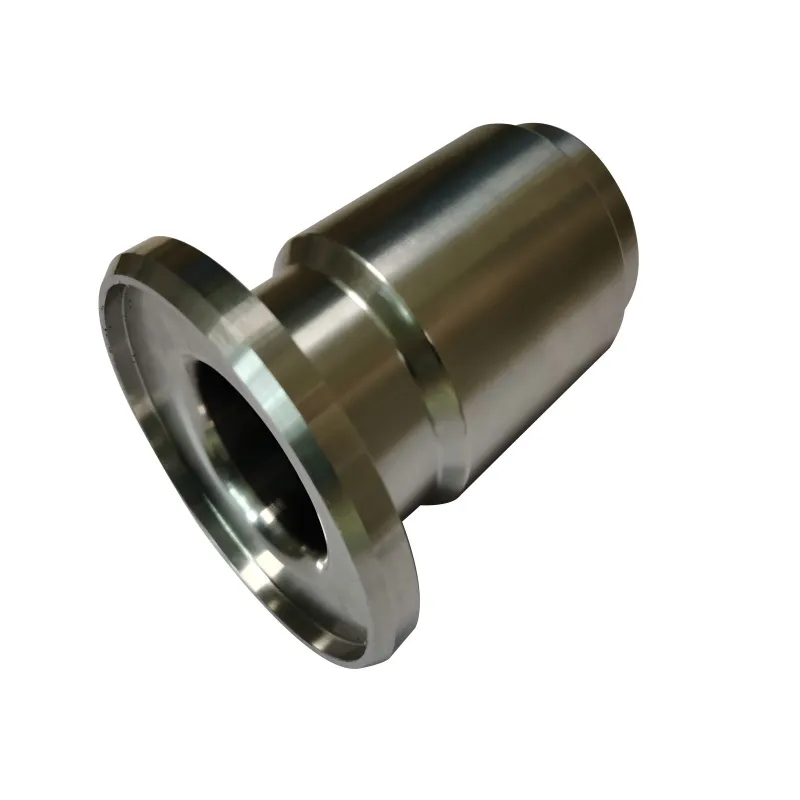
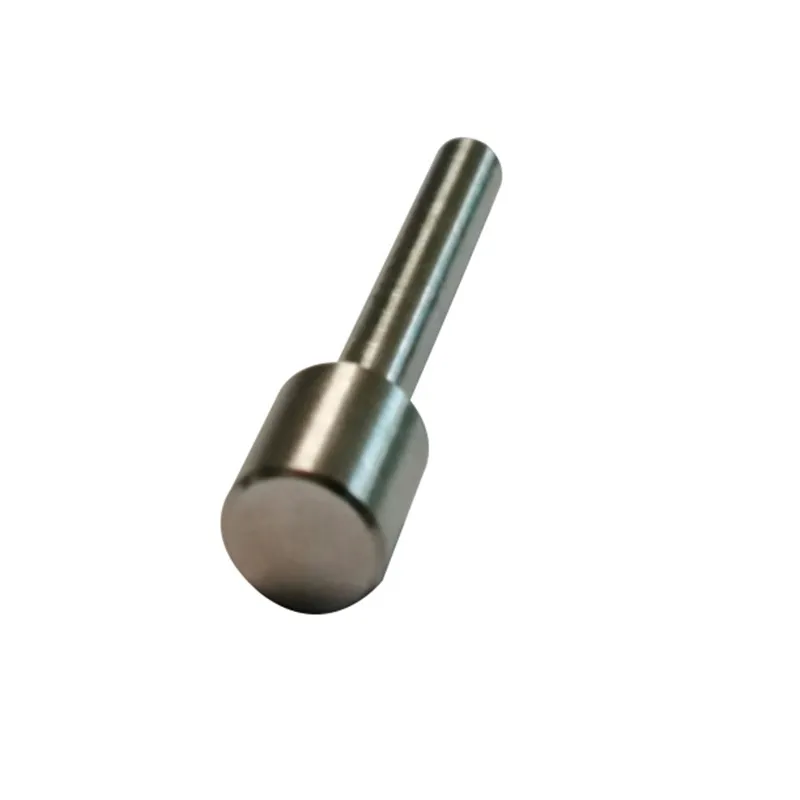
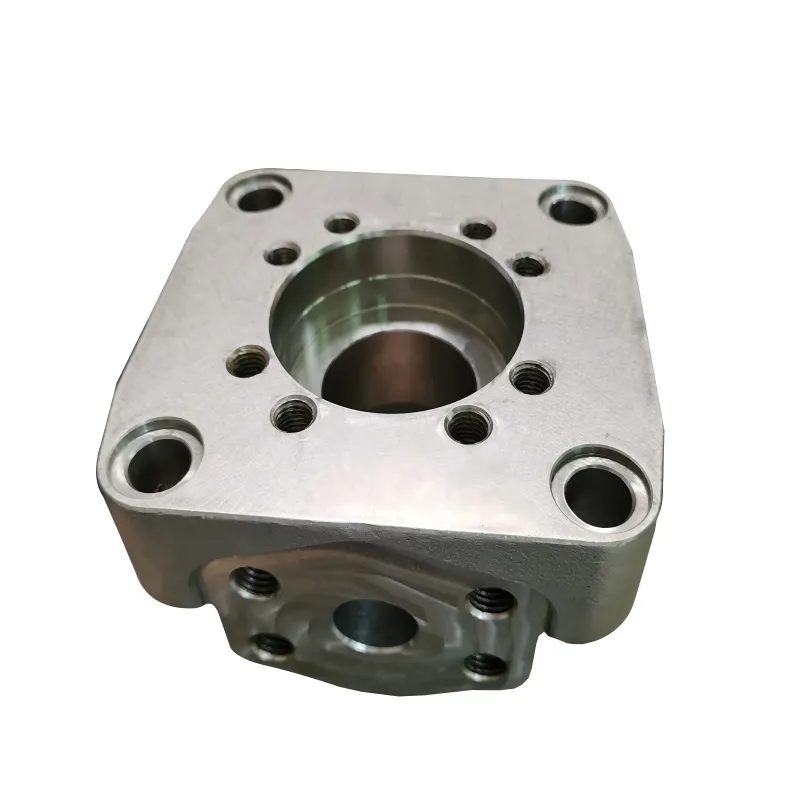
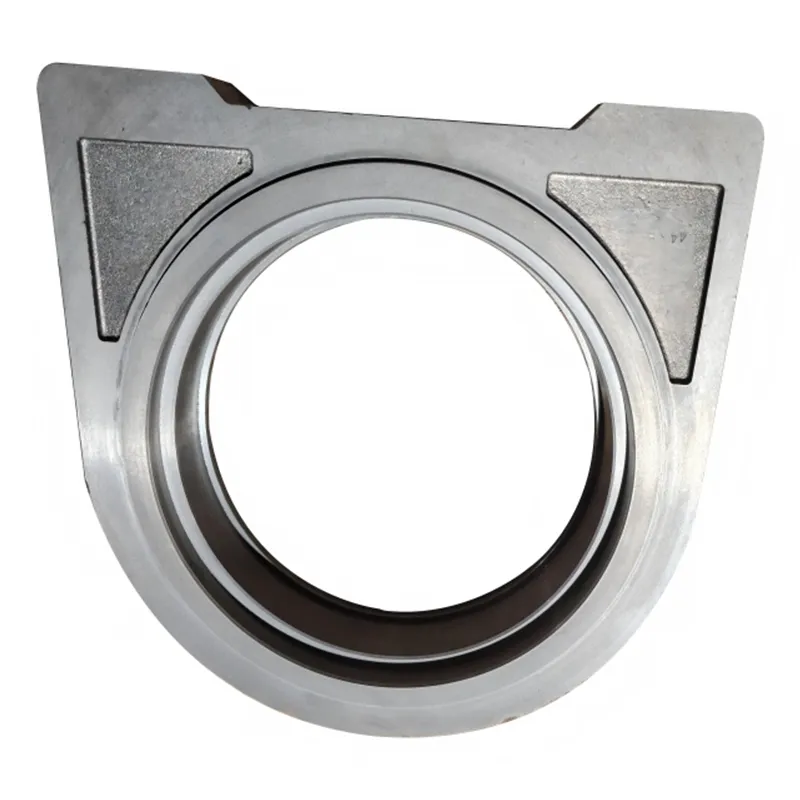
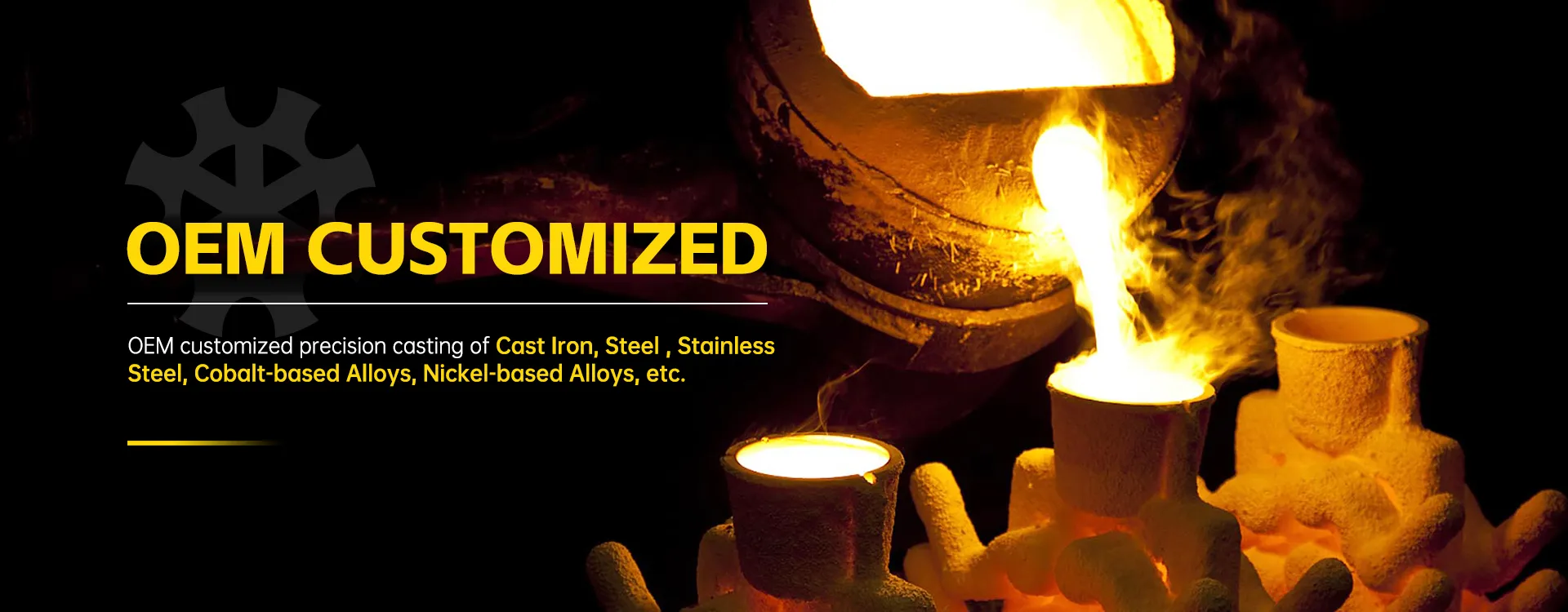
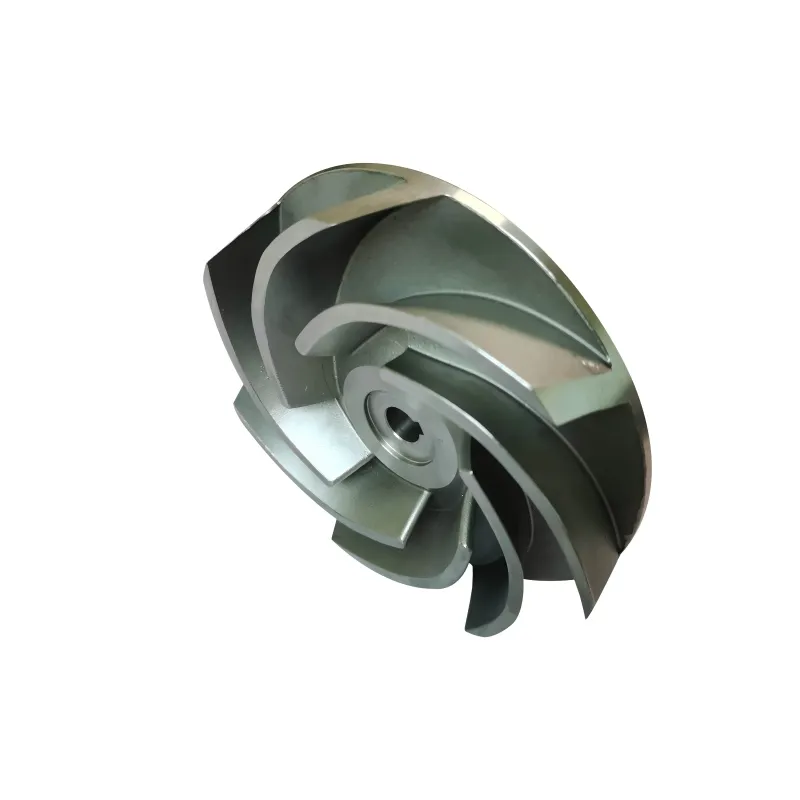
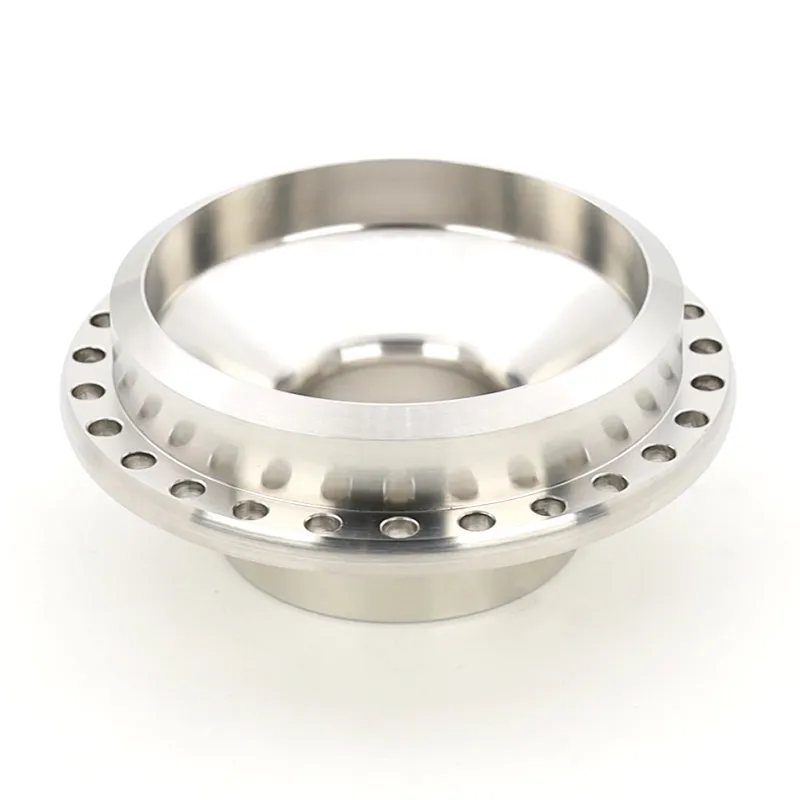
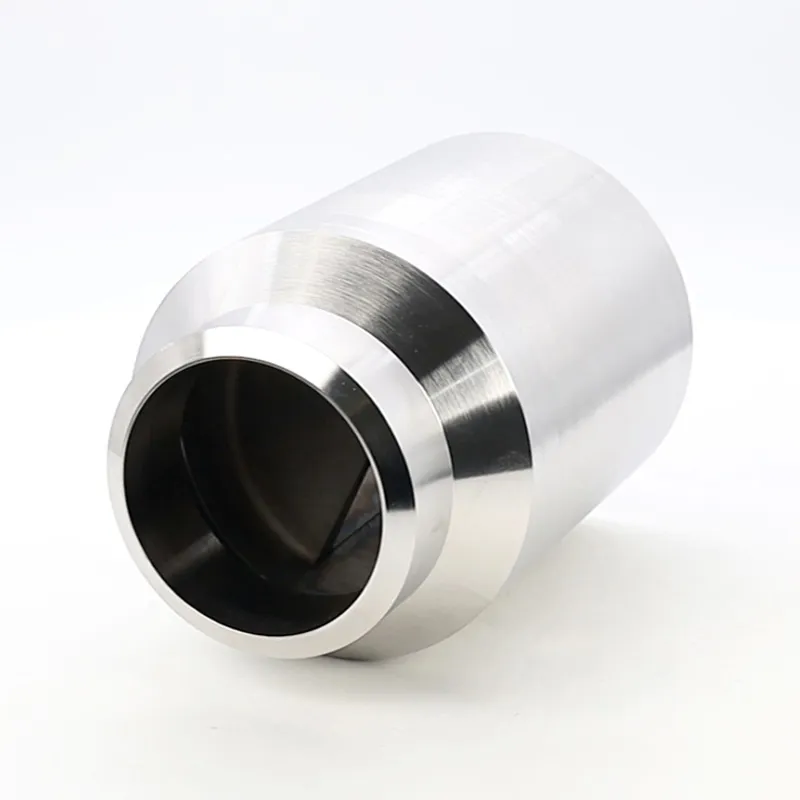
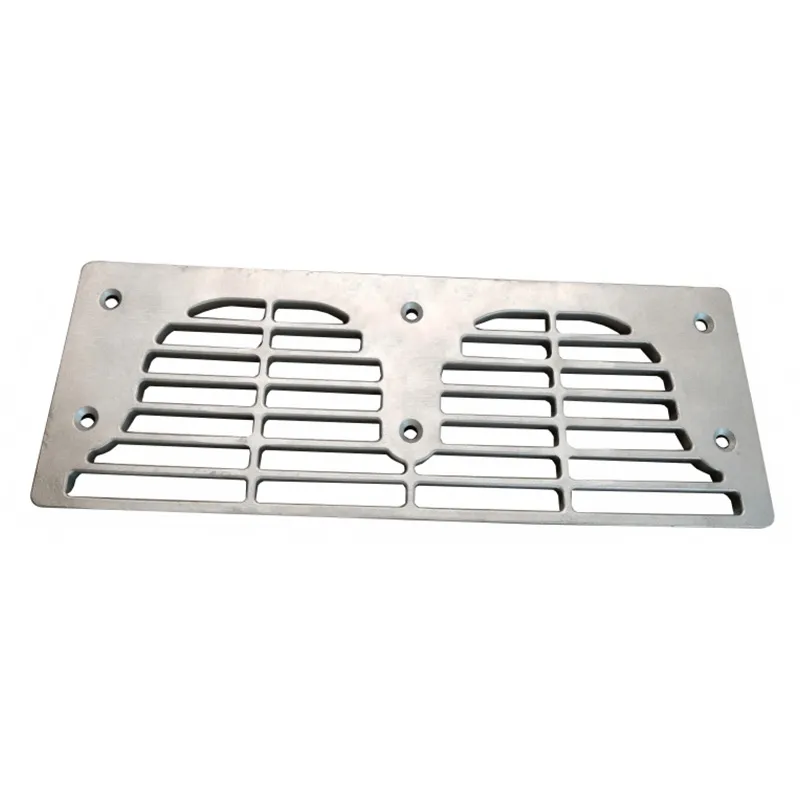
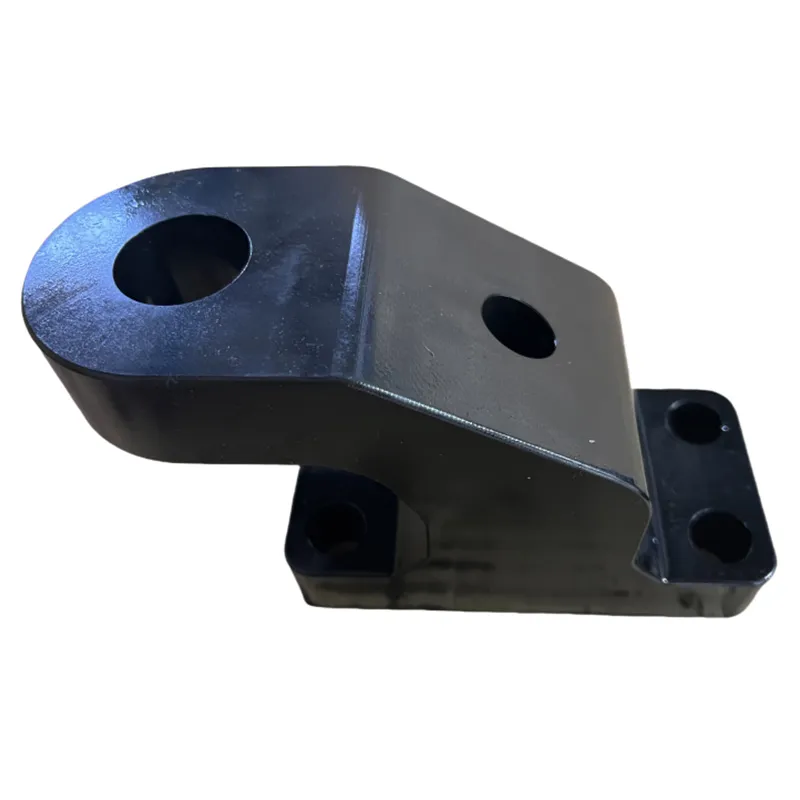
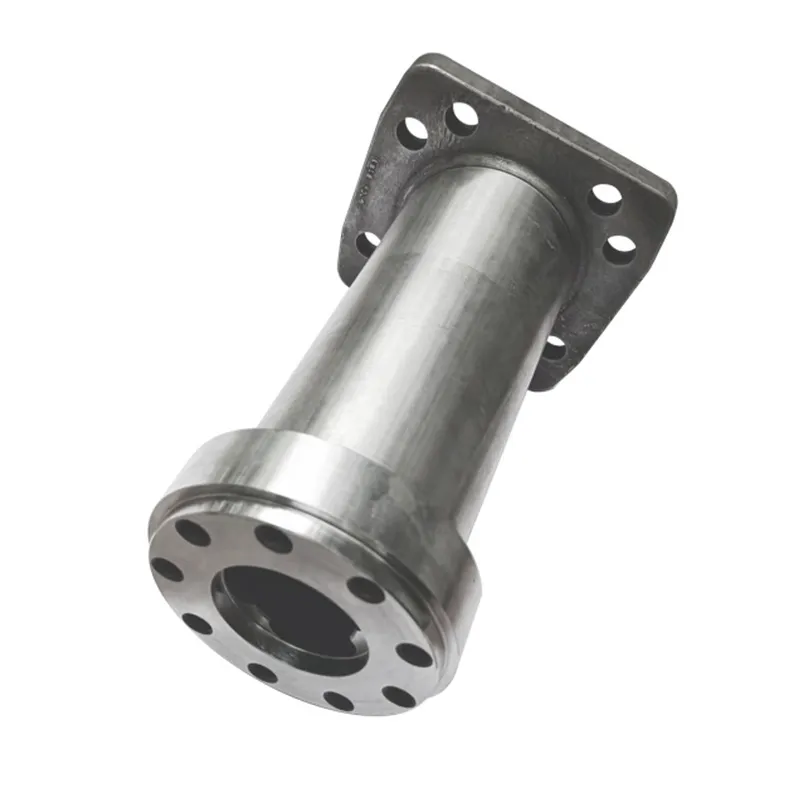
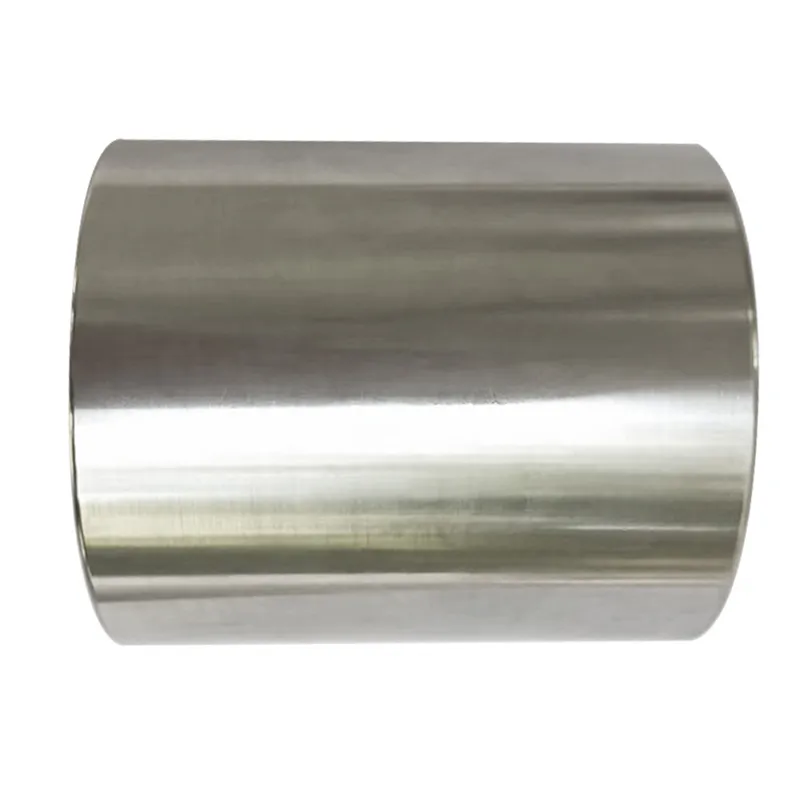
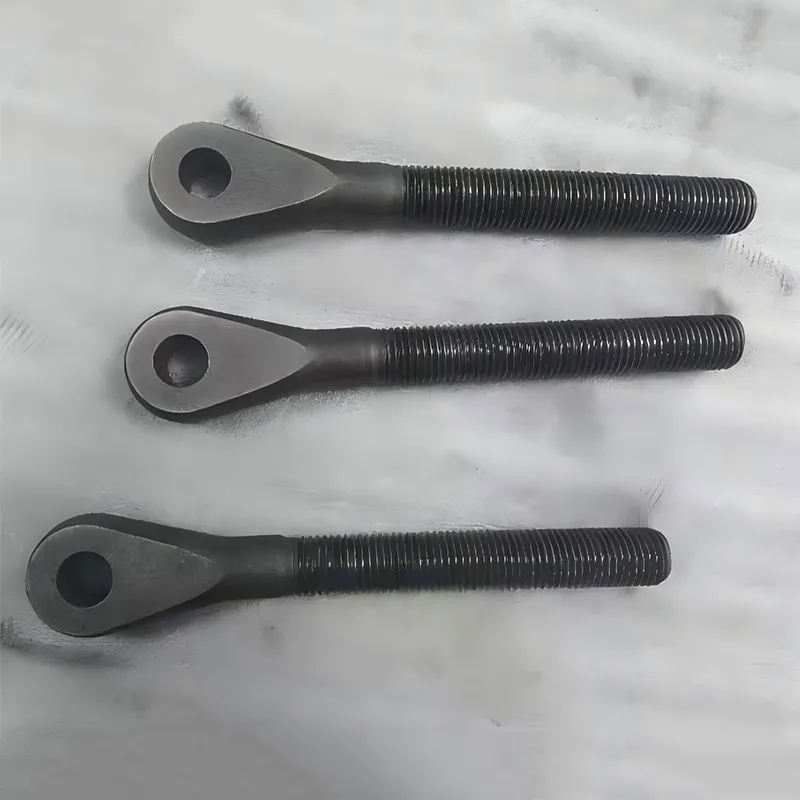
When most people hear 'stainless investment casting', they picture a perfect, shiny, ready-to-use part. That's the marketing ideal. The reality, the day-to-day grind, is about managing the gap between that ideal and the physics of molten metal and ceramic shells. It's not just about achieving a 'stainless' composition; it's about controlling the entire journey from wax to finished component so that the inherent corrosion resistance isn't compromised by a hidden shrinkage cavity, a slag inclusion, or a problematic grain structure. I've seen too many projects stumble by focusing solely on the material grade on the spec sheet, neglecting the process nuances that truly define performance.
The Shell Game: More Than Just a Mold
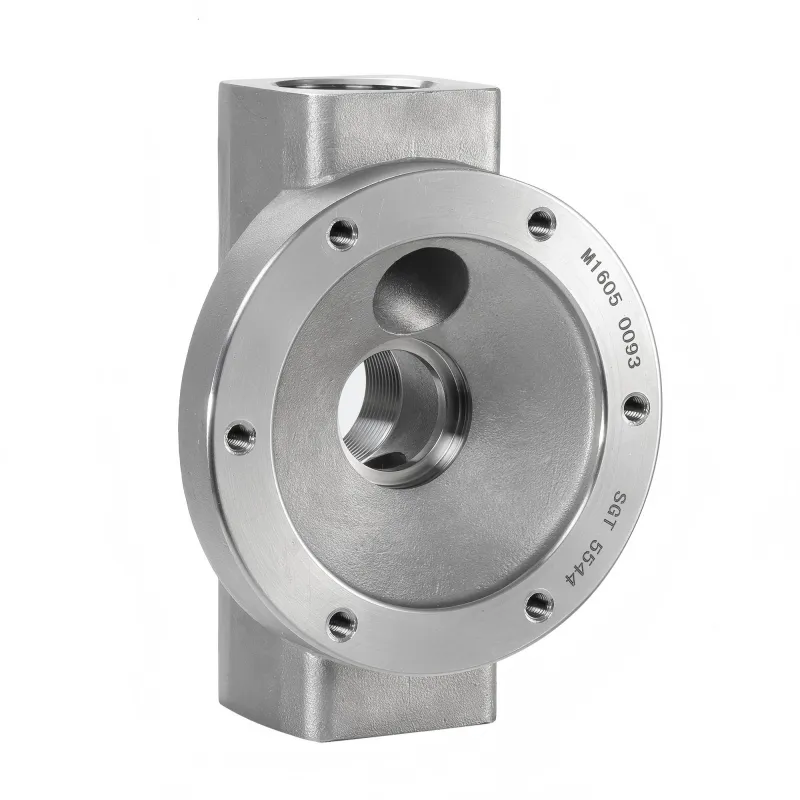
The shell is everything. It's the negative space that defines your final part, but with stainless investment casting, its role is more critical. A weak shell can warp under the heat of 1500°C+ stainless steel, leading to dimensional drift. A shell that doesn't de-bond correctly during the dewaxing stage can cause cracks that fill with metal, creating fins and flashes that are a nightmare to machine off, especially on complex, thin-walled components. We learned this the hard way early on with a batch of valve bodies. The slurry viscosity was off by a hair, resulting in a first coat that was too thick. It seemed fine until dewaxing, where the thermal shock caused micro-crazing. The molten 316L found every single one of those hairline cracks. The result wasn't a casting failure, but a machining disaster. The extra time spent removing the intricate, hardened flash doubled the unit cost.
That's where the experience of a foundry really shows. It's in the proprietary slurry recipes, the controlled humidity of the stucco application room, and the precise drying cycles between coats. I recall visiting Qingdao Qiangsenyuan Technology Co., Ltd. (QSY) a while back. What stood out wasn't their furnaces, but their shell-building department. The consistency was notable—each cluster in a batch looked identical, a sign of tight process control. For investment casting of any alloy, but particularly for stainless where surface finish is often a critical callout, that consistency in the shell is where quality is baked in, long before the metal is poured.
You also have to match the shell system to the alloy. A standard fused silica shell might work for carbon steel, but for high-temperature super alloys or certain martensitic stainless grades, you might need a zircon-based primary coat to prevent metal-shell reaction, which can cause surface pitting. It's a detail that doesn't make it to the glossy brochure, but it's the kind of decision that happens on the shop floor. You can't just order a shell.
Where Stainless Gets Complicated
Specifying stainless steel is just the opening line of a long conversation. Take 304 versus 316. The common wisdom is 316 is better for corrosion resistance due to molybdenum. True, but in stainless investment casting, the fluidity of 304 is slightly better. For a part with extreme thin sections or intricate details, 304 might be the more castable choice, and if the application's corrosion environment doesn't demand it, you've saved material cost without sacrificing performance. Pushing for 316 everywhere because it's higher grade can be a rookie mistake.
Then there's the heat treatment. As-cast stainless structures are not optimal. They're often dendritic and segregated. For parts requiring maximum corrosion resistance, a solution annealing treatment followed by a rapid quench is non-negotiable to re-dissolve carbides and homogenize the structure. But here's a pitfall: distortion. A complex, asymmetrical casting can warp during the high-temperature soak. We once had a pump housing, a beautiful but cored-out casting, that came out of the heat treat furnace slightly oval. It was still within the drawing tolerance, but just barely. The machinists hated it because the clamping became tricky. Sometimes, you need to design and support the wax cluster itself with heat treatment distortion in mind, which is a backward-forwards dance between design, foundry, and post-processing.
Machining is the final arbiter. A casting can look perfect but hide hardness variations that destroy a tool bit. Good foundries, like those with integrated CNC machining capabilities, understand this feedback loop. They know how their castings cut. QSY, for instance, lists both casting and machining as core competencies. That integration is telling. It means the casting process is likely developed with machinability in mind—consistent hardness, predictable stock allowances, and an understanding of where to place parting lines to minimize machining set-ups. The alternative is shipping raw castings to a third-party machine shop, where any subsurface defect becomes a costly discovery and a blame game.
The Alloy Expansion: When Stainless Isn't Enough
The principles of investment casting open doors beyond standard stainless grades. Sometimes, the application demands it. We've moved into nickel-based alloys like Inconel 718 for high-temperature components. The process fundamentals are the same, but everything is amplified. The melting temperature is higher, the metal is less fluid, and it's more prone to segregation. The shell requirements are more stringent. The cost of a scrap part is astronomical. It raises the stakes on every single process parameter.
This is where the 30 years of operation a company like QSY cites becomes a tangible asset, not just a number on a website. That history implies they've seen the failures, adjusted the parameters, and built a database of knowledge for how to handle different special alloys. It's institutional memory. There's no textbook that says for this specific cobalt-chromium alloy, use this exact pre-heat temperature for the shell to prevent mistruns. That's learned through trial, error, and documentation over decades.
Even with stainless, the move towards duplex or super duplex grades is interesting. They offer fantastic strength and corrosion resistance, but they are notoriously tricky to cast. The phase balance between austenite and ferrite is critical and is influenced by cooling rate. Too fast, and you get an unbalanced structure that kills the properties. It requires a foundry to control not just the pour, but the entire solidification and cooling environment within the mold. It's a step beyond basic shell mold casting.
Practicalities and The Good Enough Threshold
In the real world, not every part is for a jet engine or a nuclear plant. Many are for food processing, marine hardware, or chemical instrumentation. The goal is often to find the most cost-effective route to a part that reliably performs its function for its intended lifespan. This is where the versatility of stainless investment casting shines. You can consolidate multiple fabricated pieces into a single, hollow, complex casting. The value isn't just in the material, but in the part consolidation and reduction of assembly labor and potential leak paths.
However, you have to be ruthless in your design for manufacturability (DFM) review. That beautiful, organic design with internal galleries might be possible, but ask: does it need to be? Can that wall thickness be increased by 0.5mm to dramatically improve yield? Can that sharp internal corner be radiused to avoid stress concentration and hot tearing? A good foundry partner will push back on a design. I'd be wary of one that just says yes, we can cast that without a detailed DFM report highlighting potential risk areas. The back-and-forth on a drawing is where the partnership is formed.
Finally, inspection is the gatekeeper. Dye penetrant for surface defects, radiography for internal integrity, and coordinate measuring machines (CMM) for dimensional verification. For critical parts, you might need full material certification (mill certs for the alloy, plus mechanical test reports from coupons cast with the cluster). This is non-negotiable for regulated industries. It adds cost and time, but it's the proof of the process control. A foundry's willingness and capability to provide this level of traceability, from melt to final inspection, is a key differentiator. It turns a casting from a commodity into a precision component.
Wrapping It Up: A Process, Not a Product
So, stainless investment casting isn't something you just buy. It's a process you engage with. It's a collaboration between designer and foundry engineer, a series of compromises and optimizations between ideal design and practical metallurgy. The success stories come from projects where everyone understands that the shiny, finished part is the result of a hundred controlled steps, each one an opportunity for something to go slightly wrong. The failures, in my experience, usually stem from a breakdown in that communication—unrealistic expectations, a spec that ignores process limitations, or a choice made purely on unit price without understanding the technical trade-offs.
The landscape has players who get this. When you look at a company's offering, like the integrated casting and machining model highlighted by QSY at https://www.tsingtaocnc.com, it signals an understanding of the total value chain. It's not just about making a shape; it's about delivering a functional, ready-to-install component. That requires control over more of the process steps, from the wax pattern and shell through to the final machined surface.
In the end, it comes down to trust built on transparency and a shared language of practical problem-solving. The best outcomes I've seen always start with a conversation that goes, Here's what we need this part to do. What's the best way, within the realities of the process, to get us there? That's where the real expertise in stainless investment casting lives.