When most people hear 'stainless steel,' they picture a shiny, indestructible kitchen sink. That's the first misconception. In reality, it's a family of alloys, and choosing the wrong grade for an application is a costly mistake I've seen too many times. It's not just about corrosion resistance; it's about machinability, weldability, and how it behaves under stress or heat. Let's talk about what the spec sheets don't always tell you.
The Alloy Isn't the Whole Story
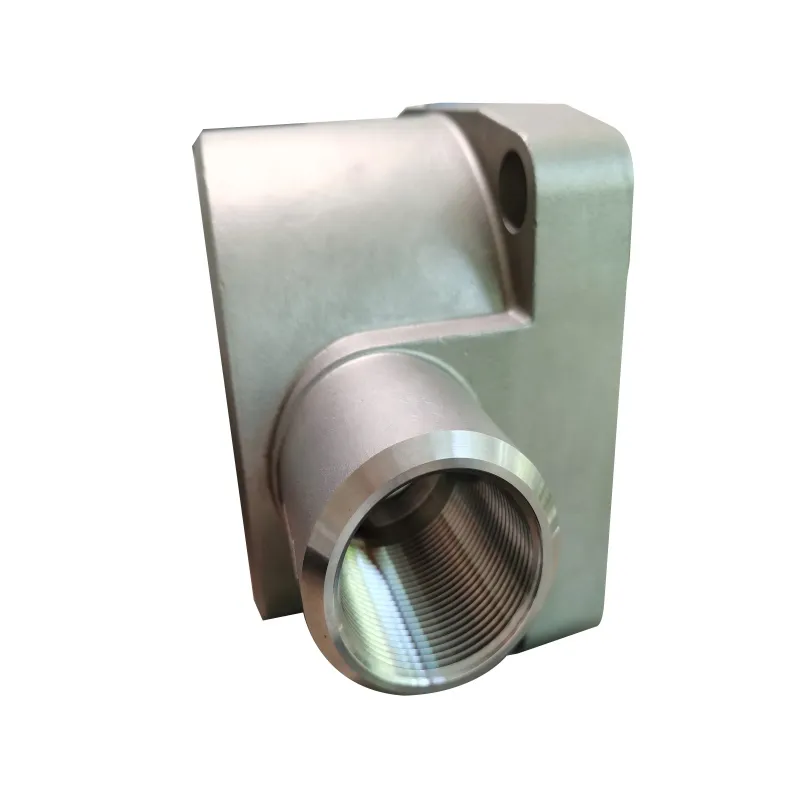
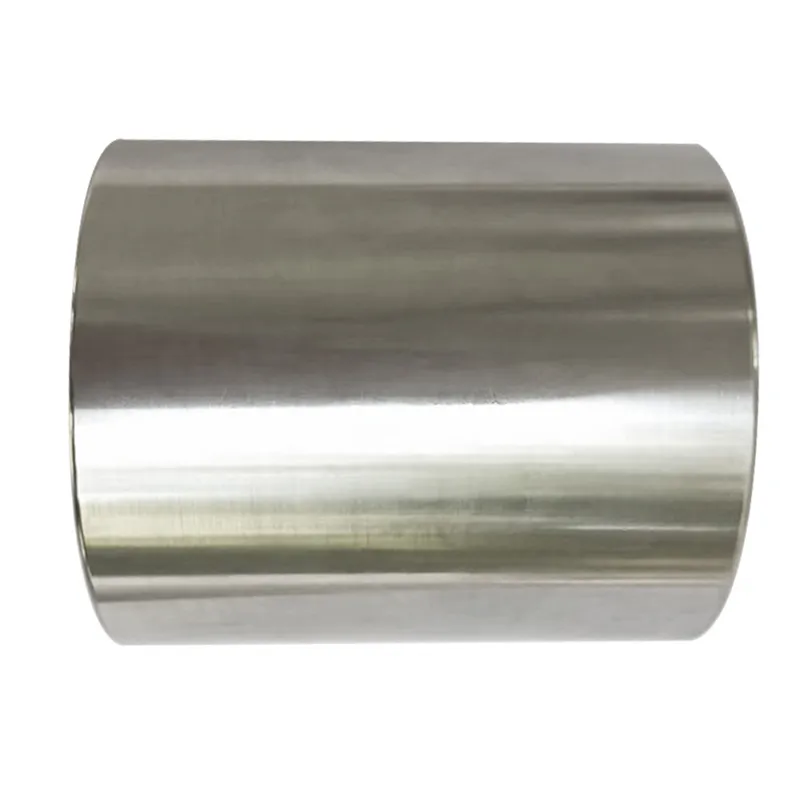
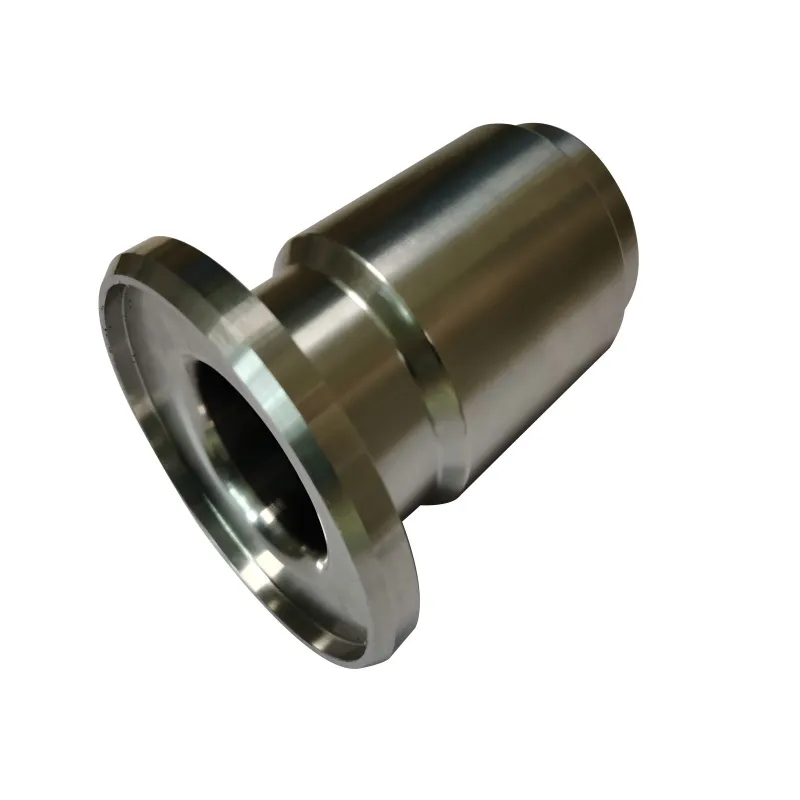
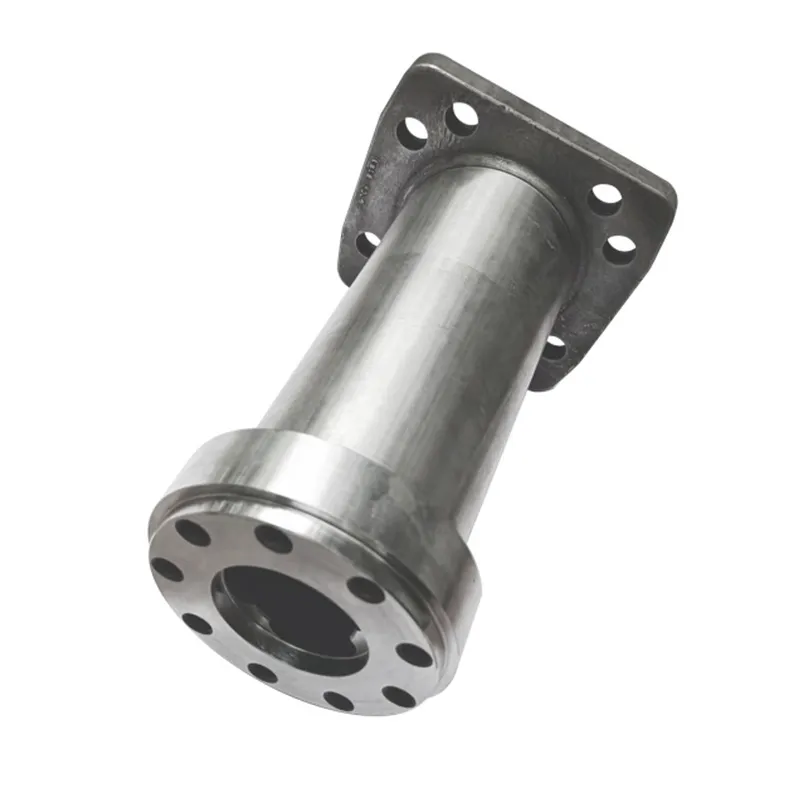
Take 304 and 316, the workhorses. Everyone knows 316 has molybdenum for better pitting resistance in chlorides. But on the shop floor, the bigger headache with 316 is its tendency to work-harden like crazy during CNC machining. You think you've got your feeds and speeds dialed in, and suddenly the tool is screaming, the surface finish goes to hell, and you're left with a hardened, gummy mess. It demands respect and sharp tools, more so than 304. For a company like Qingdao Qiangsenyuan Technology Co., Ltd. (QSY), which handles everything from casting to final machining, this isn't academic. It means planning the entire process chain—starting with the casting grain structure—around how the material will be cut later.
Then there's the free-machining grade, 303. It's got sulfur added, so it chips beautifully. But that same sulfur kills its corrosion resistance and weldability. I once saw a batch of 303 valve bodies, machined perfectly, fail prematurely in a mildly corrosive environment because someone assumed stainless is stainless. The client needed 316, but 303 was cheaper and easier to machine. That short-term saving cost a fortune in replacements and reputation. It's a classic trap.
The real nuance comes with the precipitation-hardening grades like 17-4 PH. You machine it in the solution-treated Condition A, which is relatively soft. Then you heat-treat it to H900 or H1150 to get that incredible strength. But if your machining sequence doesn't account for the dimensional shift during that final heat treat—and it will shift—your tight-tolerance aerospace bracket becomes scrap. It's a dance between the machinist and the metallurgist.
Casting It Right: More Than Just Pouring Metal
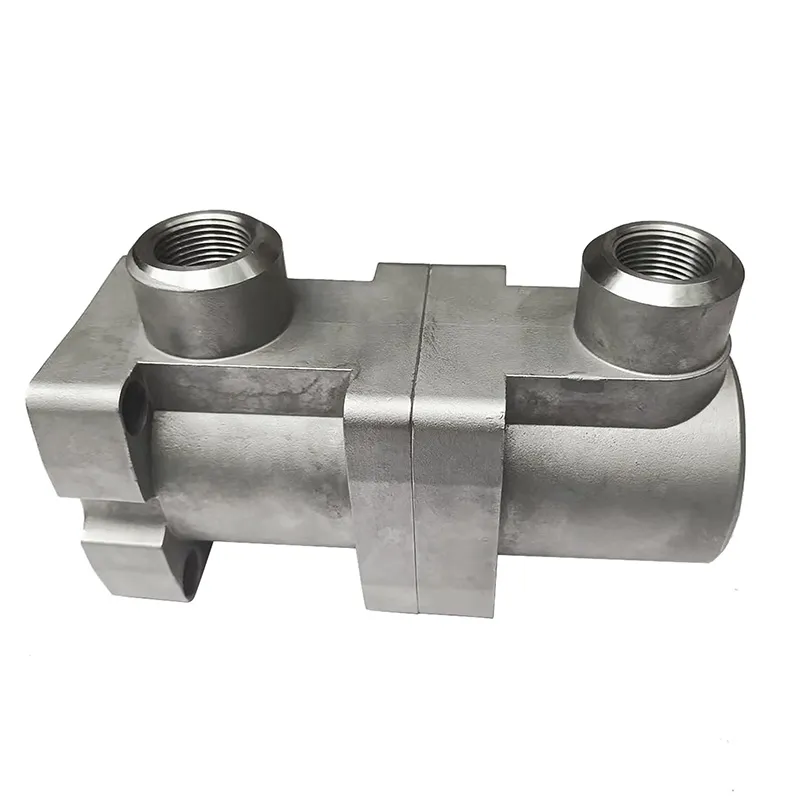
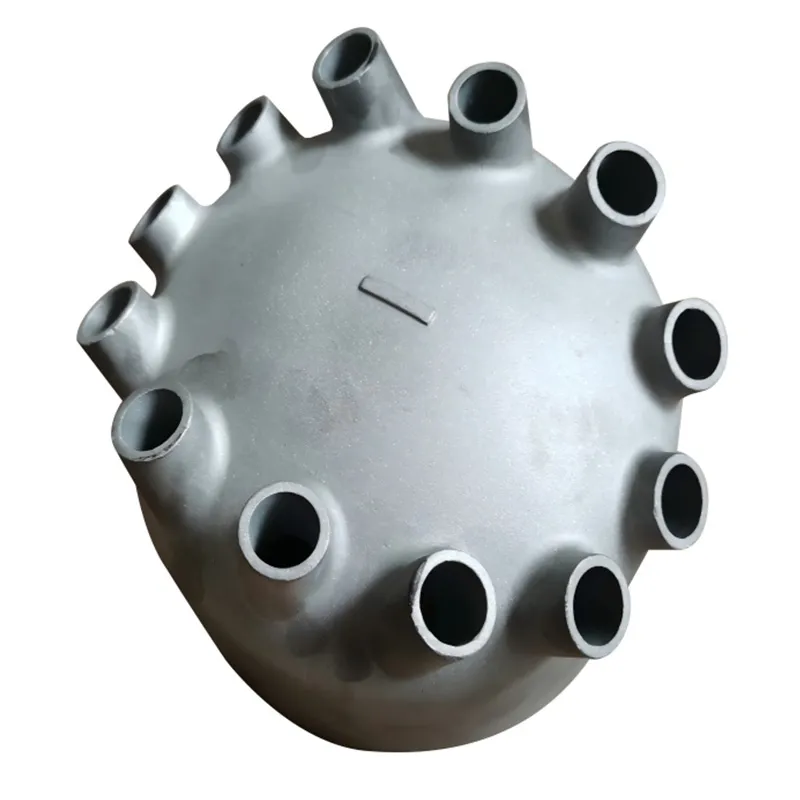
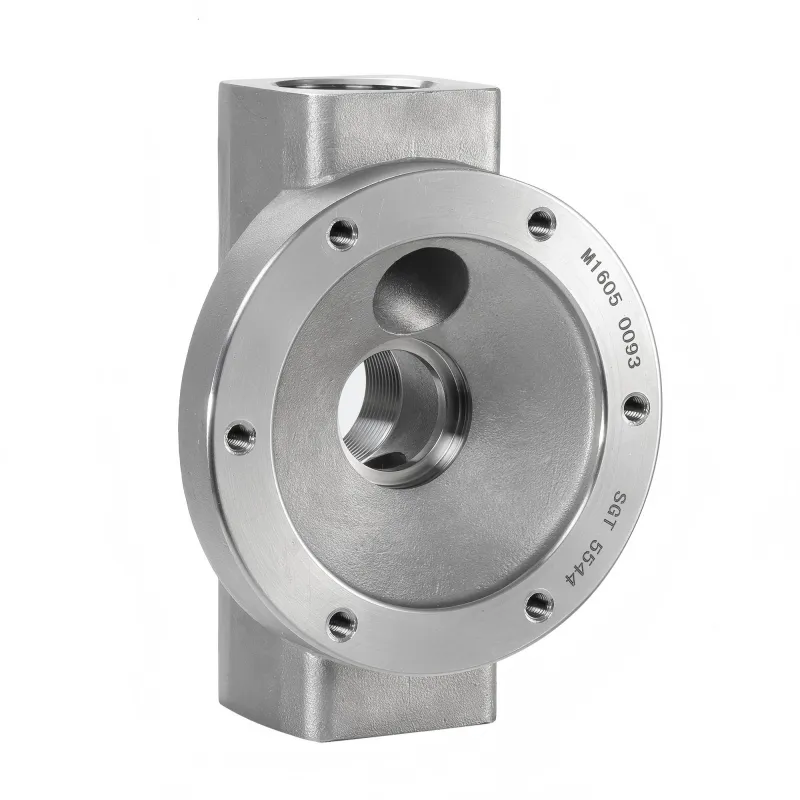
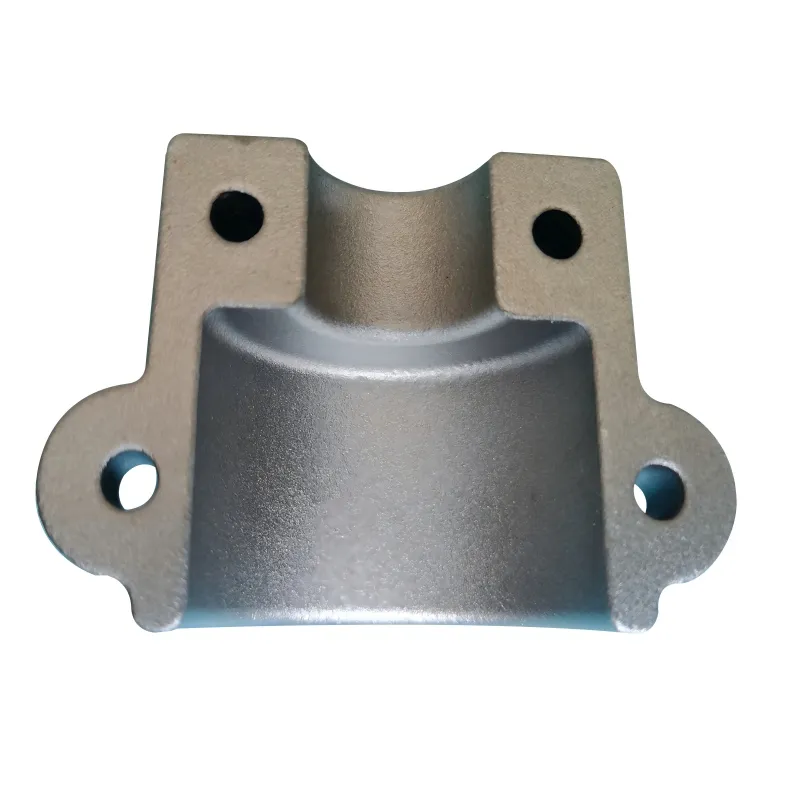
This is where the foundation is laid. Investment casting is fantastic for complex stainless steel parts, but the devil's in the details. Gating and riser design is critical. Stainless has a different shrinkage pattern than carbon steel. If you use the same feeder system, you'll get shrinkage porosity in the thick sections. We learned this early on at QSY. A pump housing casting kept failing pressure tests. The geometry was sound, the alloy certs were perfect. The issue was the riser was too small and in the wrong place, starving the casting as it solidified. Redesigning the feeding system solved it. It wasn't a material failure; it was a process failure.
Shell mold casting for stainless introduces another variable: metal-mold reaction. Certain alloys, especially those with high chromium, can form a hard, tenacious burn-on layer where the metal contacts the ceramic shell. This isn't scale you can just blast off; it's a metallurgical bond. If it's too severe, it ruins the surface and requires excessive stock allowance for machining, blowing the cost. The trick is in the mold face coat—the specific zircon flour or refractory used—and the pouring temperature. A few degrees too hot, and you're buying yourself days of extra grinding work.
And let's not forget the special alloys QSY mentions, like the nickel-based ones. Often, you're not just casting stainless; you're casting Inconel or Hastelloy alongside it. The furnace practices have to be impeccable to avoid cross-contamination. A trace of carbon steel residue in a ladle can introduce iron carbides into a superalloy melt, compromising its high-temperature properties. The logistics in a multi-material foundry are as important as the metallurgy.
The Machining Reality: Chatter, Heat, and Tool Life
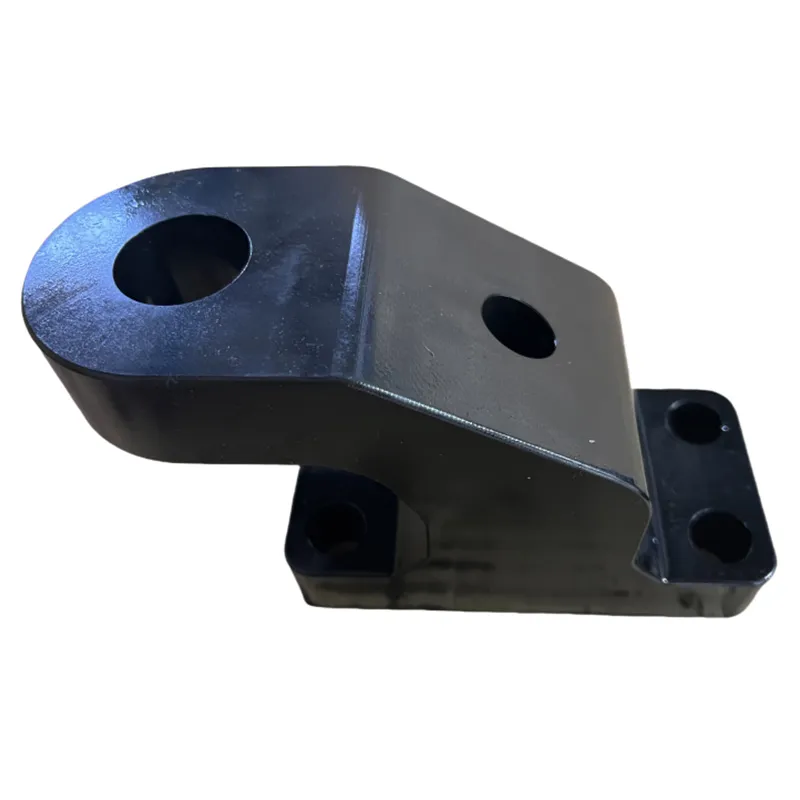
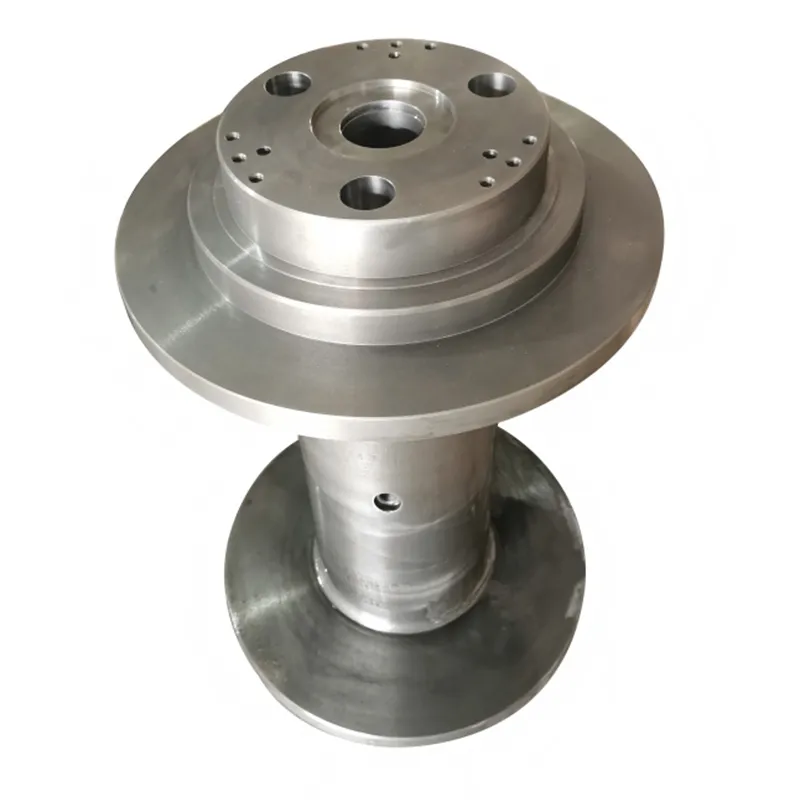
Coming from a casting, the machining stock is rarely uniform. You might have a sand-blasted surface with pockets of harder scale. Your first roughing pass has to be aggressive enough to get under this inconsistent surface layer but stable enough not to shock the tool. For large castings, clamping and fixturing to avoid distortion under cutting forces is an art form. You're not machining a perfect billet; you're cleaning up a near-net-shape part that has internal stresses from the casting process.
Coolant choice matters immensely. A general-purpose coolant might be fine for aluminum or mild steel, but for stainless steel, you need high lubricity. The goal isn't just cooling; it's to reduce the built-up edge on the tool tip, which is the primary cause of poor finish and rapid tool wear in gummy materials. We switched to a specific heavy-duty, chlorine-free synthetic coolant years ago, and tool life on our 316 jobs increased by maybe 30%. It was that significant.
Then there's the post-machining stress. Heavy milling or turning can induce surface stresses that, in a corrosive service environment, become initiation points for stress corrosion cracking (SCC). For parts destined for chemical plants or offshore use, a final passivation or even a low-temperature stress relief might be necessary. It's not on the standard drawing, but it's the kind of process knowledge that separates a job shop from a true manufacturing partner.
When Stainless Doesn't Mean Stain-Free
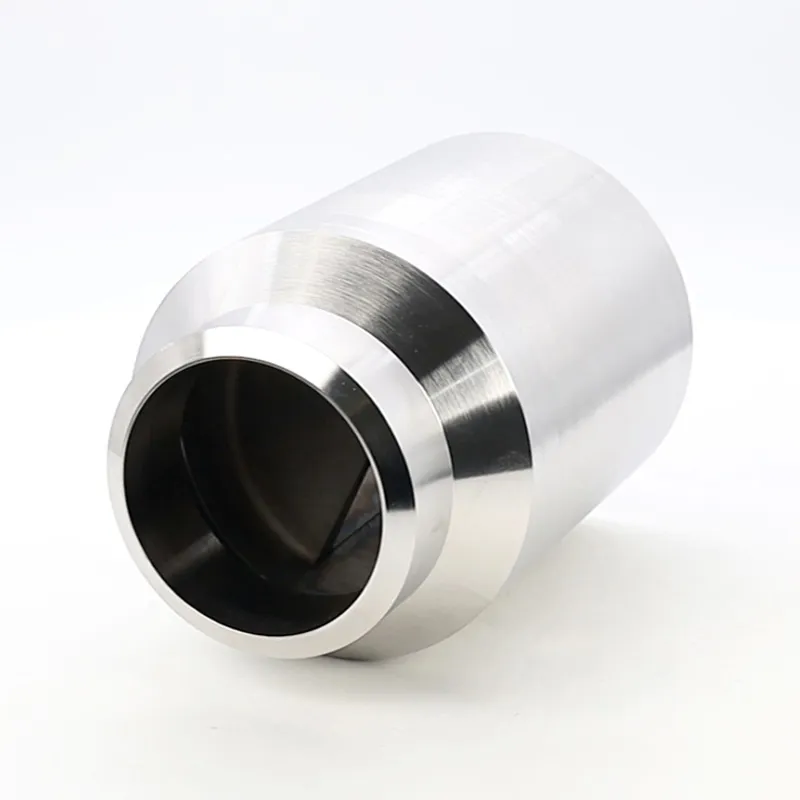
This is the biggest client education point. Passivation is mandatory. It's not an optional polish. It's a chemical process that removes free iron particles embedded in the surface from machining (think of tiny bits of tool steel pressed into the part) and enriches the chromium oxide layer. If you skip it, that shiny part will develop rust spots in a humid warehouse, and the phone will ring with an angry customer. I've had to explain this more times than I can count.
Corrosion is also about design. Crevices are the enemy. A beautifully machined flange that mates against another surface with a gasket can create a tight crevice. In that oxygen-depleted space, even 316 can suffer crevice corrosion. The solution might be as simple as specifying a different gasket material or a wider flange face. It's about thinking of the stainless steel component as part of a system, not an isolated piece of metal.
And heat tint from welding. That rainbow color isn't just ugly; it's an area where the chromium has been depleted, making it susceptible to corrosion. For sanitary or marine applications, that tint must be removed, usually by pickling and passivation. A welder might produce a structurally perfect TIG weld, but if the heat input wasn't controlled and the back side wasn't purged properly, you've created a future failure point. Quality control has to look beyond the X-ray for defects and look at the metallurgy of the surface.
The Value of a Full-Process Partner
This is where the model of a company like QSY, with 30 years in casting and machining, makes sense. The problems I've described are systemic. A casting defect might not show up until the final machining pass, wasting all that added value. A machining strategy that ignores the casting's residual stress can cause distortion. Having both disciplines under one roof allows for feedback loops that are otherwise lost when you outsource casting to one vendor and machining to another.
They can make a decision early on. For instance, This part geometry in 17-4 PH would be a nightmare to machine from a solid block. Let's investment cast it to 90% net shape, even though the tooling cost is higher, because the total cost of ownership—material waste, machining time, tool wear—will be lower. That's a judgment call born from doing both sides of the equation.
It also builds a material intuition. Their foundry team knows that a particular heat of 304 from Supplier A tends to be a bit more fluid than from Supplier B, which might affect the mold fill. Their machining team knows that the bar stock from Mill C always seems to have a harder scale. This tacit knowledge, accumulated over decades, is what you're really buying. It's not just a capability list like shell mold casting and CNC machining; it's the accumulated, sometimes painful, experience of making those processes work together on difficult materials. That's what turns stainless steel from a commodity into a engineered solution.