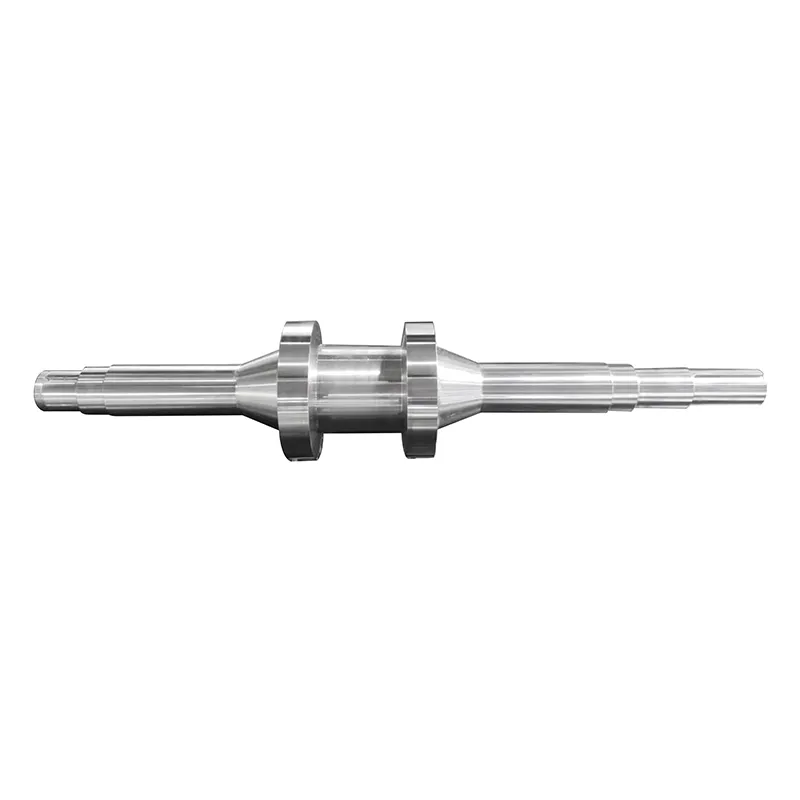
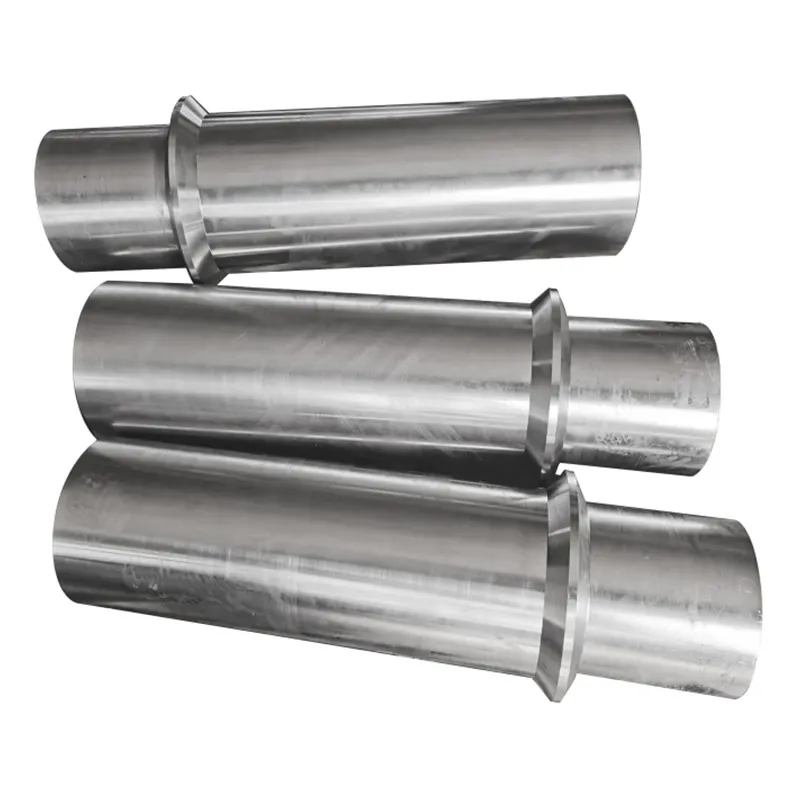
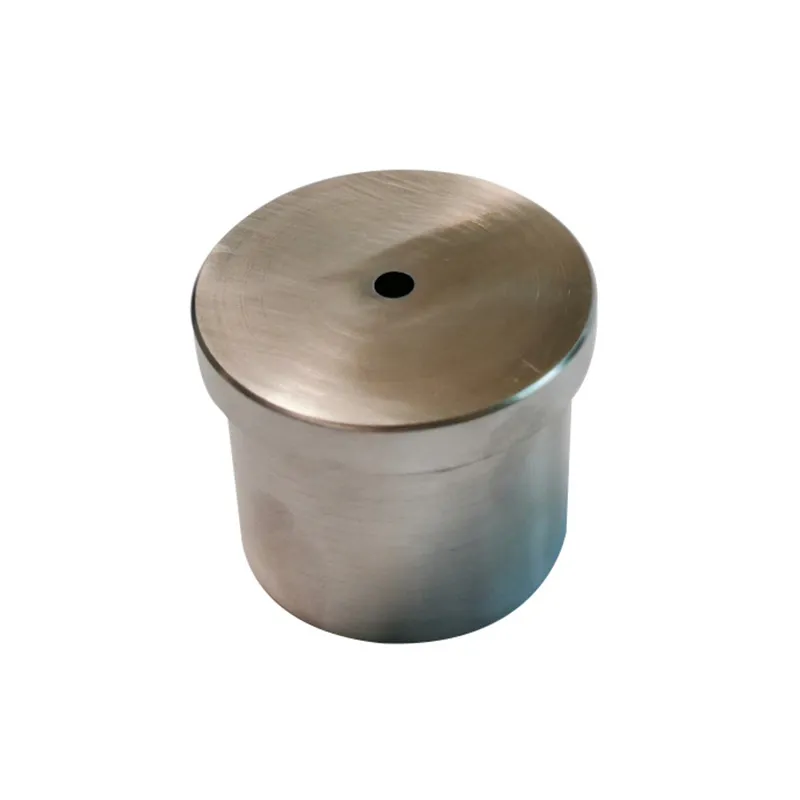
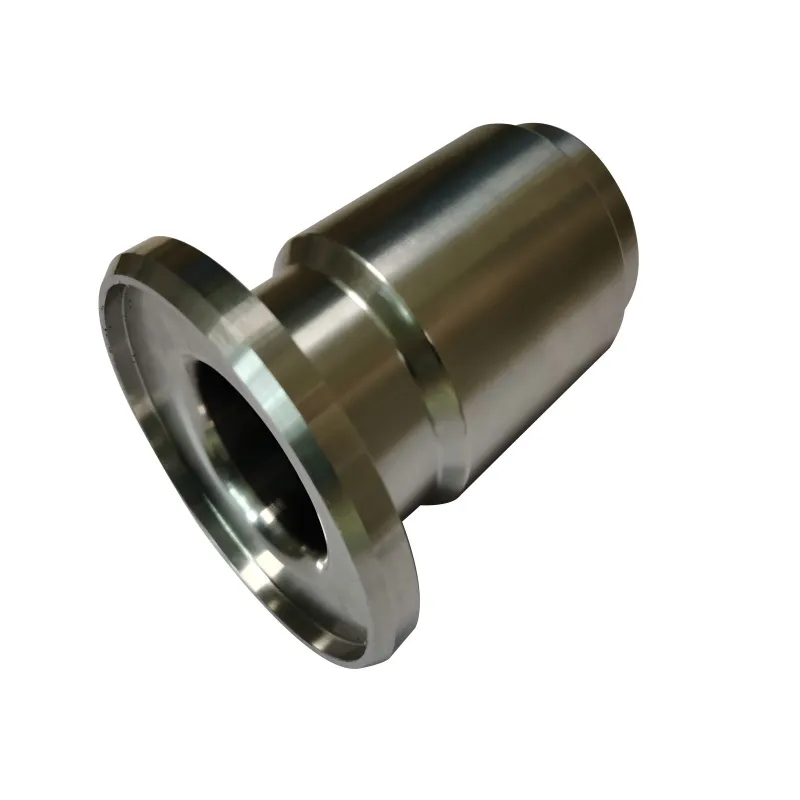
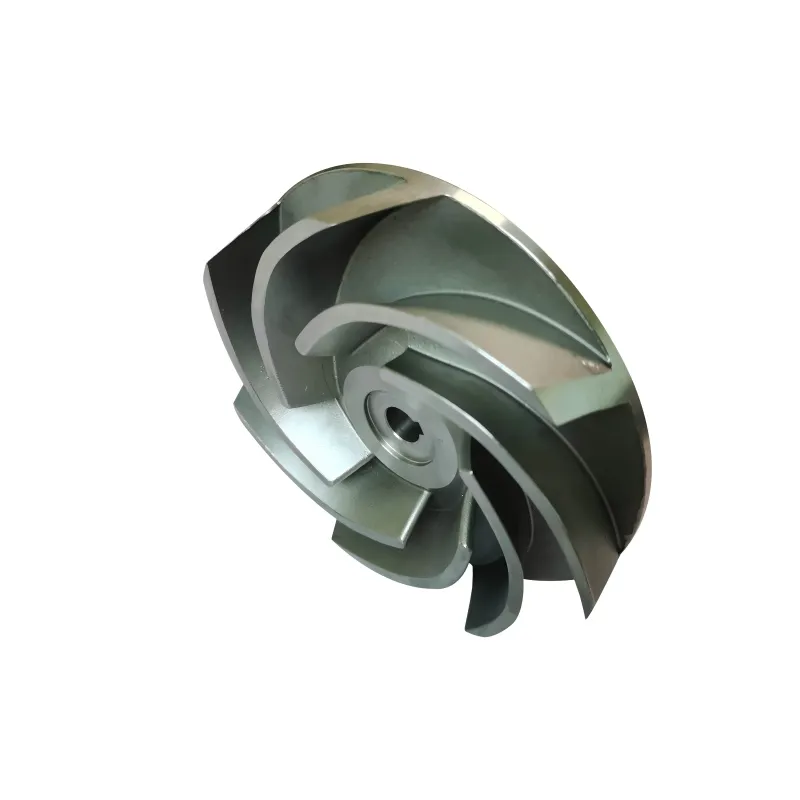
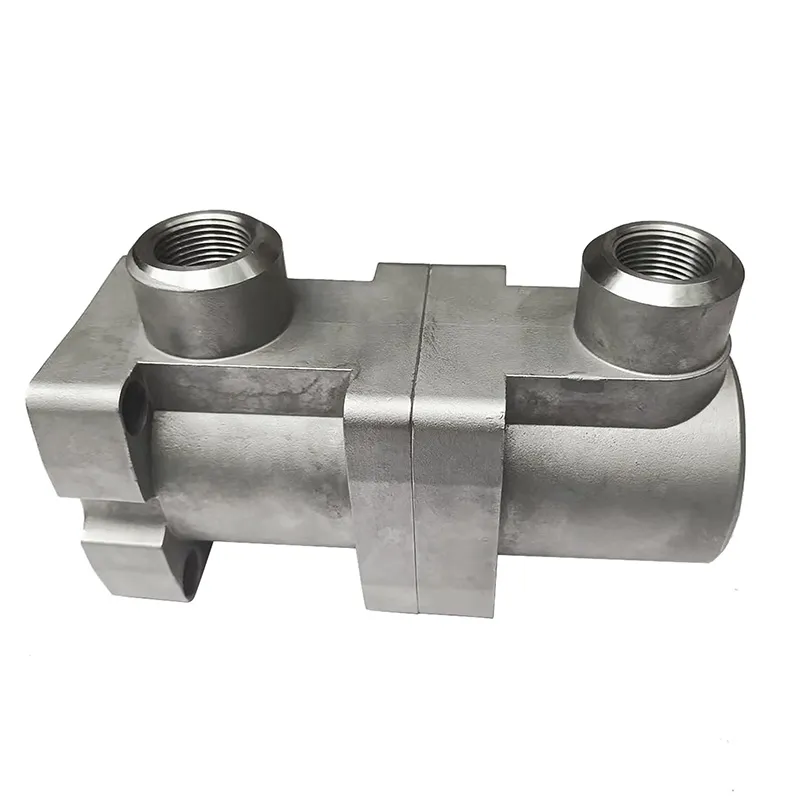
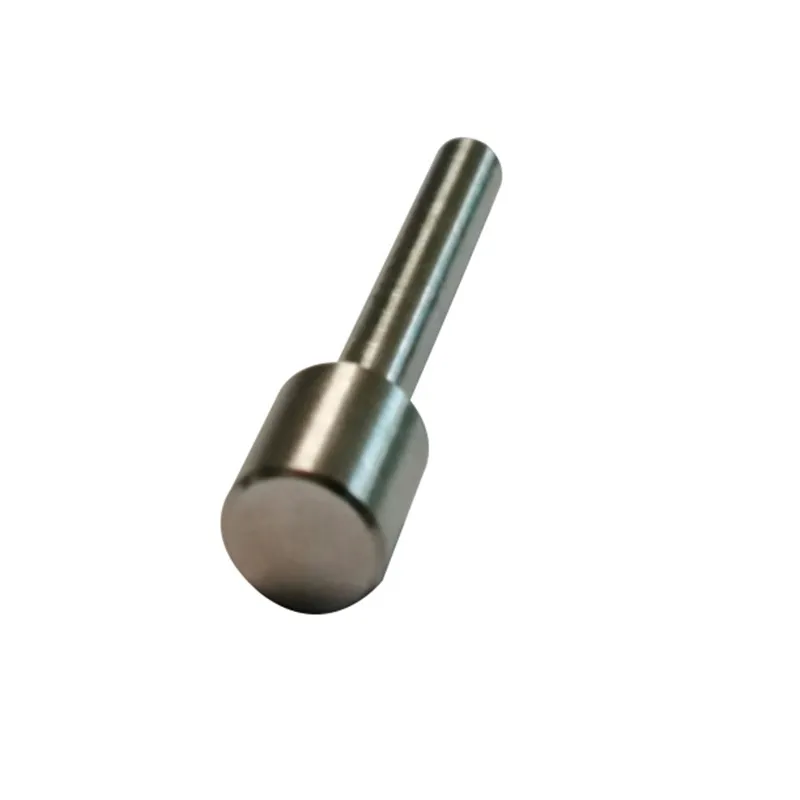
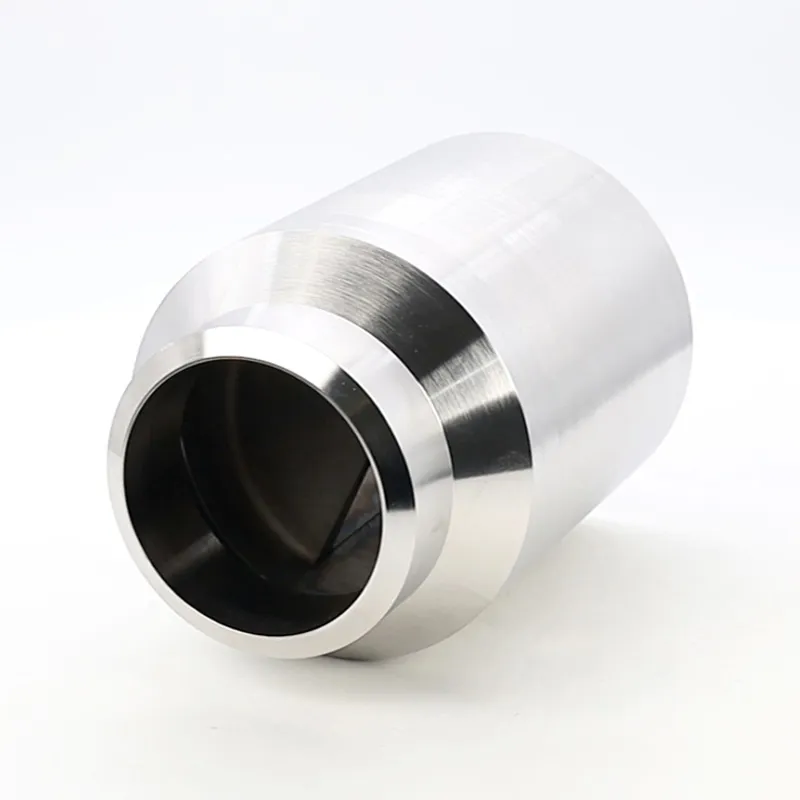
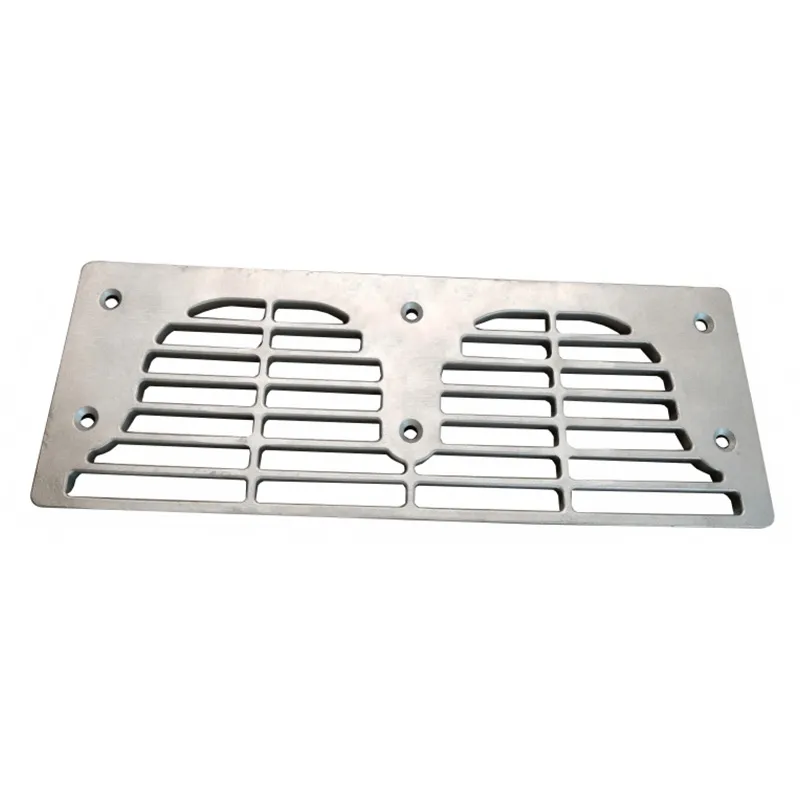
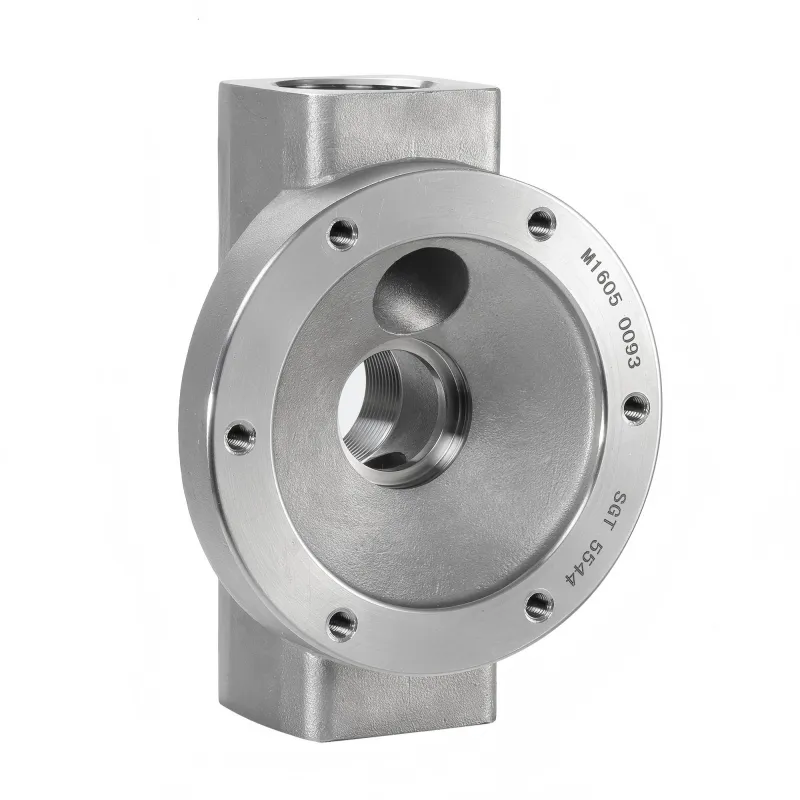
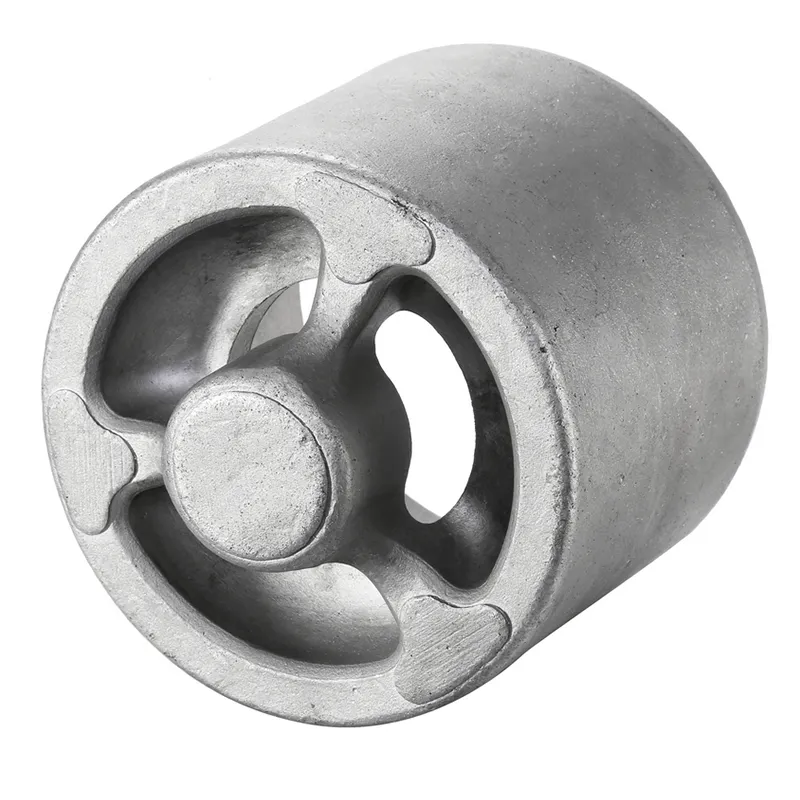
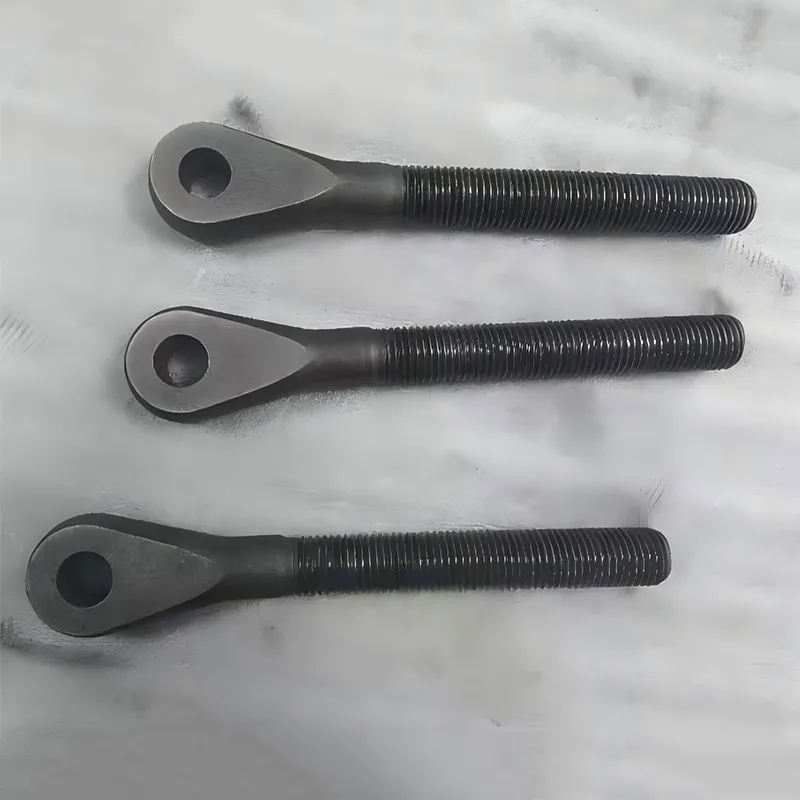
When most people hear 'stainless steel casting auto parts', they picture a shiny, indestructible component. That's the first misconception. The reality in our shop is more about managing expectations—balancing corrosion resistance against factors like thermal fatigue, machinability post-casting, and the brutal cost pressures of the automotive supply chain. It's not just about pouring metal; it's about engineering a part that survives real-world cycles of heat, stress, and chemistry.
The Alloy Isn't the Whole Story
Clients often come in specifying 304 or 316 stainless as if it's a magic wand. In many exhaust or turbo housing applications, that's a fast track to failure. We've seen it. The high-temperature cycling causes what we call sensitization along the grain boundaries, making the part prone to intergranular corrosion and cracking. You need a stabilized grade like 321 or a low-carbon 316L, sometimes even looking at higher alloys for specific hot sections. The choice isn't in a handbook; it's dictated by the exact location in the assembly, the fuel type, and the expected duty cycle.
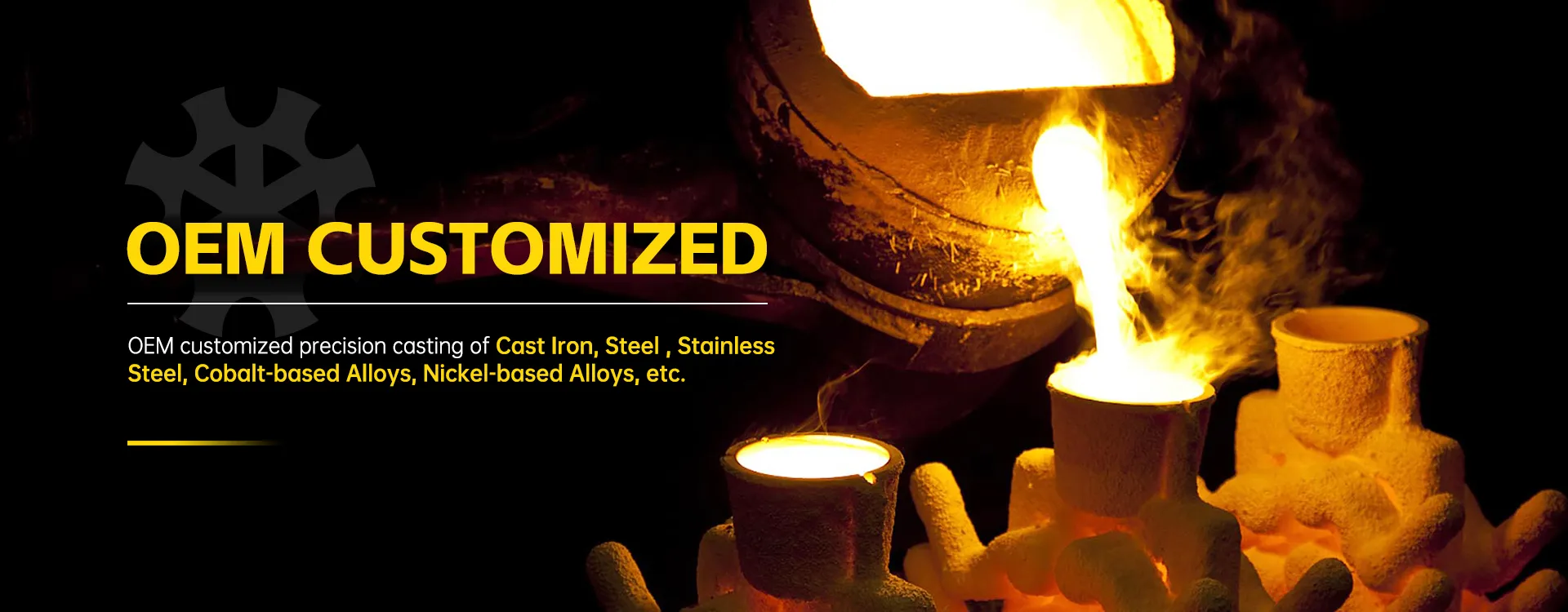
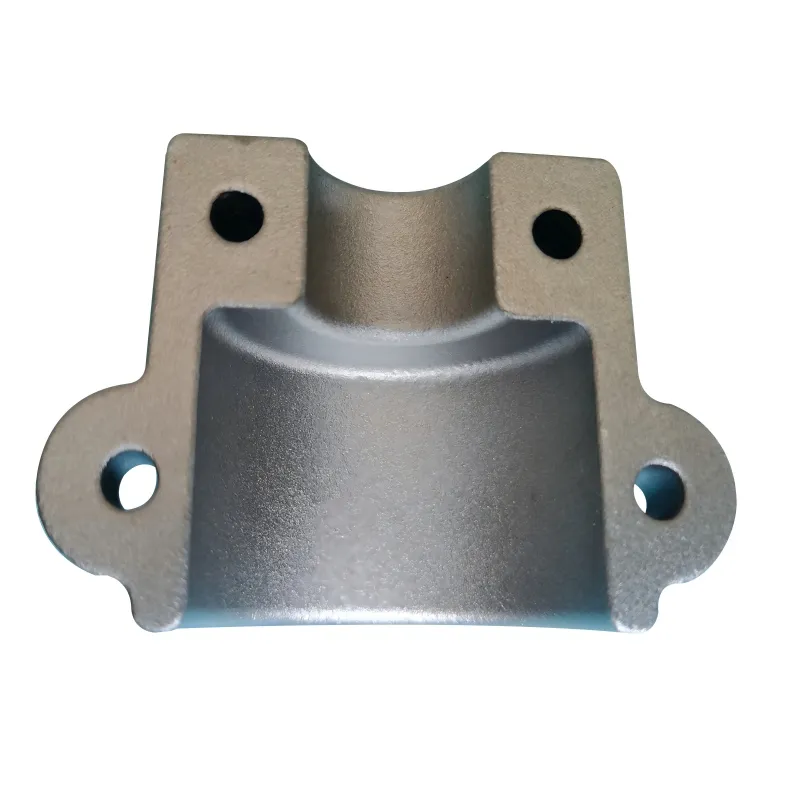
This is where decades of patternmaking and process control matter. At our facility, we lean heavily on shell mold casting for these parts. The dimensional stability you get from the resin-coated sand shell is critical for complex manifolds or brackets that have thin sections adjacent to thick mounting flanges. If the mold yields even slightly, you get internal stresses in the casting that no heat treatment can fully rectify. We machined a batch of turbocharger housings last year where the as-cast flange warpage was just beyond spec—traced it back to a subtle inconsistency in the shell baking temperature. A small process deviation, a costly batch.
That's the hidden game in stainless steel casting auto parts: controlling the variables before the metal even touches the mold. The melt chemistry, the pour temperature (too high and you burn the alloying elements, too low and you get mistruns), the gating system design to ensure directional solidification. It's a cascade of decisions. I remember a project for a sensor mounting bracket where the client wanted a very specific surface finish for sealing. We had to switch from a traditional silica sand to a zirconia-based facing sand in the shell to achieve the finer grain texture, which then altered the cooling rate and required a tweak to the heat treatment. The final part worked perfectly, but the development loop was iterative, not linear.
Investment Casting's Niche in Precision
For parts where internal passages or extreme external complexity are non-negotiable, we shift to investment casting. Think intricate fuel system components, small actuator housings with integrated channels. The wax pattern process allows for geometries that are simply impossible with other methods. However, the cost jump is significant, and for many standard brackets or housings, it's overkill.
The challenge with investment casting stainless for auto parts is the ceramic shell's interaction with the metal. Certain alloys can be reactive, leading to a surface reaction layer that's harder than the base metal and a nightmare for subsequent CNC machining. We had a run of parts in a 17-4 PH condition where the drill bits were wearing out after just a few holes. The problem wasn't the machining program; it was a slight chemistry shift during melting and the resulting interaction with the ceramic mold. We solved it by adjusting the deoxidization practice in the ladle—a shop floor fix born from experience, not a textbook.
This precision capability is why companies like Qingdao Qiangsenyuan Technology Co., Ltd. (QSY) maintain both processes. Having operated for over 30 years, they've seen the evolution from simple sand castings to today's integrated solutions. Their approach, detailed on their platform at https://www.tsingtaocnc.com, isn't about pushing one method. It's about having the foundry and machining expertise under one roof to recommend the right path—be it shell mold for volume and stability or investment for complexity—and then finish it with precision CNC work. This vertical control is what prevents the classic blame game between the foundry and the machine shop when a part is out of tolerance.
The Machining Handshake
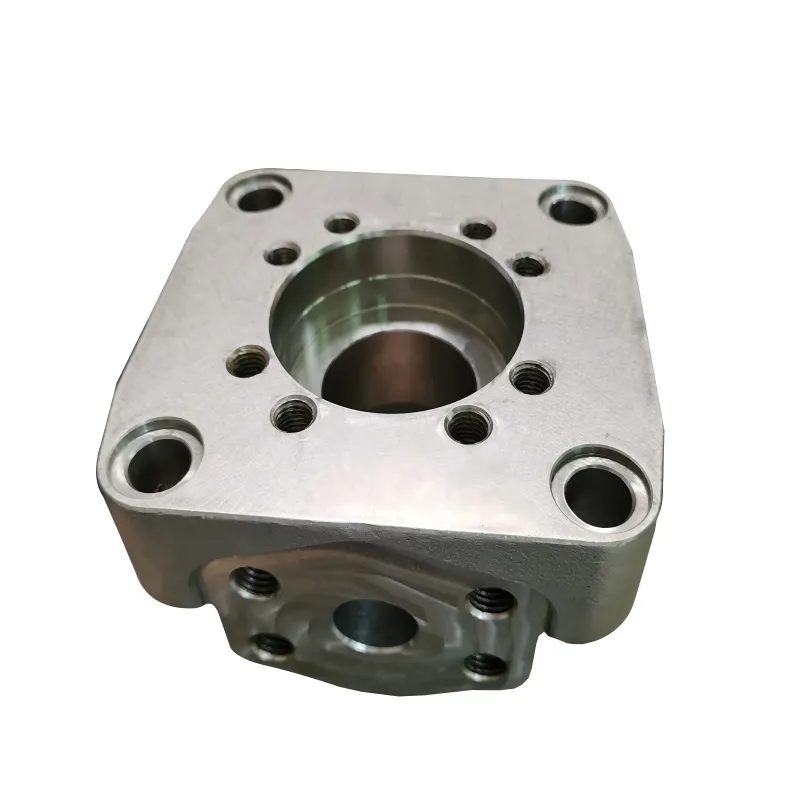
Casting is only half the job. A cast part is a rough draft. The CNC machining stage is where it becomes a functional component. The synergy here is everything. Our machinists need to understand the casting's as-cast skin, potential hard spots, and the likely stress state. We often perform a stress-relief anneal before any heavy milling to avoid the part moving on the machine bed.
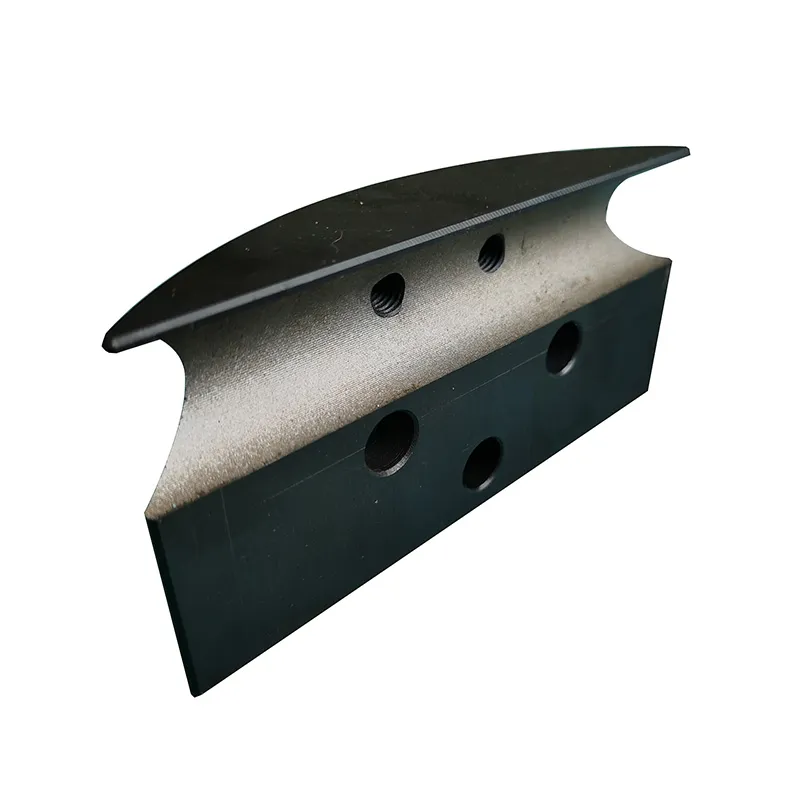
Fixture design is another art. A poorly supported thin-walled stainless casting will chatter, deflect, and ruin tooling. We've developed custom soft-jaw fixtures and sequential clamping strategies for families of parts, like alternator brackets, to distribute clamping force without distortion. It's these undocumented, tribal knowledge practices that separate a usable part from a high-reliability one.
And it's not just about steel and stainless. Working with the special alloys—the nickel-based and cobalt-based ones for extreme environments—requires even tighter dialogue between the casting and machining teams. These alloys work-harden quickly. The machining parameters (speed, feed, depth of cut) we use for standard 304 stainless would instantly burn up a tool on Inconel. The gating and risering design for the casting itself must also account for this machinability, ensuring the material is in its most tractable state for the machine shop.
Failure as a Forcing Function
You learn more from a scrapped batch than a hundred perfect ones. Early on, we had a quality escape with a series of engine mounting brackets. They passed dimensional checks and pressure tests but failed in field fatigue tests. The fracture surface showed a classic brittle cleavage pattern. Root cause? We had optimized the pouring temperature for fill, but it led to a slightly coarser grain structure in a high-stress corner. The solution wasn't a major process overhaul; it was adding localized chills to the mold in that specific area to promote faster cooling and a finer grain. Now, that's a standard note on the process sheet for that part family. This kind of empirical learning is the backbone of durable manufacturing.
Another lesson involved a beautiful-looking investment-cast sensor housing. It looked perfect, but during pressure testing, we found micro-porosity at a critical sealing land. Radiography showed it was shrinkage porosity from an inadequate feeder. The fix was counter-intuitive: we actually reduced the feeder size but moved it closer to the problem area and changed its shape to promote better thermal gradient. It worked. Sometimes, more material isn't the answer; better thermal management is.
These failures force a holistic view. You stop thinking in silos of melting, molding, and machining. You start thinking in terms of the part's lifecycle stress state. This mindset is critical for stainless steel casting auto parts that must last the warranty period and beyond, under conditions the original designers might not have fully anticipated.
The Real Measure: In the Assembly
The final test isn't in our QA lab. It's on the assembly line and in the vehicle. A well-cast and machined part should install without force, seal without excessive torque, and perform without incident. We've seen parts from competitors that look fine on a CMM but require an impact wrench to bolt down because the hole patterns don't account for thermal growth or assembly stack-up tolerances.
Our goal, cultivated over years, is to deliver what we call line-ready parts. This often means providing sub-assemblies—the cast housing with bearings pressed in and seals installed, all done in our clean room. For a client, this reduces their line complexity and inventory. For us, it's the final assurance of quality. If we press that bearing in, we own the entire process chain's outcome.
So, when you drill down past the generic term stainless steel casting auto parts, you find a discipline built on controlled compromise, empirical problem-solving, and deep process integration. It's less about the inherent nobility of stainless steel and more about taming its behavior through every step—from the foundry furnace to the final torque wrench on the assembly line. The companies that last, like QSY with its three-decade foundation, understand that the value isn't just in making a shape out of metal; it's in delivering a predictable, reliable, and cost-effective function for the brutal environment of a modern automobile.