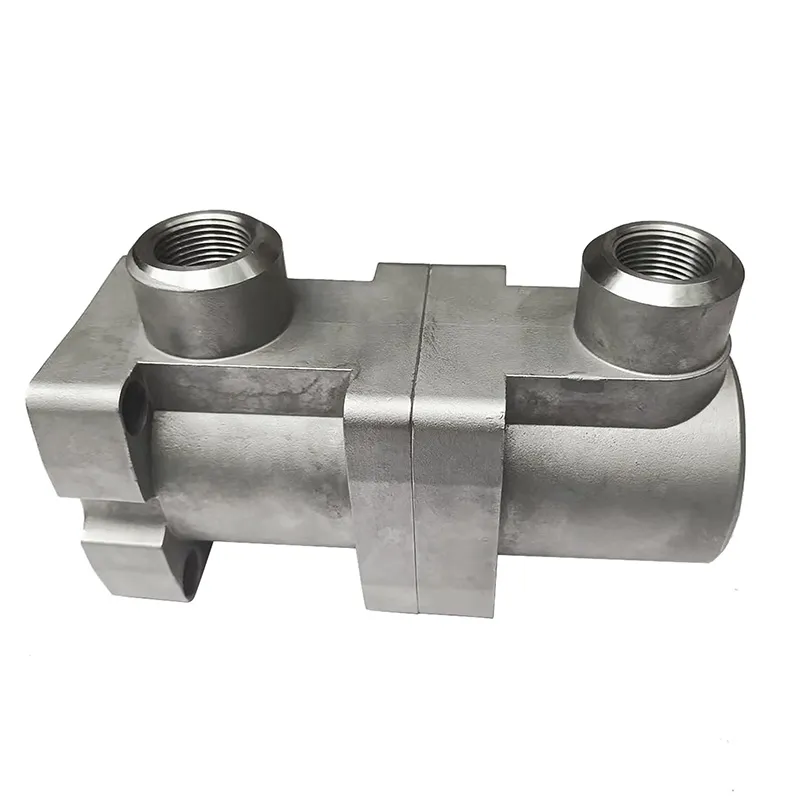
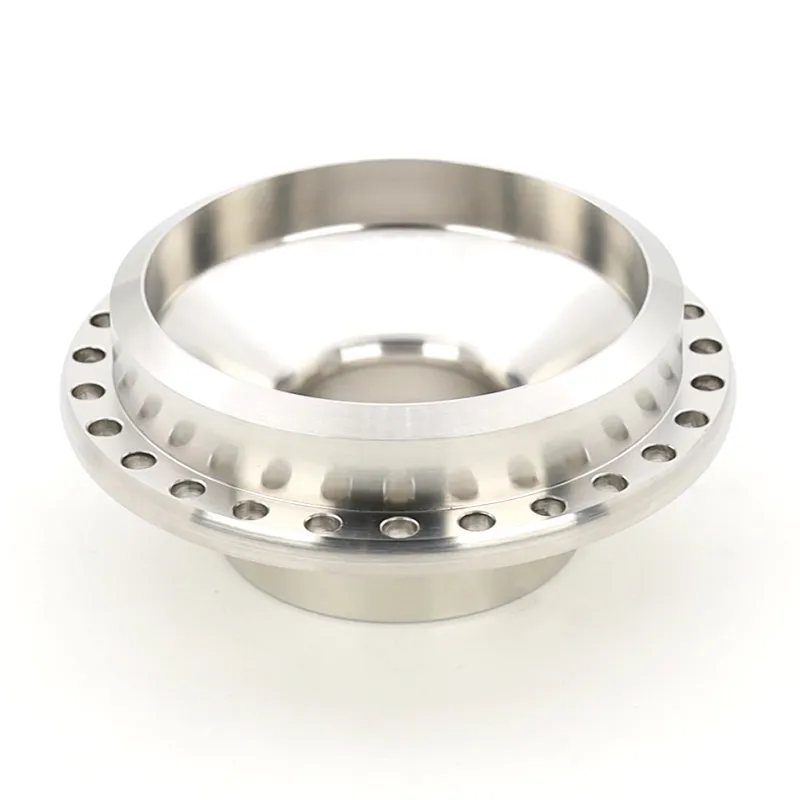
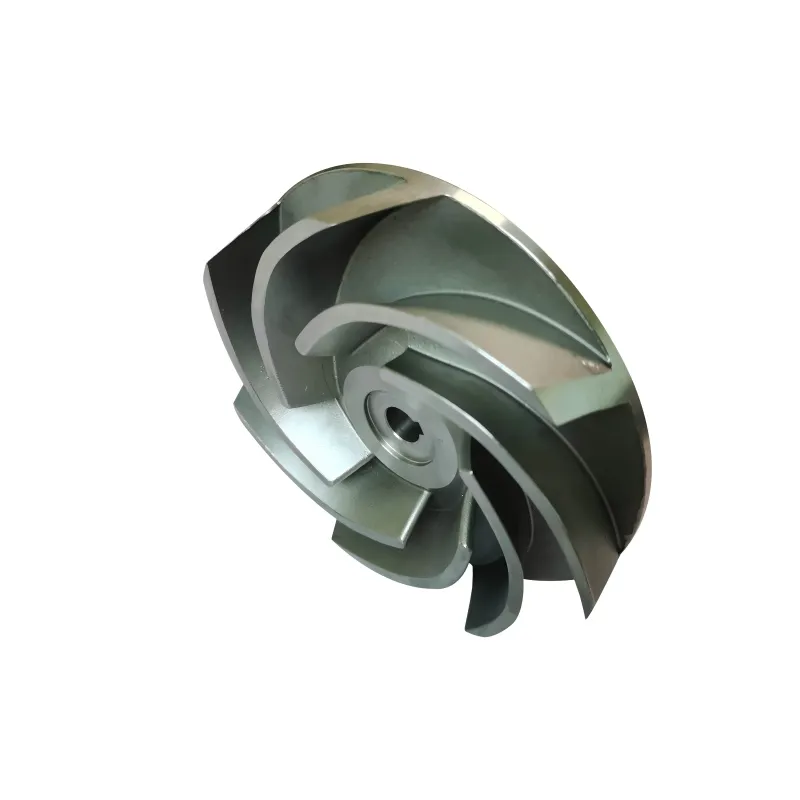
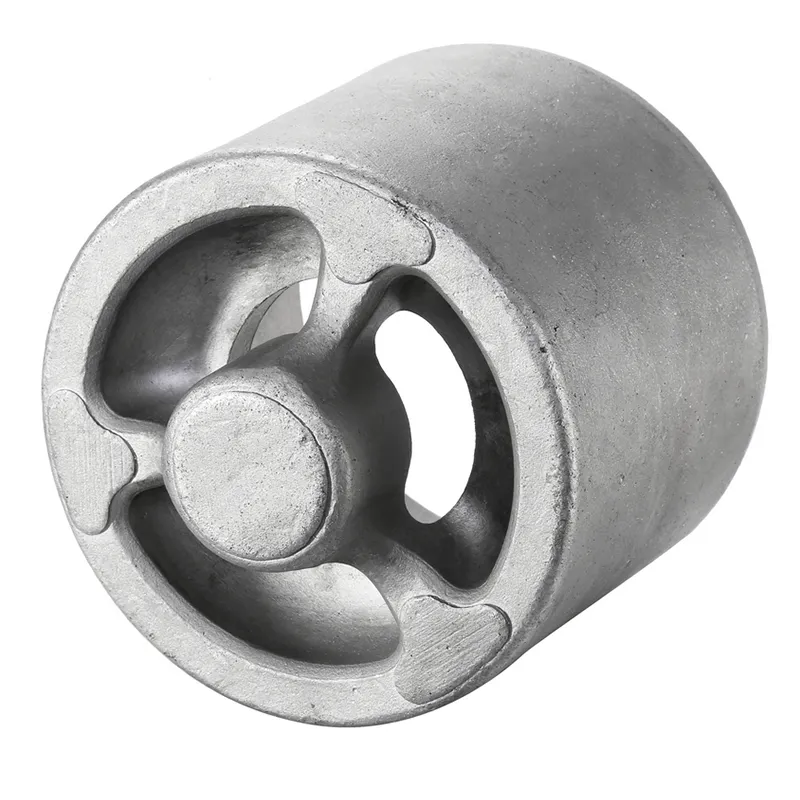
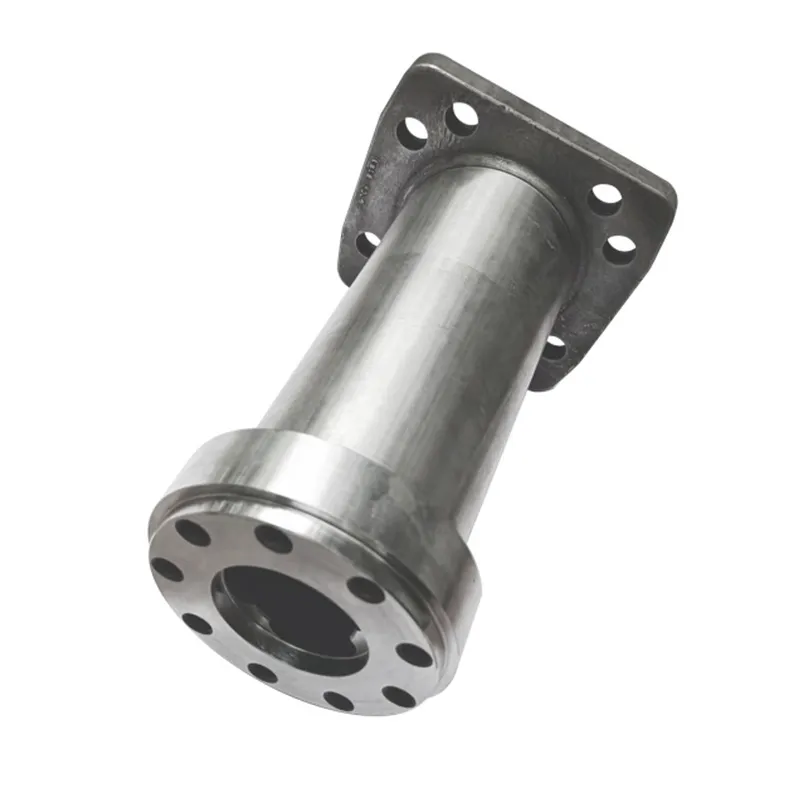
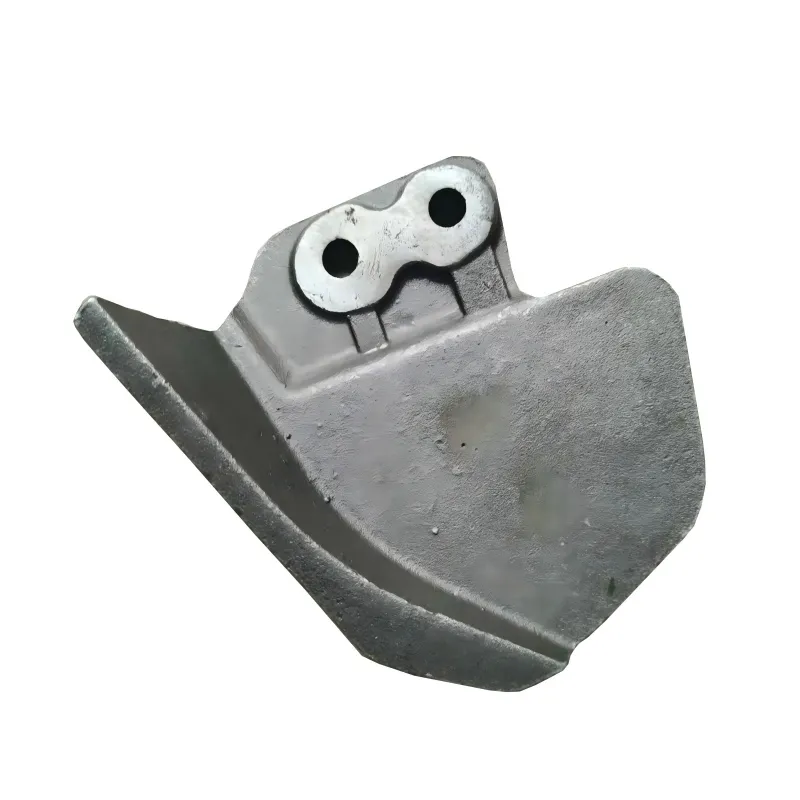
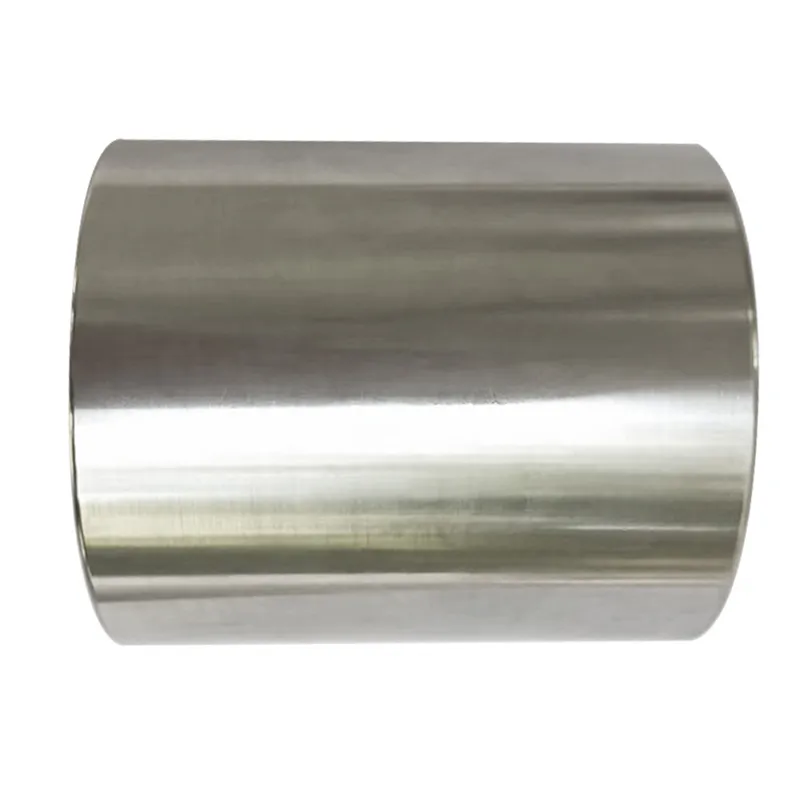
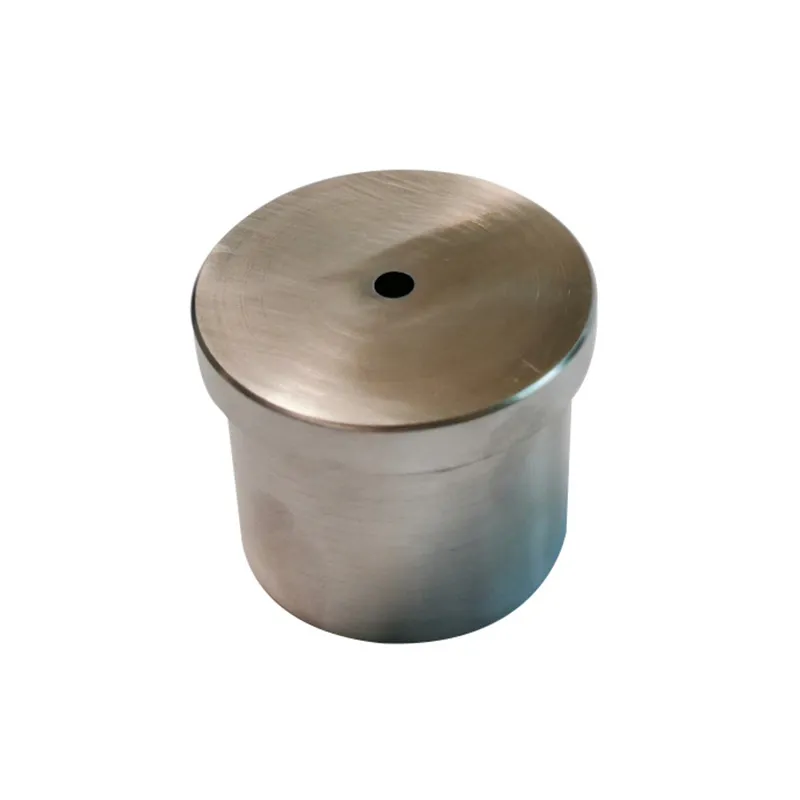
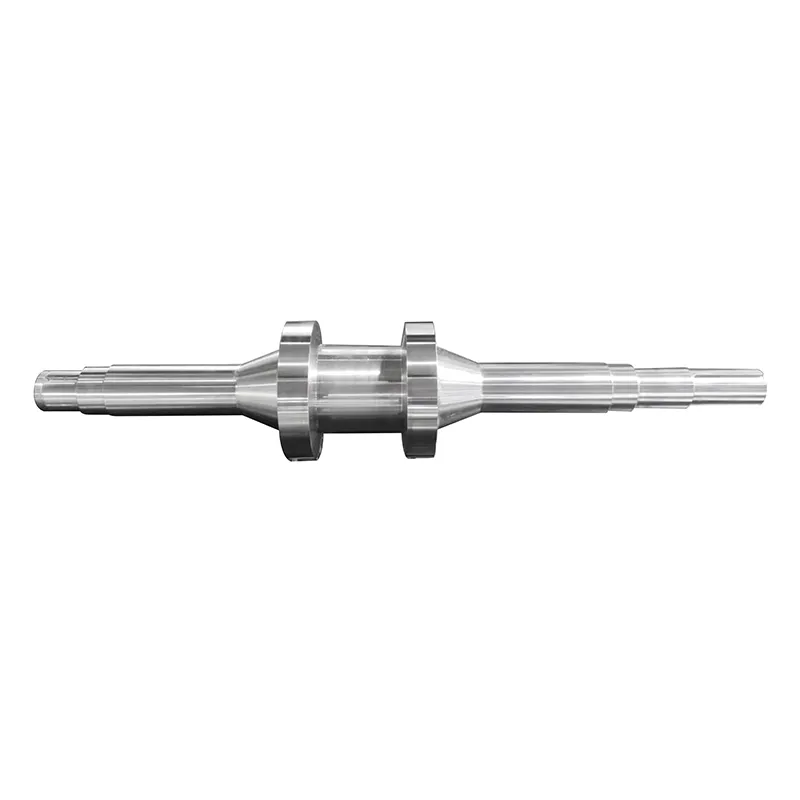
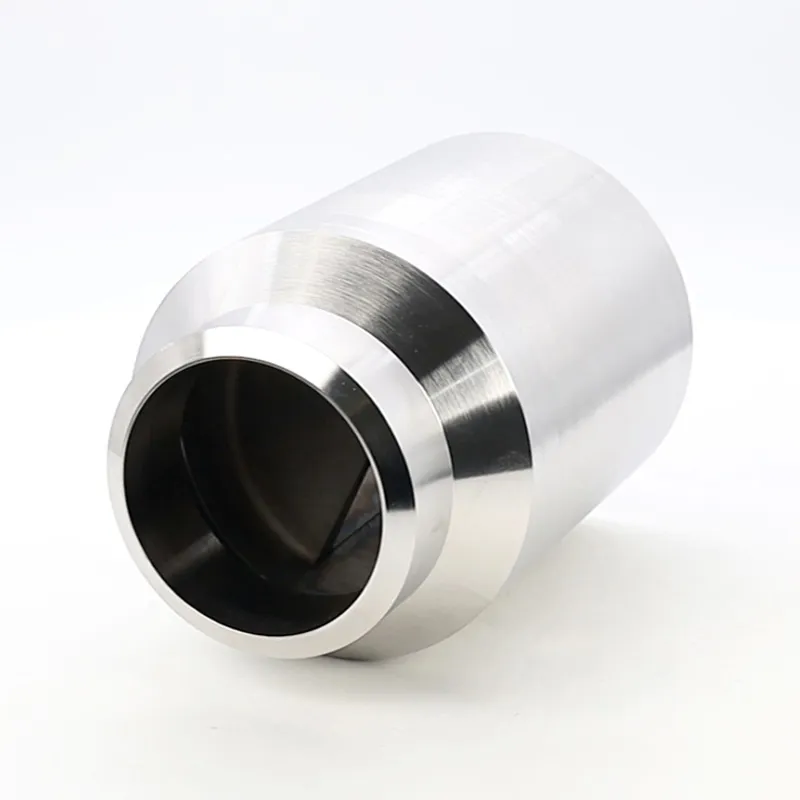
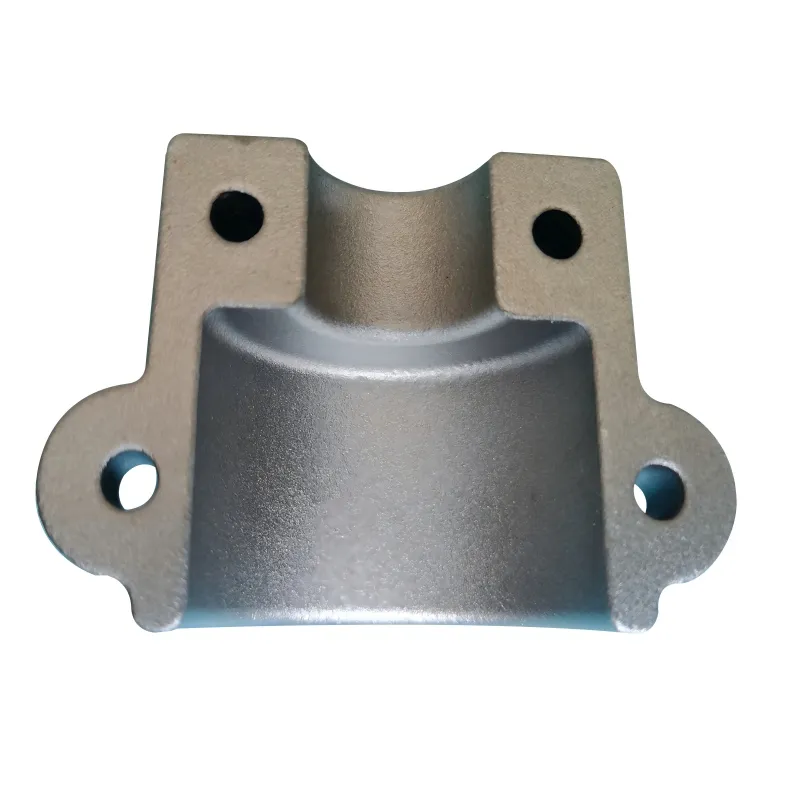
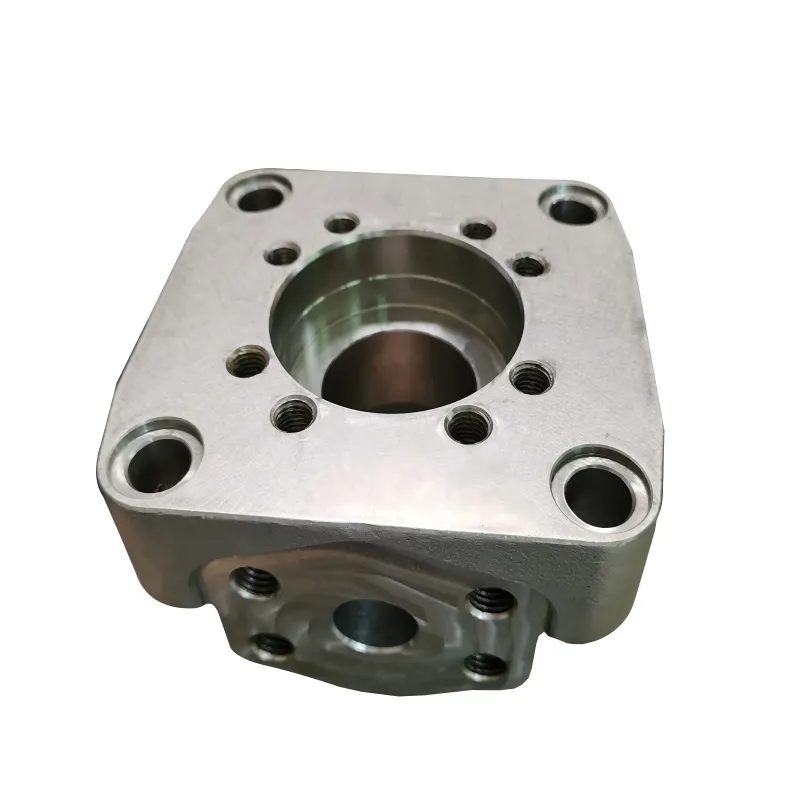
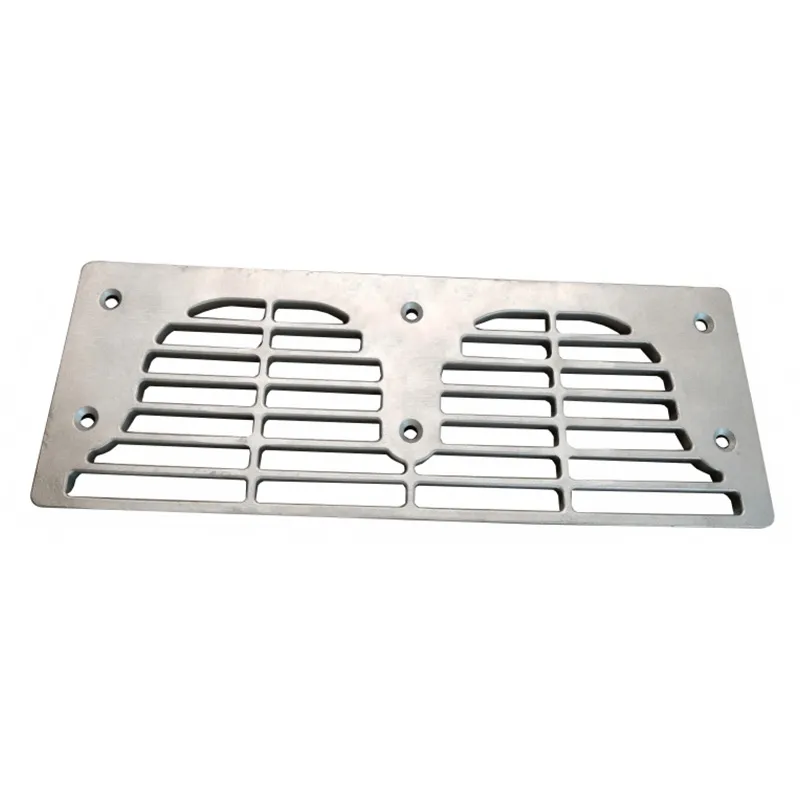
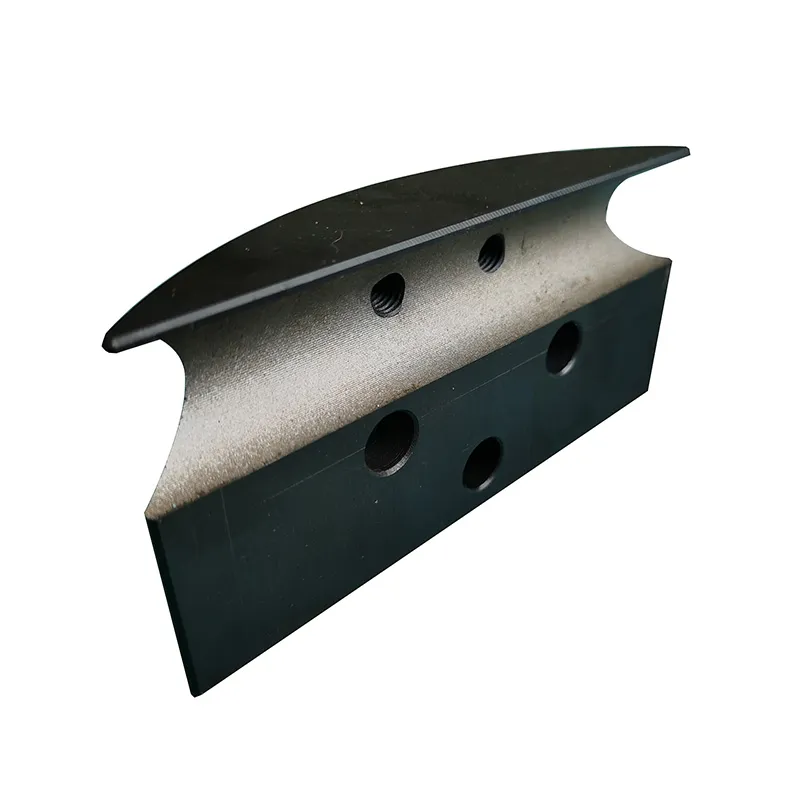
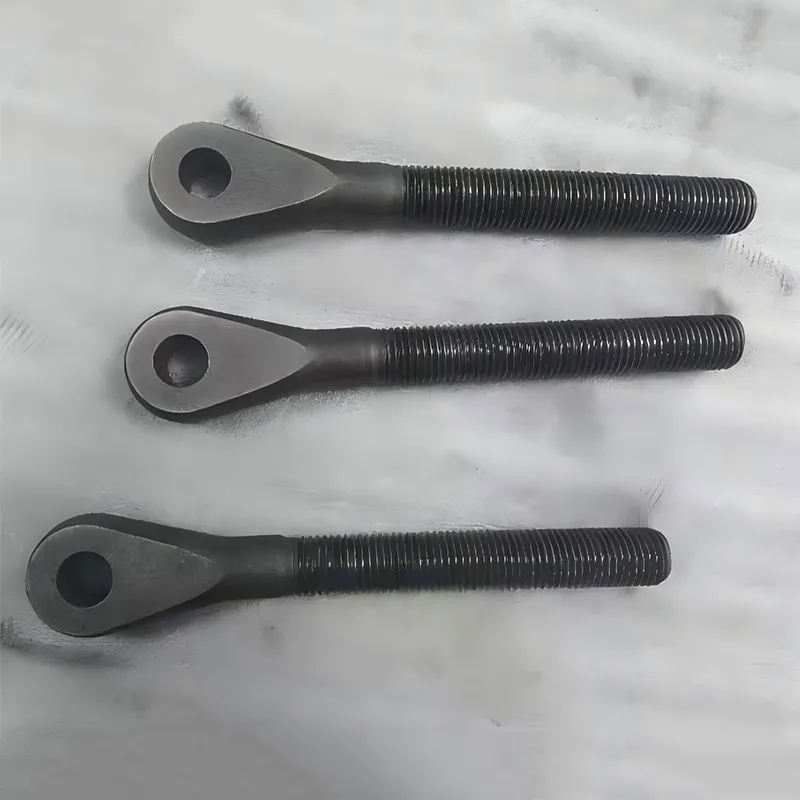
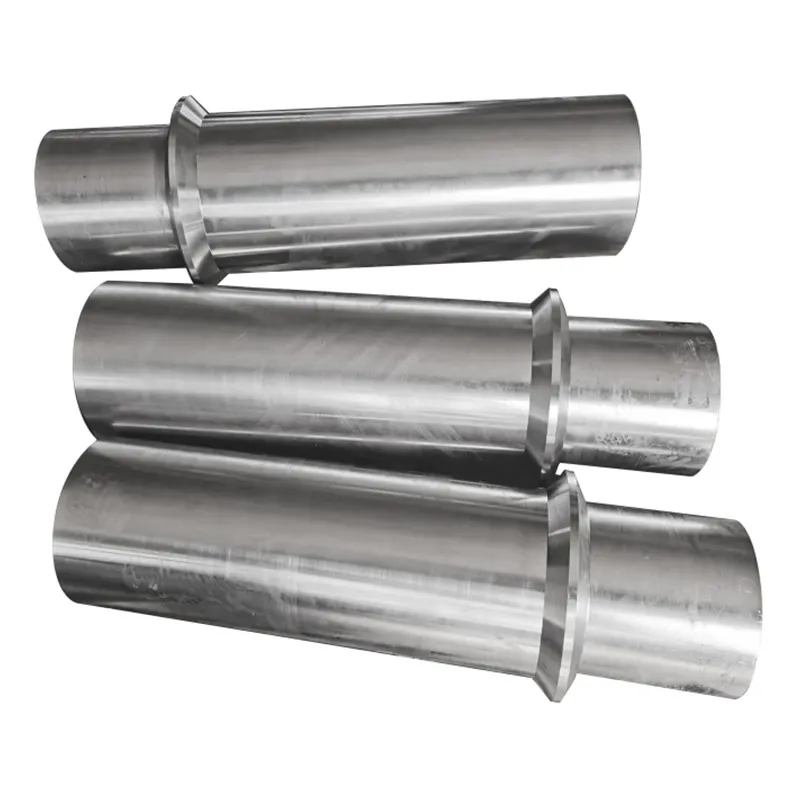
When most people hear 'stainless steel casting parts', they picture something shiny, heavy, and vaguely 'industrial'. That's the first misconception. The reality is far messier, more nuanced, and involves as much chemistry and thermodynamics as it does brute force metalworking. It's not just about pouring molten metal into a sand hole; it's about controlling a hundred variables to prevent a part from cracking under its own thermal stress or corroding in a specific chemical bath. The finish you see is the last 10% of the story; the first 90% is a battle against physics.
The Alloy Isn't the Recipe, It's the Starting Point
Clients often come with a spec sheet saying 316L and think that's that. But 316L from Mill A can behave differently than 316L from Mill B due to trace elements and melting practices. We learned this the hard way early on with a batch of pump housings. They passed all the standard certs but started showing micro-fissures in a high-chloride environment after six months. The alloy was 'correct', but the material history wasn't right for the application. Now, we spend as much time discussing the operating environment—pH, temperature cycles, abrasive media—as we do the drawing dimensions. The stainless steel casting parts for a marine fitting and a food processing valve might both be 316L, but their microstructural needs are worlds apart.
This is where long-term material partnerships matter. A company like Qingdao Qiangsenyuan Technology Co., Ltd. (QSY), with their three decades in casting and machining, likely has a deep, practical library of how different heats of stainless perform in their shell and investment molding processes. That institutional memory is something you can't download from a datasheet. They mention working with special alloys like nickel-based ones, which tells me they're used to dealing with the finicky solidification behavior of high-performance metals—stainless is just the entry point.
The pour itself is a critical window. You're watching for the flow, the way the metal fills the mold—too turbulent and you get oxide inclusions; too slow and you get cold shuts. For complex stainless steel casting parts with thin sections, we often use vacuum-assisted casting or tilt pouring to control that fill. It's not standard practice for every job, but it's a tool you need when the geometry demands it. The goal is a dense, homogeneous structure right from the start, because you can't machine out porosity.
Geometry Dictates the Process (Not the Other Way Around)
This is a fundamental rule. You don't choose between shell molding and investment casting because one is 'better'. You choose because the part tells you to. I recall a turbine blade component with internal cooling channels that were impossible to machine. The only way was investment casting—creating a ceramic core around which the metal is poured. The core removal afterwards is its own delicate operation. Shell molding, on the other hand, is fantastic for medium-complexity, larger-volume parts like valve bodies or pipe fittings. The surface finish is good, the dimensional tolerance is decent, and it's more economical for certain batch sizes.
QSY's listing of both shell mold and investment casting as specialities is telling. It means they (or their engineers) have the sense to route the project through the appropriate process. I've seen shops try to force a square peg into a round hole, using investment casting for a simple flange because it's what they have, blowing the budget. The smart foundry assesses the part, its required tolerances, surface finish (Ra value), and quantity, then recommends the path. Sometimes, for a very complex part, it's a hybrid—investment cast the tricky near-net-shape, then use their CNC machining capabilities to hit the final critical dimensions and threads.
Speaking of machining, that's the other half of the truth. A cast part is rarely ready to ship. Gating points need to be removed, surfaces machined to mate with other components, holes drilled and tapped. The integration of casting and CNC under one roof, as QSY has, is a massive advantage. It ensures the machinists understand the casting's potential flaws—like where shrinkage porosity might lurk—and can plan their cuts accordingly. It avoids the blame game between the foundry and the machine shop when a tool bit hits a hidden void.
The Hidden Cost: Non-Destructive Testing and Rework
Budgeting for a casting project often overlooks the inspection and rework phase. This is where the real quality is proven. Dye penetrant testing (PT) for surface cracks, radiographic testing (RT) for internal voids, pressure testing for sealed components—each adds cost and time. But skipping it is a gamble. We instituted a rule: for any stainless steel casting parts in a safety-critical or severe-service application, RT is non-negotiable, even if the client's spec doesn't explicitly call for it. It's saved us from several field failures.
Rework is another reality. A slight mismatch on a mold, a minor shift during solidification, and you might have a flange that's 0.5mm out of spec. Can it be saved by welding and re-machining? Sometimes, if you have a welder certified for the specific stainless grade and follow a strict post-weld heat treatment protocol to restore corrosion resistance. Other times, it's scrap. The yield rate is a key metric for any foundry. A high yield indicates good process control. When evaluating a supplier, asking about their typical yield rate for similar parts is more revealing than just asking for a price.
The Special Alloys Adjacent
Working with standard 304 or 316 stainless almost trains you for the jump to the superalloys QSY mentions, like nickel or cobalt-based ones. These metals are exponentially more difficult. They're viscous when molten, prone to hot tearing, and brutally hard on tooling during machining. The principles of controlled solidification and thermal management you learn from stainless are just amplified. If a foundry can handle those, it suggests their process controls for regular stainless are probably very tight. It's a good proxy for capability.
For instance, the gating and risering system—the channels that feed molten metal into the part cavity—for a nickel alloy casting is a work of thermal simulation art. You're not just filling a shape; you're directing heat to ensure the thickest sections solidify last to avoid shrinkage cavities. The same careful planning, just with higher stakes, applies to demanding stainless applications. It's all about heat management.
Final Thought: It's a Partnership, Not a Purchase
Ordering stainless steel casting parts isn't like buying off-the-shelf bolts. It's a technical collaboration. The most successful projects happen when the client shares the full context of the part's use, and the foundry provides feedback on design for manufacturability—suggesting subtle draft angles, recommending uniform wall thicknesses, advising on where to place parting lines. A foundry's experience, like the 30 years referenced by QSY, is essentially a huge database of what works and what doesn't in the real world.
The end product should be invisible. It shouldn't fail, it shouldn't corrode prematurely, it should just perform. That reliability is the true value of a well-made casting, far beyond the per-kilogram price of the stainless steel. It's the result of a thousand small, correct decisions from melt to shipment, most of which the end-user will never see—and that's exactly how it should be.