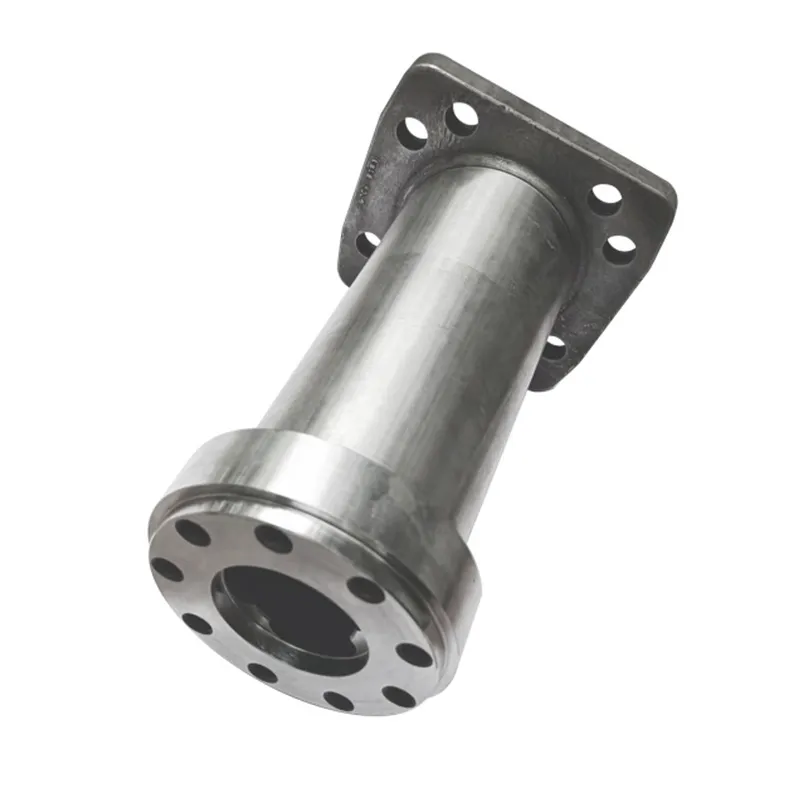
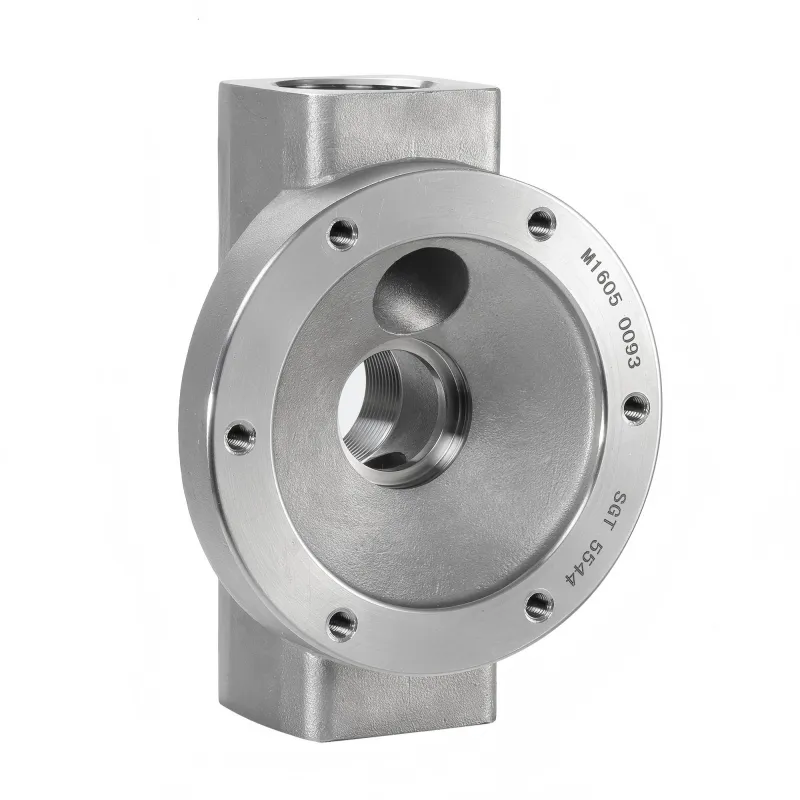
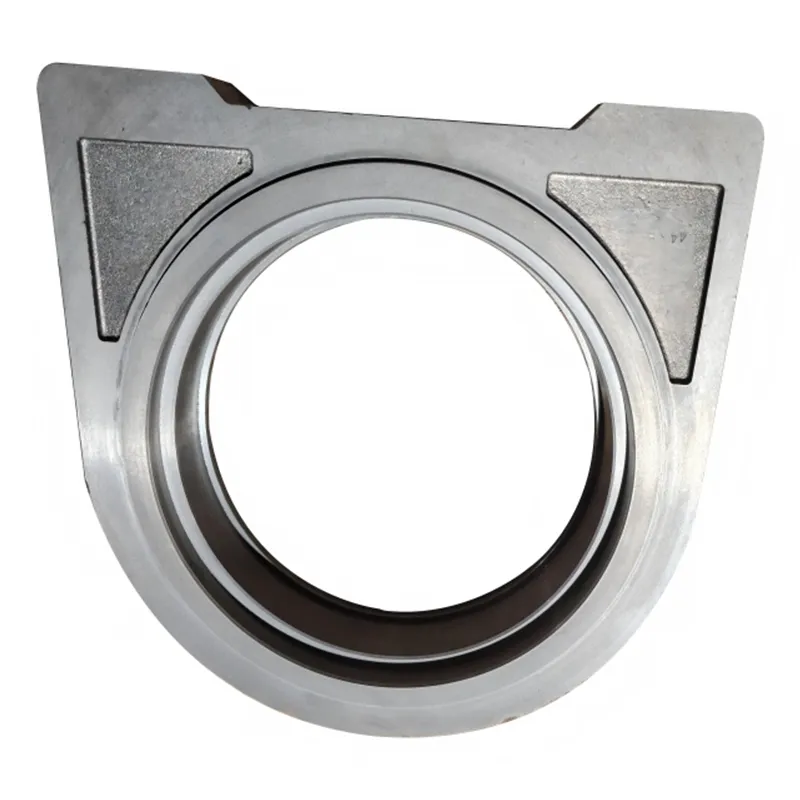
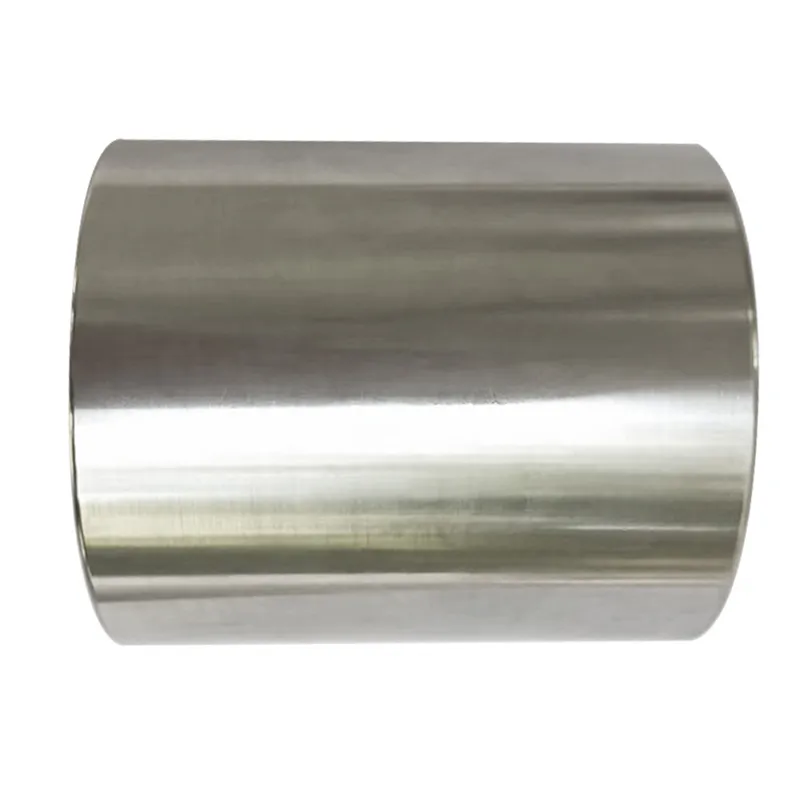
When you hear 'stainless steel castings for energy equipment', most minds jump to turbines or reactor vessels. That's the glossy brochure stuff. The reality, the part that keeps engineers up at night, is the stuff you don't see: the intricate manifolds buried in geothermal plants, the high-pressure valve bodies in subsea Christmas trees, the custom pump casings handling supercritical CO2. The gap between a specification on paper and a part that survives 25 years in the field is where the real work happens. It's not just about being 'stainless'; it's about understanding the specific corrosion cocktail it'll face—H2S, chlorides, high-temperature oxidation—and then navigating the casting process to get there without creating new weaknesses. A lot of projects fail not because the material grade was wrong, but because the foundry process introduced inconsistencies that only show up after a few thermal cycles. That's the nuance.
The Material Choice Isn't Just a Grade on a Datasheet
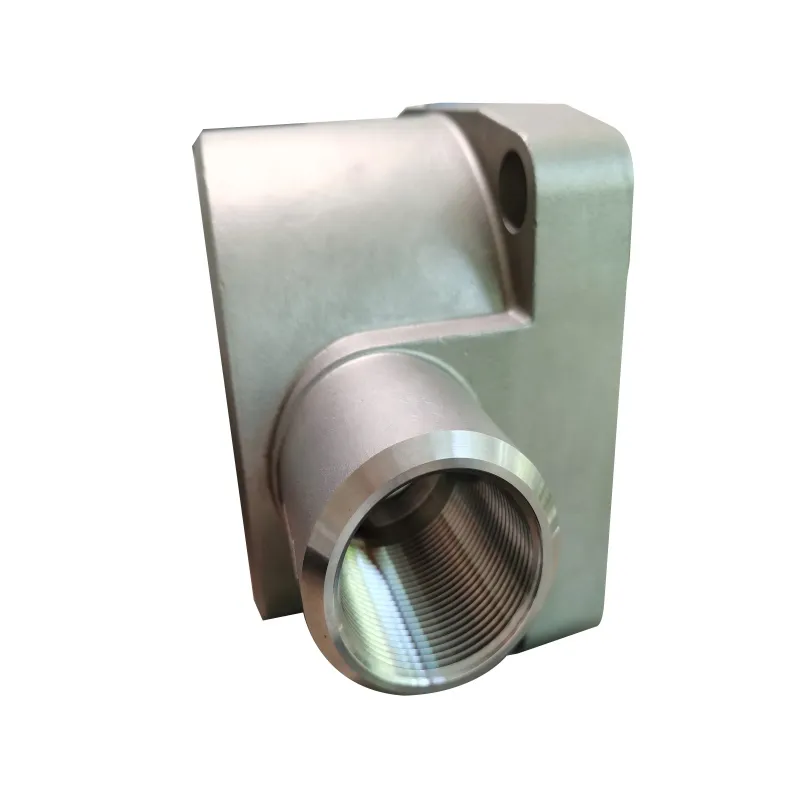
Take CF8M (the cast equivalent of 316 stainless). Everyone specifies it for seawater cooling systems. But if your investment casting process isn't tightly controlled, you risk delta ferrite issues or carbide precipitation in the heat-affected zones after welding. I've seen a batch of pump adapters fail premature stress corrosion cracking because the ferrite content was at the very edge of the spec. It passed the certs, but the real-world environment pushed it over the edge. The lesson? The ASTM standard is a starting point, not a guarantee. You need a foundry that understands metallurgy, not just molding.
This is where long-term players like Qingdao Qiangsenyuan Technology Co., Ltd.(QSY) have an edge. With over 30 years in shell and investment casting, they've likely poured almost every mishap into their process control. When you've been operating that long, you've seen what happens when a CF8M casting for a stainless steel castings for energy equipment application cools too slowly, or when the gating system for a complex super duplex part introduces turbulence. That institutional memory is irreplaceable. It's why their focus on stainless steel and special alloys like nickel-based ones makes sense—these are the materials where process flaws are catastrophic, not just cosmetic.
For geothermal energy components, the challenge shifts. It's often less about chlorides and more about a mix of sulfides, chlorides, and low pH at high temperature. A standard 304 might not cut it. We moved to a higher-grade austenitic with more nickel and molybdenum, but casting it cleanly—avoiding hot tears in the thick sections of a separator housing—was a nightmare. It took three iterations on the feeding and risering design with the foundry to get a sound casting. The CAD model was perfect; the solidification simulation was optimistic. Reality in the foundry yard dictated the final design.
Why Process Dictates Performance: Shell vs. Investment
Shell mold casting is fantastic for larger, relatively simpler forms—think valve bodies or flanges for energy equipment. It gives a decent surface finish and is cost-effective. But for the real intricate work—the internally cooled turbine nozzles, the impellers with twisted vanes—you're in investment casting territory. The dimensional accuracy and surface integrity are just different. The problem is, many buyers see 'stainless steel casting' and shop on price per kilo, not on the process capability needed for the part's function.
I recall a project for a syngas compressor part. The geometry demanded investment casting. One supplier quoted using a hybrid shell process to save cost. The parts looked okay initially, but during HIP (Hot Isostatic Pressing), micro-porosity that would have been eliminated in a proper investment process linked up, causing a leak path. Total loss. The cost saving was obliterated ten times over. The website tsingtaocnc.com shows QSY does both, which is smart. It means they can recommend the right process based on the drawing, not just what's convenient for their shop floor. That objectivity is crucial.
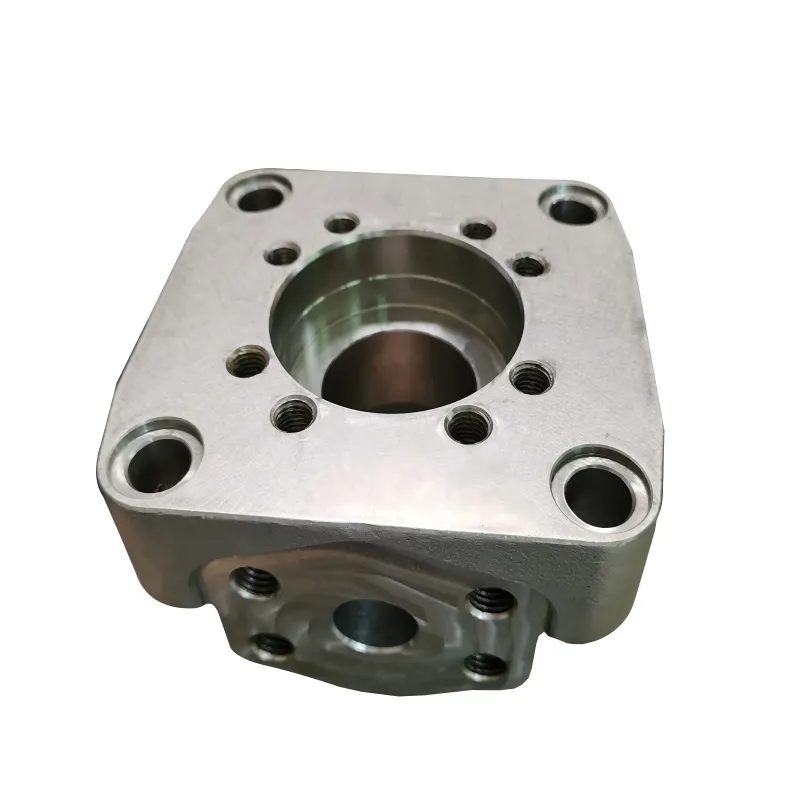
The post-casting steps are where the 'technology' in their company name, Qiangsenyuan Technology, really matters. A casting is a rough embryo. For a hydraulic actuator body in a tidal energy system, the internal passages need a mirror-like finish to prevent turbulence and cavitation. That's where their CNC machining integration comes in. Having machining under the same roof as the foundry lets them design the casting with machining datums and stock allowances in mind from day one. It eliminates the blame game between the foundry and the machine shop when a tolerance stack-up occurs.
The Alloy Frontier: Beyond Standard Stainless
As energy systems push extremes, standard 300-series stainless often hits its limits. That's where the special alloys come in. Nickel-based alloys like Inconel 625 for high-temperature exhaust manifolds, or cobalt-based alloys for severe wear and galling situations in valve trim. Casting these is a different beast. The metal is viscous, it's prone to segregation, and the heat treatment is critical.
We experimented with a proprietary nickel-chromium alloy for a component in a concentrated solar power (CSP) system. The thermal cycling was brutal—room temperature to 800°C daily. The alloy was right, but the initial investment casting shells reacted with the metal at those temperatures, creating a friable surface layer. The solution, which a good foundry develops through trial and error, was a different primary slurry formulation for the shell. It's these minute, unglamorous process details that separate a functional part from a reliable one.
This is the value of a partner with a broad material portfolio, as indicated in QSY's focus. They're not just set up for one alloy family. The furnaces, the molding materials, the heat treatment protocols—they have to be adaptable. When you're sourcing a critical stainless steel castings for energy equipment component, you want that adaptability. You don't want to be the guinea pig for a foundry's first attempt at a super duplex grade.
Failure as a Forcing Function for Control
Every foundry has stories of the one that got away. A personal one: a set of ASTM A351 CK3MCuN (super duplex) castings for a seawater injection pump. They passed all the PMI (Positive Material Identification), mechanical tests, and ferrite scans. But in service, they cracked within months. The root cause? Intermetallic phase precipitation in a thick section that cooled just a fraction too slowly during solution annealing. The test coupons, taken from a standard location, were fine. The problem was hidden in the body.
That failure forced a change in how we qualified foundries. Now it's not just about certs. It's about auditing their process control logs for every heat: pouring temperature, mold temperature, cooling rate curves, solution annealing soak time and quench rate. A foundry that has been through this, like a 30-year-old operation, will have these controls embedded because they've been burned before. They understand that for energy equipment, a casting isn't just a commodity; it's a liability if it fails.
The response to failure is telling. A good partner will dive into the metallurgy, section the part, do SEM analysis, and revise their process sheets. A transactional supplier will blame the material cert or the operating conditions. The former turns a loss into a long-term capability.
The Integration Payoff: From CAD to Commissioning
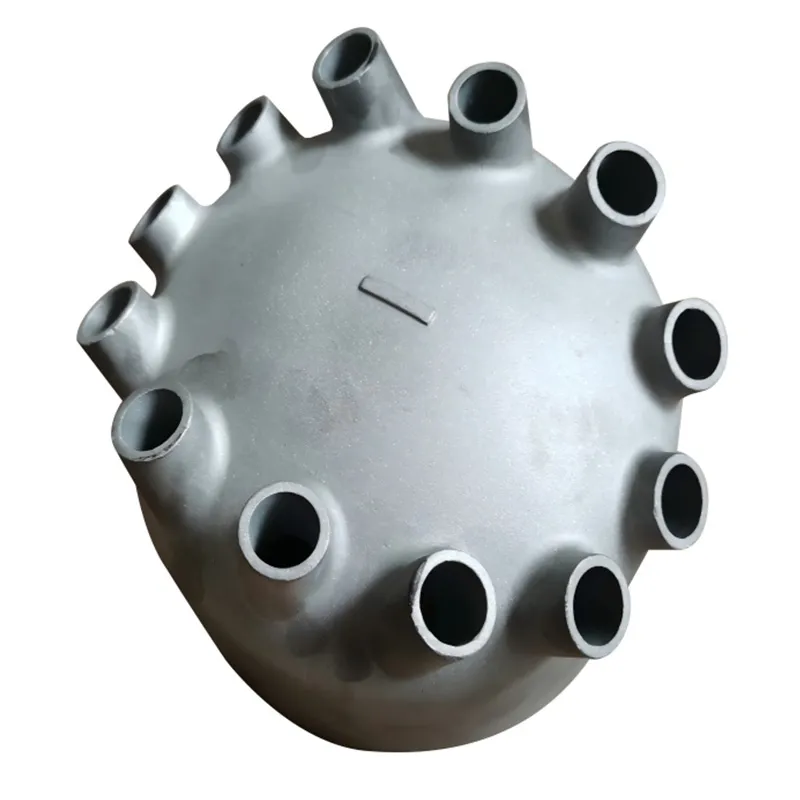
The final, often overlooked, piece is the seamless handoff from casting to finished part. For a complex manifold that needs multiple bore machining, threading, and non-destructive testing (NDT), shipping a raw casting to a third-party machine shop introduces risk and time. Dimensional errors get discovered weeks later, with finger-pointing all around.
Having integrated CNC machining, as QSY does, collapses this timeline. More importantly, it allows for concurrent engineering. The foundry can advise on adding slight drafts or radii to improve castability without affecting function. The machinists can advise on adding machining allowances in non-critical areas to ensure all critical faces clean up. This back-and-forth during the design stage is where major quality and cost wins are found. It turns a procurement exercise into a development partnership.
For the end user in the energy sector—whether it's for oil & gas, nuclear, or renewables—this is what matters. You're not just buying a stainless steel casting. You're buying a geometrically precise, metallurgically sound, fully finished component that you can bolt into your system with confidence. The fact that it started as a molten pour in a foundry in Qingdao becomes irrelevant. What matters is that it works, silently, for decades, in some of the harshest environments on earth. That's the ultimate goal, and it's only achieved through the messy, iterative, experience-driven grind of specialized manufacturing.