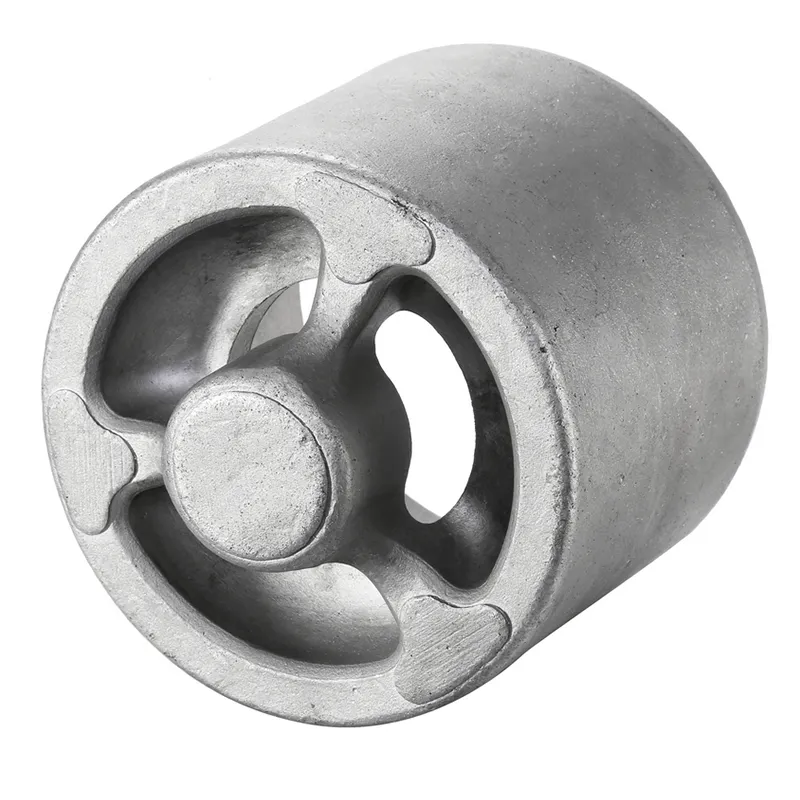
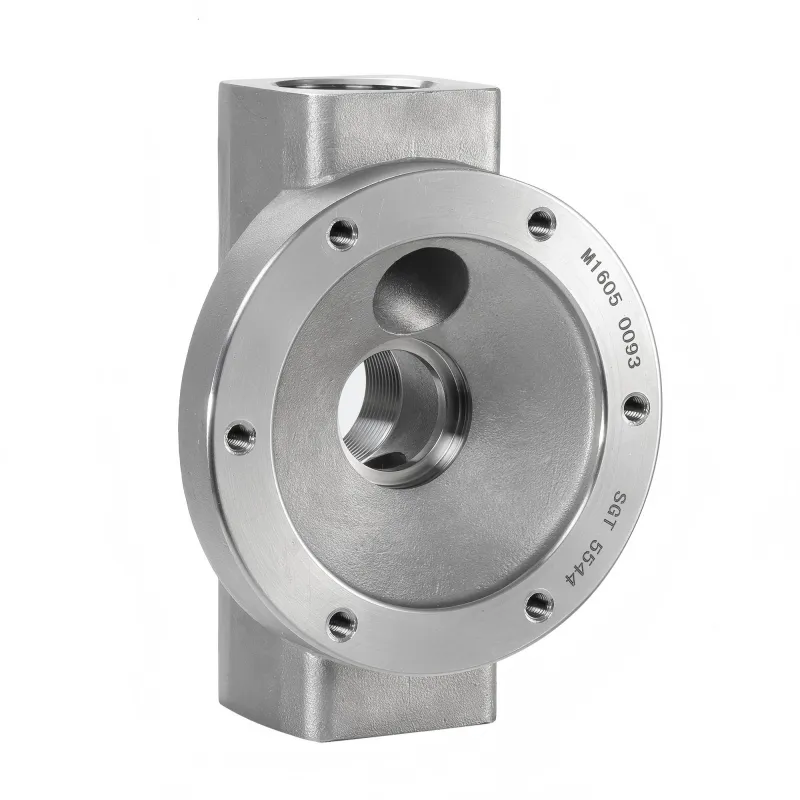
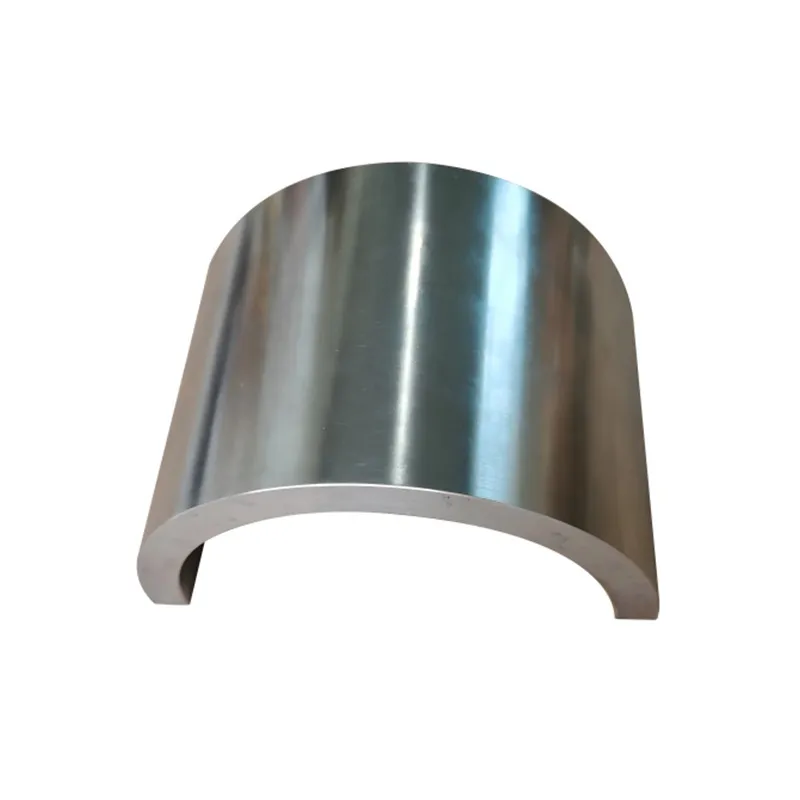
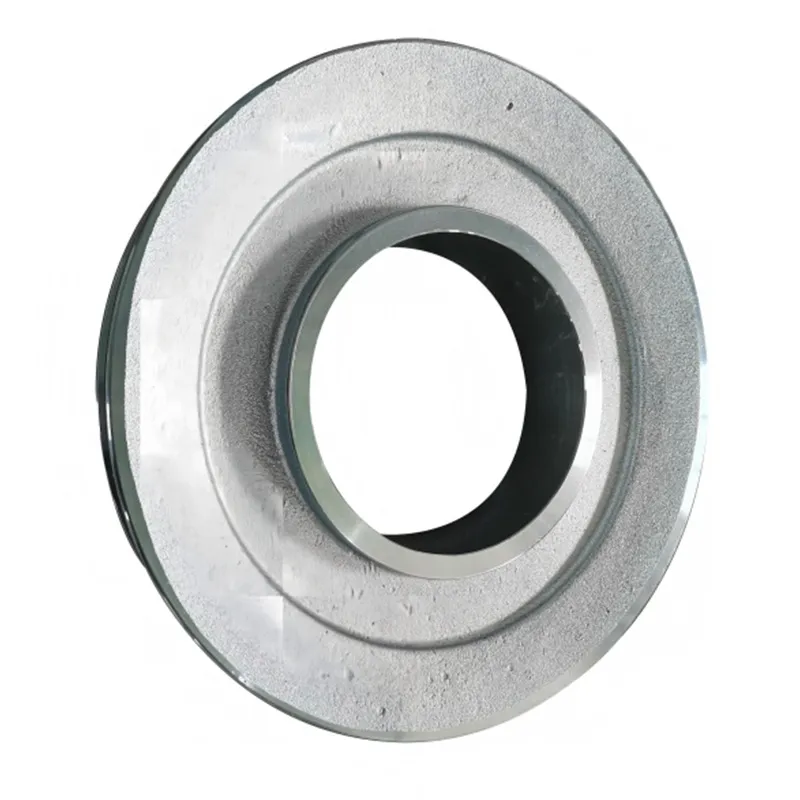
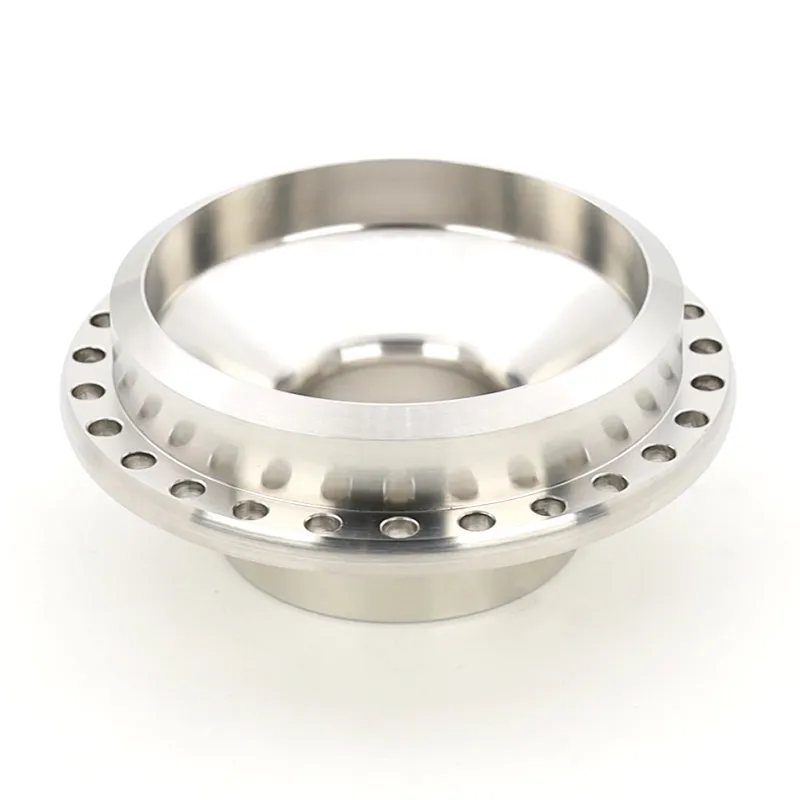
When you say 'stainless steel flange', most procurement guys think of a commodity item. Check the ASTM A182 standard, match the pressure rating, place the order. Done. But that's where the first disconnect happens. The spec sheet tells you what it should be, not what it is after it's been machined, or worse, after it's been in service for six months in a chloride-rich environment. The real understanding starts when you've seen a 316L flange, supposedly perfect on paper, develop stress corrosion cracking on the bolt holes because the machining shop used the same tooling they used for carbon steel, introducing contamination. That's the gap no PDF can fill.
The Material Myth and Machining Reality
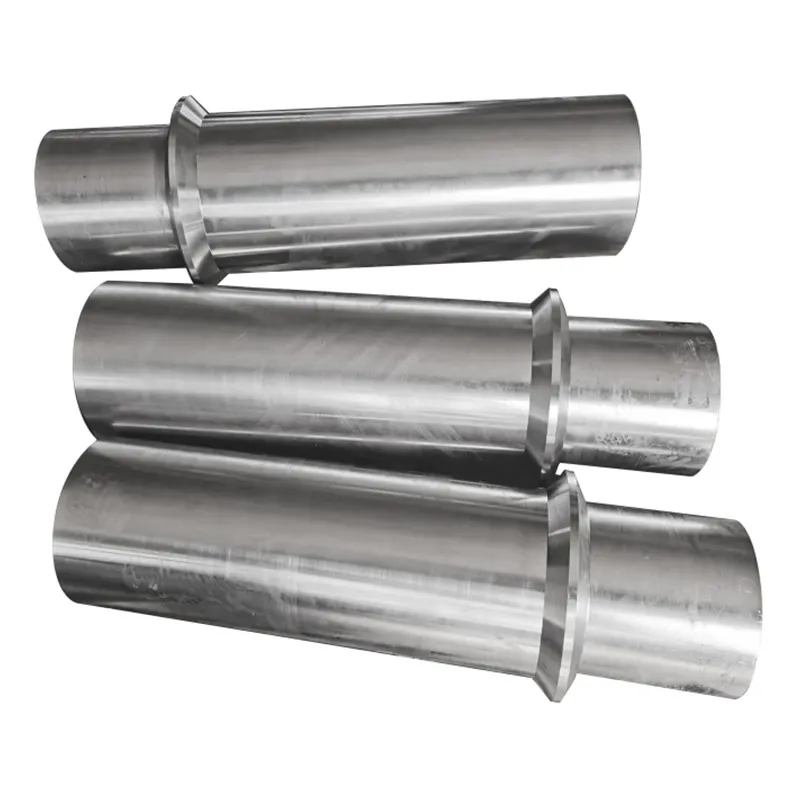
Let's talk grades. 304, 316, 316L, 904L, Duplex 2205. Everyone throws these numbers around. The common pitfall is assuming 316 is just 'better' than 304. It's more corrosion-resistant, yes, but it's also trickier to machine. It work-hardens like crazy. I've seen inexperienced machinists ruin a batch of forged stainless steel flange blanks because they used the wrong feed rate, creating a hardened surface layer that made subsequent gasket seating face finishing impossible. The part was dimensionally perfect, yet functionally scrap.
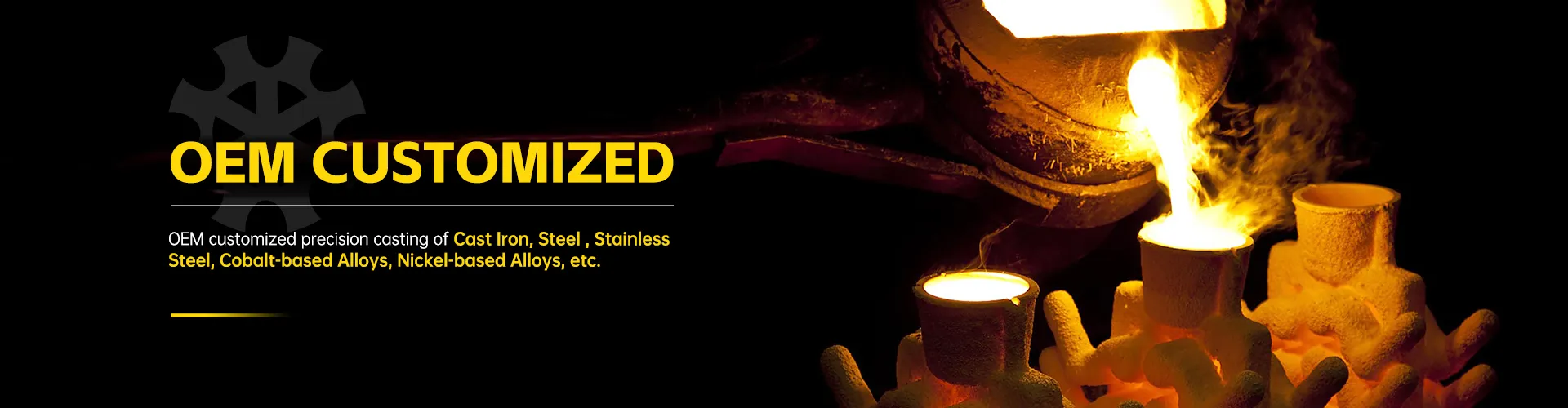
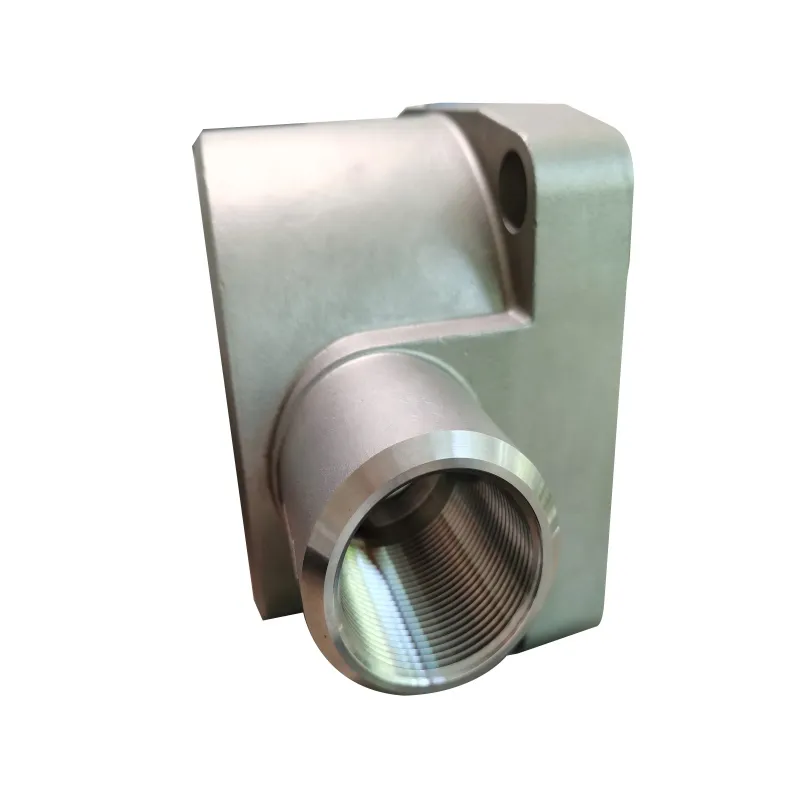
This is where partnering with a foundry that also handles machining in-house, like QSY over at tsingtaocnc.com, makes a tangible difference. They've been at this for three decades, so their process isn't siloed. The guy running the CNC knows the grain structure coming from their own investment casting or shell mold process. He knows that for a critical high-pressure flange, you might need to adjust the machining sequence for a Duplex alloy versus a standard 316L to maintain the phase balance and corrosion properties. That's tacit knowledge you don't get from a job shop that just buys raw bar stock.
I recall a project for a seawater cooling line. The spec was ASTM A182 F316L. We sourced flanges from a generic supplier. They passed all MTR checks. Yet, within a year, we had pitting on the raised face. The failure analysis pointed to microscopic inclusions—traces of free iron—likely embedded during final polishing. The supplier's process wasn't controlled for cross-contamination. It was a painful lesson that the material's pedigree is only as good as the last process it went through.
Connection Integrity: It's in the Details
The flange face finish. RF, FF, RTJ. The ASME B16.5 standard gives you a range for Ra (roughness average) on a raised face, typically 125 to 250 μin Ra. But hitting a number isn't the goal. The goal is creating a sealing surface that doesn't gall under bolt torque and allows the gasket to flow properly. Too smooth, and you risk slippage; too rough, and you chew up soft gaskets. I've had to use a portable profilometer on-site to prove to a client that their leakage issue stemmed from a mirror-finish face that was out of spec, not from our gasket.
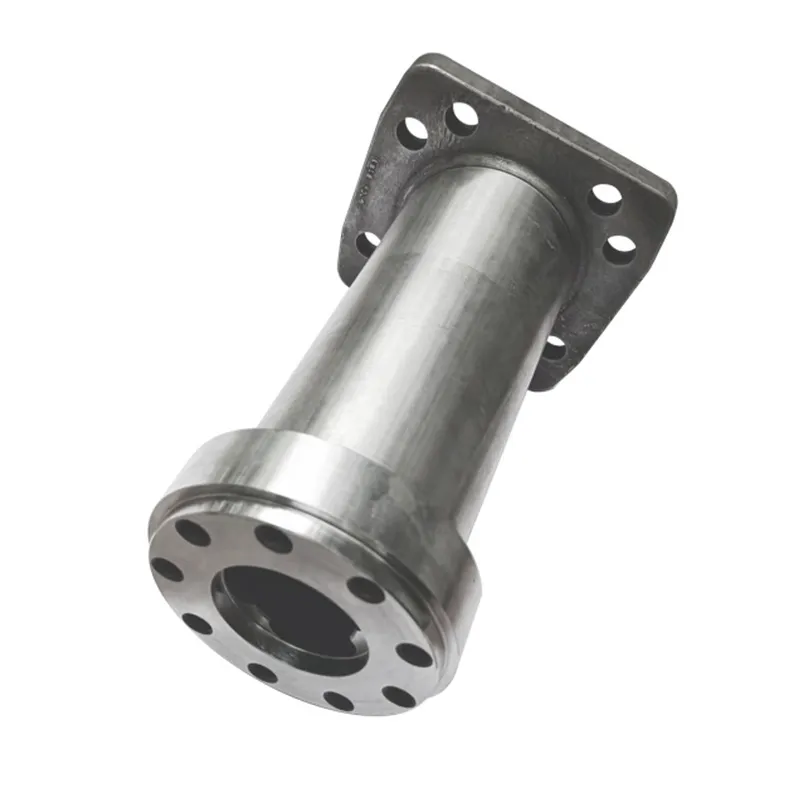
Bolt hole alignment. Sounds trivial, right? But with larger diameters, say a 24-inch Class 150 stainless steel flange, thermal expansion and machining tolerance stacking can bite you. If the bolt holes are drilled with the flange lying flat, but it's welded into a vertical pipe run, the weight can cause slight distortion. You end up with bolts that won't slide in freely. The fix? Sometimes it's specifying that bolt holes are finish-bored after the welding pad is attached, or at least ensuring the fabricator uses a jig that simulates the installed orientation. It's these little process controls that separate a smooth installation from a field rework nightmare.
Then there's the weld neck versus slip-on debate. For dynamic loads or high temperatures, weld neck is king. The tapered hub transition distributes stress. But I've seen slip-on flanges specified for cost savings on a steam line, only to have the fillet weld at the hub-to-pipe junction crack from thermal cycling. The initial cost saving was wiped out ten times over by the shutdown and repair. The choice isn't just about pressure rating; it's about the system's personality—how it heats up, cools down, vibrates.
Casting vs. Forging: A Contextual Choice
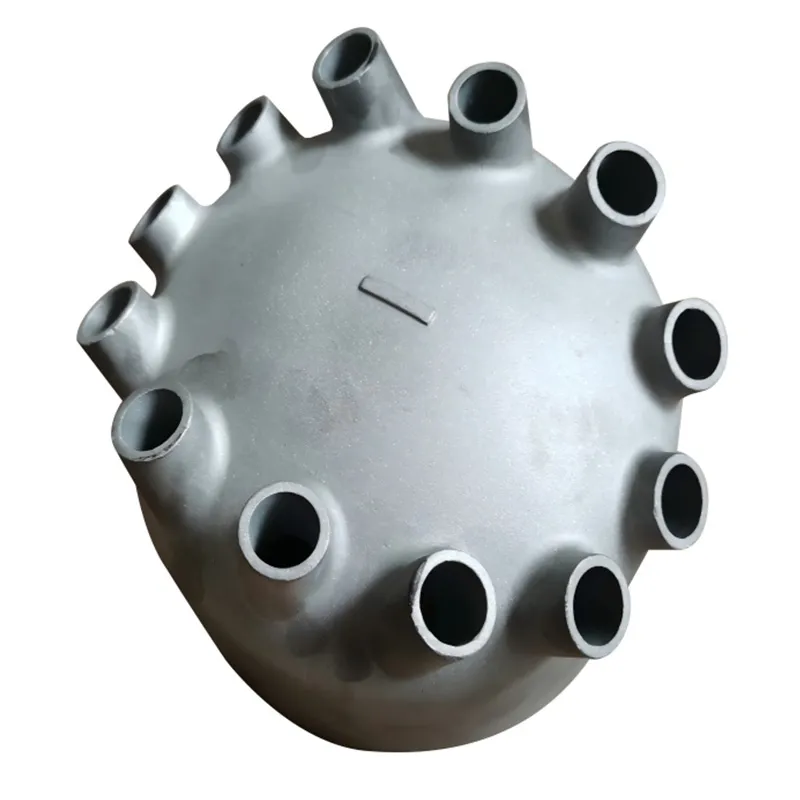
The industry default for critical service is forged flanges. Better grain flow, higher strength, fewer potential defects. It's the safe choice. But for complex, low-volume, or large-size configurations, high-quality casting is a viable and often more economical path. The key is 'high-quality'. A shell mold casting from a specialist like Qingdao Qiangsenyuan Technology Co., Ltd.(QSY) can achieve densities and mechanical properties that meet forged standards for many applications, especially when you're dealing with exotic nickel-based alloys that are a nightmare to forge in small quantities.
We used some investment-cast 310S stainless flanges for a high-temperature furnace application a while back. The geometry had an integral heat shield lip that would have been prohibitively expensive to machine from a forging. The casting, followed by precise CNC machining of the sealing surfaces and bolt holes, was perfect. The lesson here is not to dismiss casting outright. It's about knowing the foundry's capability. Their 30-year history in shell mold and investment casting, as noted on their site, suggests they've ironed out the shrinkage and porosity issues that give castings a bad name.
Where I'd still insist on forging is for severe cyclic loading. Think compressor knock-out drums or high-pressure reciprocating pump headers. The isotropy of a forged part provides a margin of safety that's hard to argue with. But even then, the forging needs proper heat treatment. A F51 Duplex flange that isn't solution-annealed and quenched correctly will have compromised corrosion resistance, regardless of how it was formed.
The Supply Chain Pragmatism
Lead times. Everyone wants everything yesterday. A forged stainless flange from a major mill can have a 20-week lead time. That's where a flexible manufacturer with integrated processes can shortcut. If they have the capability to produce the flange body via casting and then machine it all under one roof, as QSY does, you can sometimes shave weeks off the schedule. It's not about cutting corners; it's about process integration eliminating queue times between different vendors.
Traceability is non-negotiable. Heat numbers, PMI (Positive Material Identification) reports, inspection certificates. But beyond the paperwork, there's physical traceability. I appreciate suppliers who, as a matter of course, lightly etch the material grade and heat number onto the flange hub. It's a small thing, but when you're doing an audit ten years later, that permanent mark is worth more than a filed-away PDF. It shows a mindset that understands the product's lifecycle.
Finally, the 'fit' with the fabricator. Sending a perfect, precision-machined stainless steel flange to a pipe spool fabricator who clamps it in a carbon steel vise or uses an abrasive wheel on the face is a recipe for heartbreak. Sometimes, the most valuable service a flange supplier provides is basic education—shipping parts with protective coatings on the faces, including handling instructions, even offering on-site training. It turns a transaction into a partnership that actually ensures the component performs as designed.
Wrapping It Up: The Unseen Factors
So, what are you really buying? You're not buying a hunk of shaped stainless steel. You're buying dimensional integrity, metallurgical consistency, surface condition, and ultimately, a guarantee of connection integrity under specific service conditions. The price differential between vendors often boils down to how much assurance is baked into that price. The cheaper option hasn't necessarily cut corners on material; they may have cut corners on process controls, inspection steps, or handling.
Looking back at failures, they're rarely due to a gross miscalculation of pressure. They're due to the accumulation of small deviations: a slightly off-chemical composition that lowers CREP resistance, a machining burr that cuts a gasket, a contaminated surface that initiates pitting. Controlling these deviations is what you pay for.
It brings me back to integrated manufacturers. When the same entity controls the process from molding or casting through to the final CNC pass, there's a direct line of accountability. The feedback loop is short. If a machining issue is traced back to a casting anomaly, that lesson feeds directly back into the foundry. That's the kind of closed-loop quality system that, over 30 years, builds the expertise to make a simple stainless steel flange reliably uneventful. And in this business, uneventful is the highest compliment.