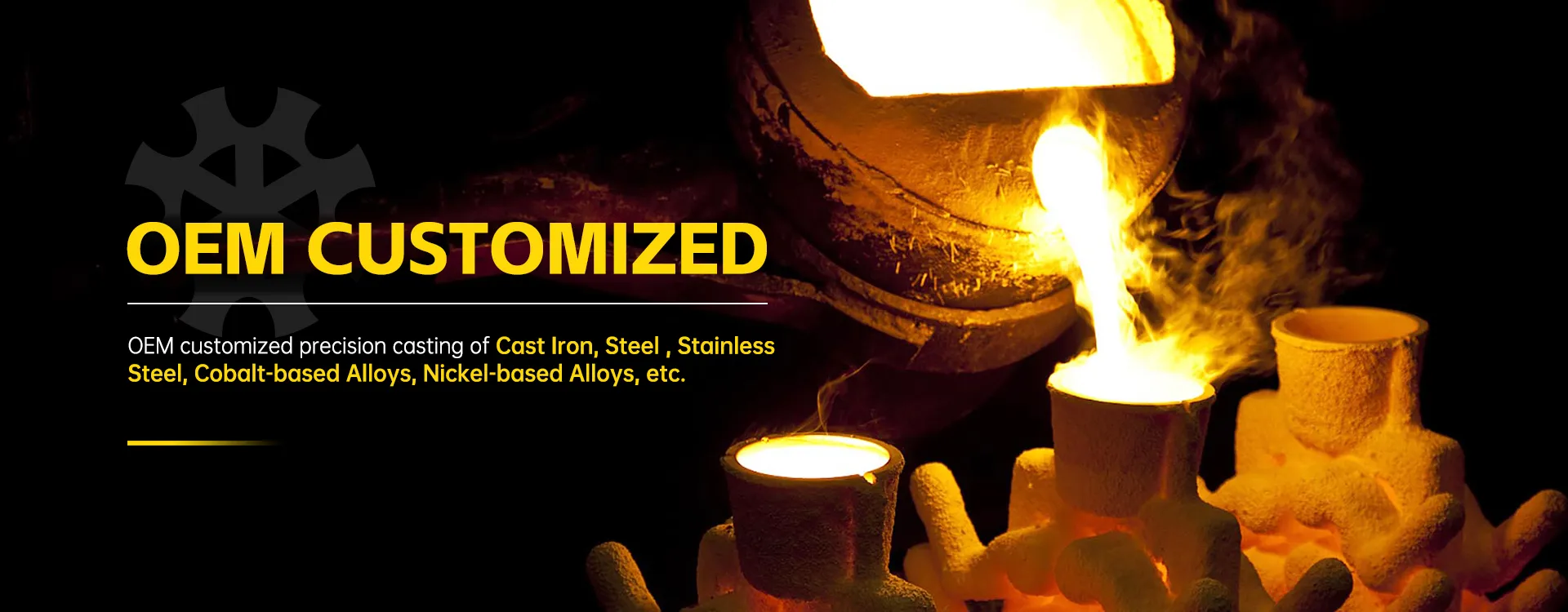
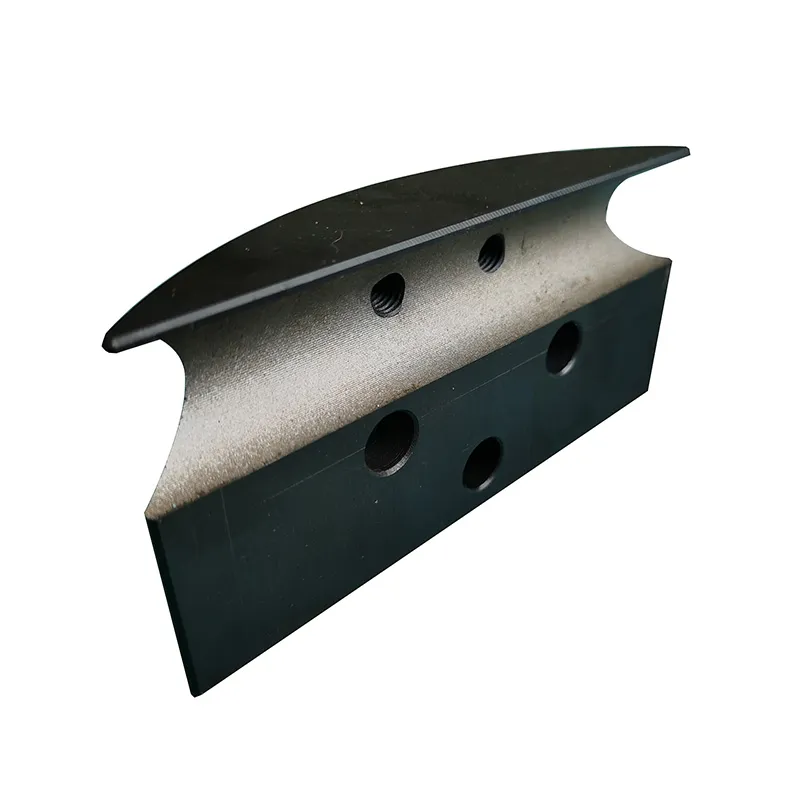
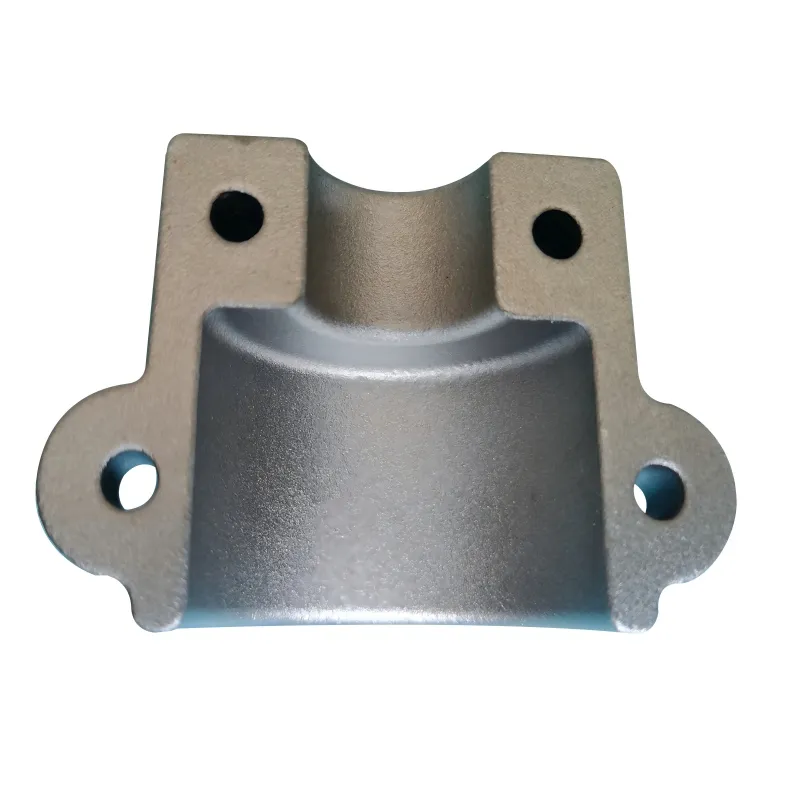
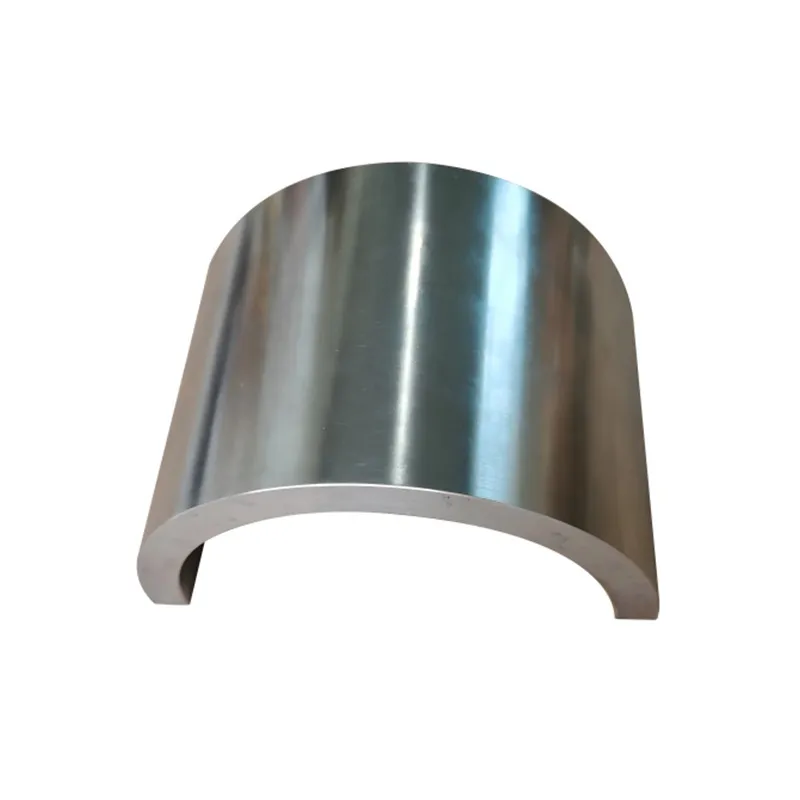
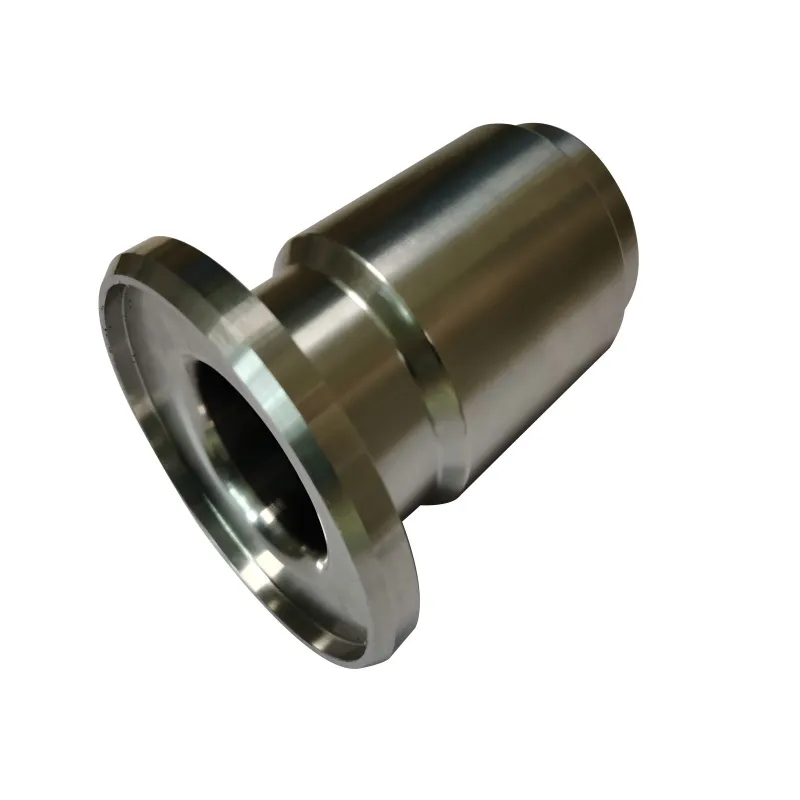
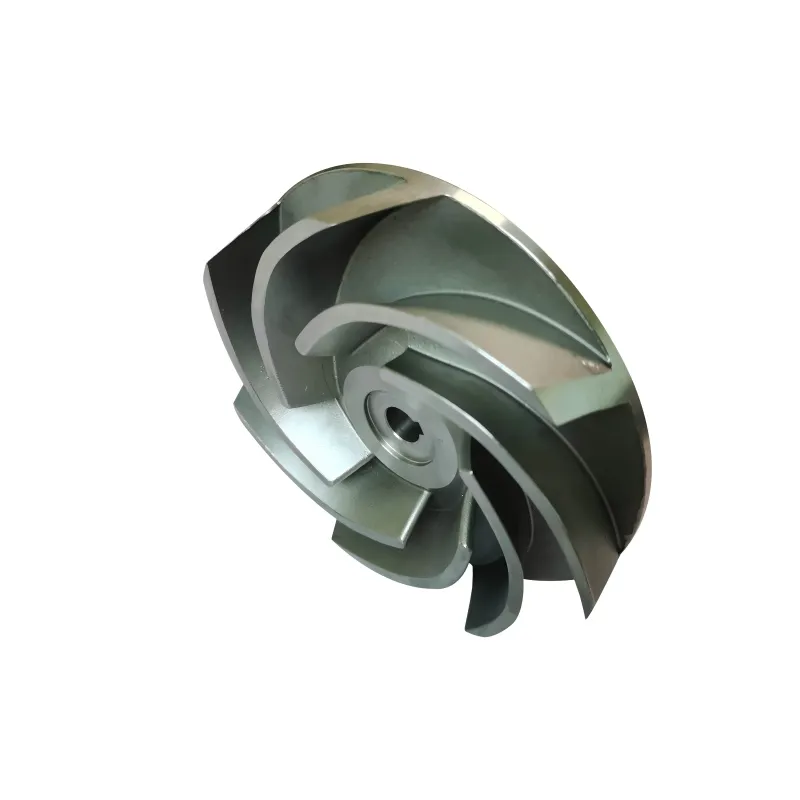
When most people hear 'stainless steel investment casting', they picture a flawless, shiny component straight out of the brochure. The reality, the day-to-day grind of making it work, is a lot messier and more interesting. It's not just about melting metal and pouring it into a fancy mold; it's a constant negotiation between material behavior, geometry, and cost, where a 0.5mm wall thickness decision can make or break a project. I've seen too many designs come in that are perfect for machining but a nightmare for casting, and that's where the real conversation begins.
The Shell Game: It's All in the Mold
The shell is everything. That's the first thing you learn. We're talking about the ceramic shell mold built around the wax pattern. The number of coats, the slurry viscosity, the stucco sand grit—each step is a variable. Get it wrong, and you'll see defects like metal penetration, where the steel literally seeps into the shell, leaving a rough, fused surface that's a nightmare to clean. I remember a batch of 316L valve bodies we ran; the first articles came out with a gritty texture on the internal passages. The culprit? The primary slurry layer was too thin, and the fine stucco sand didn't create enough of a barrier. We adjusted the dip time and switched to a coarser zircon sand for the first backup coat. Problem solved, but it cost us a week.
This is where a foundry's experience shows. A company like Qingdao Qiangsenyuan Technology Co., Ltd.(QSY), with their decades in the game, has this process dialed in. They've likely seen every shell failure mode imaginable. It's not magic; it's a database of failures and corrections built over 30 years. You can't rush the drying time between coats, no matter what the production schedule says. Humidity becomes your enemy or your friend.
And wax isn't just wax. The injection parameters for the initial pattern—pressure, temperature—affect its dimensional stability. A slightly warped wax pattern translates directly into a warped ceramic shell, and then into a cast part that's out of spec. We spend as much time qualifying the wax process as we do the metal pour. It's the unglamorous, critical foundation.
Material is Not Just a Spec Sheet
Specifying CF8M or 17-4 PH is just the starting pistol. The melt practice is where the metallurgy happens. For investment casting, you're dealing with relatively small heats, so control is paramount. Deoxidation practice with aluminum or silicon? It changes the fluidity and the final inclusion content. For pressure-containing parts, this is life or death.
Take 17-4 PH stainless steel. The famous precipitation-hardening grade. The investment casting advantage is you can achieve fantastic as-cast surface finish and complex shapes. But the H900 condition heat treatment? If the solution annealing isn't done perfectly uniformly, you'll get inconsistent mechanical properties. I've seen tensile test coupons from the same casting batch show a 50 ksi spread in yield strength because the furnace load was poorly arranged. The part looked perfect, but it would have failed in service.
This is another area where partnering with a specialist pays off. A foundry that also does in-house CNC machining, like QSY, has a major advantage. They understand how the casting's microstructure and potential micro-porosity will interact with a cutting tool. They can adjust the heat treatment to optimize machinability without sacrificing final properties, something a standalone casting house might not consider. It's a holistic view of the component's lifecycle.
Geometry: The Freedom and the Trap
Yes, investment casting gives you incredible geometric freedom. Internal passages, undercuts, complex curves—all possible. But 'possible' doesn't mean 'easy' or 'cost-effective'. The rule of thumb is uniform wall thickness. But in the real world, parts need ribs, bosses, and mounting pads. The challenge is managing the thermal mass differences.
A classic failure is shrinkage porosity in a hot spot. Imagine a valve housing with a thick flange transitioning to a thin body. The thin section solidifies first, isolating the thick flange, which then shrinks as it cools with no source of liquid metal to feed it. The result? A spongy, weak area right where you need strength. The fix? Strategic use of chills (metal inserts in the shell to draw heat out) or wax padding to create extra mass that gets machined off later. It's a puzzle.
I worked on a pump impeller once, all thin, aerofoil-shaped blades. The problem wasn't the blades; it was the central hub. It was too massive relative to the blades. We ended up adding a ceramic core to the hub to make it hollow, reducing the thermal mass and creating a more uniform cooling scenario. The design change was driven by the casting process, not the other way around. That's successful investment casting.
The Finish Line is Never Just One Step
Knock-off, cut-off, grinding, shot blasting, heat treatment, pickling... the post-casting steps are where cost and quality can diverge dramatically. Everyone wants a ready-to-install part, but that ready has layers.
Cut-off is an art. Removing the gating system (the channels that feed metal into the part) without damaging the component. Using abrasive wheels creates heat, which can affect the metallurgy in the heat-affected zone, especially on hardened grades. More sophisticated places use band saws or even CNC machining to remove gates precisely. The gate remnant then needs to be ground flush. This is manual, skilled labor. The quality of this finishing directly impacts fatigue life if the gate is in a high-stress area.
Pickling, the acid bath to remove scale and restore the passive chromium oxide layer on the stainless steel surface, is another critical step. Time, temperature, acid concentration—all must be controlled. Over-pickle, and you get an etched, pitted surface. Under-pickle, and you leave embedded scale that can initiate corrosion. It's a chemical balancing act that doesn't get enough attention until something comes out discolored or rusty-looking straight from the bath.
Why the Right Partner Isn't Just a Supplier
This isn't a commodity business. You're not buying off-the-shelf fasteners. You're buying a process capability and a depth of problem-solving. When you look at a company's background, like seeing that QSY has been operating for over 30 years across casting and machining, it tells you they've navigated these trade-offs for generations of engineers. They've probably saved projects by suggesting a slight draft angle change or a different alloy grade that casts better with similar properties.
The biggest value a good foundry provides is early design intervention. Before the CAD model is finalized, before the tooling is cut. That's when they can say, We can cast that, but if you allow us to radius this junction a bit more, we guarantee no shrinkage, or Consider a nickel-based alloy here instead; it will resist that corrosive environment better and we have a proven shell recipe for it. This collaboration turns a drawing into a manufacturable, reliable component.
In the end, successful stainless steel investment casting is about embracing the process's constraints to unlock its potential. It's a dialogue between design intent and physical reality. The shiny, complex part on the engineer's desk is the result of a hundred small, correct decisions—and a few corrected mistakes—made in the foundry, long before the metal ever got poured. That's what you're really investing in.