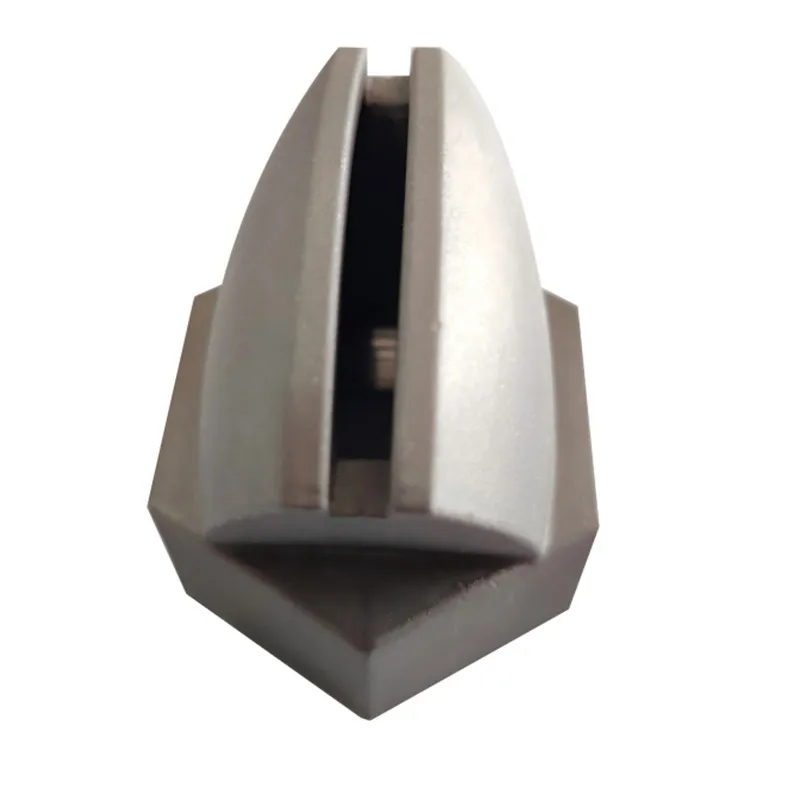
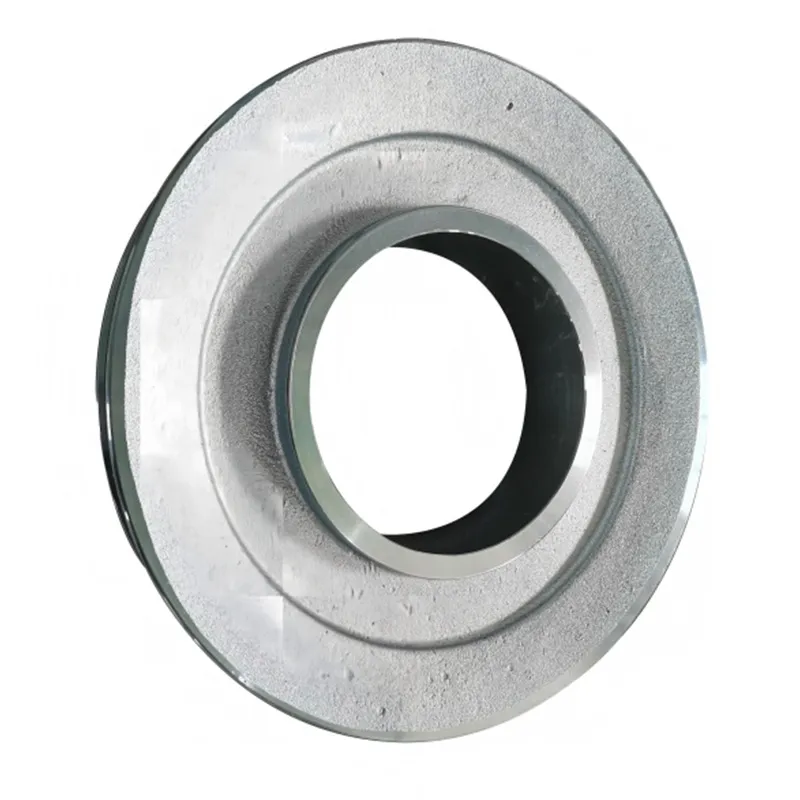
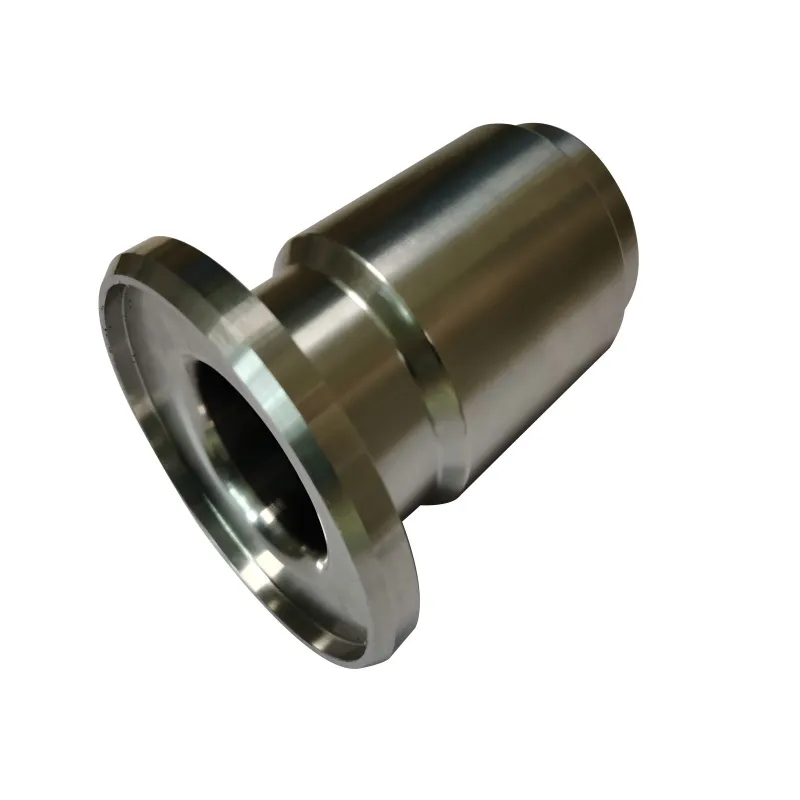
When you start looking into stainless steel investment casting companies, the first thing that hits you is how many claim to be specialists. The term gets thrown around so much it starts to lose meaning. Everyone promises tight tolerances, complex geometries, and superior surface finish. But having spent years on both the sourcing and production sides, I've learned the real differentiator isn't in the brochure; it's in the gritty, often unglamorous details of process control, material understanding, and problem-solving that happens when a wax pattern warps or a shell cracks. It's not just about pouring metal; it's about managing a chain of delicate, interdependent steps where a mistake in one can scrap the entire batch. A lot of clients come in fixated solely on the final alloy grade—like 316L or 17-4 PH—which is critical, sure, but that's just the starting block. The real cost and quality are determined much earlier.
The Core of the Process: More Than Just Pouring Metal
True investment casting, especially for stainless steel, is a dance of art and brutal science. The shell mold process is where it all begins. I've seen shops where the slurry room environment—humidity, temperature—isn't controlled, and they wonder why their shell strength varies. For high-integrity components, say for marine or chemical processing applications, that inconsistency is a killer. The shell isn't just a container; it's what defines the surface finish and dimensional accuracy. A poor shell leads to burn-in, metal penetration, and horrific finishing costs that can double the part price.
This is where a company's depth shows. I recall a project for a pump impeller requiring CF8M stainless. The initial prototypes from a vendor looked perfect, but failed in pressure tests. The issue? Micro-shrinkage. The vendor was using a standard gating and risering system for stainless steel, but austenitic grades like CF8M have a specific solidification pattern. The fix wasn't fancy; it was about repositioning the risers and adjusting the pour temperature based on the exact heat of material. That kind of tweak comes from experience, not a manual.
Many stainless steel investment casting companies will outsource their pattern making or shell building. The really capable ones, however, keep it all in-house. It gives them control. When you visit a facility, don't just look at the furnaces. Ask to see the wax injection presses, the slurry tanks, the stucco application stations. The cleanliness and order (or lack thereof) there tell you more than any quality certificate on the wall.
Material Nuances and the Special Alloys Factor
Stainless steel is a family, not a single material. The machining and heat treatment response of a 304 is worlds apart from a 15-5 PH. A common pitfall is treating them all the same in post-casting operations. I've worked with a stainless steel investment casting supplier on a valve body in duplex steel 2205. The casting was sound, but they applied a solution annealing cycle meant for 316. It destroyed the ferrite-austenite balance and the corrosion resistance. We had to scrap the lot. That was a $40,000 lesson in metallurgical specificity.
This is why the mention of special alloys like nickel-based or cobalt-based ones in a company's portfolio is a significant signal. It suggests they've had to deal with more challenging melting, pouring, and hot-isostatic-pressing (HIP) requirements. If they can handle Hastelloy C-276, then casting 316L is a walk in the park for them. The equipment and know-how scale up, not down.
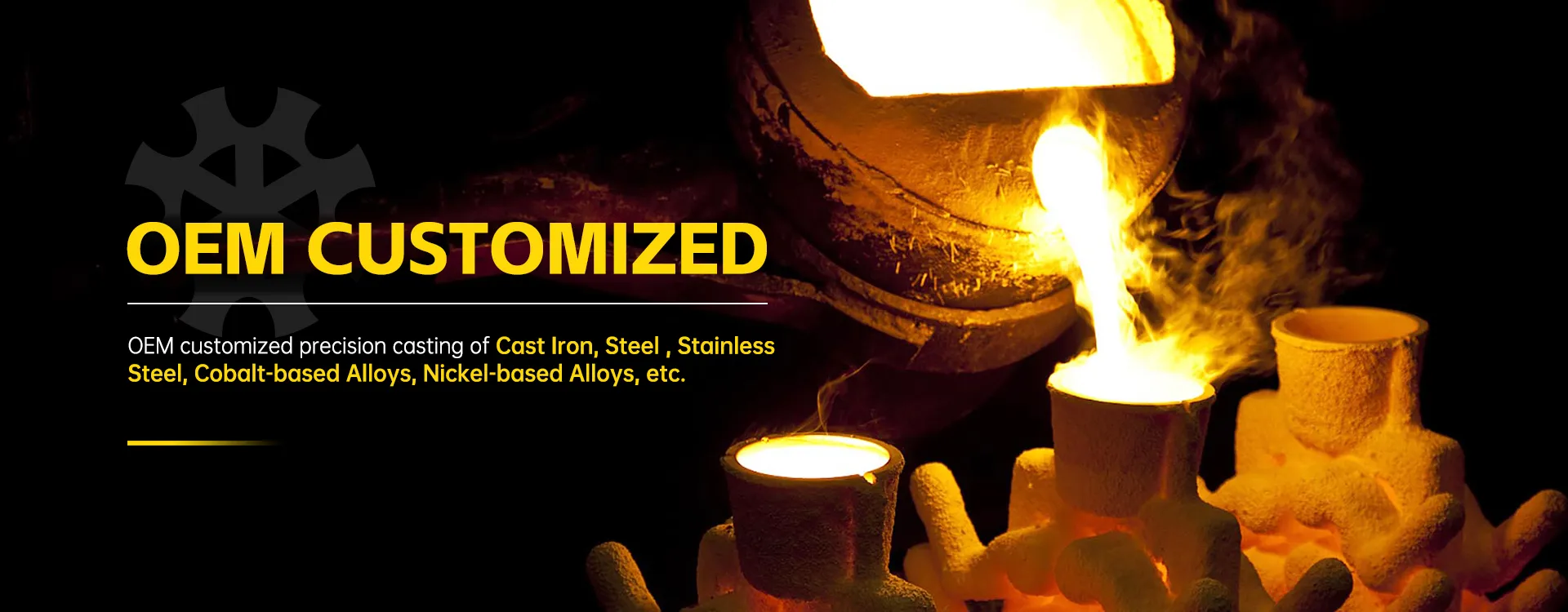
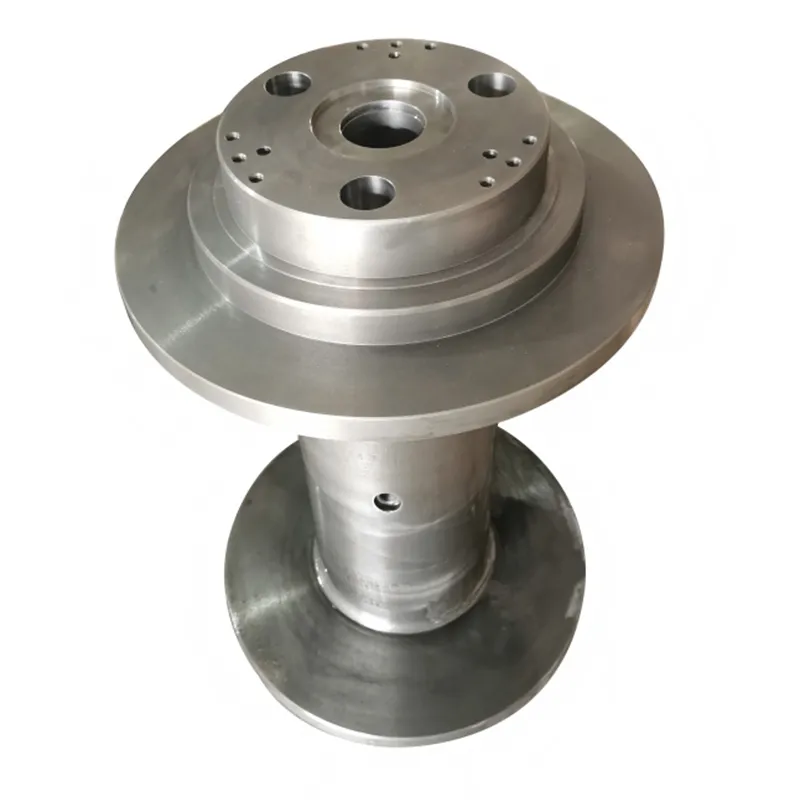
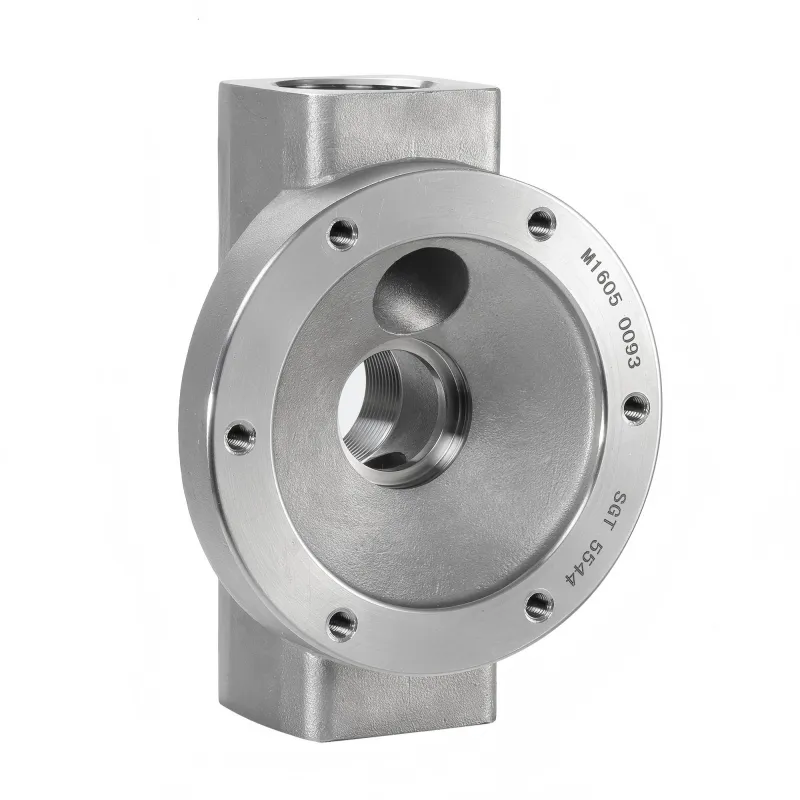
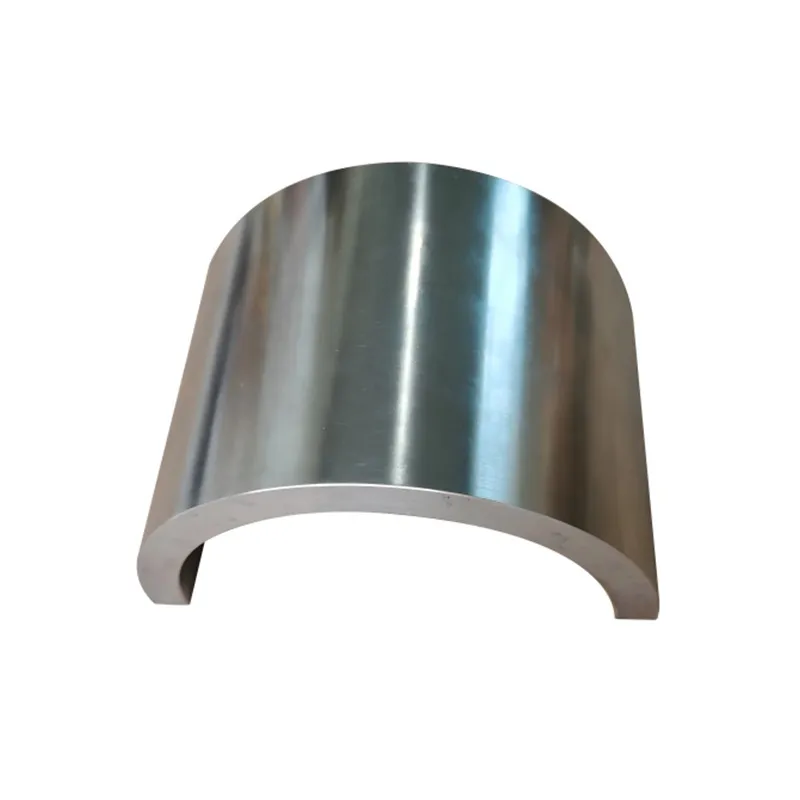
Take a company like Qingdao Qiangsenyuan Technology Co., Ltd. (QSY). They list stainless steel investment casting alongside shell mold casting and CNC machining, and specifically call out cobalt and nickel alloys. That's a practical combination. It tells me they likely understand that a cast part is often just a semi-finished product. Having machining in-house is a massive advantage for dimensional control and lead time. You avoid the finger-pointing between the foundry and the machine shop when a tolerance is missed. Their 30-year claim in casting and machining suggests they've probably seen most of these material-related headaches and (hopefully) learned to avoid them.
The Integration Machining Advantage
This leads to my next point: the seamless handoff between casting and machining. It's a huge, often underestimated value. I once sourced some stainless steel investment cast flanges from a dedicated foundry. The castings were good, but the datum surfaces for machining were not optimally designed. The separate machine shop struggled to hold the perpendicularity callout, leading to a 30% rejection rate. The problem was a design issue that should have been caught during the casting process planning.
When the investment casting companies also run CNC departments, their process engineers think about the part holistically. They'll suggest subtle draft angle changes or recommend shifting a parting line to create a better machining datum from the start. They design the gating system not only for sound metal but also for how it will be removed and where the clamp marks will be. QSY's model of offering both shell mold/investment casting and CNC machining under one roof is exactly the kind of integrated service that solves these latent problems. It's not just about convenience; it's about built-in quality assurance.
The machining of cast stainless has its own tricks. The material can be gummy, work-hardening grades like 304 can be brutal on tools, and the inconsistent hardness of as-cast surfaces can lead to tool chatter. An integrated supplier has likely developed proprietary feeds, speeds, and tool paths for their own castings. That institutional knowledge doesn't exist when the parts are shipped out to a generic machine shop.
Quality Perception vs. On-the-Ground Reality
Certifications are table stakes. ISO 9001, PED, AD2000—they're necessary for doing business in many sectors, but they don't guarantee a good casting. They guarantee a documented system. The real quality is in the non-destructive testing (NDT) protocols and the willingness to enforce them. Does the company do 100% dye penetrant testing on all critical class parts? Do they have in-house X-ray or ultrasound, or do they outsource it? Outsourcing can add days and reduces the feedback loop for process correction.
I remember auditing a promising stainless steel investment casting supplier. Their paperwork was impeccable. But on the floor, I saw a worker about to grind a surface defect on a valve housing without first documenting it or getting QA approval. That single action voided their entire traceability system. The culture of quality on the shop floor, the empowerment of workers to stop a line, matters more than the certificate in the lobby.
Longevity in the business, like QSY's 30 years, often correlates with a matured quality culture. They've survived because they've likely fixed systemic issues that put newer companies out of business. They've probably invested in equipment like spectrometers for chemistry verification and have standardized their waxes and binders to reduce variables. This isn't glamorous, but it's what makes a company reliable.
Practical Considerations for Engagement
So, how do you work with these companies effectively? First, provide a complete picture. Don't just send a drawing. Specify the application environment—temperature, pressure, media, cyclic loading. This informs everything from alloy selection to the need for HIP. Second, be open to Design for Manufacturability (DFM) feedback. A good foundry engineer can suggest slight wall thickness adjustments or radius changes that dramatically improve castability and reduce cost, with no loss of function.
Third, manage expectations on surface finish. As-cast surface roughness (Ra) for investment casting is good, but it's not a machined mirror finish. If you need Ra 1.6 on a bore, specify it as a machined surface. The foundry will then leave stock accordingly. Clarity here prevents disappointment.
Finally, view the relationship as a partnership. The best outcomes I've had came from collaborative problem-solving. There was a complex housing we needed in 17-4 PH condition H1150. The initial runs had cracking. Through joint investigation—their metallurgist and our engineer—we traced it to a combination of cooling rate after pouring and the design of a sharp internal corner. We modified the design (adding a fillet) and they tweaked their shakeout procedure. The part has been in production for years now. That's the value of engaging with competent stainless steel investment casting companies—they become an extension of your own engineering team.
It's a crowded field, but the winners aren't the ones with the fanciest websites. They're the ones with the controlled slurry tanks, the in-house metallurgist, the integrated CNC cells, and the pragmatic, problem-solving mindset honed over decades, much like the operational history implied by a company such as QSY. The craft is in the details, and the metal always tells the truth.