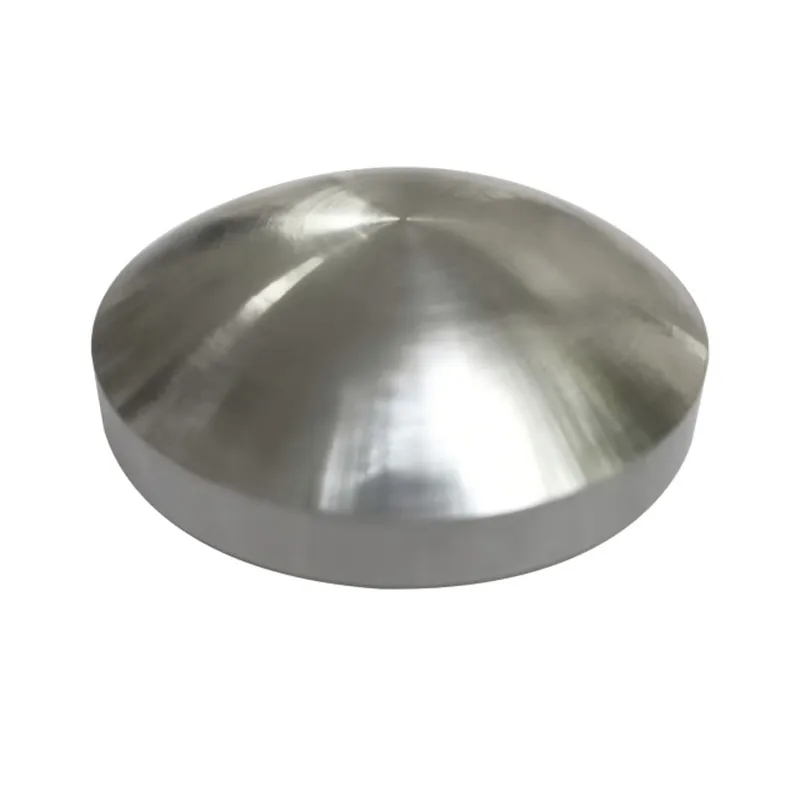
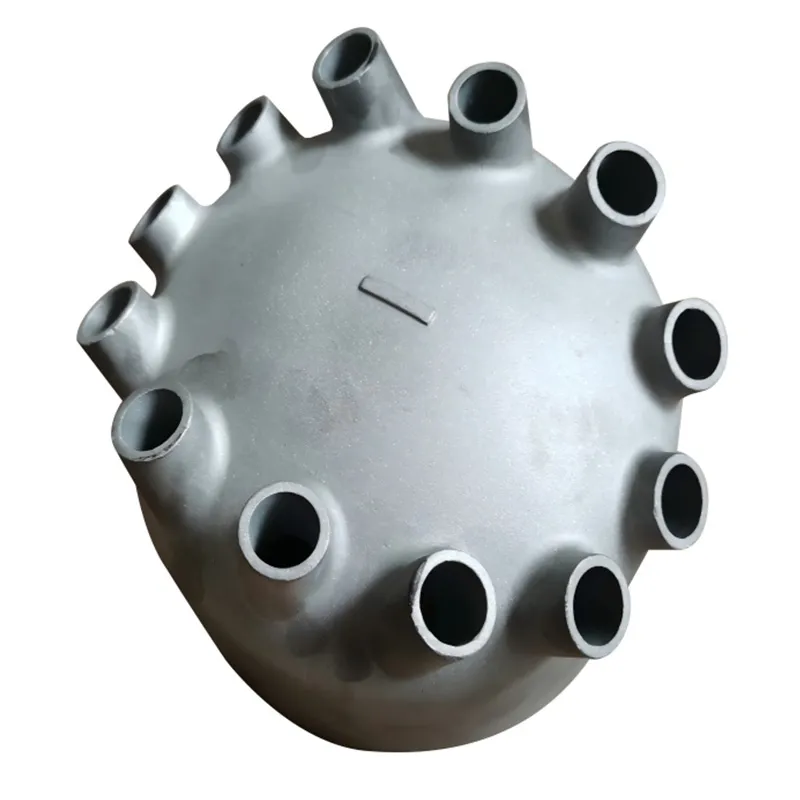
When most people hear 'stainless steel investment casting parts,' they picture a perfectly shiny, flawless component. That's the marketing image. The reality on the foundry floor is a constant negotiation between metallurgy, geometry, and cost. The real expertise isn't just in making it look good—it's in predicting how the metal will flow in that ceramic shell, where the shrinkage might hide, and which grade of 316L will actually behave as specified after heat treatment. I've seen too many drawings where the designer specified a tight-tolerance investment casting assuming it's like machining, not realizing the process has its own rules of the game.
The Shell Game: More Than Just a Mold
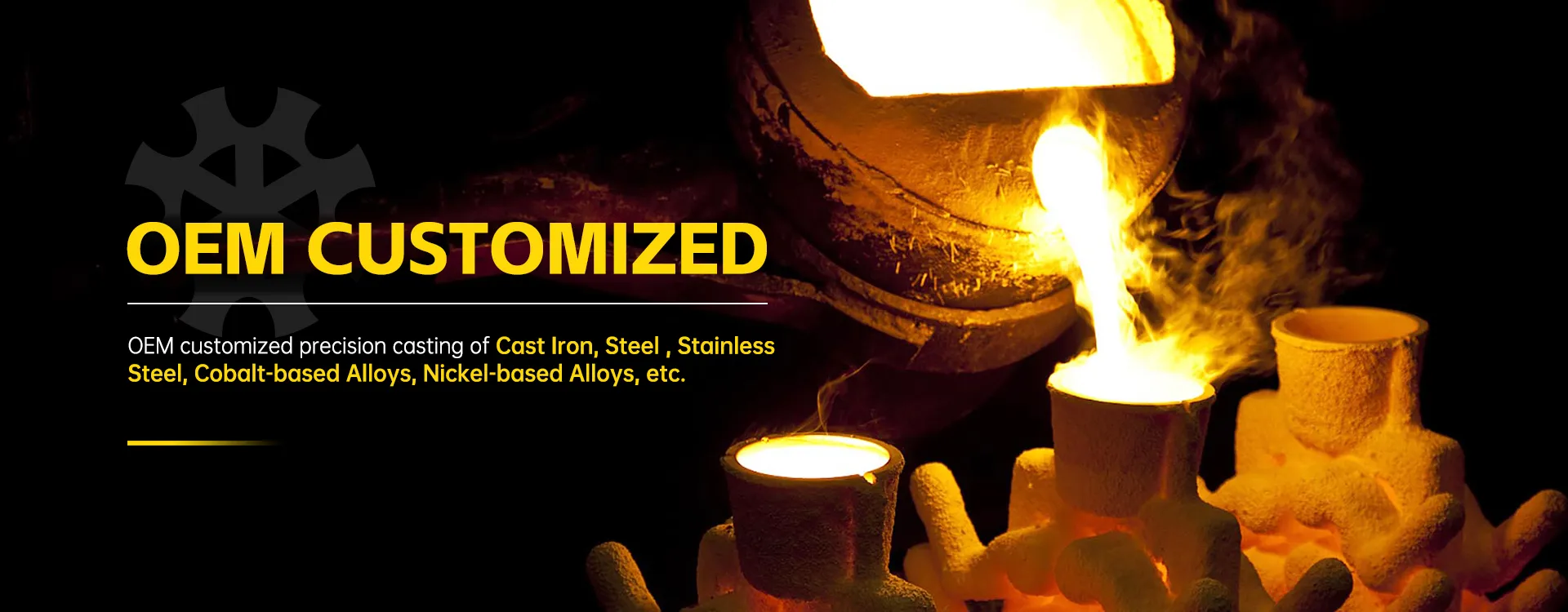
Let's talk about the shell. It's the heart of the process, and where a lot of shops cut corners. A proper shell isn't just dipped slurry and sand. It's about layer count, stucco grit progression, and controlled drying environments. I recall a batch for some marine fittings where we had a sudden humidity spike. The shells felt dry to the touch, but during dewaxing, we got micro-cracks. The result? A subtle finning on the castings that only showed up during pressure testing. That's a failure you can't always see with the naked eye. It taught me to respect the climate control log as much as the metallurgy report.
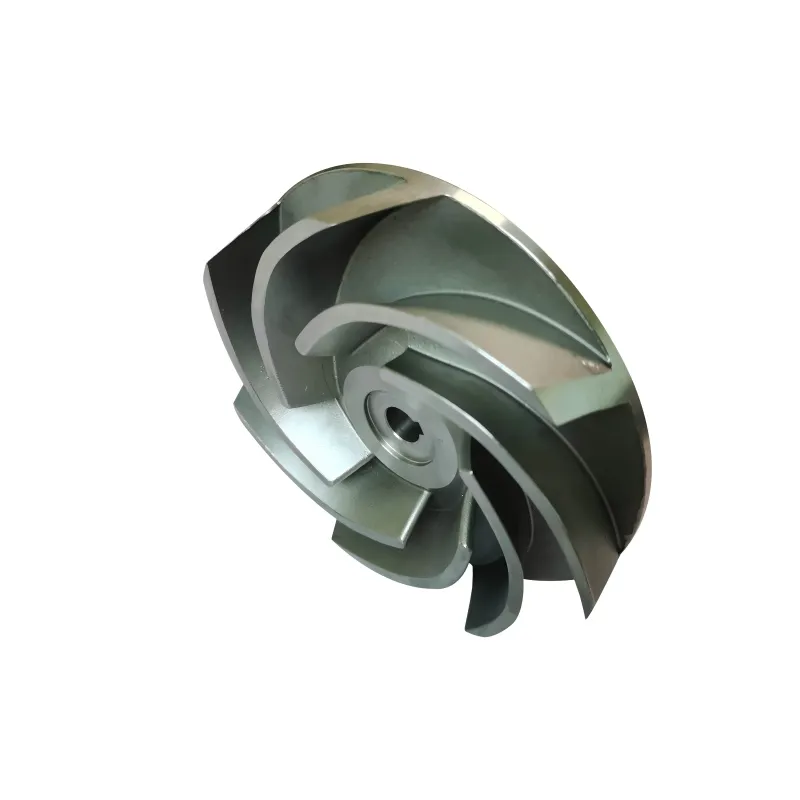
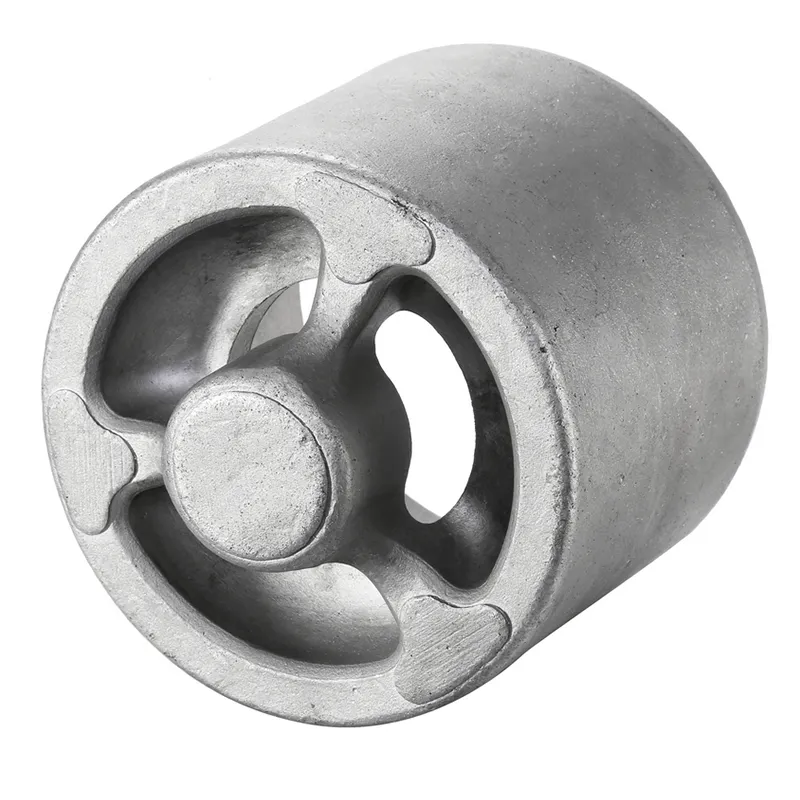
This is where experience with materials like the stainless steel investment casting parts for chemical pump impellers becomes critical. The shell needs to withstand the thermal shock of molten 17-4PH, which is poured at a different temperature and behaves differently than, say, 304. A generic shell recipe will lead to inclusions or surface pitting. You develop a feel for it—the sound the shell makes when tapped at different stages tells you more than some textbook.
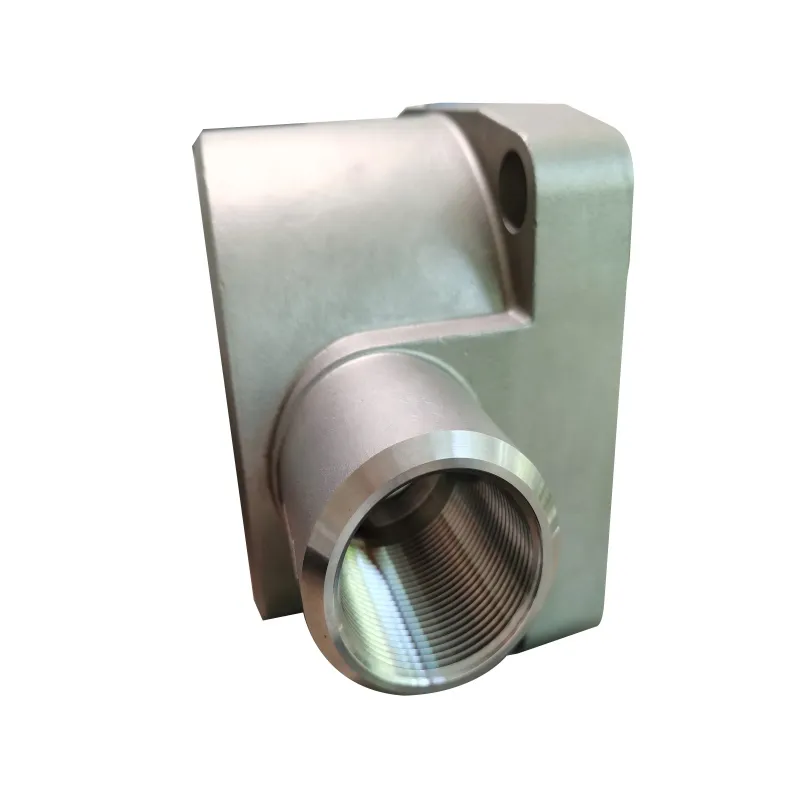
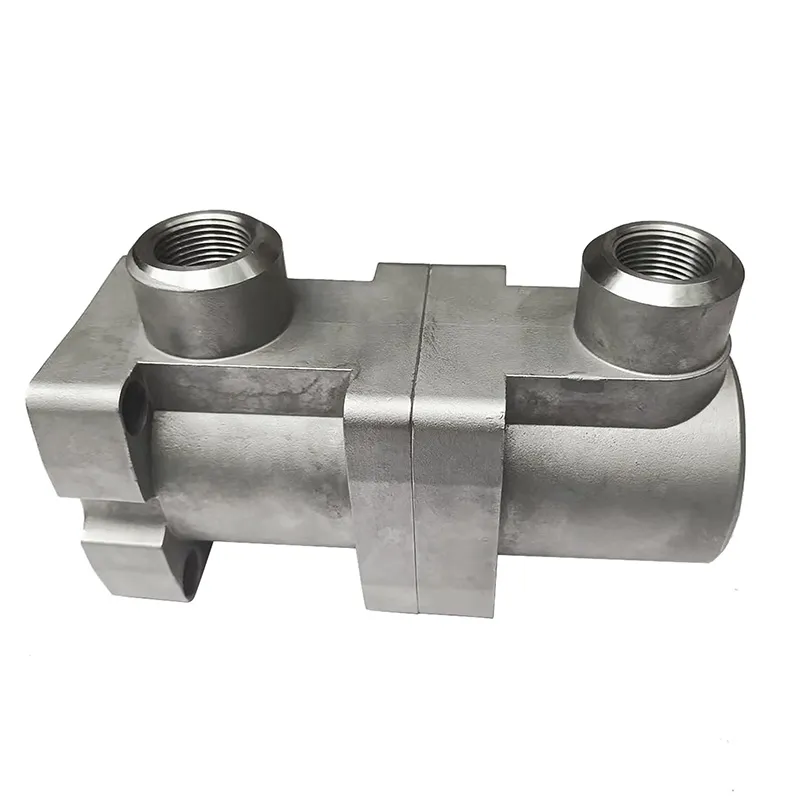
I've worked with suppliers who boast about automation in shell building. It's great for consistency on high-volume runs. But for complex, low-volume parts—like a custom valve body with integral internal channels—there's still no substitute for a skilled technician manually reinforcing vulnerable areas with extra slurry dips. That's a nuance you won't find in a brochure.
Material is Not Just a Spec Sheet
Specifying CF8M or 316 stainless on a drawing is just the start. The melt practice is everything. For corrosion-resistant stainless steel investment casting parts, especially for offshore or pharmaceutical applications, you need tight control over elements like carbon, sulfur, and ferrite content. A slight deviation in the balance can turn a perfectly good casting into a corrosion nightmare after welding or exposure to chlorides.
We had a project once for sensor housings in a desalination plant. The spec was standard 316. We delivered what met the ASTM standard. They failed in the field within six months due to crevice corrosion. The lesson? The standard grade wasn't enough for that specific, harsh microenvironment. We had to switch to a super duplex grade for the replacement batch. Now, when I see a drawing, I always ask about the actual operating environment, not just the material callout.
This is a strength of foundries that handle diverse alloys. A shop that only does standard stainless might miss this. A place like Qingdao Qiangsenyuan Technology Co., Ltd. (QSY), with their listed experience in special alloys like nickel-based ones, would inherently have more rigorous melt and quality control protocols. Working with those tricky alloys forces a discipline that benefits even the standard stainless grades.
The Deception of As-Cast Finish
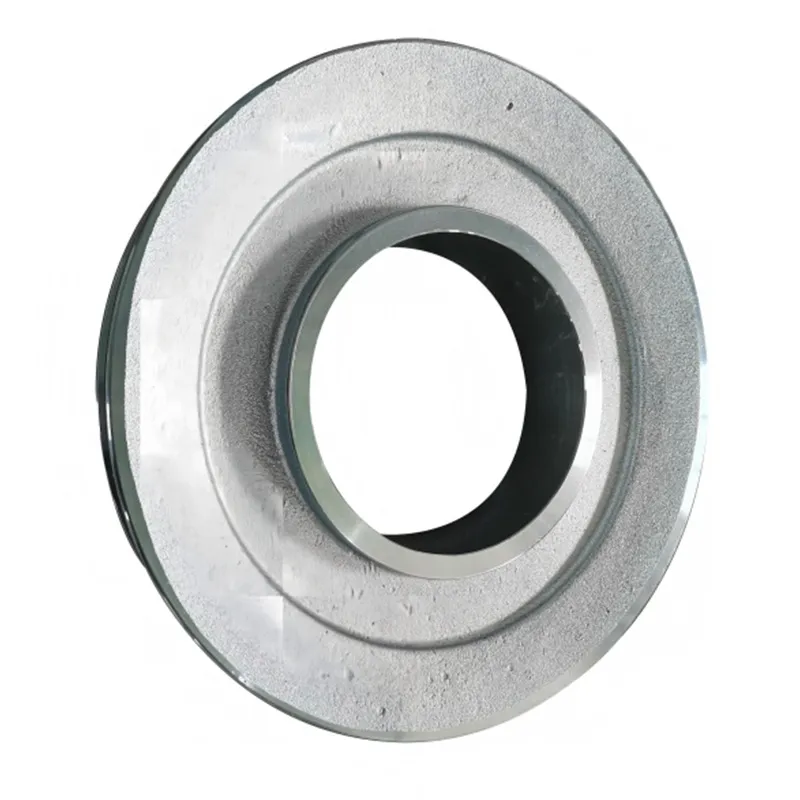
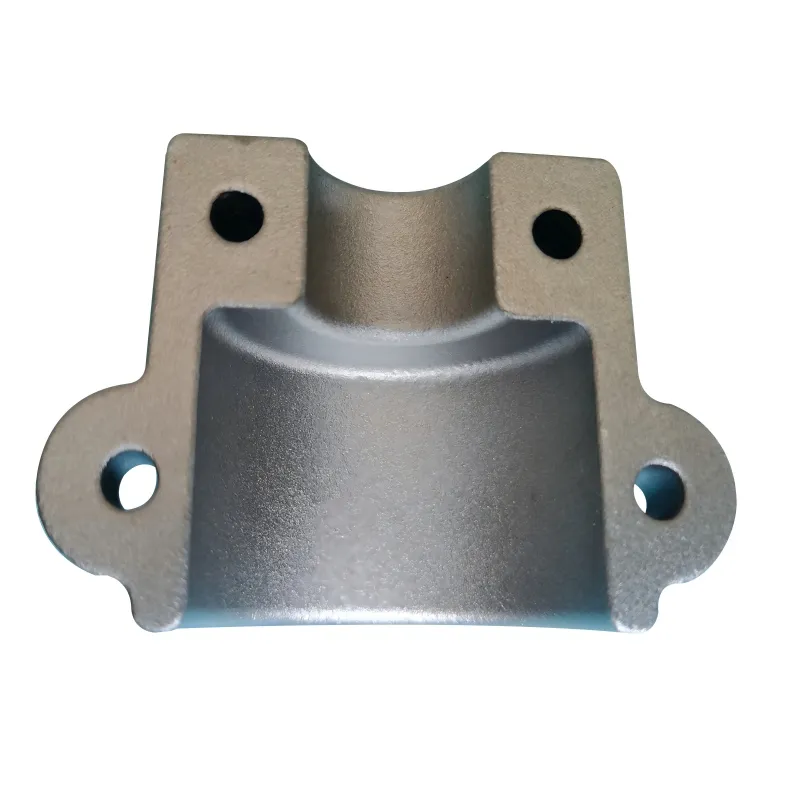
There's a common misconception that investment casting delivers a ready-to-use finish. The as-cast surface can be good, often around 125 Ra, but it's rarely the final surface. Any sealing surface, mating face, or critical diameter will need machining. The real value is in the near-net-shape. You're minimizing machining time and material waste.
The challenge is providing enough machining stock in the right places without making the casting overly heavy or creating thermal mass issues during solidification. I've machined castings where the stock was so uneven that the tool chattered on the first cut, revealing a hard spot beneath. That usually points to an inconsistent cooling rate in that section of the mold. It's a casting issue that shows up in the machining stage, blurring the line between the two processes.
This is why the integration of casting and CNC machining under one roof, as QSY's operations suggest, is a massive advantage. The machining team can feed back directly to the foundry: We're always hitting a hard spot here, or This flange is distorting during clamping. The foundry can then adjust the gating or the cooling process. It turns a supply chain into a feedback loop.
When Complexity Bites Back
Investment casting is sold on its ability to produce complex shapes. That's true, but not all complexity is equal. Deep, narrow recesses are trouble. They can trap slurry, leading to shell inclusions, or prevent proper metal flow. I remember a component that looked elegant on the CAD model—a lattice structure inside a housing. Beautiful. But it was a shell-maker's nightmare. The ceramic core needed was incredibly fragile. The yield rate was terrible.
Sometimes, the smarter move is to simplify the casting and machine the complex internal feature. Or split the part into two castings to be welded. This requires a back-and-forth with the designer, which many buyers don't anticipate. They want the CAD file quoted as-is. A good foundry will initiate that conversation, even if it might risk losing the quote. It saves everyone from a failure down the line.
This design-for-manufacturability (DFM) dialogue is crucial. It's where you see if a supplier is just an order-taker or a true partner. A company with 30 years in casting and machining, like the mentioned QSY, has likely built this advisory capacity. They've seen what works and what breaks, financially and metallurgically.
The True Cost: Yield is King
The unit price per casting is a vanity metric. The real cost is in the total project cost, which is governed by yield. A cheap unit price with a 50% yield due to porosity or distortion is a money pit. You pay for the scrap, the delayed assembly, and the emergency air freight for replacements.
Building a reliable yield rate for stainless steel investment casting parts comes from controlling a hundred small variables: wax injection temperature, shell baking time, pouring speed, gating design. It's not glamorous. It's logbooks, process control charts, and sometimes, intuition. You start to recognize the smell of a properly baked shell versus one that's still holding moisture.
High yield is also about honest communication. A professional foundry will tell you if a feature is high-risk for their process. I'd rather hear we can do that, but we recommend adding a 0.5mm radius to improve fill at the quote stage than hear we have a 30% scrap rate on this feature after the tooling is made. That honesty, born from decades of operation, is what separates a technical partner from a commodity vendor. It turns the process from a black box into a collaborative engineering effort, which is where the real value in investment casting lies.