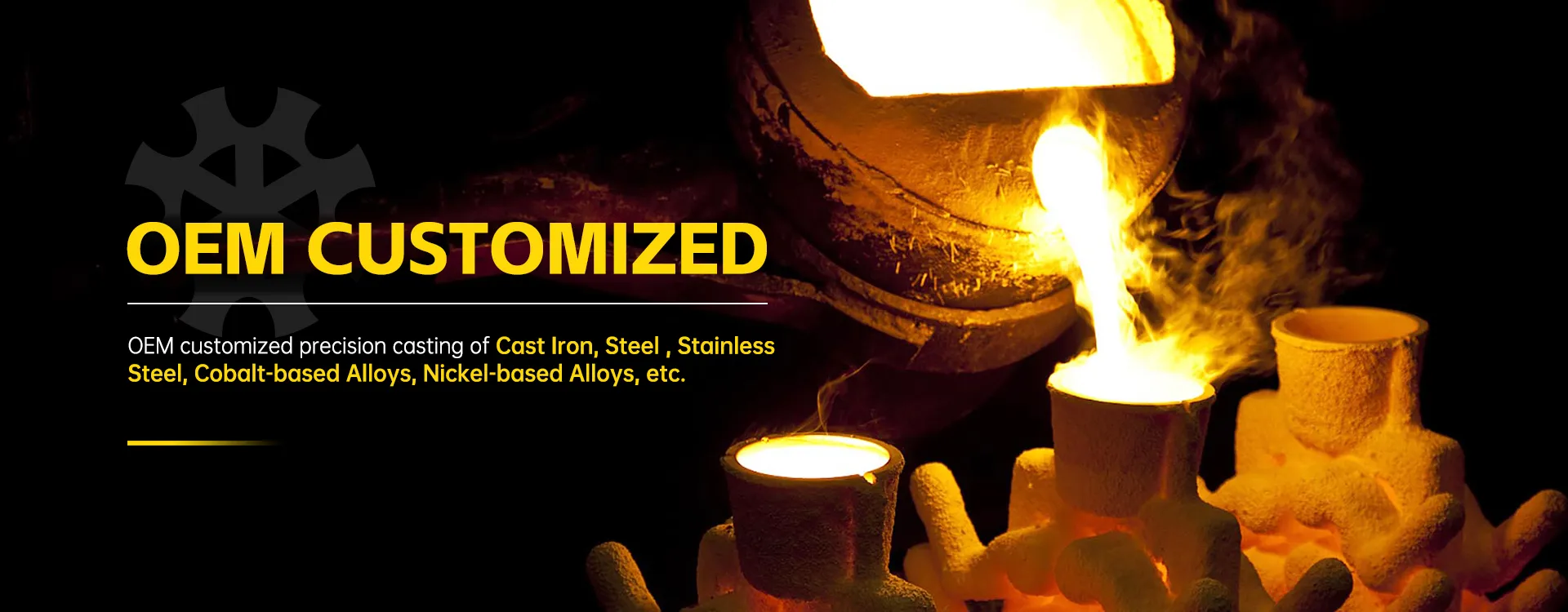
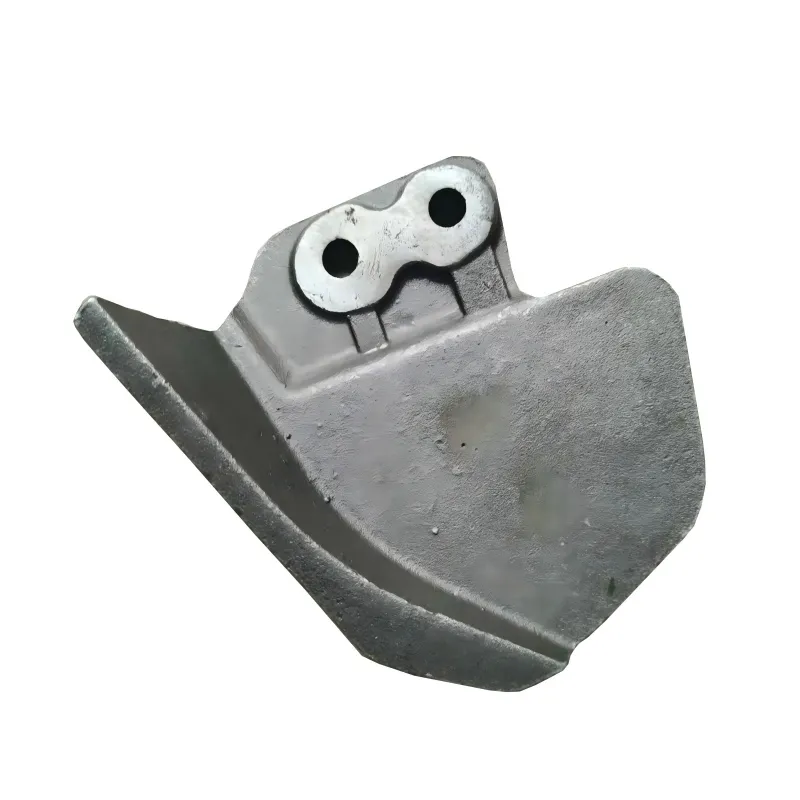
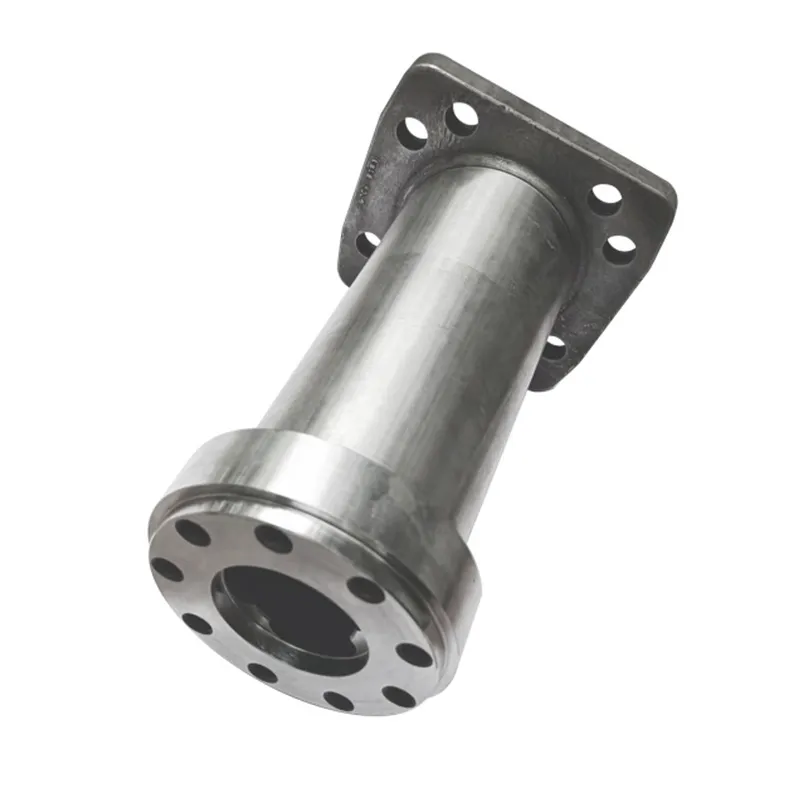
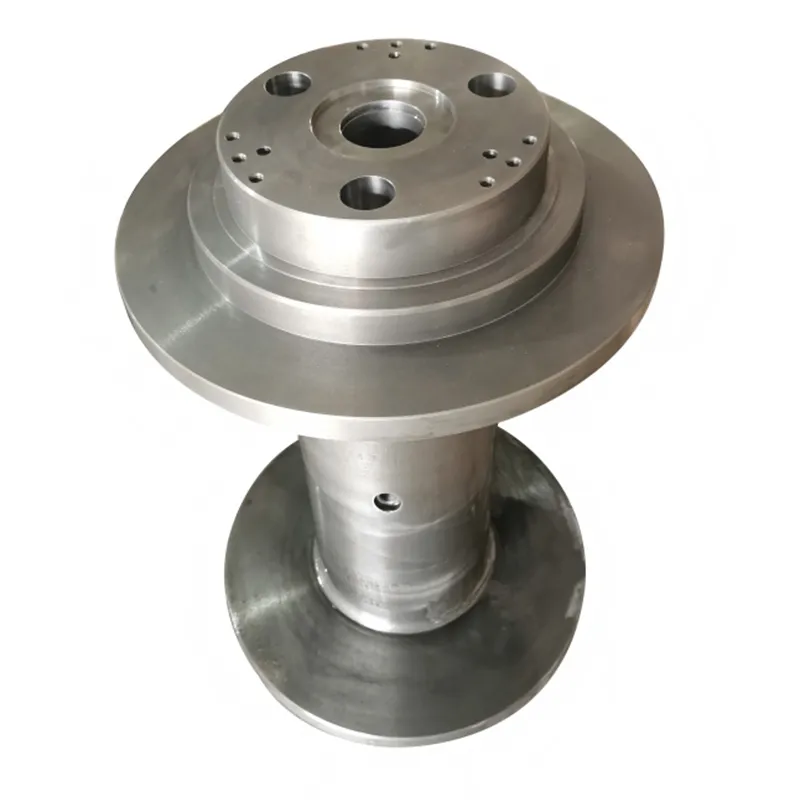
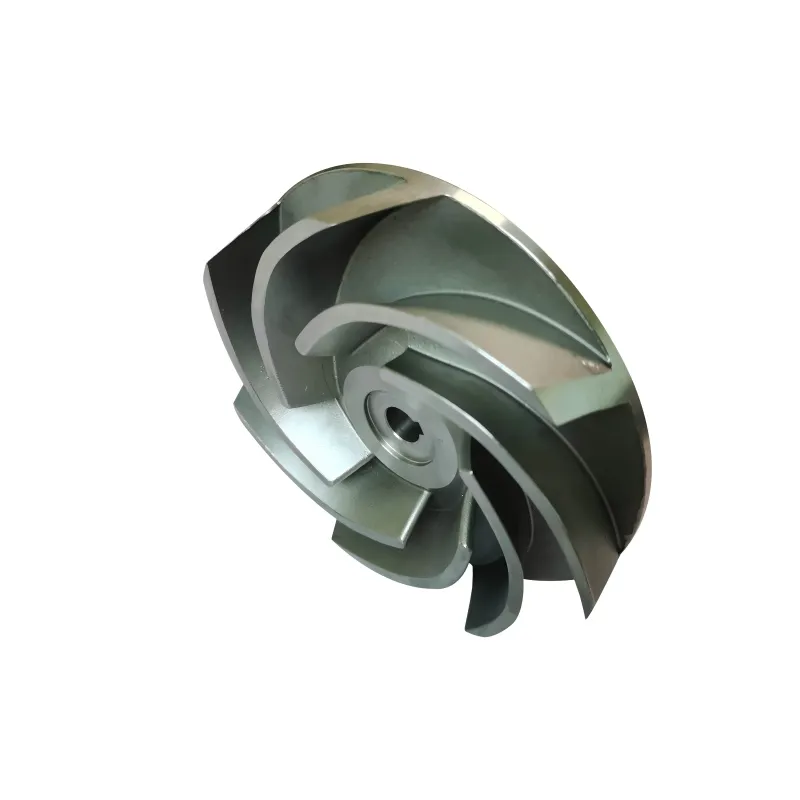
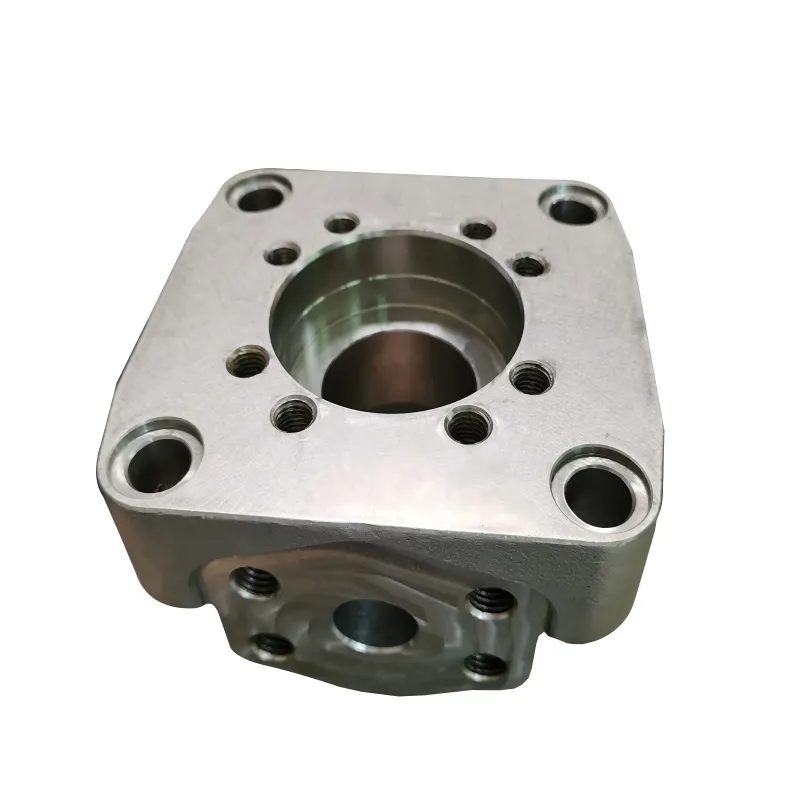
When most people hear 'stainless steel lost wax casting', they picture a flawless, shiny component straight out of the brochure. That's the first misconception. The reality is far messier, more nuanced, and involves as much problem-solving as it does process. It's not just about making a shape; it's about controlling a hundred variables to get a functional part that meets a spec sheet full of numbers—tensile strength, corrosion resistance in a specific environment, pressure ratings. The 'stainless' part is almost a red herring; the grade matters more than the family. 304, 316, 17-4PH—each behaves wildly differently when you pour it at 1500°C into a ceramic shell. That's where the real work begins.
The Shell Game: It's All in the Mold
Let's talk about the shell. This isn't just a plaster mold. It's a multi-layer ceramic armor built by dipping wax patterns into slurries and stuccos. The number of coats, the drying time between each, the ambient humidity—get one wrong and the shell either cracks during dewaxing (a spectacular, messy failure) or isn't strong enough to contain the molten metal, leading to what we call a 'run-out'. I've seen a perfect wax tree for a pump housing ruined because the third coat dried too fast in an unseasonably dry week. The shell looked fine, but it had micro-cracks. During the pour, it was like a sieve. Total loss.
This is where experience from a shop like Qingdao Qiangsenyuan Technology Co., Ltd.(QSY) shows. With over 30 years in investment casting, they've baked this process knowledge into their routine. It's not in a manual; it's in the technician's feel for how the slurry drips, the look of the drying shell. Their website, tsingtaocnc.com, lists shell mold casting as a core specialty for a reason. It's the foundational step. You can have the best alloy, but if your shell fails, you're just pouring expensive metal onto the floor.
The dewaxing process itself is critical. Many assume you just melt the wax out. Most high-volume shops use autoclaves or flash dewaxing with high-pressure steam. The thermal shock on the shell is immense. If the shell system isn't perfectly matched to this step, it will fracture. We learned this early on with a complex, thin-walled manifold. Switched to a different refractory material for the primary coat, problem solved. It's these tiny, material-level adjustments that separate a usable part from scrap.
Grade Anxiety: Choosing the Right Stainless
Specifying stainless steel is like walking into a hardware store and asking for a tool. It's meaningless without context. For marine fittings, 316 is the default for its molybdenum-enhanced corrosion resistance. But I've had clients insist on 316 for an interior, dry application where 304 would have been perfectly adequate and cheaper. You have to push back, educate.
Then there are the precipitation-hardening grades like 17-4PH. Fantastic for high-strength, complex stainless steel lost wax casting parts like aerospace brackets. But the heat treatment cycle post-casting is absolutely unforgiving. A few degrees off on the aging temperature, and you don't get the desired RC hardness. The part looks identical but will fail in testing. QSY's mention of working with special alloys like nickel-based ones tells me they get this. Those materials are even more temperamental. The casting process is just the first half of the journey; the thermal protocol is the second.
I recall a batch of valve bodies in CF8M (the cast equivalent of 316). They passed all dimensional checks but failed a critical pitting corrosion test for a client in the chemical industry. The issue? Delta ferrite content. The cooling rate in the shell was slightly off, altering the microstructure. We had to adjust the pour temperature and modify the shell's insulating properties—adding an extra ceramic fiber layer around the heavy sections—to slow the cooling. Problem fixed, but it took metallurgical analysis to find the root cause. The part looked perfect to the naked eye.
The Dimensional Tightrope: As-Cast vs. Machined
One of the biggest selling points of lost wax is near-net-shape forming. The keyword is 'near.' Anyone who promises ±0.1mm tolerances on all surfaces of an as-cast part is stretching the truth. You have to manage expectations. Shrinkage is predictable but not perfectly uniform. A long, slender feature will shrink differently than a massive block on the same casting. The pattern dies account for this, but there's always a bit of variation.
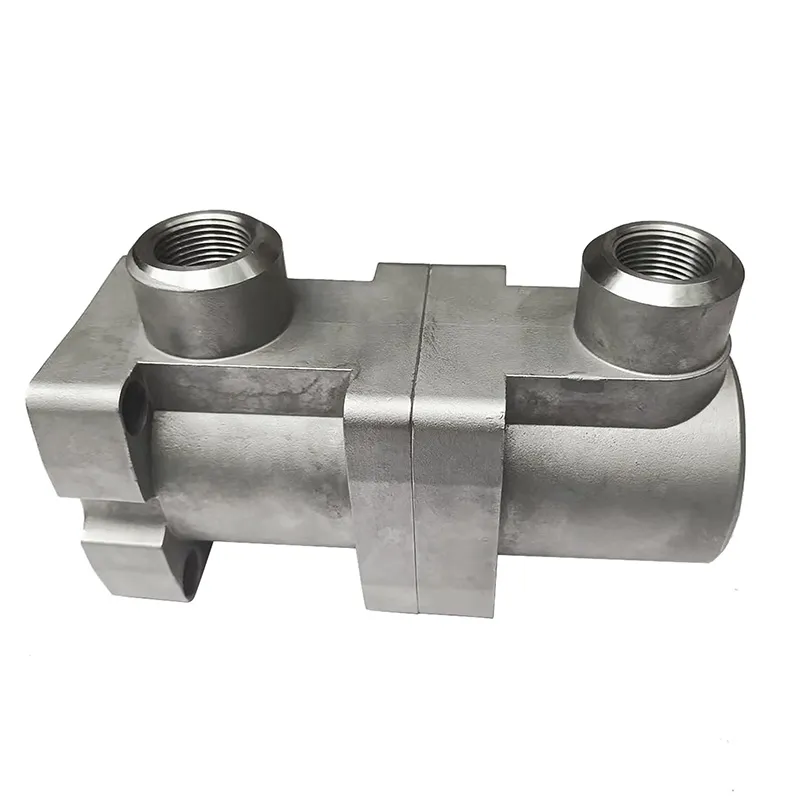
That's why the full-service model of companies that combine casting and CNC machining makes so much sense. At QSY, they list both as core services. You cast the part to get the complex geometry 90% there, with generous stock on critical mating surfaces, threads, and sealing faces. Then, you fixture it on a CNC mill or lathe and hit the precise dimensions. Trying to achieve those tolerances directly from the mold is a fool's errand and wildly expensive in terms of tooling and yield loss.
We once tried to cast a gear with functional, as-cast teeth to save on machining cost. The prototype was okay, but in production, the cumulative variation in the tooth profile across dozens of parts was unacceptable. The lesson? Know the limits of the process. Cast the gear blank, machine the teeth. The synergy between the two processes—investment casting for complexity, CNC for precision—is where the real value is created for the engineer.
The Hidden Cost Drivers: Gating, Yield, and Finishing
Quoting a lost wax part isn't just about weight. A 1kg finished part might start as a 3kg wax tree. The gating and runner system, which channels the metal, is massive and gets cut off and recycled. Your yield (finished part weight vs. poured metal weight) is a huge cost factor. An efficient gating design, often simulated with software now, is crucial. A poorly designed gate can cause turbulence, air entrapment, and shrinkage porosity right in the critical section of your part.
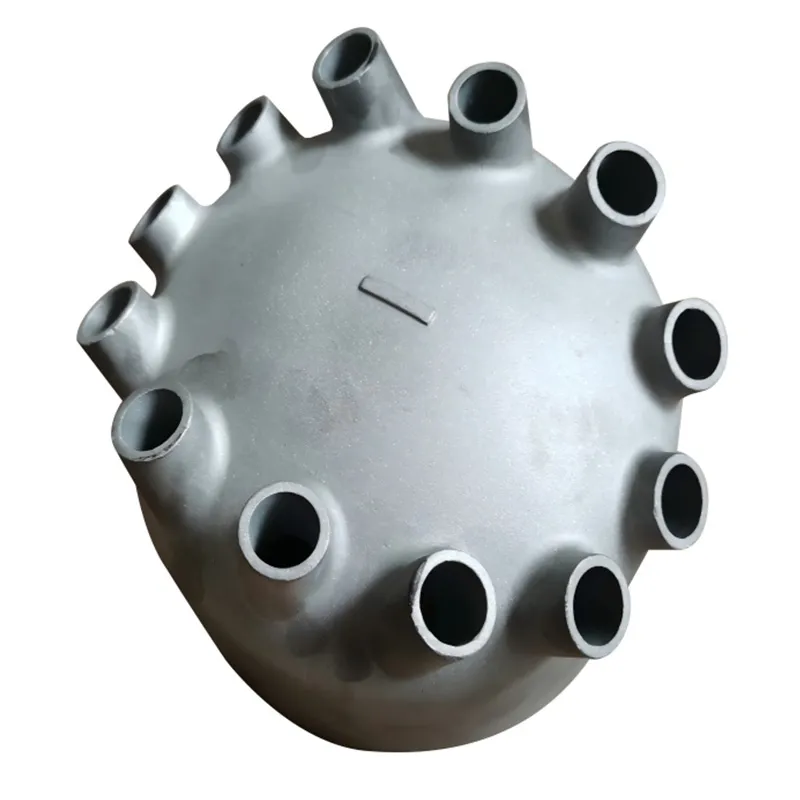
Then there's finishing. After shakeout and cut-off, you have a part covered in ceramic shell remnants and with rough gates stubs. It needs shot blasting, grinding, possibly chemical cleaning (pickling and passivation for stainless to restore the corrosion-resistant oxide layer). This is labor-intensive and often overlooked in initial planning. A part with many internal passages is a nightmare to clean. I've spent hours with dental picks and high-pressure water jets trying to remove fused ceramic from a cooling channel. Now, we design for cleanability from the start.
This end-stage work is where a lot of the craft remains. Automated grinding robots are great for standard shapes, but a complex, organic-shaped valve housing? That often needs a skilled grinder with a steady hand to blend surfaces without gouging the base metal. It's an art.
When It Goes Right: The Payoff
Despite the headaches, when you hold a perfect, complex stainless steel lost wax casting part—say, a one-piece turbine impeller with curved blades that would be impossible to machine from solid—it's worth it. The integrity of a part with no welds or joints, the ability to use high-performance alloys in intricate forms, the excellent surface finish that often needs minimal prep for coating.
It's a process that demands respect for the entire chain, from wax injection to final inspection. You can't just be a metallurgist or a foundry guy or a machinist. You need to understand how each stage talks to the next. That's the impression I get from operations like the one described at tsingtaocnc.com. Their long tenure suggests they've navigated these interconnected challenges across materials from cast iron to nickel alloys. The real expertise isn't listed as a service; it's the accumulated judgment calls made over thousands of pours, deciding how to tweak the process for the next one.
So the next time you evaluate a casting, look past the shine. Think about the shell that held it, the thermal path it took to solidify, the strategic stock left for machining, and the handwork that cleaned it up. That's the true story of the part. The rest is just marketing.