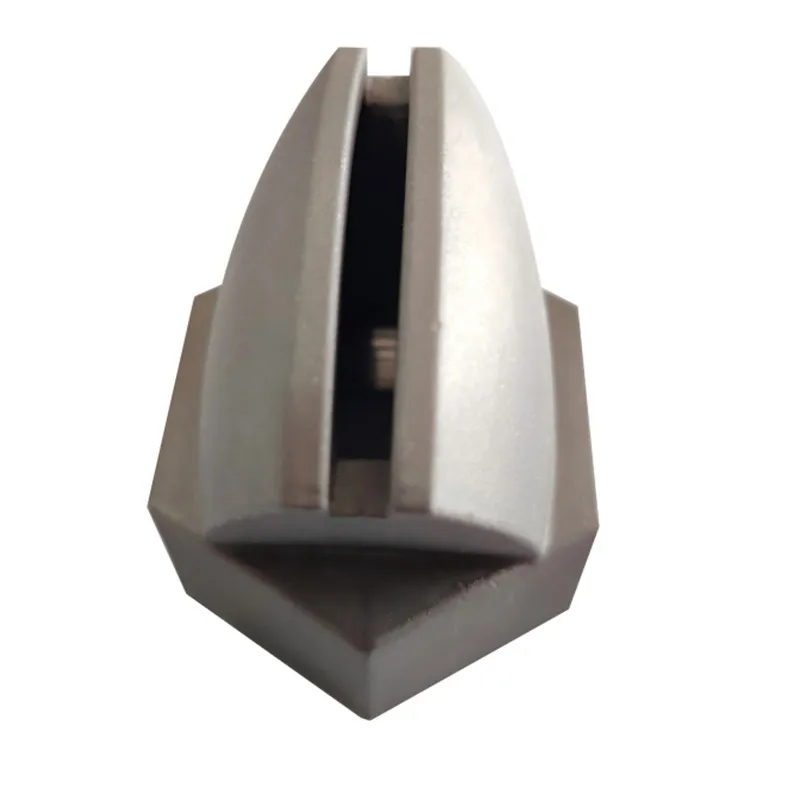
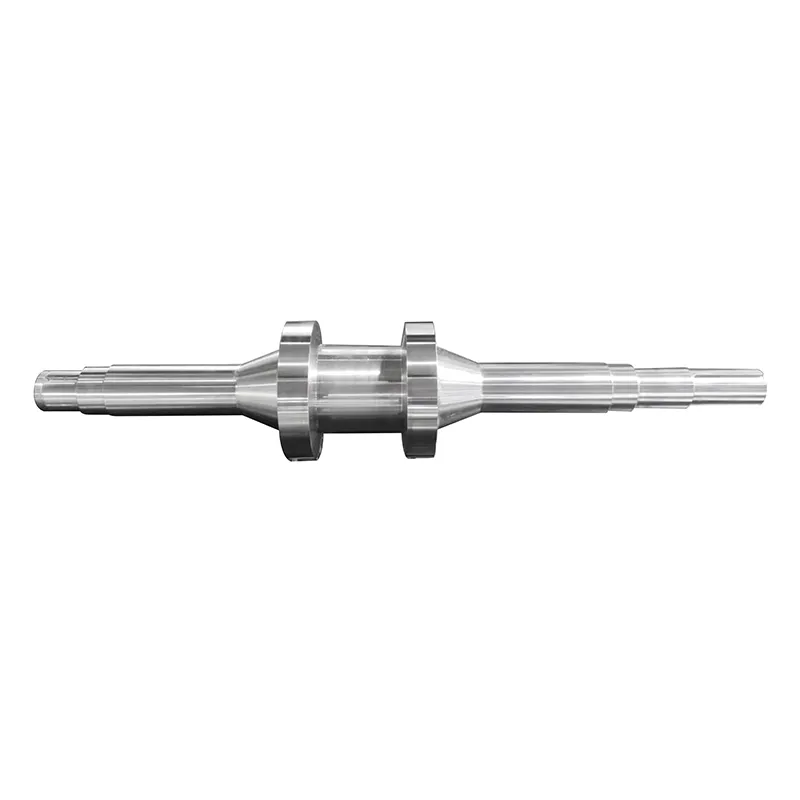
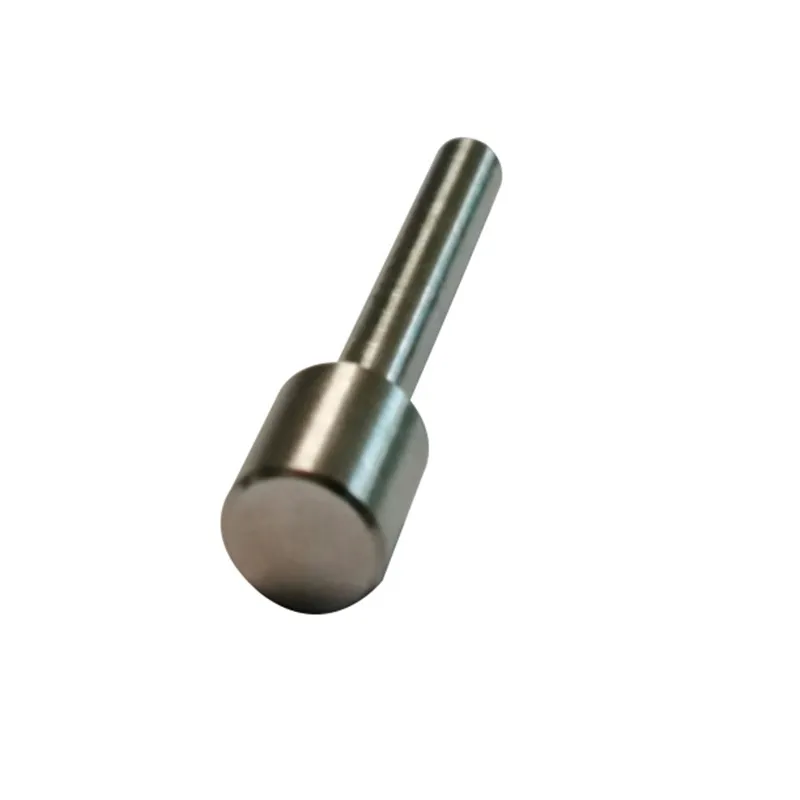
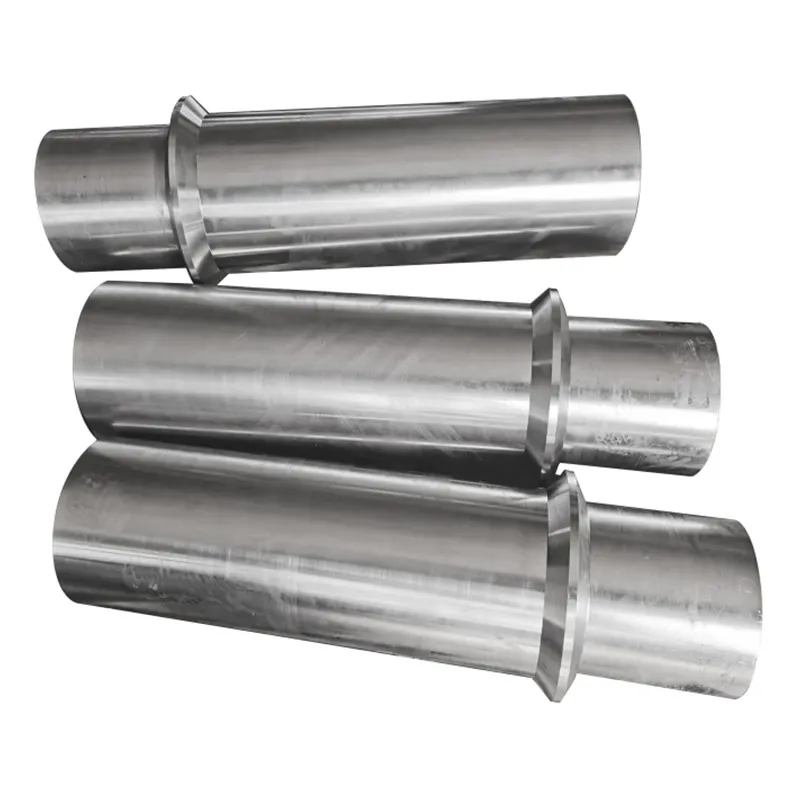
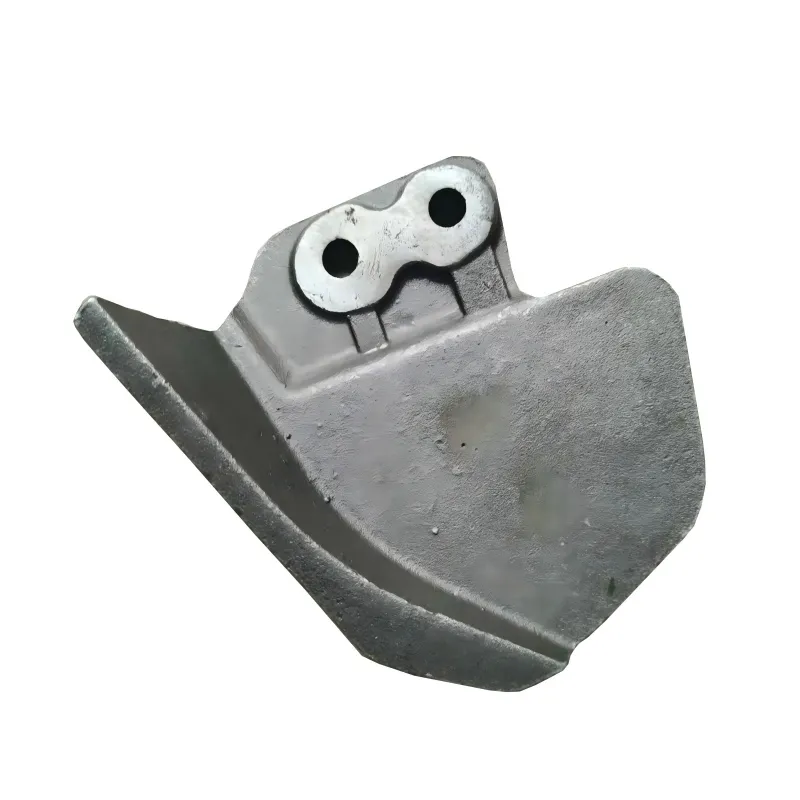
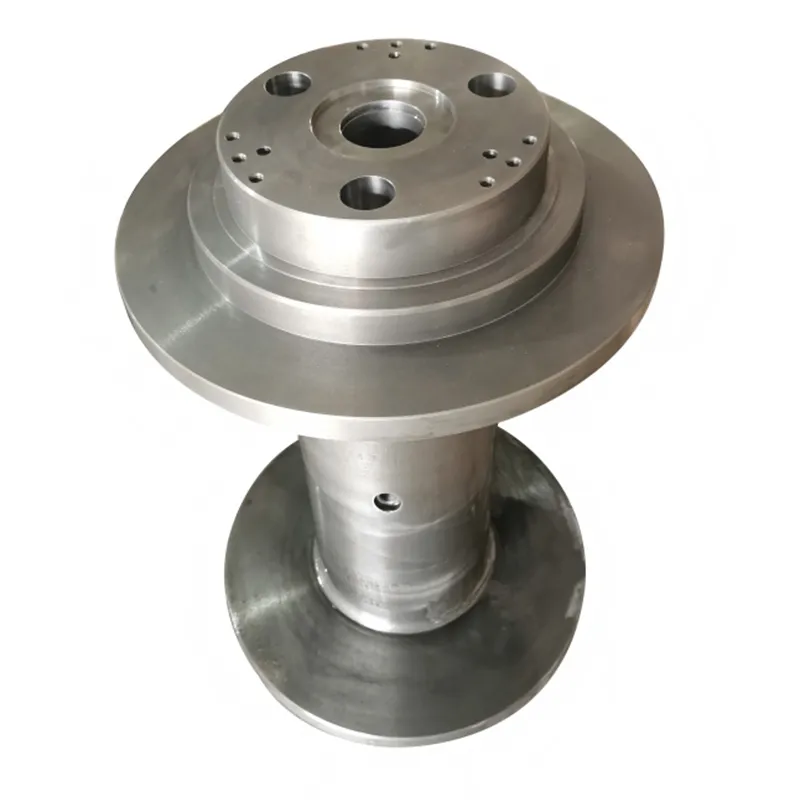
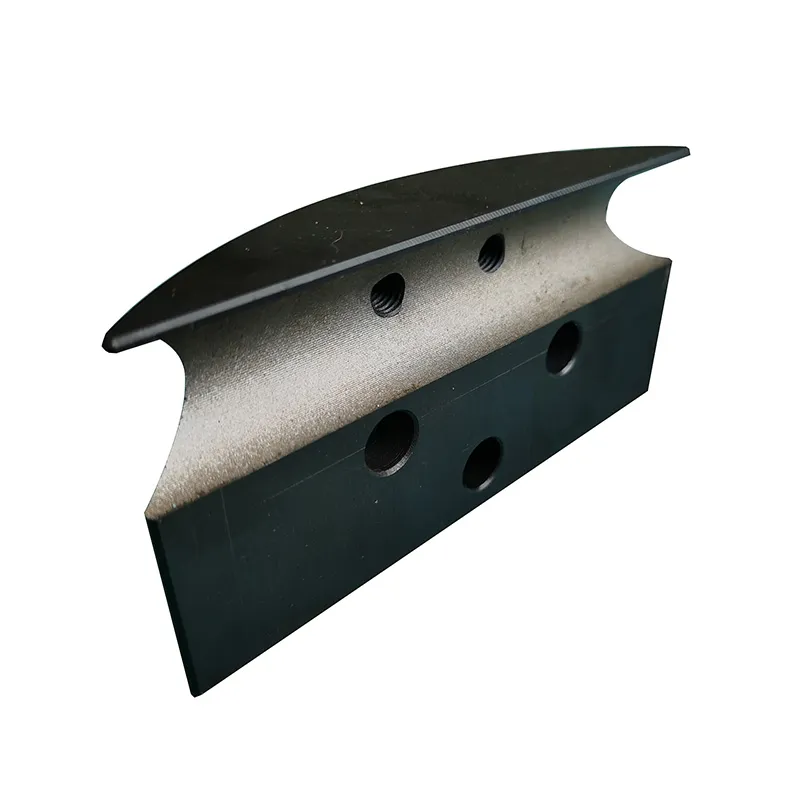
When most people hear 'stainless steel machining part', they picture something shiny, tough, and straightforward to make. That's the first misconception. The reality is, stainless steel is a family, not a single material, and machining 304 is a world apart from tackling 316L or, god forbid, 17-4 PH. The 'stainless' part fools you into thinking it's all about corrosion resistance, but on the shop floor, it's about work hardening, chip control, and managing heat. I've seen too many drawings come in with just 'stainless' specified, and that's where the headaches begin. You have to ask, or you're setting up for a scrap pile.
The Material Maze: It's Never Just Stainless
Let's get specific. Austenitic grades like 304 and 316 are the common ones. They're gummy. They don't break chips nicely; they form long, stringy ribbons that can whip around, damage the finish, and are a safety hazard. Your feeds and speeds have to be just right—too slow, and you work-harden the surface, making the next pass brutal on the tool; too fast, and you might gall the material or burn up an insert. Coolant choice and application pressure become critical. I remember a batch of valve bodies from 316 where we skimped on high-pressure coolant through the tool, thinking flood coolant was enough. The result? Built-up edge on every single insert, terrible surface finish, and a week lost reworking everything. It was a lesson in respecting the material's personality.
Then you have the precipitation-hardening grades like 17-4 PH. Machining it in the solution-treated condition (Condition A) is relatively okay, but if the part requires machining after aging to H900 or H1150, you're essentially cutting a spring. The stresses are locked in, and the part can move dramatically after you take a cut. For a complex stainless steel machining part with tight tolerances, like a sensor housing for aerospace, this means you have to develop a sequence: rough, age, then finish machine. Sometimes you even have to leave extra stock for a light clean-up pass after aging to hit those flatness or concentricity calls. It's not just making chips; it's managing the entire metallurgical process.
This is where partnering with a foundry and machine shop that gets the full lifecycle pays off. A company like Qingdao Qiangsenyuan Technology Co., Ltd. (QSY), with their three decades in both casting and machining, typically has this baked into their process. They're not just taking a block of bar stock; they might be casting a near-net-shape component in a cobalt alloy and then finishing it on a 5-axis mill. That integration forces an understanding of material behavior from molten metal to final part, which is invaluable.
The Tooling Dance: More Than Just Buying the Best Insert
Everyone wants to talk about the latest coated carbide or ceramic inserts. Sure, they matter. But for a high-quality stainless steel machining part, tool geometry is half the battle. You need a sharp, positive rake angle to slice the material rather than push it, reducing cutting forces and heat. But that sharp edge is fragile. It's a constant trade-off. For finishing, we might use a wiper geometry insert to get that Ra 0.8 mirror-like finish in one pass, but setting it up requires absolute rigidity in the setup—any chatter and it's ruined.
Drilling deep holes? That's another nightmare. Standard twist drills can pack up with those stringy chips and snap in a heartbeat. You almost always need parabolic flute drills or even better, solid carbide coolant-through drills. The cost per tool is higher, but the cost per good part plummets. I learned this the hard way on a run of hydraulic manifold blocks. We tried to save on tooling with standard HSS-Co drills. We got through three parts before drill breakage ruined a $500 blank. Switched to a proper carbide drill with through-spindle coolant, and we ran the remaining 50 parts without a single issue. The tool cost was justified in the first hour.
And it's not just metal-cutting tools. Workholding is crucial. Stainless can be delicate on finished surfaces. Using serrated steel jaws directly on a precision-machined flange will leave marks. You switch to soft aluminum jaws, machine them in-situ to perfectly grip the part's profile, or use non-marring plastic jaws. It adds setup time, but it's non-negotiable for cosmetic or sealing surfaces. This attention to detail separates a part that functions from a part that functions perfectly and looks professionally made.
The Precision Paradox: Tolerances vs. Reality
Tight tolerances on a print are a promise, but the machine, the tool, the material, and the ambient temperature are the reality. Holding ±0.01mm on a 500mm long stainless steel fabricated frame isn't just about programming the CNC correctly. Stainless has a significant coefficient of thermal expansion. If you're running a high-volume job and the shop warms up by a few degrees from morning to afternoon, or if the coolant temperature isn't controlled, your dimensions will drift. You have to compensate, either through process control (climate-controlled shop) or through clever sequencing to let heat dissipate between operations.
For a company like QSY, whose work spans from investment-cast turbine blades to large machined weldments, this is daily bread. They have to consider the stress relief from the casting process before even starting to machine. A part might be held to a tenth of a millimeter in its final state, but if the raw casting has internal stress, the first heavy roughing cut will release it and the part will warp like a potato chip. Sometimes the most critical machining step is the initial stress-relief anneal. It's a step that doesn't remove any material but makes all subsequent steps possible.
Surface finish callouts are another area where theory meets practice. You can program the perfect stepover and feed rate, but if your spindle bearings have the slightest play, or if your tool holder isn't balanced, you'll get harmonic vibrations that leave visible patterns. Achieving a true, consistent mirror finish on a large stainless steel panel often requires a final manual polishing step after CNC milling, which is an art in itself. It's rarely a fully automated process from billet to box.
When Things Go Wrong: The Scrap Heap Lessons
Failure is the best teacher, provided you're paying attention. Early on, I was machining a series of 304 stainless flanges. The print called for a 1/4 NPT threaded port. I tapped it on the CNC, looked good. A week later, assembly reports the threads are galled and seized. What happened? Stainless, especially 304, has a tendency to gall when similar metals are threaded together under pressure. The solution wasn't a better tapping cycle; it was specifying a different thread lubricant for assembly or even switching to a different fitting material like brass for the mating part. The machining was perfect, but the design for manufacturability and assembly was incomplete.
Another classic is corrosion. You make a beautiful part from 316 stainless, it passes a salt spray test, but the customer calls six months later with rust spots. Often, it's iron contamination. If you machined the stainless part on a lathe that was previously used for carbon steel, and the chuck jaws or tooling weren't meticulously cleaned, tiny particles of plain steel can embed into the stainless surface. These particles rust, making the stainless part look like it's failing. The fix is procedural: dedicated tooling or rigorous cleaning protocols for stainless jobs. It sounds simple, but on a busy shop floor, it's easily overlooked until it costs you a client.
These aren't theoretical problems. They're the gritty details that determine if a stainless steel machining part succeeds in the field. A supplier's experience is often measured not by their shiny new machines, but by their log of past mistakes and the systems they've built to prevent them. A long-standing operation like the one behind tsingtaocnc.com inevitably has this depth, having navigated everything from casting shrinkage to final part corrosion for over 30 years.
The Bigger Picture: From Part to Integrated Component
Finally, it's worth remembering that a machined part rarely exists in isolation. It's a component in a system. This is where the combined casting and machining capability becomes a serious advantage. Take a pump housing. You could machine it entirely from a solid block of 316, but you're wasting 70% of the material as chips, and the machining time is enormous. Alternatively, you could have it investment cast by a specialist like QSY to a near-net shape, with only the critical sealing surfaces, bolt holes, and ports needing finish machining. The lead time might be longer due to the casting pattern process, but the material utilization is better, the part often has superior grain structure, and the final cost for medium to high volumes is lower.
This approach requires deep collaboration between the design engineer and the manufacturer from the very start. Can a draft angle be added to the casting to ease mold release? Can we design a datum system that is present on the casting and used throughout machining? The goal is to design for the entire manufacturing process, not just the final geometry. The most satisfying projects are when we're brought in at the prototyping phase, and we can say, If you tweak this wall thickness and add a radius here, we can cast it more reliably and reduce machining time by 30%. That's when you move from being a machine shop to being a manufacturing partner.
So, when you're looking for a stainless steel machining part, you're not just buying time on a CNC machine. You're buying an understanding of metallurgy, tooling dynamics, thermal effects, and system integration. The part that arrives at your dock is the physical result of a hundred small decisions, corrections, and pieces of hard-won experience. The shine is just the very last step.