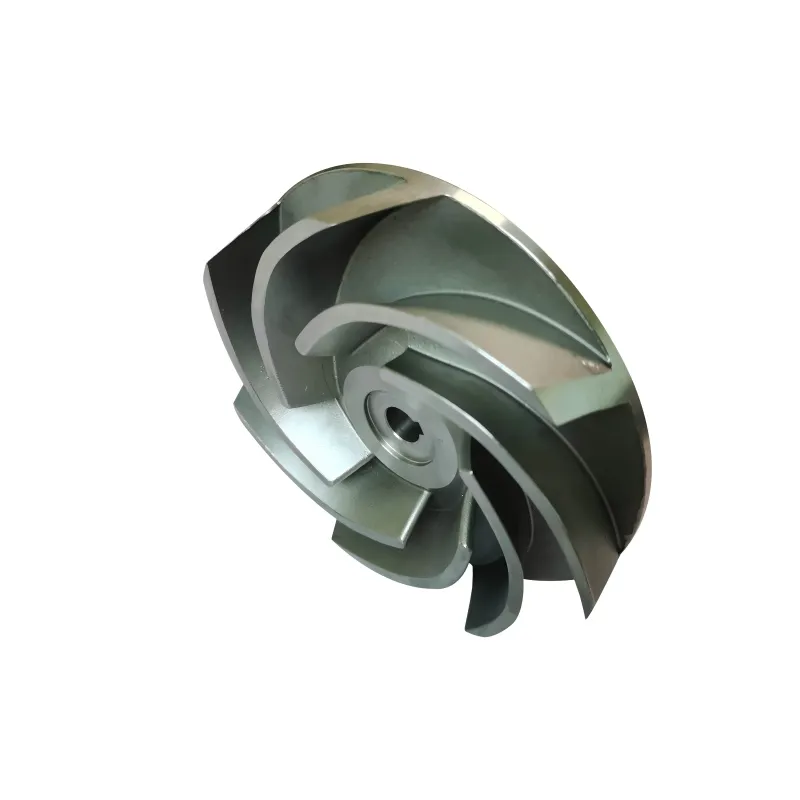
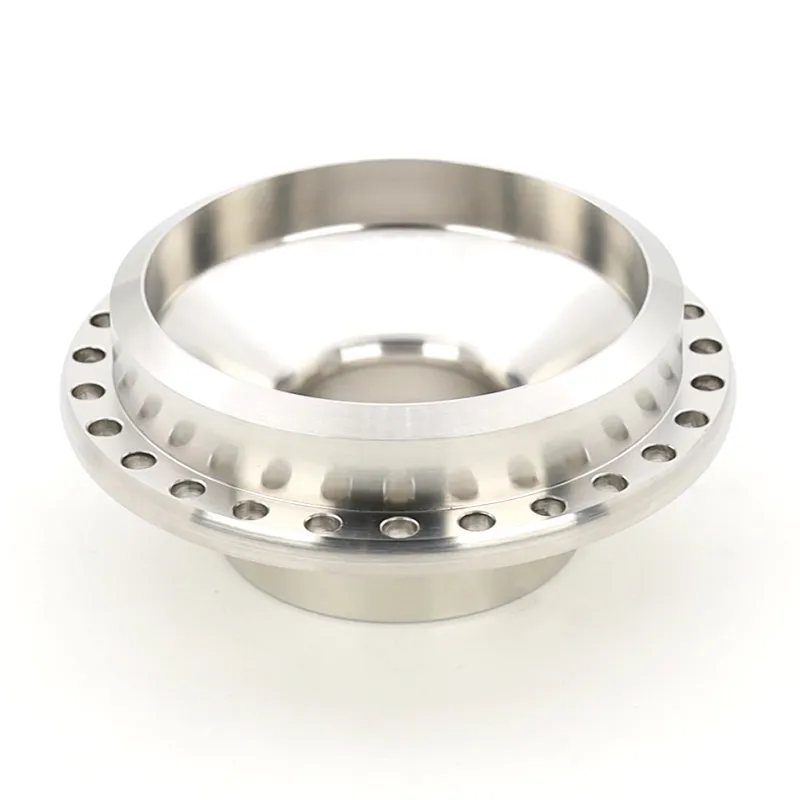
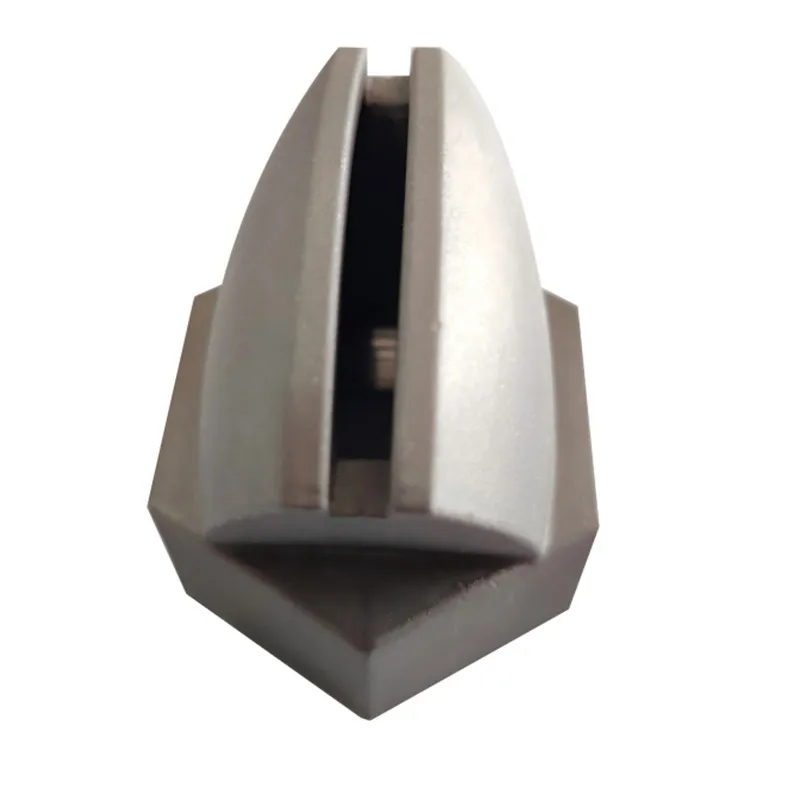
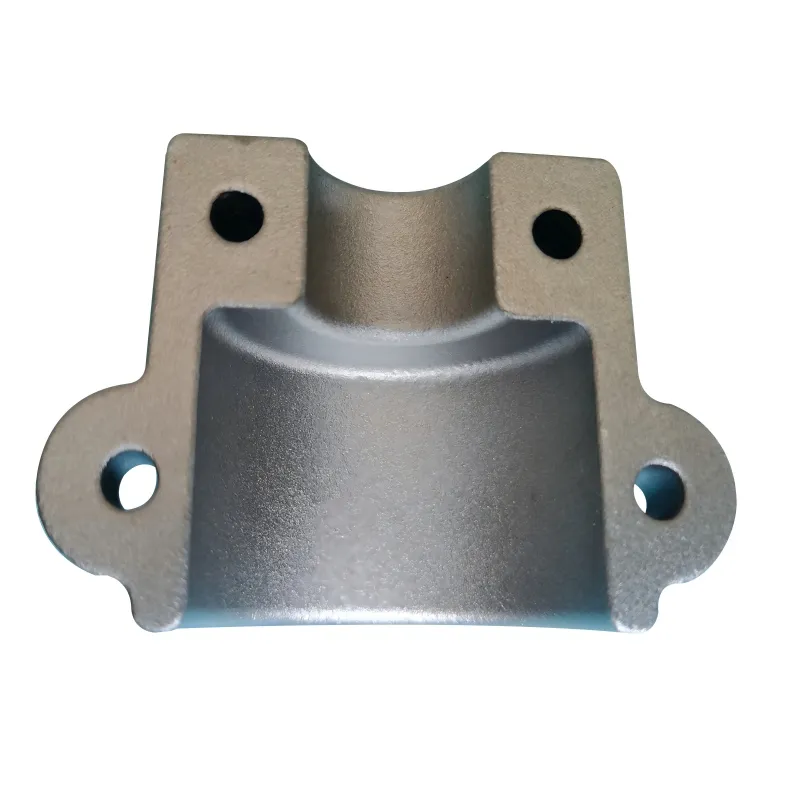
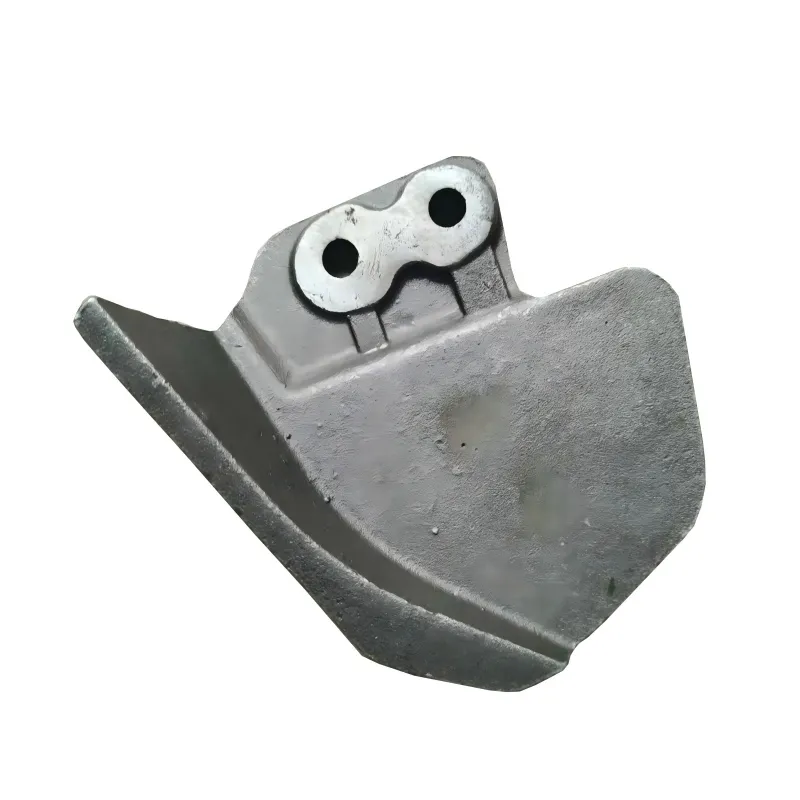
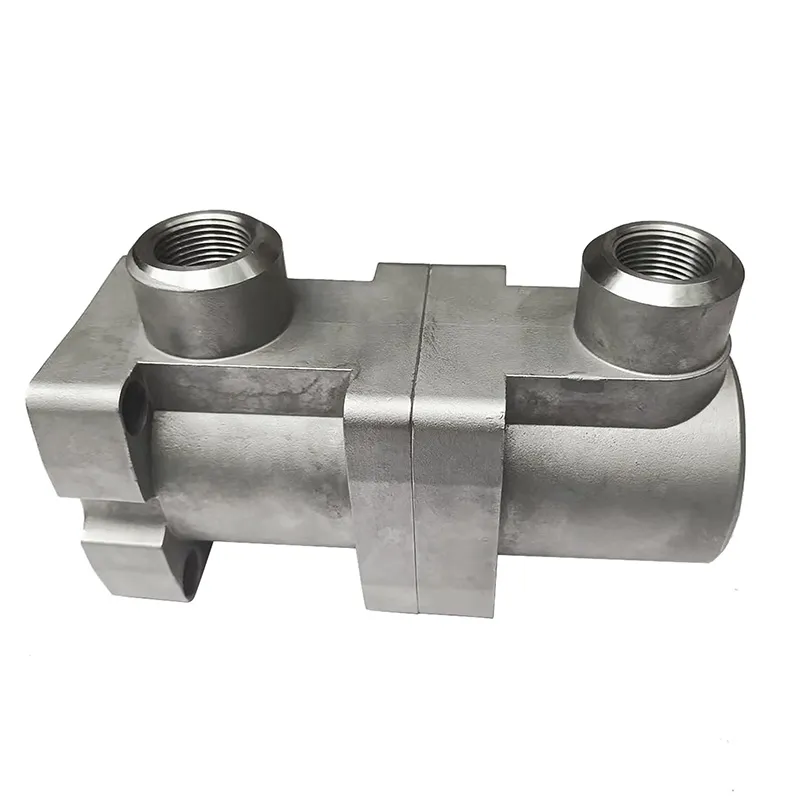
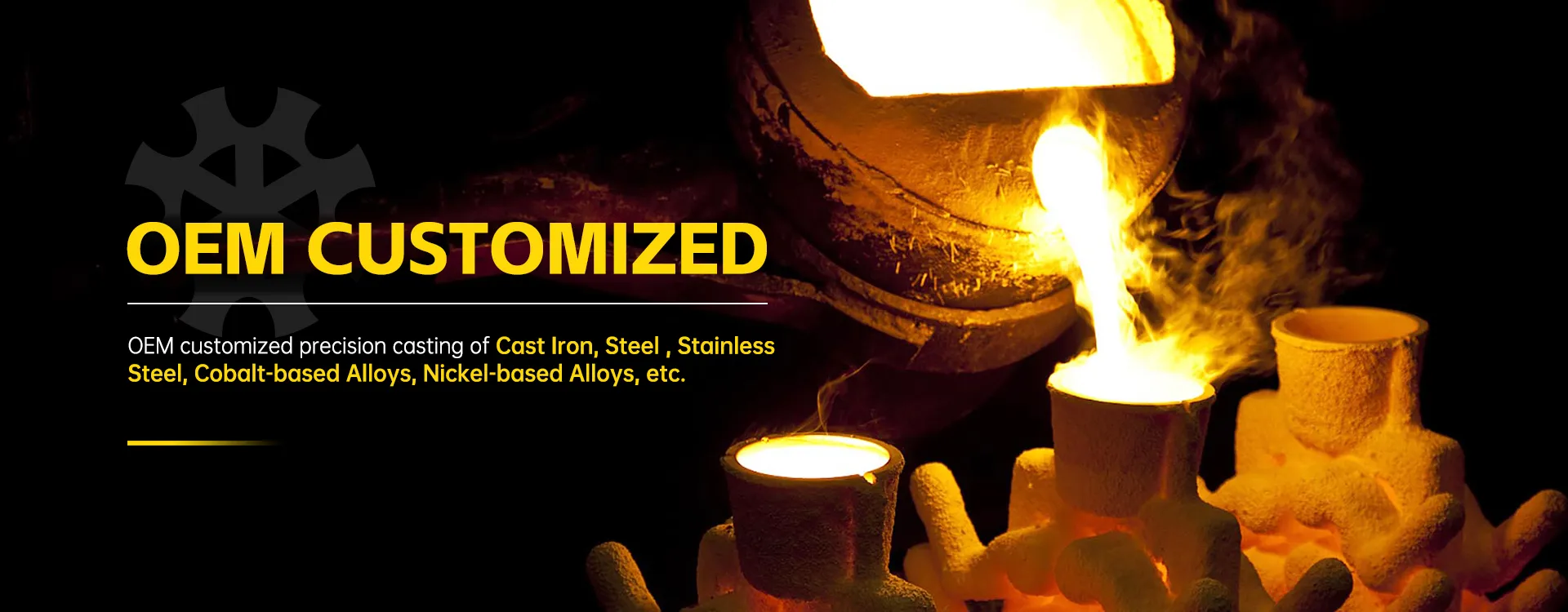
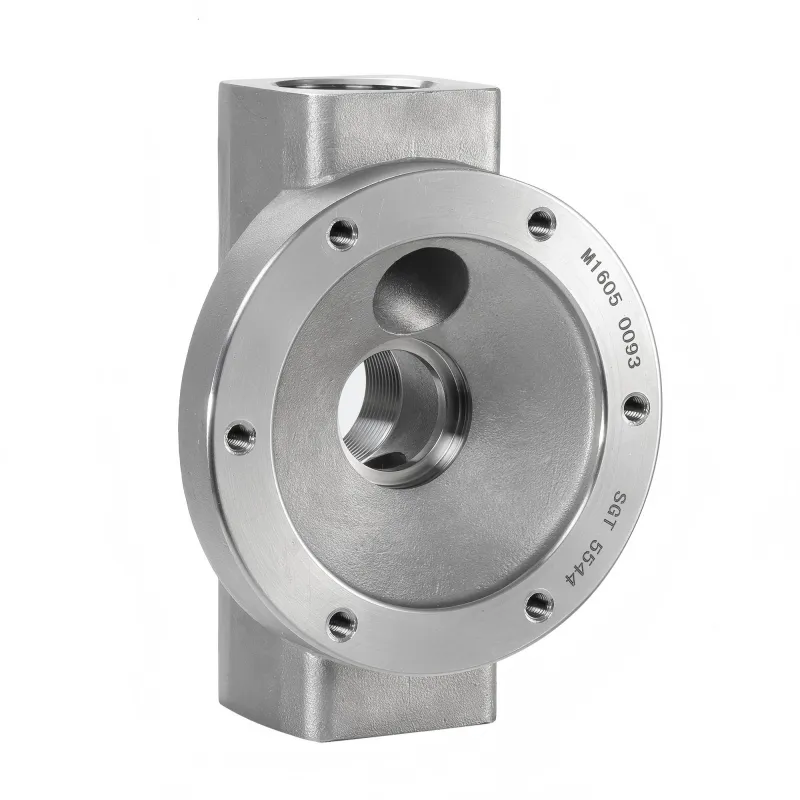
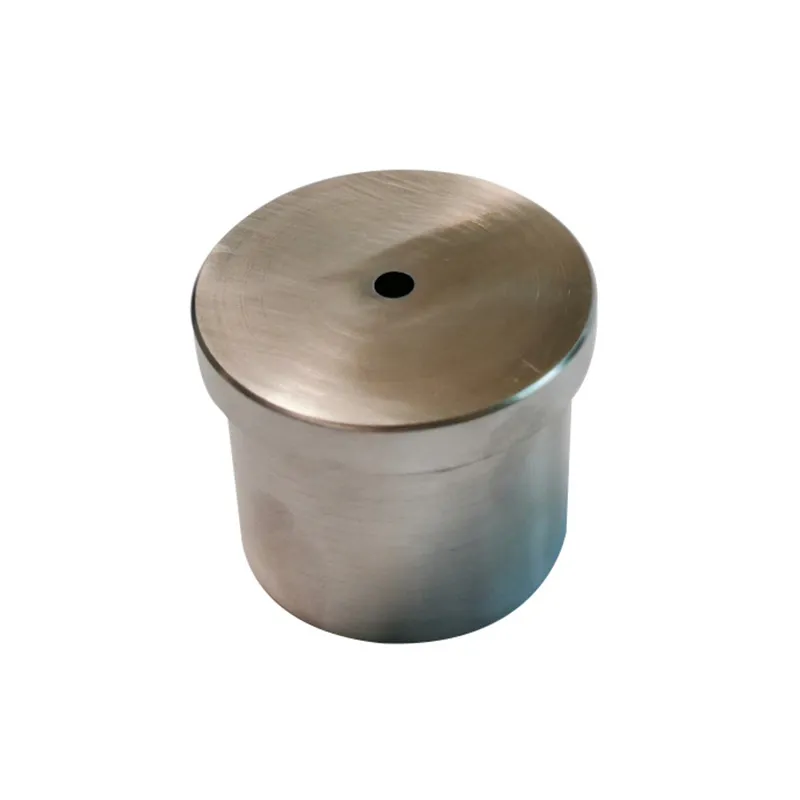
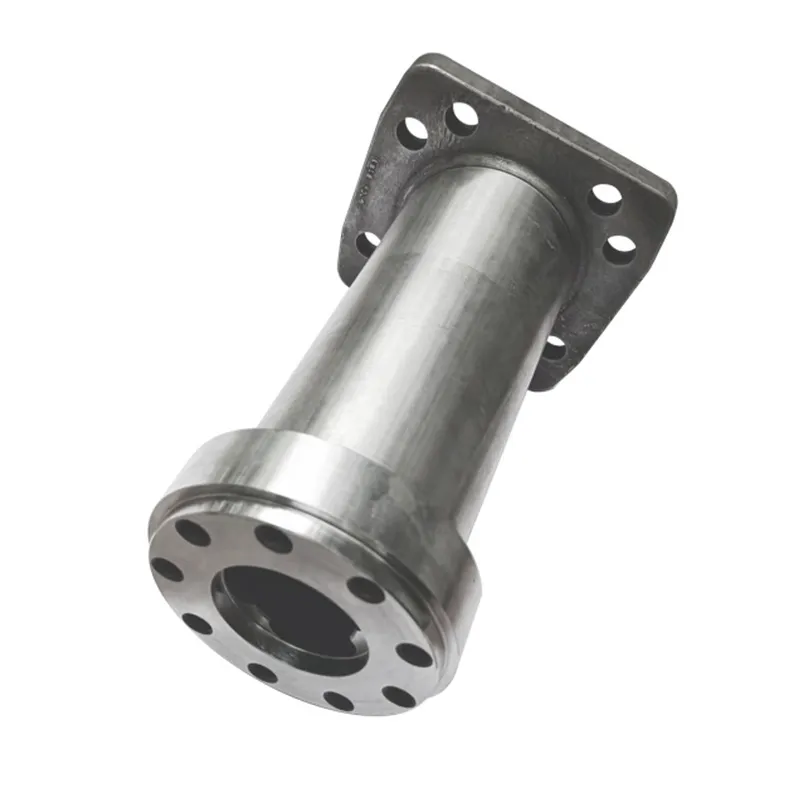
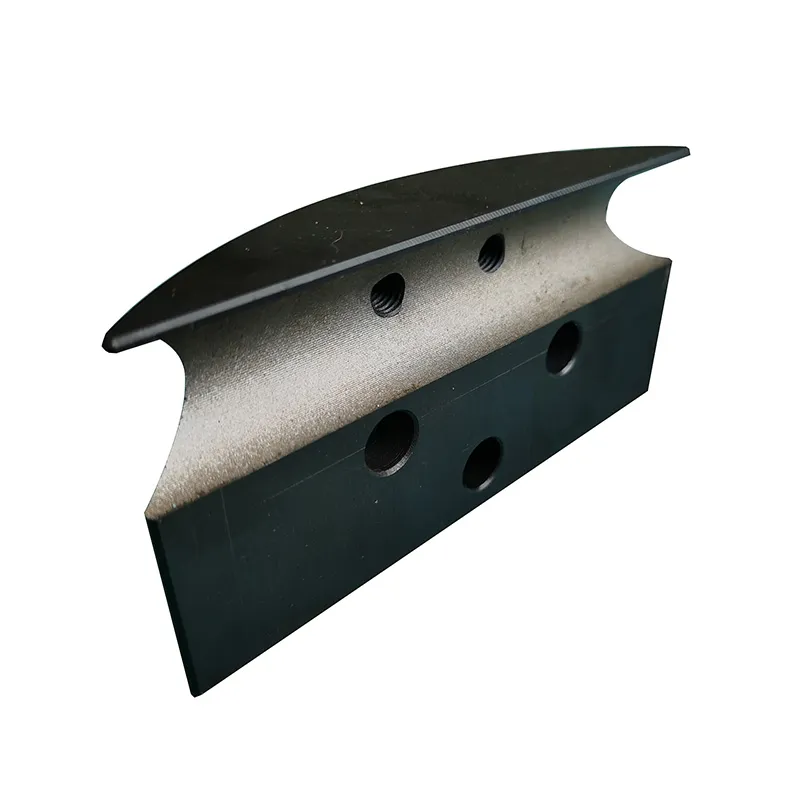
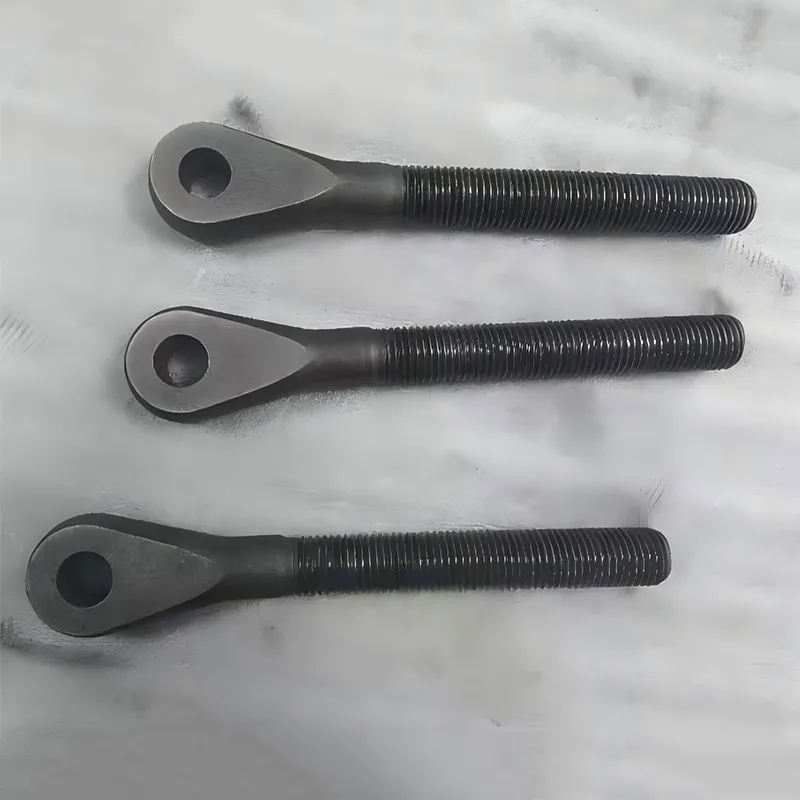
When most people hear 'stainless steel precision casting', they picture a flawless, shiny component straight out of the brochure. That's the first misconception. The reality is that 'precision' here is a relative term, a constant negotiation between the ideal CAD model and the stubborn physics of molten metal. It's not just about tight tolerances; it's about managing distortion, predicting shrinkage for each specific grade of stainless, and knowing which surface finish is actually achievable 'as-cast' versus what needs post-machining. I've seen too many designs that specify investment casting for its complexity but then demand machined-part tolerances on every single surface—it's a surefire way to blow the budget. The true art lies in knowing what the process can give you naturally and where you absolutely must intervene.
The Core of the Process: It's All About the Shell
Everything hinges on the ceramic shell. A lot of newcomers to sourcing think the metal is the star, but the shell is the stage, director, and costume designer all in one. A weak shell means a runout or a fin; an uneven shell leads to inconsistent wall thickness. We spend days, sometimes weeks, just on the slurry formulation and stuccoing process. For a critical pump impeller in 316L, for instance, we might use a fused silica primary coat for better surface finish, but switch to zircon for the backup coats for its higher refractoriness. It's these choices, often invisible in the final part, that determine success or a yard full of scrap.
Temperature control during dewaxing is another silent killer. Too fast, and the shell cracks from the expanding wax. Too slow, and you leave residue that turns to carbon inclusions during the pour. I remember a batch for a marine fitting where we had a minor oven calibration drift—just 15 degrees Celsius over spec. The result wasn't immediate failure; the shells looked fine. But during the pour, those micro-cracks allowed metal penetration, creating a rough, unacceptable internal surface that wasn't detectable until the first machining pass. That was a costly lesson in trusting, but verifying, every single parameter.
And then there's the burnout. It's not just about melting out the wax. It's about converting any residual pattern material to ash that can be driven off, leaving no carbon behind to contaminate the stainless steel. For duplex grades like 2205, this is absolutely critical because carbon content directly impacts corrosion resistance. You can't just burn it hotter; you follow a precise thermal cycle. This is where decades of practice, like the kind built up at a firm such as Qingdao Qiangsenyuan Technology Co., Ltd. (QSY), make the difference. You develop a feel for it. Their long-term focus on shell mold casting and investment casting suggests a deep, operational knowledge of these non-glamorous but vital steps.
Material is Not Just a Spec Sheet
Specifying stainless steel is like saying vehicle—it's meaningless without the type. 304, 316, 17-4PH, 2205—they all behave wildly differently in the crucible and the mold. 304 is relatively forgiving, but its shrinkage is significant. 17-4PH, a precipitation-hardening grade, is fantastic for strength-to-weight, but it's a nightmare for hot tearing if your gating and risering system isn't designed to accommodate its solidification pattern. You can't use the same feeding logic for every alloy.
We learned this the hard way with a prototype for an aerospace bracket. The print called for 17-4PH in H900 condition. We cast it, machined it, heat-treated it. It passed dimensional checks but failed ultrasonic inspection. Tiny, internal hot tears. The issue? Our risers, perfect for 316, didn't provide enough directional solidification for this particular alloy. We had to go back, simulate the solidification again with the exact material properties, and redesign the entire gating layout. It added three weeks to the project. Now, for any new alloy, especially the special alloys like nickel-based ones, we insist on running a small test coupon first to see how it actually feeds and shrinks in our specific foundry environment.
This is why partnering with a foundry that genuinely understands metallurgy is non-negotiable. It's not just about melting and pouring; it's about knowing that for a high-nickel alloy, you need to control pouring temperature to within a 30-degree window to avoid segregation, or that for certain applications, you might even suggest a different, more castable grade that meets the functional requirements at a lower risk. A shop with 30 years in the game, like QSY, will have faced these material-specific demons and built solutions into their process. You can find a glimpse of their material scope on their site at https://www.tsingtaocnc.com.
Where Casting Ends and Machining Begins
This is the great handoff, and it's where many projects stumble. No stainless steel precision casting is truly net-shape for functional parts. There are always datum faces to be machined, threads to be tapped, or sealing surfaces to be finished. The key is strategic stock allowance. Put too much stock everywhere to be safe, and you're wasting money on excess metal and machining time. Put too little, and you risk breaking through the skin, exposing potential subsurface porosity.
The ideal is to collaborate with the machining team from the design phase. We always aim to identify the critical interfaces early—say, the flange face that mates with another component or the bore for a bearing. These areas get a targeted, consistent stock allowance, often just 0.5-1mm. Non-critical surfaces can be left in the as-cast state, which, if your shell process is good, can be a very clean surface finish. This integrated approach is what separates a parts supplier from a solutions provider. It's clear from QSY's offering of combined CNC machining that they operate on this principle, controlling the process from mold to finished machined part, which eliminates a huge layer of communication error and quality finger-pointing.
I recall a valve body project where the initial casting design had uniform 3mm stock. The machinist spent 80% of his time removing metal from non-functional areas. By redesigning the casting to add material only where needed for machining datums and critical seals, we reduced the overall casting weight by 18% and cut machining time in half. The savings were dramatic. The lesson? Precision casting is as much about intelligent subtraction downstream as it is about controlled addition in the foundry.
The Reality of Tolerances and Finishes
Industry standards like ISO 8062 give you tolerance bands, but they're starting points, not guarantees. A CT5 tolerance on a 50mm dimension is theoretically ±0.35mm. But can you hold that across the entire batch, on every feature? Unlikely. Features across a parting line will have more variance. Thin walls are harder to control than thick ones. The real professional judgment is in knowing which tolerances are commercial (general geometry) and which are critical (fit, function). You negotiate and focus your process control on the critical ones.
Surface finish is another area ripe for misunderstanding. A typical investment casting can achieve an Ra of 3.2 to 6.3 micrometers as-cast. That's good, but it's not polished. If you need Ra 0.8 for a dynamic seal, you will need machining or polishing. The casting process can get you close, but it can't perform miracles. I've had clients ask for mirror finishes straight from the mold. It doesn't work that way. You have to explain the ceramic grain size, the interface between the first slurry coat and the metal—it's a physical limit.
Visual inspection standards also need clarity. What's an acceptable minor surface imperfection? A small inclusion on a non-stressed, non-cosmetic area might be perfectly acceptable per ASTM standards, but a client used to forged or machined parts might reject it. Setting these expectations upfront, with physical samples if possible, is crucial. It's better to show a sample with a typical surface texture than to have an argument after 500 pieces are made.
Failures Are the Real Teachers
You don't learn precision from the perfect orders; you learn it from the scrap bins. We once had a recurring issue with micro-porosity in the hub of a small turbine wheel. It passed X-ray but failed under stress testing. We tweaked everything: pouring temp, shell preheat, alloy composition. Nothing worked consistently. Finally, in a moment of frustration, we looked at the wax pattern itself. The injection gate was attached right at the problematic hub, creating a local hotspot. By simply moving the gate location and adding a small chill in the mold at that spot, we redirected the solidification front and eliminated the porosity. The problem wasn't the metal; it was the thermal geometry we'd created.
Another classic failure is assuming all post-processing is equal. We sent out a batch of 316 castings for passivation to a new vendor. They used a nitric acid bath, standard practice. But their bath was contaminated with chlorides from a previous job. The result was a superficially passivated part that failed a salt spray test spectacularly. The casting was sound, but our supply chain control wasn't. Now, we qualify our finishing partners as rigorously as our own processes. This end-to-end control is, in my view, the hallmark of a mature supplier. It's the kind of holistic oversight a company builds over over 30 years in the business, managing everything from the cast iron to the exotic alloys under one roof.
So, when you look at stainless steel precision casting, don't just see the final geometry. See the slurry tank, the temperature charts, the solidification simulation, the handoff to the CNC machine, and the hard-won lessons from past mistakes. The precision is earned, not given, through a thousand small, controlled steps and a deep understanding of where the process's natural capabilities lie and where they must be rigorously forced into line. That's what you're really buying.