When most people hear 'stainless steel pump', they picture a shiny, indestructible unit. That's the first misconception. The reality is, the grade matters more than the label. 304 might be fine for a water transfer application, but put it in a mild chemical process or, worse, a saline environment, and you'll see failure faster than you'd think. I've seen too many projects spec 'stainless' as a catch-all, only to deal with premature corrosion and costly replacements. It's not just about the material; it's about the right material for the job, and how it's made.
The Casting Foundation: Where Reliability is Forged
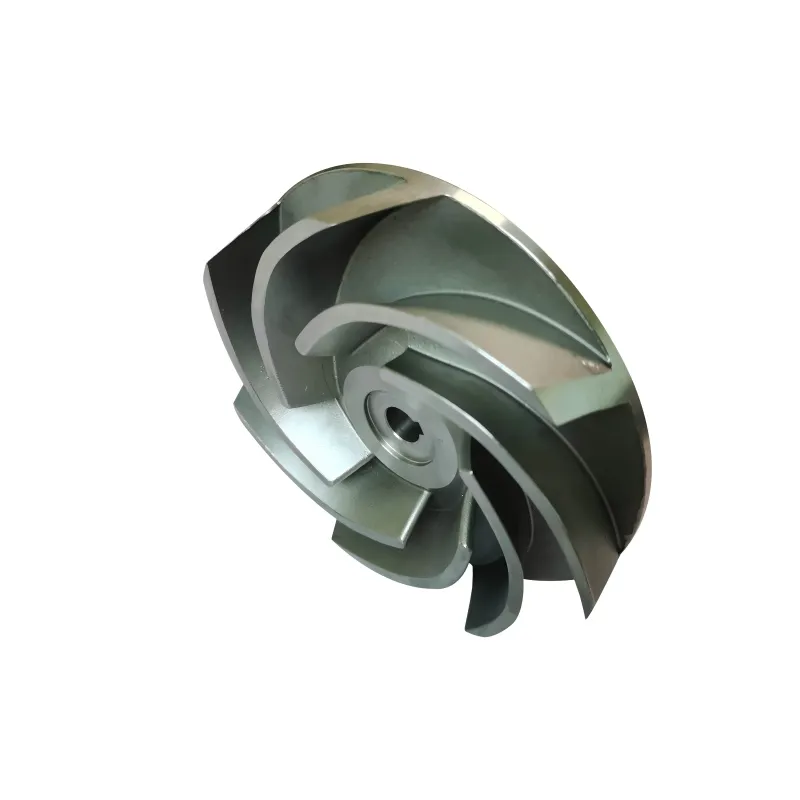
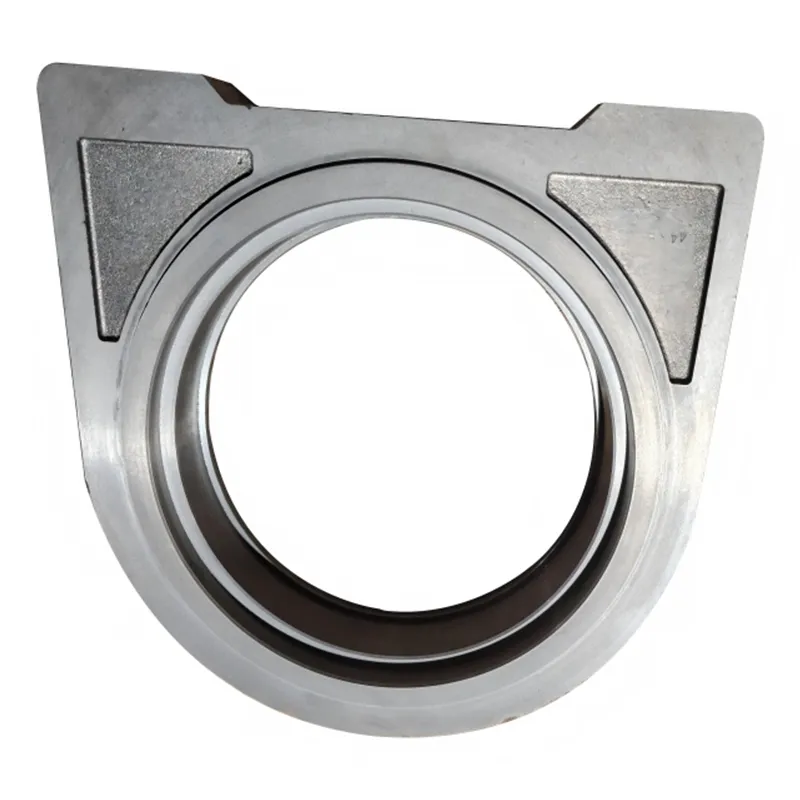
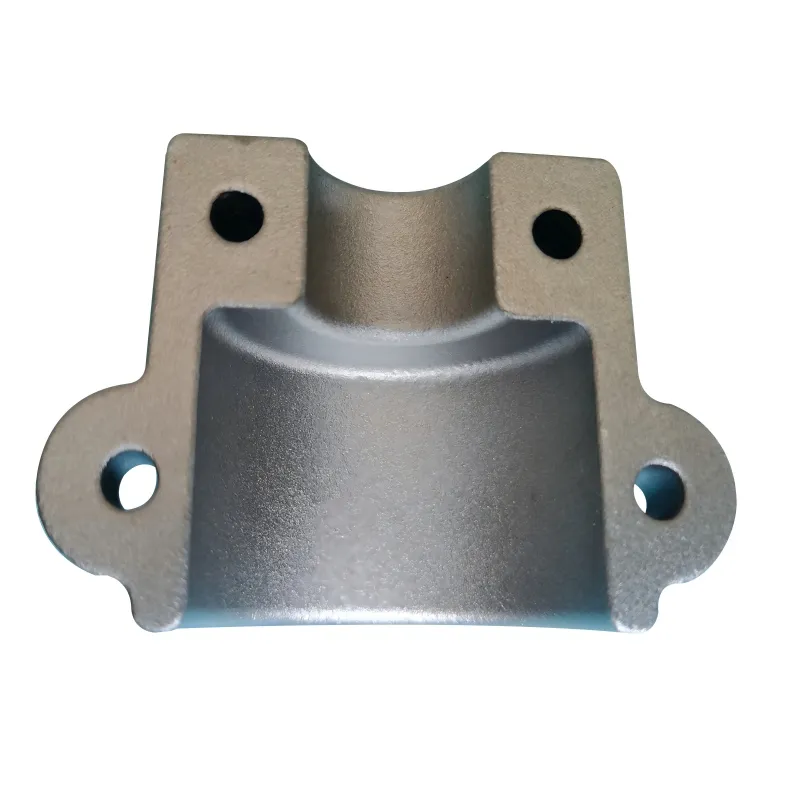
This is where the real story begins. A pump's durability isn't just engineered; it's cast. The housing, impeller, volute—these critical components start their life in a mold. Over three decades in this field, I've learned that the foundry process is the unsung hero. A poorly cast part, even in 316L, will have inclusions, weak spots, or micro-porosity that become failure points under pressure or corrosive attack. You can't machine quality into a bad casting.
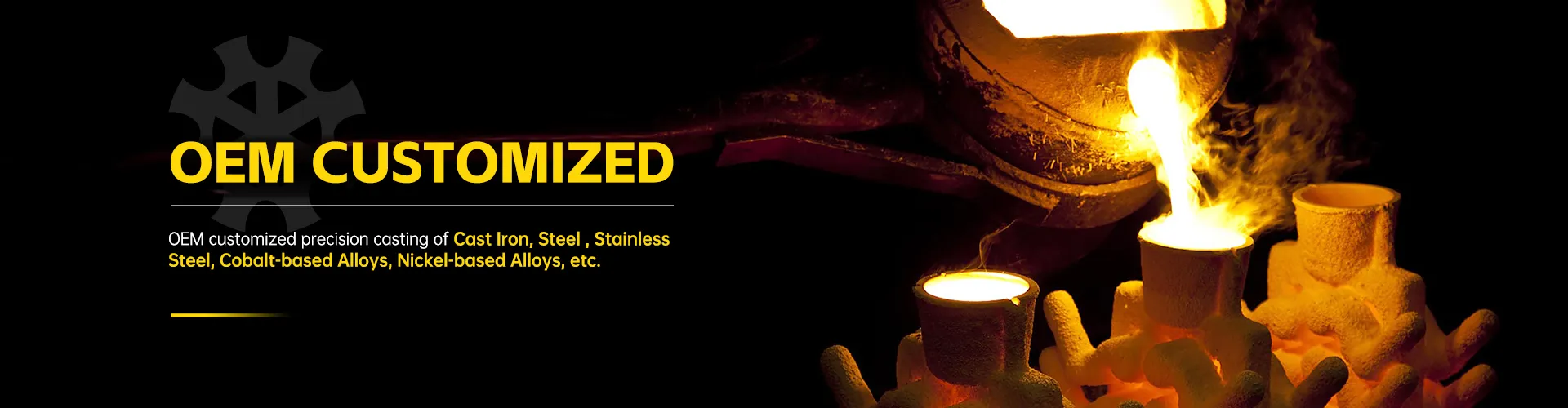
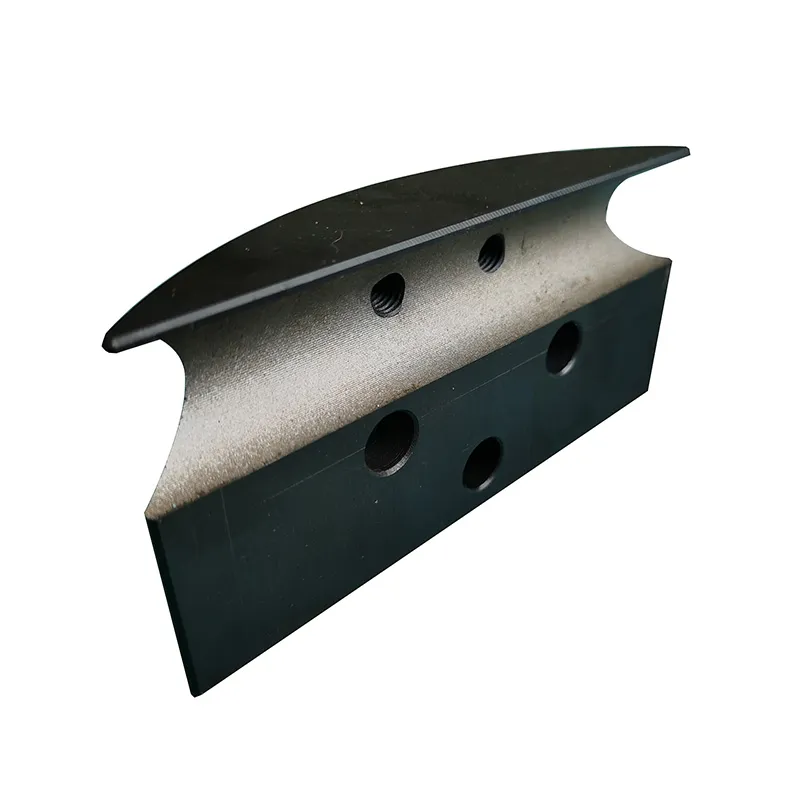
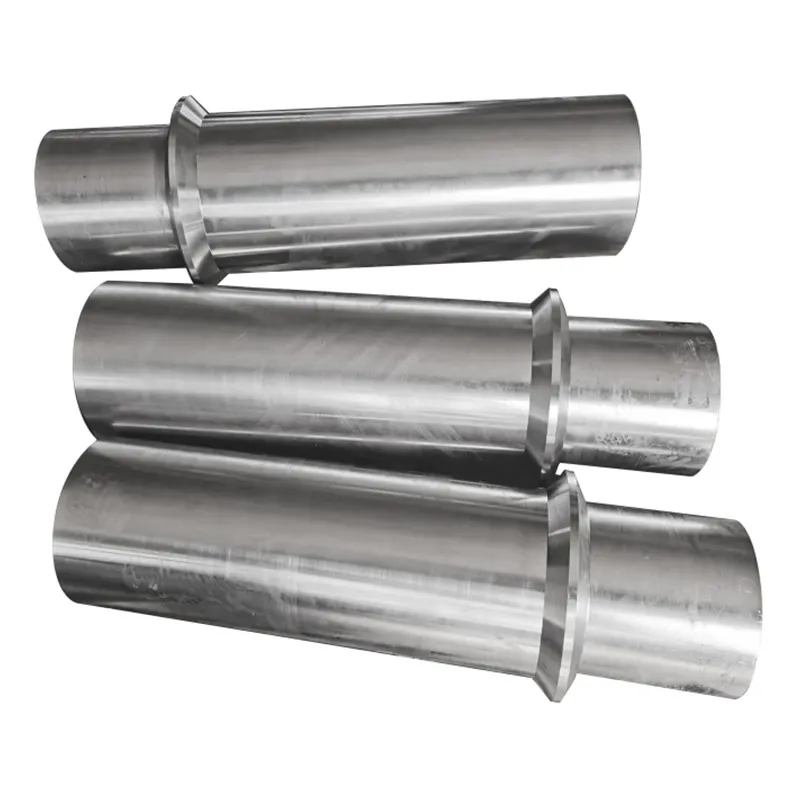
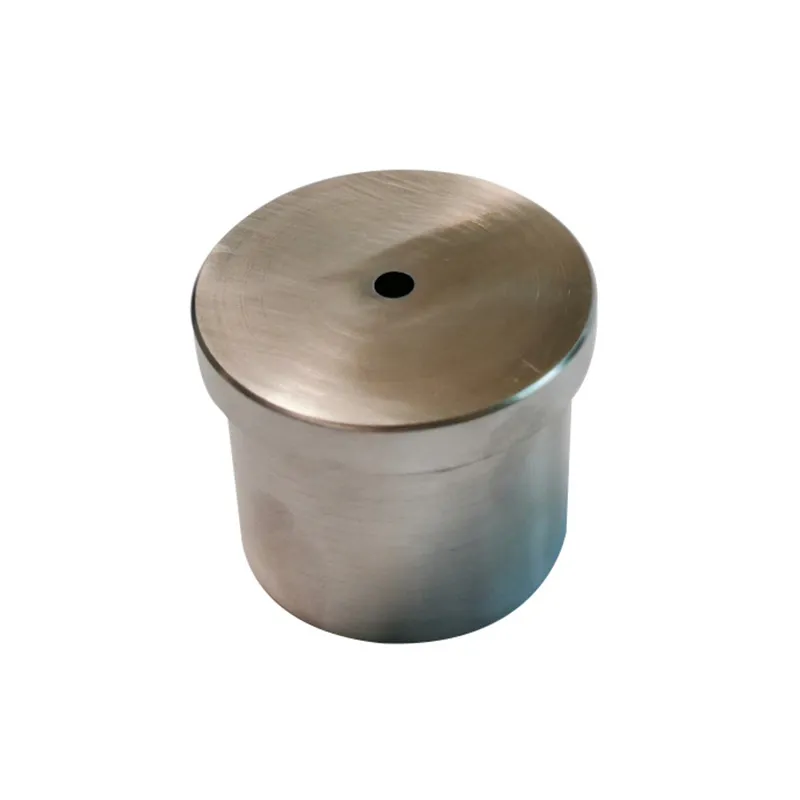
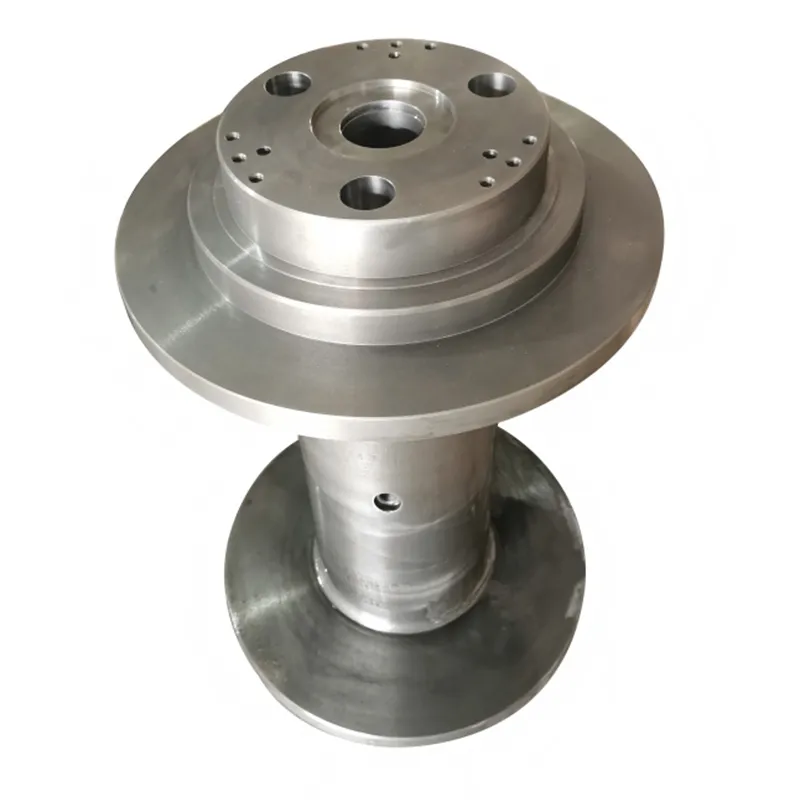
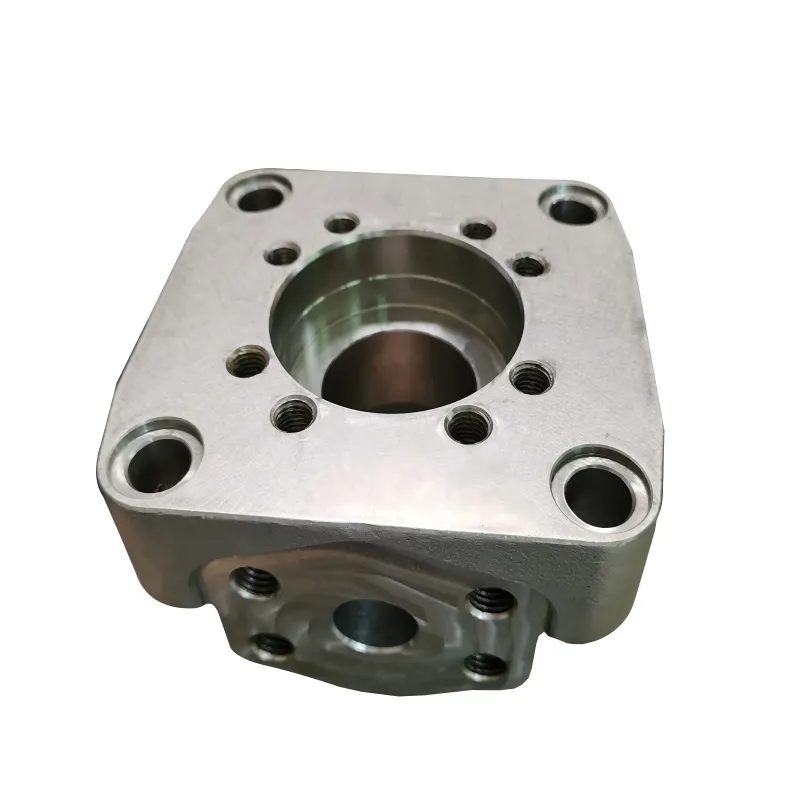
This is why the sourcing and stainless steel pump component manufacturing chain is critical. I've worked with suppliers who cut corners on the melt process or post-cast heat treatment, and the results are always the same: inconsistent performance and unpredictable lifespan. A company like Qingdao Qiangsenyuan Technology Co., Ltd. (QSY), with their long-term focus on shell mold casting and investment casting, understands this. Their 30-year tenure isn't just a number; it speaks to a refined control over the metallurgy and mold-making that directly translates to structural integrity in the final pump component. Shell molding, for instance, gives a better surface finish and dimensional accuracy than traditional sand casting, which means less stress concentration and better flow characteristics inside the pump chamber.
I recall a project where we were retrofitting pumps for a coastal cooling water intake. The original cast iron housings were crumbling. We switched to a stainless steel pump, but the first batch of castings from a new supplier failed spectroscopically—traces of improper deoxidizers. We had to scrap the entire lot. It was a lesson in vetting not just the material certificate, but the foundry's entire quality protocol. The consistency from a seasoned foundry is non-negotiable.
Machining Precision: The Fit That Dictates Performance
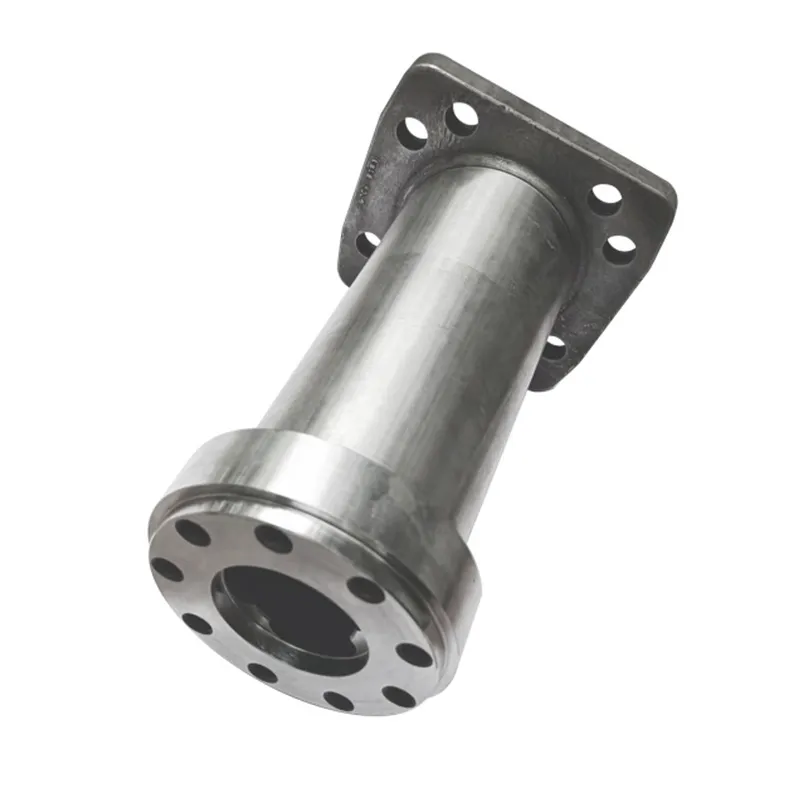
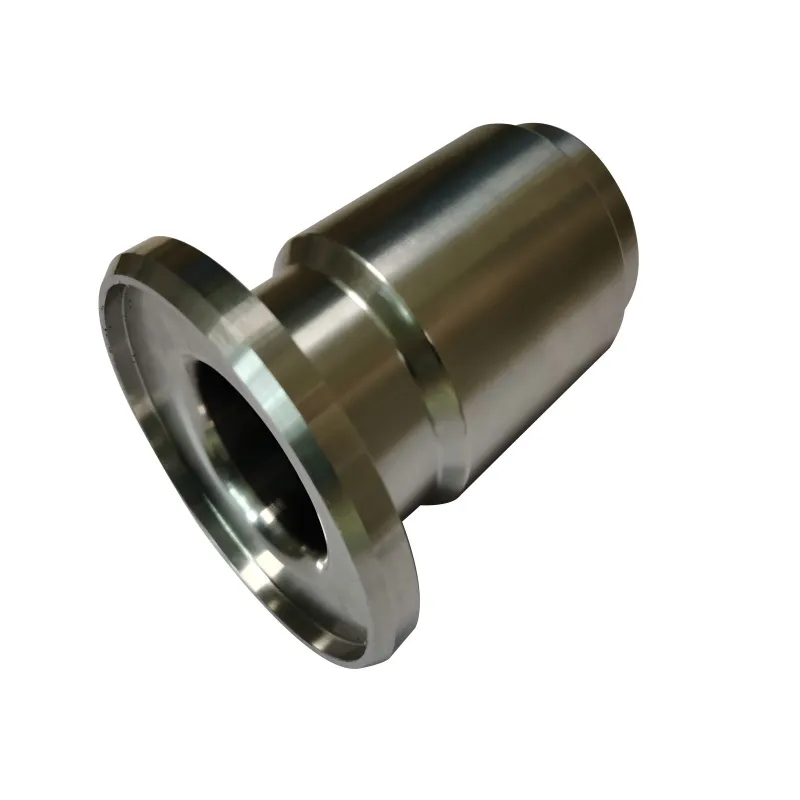
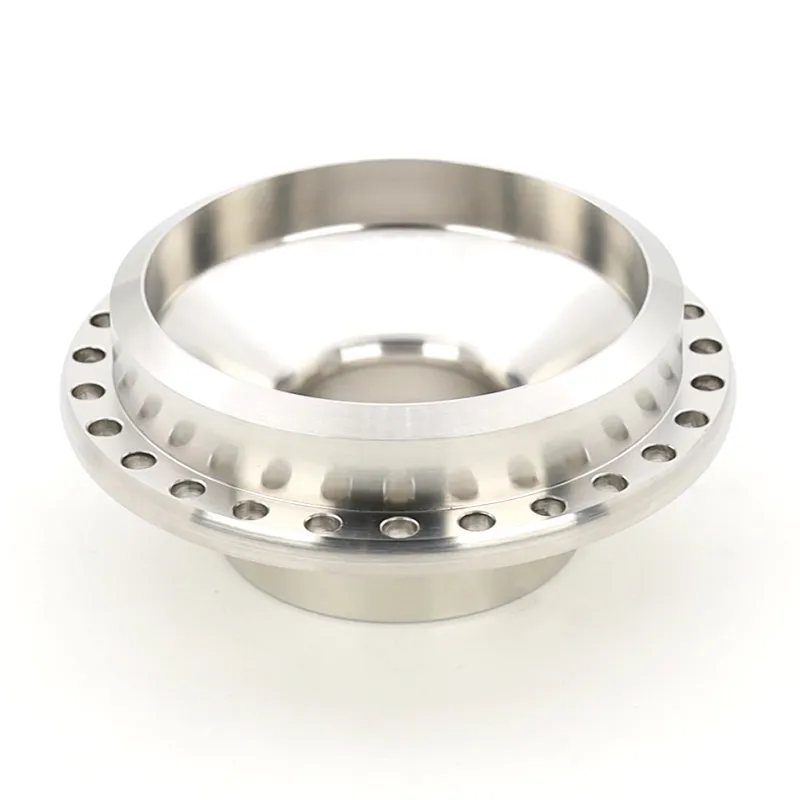
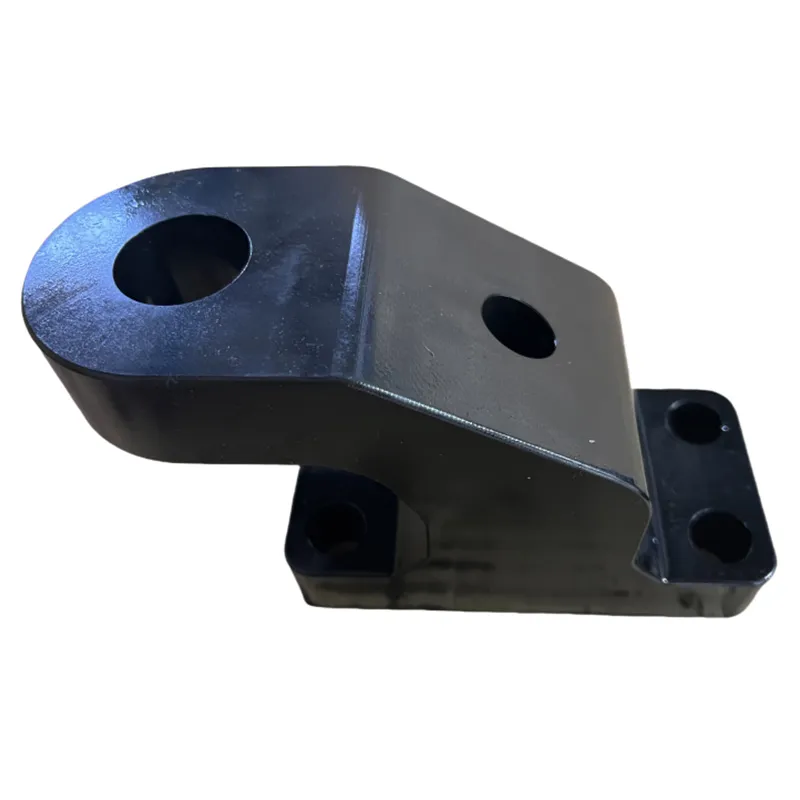
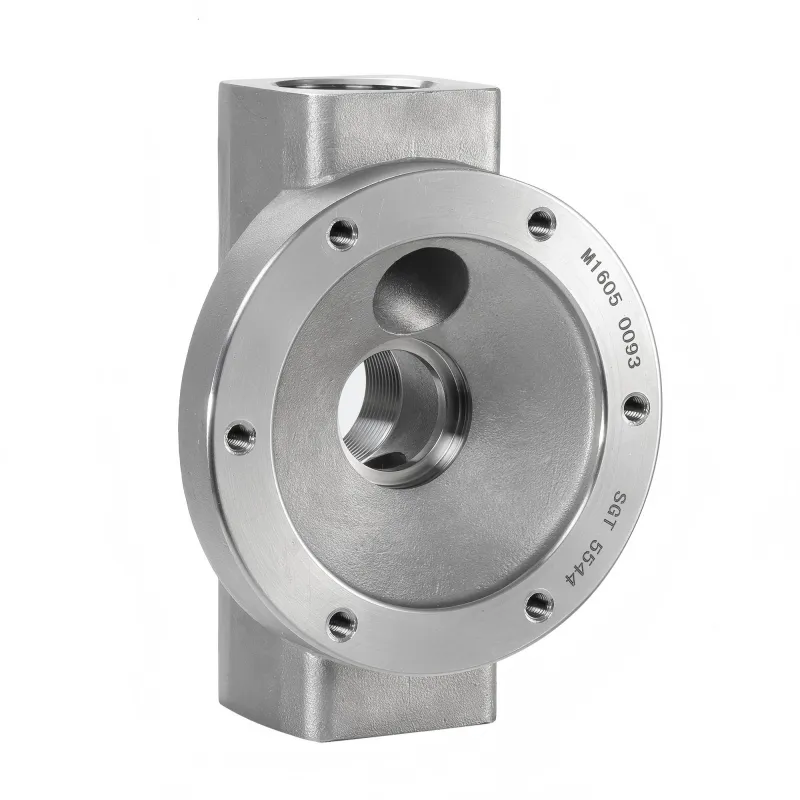
Even a perfect casting is just a rough sculpture. The precision comes from machining. The tolerances on a pump shaft sleeve, the surface finish of a seal chamber, the dynamic balance of an impeller—these are what separate a quiet, efficient workhorse from a vibrating, leaking liability. CNC machining is the standard for a reason, but not all CNC shops are equal for pump parts.
The challenge with stainless steel is its work-hardening tendency. If your machining parameters are off—feed rate, cutting speed, coolant—you can actually degrade the material properties at the surface, creating micro-fractures or a hardened skin that's prone to cracking. I've had impellers come back from machining that looked perfect but failed in balance tests because the tool path induced residual stress. It's a subtle thing that only shows up in operation.
This is where integrated capabilities matter. A partner that handles both the casting and the CNC machining in-house, like QSY mentions in their operations, has a significant advantage. The machinists understand the grain structure and behavior of the castings they're working with. They can adjust processes based on the specific heat lot of stainless steel or special alloy. This continuity reduces variables and, in my experience, leads to a more reliable final component for the stainless steel pump assembler.
Material Nuances: It's Never Just Stainless
Let's get specific. 304, 316, 316L, Duplex, Super Duplex, even the nickel-based alloys like Alloy 20 or Hastelloy C—they all fall under the broad 'stainless' umbrella for pumps. The choice is everything. 316L, with its molybdenum content, is the default for many chemical duties, but its weakness is chlorides. That's where Duplex steels, with their mixed austenitic-ferritic structure, come in with better stress corrosion cracking resistance.
I worked on a biodiesel plant project where the process stream had fatty acids and methanol. We initially spec'd 316L. It held up for a year, then we started seeing pitting around the gasket faces. Turned out, trace chlorides from feedstock contamination were the culprit. We had to upgrade the wetted parts to a super duplex stainless steel. It was a costly retrofit that could have been avoided with a more thorough initial fluid analysis and material selection. The pump frame and base could stay as 304, but every wetted part needed the upgrade.
This is why a supplier's material range is telling. When a company lists experience with special alloys like cobalt-based or nickel-based alloys, it signals they're equipped for the tough jobs—high-temperature, highly corrosive, or abrasive slurry applications. These aren't off-the-shelf solutions; they require specialized knowledge in both casting and machining, which directly feeds into building a truly robust stainless steel pump for extreme service.
The Assembly & Real-World Ghosts
You can have perfectly cast and machined components, and still assemble a bad pump. The fit between the shaft and the sleeve, the alignment of the mechanical seal faces, the proper torquing of fasteners—these are where field failures often originate. I've seen a beautiful investment-cast impeller ruined because the assembly crew used a hammer to seat it on the shaft, shocking the bearings from day one.
Another ghost is cavitation. People blame the pump, but often it's a system design issue. However, the material and construction of the pump can influence the damage. A cavitating pump will eat through any material, but a lower-grade stainless steel or one with casting flaws will erode and pit catastrophically faster. A high-integrity casting with the right grade can buy you time to diagnose and fix the system problem before a total failure.
It's these interstitial problems—the ones between the component spec and the final installation—that dominate a pump professional's life. The quality of the foundational parts from the foundry and machine shop sets the ceiling for what's possible in the field. If those parts are sound, you're fighting system issues, not equipment flaws.
Looking Back to Move Forward
So, what's the takeaway? Specifying a stainless steel pump is not a checkbox activity. It's a chain of decisions: the correct alloy for the fluid and environment, a casting process capable of delivering a sound, homogeneous structure, precision machining that respects the material's properties, and finally, competent assembly and system integration.
When evaluating suppliers, I now look beyond the pump brochure to their component manufacturing pedigree. A history like QSY's—30 years in casting and machining across a spectrum from cast iron to special alloys—indicates a depth of metallurgical and process knowledge that filters up into the reliability of the final product. They're not just a vendor; they're a source for the critical building blocks.
The next time you're involved in a pump project, dig into the component origins. Ask about the casting method, the heat treatment, the machining source. That's where the real battle for longevity is won or lost, long before the pump ever sees its first drop of fluid. The shiny surface is just the very end of a very long, very detailed story.