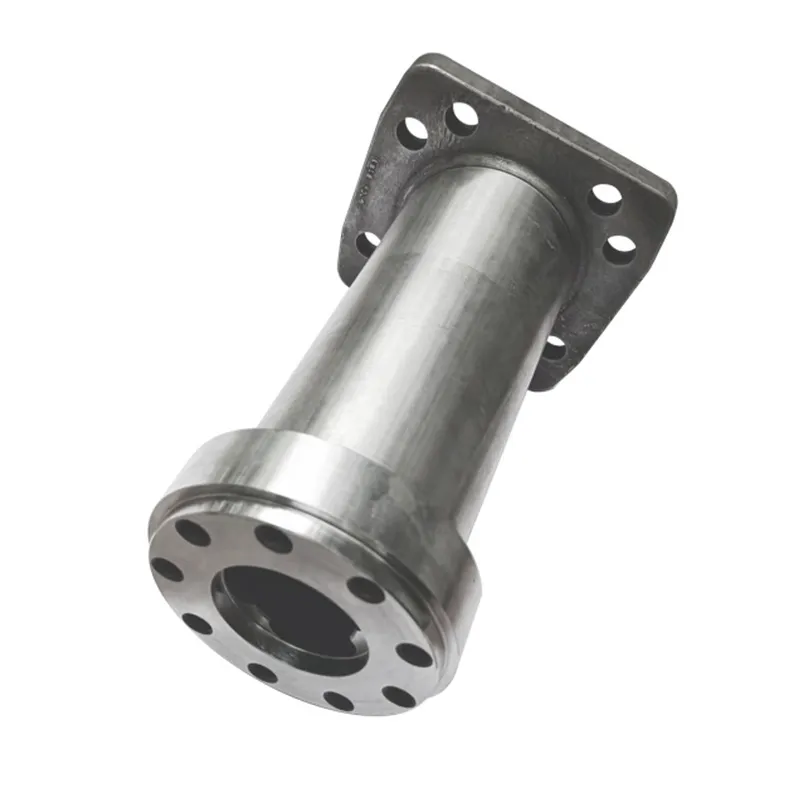
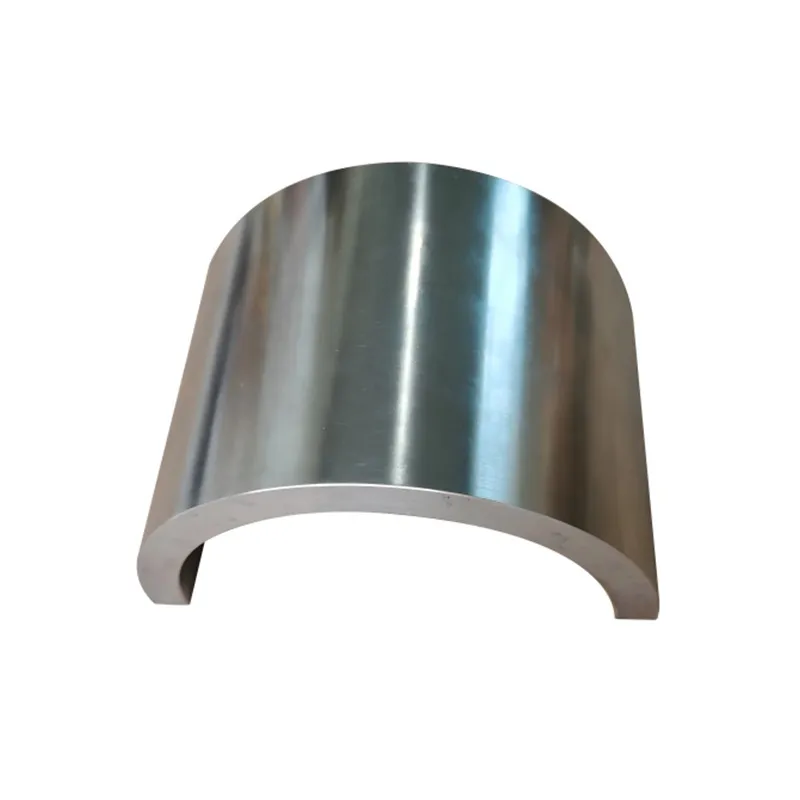
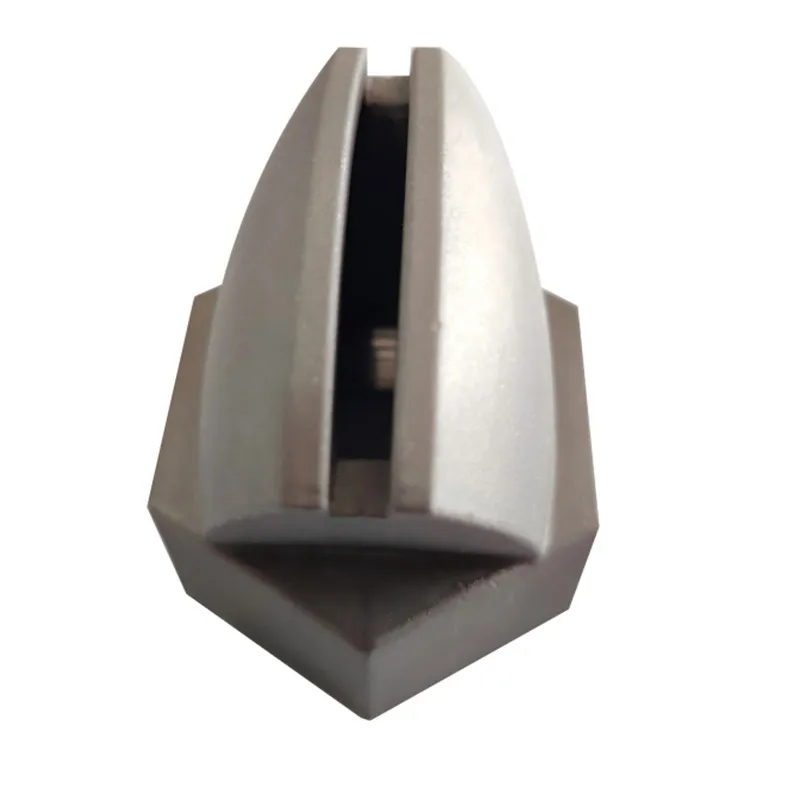
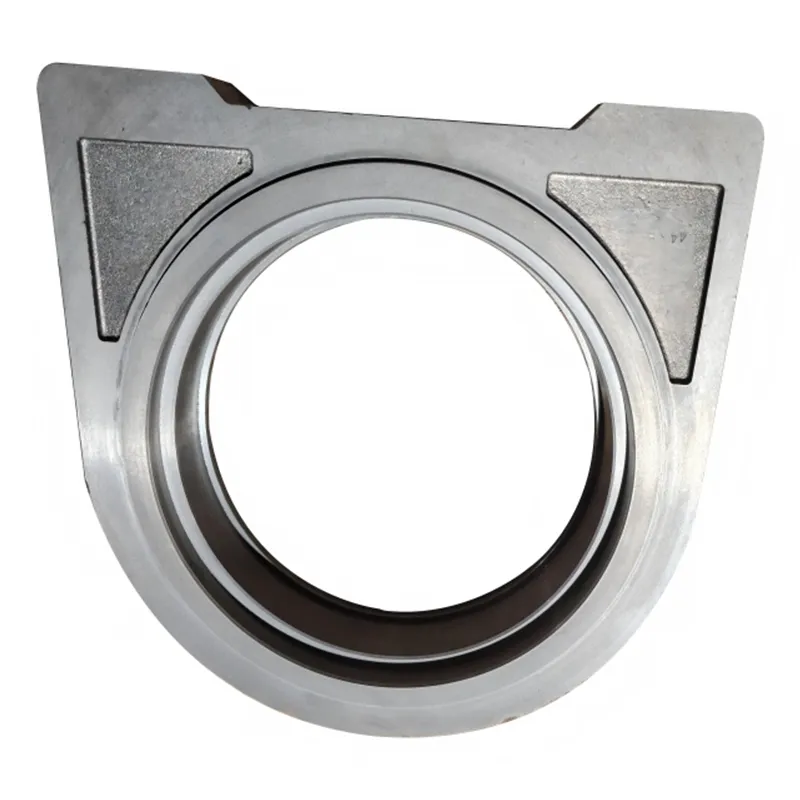
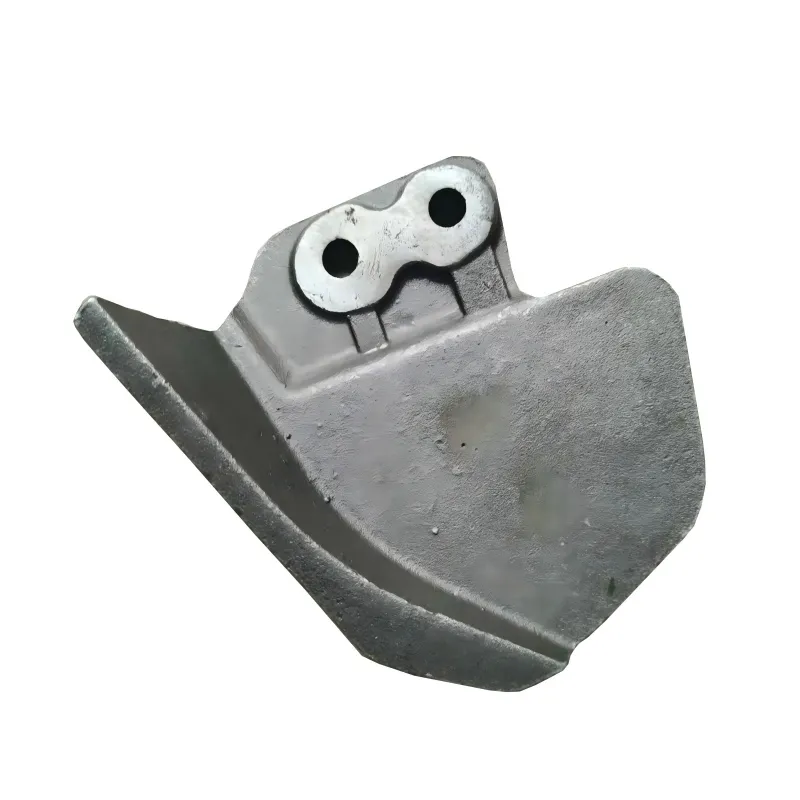
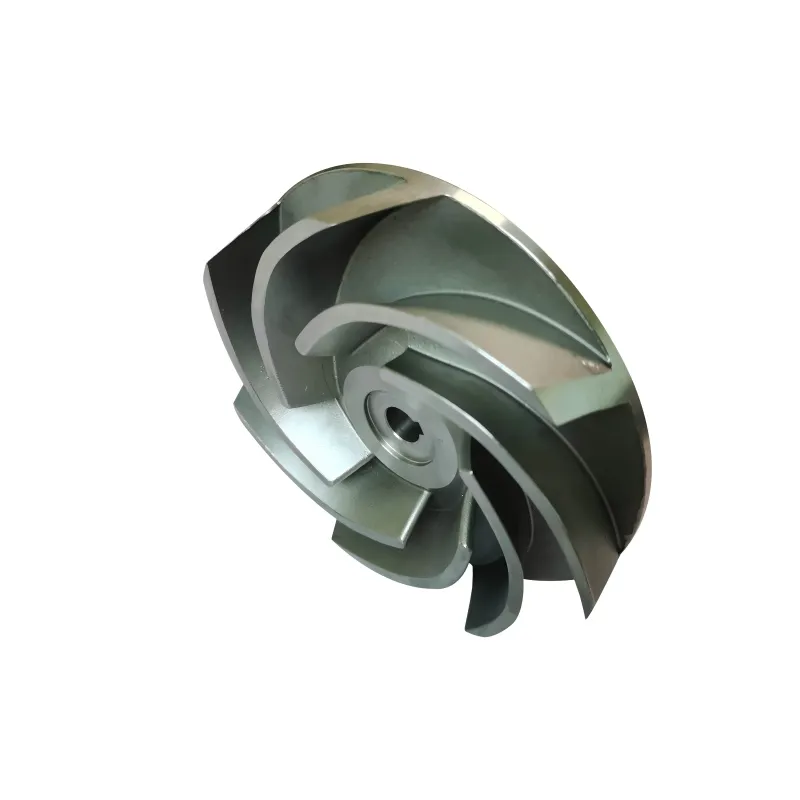
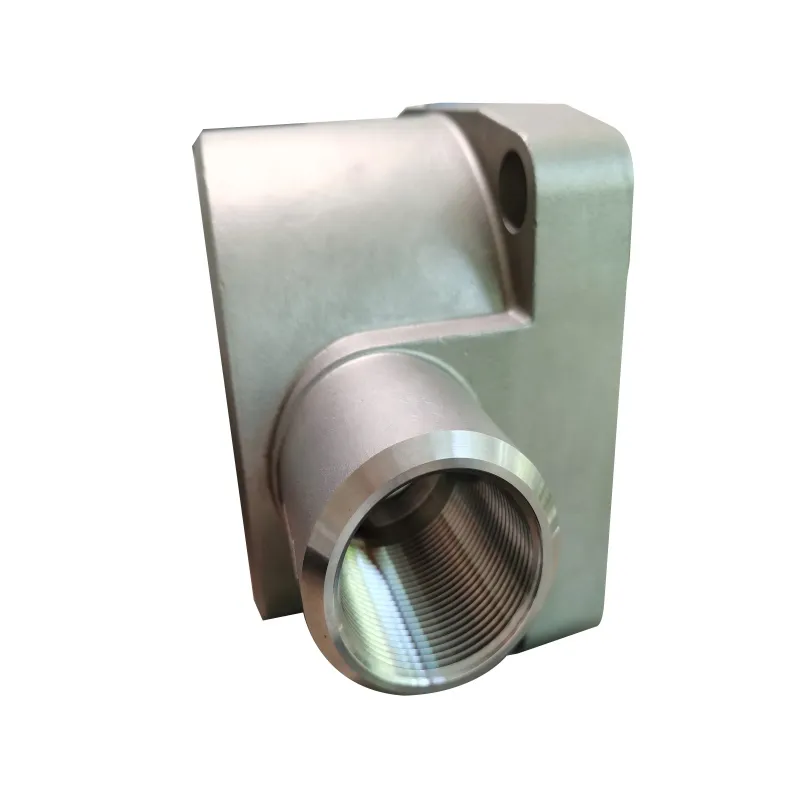
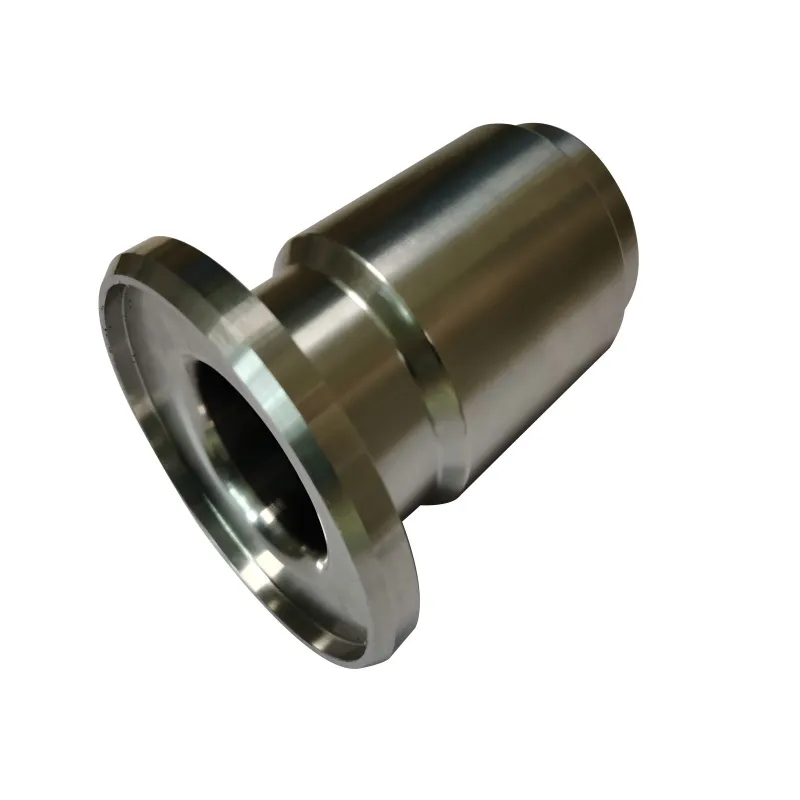
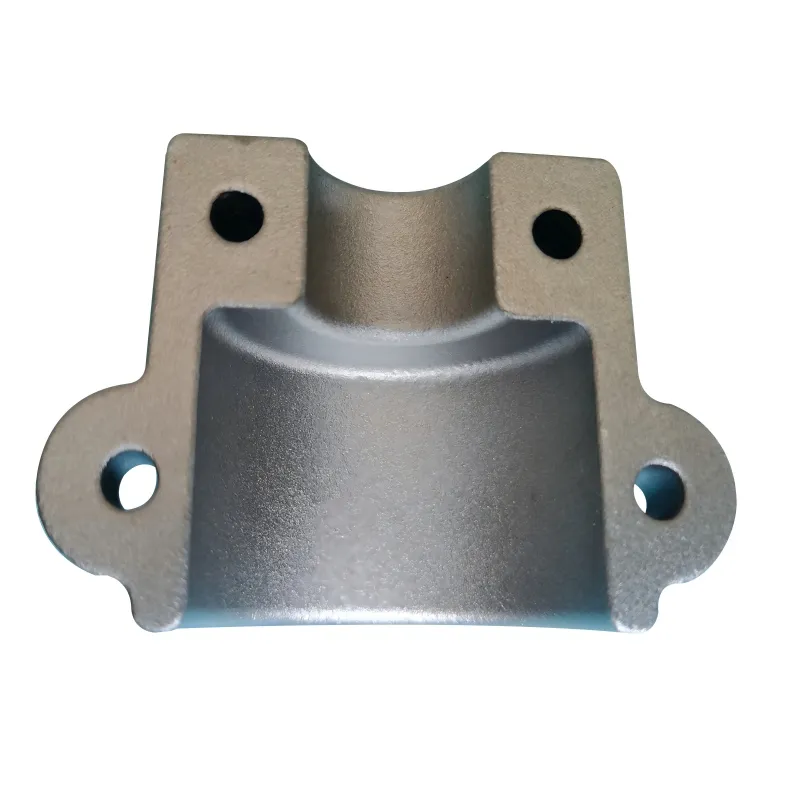
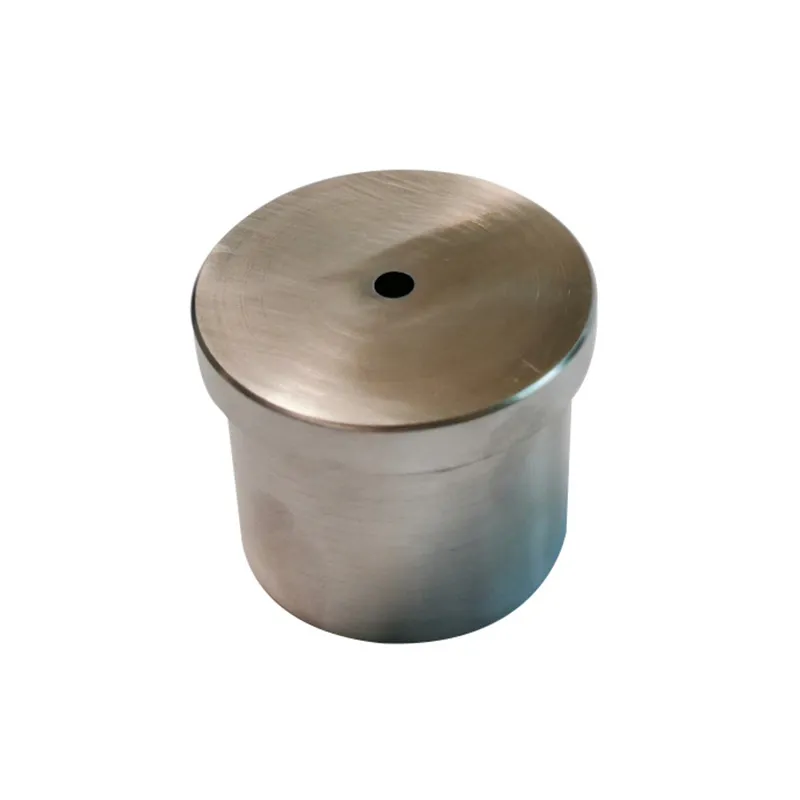
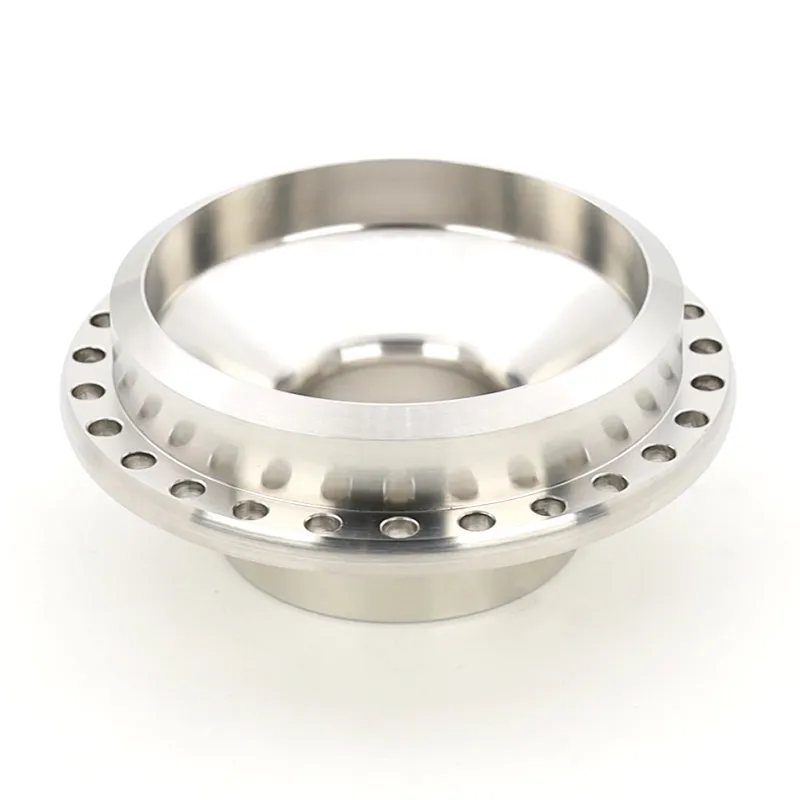
When you hear 'stainless steel sand casting foundry,' most minds jump straight to the big, rough castings for heavy machinery. That's true, but it's also the biggest oversimplification in the job. The real story isn't just about pouring metal into a sand mold; it's about managing a battle between fluid dynamics, metallurgy, and the sheer unpredictability of sand. The promise of a complex, corrosion-resistant part is always at odds with the reality of shrinkage porosity, surface finish limitations, and the eternal fight against inclusions. I've seen too many designs come in that are perfect for investment casting but a nightmare for sand, simply because the differences aren't understood upfront.
The Sand Itself Is a Process
It starts with the mold, obviously. But green sand versus resin-bonded sand isn't just a choice; it's a commitment to a different set of problems. We use a lot of furan no-bake for our stainless work at the shop. The dimensional stability is better for the larger, heavier sections we often deal with, like pump housings or valve bodies. But the trade-off is the gassing. If the ventilation in the foundry isn't spot-on, or if the sand mixture is off by a fraction, you'll get pinholing on the casting surface that looks fine after shakeout but shows up as defects during machining. It's a delayed failure, the worst kind.
Then there's the sand's thermal behavior. Stainless, especially the 300 series like 304 or 316, pours at a high temperature and has a long solidification range. The sand needs to withstand that heat without breaking down too quickly and causing erosion, but also without becoming so rigid that it restricts contraction and leads to hot tearing. It's a balancing act. I recall a batch of CF8M (316 equivalent) gate valves we ran. The initial runs had consistent hot tears at the junction between the flange and the body. We traced it back not to the pattern or the gating, but to the reclaim sand ratio being too high. The sand had lost too much of its original refractoriness and was conducting heat away too unevenly. A fresh sand blend fixed it. It's these material-level interactions that you only learn by burning through the scrap.
And reclamation is its own beast. You can't just keep recycling sand indefinitely for precision stainless work. The fines build up, the binder chemistry degrades, and you start picking up silicate inclusions in the metal. We have a strict regime for testing LOI (Loss on Ignition) and screen analysis. Letting that slide is a fast track to inconsistent quality. It's not glamorous work, monitoring sand all day, but it's more critical to the final casting integrity than almost any other single factor.
Gating, Feeding, and the Shrinkage Battle
Everyone talks about simulation software now, and we use it. But for complex stainless sand castings, it's a guide, not a gospel. The software might show you a thermally sound risering system, but it can't fully account for how the austenitic structure of stainless steel solidifies. It wants to form a strong, coherent skin early, which can actually isolate liquid metal inside and create severe shrinkage porosity in the middle of a thick section. A classic mistake is to just keep adding bigger risers. That often just creates a hotter spot and moves the shrinkage cavity around.
The trick, learned from a lot of poured-out, sectioned scrap, is often in the chills. External iron chills are your best friend for promoting directional solidification in a stainless sand casting. We'll strategically place them on heavy bosses or flanges to pull heat out fast, forcing the solidification front to move back toward the riser. But you have to be precise. If the chill is too heavy or makes too intimate a contact, it can cause chilling cracks or a drastic change in microstructure at that spot. It's a tactile skill—knowing the right size and placement comes from cutting up your own failures and seeing exactly where the shrinkage network formed.
Gating design is another area where theory meets the shop floor. You want a system that fills the mold quickly and turbulently enough to avoid mistruns, but not so turbulent that it entraps slag or erodes the sand mold. For stainless, which has a tendency to form oxides, we often use ceramic filters in the gating system. But even then, the placement is critical. A filter too close to the gate can cool the metal too much; too far, and it's ineffective. We standardized on a stepped, tapered runner bar with a filter sleeve for most of our larger components. It wasn't from a textbook; it was the result of iterating on a series of castings for a marine fittings client that kept failing their radiographic inspection.
Material Nuances Beyond 304 and 316
Most inquiries are for 304 or 316. That's the bread and butter. But the real challenges and interesting work come with the duplex grades like 2205, or the high-alloy stuff. Duplex stainless steel for sand casting is a different animal. It requires a very controlled cooling rate to maintain that roughly 50/50 austenite-ferrite phase balance. Cool it too slowly from the pouring temperature, and you get too much ferrite, compromising corrosion resistance and toughness. We had to develop a specific cooling protocol for a set of 2205 pressure vessel heads, involving controlled shakeout times and sometimes even forced air cooling on the casting surface while it was still in the mold. The heat treat afterward is crucial, but the foundation is laid during solidification and cooling in the sand.
Then there are the special alloys. We've done work with some nickel-based alloys that fall under the stainless umbrella for corrosion resistance. These are often poured in a vacuum or under protective atmosphere, but for some applications, well-controlled sand casting is specified. The fluidity is different, the shrinkage factors are different, and the reaction with the mold materials is more pronounced. It forces you to go back to first principles. You can't rely on your standard practices. A company like Qingdao Qiangsenyuan Technology Co., Ltd.(QSY), with their stated experience in special alloys, would understand this deeply. It's not a side business; it's a completely different discipline within the foundry. Their long history, as noted on their site tsingtaocnc.com, in handling cobalt and nickel-based alloys would be a direct asset when tackling such projects in sand, not just in investment casting.
This is where the integrated model of a foundry with in-house machining, like QSY's setup, makes immense sense. You cast a challenging high-alloy part in sand. It's nearly impossible to get every critical dimension perfect for machining. Having the machining team in the same loop, understanding the casting's likely distortion and stock allowances, is invaluable. They can provide feedback to the foundry team on where to add extra stock or where a surface defect consistently appears. It closes the quality loop in a way that separate casting and machine shops struggle to achieve.
The Finish Line is Just the Start
Shakeout and cutoff are where the anxiety peaks. You've waited hours for the casting to cool, and now you see it. The first thing we do isn't a dimensional check; it's a visual and auditory one. A clear, sharp ring from a light hammer tap is a good sign for soundness. A dull thud sets off alarm bells for internal shrinkage. Then comes the grinding. Stainless work-hardens, so grinding gates and risers is a careful process. You need sharp, dedicated tools and a light touch to avoid embedding contaminants or creating heat-affected zones that can't be removed later.
Heat treatment is non-negotiable for most stainless sand castings. For austenitics, it's a solution anneal and quench to re-dissolve carbides and restore corrosion resistance. But the quench is critical. Water quenching is fast and effective but can cause distortion or even cracking on complex shapes. For thicker sections or intricate designs, we often opt for a forced air quench or even a polymer quench. It's slower, but it reduces stress. You're always weighing the risk of distortion against the risk of poor corrosion performance. The customer's application dictates the choice.
Finally, the proof is in the testing. For critical service parts, we're doing PMI (Positive Material Identification), liquid penetrant testing, and often radiography. This is the final judge of all your process decisions in the stainless steel sand casting process. A clean radiograph on a heavy-section valve body is a small victory. It means the sand was right, the gating worked, the chills were placed correctly, and the metal was clean. It rarely happens by accident. It's the result of controlling a hundred variables, most of which are invisible until the moment you pour, and some of which only reveal themselves days later in the test report.
Why It Still Matters
In an age of advanced investment casting and 3D printing, large-scale stainless steel sand casting remains irreplaceable for certain things. The sheer size capability—components weighing several tons—is one. But more subtly, it's the flexibility. A pattern can be modified relatively quickly and cheaply compared to hard tooling. For low-to-medium volume runs of large parts, or for prototypes where you need to test the real metallurgy and mass of the final product, sand casting is the only practical choice.
The future, I think, lies in combining this old-school process with new-school control. Better sand additives, real-time temperature monitoring during pours, and more sophisticated non-destructive evaluation. The goal isn't to make it look like a different process; it's to make sand casting more predictable and reliable on its own terms. The core challenge—taming liquid metal in an aggregate mold—will always be there. That's the craft of it.
So when you're looking at a stainless steel sand casting foundry, don't just look at their capacity listing. Ask them about their sand control data. Ask to see macro-etched samples of their heavy sections. Ask how they handle the cooling of duplex grades. The answers will tell you far more about their capability than any brochure. It's a messy, complex, and deeply physical process, and the best shops embrace that complexity rather than pretending it doesn't exist.