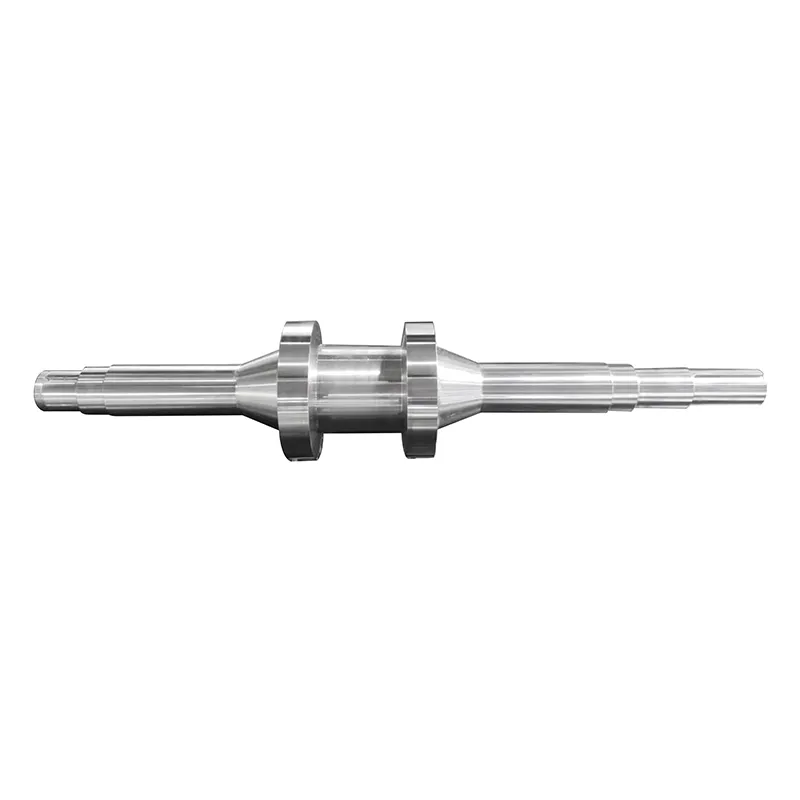
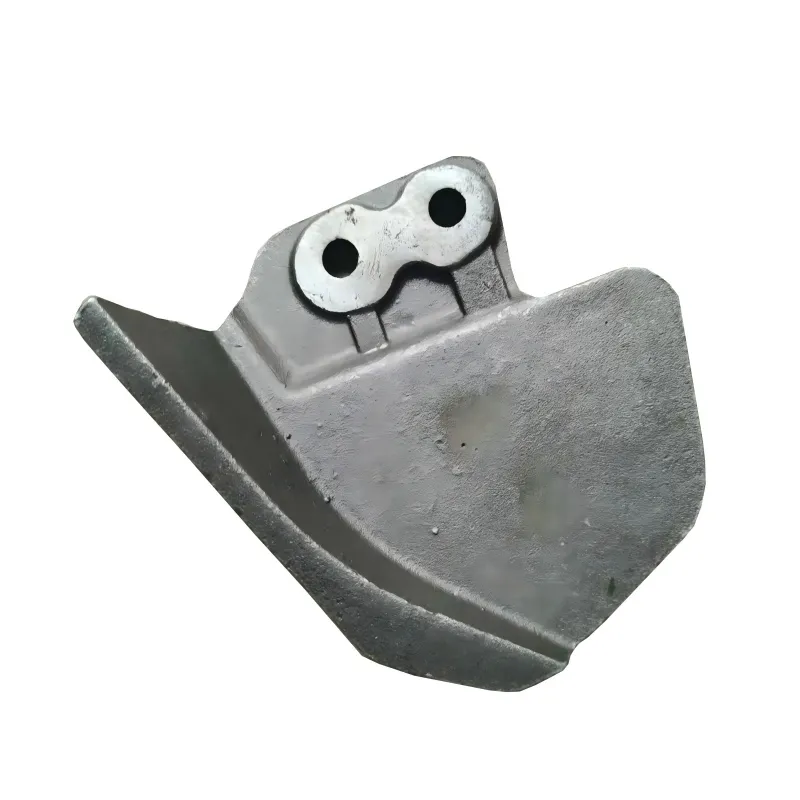
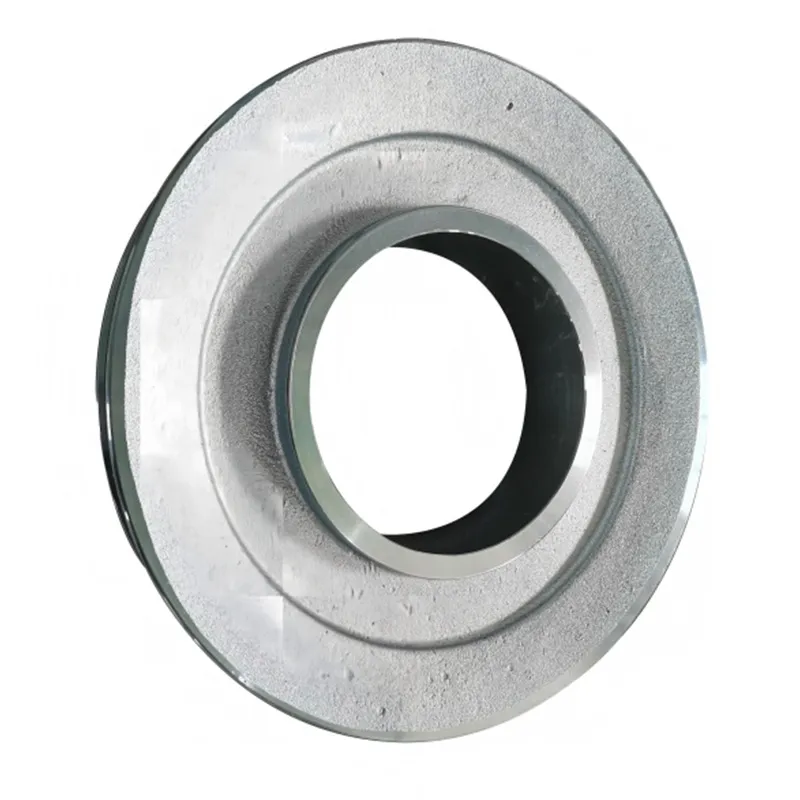
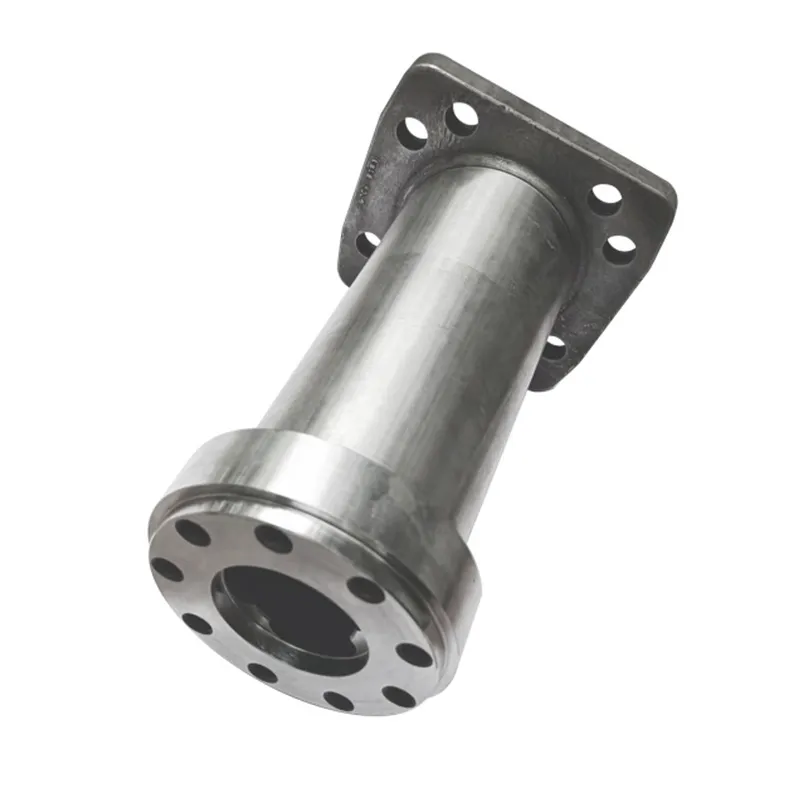
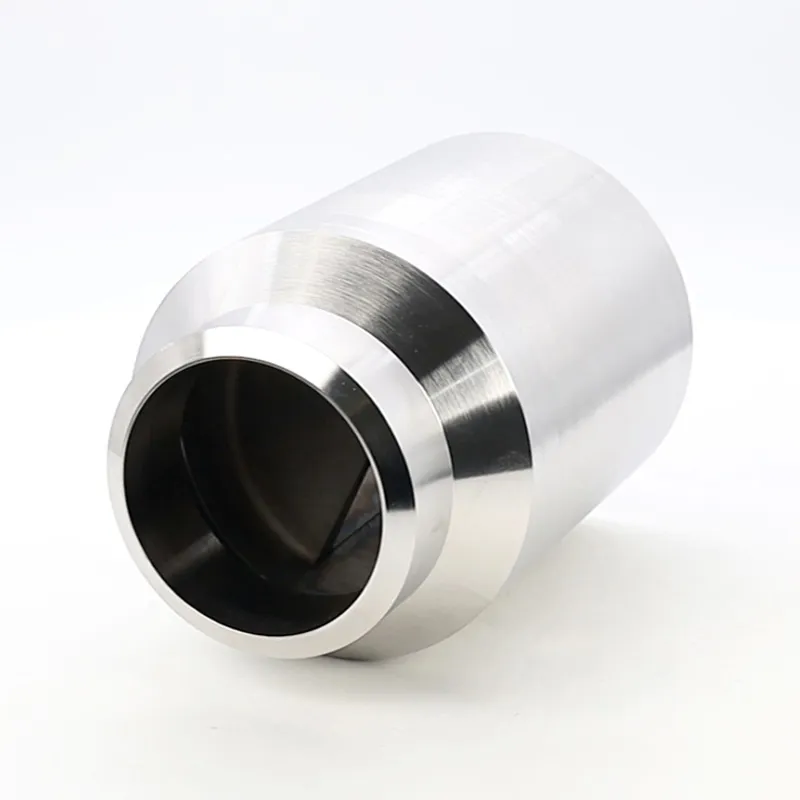
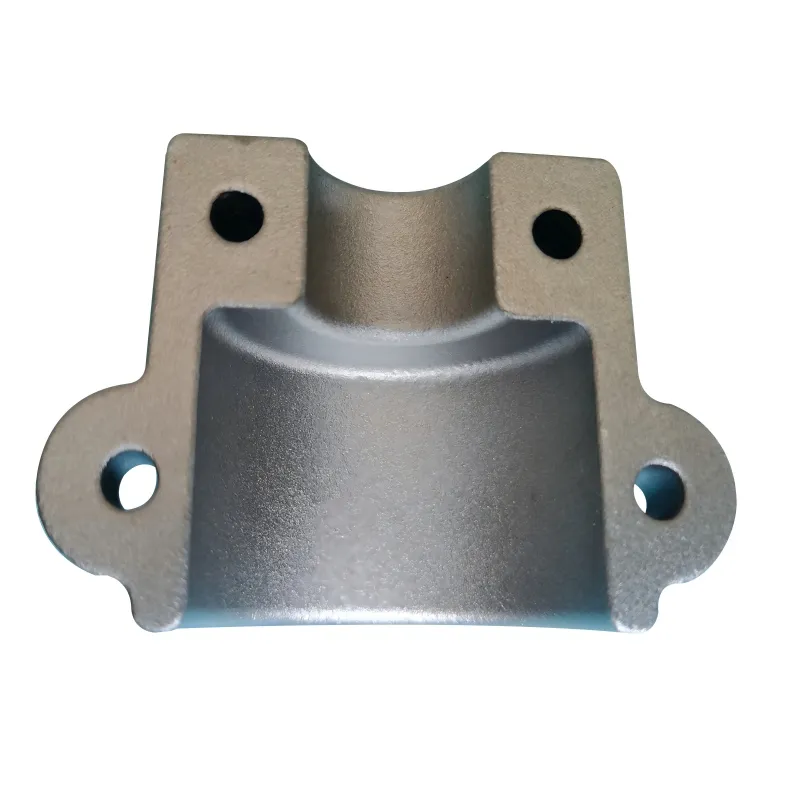
When most people hear 'stainless steel shaft roller', they picture a shiny, indestructible cylinder. That's the first misconception. The reality is more about managing expectations—understanding that 'stainless' is a family, not a guarantee, and that the interaction between the shaft and the roller under load is where the real engineering begins, or often, fails.
The Material Isn't the Whole Story
We default to 304 or 316 for corrosion resistance, sure. But I've seen rollers made from beautiful 316L fail prematurely in high-load, low-speed applications because someone overlooked hardness and wear resistance. The shaft was harder, acting like a file. The choice often swings between something like 440C for its higher hardness and bearing capabilities, and the more machinable but softer 304. It's a trade-off. QSY's experience with special alloys like nickel-based ones for extreme environments makes you think—sometimes the solution for a 'stainless steel shaft roller' in a chemical plant isn't a better stainless, but a completely different material system.
Then there's the sourcing. Not all stainless steel bars are created equal. We had a batch from a new supplier a few years back. Machined beautifully, polished to a mirror finish. But under ultrasonic testing, minor inclusions showed up. For a decorative piece, fine. For a roller in a continuous paper processing line? A potential fracture point. That's why a company's foundational experience matters. When a fabricator like Qingdao Qiangsenyuan Technology Co., Ltd. talks about 30 years in casting and machining, it's not just a number. It's code for having vetted material supply chains and knowing where you can and cannot cut corners.
The heat treatment is the silent variable. A roller might be turned from perfect bar stock, but without the correct thermal cycle—solution annealing for stress relief, perhaps precipitation hardening for a 17-4 PH grade—its dimensional stability under thermal cycling is a gamble. I recall a food packaging line where rollers would gradually 'bow' over months of steam cleaning and hot washes. The culprit wasn't the design; it was an as-machined 304 roller missing a proper stabilization anneal.
Precision is a Function of Process
Here's where the 'shaft' part of the 'stainless steel shaft roller' becomes critical. The interface. You can have a perfect roller, but if the bore tolerance, roundness, and surface finish aren't matched to the shaft, you get fretting, wear, and vibration. For high-speed applications, we're talking about bore tolerances that are a conversation between grinding and honing, not just a CNC lathe pass.
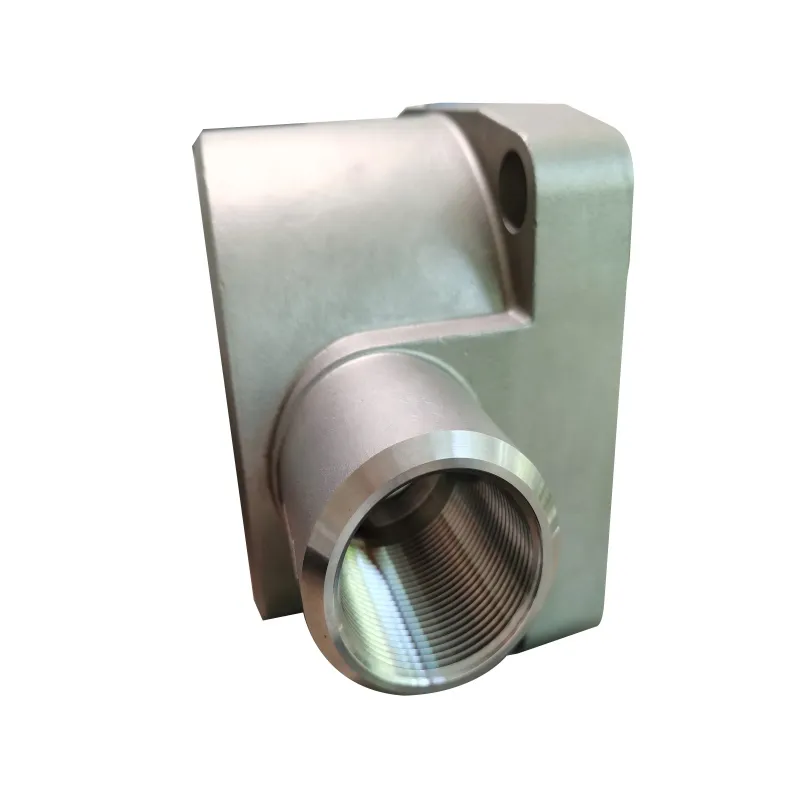
CNC machining gets the geometry right, but the final act is often manual. A skilled fitter matching a shaft to its roller, feeling for the slightest drag, using blueing to check contact patterns. This is where pure automation hits a wall. On their site, tsingtaocnc.com, they list CNC machining alongside investment casting. That combination is telling. It means they likely understand that a roller might start as a near-net-shape casting for complex geometries (with internal cooling channels, for instance) and then be finished to micron-level precision on a CNC. That process integration is key for both performance and cost.
A common pitfall is over-specifying. Not every roller needs a Ra 0.2 mirror finish. For many conveyor applications, a well-turned surface (Ra 1.6 to 3.2) with proper chamfers is more than adequate and reduces cost. The obsession with a perfect polish can sometimes hide subsurface tooling marks that become stress concentrators. The spec sheet should be driven by function, not aesthetics.
Failures That Stick With You
My most memorable lesson came from a marine application. Stainless steel shaft rollers for a cable guidance system. We used 316, impeccable machining, perfect press-fit. They corroded in months. Not general corrosion, but crevice corrosion at the press-fit junction and under the seals. The stagnant, oxygen-depleted water created a microenvironment that 316 couldn't handle. The fix wasn't a better machining job; it was redesigning the seal geometry and specifying a higher-grade stainless with more molybdenum for that specific interface. It taught me to never look at a component in isolation.
Another was a fatigue failure. A roller in a printing press, subject to cyclical impact loads. The failure analysis pointed to a sharp transition radius where the roller met the flange. A classic stress riser. The drawing called for an R2 radius, but on the shop floor, the tooling created something closer to R1.5 with a slight tool mark. That tiny deviation, over millions of cycles, was enough. Now, I'm paranoid about radius inspection and surface profiling for any dynamic load component.
Then there's simple assembly error. I've seen a perfectly good roller ruined by someone using a sledgehammer to press it onto a shaft, galling the bore. Or the inverse, heating a roller to fit it on a shaft and quenching it inadvertently, locking in stresses. The best manufacturing can be undone in minutes on the factory floor. Good suppliers often provide clear fitting instructions, which is a sign they've seen the aftermath.
The Integration with Other Components
The roller never works alone. It's in a dance with bearings, seals, and lubricants. Specify a super-hard roller but pair it with a soft bronze bushing? You'll wear out the bushing in no time. The material and hardness need to be a system decision. For sealed bearings, the shaft roller's journal surface finish and tolerance are paramount to prevent seal lip wear.
Lubrication is another can of worms. Some food-grade greases don't play well with certain stainless steels under high pressure. You can get surface distress. It's a niche problem, but it happens. When you work with a manufacturer that also handles special alloys, like QSY does with cobalt and nickel alloys, it suggests they're used to thinking about these complex material-interaction problems, not just making a standalone part.
Alignment. It's the boring, fundamental killer. You can spend a fortune on the most precise stainless steel shaft rollers, but if the two shafts they run on are misaligned by half a degree, you'll get edge loading, premature wear, and increased power consumption. The best practice is to machine roller bores and faces in the same setup to ensure perpendicularity, and then, crucially, ensure the installer has the tools and knowledge to align the final assembly.
When to Cast, When to Machine from Bar
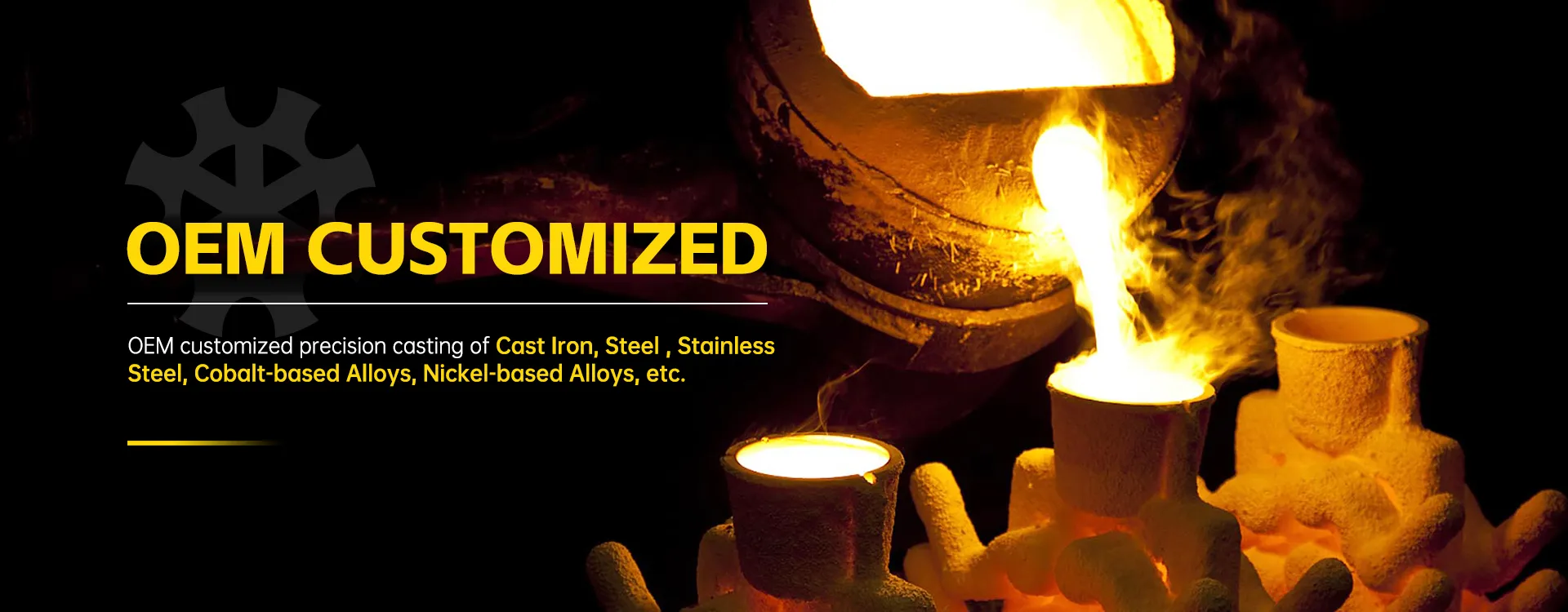
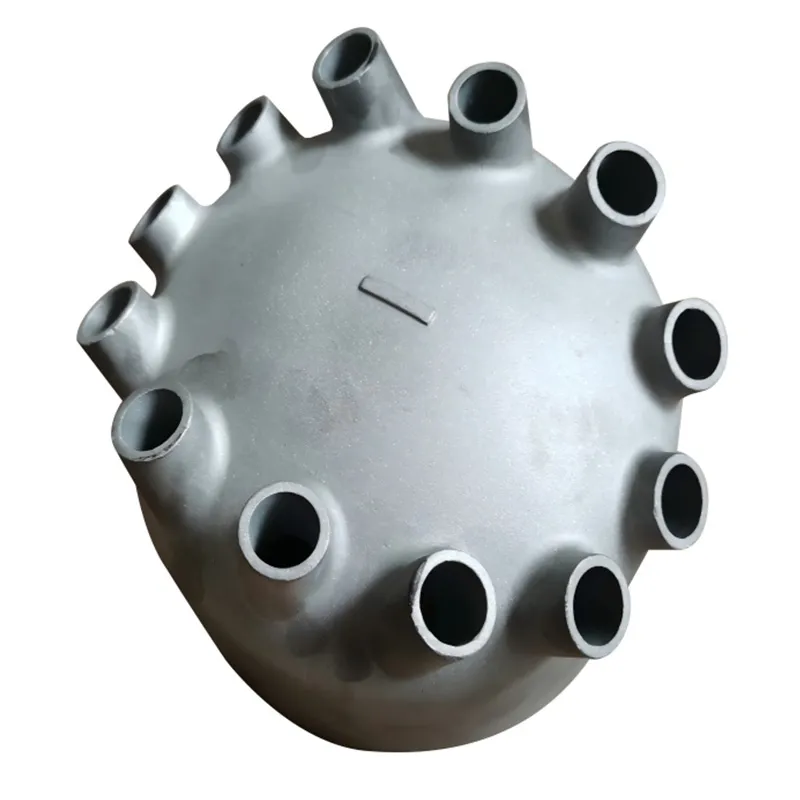
This is a core judgment call. For a simple, solid roller, machining from a stainless steel bar stock is usually the most straightforward and cost-effective. You get good grain structure and predictable properties. But let's say you need a large diameter roller that's hollow to reduce inertia, or one with an intricate internal network for a heat transfer fluid. Then, shell mold or investment casting becomes a compelling option.
A company like Qiangsenyuan, with its dual expertise, would likely approach this by asking about the application's volume, performance needs, and total cost. Investment casting can produce a near-net-shape part with minimal material waste for complex geometries. That rough casting is then precision-machined on CNC to get the critical surfaces—the bore, the O.D., the faces—to spec. This hybrid approach can be far more economical than hogging out a massive solid bar.
The risk with cast rollers is foundry quality. Inclusions, porosity, shrinkage cavities. That's where the 30 years of casting experience isn't just a marketing line. It means they (or any reputable foundry) have process controls—proper gating and risering design, mold temperature control, post-casting inspection like X-ray or dye penetrant—to mitigate those risks. You're not just buying a part; you're buying their capability to manage a process with inherent variables.
Wrapping It Up: A Component, Not a Commodity
So, a stainless steel shaft roller is never just a item on a bill of materials. It's a point where material science, mechanical design, precision manufacturing, and practical installation converge. The shiny surface is the least interesting part about it. The real value lies in the hidden decisions: the grade of steel specified for the right combination of strength, corrosion resistance, and machinability; the manufacturing route chosen for performance and economy; and the tolerances applied to the features that actually matter in service.
Looking at a fabricator's portfolio, like the one at Qingdao Qiangsenyuan Technology, tells a story. The range from cast iron to special alloys signals an understanding that the base material is a strategic choice. The combination of casting and CNC machining under one roof suggests they get the interplay between form and final fit. It’s this kind of integrated perspective that turns a simple roller from a potential point of failure into a reliable, lasting component in the machine. You stop looking for just a supplier and start looking for a partner who gets the whole problem, not just the drawing.
In the end, success with these components comes down to asking the right questions upfront. What's the load? The speed? The environment? The expected life? The mating parts? When you frame it that way, the specification almost writes itself. The trick is remembering to ask all those questions before the first piece of metal is ever cut.