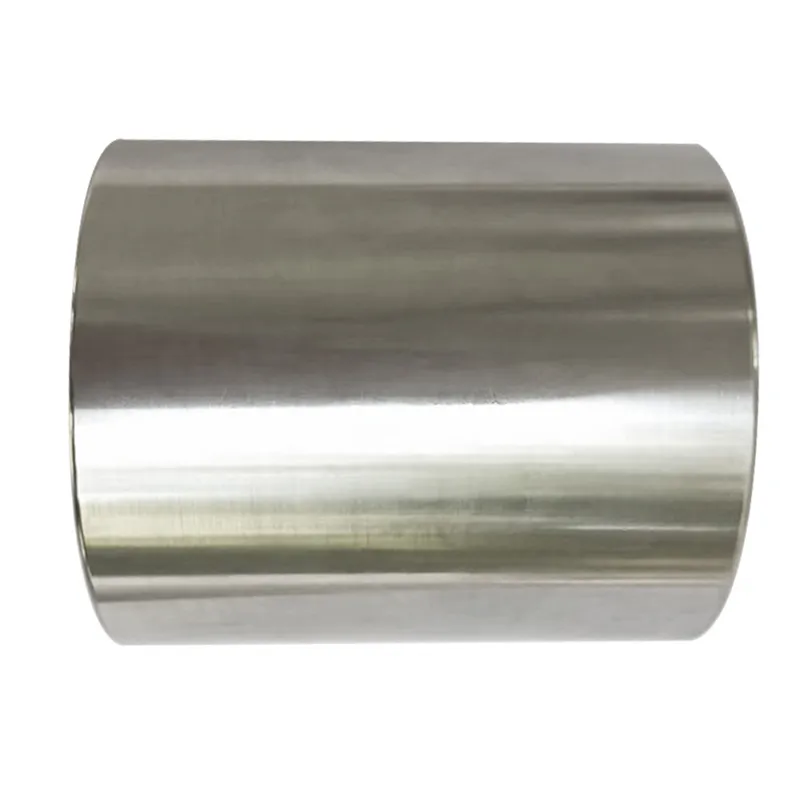
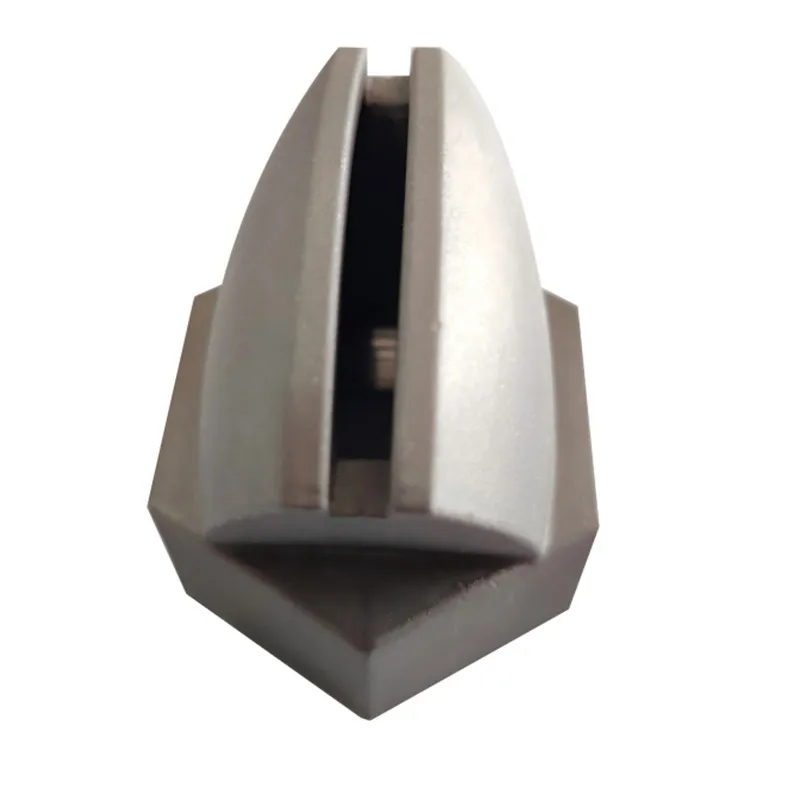
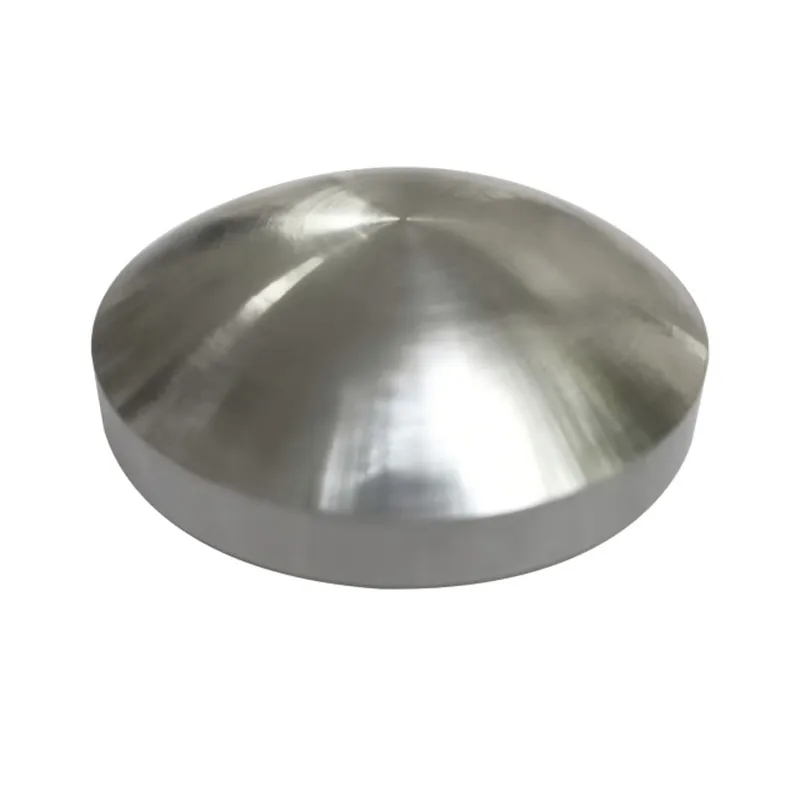
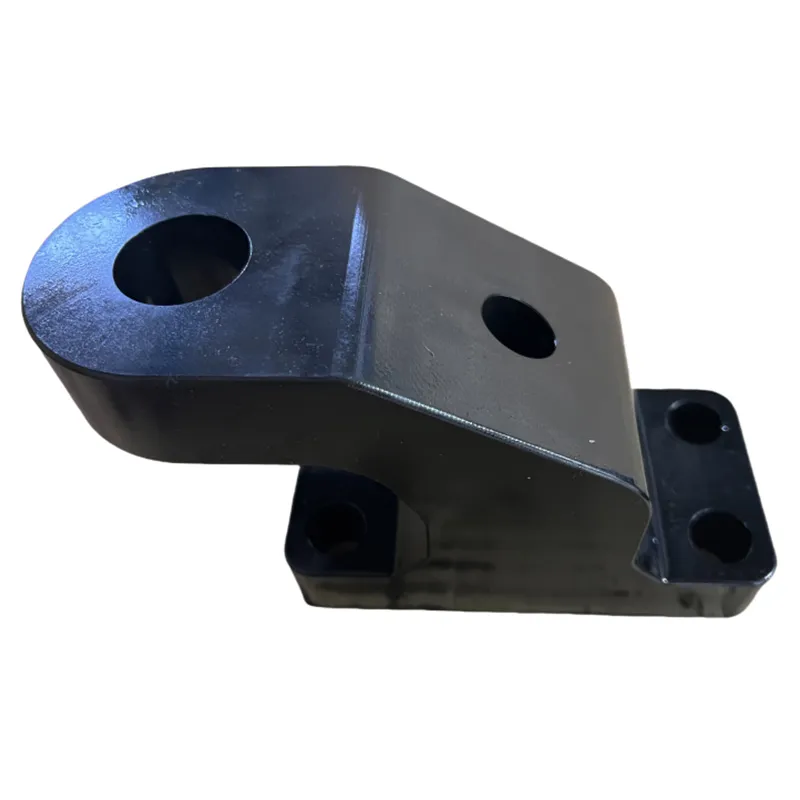
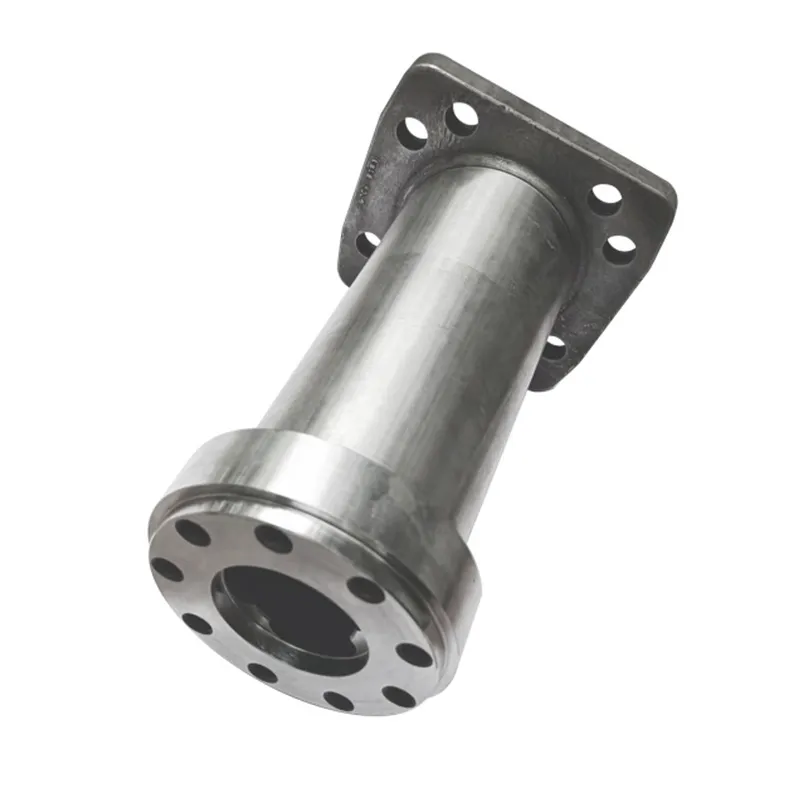
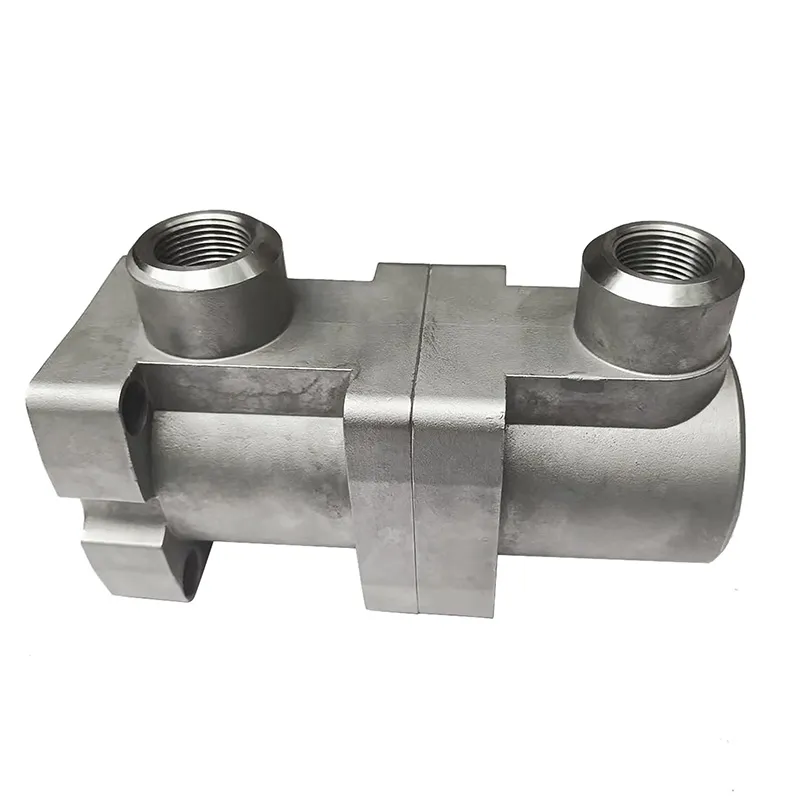
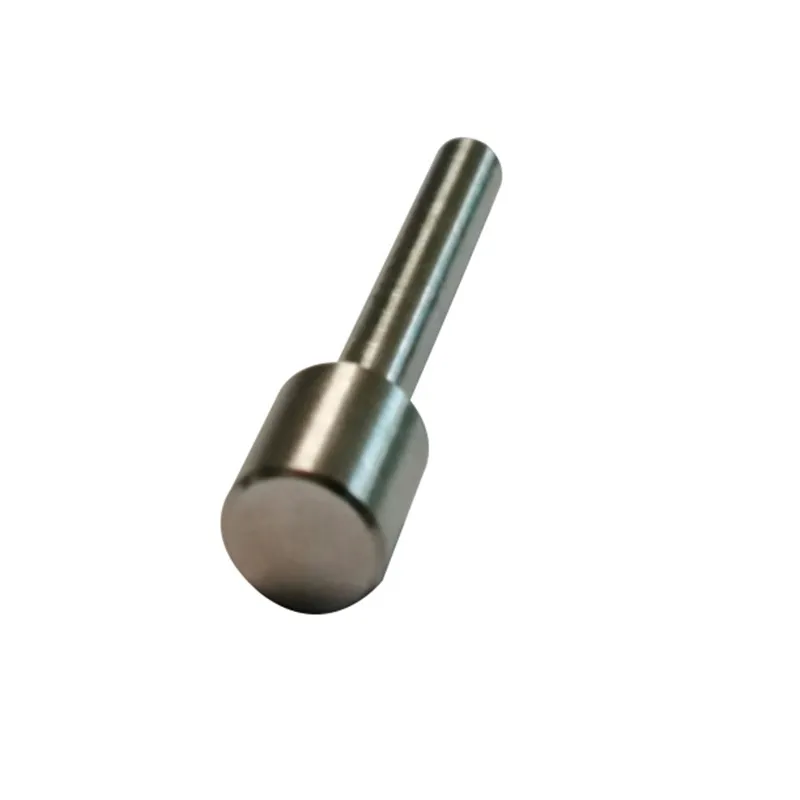
When most people hear 'stainless steel valve', they picture a shiny, indestructible piece of hardware. That's the first misconception. The reality is far messier and more interesting. It's not just about the material; it's about the grain structure from the casting, the machining tolerances, the specific grade resisting a particular cocktail of chemicals, and the inevitable trade-offs. I've seen too many projects spec a generic 304 or 316 valve for everything, only to face premature failure in the field. The polish is just the facade. The real story is in the metallurgy and the manufacturing craft behind it.
The Foundation: It Starts with the Casting
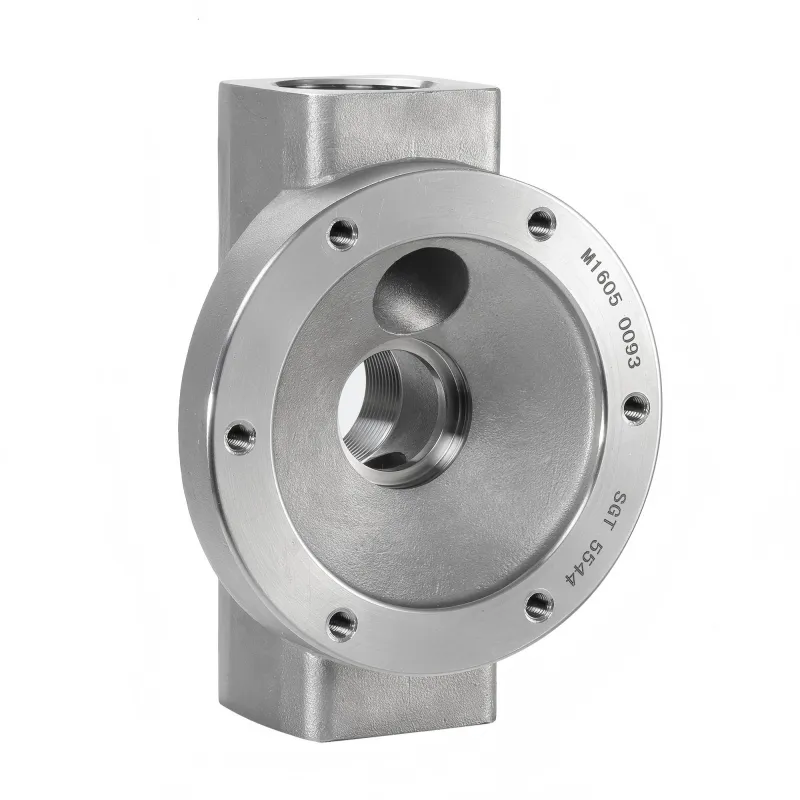
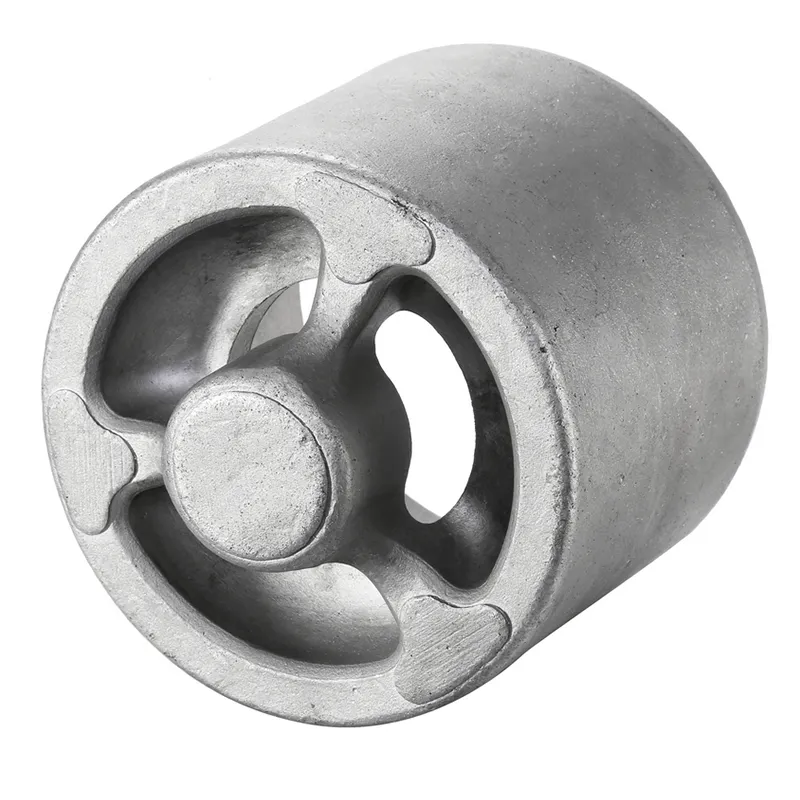
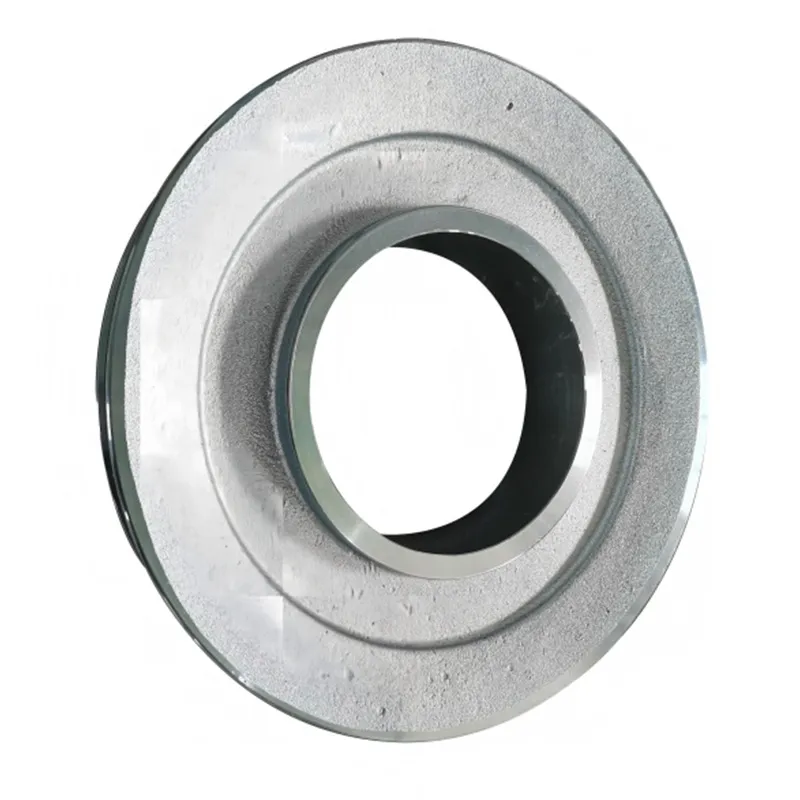
You can't machine a reliable valve from a poor casting. This is where decades of experience, like what you find at a long-standing operation, truly matter. I remember evaluating a batch of stainless steel valve bodies for a chemical feed line. On paper, they were 316L. Visually, they were fine. But under dye penetrant testing, a network of micro-shrinkage porosity showed up, right in the critical wall section. That batch was destined for a chloride environment. It would have been a leak waiting to happen. The foundry's process control—how they manage pouring temperature, mold material, and cooling rates—is everything. A company that's been in the casting game for over 30 years, like Qingdao Qiangsenyuan Technology (QSY), would have ironed out these variables through sheer repetition. Their focus on shell mold and investment casting is key for valves; these methods offer better dimensional accuracy and surface finish for complex internal passages compared to some sand casting methods, which means less remedial machining and a more consistent final product.
Material selection at the casting stage is another nuanced decision. Stainless steel is a vast category. For a standard water line, CF8 (the cast equivalent of 304) might suffice. But for offshore applications with constant salt spray, you're looking at a super duplex grade, something like F55. The casting difficulty jumps exponentially. The alloy composition has to be held within a very tight window, and the heat treatment post-casting to achieve the correct ferrite-austenite balance is critical. I've seen valves crack during machining because the heat treatment cycle was off by a few degrees. It's a reminder that the valve's performance is locked in long before it reaches the assembly bench.
This is where the specialization in special alloys, like nickel-based ones, becomes relevant. We had a project involving hot acetic acid vapors. Standard 316L would have been chewed up. The solution was a valve body cast from Alloy 20Cb3. The foundry's ability to handle such exotics isn't a sidebar; it's a core competency for tackling corrosive service. It’s not about having the alloy on a list; it's about knowing how to cast it without inducing hot tears or segregation.
Machining: Where Precision Meets the Practical
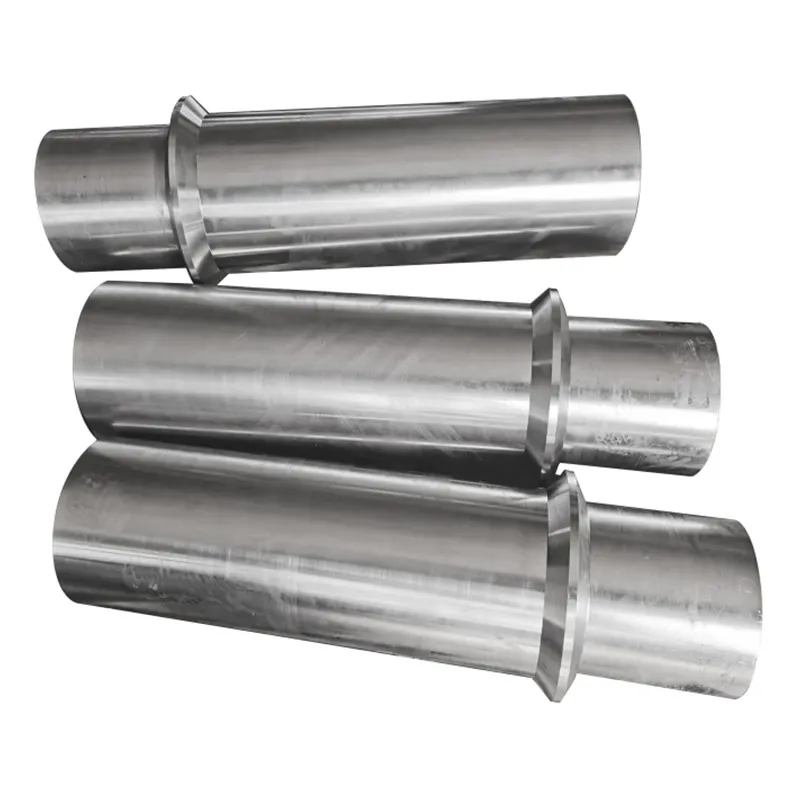
The casting is a rough sculpture. The machining brings it to life. And here's a practical truth: the machining strategy for a stainless steel valve body is different from that for a block of mild steel. Stainless work-hardens. If your tooling isn't sharp, your speeds and feeds aren't right, you'll burnish the surface rather than cut it, creating a hardened, brittle layer that can initiate cracks under cyclic pressure. I learned this the hard way early on, producing a set of gate valve wedges that gallied and seized during the first pressure tests. The finish was beautiful, but functionally flawed.
CNC machining centers provide the repeatability, but the programmer's knowledge is what makes it reliable. The sequence of operations matters. Do you rough out the seat pocket before or after drilling the stem hole? How do you fixture the oddly-shaped body for the final finish pass on the flange face without inducing stress? For complex multi-port manifold valves, this becomes a 3D puzzle. A shop with deep CNC experience, which you can gauge from their part portfolios on sites like https://www.tsingtaocnc.com, tends to have these workflows ingrained. They're not just cutting metal; they're managing residual stress and maintaining datum references across multiple setups.
Then there's the finish. A 32 Ra microfinish on a ball valve's seat might be spec'd. Achieving that on a cast stainless surface, consistently, across hundreds of units, is a craft. It often involves a combination of CNC turning and then a dedicated lapping or grinding operation. I've visited workshops where this final step is still done by seasoned technicians who can 'feel' the finish. It's this blend of modern CNC and tactile skill that often yields the most reliable sealing surfaces.
The Assembly & Testing Pitfalls
This is where good components can become a bad valve. Assembly seems straightforward: put the body, trim (stem, ball, seat), and seals together. But the devil's in the details. A common mistake is over-torquing the gland follower on a rising stem valve. This deforms the packing, creates excessive friction on the stem, and leads to premature wear and a hard-to-operate valve. The torque specs are there for a reason, yet they're often ignored on the shop floor in a rush to complete the order.
Testing is another area with wide variance. A hydrostatic shell test is standard, sure. But does the test include a partial stroke seat test for shut-off valves? For critical service, it should. I recall a case where a batch of stainless steel globe valves passed the shell test but leaked miserably in the seat test. The root cause was traced back to a slight misalignment during the final grinding of the disc and seat—a problem that only a seat test would reveal. A rigorous manufacturer will have a staged testing protocol, not just a single pressure pop.
And let's talk about cleanliness. For oxygen service or pharmaceutical applications, this is paramount. Any grease, dust, or metallic particles left from machining can be a fire hazard or a contamination source. The assembly area needs to be controlled, and procedures for cleaning and bagging need to be strict. It's an often-overlooked cost factor that separates a commodity valve from a high-reliability one.
Real-World Failures and Lessons
Nothing teaches like failure. We once installed a series of 304 stainless ball valves on a coastal plant's cooling water line (brackish water). Within 18 months, we were dealing with leaks around the stem and body seals. The culprit was crevice corrosion. While 304 has general corrosion resistance, the stagnant micro-environment between the stem and packing, and under the gaskets, created oxygen concentration cells. Chlorides concentrated, and pitting began. We switched to 316 valves with a better gasket design and specified a more frequent maintenance cycle. The lesson: material selection must account for the specific environment, including stagnant areas and crevices.
Another lesson came from thermal cycling. A set of cast 316L valves on a steam condensate return line started cracking at the body-bonnet connection after a year of service. The investigation pointed to thermal fatigue. The casting, while sound, had a relatively high carbon content for the grade (at the upper limit of the spec). This, combined with repeated rapid heating and cooling, promoted carbide precipitation at the grain boundaries, reducing ductility. The fix was to source valves with an L-grade (low carbon) certification and a controlled heat treatment history. It underscored that the paper mill certificate is a starting point, not a guarantee.
Sourcing and the Value of a Specialized Partner
This brings me to sourcing. Finding a supplier who controls the process from melt to machine shop is a huge advantage. When a problem arises, you're not stuck in a loop between the foundry and the machine shop blaming each other. A vertically integrated manufacturer, or one with deeply entrenched partnerships like a company that has evolved over 30 years from casting into precision machining, can trace the issue back to its root. Was it a slag inclusion in the casting? A tooling vibration during the fifth machining operation? They can find out.
Looking at a supplier's capabilities, like those outlined for Qingdao Qiangsenyuan Technology Co., Ltd., tells a story. Over three decades in casting and machining, working with the spectrum from cast iron to nickel alloys—that history suggests they've encountered and solved many of the material-specific gremlins. Their website, https://www.tsingtaocnc.com, shows a focus on the manufacturing processes critical to valve making. When you're sourcing a stainless steel valve for a demanding application, that process heritage is as important as the final product drawing. It's the difference between buying a part and buying a part with a depth of manufactured understanding behind it.
Ultimately, a reliable stainless steel valve is a convergence of correct metallurgy, precise casting, disciplined machining, and meticulous assembly. It's rarely the cheapest option, because each of those steps costs. But in industrial applications, the cost of failure—downtime, environmental release, safety hazards—dwarfs the initial price difference. The goal isn't to buy a valve; it's to buy a sealed, pressure-boundary device that will perform predictably for its design life. And that requires looking past the polished surface.