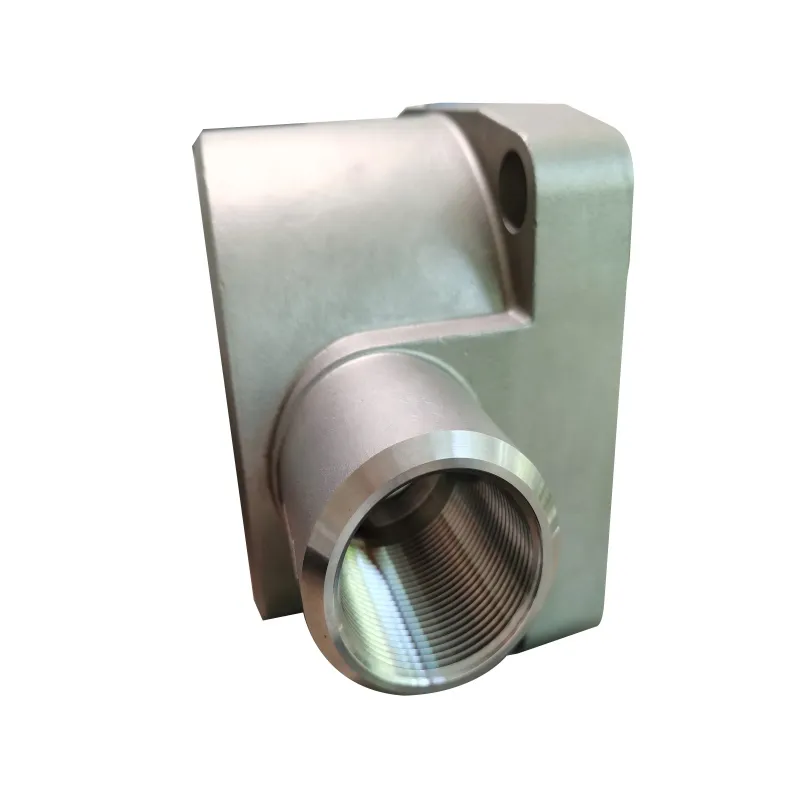
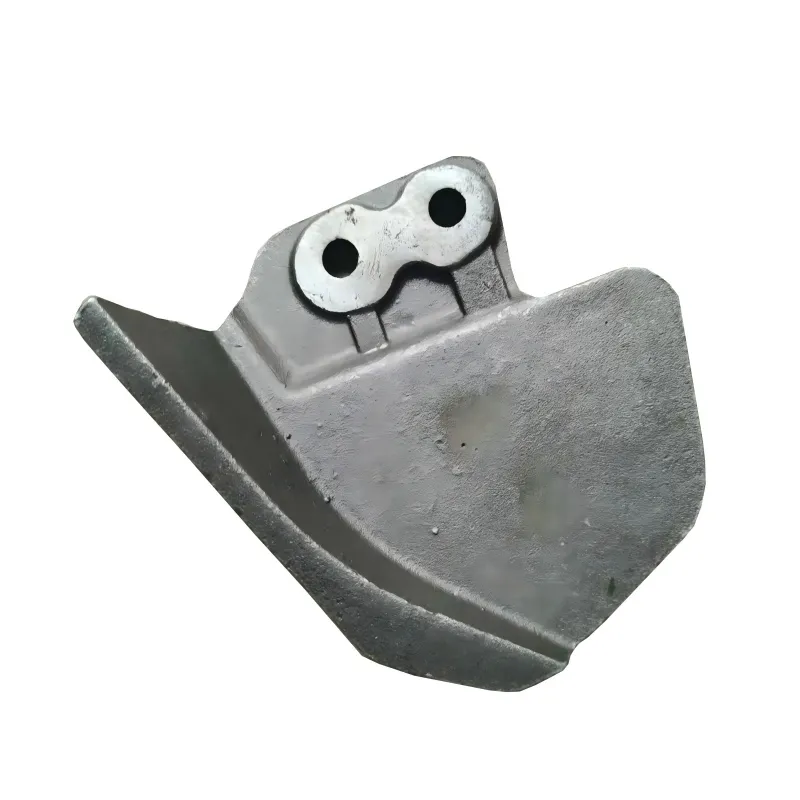
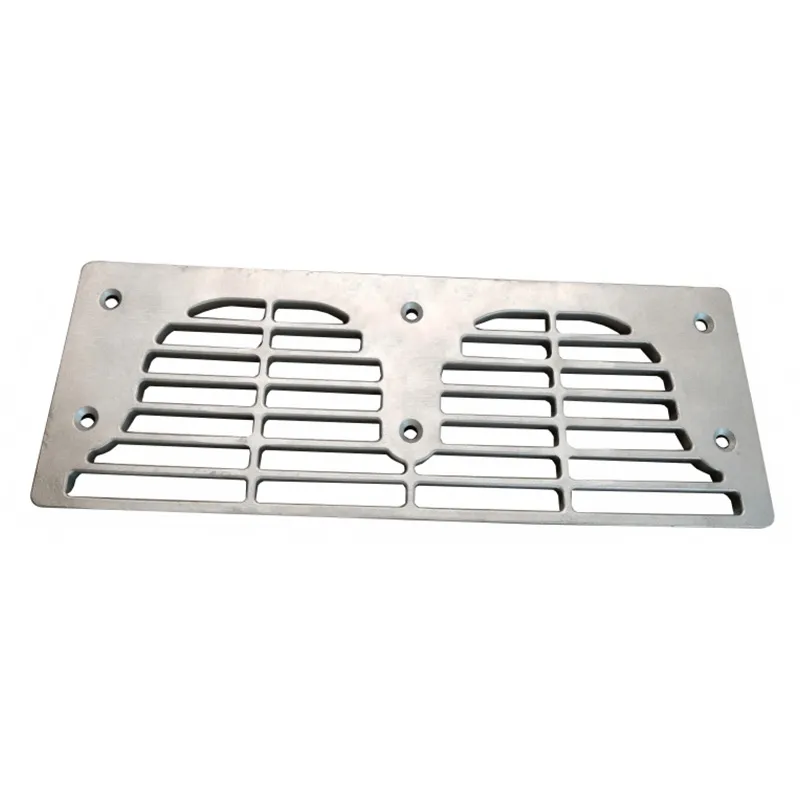
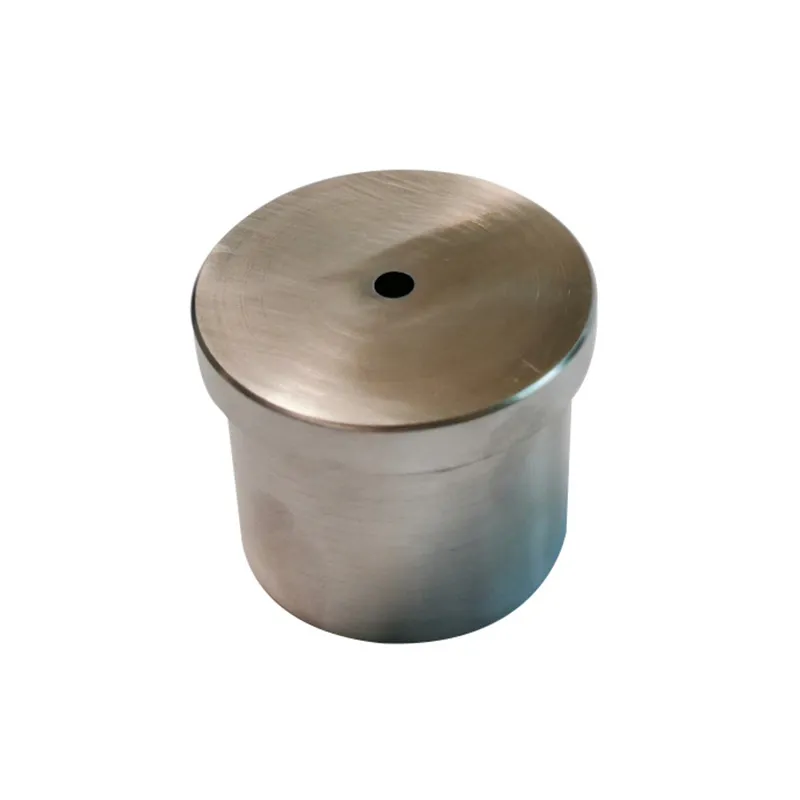
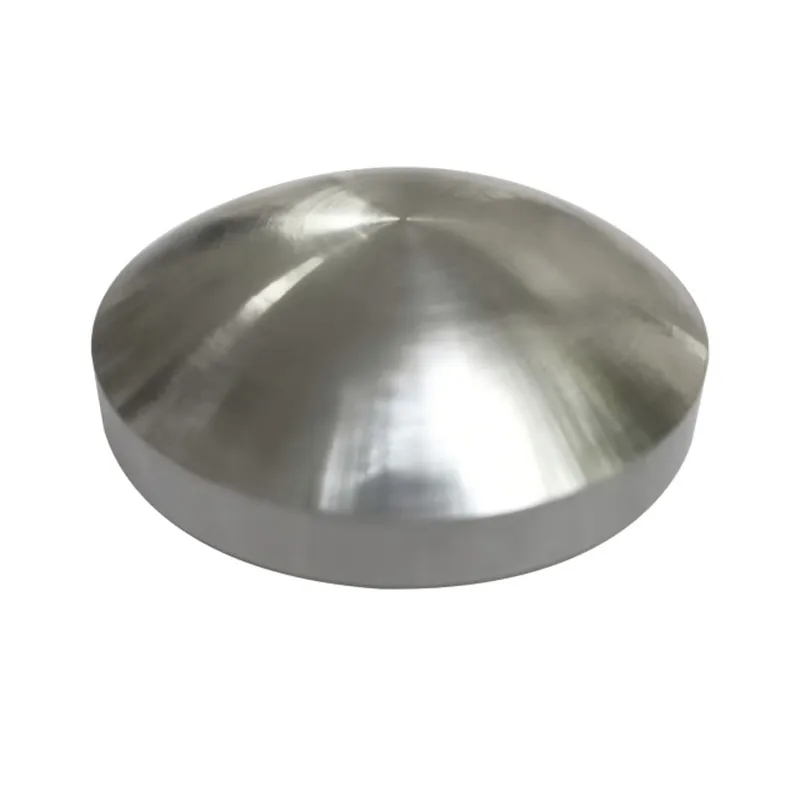
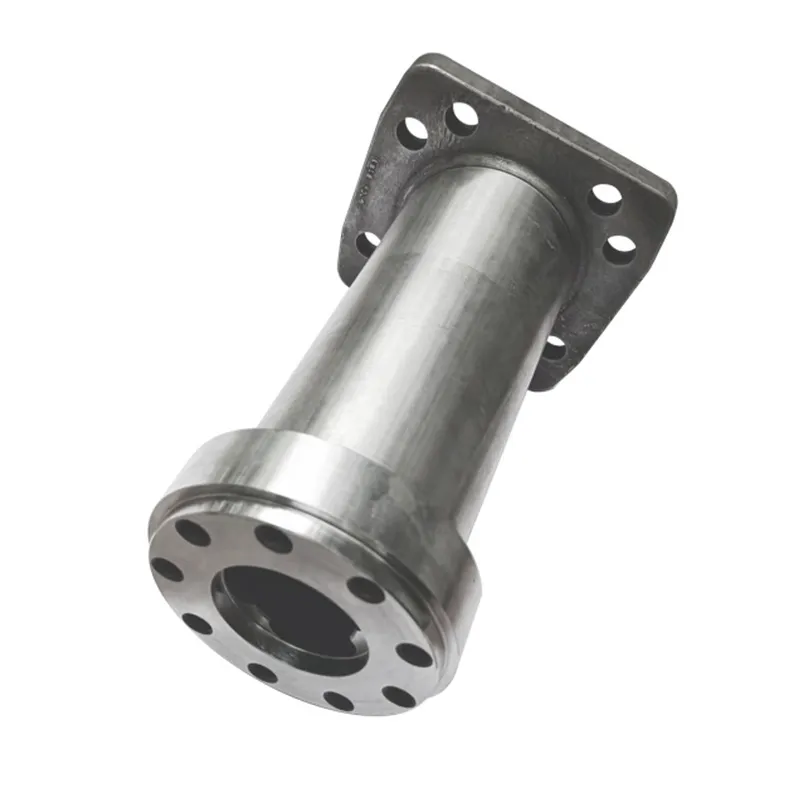
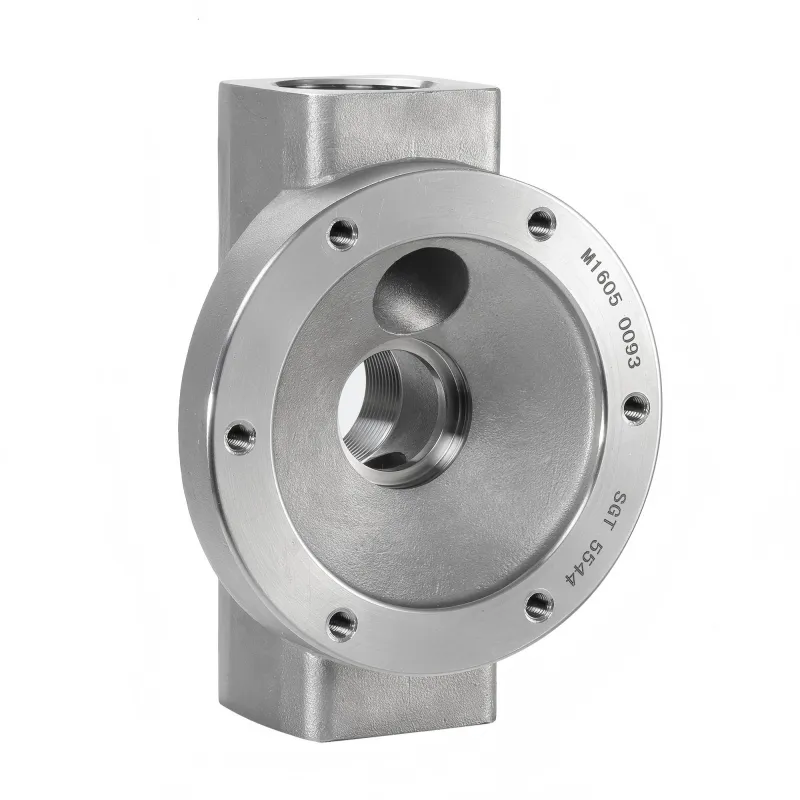
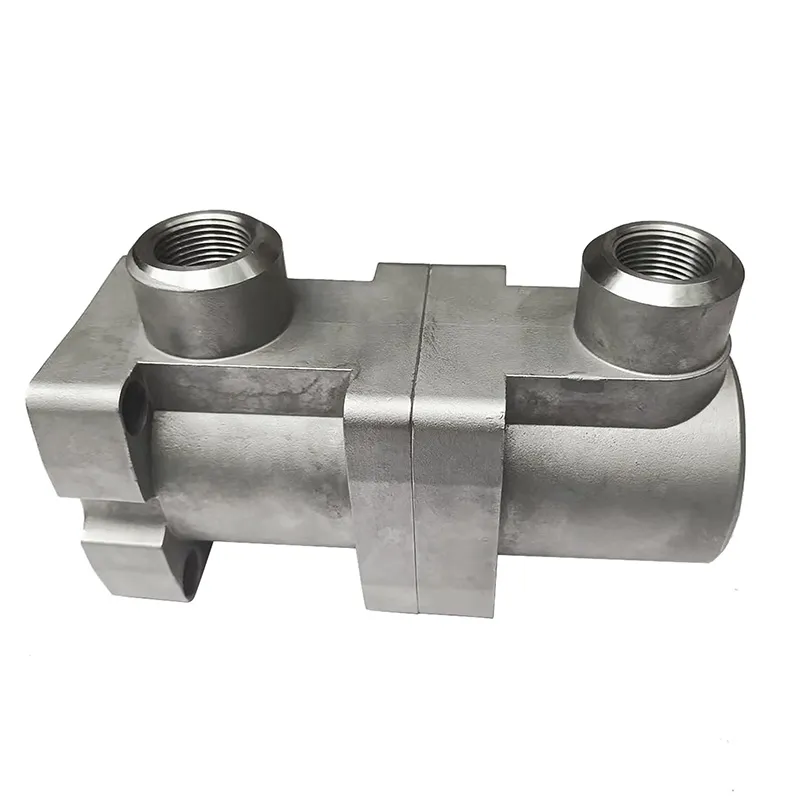
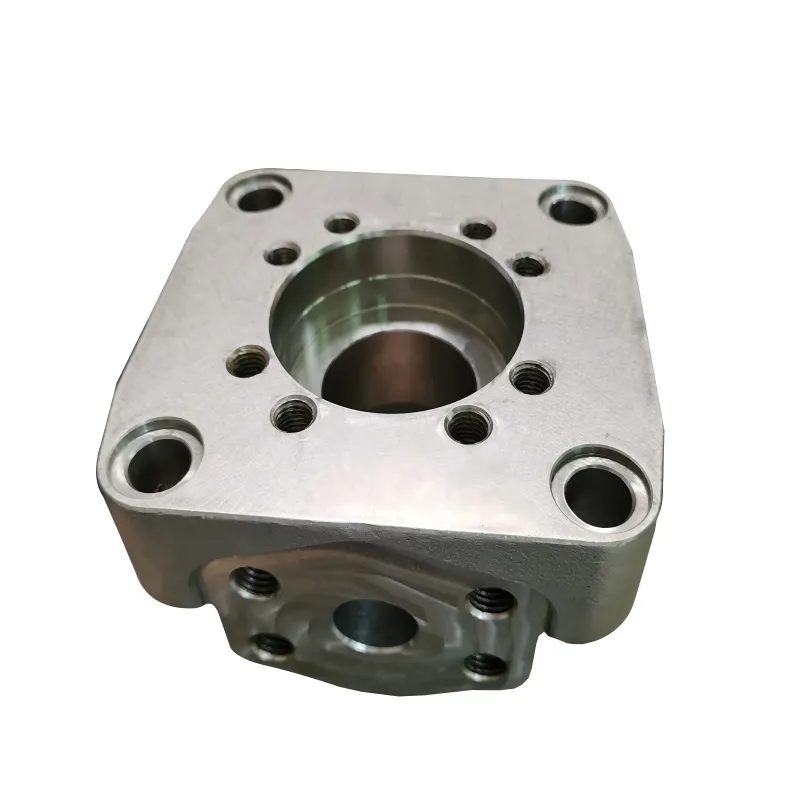
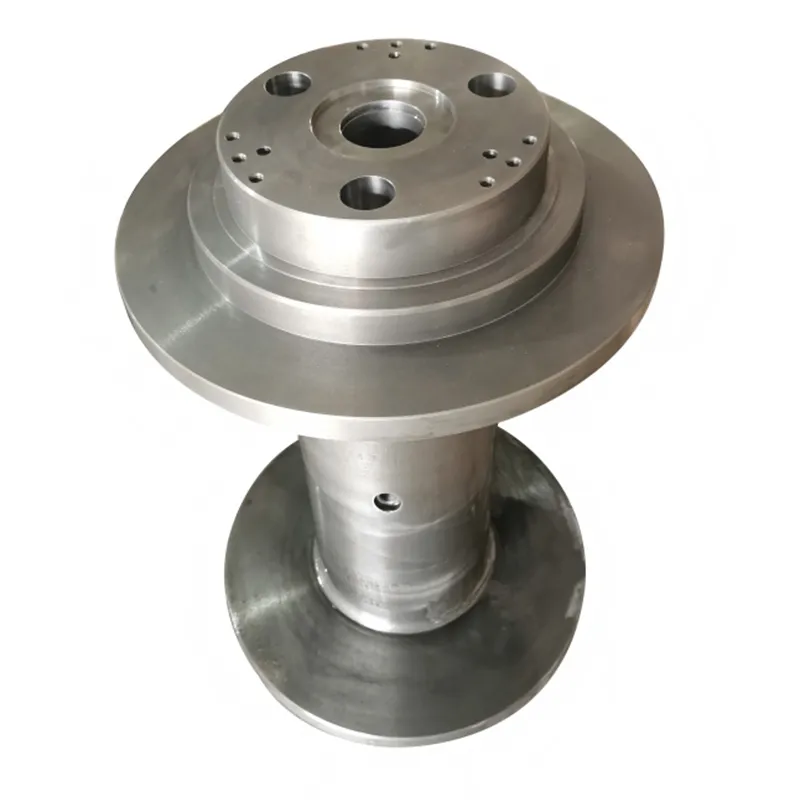
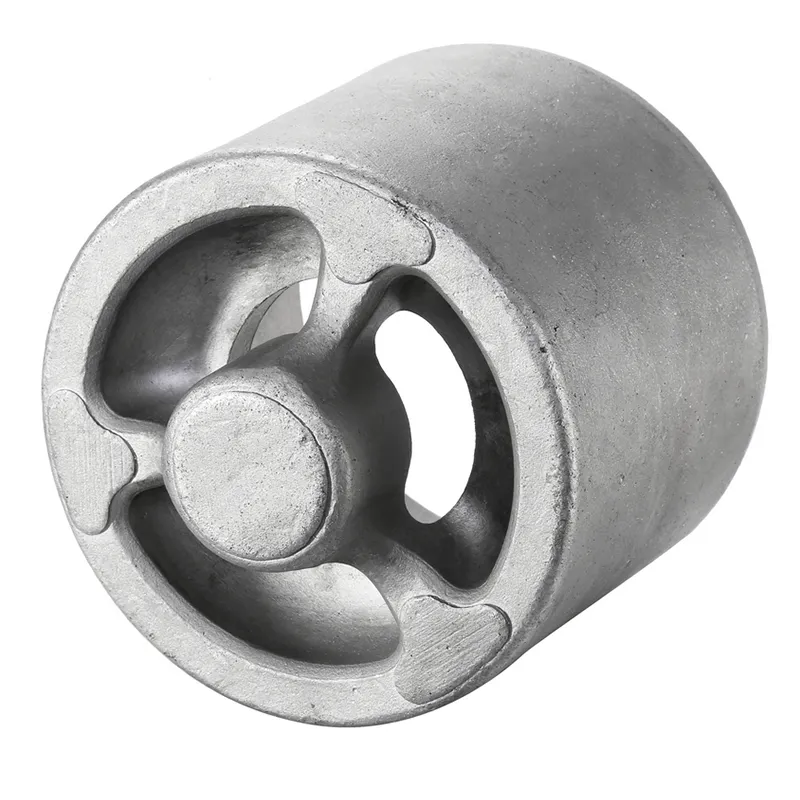
When you hear 'stainless steel valve castings', most minds jump straight to the polished, perfect-looking components in a catalog. That's the first misconception. The reality is a world of heat, scale, and constant negotiation between metallurgy, geometry, and cost. It's not just about pouring molten 316 into a mold; it's about managing solidification shrinkage in a complex body, ensuring the stainless steel valve castings have the integrity to handle 1000 PSI and corrosive media, not just look good on a spec sheet. I've seen too many designs that work in CAD but are a nightmare to cast, leading to costly rework or, worse, field failures.
The Core Challenge: It's All in the Geometry
Valve bodies are inherently problematic for foundries. They're not simple blocks. You've got intersecting passages, varying wall thicknesses around the port areas, and those critical flange faces. The thermal dynamics during cooling are a nightmare if not managed. A thick section feeding into a thin wall? That's a hot spot waiting to create shrinkage porosity, right where the pressure rating matters most. We learned this the hard way on an early order for gate valve bodies. The client's design had a beautiful, compact profile, but the core arrangement was almost impossible to vent properly. The result was a 30% scrap rate from internal porosity discovered during machining. The lesson wasn't just about better X-ray inspection; it was about getting involved in the design stage to suggest subtle draft angles and transition radii that make the metal flow and shrink predictably.
This is where the foundry's process choice becomes critical. For the intricate internal passages of a globe or ball valve, shell molding often gives a better surface finish and dimensional accuracy than green sand. But for larger, heavier-section gate valves, a robust gating and risering system in a sand mold might be more economical to prevent shrinkage. It's a trade-off. I recall a project with Qingdao Qiangsenyuan Technology Co., Ltd. (QSY) where we were prototyping a series of control valve bodies in duplex stainless steel. The material's solidification characteristics are tricky. Their team, leaning on their shell mold expertise, proposed a modified gating design that fed the metal from the bottom flange upward, reducing turbulence and oxide inclusion. It wasn't the textbook approach, but it worked. You can see their approach to complex geometries on their site at https://www.tsingtaocnc.com – it's less about flashy claims and more about the technical breakdown of process matching, which rings true.
And then there's the machining allowance. Everyone wants to minimize it to save on machining costs. But if you cut it too thin, a slight shift in the casting or a surface imperfection means the part is scrap after you've invested in the casting. We standardize on a 3mm allowance on critical faces for most of our stainless steel valve castings, but for high-pressure applications, we might bump that up. It's a buffer for reality. The machinist needs something to work with, especially when you're holding a +/-0.5mm tolerance on a center-to-face dimension.
The Material Maze: 304, 316, CF8M, and Beyond
Just make it out of 316. That's a common request. But 316 what? Cast equivalent CF8M? Wrought 316 bar stock for a different component? The chemistry and mechanical properties differ. A casting alloy has to have good fluidity and resistance to hot tearing. The silicon content is higher. If you're not specific, you'll get a part that passes a PMI gun test for Cr/Ni/Mo but might not have the impact toughness needed for a cryogenic service. I've spent hours clarifying material specs on POs. It's not pedantry; it's preventing a valve from cracking during a pressure test.
Then there are the special alloys for severe service. We worked on a project requiring nickel-based alloys for a sour gas application. The casting itself was only half the battle. The heat treatment cycle post-casting to achieve the necessary corrosion resistance and stress relief was a delicate dance. Too fast, you risk cracking; too slow, you get undesirable precipitation. The foundry's furnace control and post-casting QA become paramount. A company like QSY, which lists special alloys like cobalt and nickel-based in their material range, understands this. It's not just about having the alloy; it's about having the controlled process to treat it. Their long-term operation, as noted in their intro, hints at that accumulated process knowledge, which is what you're really buying.
And let's talk about weld repairs. They're often necessary, but they're a red flag for some end-users. The key is procedure and documentation. A minor repair on a non-critical area following a qualified WPS is one thing. Extensive repair on a pressure-containing wall is another. The best practice is to design and process to minimize repairs, but when they happen, full traceability is non-negotiable. A good foundry will have that system ingrained.
From Rough Casting to Finished Part: The Machining Handoff
This is where many projects stumble. A beautiful casting arrives at the machine shop, and they can't establish a reliable datum. Or they find a hard spot that ruins a tool. The integration of casting and machining under one roof, or at least under tight coordination, is a massive advantage. The machinist needs to understand the casting's likely deviation, and the foundry needs to understand what surfaces are critical for fixturing.
I've seen setups where the foundry provides cast lugs or bosses specifically for the machinist to use as clamping points, which are later removed. It's a simple, brilliant collaboration. When the molder and machiner are separate entities, the finger-pointing starts the moment a dimension is out of spec. Was it a core shift during casting, or was the part stressed during clamping? It's a costly detective game. The model of offering both casting and CNC machining, as QSY does, mitigates this. The feedback loop is internal. The machining team tells the casting team about a consistent thin wall in a specific cavity, and the pattern can be adjusted for the next run. That continuous improvement is hard to quantify in a quote but invaluable in the long run.
Surface finish is another touchpoint. An as-cast surface from a shell mold might be fine for some internal passages, but the sealing surfaces will need machining. The callout on the drawing needs to reflect this. Specifying a 63 Ra on an as-cast surface is a fantasy. You need to know what's achievable from the process and plan the manufacturing steps accordingly.
Quality: More Than a Certificate
Everyone wants an MTR (Material Test Report) and a hydrotest report. That's table stakes. The real quality is in the process controls you never see. How consistent is the melt chemistry from heat to heat? How are the molds and cores inspected before pouring? What's the non-destructive testing (NDT) protocol? For critical valve castings, we moved from random spot radiography to 100% radiography of the pressure-containing walls. It increased cost, but it eliminated the risk of a leak path going undetected. It's a commercial decision based on the application's risk.
Dimensional inspection is its own beast. Checking a few key dimensions with calipers isn't enough for a complex valve body. First Article Inspection (FAI) with a CMM on a sampling basis is essential. But even then, you're checking a sample. The consistency of the molding process is what guarantees every part is good. That comes back to the foundry's craftsmanship and tooling maintenance. A worn pattern plate will drift specs over time, slowly.
Finally, packaging and shipping. It sounds trivial, but a ding on a flange face from poor packaging can render a casting unusable. Proper crating, blocking, and protection of machined and as-cast surfaces are the final, often overlooked, step of quality. A professional outfit gets this right without being told.
The Real-World Cost Equation
Price per kilogram is a dangerous way to compare stainless steel valve castings. The cheapest casting often becomes the most expensive component once you factor in machining scrap, delayed deliveries, and quality headaches. The value is in the yield rate, the dimensional consistency, and the technical support. A foundry that asks detailed questions about the application is one that's thinking about how to make the part function, not just exist.
Low-volume, high-mix jobs are the true test. Setting up for a run of 50 specialized valve bodies is different from a production order of 5000. The pattern costs, the core box engineering, the process development—these are amortized over fewer parts. This is where a foundry's flexibility and willingness to collaborate on solutions pay off. It's not about having the biggest furnace; it's about having the right mindset for complex, low-volume work.
In the end, successful stainless steel valve castings come down to partnership. It's a dialogue between the designer, the foundry, and the machinist. The goal is to translate a functional requirement into a robust, manufacturable geometry, in the right alloy, with a predictable and transparent path to a finished, reliable component. It's messy, iterative, and full of compromises. But when you get it right, that unassuming, rough-looking casting becomes the heart of a valve that operates for decades without a second thought. That's the real finish that matters.