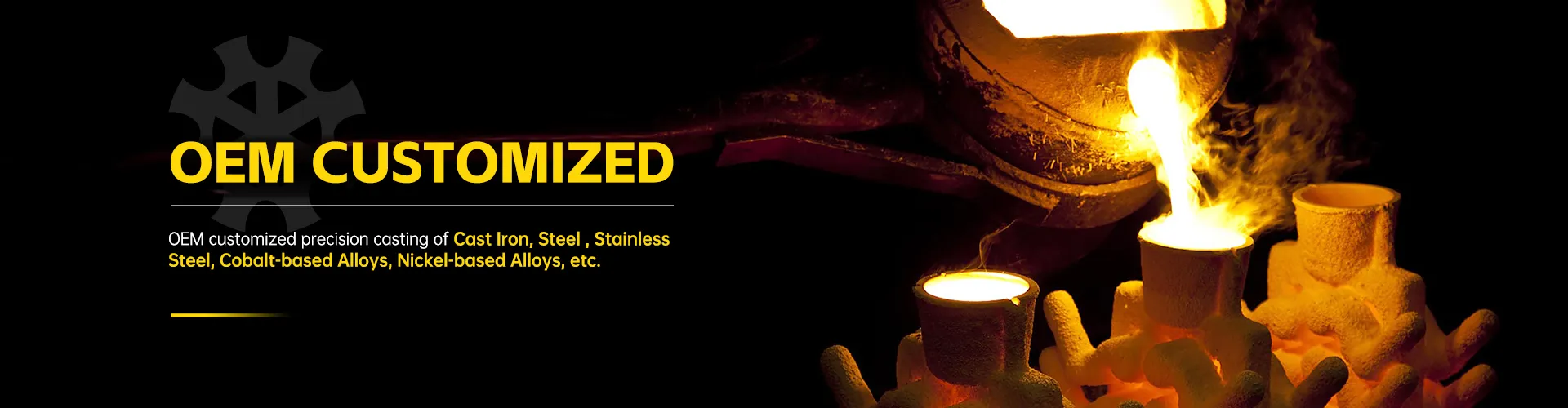
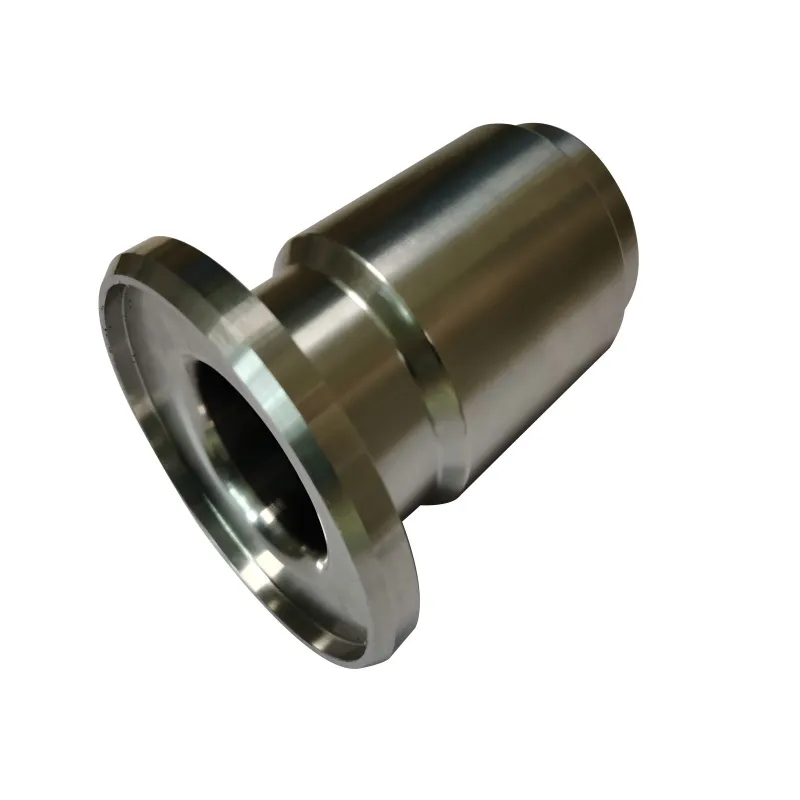
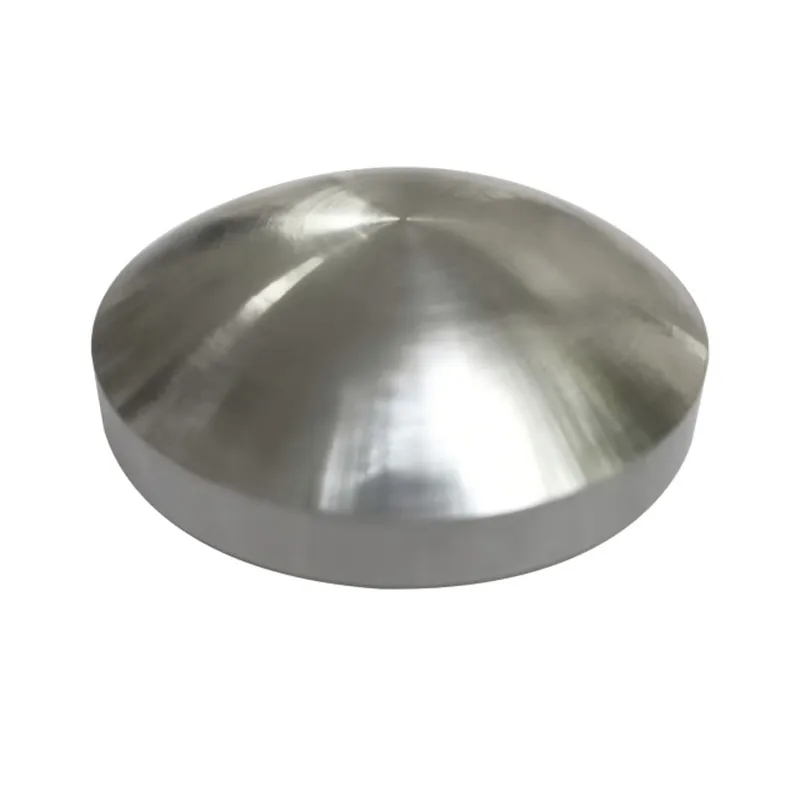
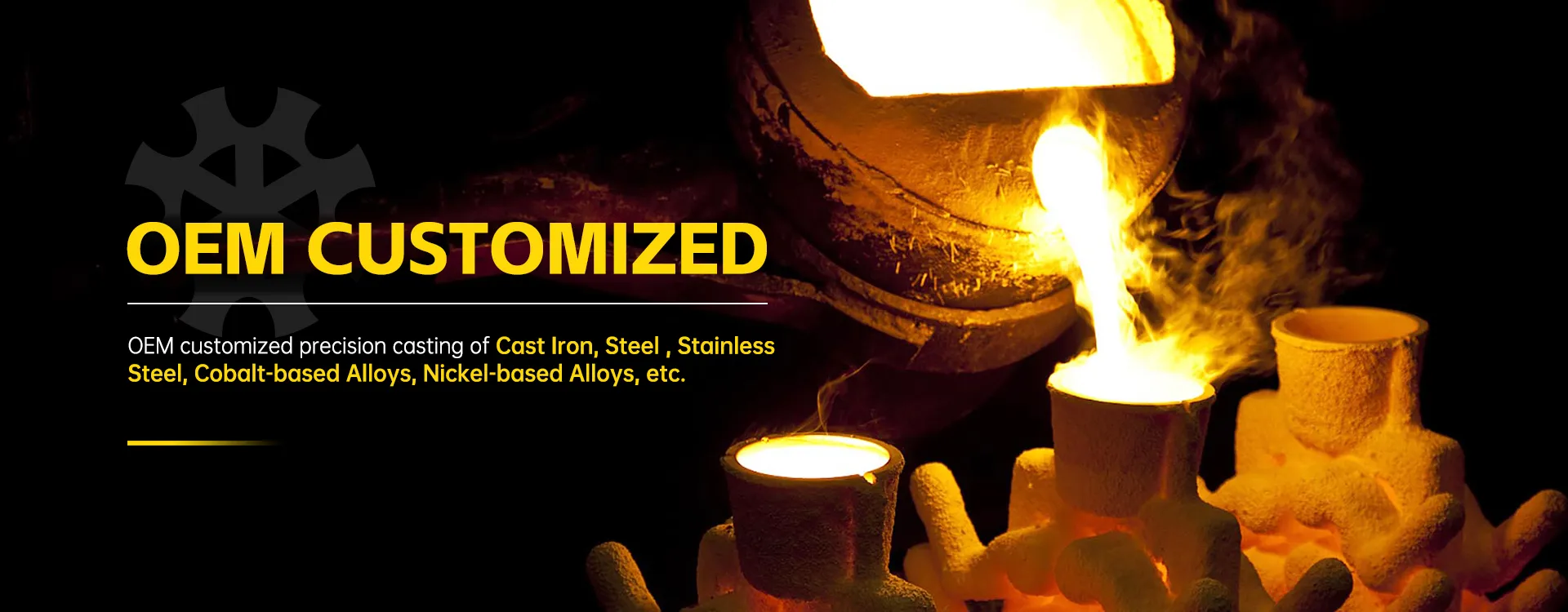
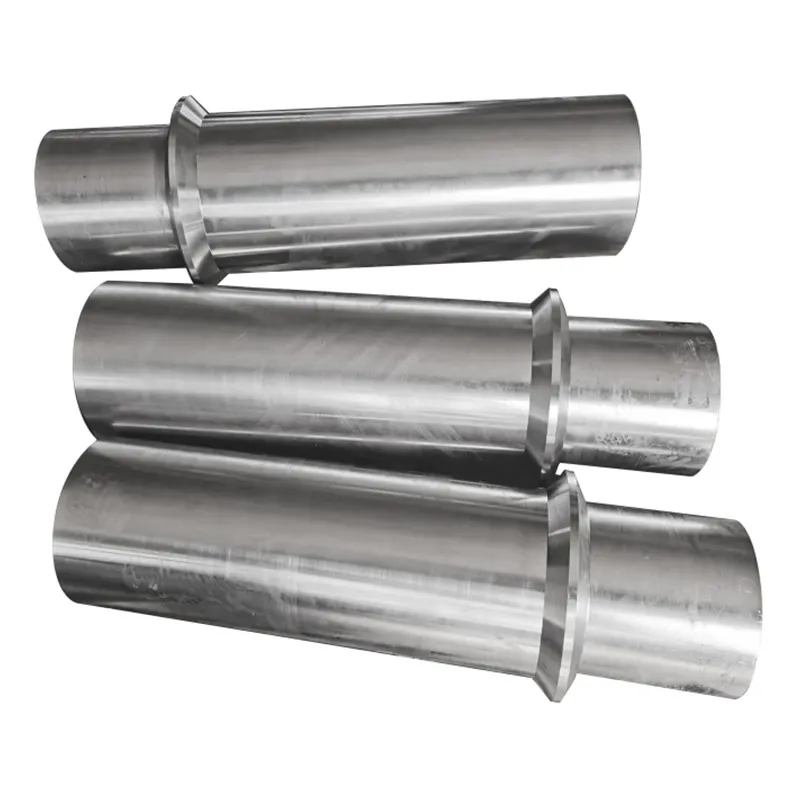
When most people hear 'steel casting', they picture a ladle of molten metal and a lot of sparks. That's the showy part, sure, but it's maybe 20% of the actual battle. The real story is in the silence before the pour – the pattern, the mold, the gating design you've bet the entire job on. Get that wrong, and you're not just looking at scrap; you're looking at a fundamental misunderstanding of how metal behaves when it's liquid and angry. It's not just making a shape; it's engineering the solidification path.
The Mold is the Blueprint
I've lost count of the projects that came in with a perfect 3D model of the final part and zero thought about how to get there. The first hurdle is always mold design. For steel casting, especially with complex geometries, you're choosing your weapon early: sand casting for larger, rougher pieces, or investment casting for those intricate, thin-walled components. Each has its own language of drafts, cores, and parting lines.
We worked on a pump housing once, a stainless steel job. The client's design had an internal cavity that was basically unreachable. A sand mold would have needed an impossibly complex core assembly. We pushed them towards investment casting – the shell mold process. It meant more upfront cost in the wax pattern, but it eliminated the core entirely, giving a better surface finish and more consistent wall thickness. That's the kind of judgment call that separates a parts supplier from a partner. It’s not about what’s easier for us; it’s about what process yields a functional, reliable casting for the application.
This is where experience with a range of materials is non-negotiable. The shrinkage for carbon steel is different from high-alloy or stainless. If you use the same pattern allowances, you’re finished before you start. I recall a batch of lever arms in low-alloy steel where we got the pattern perfect, but the foundry (not us, a subcontractor at the time) used riser and gating designed for a more fluid cast iron. The result was a lovely set of parts, each with a shrinkage cavity right at the critical stress point. A costly lesson in assuming the foundry knows your material.
Material is Not Just a Spec Sheet
Talking about steel casting without diving into grades is like talking about cooking without mentioning ingredients. 30 years in, you see cycles. Everyone wants 304 or 316 stainless for corrosion resistance, but often overlook that it’s a bear to cast compared to carbon steels. It’s gummy, pours sluggish, and is prone to hot tearing if your cooling rates are off.
The more interesting work, frankly, is with the special alloys. Nickel-based alloys for high-temperature service, or cobalt-based ones for wear resistance. We’ve done components for QINGDAO QIANGSENYUAN TECHNOLOGY CO.,LTD. (QSY) in this realm. Their long-term focus on materials like these means they’ve built up a library of knowledge on pre-heat temperatures, pouring speeds, and post-casting heat treatment that you simply can’t google. For instance, with a nickel-based alloy casting for a turbine component, the difference between a stress-relief cycle and a full solution heat treatment is the difference between a part that lasts a season and one that lasts a decade. That’s the hidden value in a partner’s process.
It’s tempting to think stronger alloy = better part. Not true. We had a client insist on a very high-strength steel for a mounting bracket. It cast fine, machined terribly – tool wear was through the roof. We had to go back, argue for a slightly less hardenable but far more machinable grade, factoring in the total cost of casting AND machining. The final part performed identically in the field. The spec sheet doesn’t tell the whole story; the entire manufacturing chain does.
The Handoff: Casting to CNC
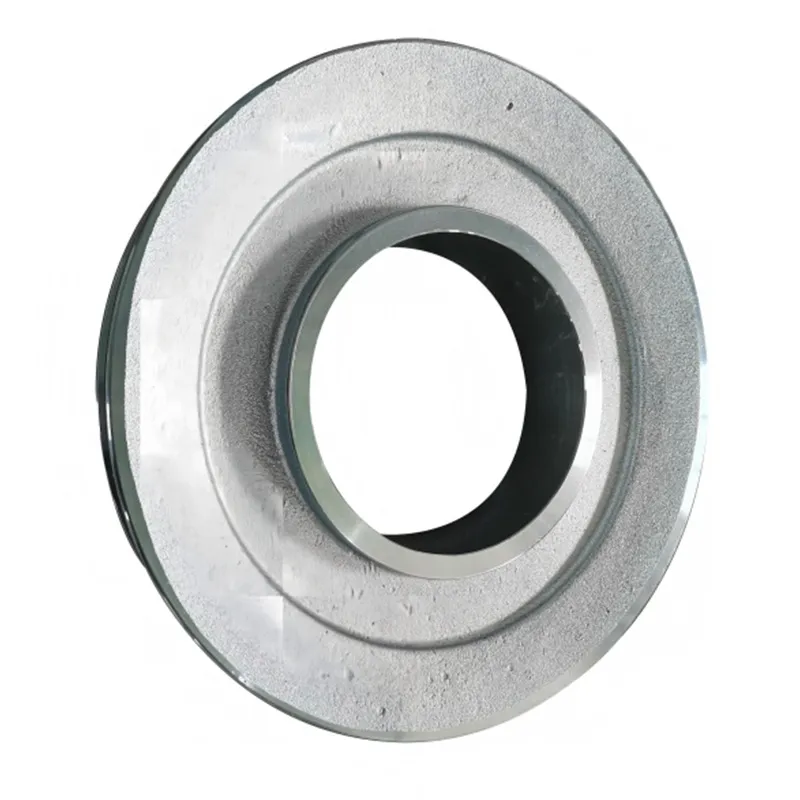
This is the make-or-break moment that many pure foundries or pure machine shops fumble. A casting isn't a finished part. How it’s presented for machining is everything. You need datums. You need consistent wall stock. You need to know where the likely distortion points are from the cooling process.
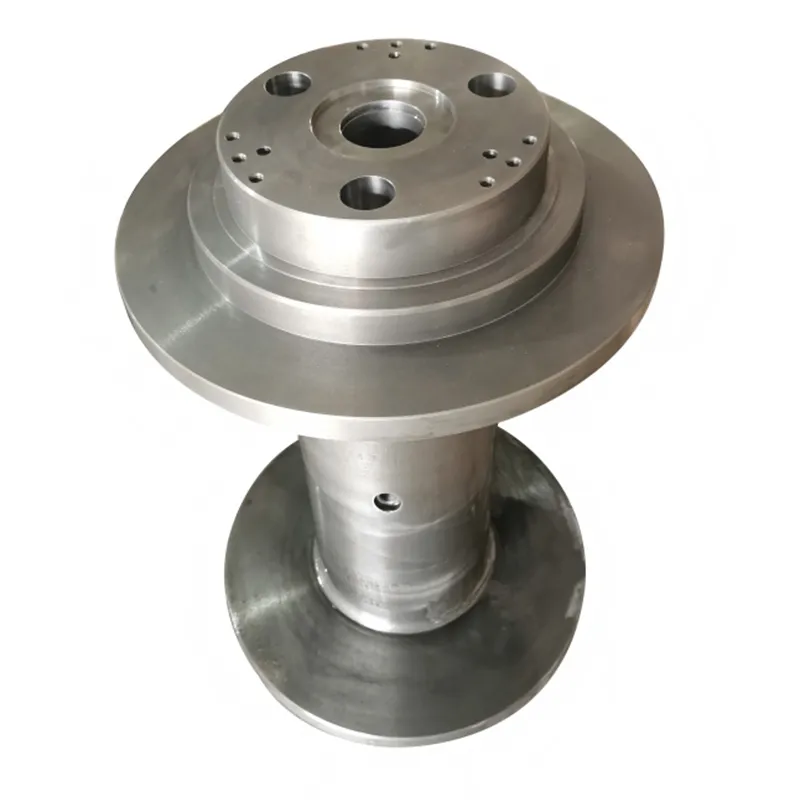
An integrated operation, like what you see at a company handling both casting and machining in-house, has a huge advantage. At QSY, for example, the team doing the CNC machining isn't receiving a mystery box from a vendor. They were likely in the design review for the casting. They know where the parting line is, they might have suggested adding a small machining pad on a non-critical surface to ensure a secure first op fixture. This feedback loop is gold. It prevents those nightmarish jobs where you spend more time indicating and shimming a weird casting than you do actually cutting metal.
I remember a gearbox casing where the as-cast surface was too variable for our standard fixture. The machining team flagged it, and the foundry team adjusted the molding process to guarantee a tighter tolerance band on specific mounting faces. It added a day to the casting stage but saved three days in setup time on five separate machining centers. That’s the kind of efficiency that doesn’t show up in a per-kilo casting quote but absolutely shows up in the total project cost and timeline.
Failure is a Data Point
Nobody likes to talk about the ones that go wrong, but that’s where the real learning is buried. A perfect example was a run of small, intricate brackets in ductile iron – similar issues apply to steel. We used a new, supposedly superior zircon sand for the cores. The castings came out with a beautiful finish, but we had a nearly 40% rate of cracking during shakeout. Beautiful, expensive paperweights.
After tearing our hair out, we realized the new sand had a much higher thermal conductivity. It was drawing heat out of the casting too quickly, creating massive thermal stress. For a thick, chunky part it might have been fine. For these thin, webbed brackets, it was fatal. We went back to the older, less “advanced” silica sand for that particular job shape, and the problem vanished. The lesson? There’s no universal “best” practice. Every variable – material, geometry, weight – changes the equation. Sometimes the old way is the right way for that specific part.
This is why I’m skeptical of shops that claim a 99% yield rate on first-run prototypes for complex castings. Either they’re not pushing the envelope on design complexity, or they’re not being entirely truthful. A responsible partner will tell you the risks, point out the potential failure modes on your drawing, and sometimes even recommend a prototype in a cheaper, easier-to-cast material just to prove the mold design before committing to expensive alloy steel.
The Real Deliverable: Reliability
At the end of the day, steel casting isn't about producing a metal object. It's about producing a reliable, predictable component that functions in an assembly, under load, often in harsh conditions. That reliability is built from a thousand small, correct decisions made from the initial quote to the final inspection.
It comes from knowing when to recommend a different alloy. It comes from designing a gating system that minimizes turbulence and slag inclusion. It comes from a machining team that understands casting skin and residual stress. When you work with a partner like QSY, whose operations span from the pattern shop through to finished CNC machining, you’re buying into that entire decision chain. Their website, https://www.tsingtaocnc.com, outlines their capabilities, but the real capability is the institutional memory built over 30 years – the memory of what worked, and more importantly, what failed and why.
The best castings don’t look like they were “cast.” They just look like the part, clean, sound, and ready to work. Getting there is anything but simple. It’s a messy, iterative, deeply physical process of managing heat, chemistry, and geometry. And that’s what makes it interesting. Every new drawing is a fresh puzzle, and the solution is never just in the melt; it’s in the planning long before the furnace ever fires up.