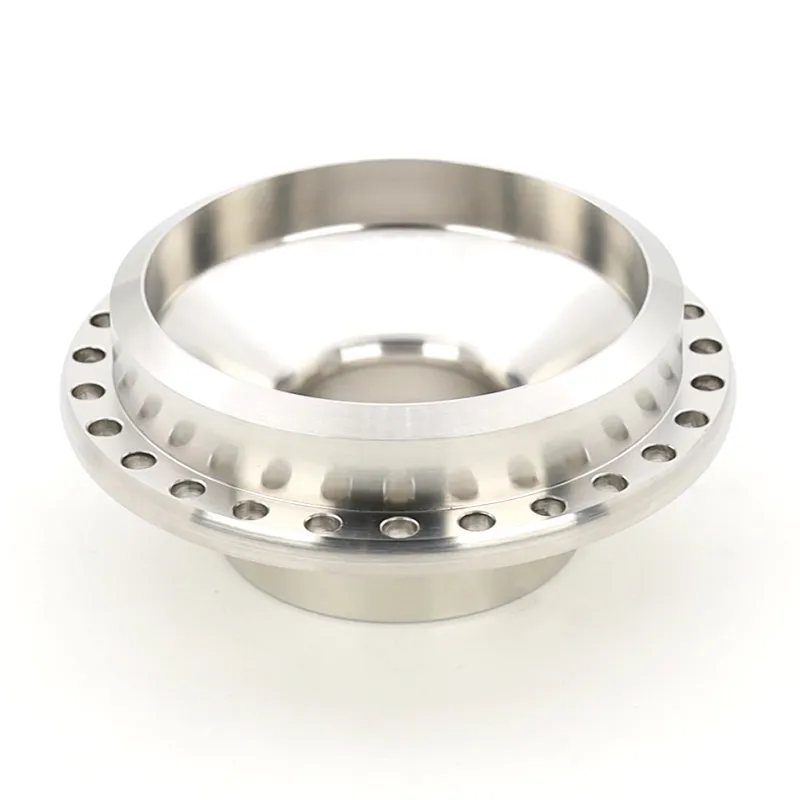
Look, if you think a steel flange is just a flat ring with holes, you're already behind. It's the interface, the critical handshake between systems under pressure, and getting that handshake wrong means leaks, downtime, and frankly, a lot of shouting on site. The spec sheet never tells the whole story.
The Material Isn't Just Steel
You get a drawing calling for a steel flange. Okay. But is it A105? A350 LF2? 304L? 316? Forged or cast? That's the first fork in the road. I've seen projects where they ordered generic carbon steel flanges for a low-temp service, only to find them brittle as glass when the temperature dropped. The material grade dictates everything—machinability, weldability, corrosion resistance. A place like Qingdao Qiangsenyuan Technology Co., Ltd. (QSY), with their 30 years in casting and machining, would drill this into you. They don't just see a block of metal; they see the final operating environment.
Forged flanges are the go-to for high-pressure integrity, grain flow and all that. But for complex, one-off shapes or specific alloys, casting has its place. That's where shell mold or investment casting comes in, which QSY specializes in. The precision from the casting stage saves a ton of machining hours later. You're not just buying a flange; you're buying the manufacturing route.
And the alloys... nickel-based or cobalt-based for extreme heat/corrosion? The cost jump is severe, but so is the consequence of failure. It's a judgment call. Sometimes you prototype with a cheaper stainless like 304, test the conditions, then commit to the exotic stuff. It's not textbook; it's practical risk management.
Machining: Where Tolerance Gets Real
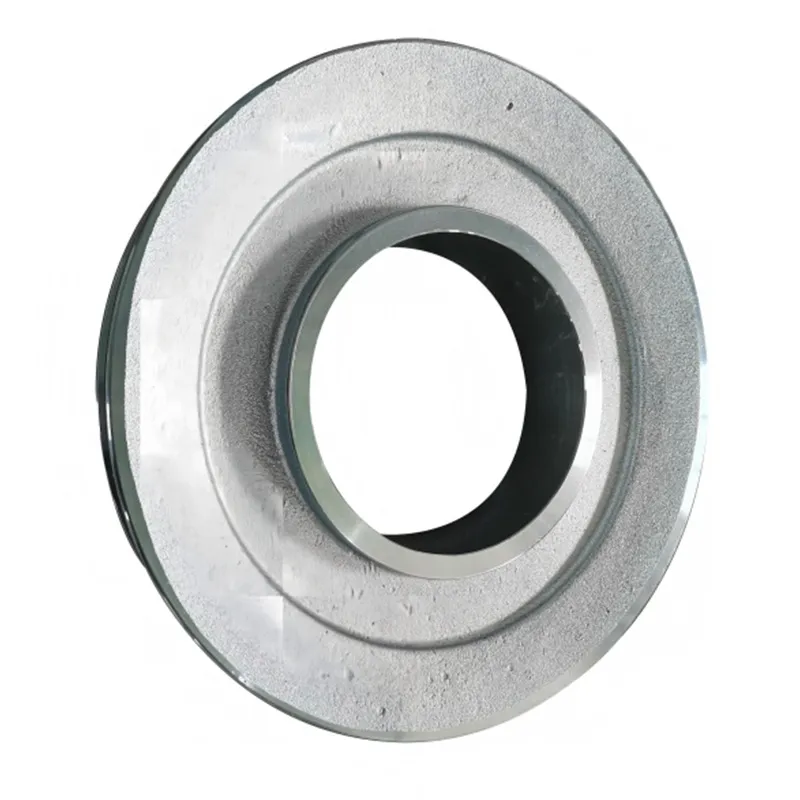
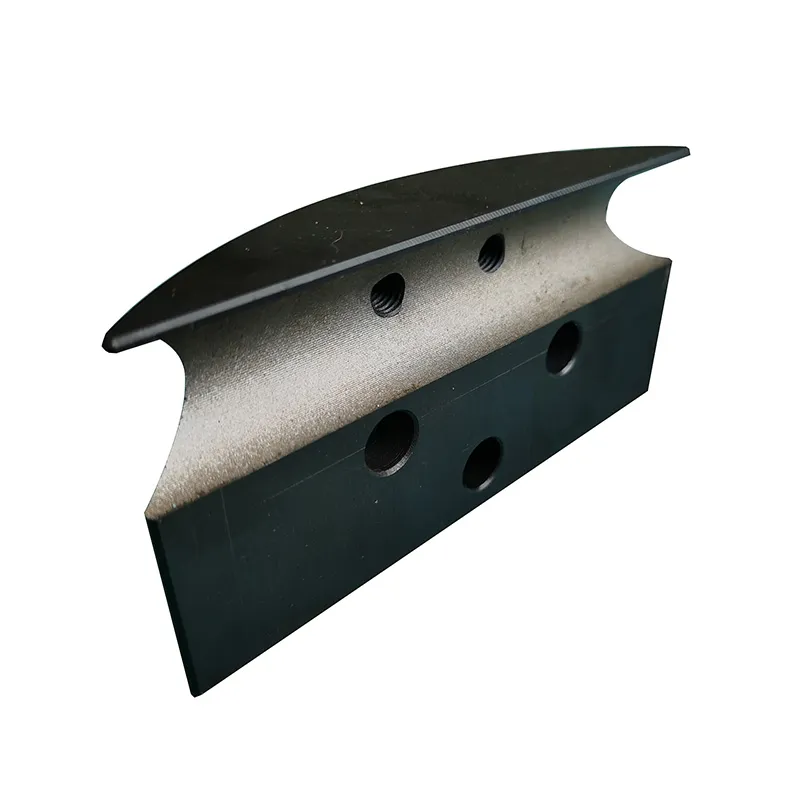
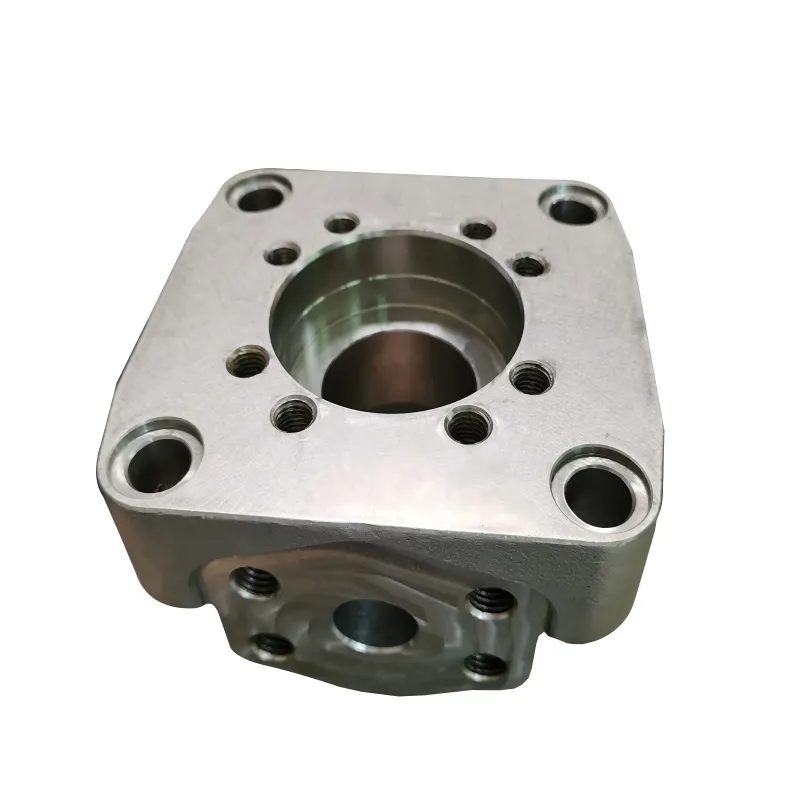
The raw casting or forging is just the starting blank. The CNC machining is where it becomes a functional component. The face finish (raised face, flat face, ring-type joint), the bolt hole circle diameter, the bore—this is where microns matter. A scratch on the sealing surface? That's a potential leak path. I remember a batch where the bolt holes were drilled to spec, but the surface finish was too rough. The gasket couldn't seal properly. It passed QA on paper, but failed in the real world.
Dimensional stability is huge, especially for large-diameter flanges. Machining induces stress. If you don't handle the clamping and cutting sequence right, the part can warp after it's off the bed. Then your flatness is gone. It's an art as much as a science. A shop with deep CNC machining experience, like you'd find at QSY's operation, has the fixturing and process knowledge to control this. They're not just running a program; they're reading the material's feedback during the cut.
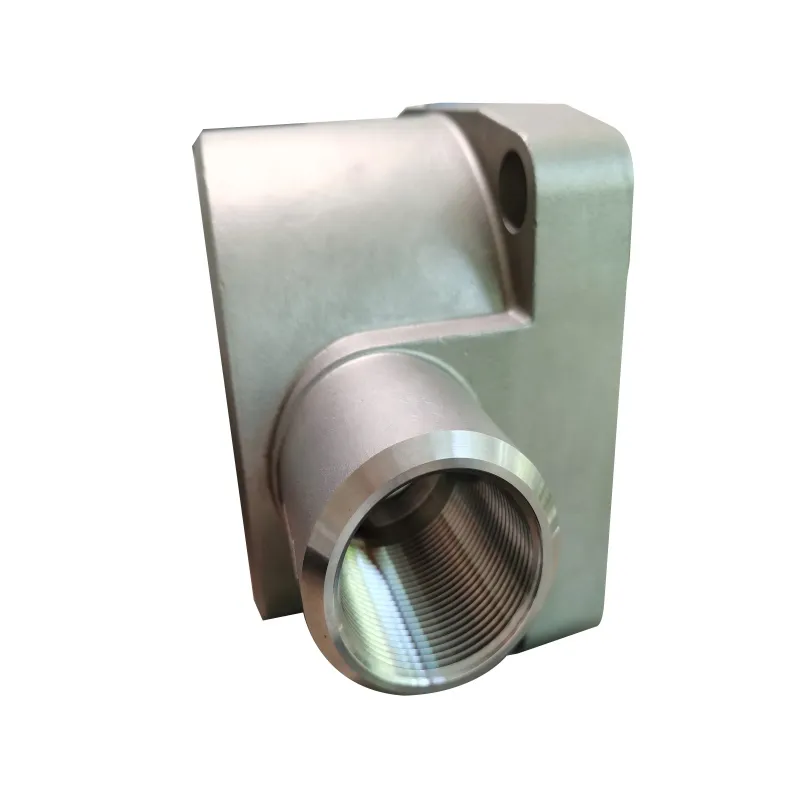
Then there's threading. Stud bolt holes or tapped holes? For high-vibration environments, you might need a different thread form or a locking feature. It's these small, unglamorous details that separate a flange that works from one that causes a shutdown.
The Fit-Up and Weld Headache
This is where theory meets the welding torch. Even a perfectly machined steel flange can be ruined during welding to the pipe. Pre-heat, interpass temperature, post-weld heat treatment (PWHT)—skip any step for the wrong material, and you've created a weak, brittle heat-affected zone. I've witnessed a beautiful ASTM A182 F316 flange crack like a cookie because the welder didn't follow the procedure for the matching pipe grade.
Fit-up gap is another silent killer. Too large a gap, and you're putting too much weld metal, which increases shrinkage stress. Too tight, and you can't get proper penetration. The ideal is a consistent, knife-edge gap all around. Achieving that requires the pipe end preparation to be just as precise as the flange machining. It's a system, not an isolated component.
And let's talk about weld neck versus slip-on. Weld neck (WN) is robust, better for stress distribution, but costlier and harder to align. Slip-on (SO) is easier to fit, but that internal fillet weld is a stress concentrator. The choice isn't always clear-cut. Sometimes on a tight-budget, non-critical utility line, a slip-on is perfectly fine. It's about matching the flange to the service, not just picking the best one.
Surface Treatment & The Corrosion Question
You've got your machined flange. Is it done? Not even close. For carbon steel, leaving it bare is asking for rust. A common spec is hot-dip galvanizing. But here's a trap: galvanizing can cause dimensional issues on tight-tolerance faces. The zinc layer thickness varies. I've seen cases where a galvanized flange wouldn't mate properly with another component because the sealing surface was no longer flat. Sometimes you have to mask critical faces or specify a different coating like phosphate or paint.
For stainless steel flanges, you might think you're safe. But if they're machined with carbon steel tools in a shop that also handles carbon steel, you risk carbon contamination. That kills the corrosion resistance. A dedicated shop line or rigorous cleaning protocols are essential. This is why material segregation in a facility matters. A company handling diverse alloys, like the special alloys QSY works with, needs strict controls to avoid this cross-contamination.
Then there's passivation for stainless—removing free iron from the surface. It's a chemical bath, simple in concept. But if it's not done thoroughly or rinsed properly, you're left with a surface that's actually more prone to rust than when you started. It's a finishing step you can't afford to cheap out on.
The Good Enough Trap and Sourcing
Pressure to cut costs is constant. You'll get quotes for flanges that are a fraction of the price from a new supplier. The drawing looks the same. The material cert might even say the same thing. But the devil is in the process control. Was the heat treatment done right? Is the chemistry of the melt on the far edge of the spec limit? You often don't know until it fails.
Building a relationship with a manufacturer that controls the process from melt to machining is invaluable. If there's a problem with a casting porosity, they can trace it back to the pour temperature or the mold. If a machined dimension is off, they can check the tool wear logs. That traceability is what you're paying for. It's not just a product; it's a documented history. For a long-running specialist like QSY, that process control is their backbone. Their intro says they've been at it for over 30 years—that means they've likely seen and fixed every type of manufacturing defect you can imagine.
Finally, don't ignore the packaging and shipping. I've received flanges with nicked sealing surfaces because they were just thrown in a wooden crate without proper blocking. The last mile matters. A good supplier understands that the component isn't delivered until it's in your hands, ready for installation, not just when it leaves their dock.
So yeah, a steel flange. It seems simple. But every single one represents a chain of decisions—material, process, machining, finishing—and a break in any link shows up on site, not in the office. The goal isn't perfection; it's predictable, reliable performance. And that only comes from treating it as a precision-engineered interface, not a commodity.