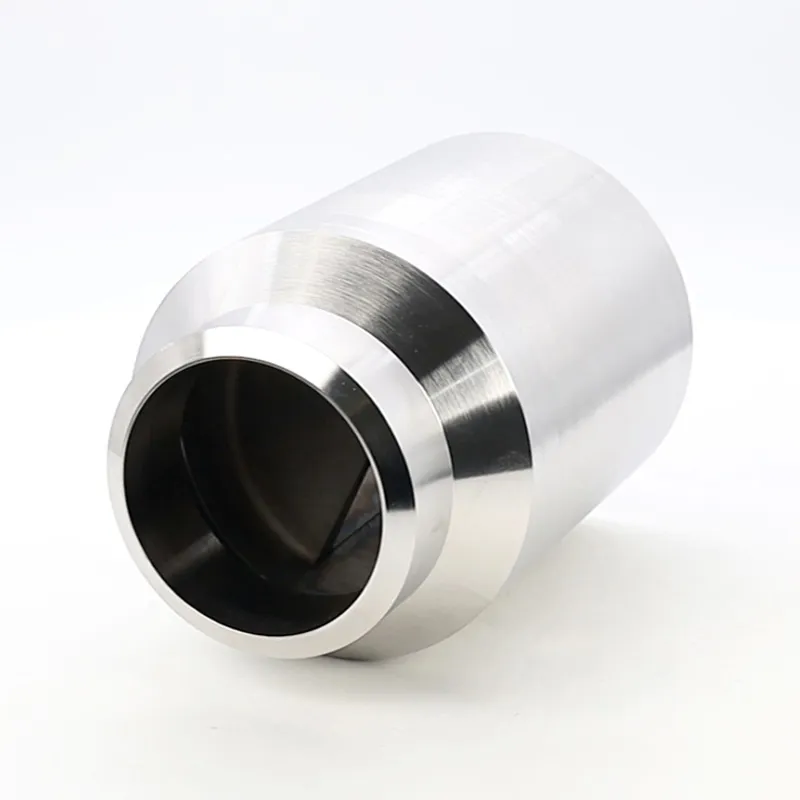
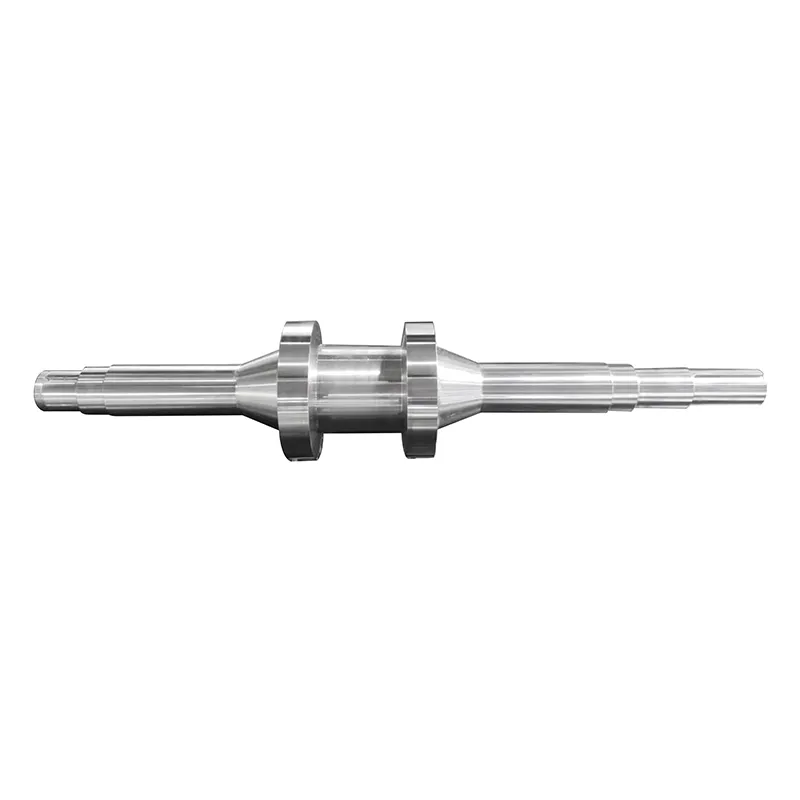
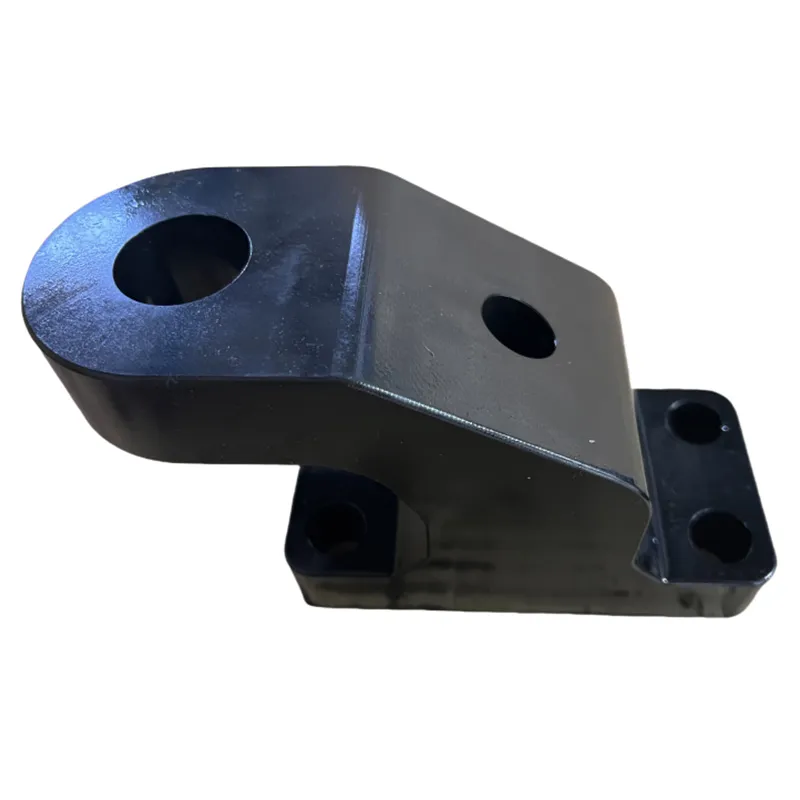
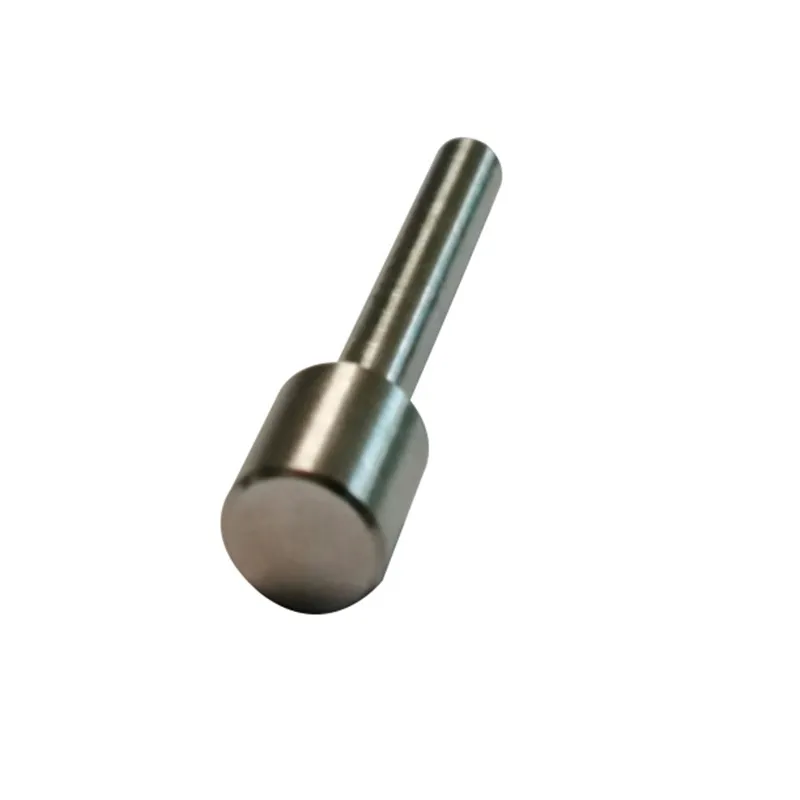
When you hear 'steel precision casting', most minds jump straight to investment casting. That's not wrong, but it's an incomplete picture that often leads to mis-spec'd parts and cost overruns. The real story is about choosing the right process—shell mold, ceramic mold, investment—for the specific steel grade and final function. It's a judgment call, not a checkbox.
The Shell vs. Investment Dilemma in Steel
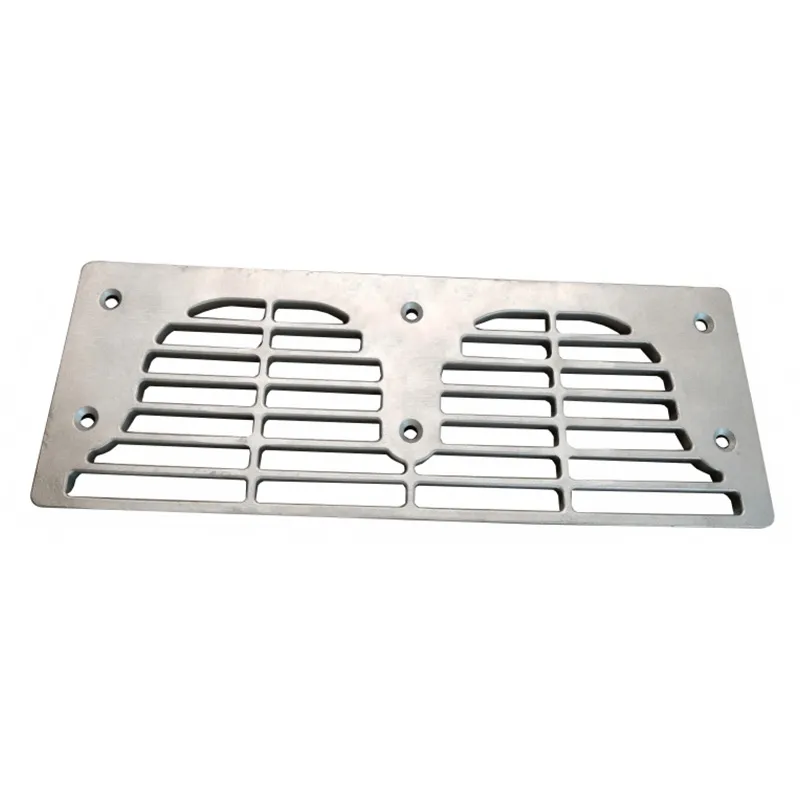
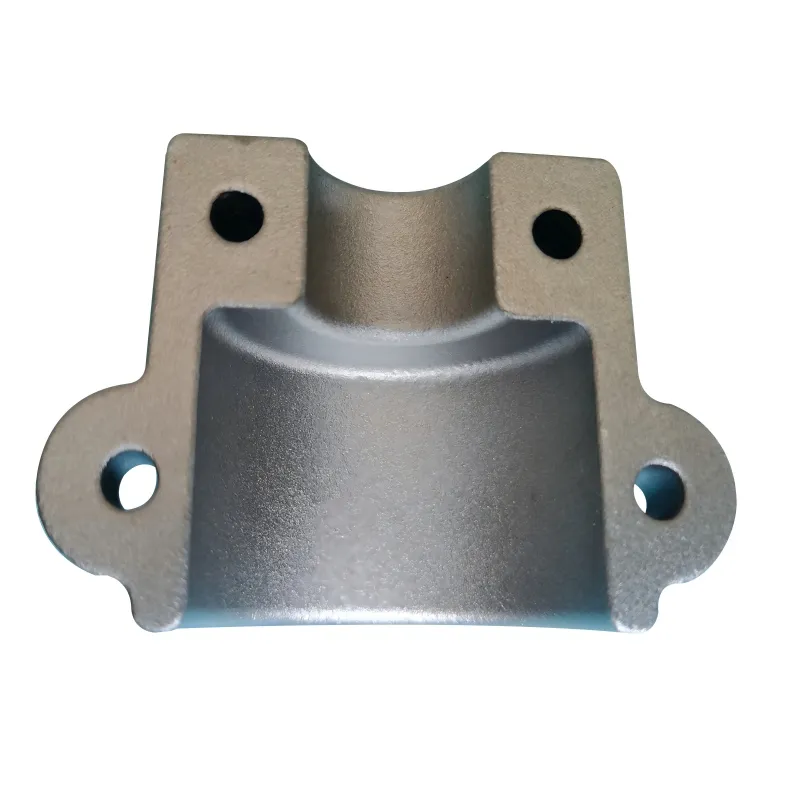
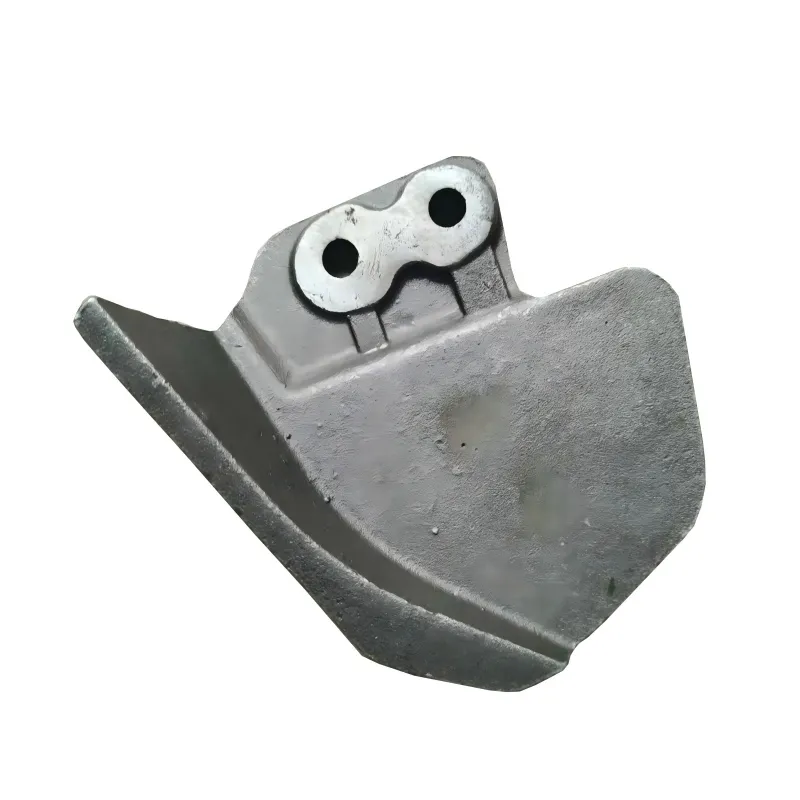
We default to shell mold for a lot of our carbon and low-alloy steel components, especially when volumes are higher and surface finish requirements are in the Ra 125-250 μin range. It's robust, relatively fast, and cost-effective. But I've seen projects fail because someone insisted on investment casting for a simple bracket, chasing an unrealistic surface finish spec that added 300% to the cost with zero functional benefit. The trick is knowing when the extra precision is actually needed.
For instance, we had a client needing a series of AISI 4140 linkage arms. Their initial drawings specified investment casting. After reviewing the load paths and assembly method, we proposed a switch to shell mold casting with a targeted machining allowance on critical bore surfaces. The part performed identically in testing, and the unit cost dropped by over 40%. That's the practical side of 'precision'—it's about hitting the necessary tolerances, not the theoretically smallest ones.
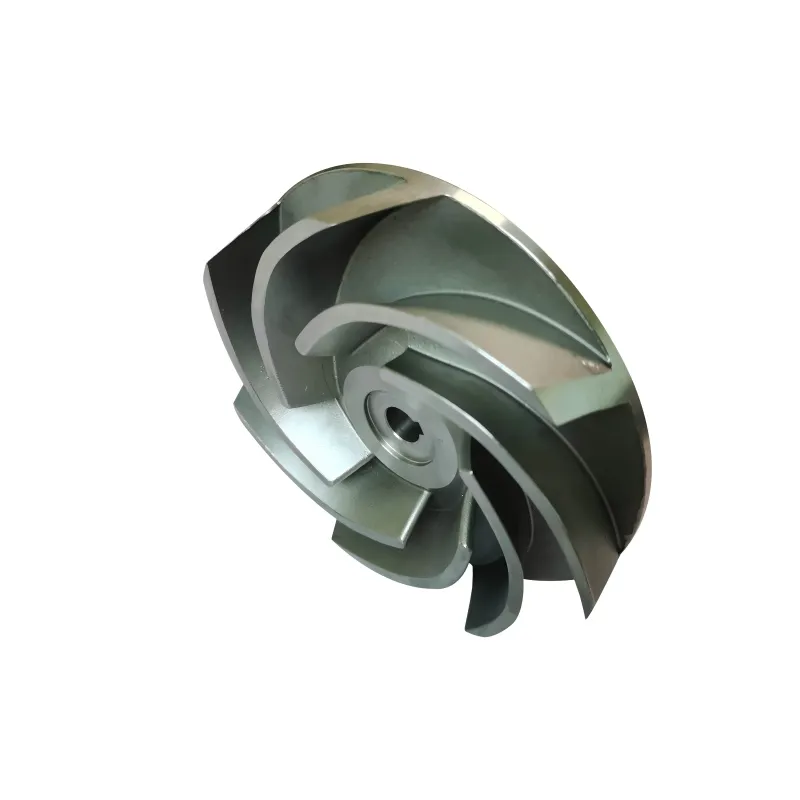
Where we absolutely push into full steel precision casting via the investment route is with complex, thin-walled geometries in grades like 17-4PH or 316L stainless, or when as-cast surface finish is critical for fluid flow or fatigue resistance. The dimensional consistency from a quality wax pattern and a stable ceramic shell is unbeatable for that. But even then, 'precision' is relative; you're still dealing with metal shrinkage and thermal dynamics, not magic.
Material is the Make-or-Break Factor
This is where decades in the shop matter. Casting plain carbon steel is one world; casting high-nickel or cobalt-based superalloys is another. The 'precision' in the process must account for the material's behavior. With something like Hastelloy X, the pouring temperature, shell preheat, and cooling rate need to be tightly orchestrated to avoid hot tearing and control grain structure. A minor deviation here doesn't just affect dimensions—it can crater mechanical properties.
We learned this the hard way early on with a batch of nickel-based alloy turbine seals. The dimensions were perfect, but the parts failed prematurely in thermal cycling. The issue traced back to an overly aggressive shell dewaxing process that created micro-cracks, which then propagated during solidification. The 'precision' was only skin-deep. It forced us to integrate the metallurgical outcome into our definition of process precision.
That's why at Qingdao Qiangsenyuan Technology Co., Ltd. (QSY), with our background handling everything from ductile iron to special alloys, the material selection and process planning are inseparable. You can't just take a stainless steel gating design and apply it to a cobalt alloy. The feed paths, risering, and chilling requirements are completely different to achieve soundness, which is the foundation of any real precision.
CNC Machining: The Necessary Partner to Casting
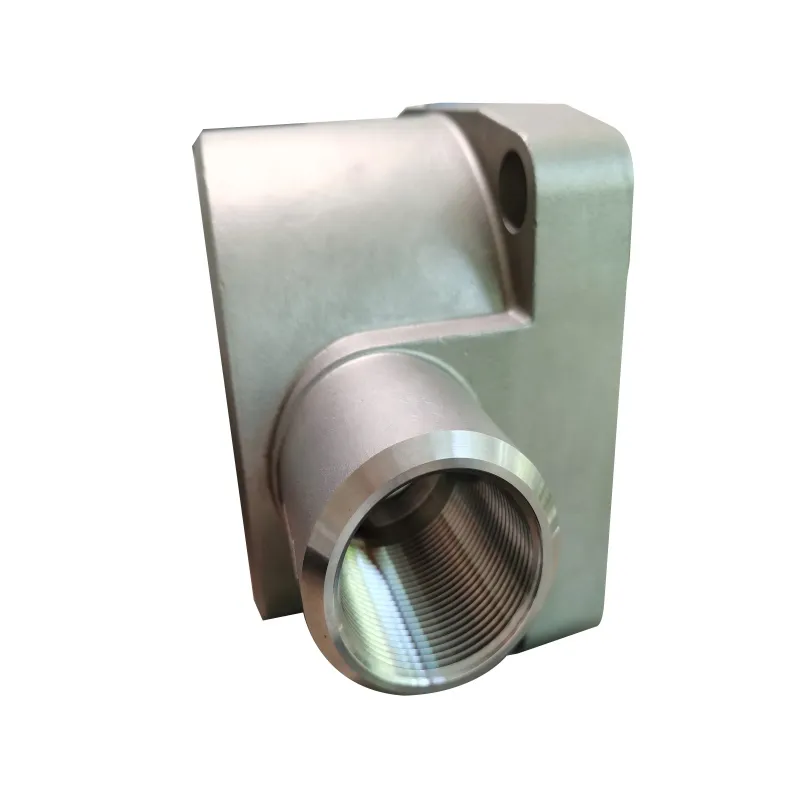
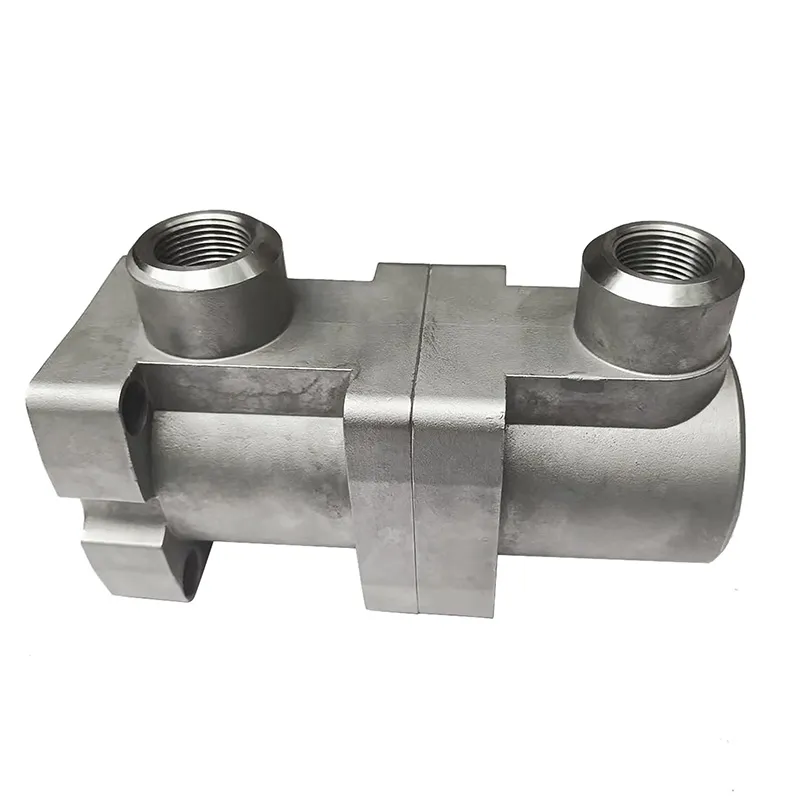
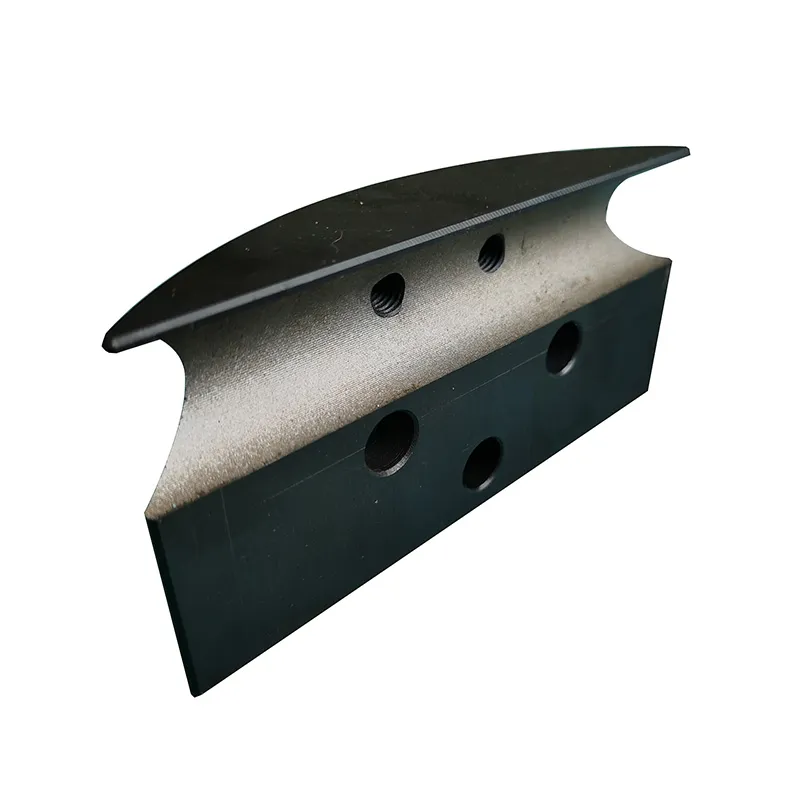
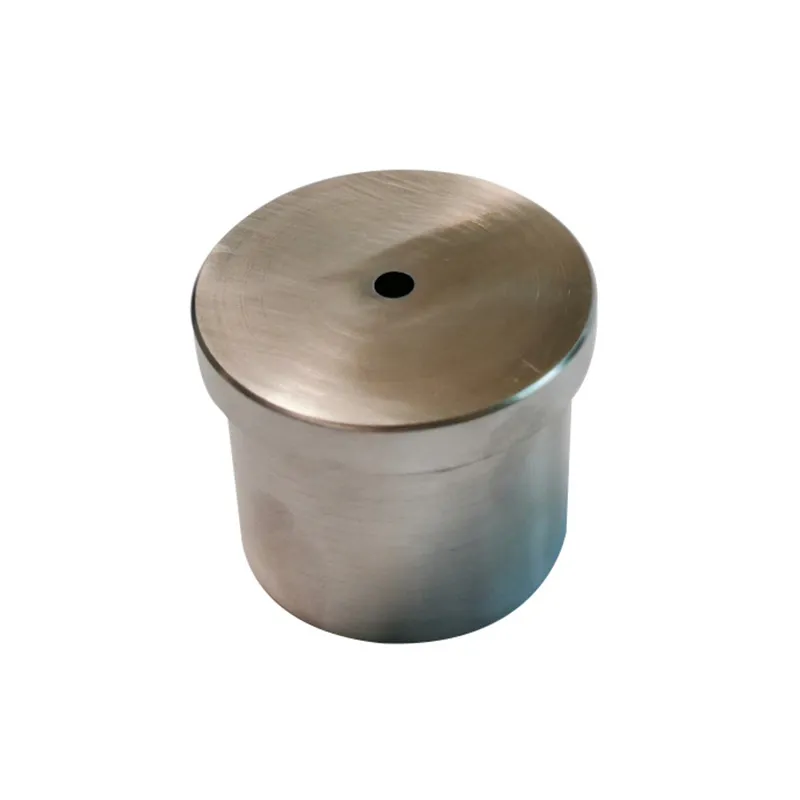
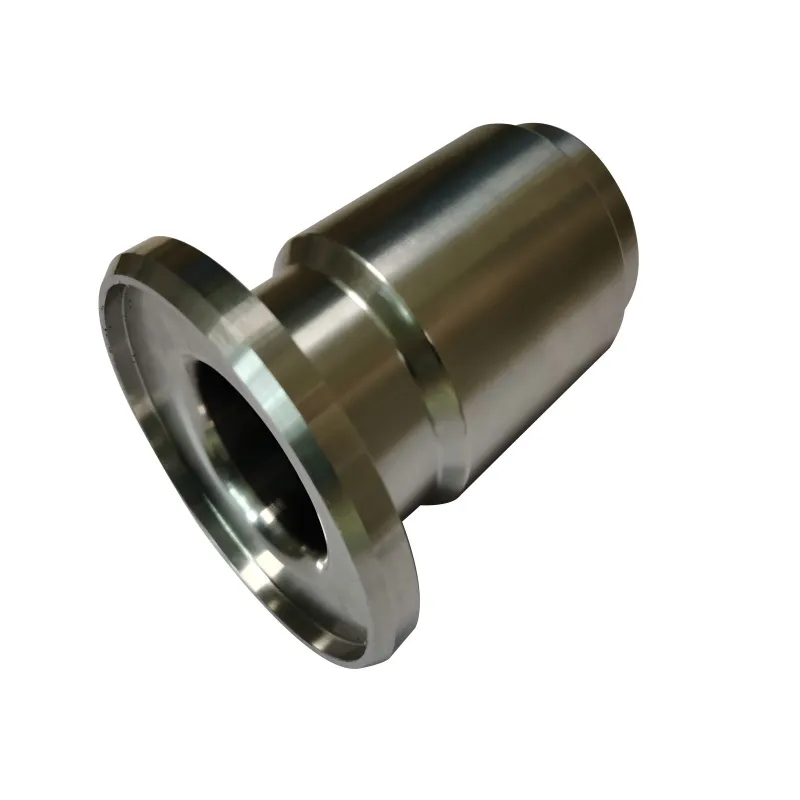
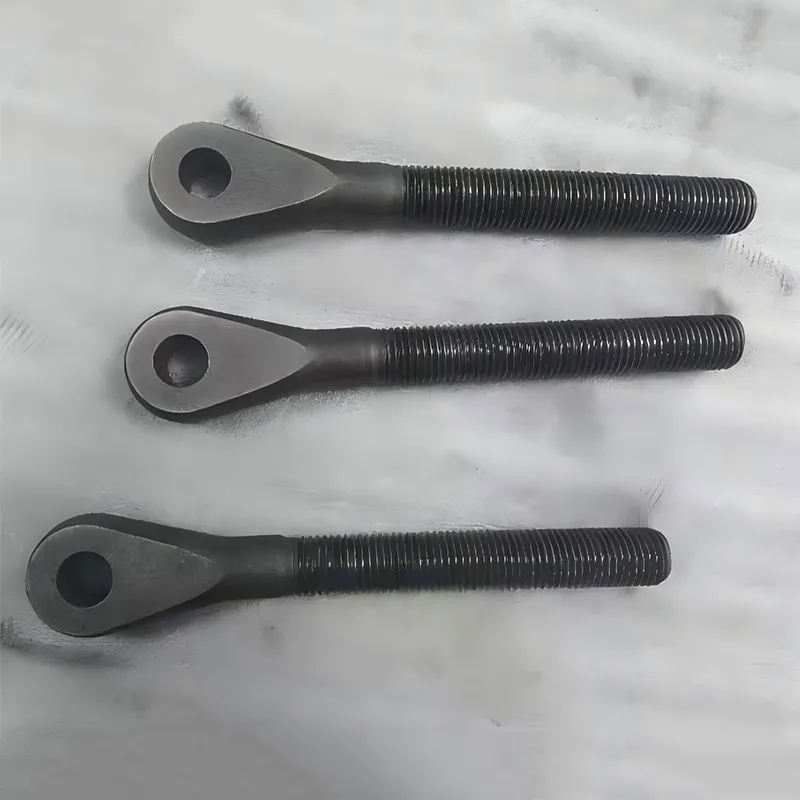
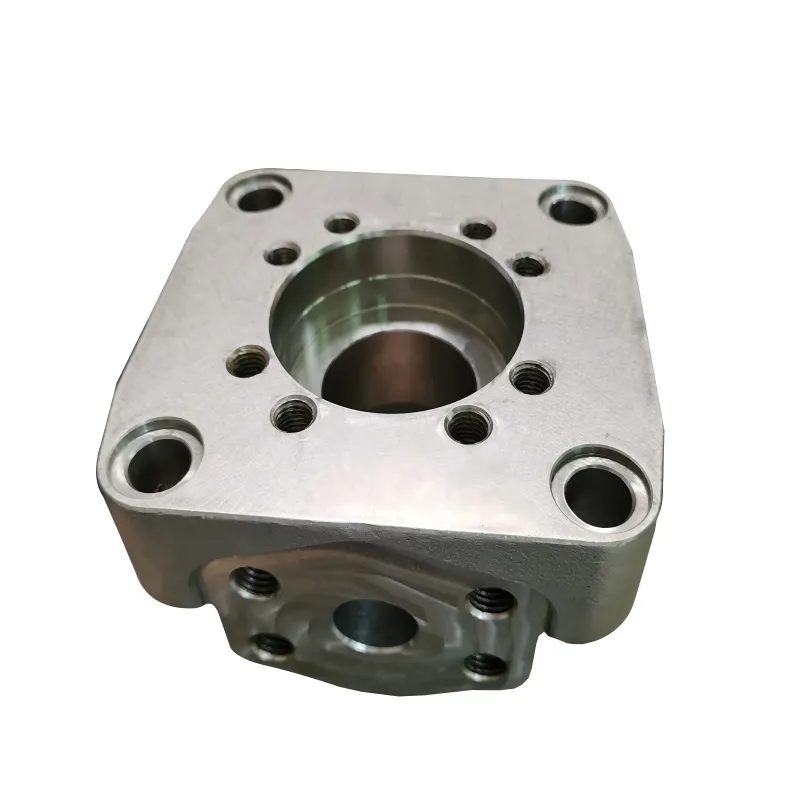
Anyone who claims you can achieve net-shape for every critical feature through casting alone is selling a fantasy. For true steel precision casting components, CNC machining is the essential finishing step. The casting gets you 95% there with the basic form; machining delivers the final datum surfaces, tight-tolerance bores, and threads. The synergy is key.
Our integrated approach—casting and machining under one roof—solves a major pain point: datum coordination. When we machine a cast steel part, we're often using cast reference surfaces that we ourselves designed into the pattern. This eliminates the 'finger-pointing' between foundry and machine shop when a tolerance stack-up occurs. We own the entire process chain.
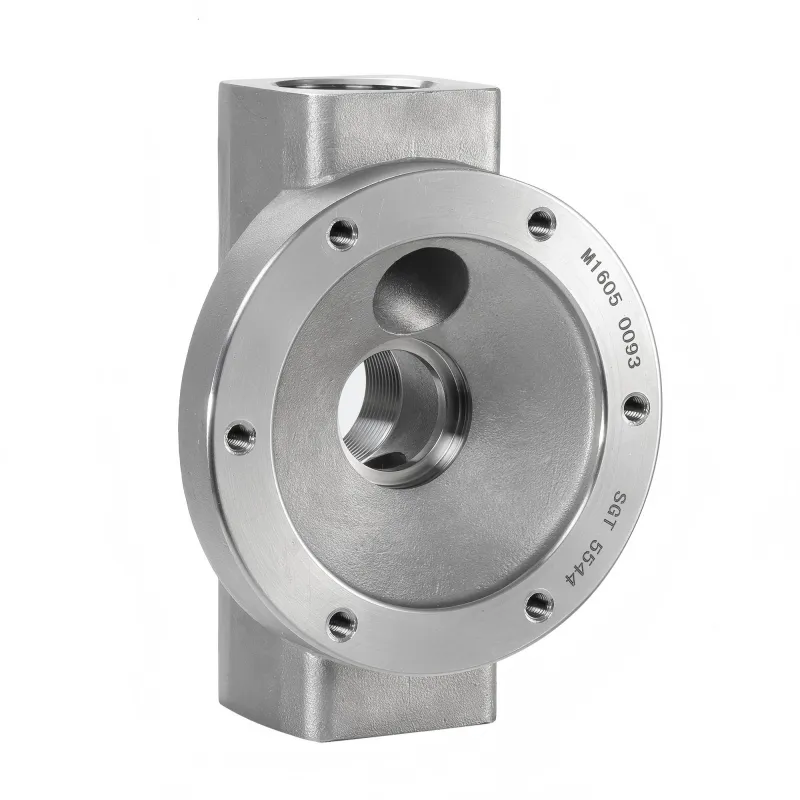
A practical example is a pump housing we produce in duplex stainless steel. The as-cast body provides the complex internal volute. Our CNC work then creates the precise flange faces, bolt holes, and shaft bore, ensuring perpendicularity and concentricity that a casting process alone could never guarantee. The precision is built through this combined method.
Where Good Enough is the Real Precision
Chasing ultra-tight tolerances on non-critical features is the quickest way to blow a budget. Real-world engineering is about allocating precision where it matters. I spend a lot of time with clients' design teams, often suggesting they loosen a casting tolerance from, say, ±0.5mm to ±0.8mm on a non-mating surface. That small change can shift a part from requiring a costly ceramic mold to a perfectly suitable shell mold process.
This isn't about cutting corners; it's about intelligent application. A textured as-cast surface might be perfectly acceptable for a structural interior, saving a machining operation. The precision is in making that correct value judgment. I've seen more projects succeed by smartly defining these requirements than by specifying the most advanced process on every line of the drawing.
It ties back to the full-service model. Because QSY handles both the casting and machining, we can provide unbiased advice on where to cast a feature to size and where to leave stock for machining. Our goal is to deliver a functional, reliable part at the optimal cost point, not to upsell the most expensive casting method available.
Looking at the Whole Process Chain
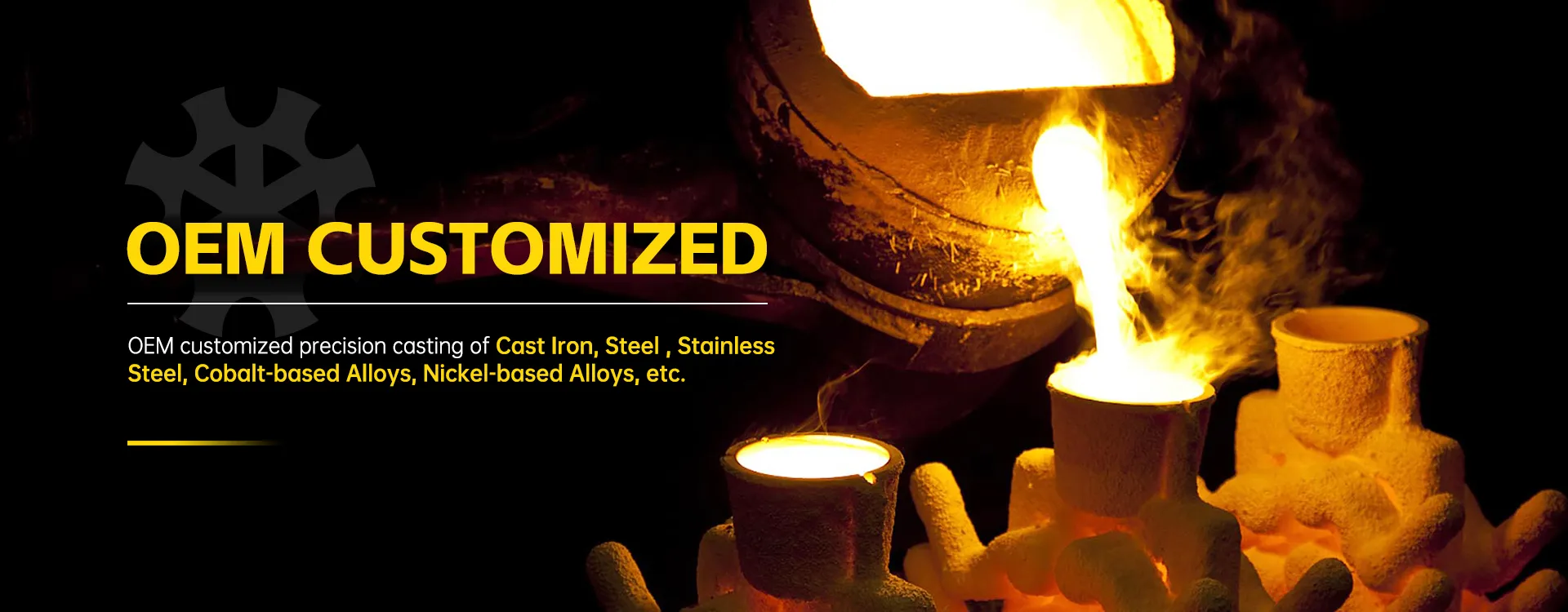
Finally, true precision in steel casting is a holistic control of the chain: pattern tooling, slurry control, melting practice, pouring, heat treatment, and final inspection. A lapse in any one area collapses the entire effort. Our 30-plus years have been about building robust controls at each stage, not just buying a fancy new furnace.
For example, maintaining consistent wax injection parameters is as critical as steel temperature control. A slightly distorted wax pattern will yield a distorted casting, no matter how precise your metal composition is. It's these behind-the-scenes disciplines that separate consistent producers from job shops.
In the end, steel precision casting isn't a single technology you order from a catalog. It's a manufacturing strategy. It's the informed selection of a molding process matched to a material and a design intent, followed by the necessary post-casting operations to meet the final spec. The precision lies as much in the planning and experience-based judgments as it does in the equipment. That's what turns a drawing on a screen into a reliable, high-performance component in the field.