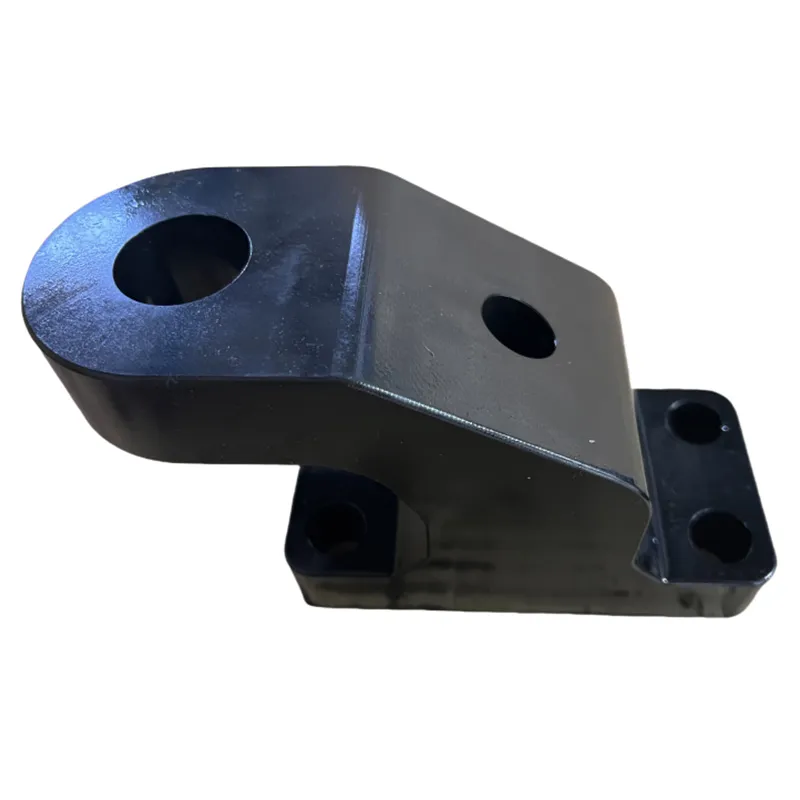
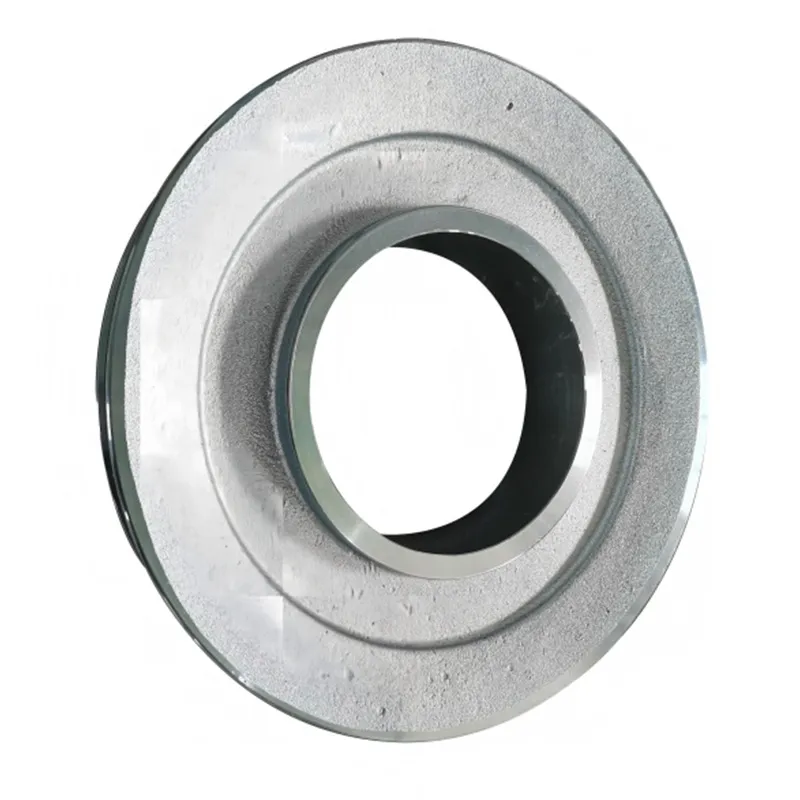
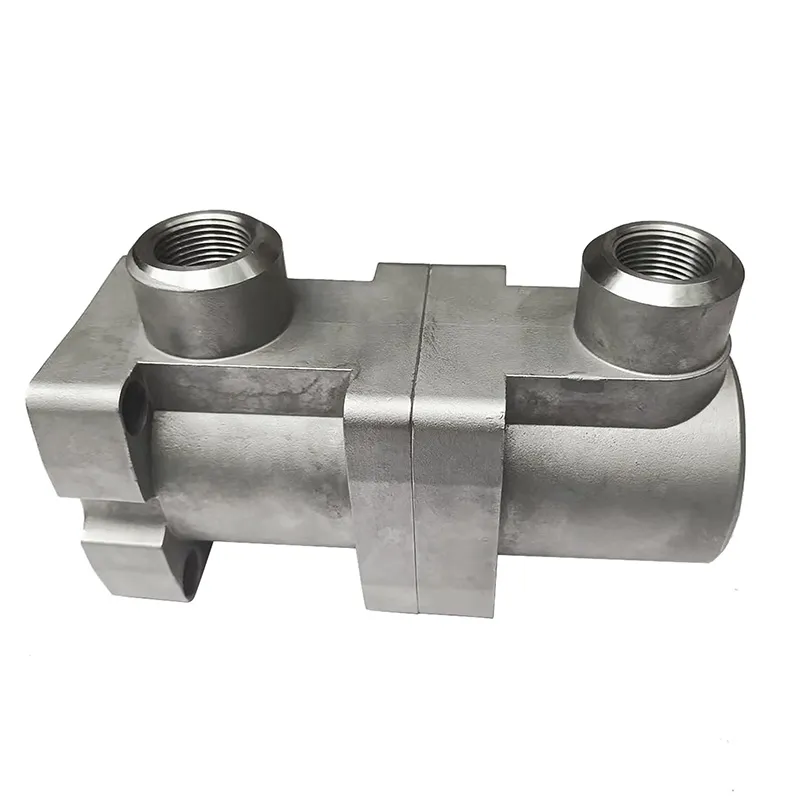
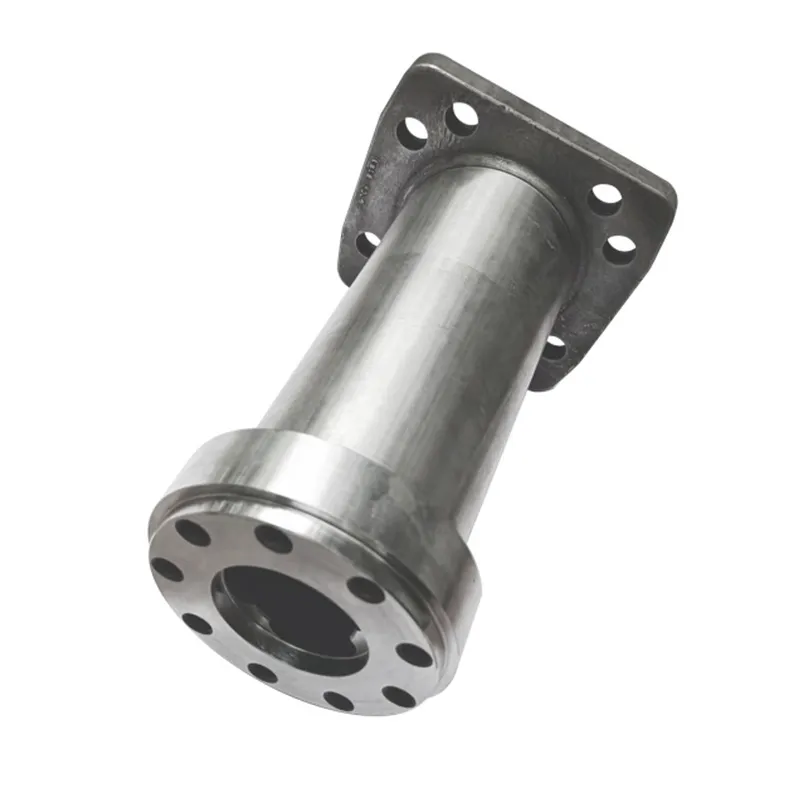
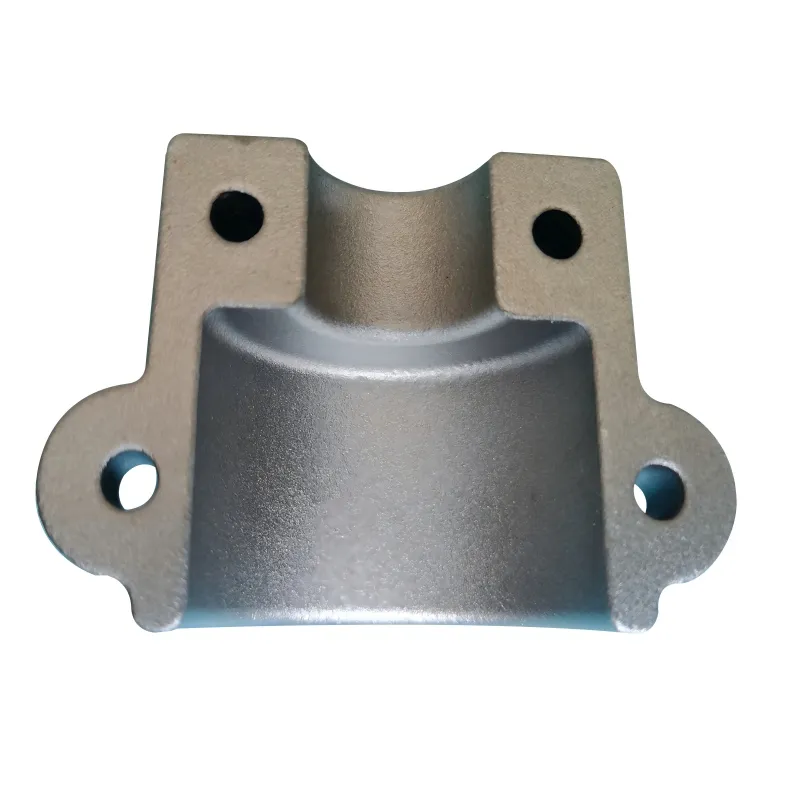
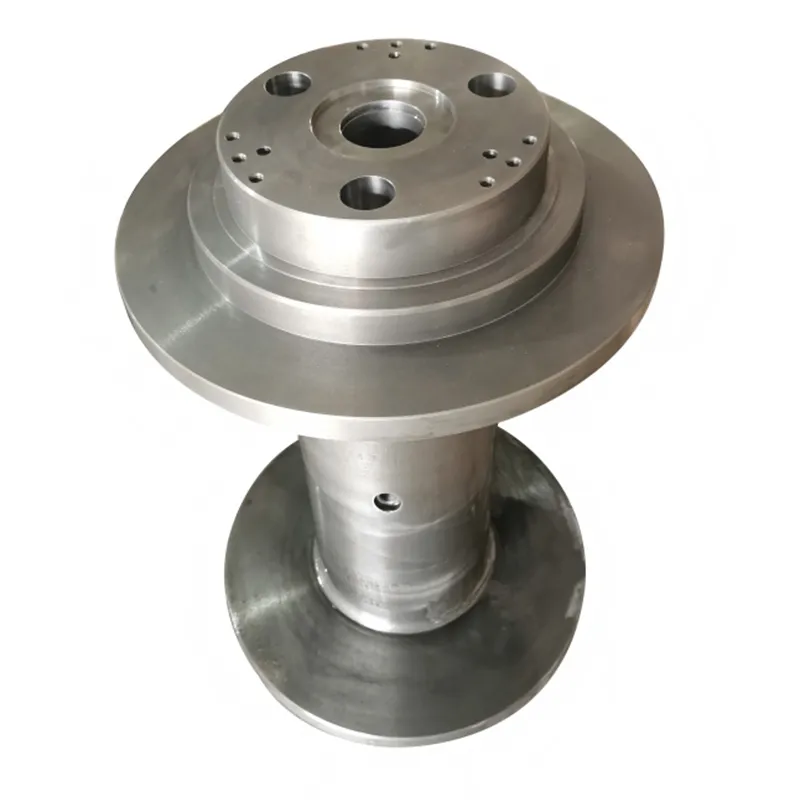
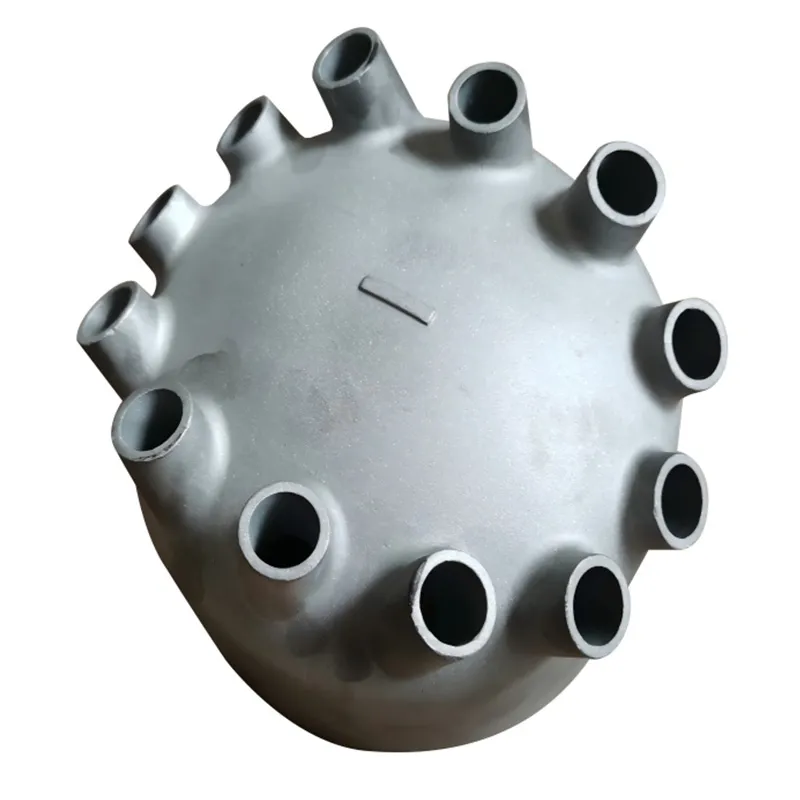
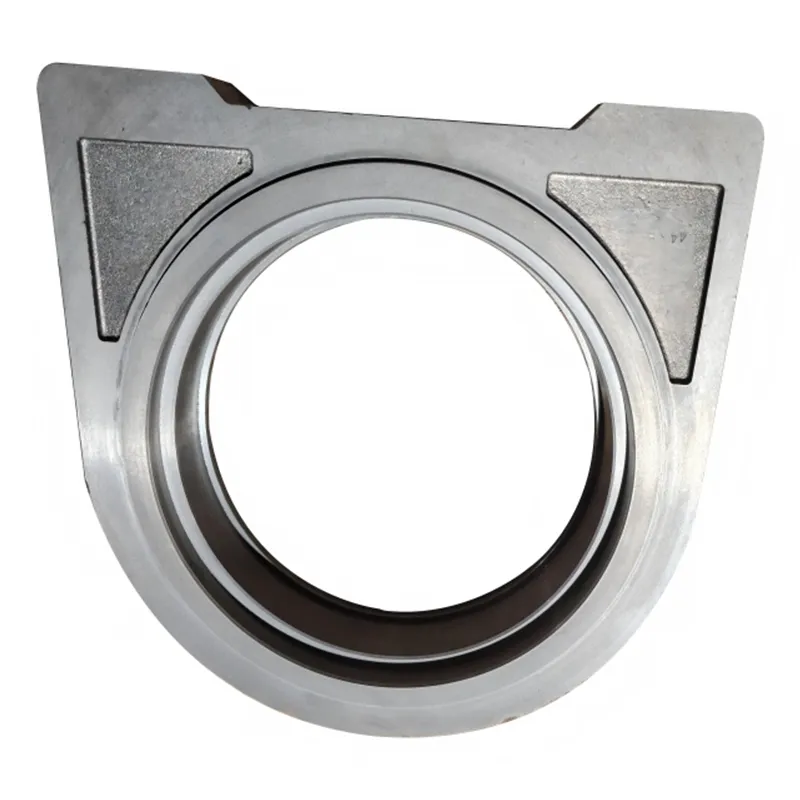
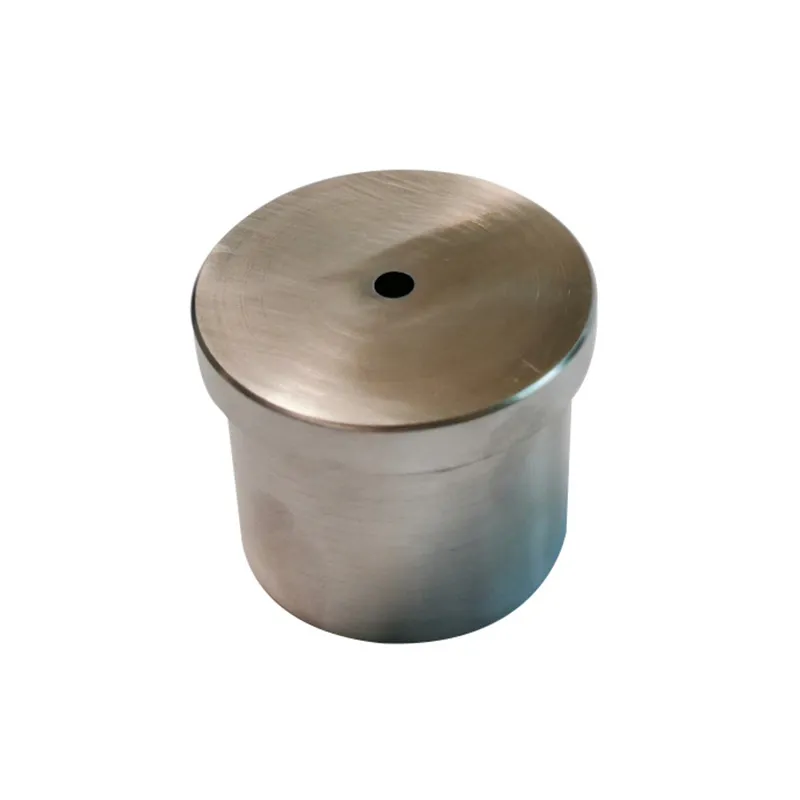
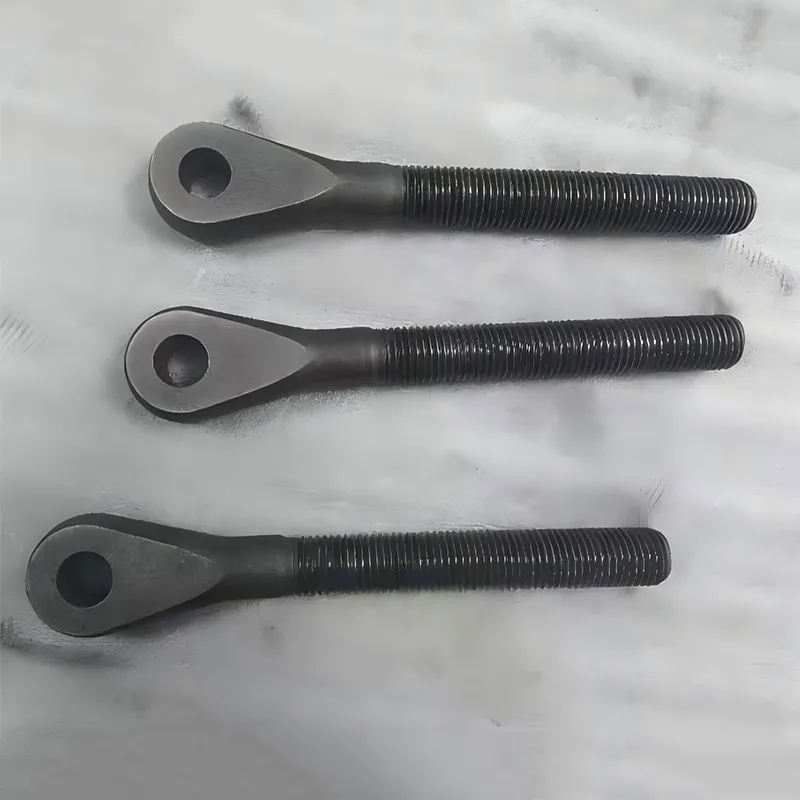
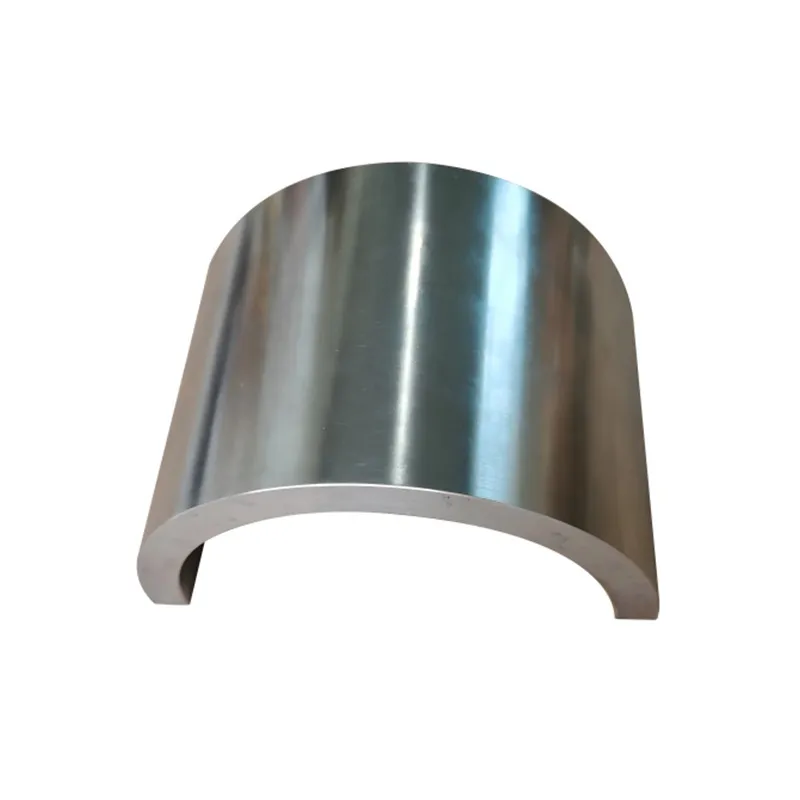
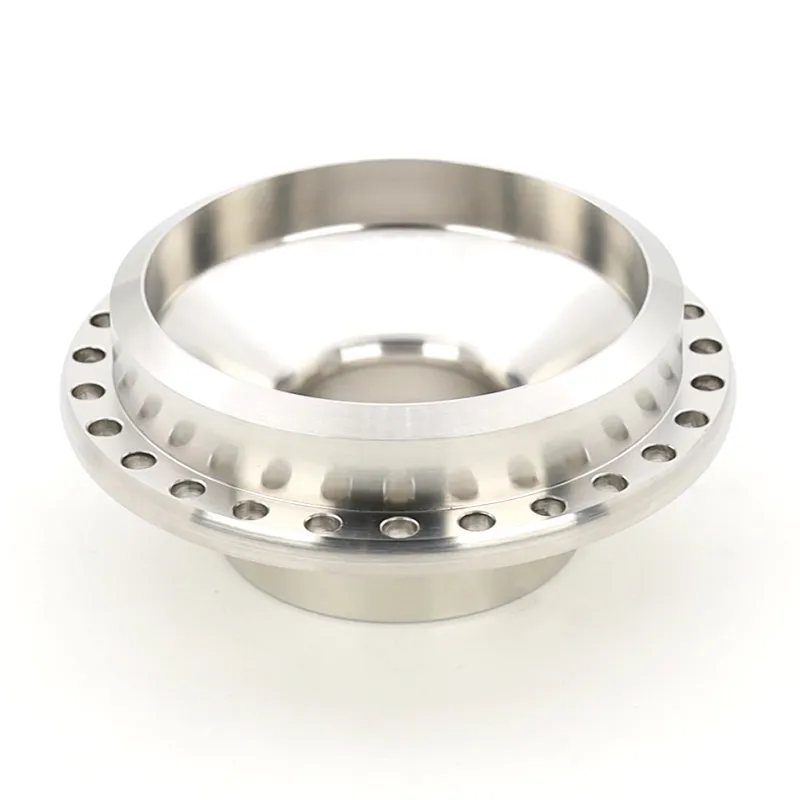
When you hear 'steel precision casting parts', most minds jump straight to tolerances and material certificates. That's the brochure talk. The real story, the one that determines if a part works or fails on a shop floor for years, starts after the spec sheet is filed away. It's about the unspoken compromises between ideal geometry and castability, the subtle texture of an as-cast surface that affects fatigue life, and the heat treatment response of a specific heat of steel that no standard fully captures. I've seen too many designs that look perfect in CAD but are a nightmare to gate and riser, leading to internal shrinkage that only shows up under X-ray or, worse, in service. The precision isn't just in the dimensions; it's embedded in the entire process chain, from the first wax pattern to the final shot peening.
The Illusion of Drop-In Replacement
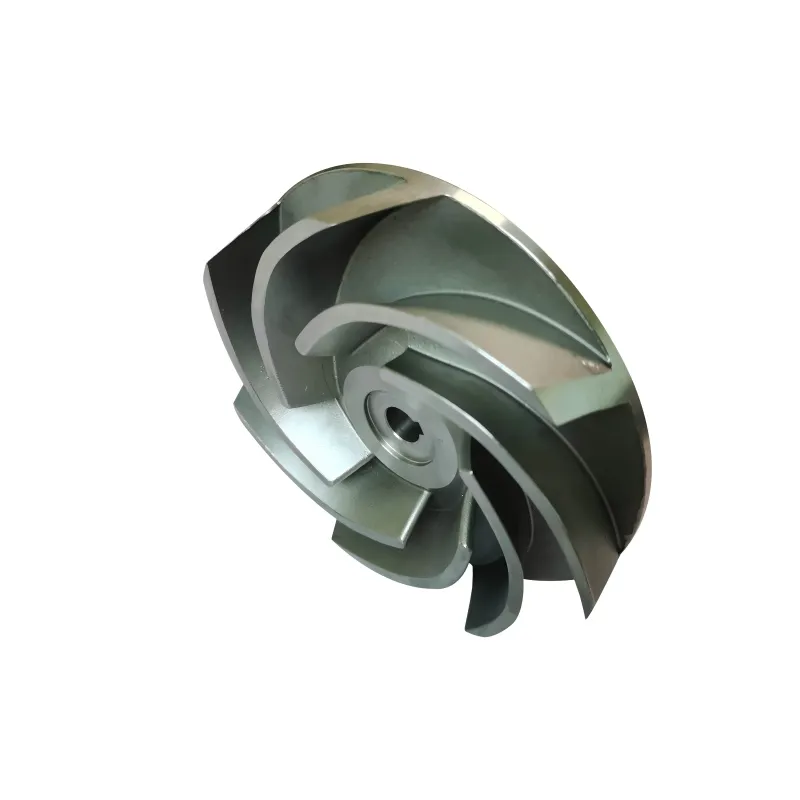
A common trap, especially for maintenance engineers, is treating precision cast parts as direct, drop-in replacements for forgings or fabrications. The dimensional print might match, but the performance envelope can be radically different. Take a simple pump impeller. A forged one has grain flow following the blade contour, offering great resistance to erosion. A steel precision casting of the same shape has an equiaxed grain structure. If you don't account for this in your material selection—maybe opting for a tougher grade of stainless like CA-15 instead of a standard 304—you'll get premature failure in abrasive service. The casting gives you incredible shape complexity, but you trade off some directional strength. You have to design for the casting process, not just with its dimensions.
We learned this the hard way years back with a client's valve component. It was a replacement for a machined part. We hit all the dimensions spot-on using investment casting. But it was a high-pressure steam application. The original machined part had stress relief grooves that were easy to mill but a horror to cast without creating hot spots. We cast it as per the print, and it passed hydro-test. But in thermal cycling, micro-cracks initiated from those sharp internal corners—a classic casting defect risk we had flagged but were told to proceed with. It didn't fail catastrophically, but it started weeping after a few cycles. The fix wasn't to improve the casting; it was to sit down with their engineer and subtly redesign the groove profile to a more castable radius, sacrificing a bit of the original design intent for immense gains in durability. That's the collaboration that defines real precision.
This is where a foundry's experience becomes non-negotiable. A shop like Qingdao Qiangsenyuan Technology Co., Ltd. (QSY), with their thirty years in shell and investment casting, has seen these scenarios play out countless times. Their value isn't just in making the wax tree; it's in the early DFM (Design for Manufacturability) feedback. When they look at a drawing, they're mentally running through the shell building, the pour, the cooling stresses. That gut-feel check, born from decades of making and fixing, is what prevents expensive mistakes. It's about guiding the designer toward a part that is both functional and inherently castable.
Material is Not Just a Grade
Specifying 316 stainless for a precision casting part is just the opening bid. Which 316? A standard melt? A low-carbon 316L for corrosion resistance after welding? Or a modified version with tighter control on ferrite content to prevent sigma phase embrittlement in high-temperature service? The alloy selection gets even more critical with the specials. We had a project for a furnace fixture requiring a nickel-based alloy. The print said Inconel 625. Good alloy. But for a part that would see sustained heat with intermittent load, the standard 625 casting grade wasn't optimal. We pushed for a minor tweak in the aluminum and titanium content for better stress-rupture strength, a suggestion that came directly from the metallurgist at the foundry we partnered with. It added maybe 5% to the material cost but doubled the service life. That's precision at the atomic level.
And then there's the post-casting reality. The same grade from two different foundries can behave differently after heat treatment. It comes down to the melt practice, deoxidation, and even the pouring temperature. A foundry that specializes in steel casting and special alloys, like QSY mentions in their scope, will have their own recipes and quenching media preferences to hit the required mechanical properties consistently. You can't just assume a 4140 steel casting will hit 280 BHN after a textbook quench and temper. You have to trial it, cut coupons from the runners, and test. The precision is locked in the process control, not just in the chemistry report.
The Surface is the Engine
One of the most overlooked aspects of a precision cast steel part is the as-cast surface finish. People get obsessed with the dimensional accuracy and forget that the surface texture is the frontline for corrosion, fatigue, and wear. A good investment casting should come out with a surface roughness around Ra 3.2 μm or better, straight from the shell. But that's an average. Under a microscope, you might see slight oxide inclusions, minute surface pitting, or the orange peel effect from the ceramic slurry. For a hydraulic valve body, that's mostly fine. For a dynamic seal surface or a high-cycle fatigue component, it's not.
This is where the integration with machining, which QSY highlights with their CNC capability, is so crucial. The real-world workflow I often see is: cast near-net-shape, leave minimal stock (often just 0.5mm or even less on critical datum surfaces), then machine. But the trick is in the sequencing. Do you stress relieve before rough machining? How do you hold the oddly shaped casting without inducing distortion? We once had a thin-walled turbine shroud segment. Casting was beautiful. But during CNC clamping for the bolt hole drilling, the slight pressure distorted the entire profile. The solution was to design a soft, conformal fixture that supported the entire backface, something the machining team developed in tandem with the casting engineers. It's this handoff between casting and machining that separates a good part from a great one. The precision casting gets you 95% there; the intelligent machining and finishing nail the final 5% that defines reliability.
When Good Enough Isn't
The commercial pressure is always to reduce cost: use less material, faster cycles, cheaper alloys. But with true precision parts, the cost of failure is so high that good enough is a dangerous benchmark. It often comes down to non-destructive testing (NDT). Radiography (X-ray) is standard for critical parts. But are you looking at the right zones? The foundry should be able to tell you, based on the gating design, where shrinkage porosity is most likely to occur. That's where you focus your X-ray shots. For surface cracks, fluorescent penetrant inspection (FPI) is good, but for subsurface flaws in high-integrity parts like those for aerospace or medical, you might need ultrasonic testing.
I recall a batch of cobalt-chromium alloy parts for a medical device. They passed visual and dimensional checks. But during a routine audit, we decided to do a more extensive FPI on a sample. Found a hairline crack near a gate removal point on a few parts. The root cause? A slight inconsistency in the shell baking process that cycle, leading to a tiny hot tear. It wasn't a systemic failure, but it killed the entire batch. The foundry ate the cost, of course, but the bigger lesson was about sampling plans and process drift. Even with 30 years of experience, you can't get complacent. Every heat, every shell, is a new event. The precision is maintained through relentless procedural discipline and a healthy paranoia.
The Real Measure of Precision
So, what's the final indicator of a top-tier steel precision casting? It's not the shiny first article on the conference table. It's the performance in Year 3, Year 5. It's the consistency across a production run of 10,000 pieces, where part 1 and part 10,000 fit into the same assembly with the same clearance, exhibit the same corrosion resistance, and carry the same load. That consistency is born from a mature, controlled process and a culture that doesn't cut corners.
It's foundries that have weathered multiple business cycles, invested in process control tech like pour temperature monitors and shell humidity controllers, and, most importantly, have retained skilled pattern makers and furnace operators. When you work with a partner like QSY, you're not just buying their equipment list. You're buying the collective memory of those 30 years—the memory of what causes a mist run in a thin section, how a particular alloy flows in a complex mold, and how to tweak a heat treat curve for a specific geometry. That's the intangible precision you can't put on a spec sheet but is the difference between a component and a reliable asset.
In the end, the part is just the physical artifact. The real product is the certainty that it will perform. That certainty is built from honest collaboration, deep material understanding, respect for the process's quirks, and a shared refusal to accept probably fine. That's where the true craft, and the real value, in steel precision casting lies.