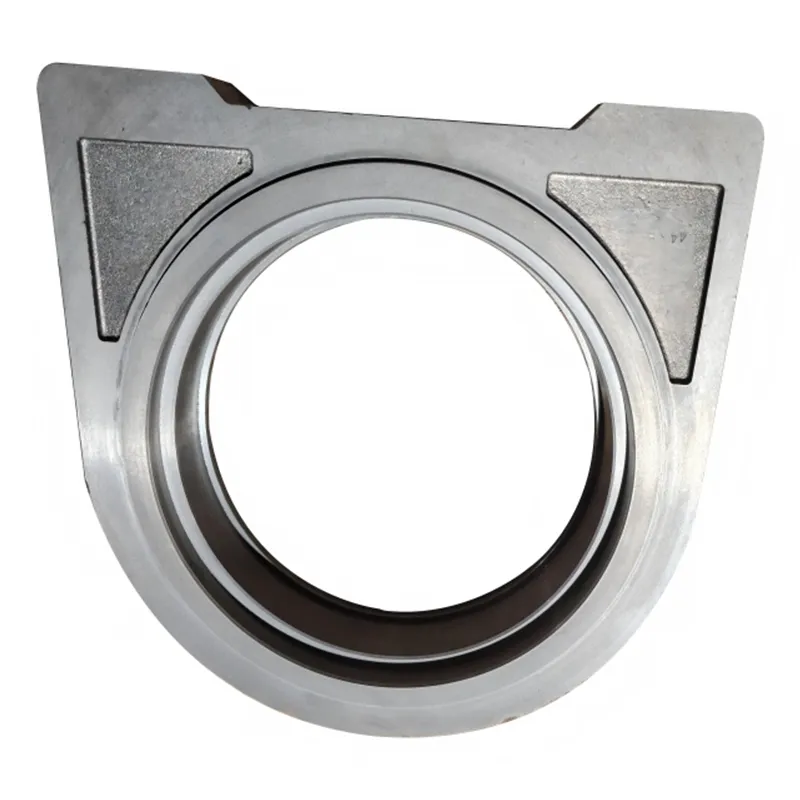
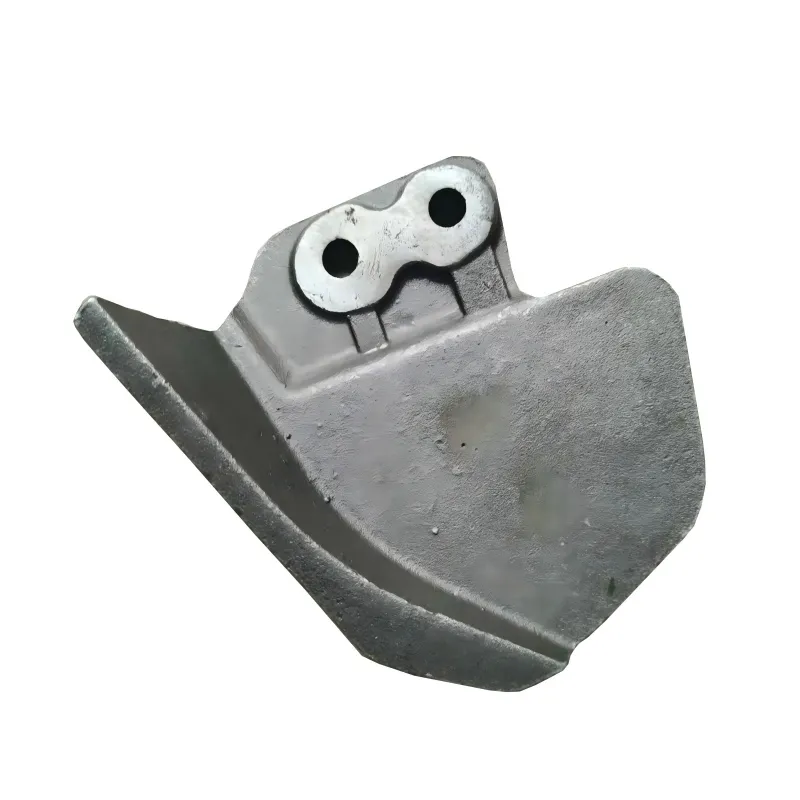
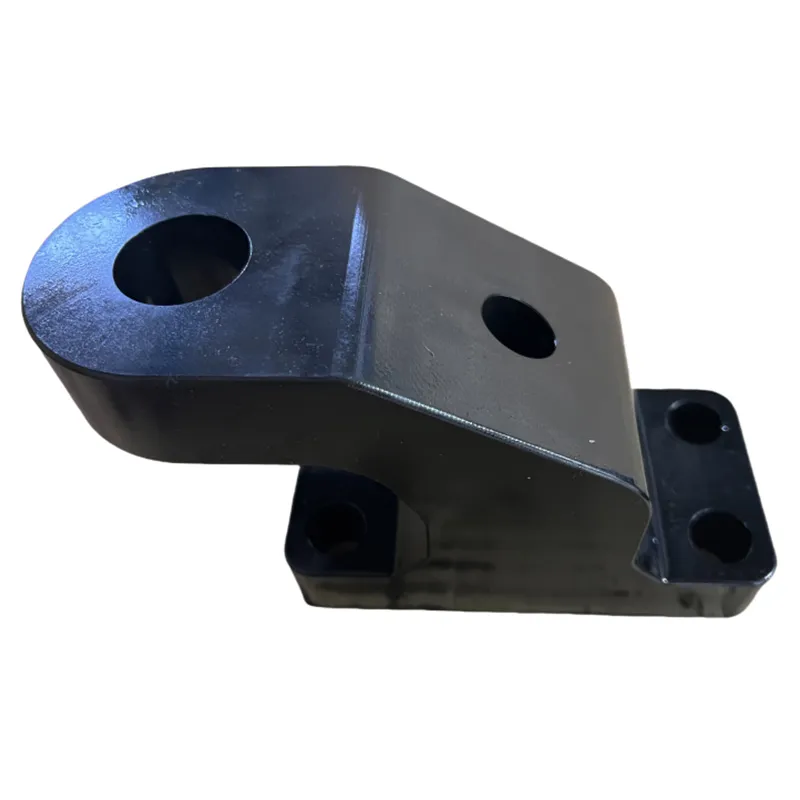
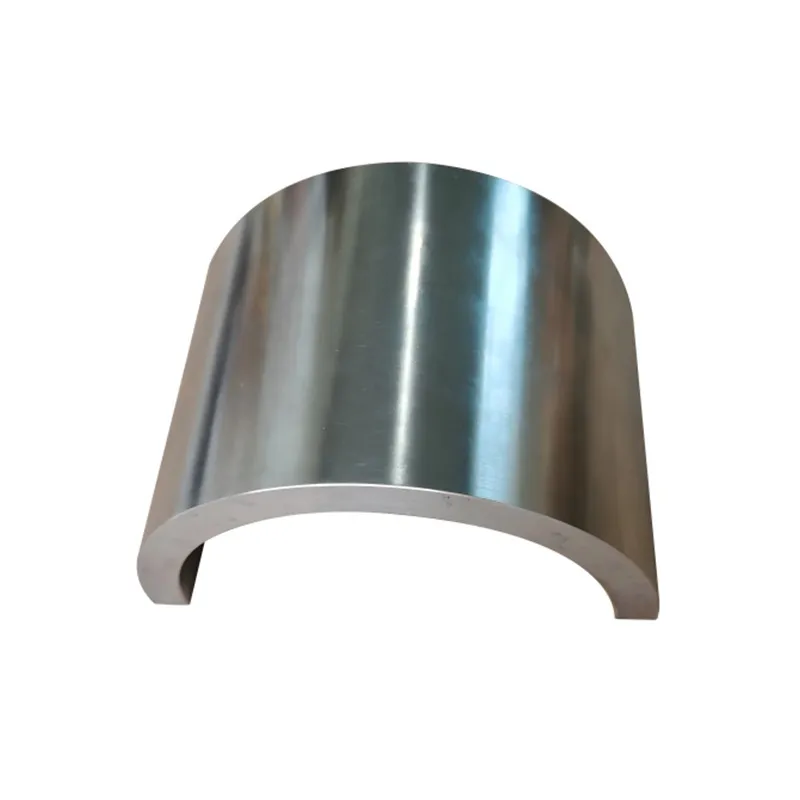
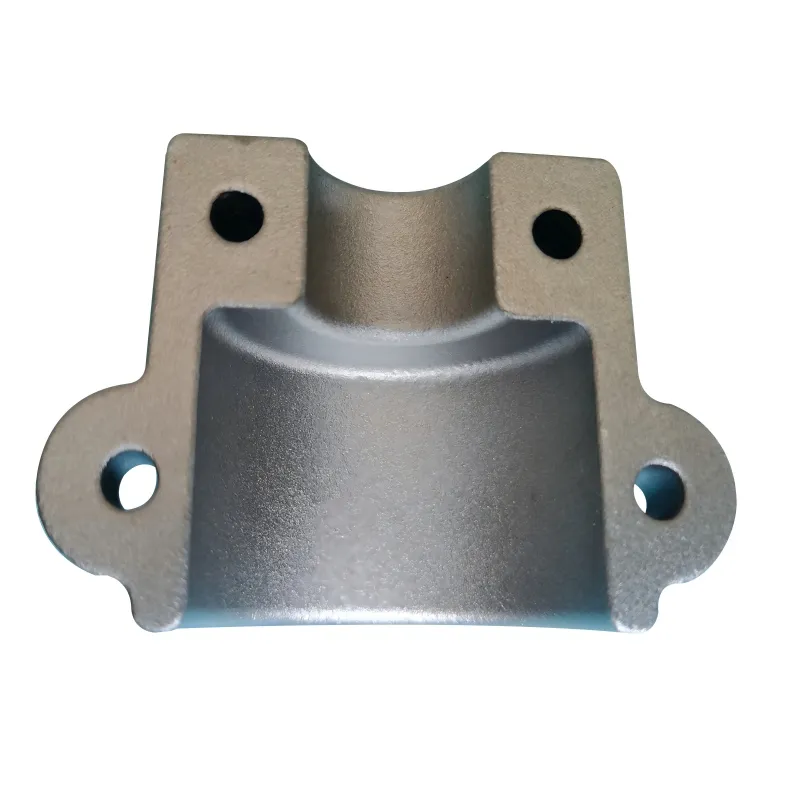
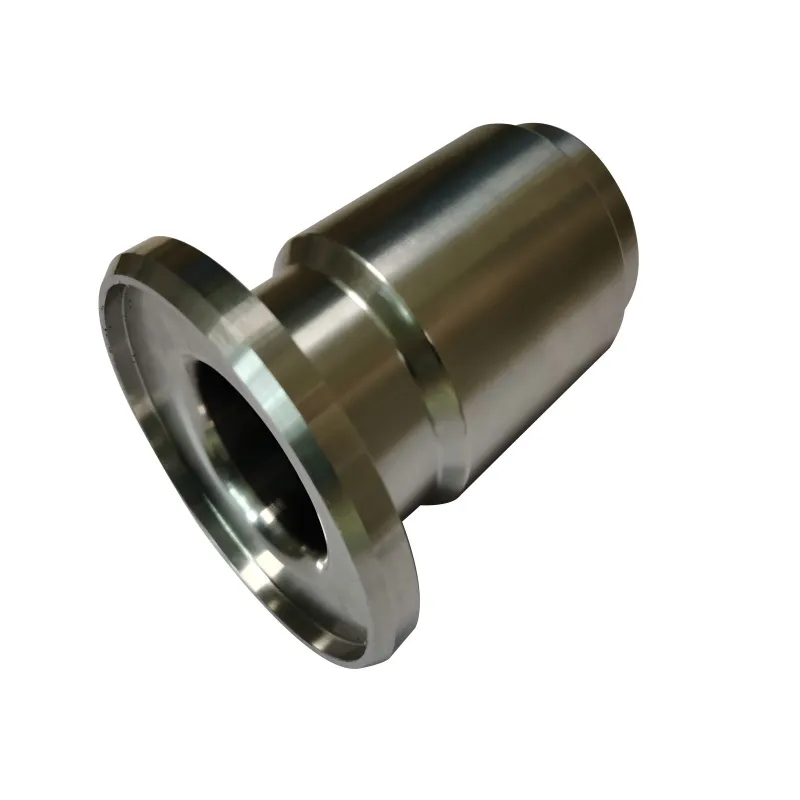
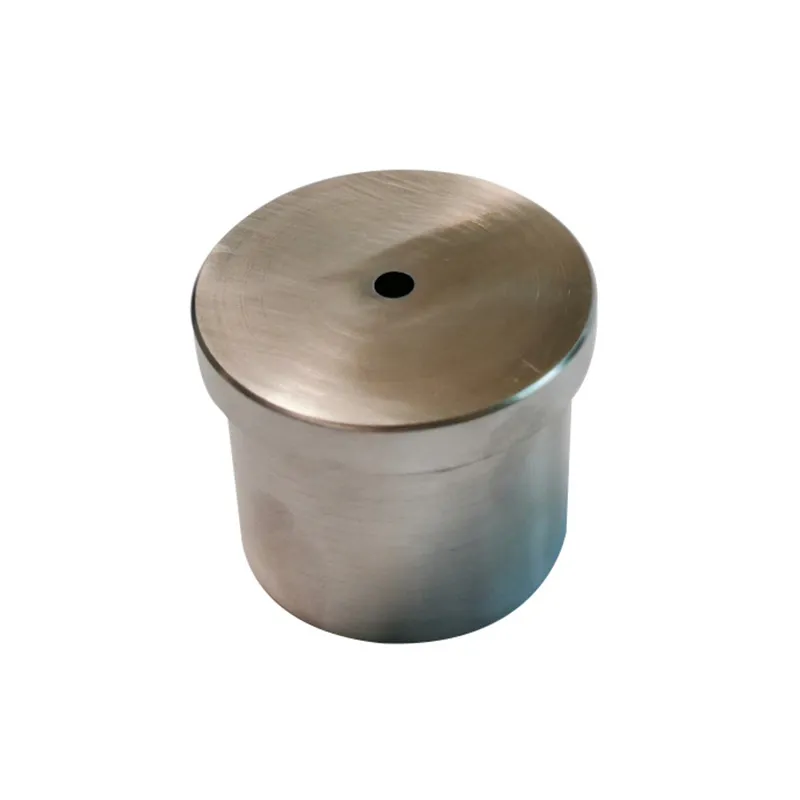
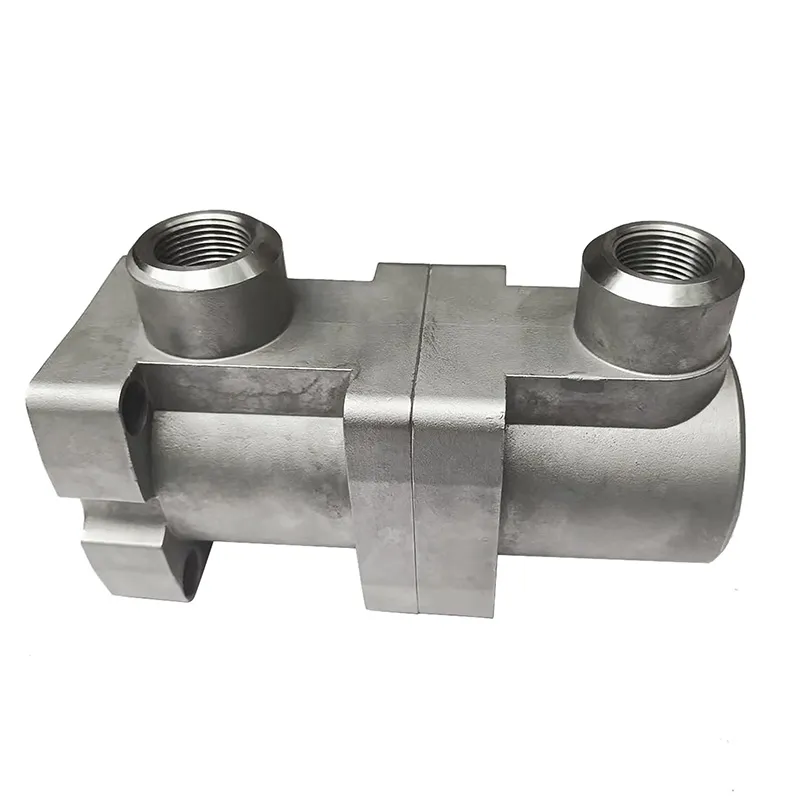
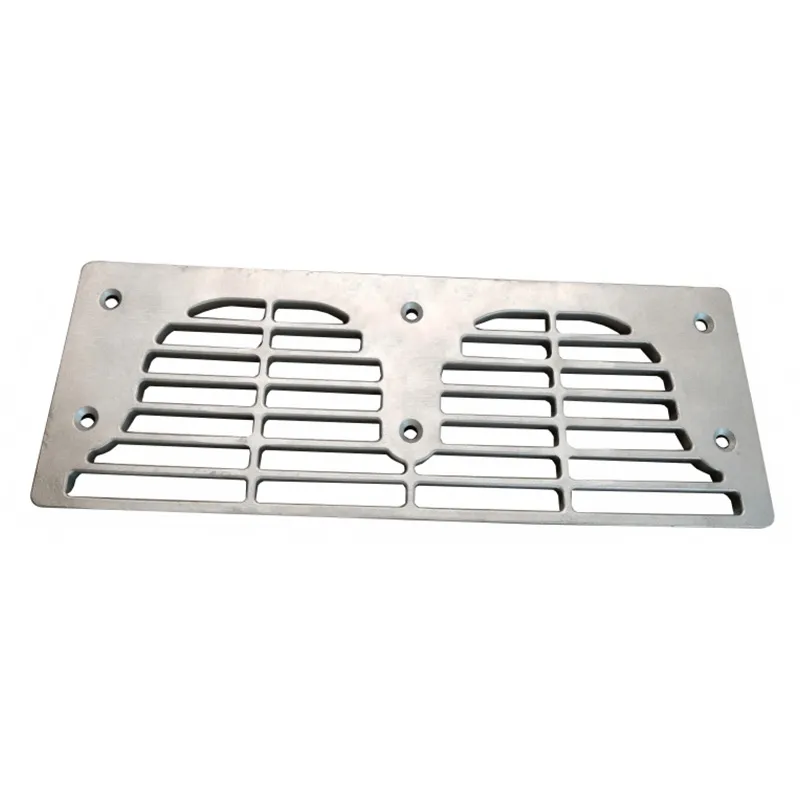
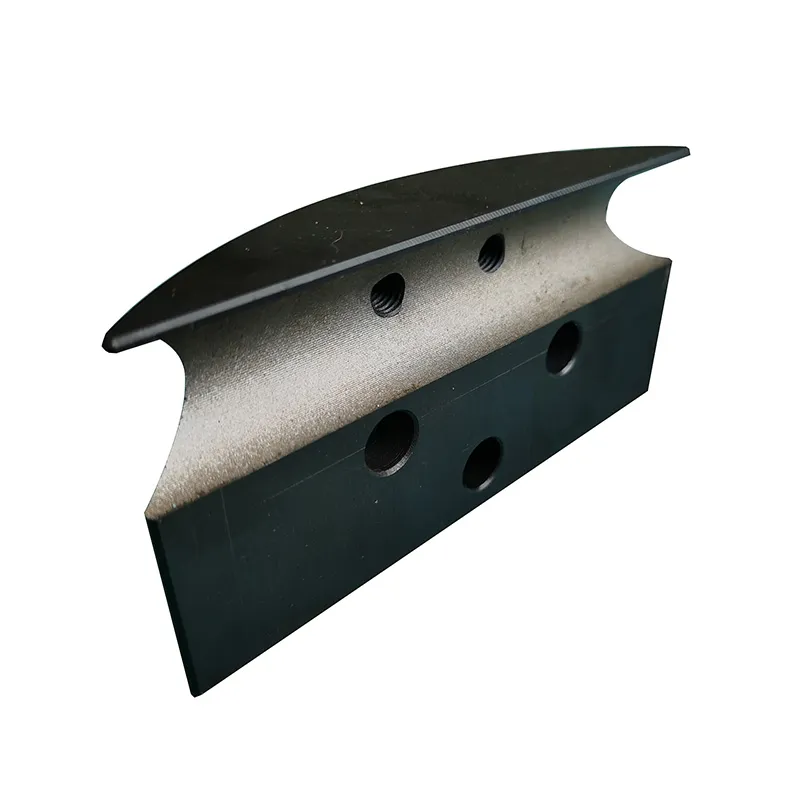
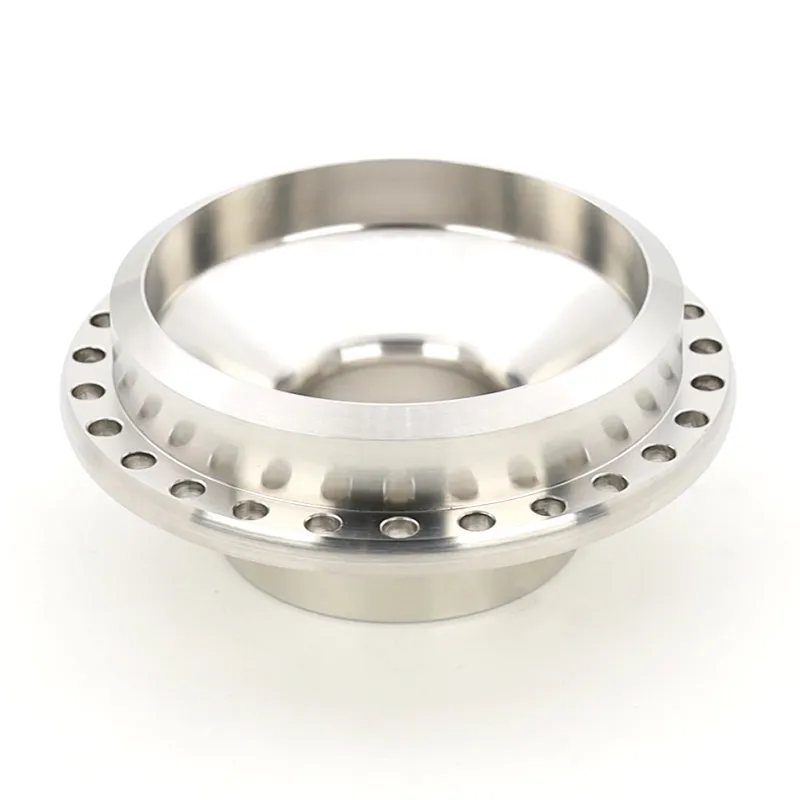
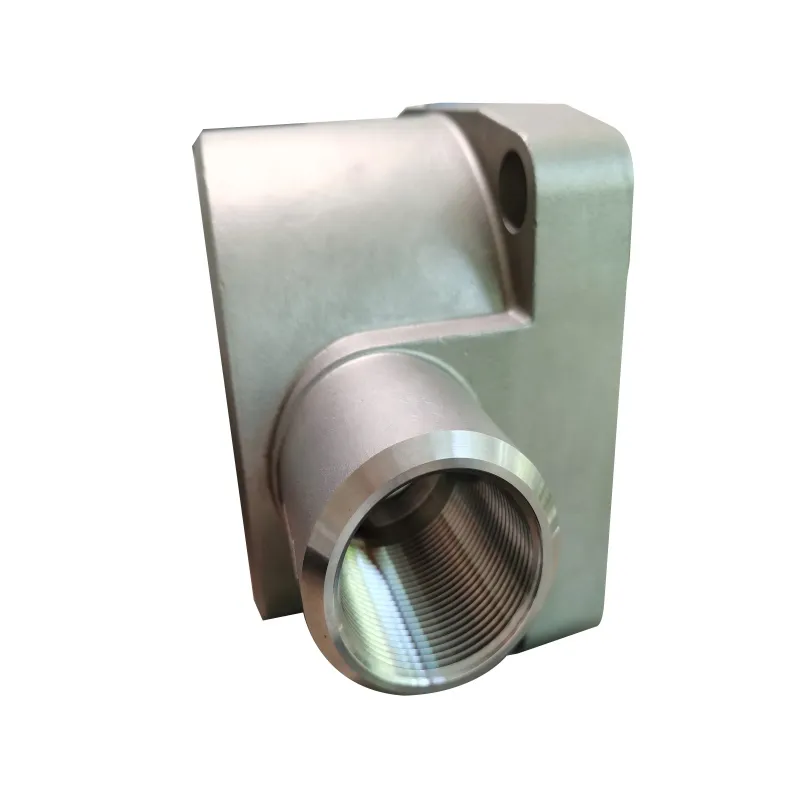
When someone says 'steel casting parts,' most think of a lump of metal that vaguely fits a drawing. That's where the trouble starts. The real story isn't in the material grade on paper—it's in the sound the part makes when you tap it, the grain structure under the microscope after a failed pressure test, and the endless debate between 'good enough' and 'will it hold for ten years.' Stainless? That's another beast entirely; it's not just 'steel that doesn't rust.' I've seen too many projects stall because the focus was on the chemistry and not on the process that turns that chemistry into a functional, reliable component.
The Shell Game: Precision Isn't Just About Tolerance
We run a lot of shell mold casting here. People choose it for complexity and decent surface finish, but they often miss the critical pre-cast phase. The resin-sand mix, the curing time, the shell thickness—it's a recipe, not a fixed setting. A batch of shells that cured on a humid day behaves differently. We once had a run of 316L stainless steel casting parts for marine fittings where the shells were slightly under-cured. The result wasn't a catastrophic failure; it was a subtle surface pitting on non-critical areas, almost like orange peel. The parts passed dimensional checks but looked poor. The client was unhappy. It wasn't a material failure; it was a process sensitivity we hadn't adequately guarded against. That's the thing: the mold process is part of the material's final performance.
Investment casting gets more love for its precision, but it introduces its own set of variables. The wax pattern, the slurry coating cycles, the dewaxing method—each step can induce stress or minor distortion before any metal is poured. For high-nickel alloys, this is crucial. A mismatch in thermal expansion between the ceramic shell and the metal during cooling can lead to hot tearing. You don't always see it with the naked eye. It might show up later during machining or under stress. The takeaway? Specifying investment casting isn't a magic bullet. You have to specify, or work with a foundry that understands, the entire chain.
This is where long-term shop experience matters. A company like Qingdao Qiangsenyuan Technology (QSY), with their 30 years in casting and machining, has likely seen these subtle failures a hundred times. That history isn't just a marketing line; it's a mental library of what can go wrong. It translates into how they set up their processes. They're not just pouring metal into a cavity; they're managing a thermal and chemical reaction from pattern to finished part.
Material is a Starting Point, Not a Guarantee
Clients send us specs: ASTM A351 CF8M or AISI 4140. That's the easy part. The hard part is knowing that CF8M (the cast equivalent of 316 stainless) from one melt can behave differently from another based on deoxidation practice, pouring temperature, and even the scrap mix going into the furnace. We machined a batch of valve bodies once where the tool life was wildly inconsistent. The certs were perfect. Under the scope, the variation in carbide distribution was clear. The melt chemistry was 'in spec,' but the solidification story wasn't ideal.
This is especially true for the so-called special alloys—cobalt-based, nickel-based stuff. Their castability is a nightmare compared to carbon steel. They're viscous, prone to segregation, and hate sudden temperature changes. Success with these materials is less about having the furnace and more about having the patience and the protocols. It's about controlled pouring, sometimes even vacuum or argon shielding, and a very specific thermal management plan during cooling. You can't rush it. A hurried job on a Hastelloy C part will crack, guaranteed. The cost isn't just in the raw material; it's in the time and controlled environment required to get it right.
Working with a range of materials, from cast iron to nickel alloys, forces you to reset your assumptions for each job. What works for a ductile iron pump housing will ruin a super duplex stainless component. A foundry that handles this spread, like QSY mentions they do, has to operate almost like multiple specialized shops under one roof. The mindset for gray iron is fundamentally different from the mindset for steel casting parts in corrosive service.
The Handoff: When Casting Meets CNC
This is the make-or-break moment that many pure-play foundries ignore. You've produced a beautiful, dimensionally 'close' casting. Now it goes to the machining floor. If the machining team isn't dialed into the casting process, they'll blame every problem on the foundry, and vice versa. I've been in meetings that were just that: a blame game. The machinists find a hard spot that ruins a tool—is it a sand inclusion or a chill? The foundry says the drawing called for that section to be thick.
Integrated CNC machining is a massive advantage, but only if the communication is integrated too. The best scenarios are when the machining foreman can walk back to the foundry and say, Hey, we're seeing consistent porosity in this bore location on the third casting, and the foundry guys can immediately check the gating or riser design for that spot. It's real-time, practical feedback. When casting and machining are separate entities, that feedback loop is too slow and often adversarial.
We learned this through a series of pump volutes. The castings were fine, but during boring, we'd get slight chatter. The issue wasn't the machine or the casting dimensions. It was the residual stress in the stainless steel casting from uneven cooling. The solution wasn't to change the casting design drastically; it was to add a simple vibration stress relief step before heavy machining. The foundry team hadn't considered it because the part met spec. The machining team just thought the material was 'tough.' Bridging that gap solved it. A supplier that offers both services inherently has a better chance of solving these interface problems.
Failure is a Better Teacher Than a Perfect Run
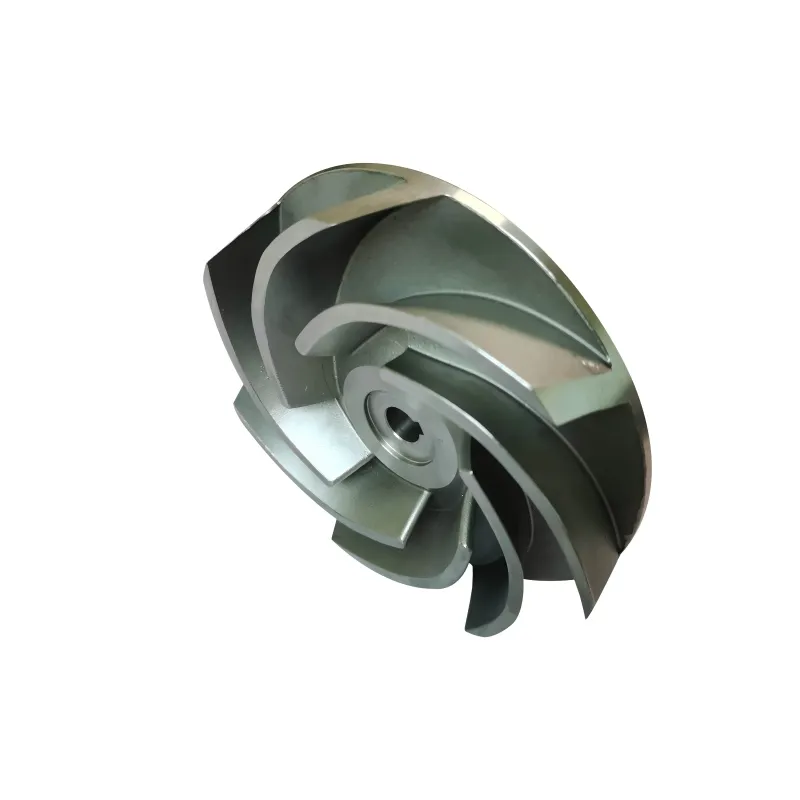
Let's talk about a real one. A client wanted a custom impeller for an aggressive chemical slurry. Material was specified as a high-chromium white iron for abrasion resistance. We cast it, machined it, it looked perfect. It failed in the field in weeks, cracking from the hub outward. Post-mortem showed the cracking was brittle fracture, not wear. We were so focused on abrasion resistance we ignored impact and thermal shock. The fix wasn't a different casting process; it was a different material choice altogether—a tougher, less hard alloy steel with a protective coating. We won the re-order because we learned and presented the metallurgical analysis. The client trusted us more after the failure, because we understood why it failed.
These experiences shape what you look for. When I see a company's portfolio now, I'm less impressed by shiny pictures and more interested in the complex, oddly shaped parts—the ones that clearly presented a challenge. The ones that probably had a failure or two in their history. That's real expertise. It's the difference between a shop that follows instructions and one that provides judgment.
It's why, when evaluating a potential partner, their years in operation and material range, like the 30+ years and broad alloy experience cited by QSY, signal a depth that comes from encountering—and solving—these non-textbook problems. They've probably shipped some parts they weren't proud of, early on, and that very experience informs their current process controls.
The Unsexy Details That Actually Matter
Finally, nobody gets excited about gating and risering design, but it's the heart of sound castings. It's not just about feeding metal; it's about directional solidification. You want the part to solidify from the farthest point back toward the riser, so shrinkage porosity ends up in the riser, not the part. For a thick steel casting part like a gear blank, this is critical. Get it wrong, and you get a central spongy area that might pass UT if it's small, but will kill fatigue life.
Another unsexy detail: post-cast heat treatment. For many carbon and low-alloy steels, it's mandatory to relieve stress and normalize the structure. But the cycle matters. Too fast, and you set up new stresses. Too slow, and you're wasting energy. For stainless, especially grades like 17-4 PH, the heat treatment is the property-defining step. You're not just heating and cooling; you're aging to precipitate hardening phases. Miss the temperature or time, and the mechanical properties are off, even if the casting was perfect.
This is the grind of making good steel/stainless steel casting parts. It's a chain of a hundred small decisions, from the pattern shop to the heat treat furnace. There's no single magic trick. It's about consistency, vigilance, and a deep, sometimes painful, library of past outcomes. The goal is never just to make a part; it's to make a part that disappears into the client's assembly and works, uneventfully, for years. That's the real mark of success, and it's what separates a parts supplier from a true manufacturing partner.