You hear Stellite thrown around a lot in workshops and procurement meetings, often as a catch-all for anything hard-facing or cobalt-based. That's the first misconception to clear up. It's not a single material but a family, primarily cobalt-chromium alloys, and the performance delta between grades like Stellite 6, 12, or 21 is massive. I've seen projects fail because someone just specified Stellite on a drawing, assuming it's all the same super-material. It's not. The choice between a high-carbon grade for severe abrasion and a lower-carbon one for better impact resistance isn't academic—it's the difference between a valve seat lasting six months or three years.
The Casting Conundrum and Shell Mold Reality
Working with these alloys isn't like machining mild steel. The high cobalt and chromium content makes them work-hardening nightmares if you're not careful. Early on, we tried to cut Stellite 6 castings with standard carbide inserts. The result? Glazed surfaces, rapid tool wear, and parts that looked chewed up. The learning curve was steep. You need rigid setups, positive rake geometries, and sometimes, you just have to accept that grinding is the final step for critical tolerances.
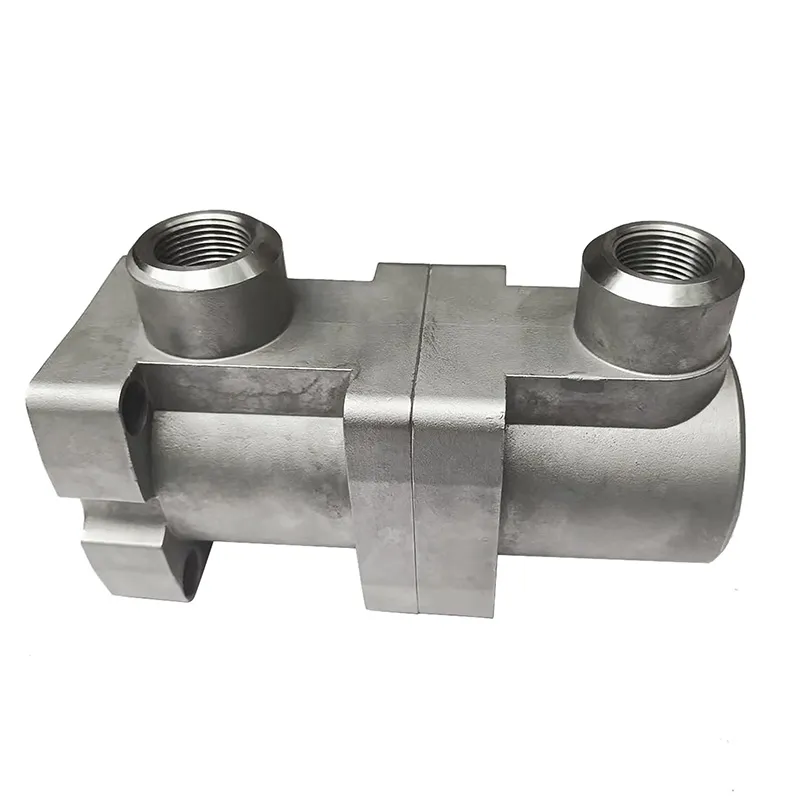
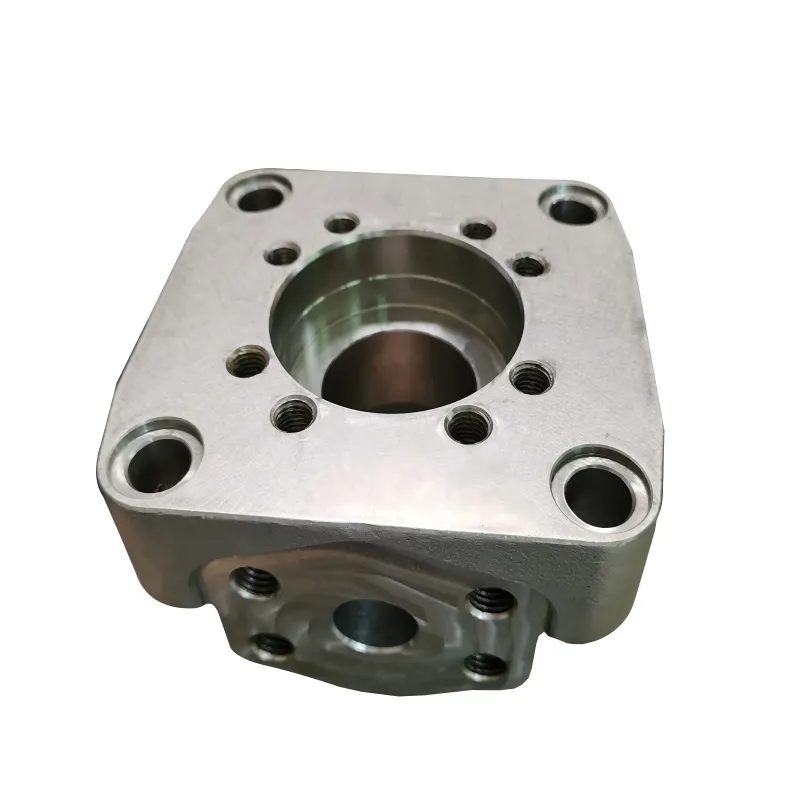
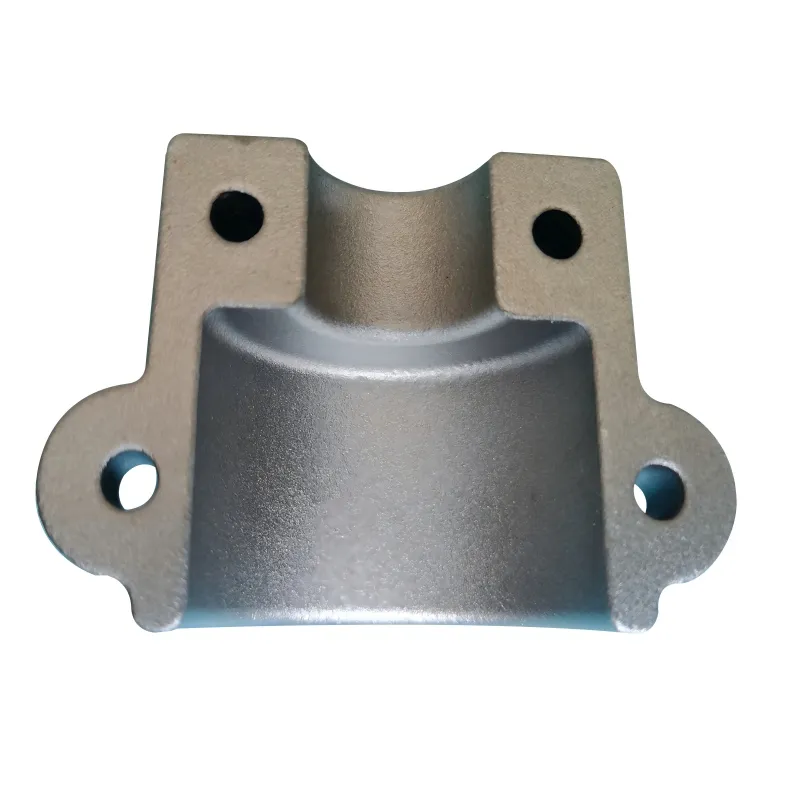
This is where the process upstream matters immensely. A poorly cast Stellite component is nearly impossible to salvage economically through machining. We've had the best consistency with shell mold casting for complex parts. The dimensional stability and surface finish from a good shell mold give you a fighting chance in the CNC phase. It minimizes the amount of that tough material you need to remove, which directly saves time and tooling cost.
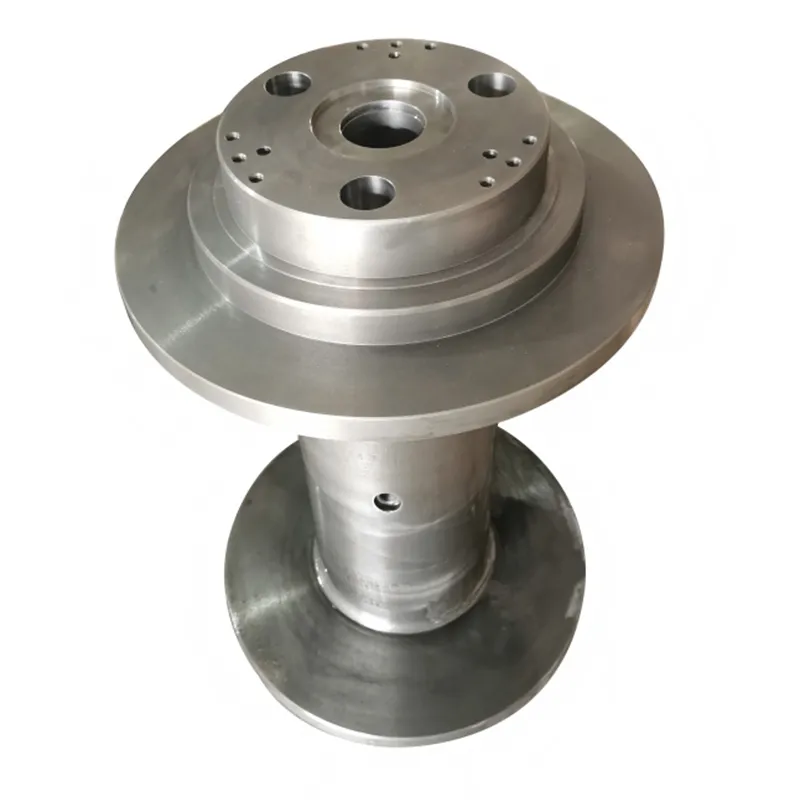
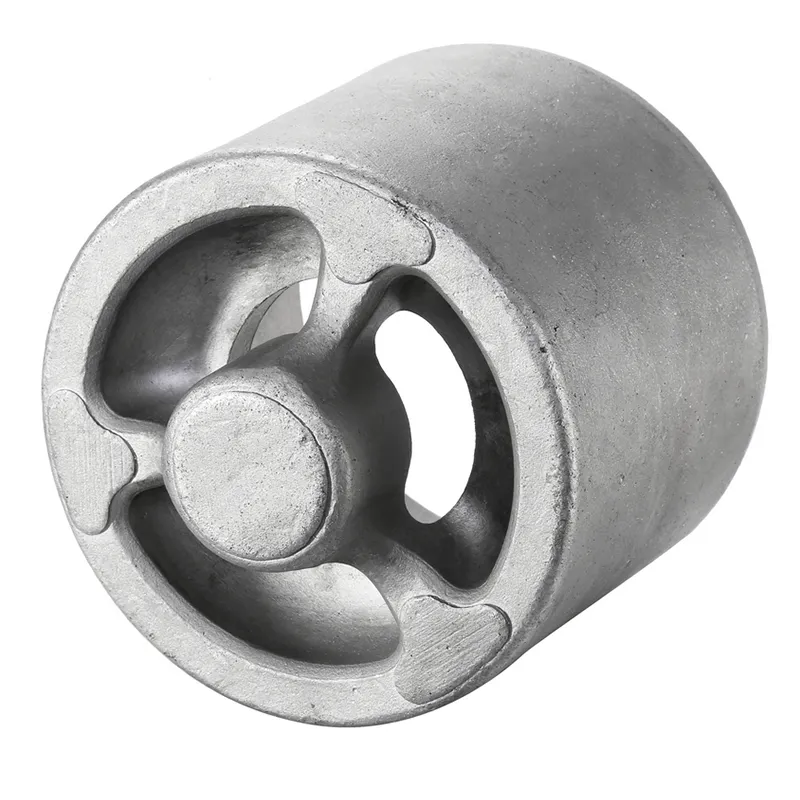
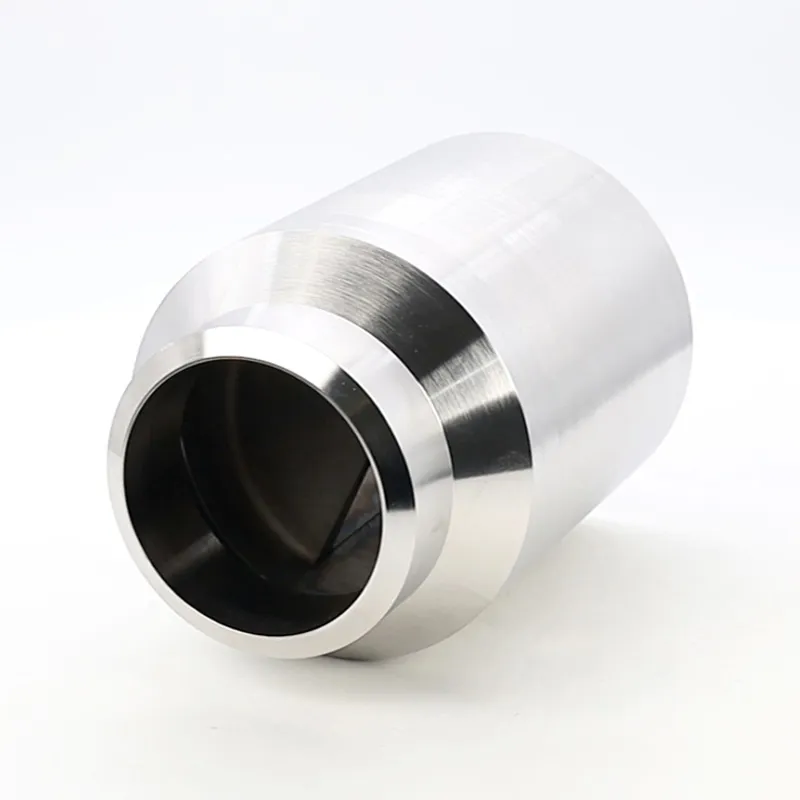
I recall a specific project for a petrochemical client needing a custom wear sleeve. The initial prototype, cast via a simpler sand process, had inconsistent hardness zones and hidden shrinkage. Machining it was a battle. We switched to a precision shell mold process for the production run, partnering with a foundry that knew how to handle the alloy's solidification characteristics—like Qingdao Qiangsenyuan Technology Co., Ltd.(QSY). Their three-decade focus on casting and machining means they get the synergy needed. You can't just cast it and hope another shop figures out the machining. Having it under one roof, or with a tightly integrated partner, is key. The production sleeves came out with uniform microstructure, and our CNC department could hold the tight bore tolerances without endless tool changes.
CNC Machining: The Delicate Dance with Hardness
Machining Stellite is a lesson in controlled aggression. You can't be timid with your cuts, or you'll just work-harden the surface into an impenetrable layer. But you also can't just slam into it. The sweet spot is a consistent, moderate feed with a sharp tool. We lean heavily on ceramic or CBN inserts for finishing passes on the harder grades. Coolant is non-negotiable, and not just for cooling—it helps with chip evacuation. Long, stringy chips wrapping around the tool? That's a quick way to ruin a part and a toolholder.
One detail often overlooked is the fixturing. Because you're pushing the tool and the material is tough, the part must be absolutely locked down. Any chatter or vibration translates directly into micro-fractures on the part surface, which become initiation points for cracks in service. We've moved to hydraulic fixtures for critical Stellite components. It's an added cost, but it's cheaper than scrapping a $5,000 casting because of a poor surface finish from fixture flex.
Post-machining often reveals the truth of the casting. We once machined a batch of Stellite 21 turbine blade shrouds. On most, the toolpath was smooth. On two, we got sporadic, sparking cuts in specific areas. It indicated a local variation in hardness, likely a carbide segregation from the casting stage. We had to pull those two for additional heat treatment to homogenize the structure—a delay nobody wanted. It underscores that even with a good foundry, you need rigorous incoming inspection, sometimes beyond simple chemistry checks to include ultrasonic or eddy current testing for consistency.
Alloy Selection: It's Never Just Stellite
The special alloys category is where the real engineering happens. Stellite sits alongside nickel-based alloys like Inconel, but their applications diverge. Stellite for wear and galling resistance at moderate to high temperatures; nickel-alloys more for outright high-temperature strength and corrosion. I've seen designs where Inconel 625 was initially specified for a high-heat valve trim, but the real failure mode was wire-drawing erosion from high-velocity flow. Switching to a high-carbon Stellite grade like Stellite 3 solved the problem at a lower cost.
This decision matrix is critical. You have to ask: Is the primary enemy abrasion, erosion, corrosion, or a combination? What's the operating temperature? Is there impact? A resource like QSY's portfolio, covering both cobalt and nickel families, is useful because they're not biased toward one solution. They can, or should be able to, advise based on the application. For instance, for a pump sleeve in a saline environment experiencing both corrosion and abrasive slurries, they might suggest a Stellite 6 overlay on a stainless steel substrate rather than a solid, more expensive nickel alloy.
The failure of blanket specifications. A client once insisted on Stellite 1 for everything because it had the highest listed hardness. They used it on parts subject to thermal cycling and light impact. The parts cracked. Stellite 1 is brittle. We had to walk them through the data sheets to show that Stellite 6, with its better ductility and still-excellent wear resistance, was the right choice for that dynamic load. The datasheet numbers don't tell the whole story; field experience does.
Integration from Melt to Machine
The biggest lesson learned is the disconnect between casting and machining. When treated as separate silos, Stellite projects bleed money and time. The foundry needs to understand what the machinist faces. Simple things like adding consistent, generous draft angles, ensuring gate and riser locations are in non-critical areas, and avoiding overly thin sections that cool too fast can make or break machinability.
Companies that have operated in both spaces for years, like the mentioned Qingdao Qiangsenyuan Technology Co., Ltd. (you can find their approach at https://www.tsingtaocnc.com), have that ingrained knowledge. Their 30-year history in casting and CNC machining isn't just a marketing line; it suggests they've internalized these pain points. They're likely thinking about the machining fixture location while designing the mold, which is how it should be. For an end-user, this integration reduces risk. You're not just buying a casting; you're buying a manufacturable component.
A practical example: We needed a set of complex, thin-walled seal rings in Stellite 12. The challenge was preventing distortion during machining after casting. A standard process would cast, stress relieve, machine, and hope. The integrated supplier suggested a modified process: cast, perform a rough machining to near-net shape, then a second stabilizing heat treatment, followed by final precision machining. This extra step, born from experience with the material's behavior throughout the chain, delivered flat, stable parts. It's this kind of process nuance that separates a parts vendor from a solutions partner.
Looking Beyond the Brand Name
Finally, it's worth noting that Stellite is a historic brand name from Deloro Stellite (now part of Kennametal). There are equivalent cobalt-chromium alloys from other manufacturers. In procurement, especially for cost-sensitive but high-volume items, qualifying an equivalent material can be a huge win. The key is to qualify the performance, not just the chemistry. We've run side-by-side wear tests on branded Stellite 6 and a generic CoCr-A alloy for a slurry pump application. The performance was statistically identical, leading to significant savings.
However, this isn't a blanket recommendation. For critical, high-reliability applications in aerospace or nuclear, the traceability and rigorous mill certification that comes with the branded material are often worth the premium. It's another judgment call. The point is to know you have the option and to base the decision on the application's demands and risk profile, not on habit.
So, when you're dealing with Stellite, think systemically. It's not a magic dust you sprinkle on a problem. It's a demanding material whose value is only fully realized through informed grade selection, a controlled and integrated manufacturing process from mold to finished part, and a clear understanding of what it will face in service. Get that right, and it's incredibly durable. Get it wrong, and it's an expensive lesson.