When you hear Stellite 12, the first thing that comes to mind for most is probably its stellar wear resistance. That's true, but it's also a bit of a trap. In my years dealing with special alloys, I've seen too many projects where it was specified almost by default for high-wear applications, without a real dive into its full profile. It's a cobalt-chromium alloy, yes, but its behavior under different stresses, its machinability post-casting, and its performance against specific contaminants are where the real story is. It's not a magic bullet, and treating it like one is a quick way to burn budget and time.
The Core Profile and Common Pitfalls
Stellite 12 sits in that interesting space between the more common Stellite 6 and the higher-carbon, more abrasion-resistant grades. Its nominal composition gives it good resistance to metal-to-metal wear, galling, and even a decent level of corrosion resistance. But here's the first practical hiccup: its machinability. In the as-cast state, it's tough. I mean, really tough. You can't just throw it on any CNC machine with standard carbide tools and expect a smooth finish or any kind of tool life. We learned this the hard way early on.
I recall a valve component project for the oil & gas sector. The spec sheet called for Stellite 12 overlays on seating surfaces. The initial machining attempts, based on parameters for hardened steel, led to rapid tool chipping and poor surface integrity. The heat generation was intense, which risks altering the microstructure near the surface if you're not careful. It forced a complete reevaluation of our tooling strategy—switching to specialized grades of carbide, drastically reducing feed rates, and employing high-pressure coolant exactly at the cutting interface. It wasn't about brute force; it was about controlled, precise material removal.
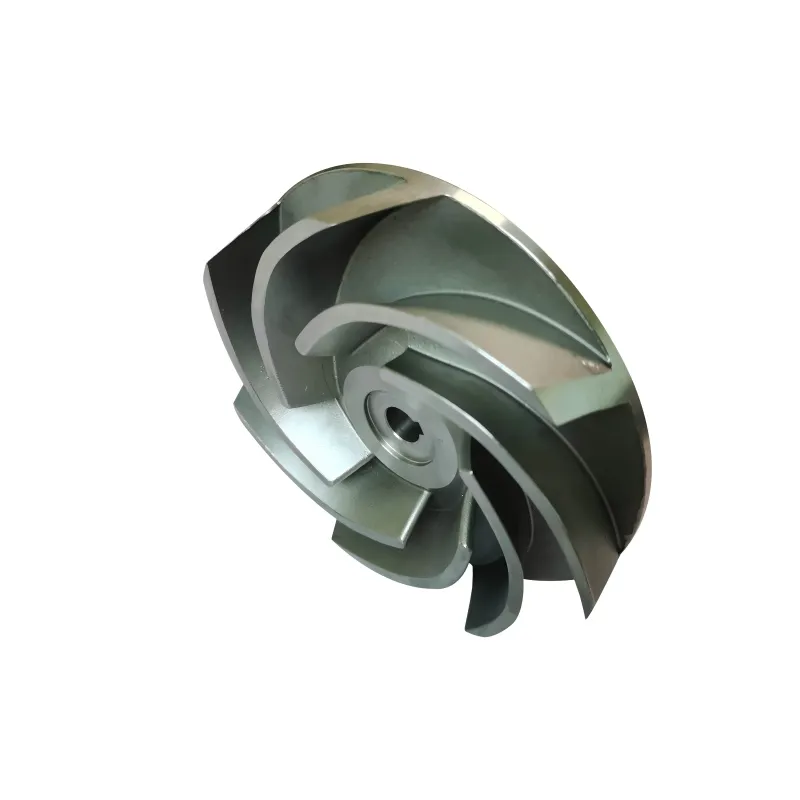
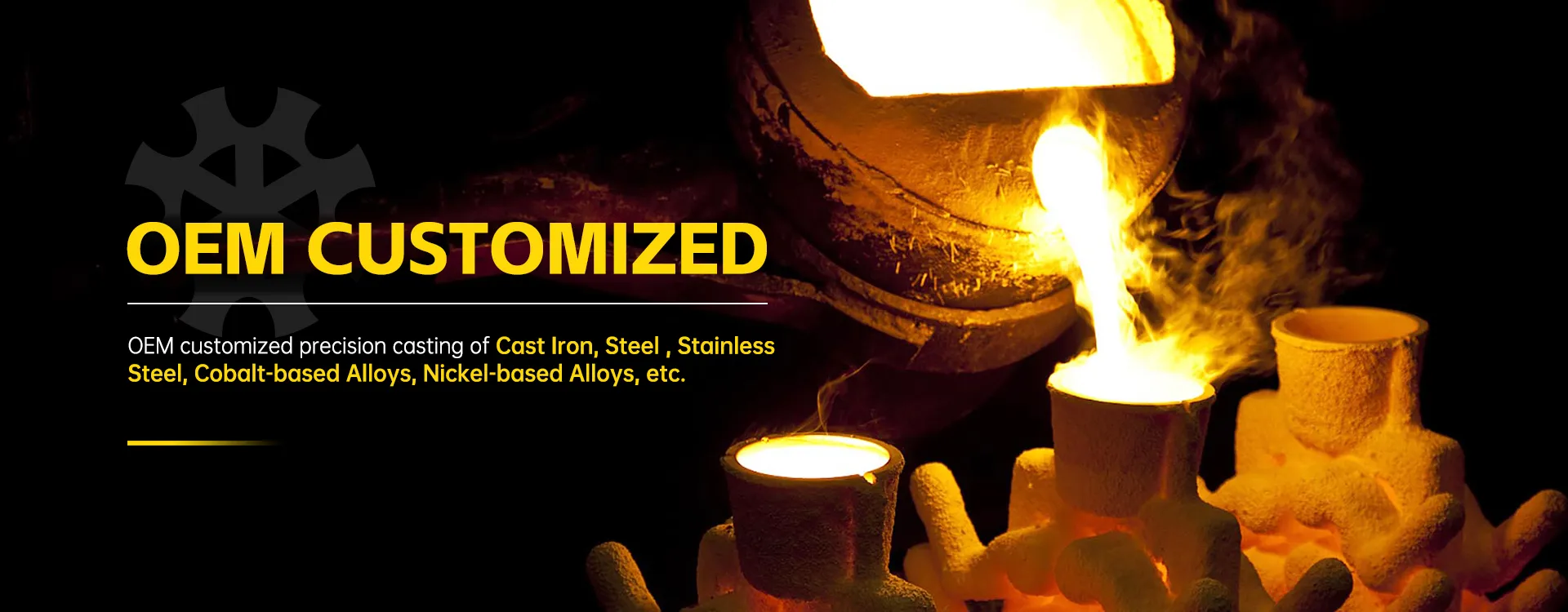
This ties directly into the casting process itself. For a company like Qingdao Qiangsenyuan Technology Co., Ltd. (QSY), with decades in shell mold and investment casting, the challenge isn't just pouring a sound casting. It's about understanding how the alloy solidifies, controlling the carbide distribution within the cobalt-chromium matrix. A poorly controlled cooling rate can lead to excessive carbide segregation, creating localized brittleness that might only show up during final machining or, worse, in service. Their experience with special alloys, as noted on their site tsingtaocnc.com, is crucial here. It's not just about having the furnace; it's about the process knowledge built over 30 years that ensures the Stellite 12 you get has a consistent, reliable microstructure from the start.
Application Nuances and Real-World Behavior
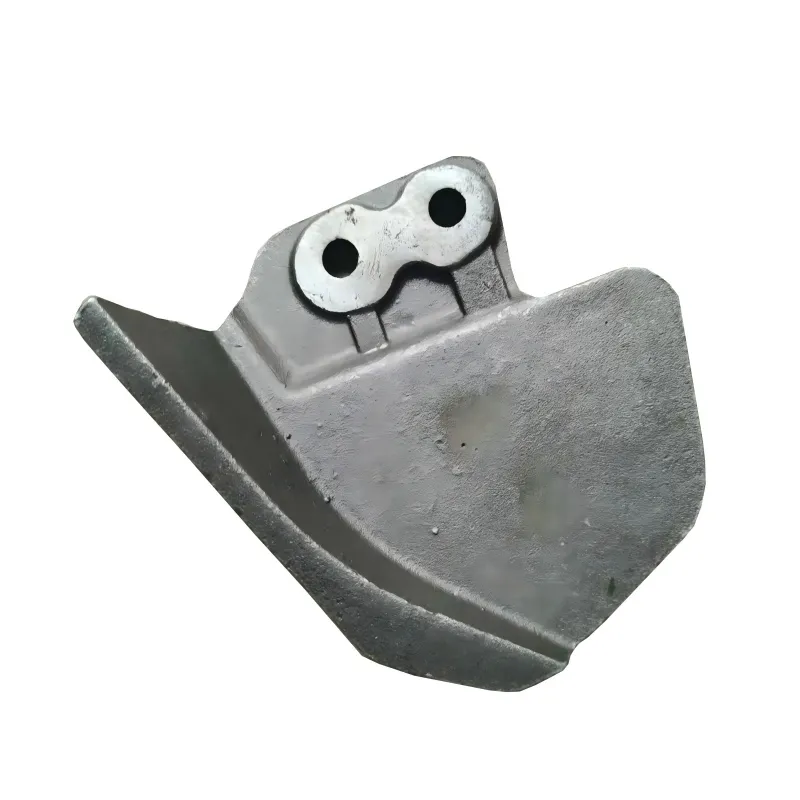
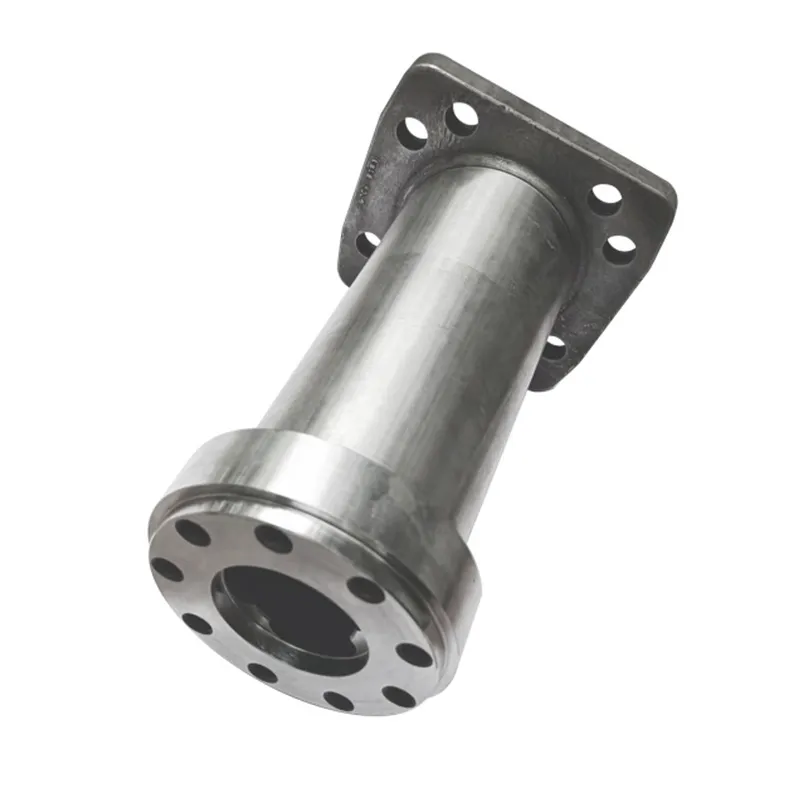
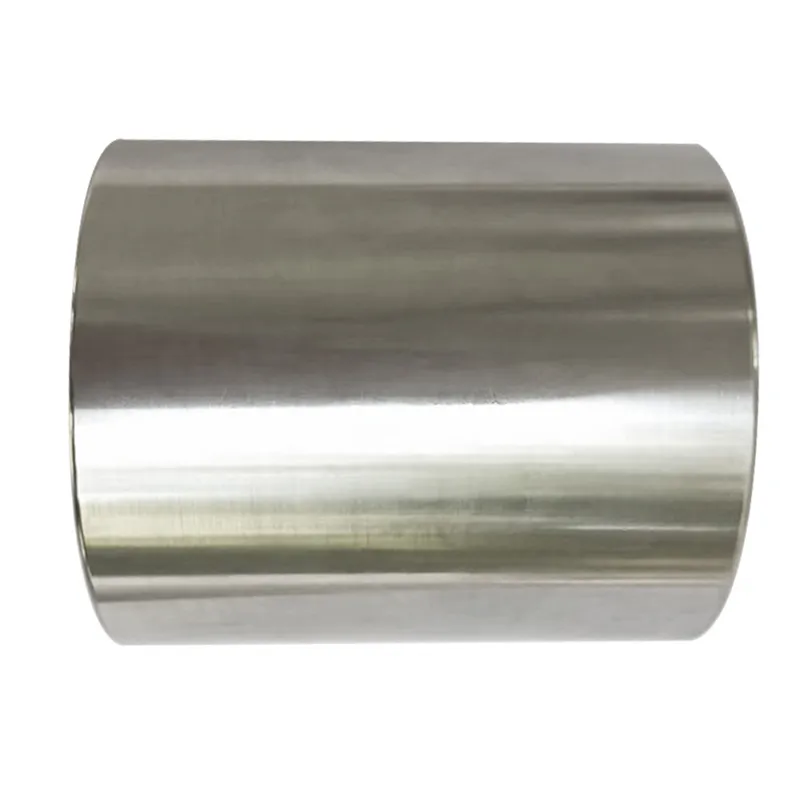
Where does Stellite 12 genuinely shine? It's excellent for components facing combined wear and moderate impact, or where some corrosion is a factor alongside abrasion. Think pump sleeves, valve trim, certain bearing surfaces, and even some agricultural tooling edges. But you have to match the grade to the exact wear mechanism. If the primary enemy is pure, high-stress abrasion from silica or similar, a higher-carbon Stellite might be better. If it's more about corrosion, other grades come into play.
I worked on a case involving feed screw components in a food processing line. The material handled was abrasive and mildly corrosive. Stellite 12 was selected for its balance. However, the initial design had sharp internal corners. During the investment casting process at the foundry—a process QSY specializes in—this presented a challenge. The alloy's viscosity and solidification characteristics made it difficult to fill those sharp features without potential defects. The solution was a collaborative redesign, softening the corners slightly. This didn't affect function but made the part significantly more castable and reliable. This is the kind of practical, on-the-ground problem-solving that separates a successful application from a failure.
Another subtle point is its performance in high-temperature wear. It retains its hardness pretty well up to around 600-700°C, which is why you see it in some hot-section tooling or engine components. But there's a caveat: its oxidation resistance, while good, isn't infinite. In prolonged, high-temperature oxidizing environments, you might see more scale formation than with some nickel-based alloys. It's a trade-off. You're picking it primarily for wear at temperature, with oxidation resistance as a beneficial secondary characteristic, not the primary one.
Machining and Post-Processing Realities
Let's circle back to machining, because it's often the biggest cost driver after the material itself. As mentioned, it's a bear to machine. Grinding is often the preferred method for final finishing and achieving tight tolerances. But even grinding requires the right wheel composition and technique to avoid burning the surface or causing micro-cracks.
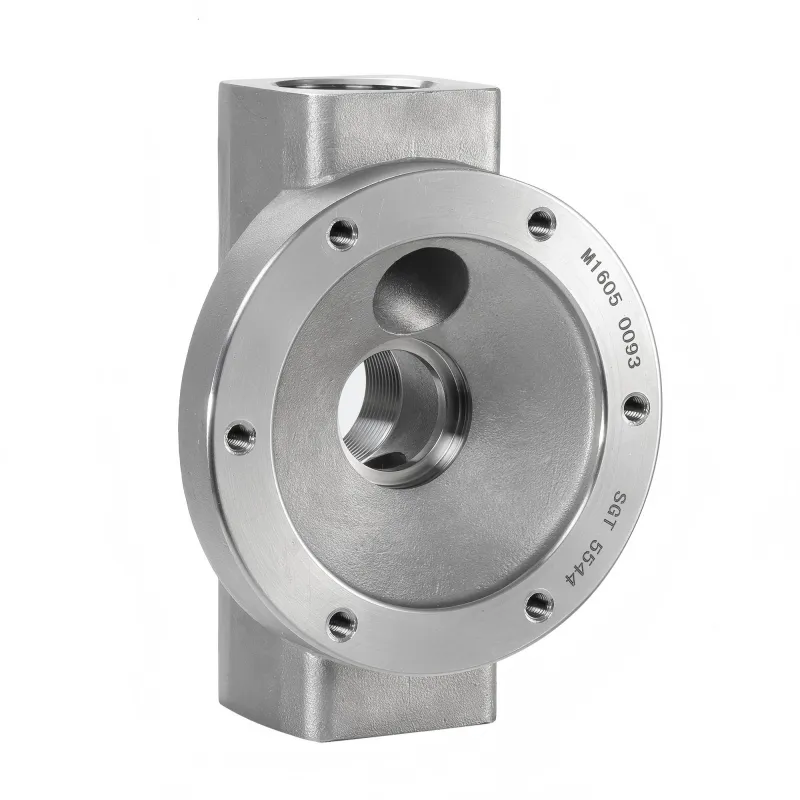
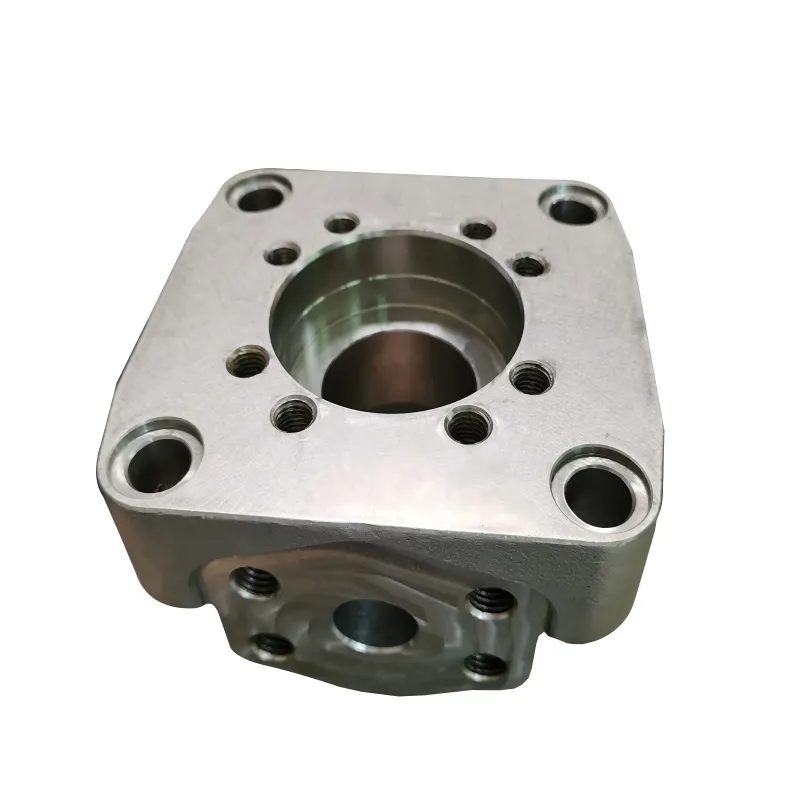
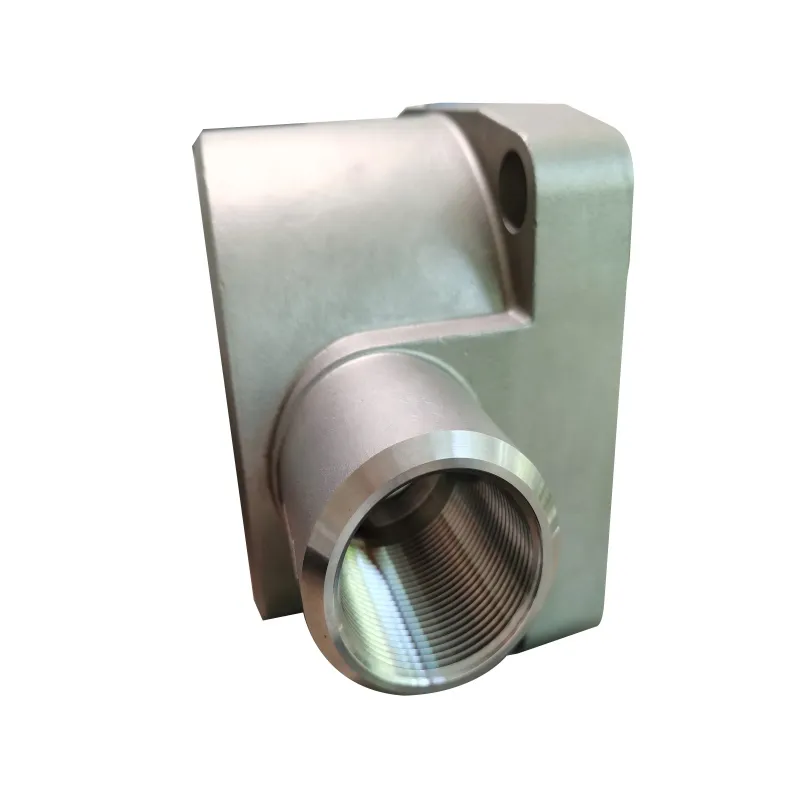
CNC machining is possible, and this is where integrated service providers add immense value. A company that handles both the casting and the CNC machining, like QSY, has a major advantage. They understand the material's behavior from liquid to finished part. They can plan the machining stock allowances during the casting pattern design, knowing exactly how the material will react to cutting forces. Trying to get a casting from one shop and machining it at another, without this shared knowledge base, often leads to finger-pointing when challenges arise. The description on tsingtaocnc.com highlighting their combined expertise in casting and CNC machining isn't just marketing fluff; it's a critical workflow efficiency for alloys like this.
Welding and hardfacing with Stellite 12 are also common, especially for repair or overlay on cheaper substrates. The pre-heat and interpass temperature control is vital to prevent cracking. Too fast a cooling rate, and you get a beautiful, hard deposit that's full of microfissures. It's another area where procedure is king, and experience trumps theory every time.
Sourcing and Quality Considerations
Not all Stellite 12 is created equal. The quality of the raw ingot, the trace element control, and the reproducibility of the casting process define the final part's performance. Sourcing from a foundry with a proven track record in cobalt-based alloys is non-negotiable for critical components. You need certifications, but more importantly, you need evidence of process control—heat lot records, micrograph archives, consistent mechanical test results.
This is where a long-standing operation's reputation matters. A company operating for over 30 years, as QSY has, has likely navigated multiple supply chain shifts and refined their sourcing and processing protocols. They've probably seen what happens when a batch of material is off-spec and have systems to catch it before it becomes your problem. For an end-user, this behind-the-scenes rigor is what you're really paying for, not just the physical casting.
It's also worth discussing alternatives. Sometimes, a project might start with Stellite 12 because it's a known name, but after analyzing cost, lead time, and the exact service conditions, a different material might be more optimal. Could it be a different Stellite grade? A proprietary iron-based hardfacing alloy? A ceramic insert? A good technical partner should be able to have that conversation, not just say yes to the initial spec. Blind adherence to a material callout without analysis is a disservice.
Concluding Thoughts from the Workshop Floor
So, what's the bottom line on Stellite 12? It's a tremendously useful, versatile alloy when applied correctly. Its value lies in its balanced properties, but that balance also means it's not the ultimate champion in any single category. Success with it hinges on three things: precise application matching, expert foundry and machining processes, and an integrated approach from design to finished part.
Seeing it as just a hard material is the biggest mistake. You have to respect its entire lifecycle—how it's cast, how it's cut, how it behaves under specific wear modes. The companies that consistently deliver reliable Stellite 12 components are those, like Qingdao Qiangsenyuan Technology, that have built deep, practical knowledge across casting and machining, treating the material not as a commodity but as a specialized engineering solution with its own personality and quirks.
In the end, materials like this are tools. And the best craftsmen understand not just what the tool is called, but exactly how it feels in the hand, how it responds under pressure, and where its limits truly lie. That understanding only comes from hands-on time, from both triumphs and, frankly, from the occasional scrapped part that teaches you what not to do next time.