When you hear Stellite 20, what comes to mind? For a lot of folks, even some in the trade, it's just another hardfacing or wear-resistant cobalt alloy. They lump it in with Stellite 6 or 12. That's where the first mistake happens. It's a different beast entirely. My own early assumption was that its high chromium and tungsten content just made it a harder version for severe abrasion. Took a few real-world failures to understand its real niche is where you need that hardness, yes, but also a serious fight against a specific kind of corrosive attack that would eat other grades alive. It's not a universal solution, and treating it like one is a quick way to burn budget.
The Material Makeup and Why It Tricks People
Look at the nominal composition: roughly 50% Cobalt, 30% Chromium, 4.5% Tungsten, 1% Carbon. To the untrained eye, it reads like a classic Stellite formula. The devil is in the balance and the minor elements. That Cr level is sky-high for the series. It pushes the alloy into a zone where its passivation behavior in oxidizing acids changes. I recall a project for a chemical pump sleeve where the spec just said cobalt alloy for wear and chemical service. The designer went with a standard Stellite 6 overlay. It lasted about three months before pitting took hold in a nitric acid environment. A post-mortem review pointed us towards Stellite 20. The key wasn't just hardness; it was that dense, chromium-rich oxide layer that forms and holds under those conditions.
This is where generic material selection charts fail you. They'll list a bunch of alloys for corrosion and wear, but the corrosion part is too vague. Is it sulfuric, hydrochloric, nitric, or slurry with chlorides? Stellite 20 shines in oxidizing media. In reducing acids? Not so much. You have to know the exact enemy. I learned this through a costly trial with a mixer blade in a phosphoric acid plant. The environment had traces of fluorides. We used Stellite 20, and while it resisted the general corrosion far better than its predecessor, we saw unexpected wear rates. The fluorides were undercutting that protective layer. It was a partial win but highlighted the need for extreme specificity.
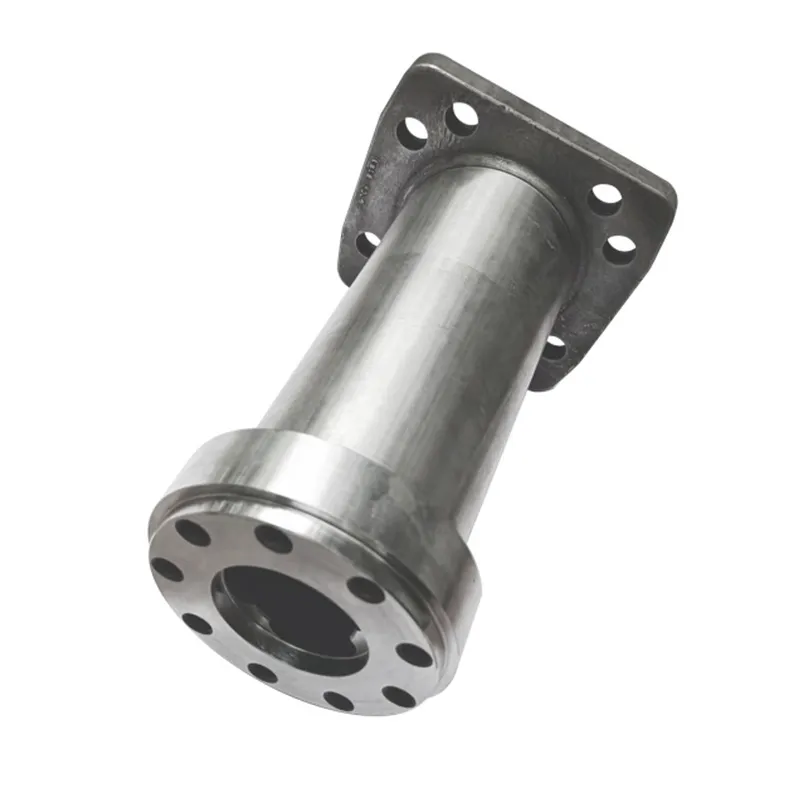
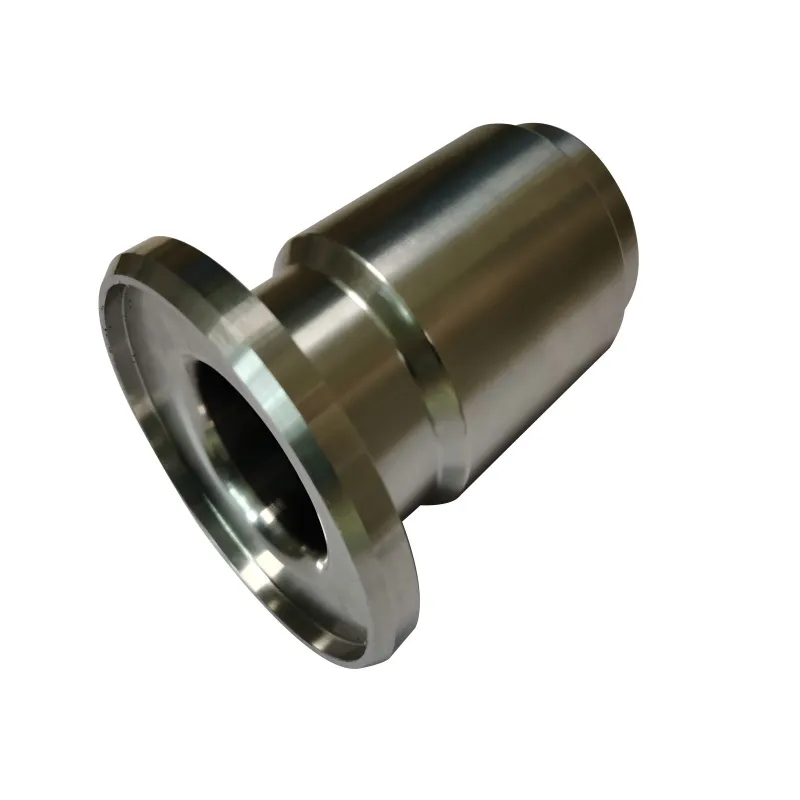
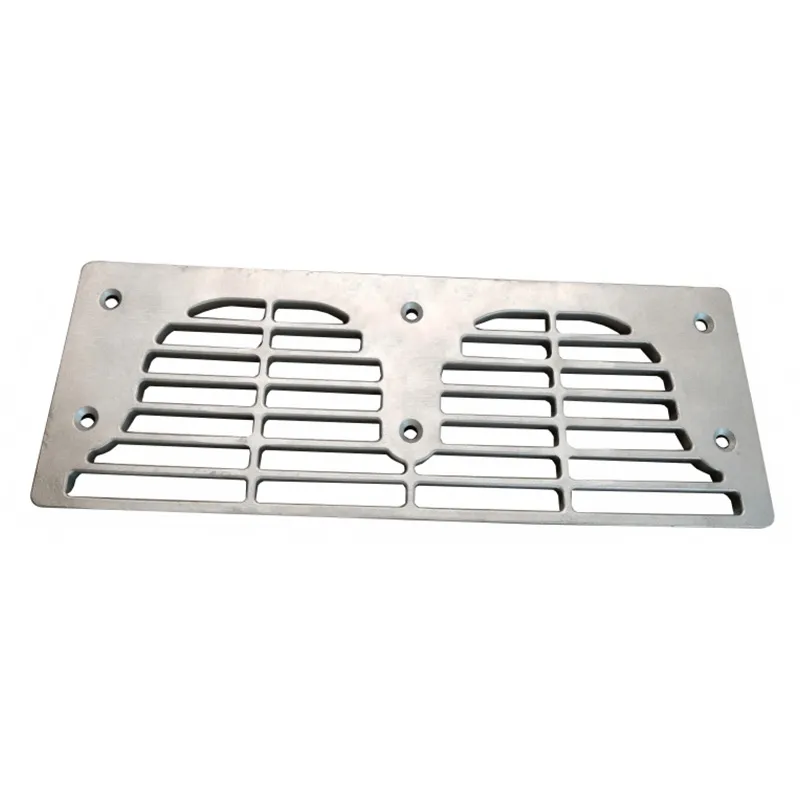
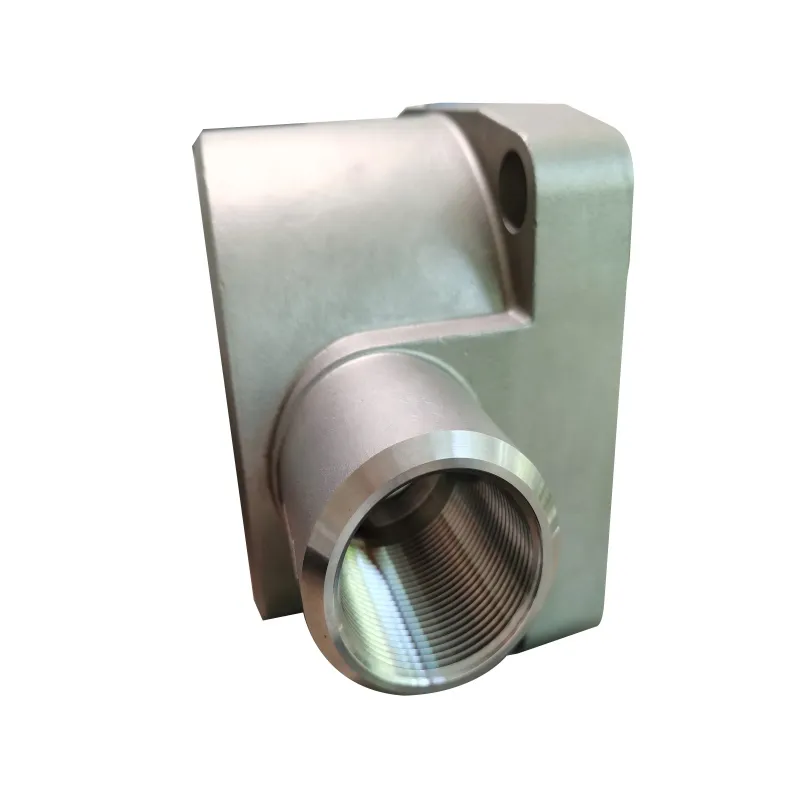
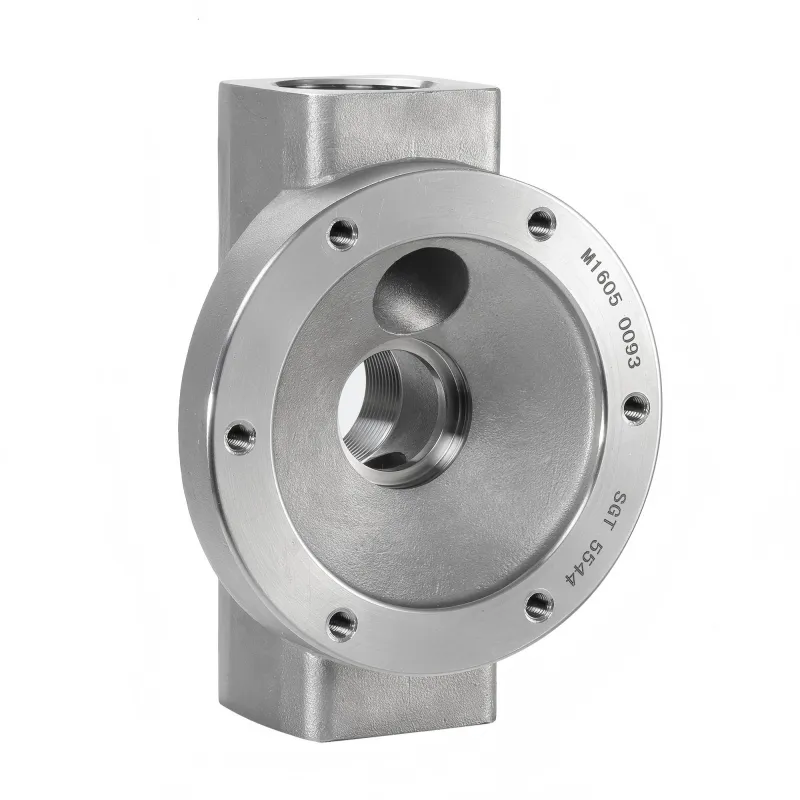
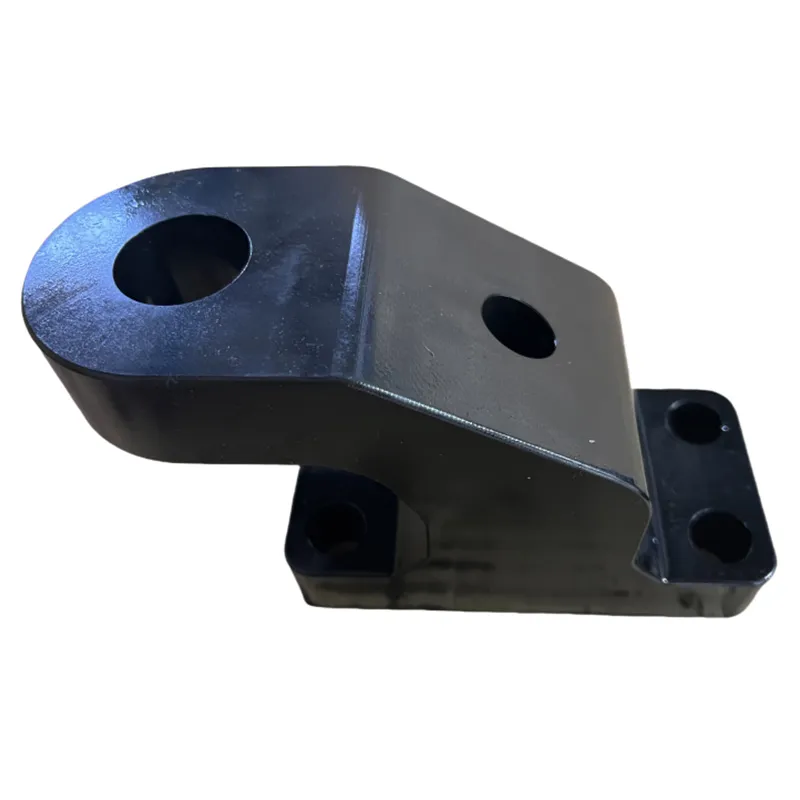
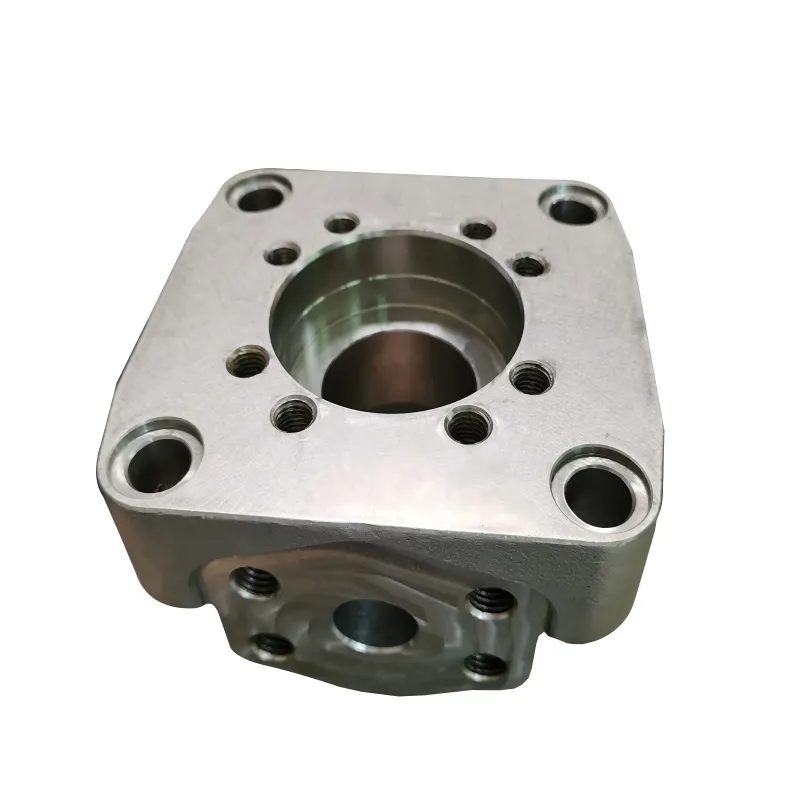
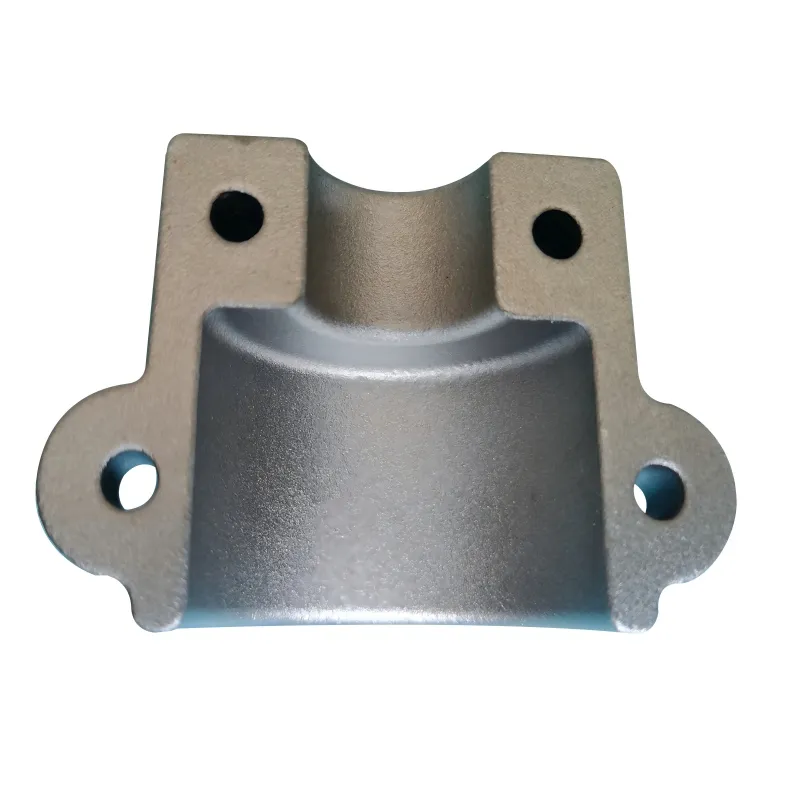
Another common oversight is its machinability in the wrought form, or rather, the lack thereof. It's often supplied as cast or powder for welding. If you're thinking you'll get a bar stock and turn it like 316 stainless, forget it. The carbide network is brutal on tools. We partner with foundries and machine shops that get this. Like Qingdao Qiangsenyuan Technology Co., Ltd. (QSY), who we've sourced cast components from. They've been in casting and CNC machining for decades, and their process notes for alloys like this always emphasize pre-hardened state machining with rigid setups and specific tool geometries. It's not just a service they offer; it's a practiced skill. You can find their approach detailed on their site at https://www.tsingtaocnc.com. They don't just sell the material; they understand the fabrication headache.
Application Realities: Successes and Near-Misses
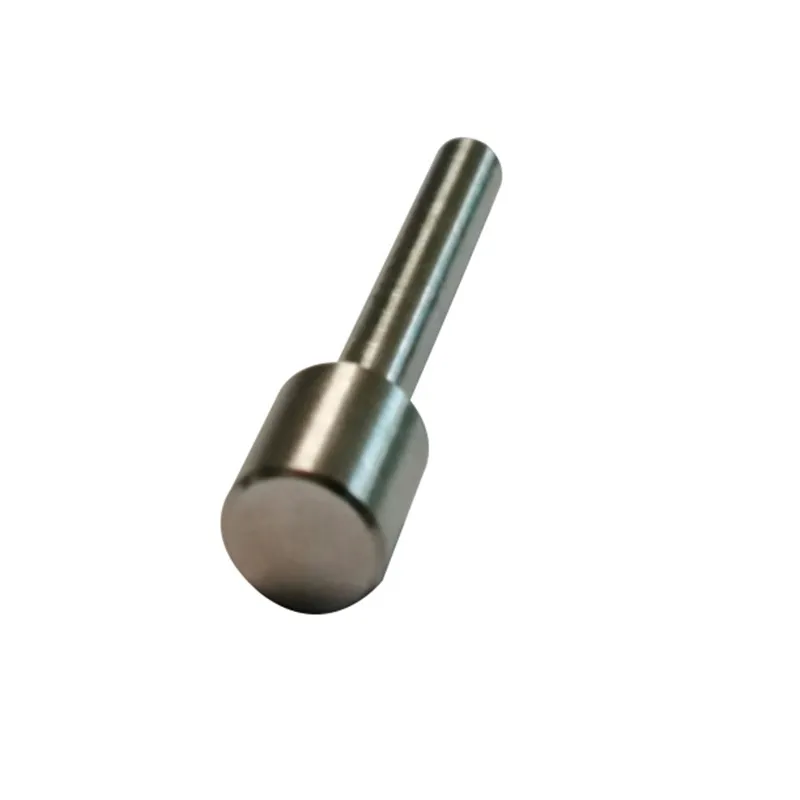
Where have I seen it work definitively? Valve trim in nitric acid service is textbook. Not just the seat, but the plug stems and guides where you have constant sliding contact in a hot, oxidizing atmosphere. A client had chronic galling and corrosion issues with even high-grade stainless steels. Switching to Stellite 20 trim extended run times by a factor of four. But the installation was critical. The substrate had to be pre-heated, the weld overlay controlled to avoid dilution and cracking, and then finished ground. It wasn't a drop-in replacement; it was a process overhaul.
Another solid application is in certain types of spray nozzles for aggressive chemical slurries. The combination of high-velocity particle impact and chemical exposure demands this specific property mix. We used it for nozzles in a mineral processing plant handling an acidic, abrasive slurry. The previous aluminum oxide ceramic nozzles were chipping. The Stellite 20 cast nozzles wore evenly and predictably, allowing for maintenance scheduling instead of emergency shutdowns. The cost was higher upfront, but the total cost of ownership dropped.
Now for a near-miss. A paper mill wanted a doctor blade for a dryer roll, facing high heat and some acidic condensate. They insisted on Stellite 20 based on a data sheet's maximum service temperature. We had doubts about thermal fatigue. The blade was made, installed, and performed well on wear for about eight months. Then it cracked, not from wear, but from thermal cycling stress. The lesson? Stellite 20 has good hot hardness, but its thermal conductivity and expansion coefficient aren't magic. For cyclic thermal shock, other cobalt grades or even nickel-based alloys might be a better fit. We should have pushed back harder on the application review.
The Casting and Machining Hurdle
This is the practical wall many hit. Getting a sound casting of Stellite 20 free of shrinkage porosity and hot tears isn't trivial. The high alloy content affects fluidity and solidification. It requires precise gating and risering design. I've seen beautiful finish-machined parts fail in service because a subsurface shrinkage cavity became a stress concentrator and initiated a crack. This is why working with an experienced foundry is non-negotiable.
This circles back to specialists like QSY. Their 30 years in shell mold casting and investment casting for special alloys means they've likely poured hundreds of heats of similar materials. That experience translates into mold design and process parameters that yield integrity. When you're dealing with expensive material and critical parts, you're not just buying metal; you're buying the foundry's procedural knowledge to make that metal perform.
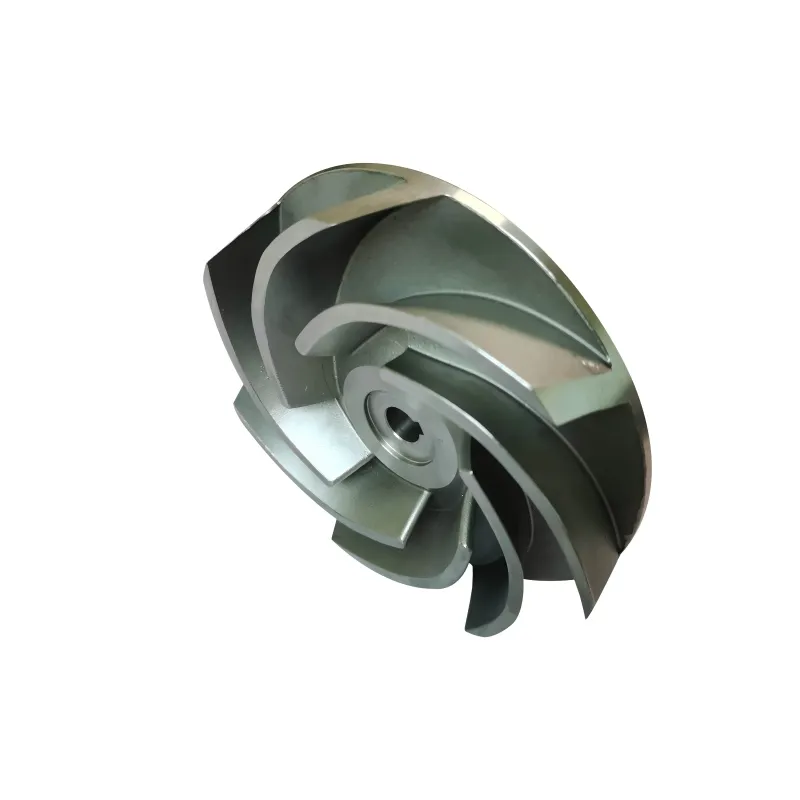
Post-casting, machining is the next challenge. As mentioned, it's hard. Grinding is often preferred over turning. When CNC milling is required for complex geometries, everything matters: machine rigidity, carbide grade, feed and speed, coolant application. A chatter will instantly chip a cutting edge. I remember a batch of custom pump wear plates we had machined. The first shop, a general job shop, ruined three pieces before giving up. The second shop, which specialized in superalloys, nailed it. Their secret? Slow speeds, high feed rates per tooth, and air blast instead of flood coolant to avoid thermal shock on the carbide tip. It's these unspoken, workshop-level details that separate success from scrap.
Sourcing and the Equivalent Trap
You'll see suppliers offering Stellite 20 equivalent or UNS R30605. While the UNS number standardizes it, the equivalent claim is risky. Minor variations in melting practice (air melt vs. vacuum melt), trace element control (sulfur, phosphorus), and carbide morphology can impact performance, especially in corrosion. For non-critical wear parts, an equivalent might be fine. For a critical chemical process component, I'd insist on a reputable, traceable source with certified chemistry and mechanical test reports.
This is another reason established supply chains matter. A company like QSY, which lists cobalt-based alloys explicitly in their material scope, is set up to provide that traceability. They're not just brokers; they're fabricators who need consistent material to feed their own casting and machining processes. Their website, https://www.tsingtaocnc.com, outlines their capabilities in these special alloys, which signals a deeper engagement with the material class than a general metal distributor.
The trap is always cost. Stellite 20 is expensive. The temptation to find a cheaper just as good alternative is huge. I've been pressured to do it. Sometimes you get lucky; often you get a callback six months later. The failure analysis usually shows inferior corrosion resistance or unpredictable wear. The savings on material get wiped out ten times over by downtime and replacement labor. My rule now is simple: if the application truly justifies Stellite 20, then justify the proper grade and a qualified supplier. If the budget can't stretch that far, then we need to re-engineer the application for a more economical material from the start, accepting a shorter service life.
Final Thoughts: A Specialist's Tool
So, where does that leave us with Stellite 20? It's a specialist's tool. It's not your first choice for general abrasion. It's not your first choice for pure, severe corrosion. It's the answer for the narrow, punishing intersection of the two, specifically in oxidizing environments. Its value is immense when correctly applied, and a costly mistake when it's not.
The knowledge isn't just in the data sheet; it's in the accumulated scars of misapplications and the quiet successes of perfect fits. It's in understanding the entire journey from the foundry furnace to the final grind, and how each step can make or break the part's performance. That's the difference between specifying a material and actually making it work in the field.
For anyone diving into a project that might need it, my advice is this: define the service environment with brutal precision—chemicals, temperatures, mechanical action, cycles. Then, engage with your material suppliers and fabricators early. Lay out the full picture. A good partner, one with long-term experience in casting and machining these tricky alloys like the team at QSY, will ask the right questions and often spot potential pitfalls in the application or manufacturing process before metal is ever poured. That conversation is the first and most cost-effective step in ensuring Stellite 20 delivers on its promise.