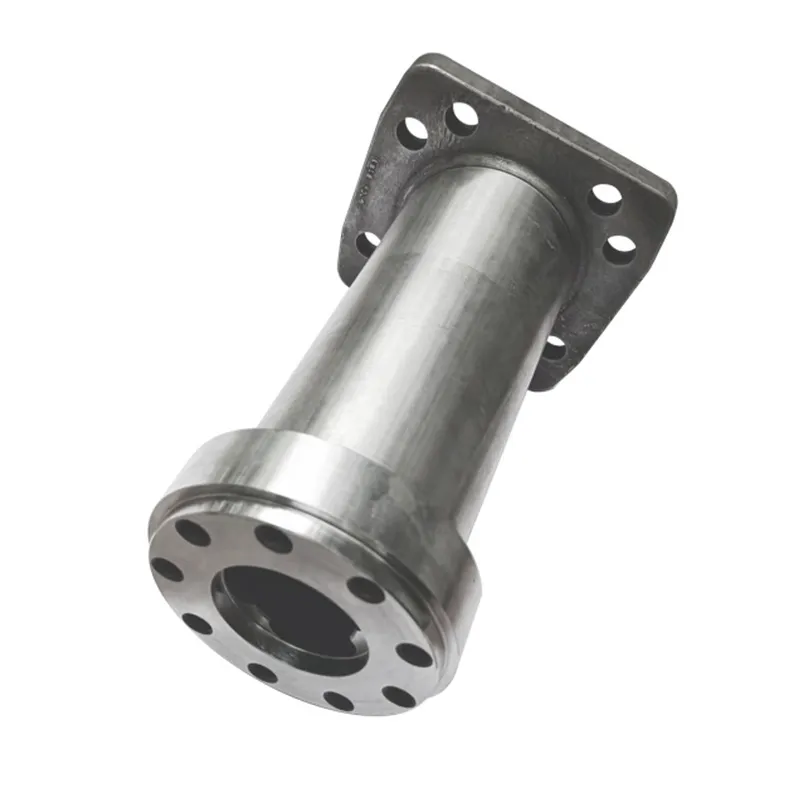
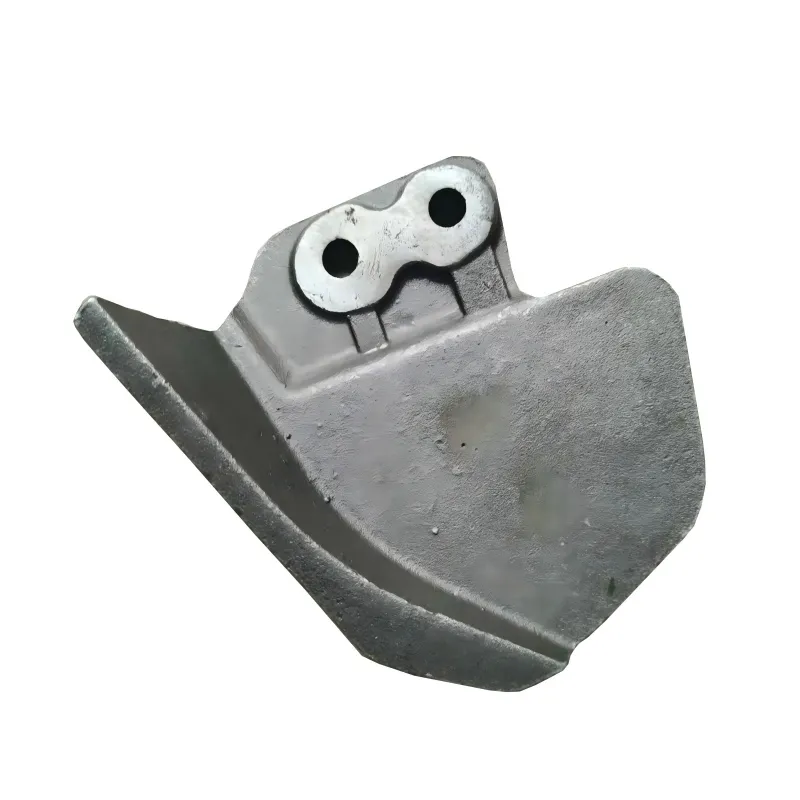
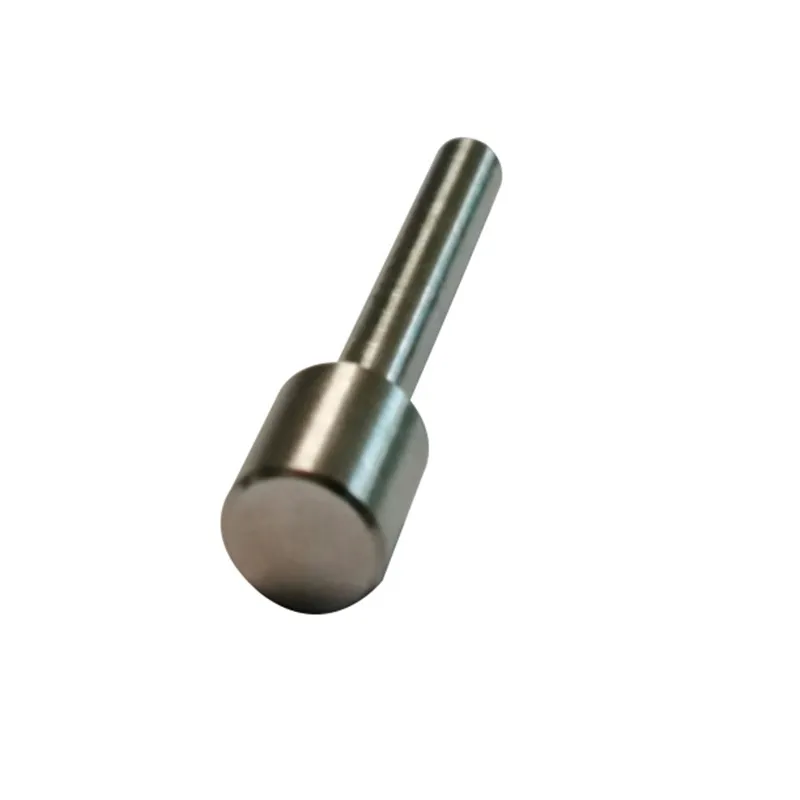
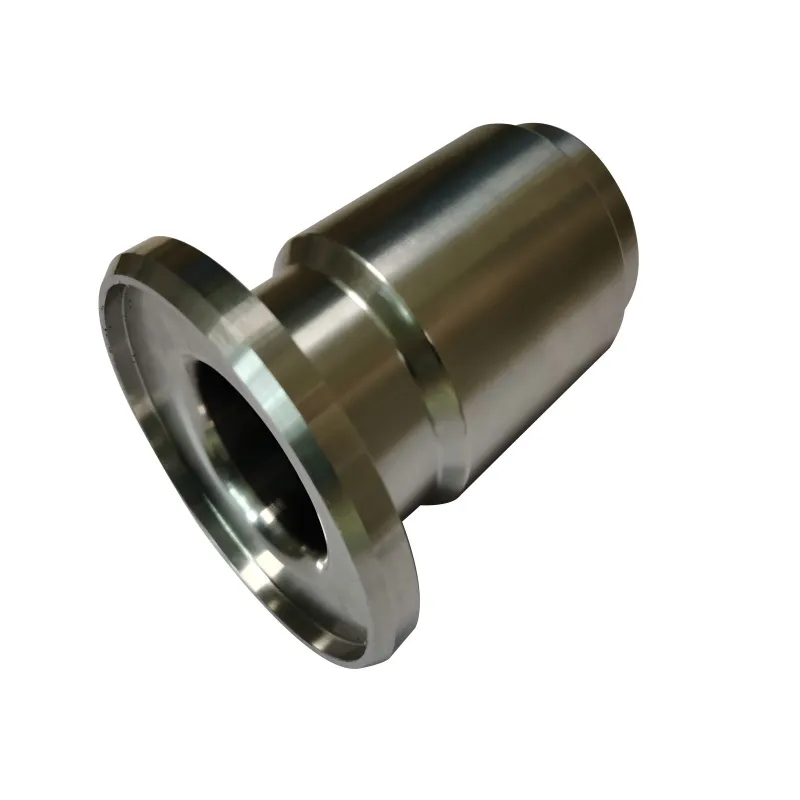
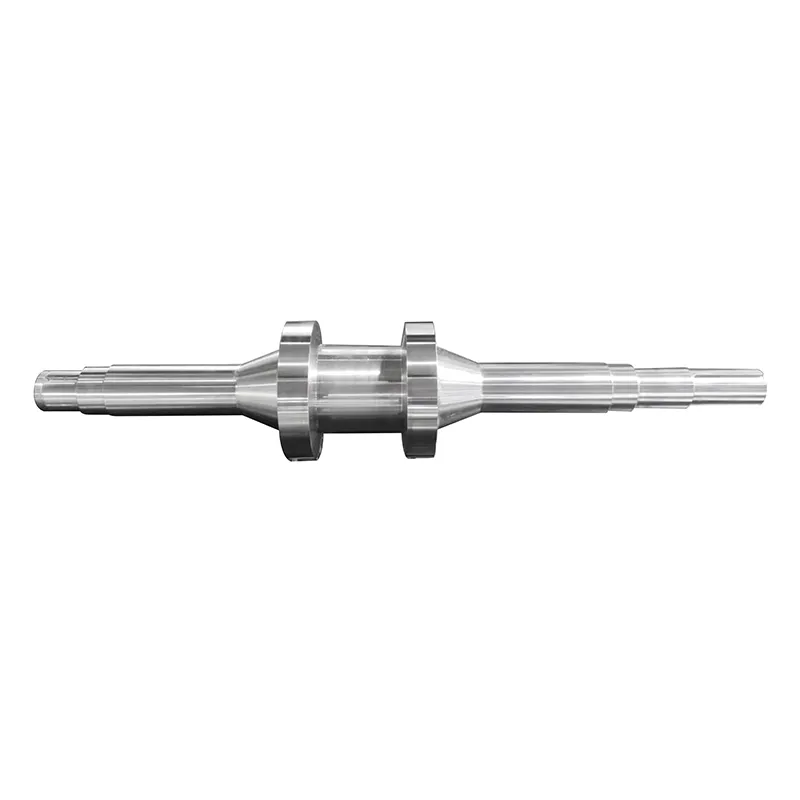
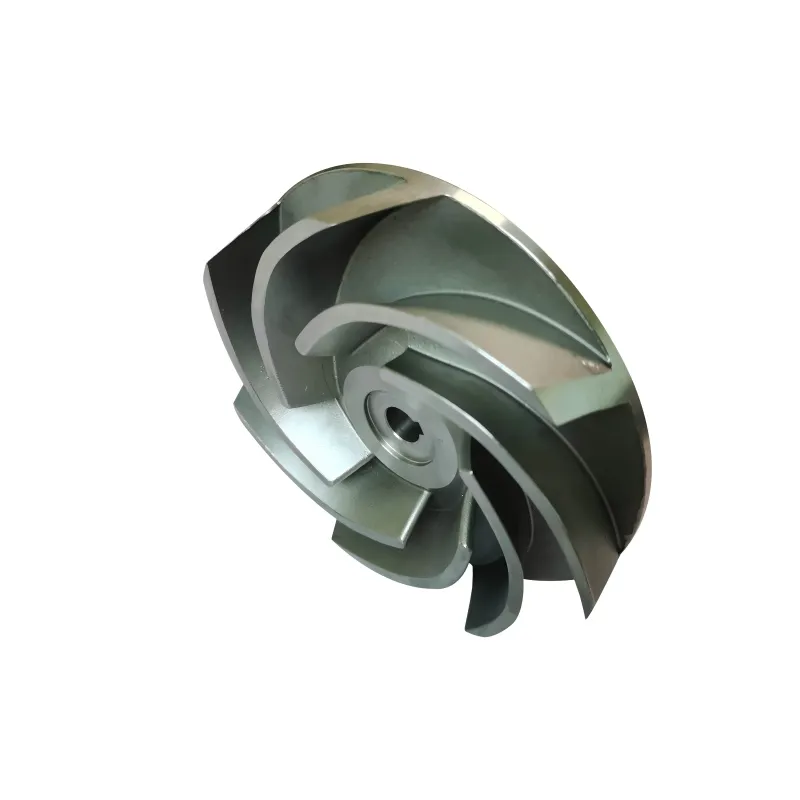
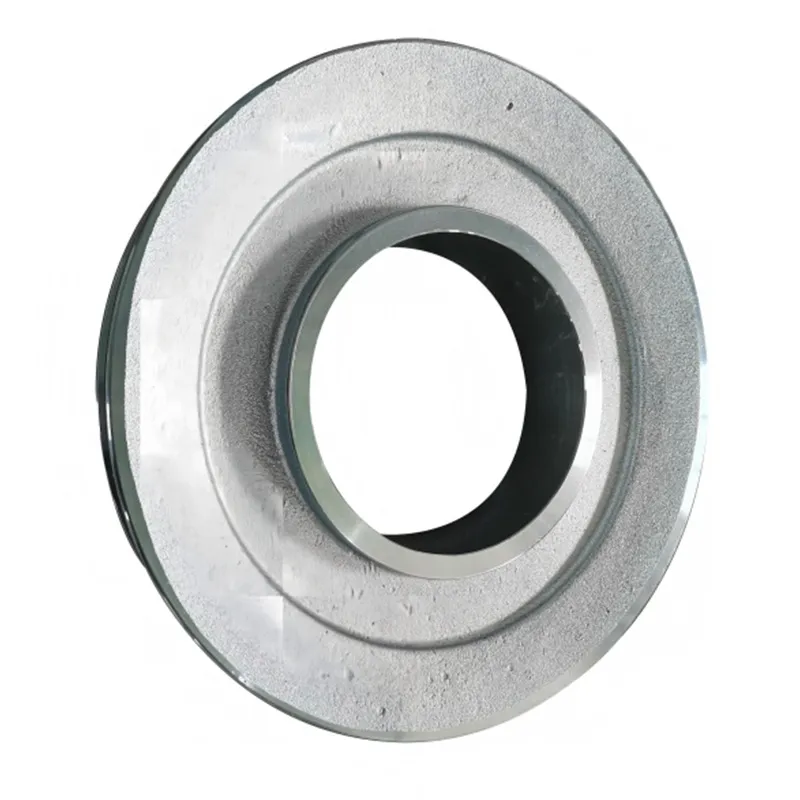
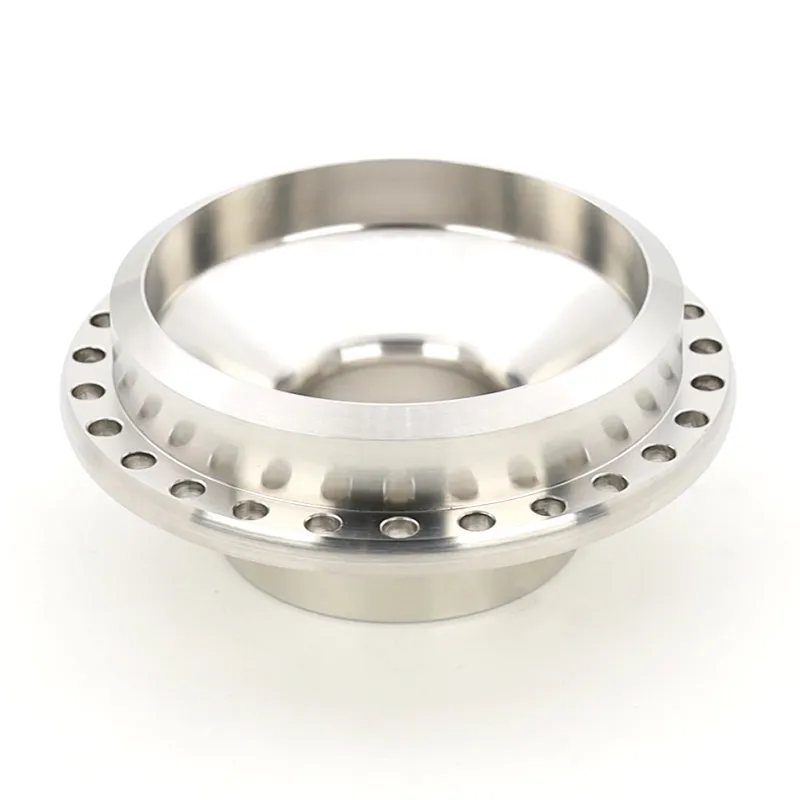
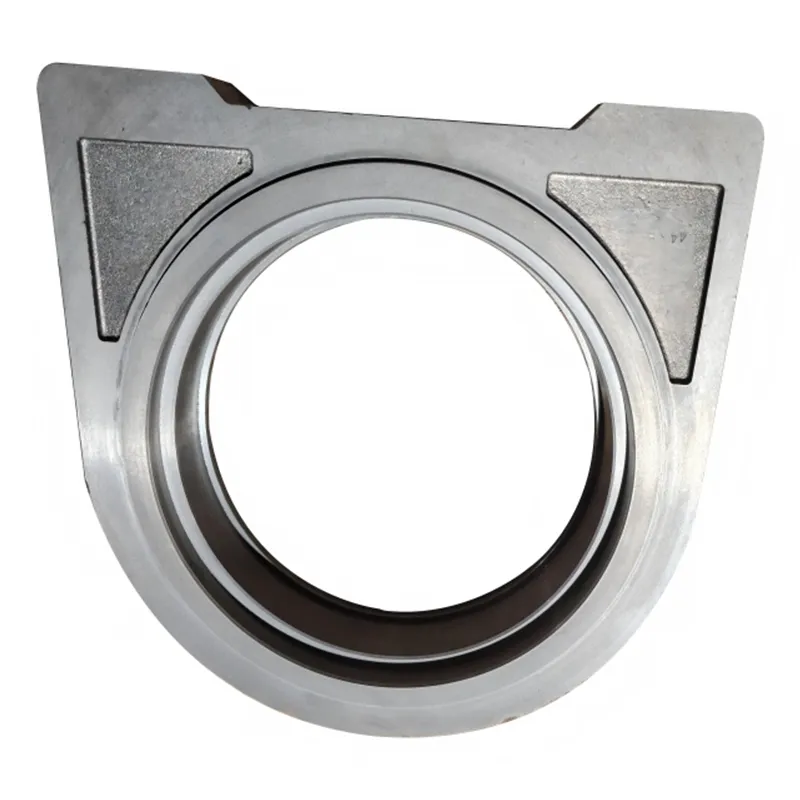
You hear 'Stellite 21' and immediately think 'super alloy,' right? Hard to machine, wears forever, the go-to for extreme conditions. That's the brochure version. The reality on the shop floor, especially when you're dealing with legacy parts or custom one-offs, is messier. It's not just about hardness or composition specs; it's about how the stuff behaves when you're trying to make it into a functional seal face or a valve trim that doesn't gall itself to death in six months. A lot of suppliers just sell you the certified bar stock and wash their hands of it. The real value, in my view, comes from the outfit that understands the journey from raw material to finished part, the whole casting and machining saga. That's where outfits with deep foundry and CNC roots, like Qingdao Qiangsenyuan Technology Co., Ltd. (QSY), carve out their niche. They've been in the casting and machining game for over three decades, which means they've probably seen every way a cobalt-chrome alloy can surprise you.
The Stellite 21 Spec Sheet vs. The Machine Shop
The nominal composition is straightforward enough: a cobalt-chromium-molybdenum alloy with a decent nickel content. Good corrosion resistance, excellent galling resistance, maintains strength at elevated temps. The data sheet makes it sound like a silver bullet for high-wear, high-temperature applications. But the first time you put a tool to it, the story changes. It's not like machining stainless. It work-hardens aggressively. If your speeds, feeds, and tool path aren't dialed in just right, you're not cutting it—you're just polishing a very expensive, very hard surface that will then proceed to eat your carbide insert. You need a rigid setup, positive rake geometries, and a lot of coolant aimed exactly at the cutting edge. It's a process you learn through scrap, frankly.
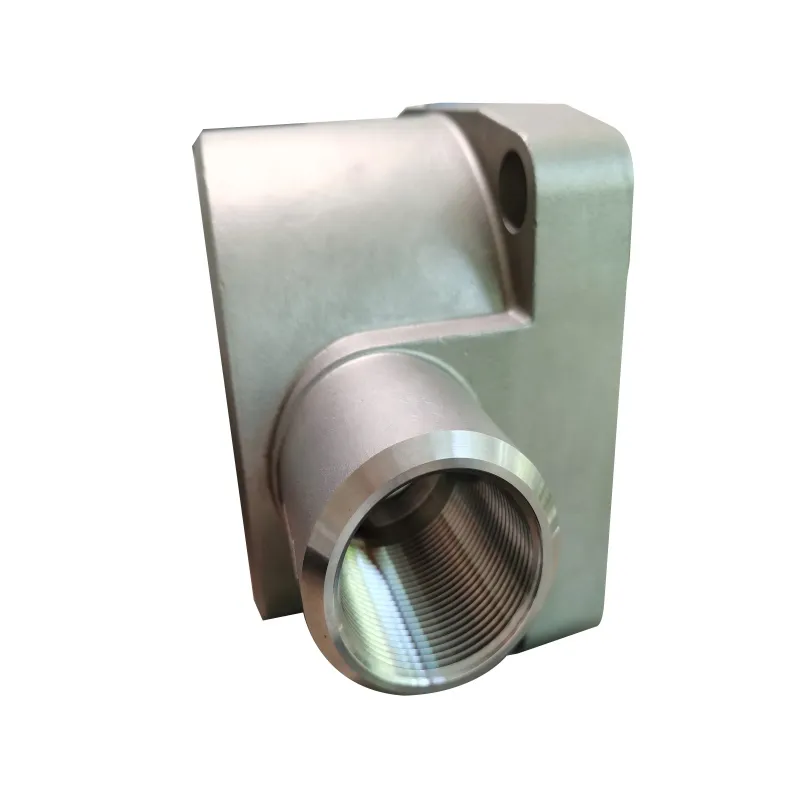
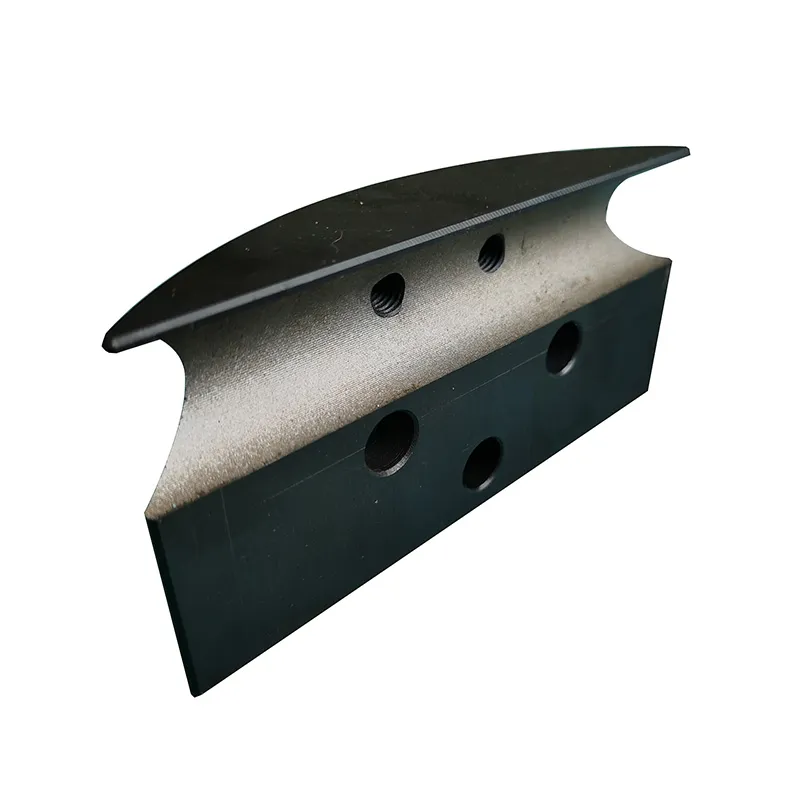
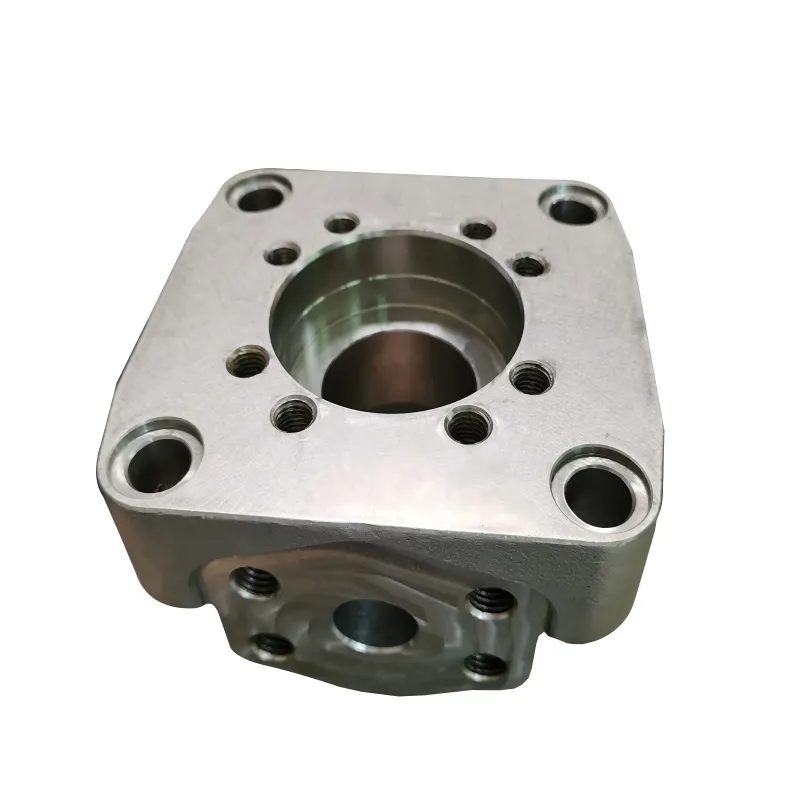
This is where the integrated approach of a company like QSY matters. They don't just buy bar stock; they produce castings via shell mold casting and investment casting. Starting from a casting close to net shape is a massive advantage with Stellite 21. You're removing less material, which reduces machining time, tool wear, and stress on the part. But casting it brings its own demons—controlling shrinkage porosity, ensuring homogeneity. Their 30 years in casting special alloys isn't just a marketing line; it's the repository of knowledge on how to get a sound casting of this temperamental material before the CNC even spins up.
I recall a project for a chemical processing pump seal. The spec called for Stellite 21 on both mating faces. The client initially sourced pre-machined rings from a standard machine shop. They failed prematurely due to micro-fissures that likely originated from the machining process generating too much localized heat. We switched to a vendor using an integrated cast-and-machine approach—the kind QSY exemplifies. The difference was in the microstructure. Starting from a properly heat-treated casting they produced in-house, the final machined surface integrity was superior. The part lasted. It wasn't magic; it was control over the entire value chain.
Where It Shines (And Where It Doesn't)
Stellite 21 isn't for everything. Its sweet spot is where you have metal-to-metal sliding contact under load, maybe with some heat and corrosives thrown in. Think pump sleeves, seal rings, valve seats, wear plates in hot sections. Its resistance to adhesive wear (galling) is its killer feature. You can run it against itself or against 316 stainless in many cases without welding itself together.
But a common mistake is throwing it at every abrasion problem. For pure abrasion from hard particles—like sand slurry—a through-hardened steel or a ceramic might be a better, more economical choice. Stellite 21 is tough, but it can be gouged. Its strength is in resisting the type of wear that starts with microwelding and progresses to tearing.
Another nuance is the environment. It's good in many oxidizing and reducing acids, but watch out for hydrochloric and sulfuric in certain concentrations and temperatures. You need to cross-reference the corrosion charts carefully. I've seen it specified for a seawater application where the chlorides caused pitting corrosion on the chromium-depleted zones. The failure wasn't wear; it was corrosion from an overlooked environmental factor. A good technical partner should probe these application details, not just take the order.
The Machining Dance: Feeds, Speeds, and Tool Life
Let's get practical. On a CNC lathe, turning a Stellite 21 casting or bar, you're walking a tightrope. Too slow, and you work-harden the surface, making the next pass impossible. Too fast, and you thermally shock the tool, leading to catastrophic failure. For roughing, I've had the best luck with coated carbide, moderate surface speeds, and a consistent, controlled feed rate. The goal is to get under the work-hardened layer. Interrupted cuts are the enemy; they chip tools.
Finishing is another art. You need a sharp edge, a fine feed to get a good surface finish, and you absolutely must avoid dwelling. That's where the CNC machining expertise of a specialist comes in. Programming optimized tool paths that maintain constant tool engagement is crucial. It's not just about having the machines, which QSY lists among their capabilities, but about having the programmers and operators who understand the material's personality.
Drilling and tapping? It's doable, but plan for it. Peck drilling, rigid tool holders, and specific geometries for cobalt alloys are non-negotiable. I'd argue if you can design the part to avoid small-diameter, deep holes or fine threads in Stellite 21, do it. Sometimes, it's better to design a steel backing or insert for the fastener functions and have the Stellite as an overlay or a welded pad. Which leads to the next point...
Joining and Post-Processing Considerations
Welding Stellite 21, often for hardfacing, is common. But welding a full section? That's a high-skill operation. Pre-heat and post-weld heat treatment are critical to avoid cracking due to its high coefficient of thermal expansion and tendency to form brittle phases. If you're having a part machined from a casting, the foundry's heat treatment cycle is paramount. It needs to relieve casting stresses and produce the desired carbide structure in the matrix.
Grinding is often the final step for achieving tight tolerances and mirror finishes on seal faces. Use the right wheel (usually a soft, open-structure aluminum oxide or silicon carbide wheel), plenty of coolant, and light passes. The material is prone to grinding burns, which can create tensile stresses and minute cracks—a perfect initiation point for failure in service.
This holistic view of the manufacturing process—from the alloy selection at the casting stage (cobalt-based alloys being a core specialty for many foundries) through to the final grind—is what separates parts that meet a print from parts that survive in the field. It's the difference between a component and a reliable solution.
Case in Point: The Valve Trim Saga
A concrete example from memory involved a control valve for a high-pressure steam let-down service. The trim (plug and seat) was originally 17-4PH stainless. It lasted about 8 months before excessive erosion and galling caused leakage. The upgrade path considered Stellite 6 (higher carbon, harder, more wear-resistant but slightly less tough) and Stellite 21.
We went with Stellite 21 for its better impact resistance and galling resistance in this specific application, where some minor cavitation was possible. The challenge was the complex internal geometries of the trim parts, which were not ideal for machining from solid bar. The solution was to have them investment cast by a specialist foundry with machining capabilities. The vendor, similar in scope to Qingdao Qiangsenyuan Technology Co., Ltd., produced near-net-shape castings via their investment casting process, performed the necessary heat treatment, and then completed the precision CNC machining on the critical sealing surfaces. The result was a part that survived the thermal cycling and micro-impact of the service. The cost was higher upfront, but the total lifecycle cost was lower.
The takeaway? Specifying Stellite 21 is just the first step. The implementation—the how it's made—is what dictates success. You need a partner that controls the critical phases: producing a sound, homogeneous casting; executing a correct heat treatment; and performing disciplined, knowledgeable machining. When these are under one roof, the communication loops are tight, and the accountability is clear. It reduces the variables in an already variable-prone material.
So, next time you're looking at Stellite 21 on a drawing, think beyond the material callout. Think about the foundry, the machine shop, and the thread of experience connecting them. That's where the real specification lies.