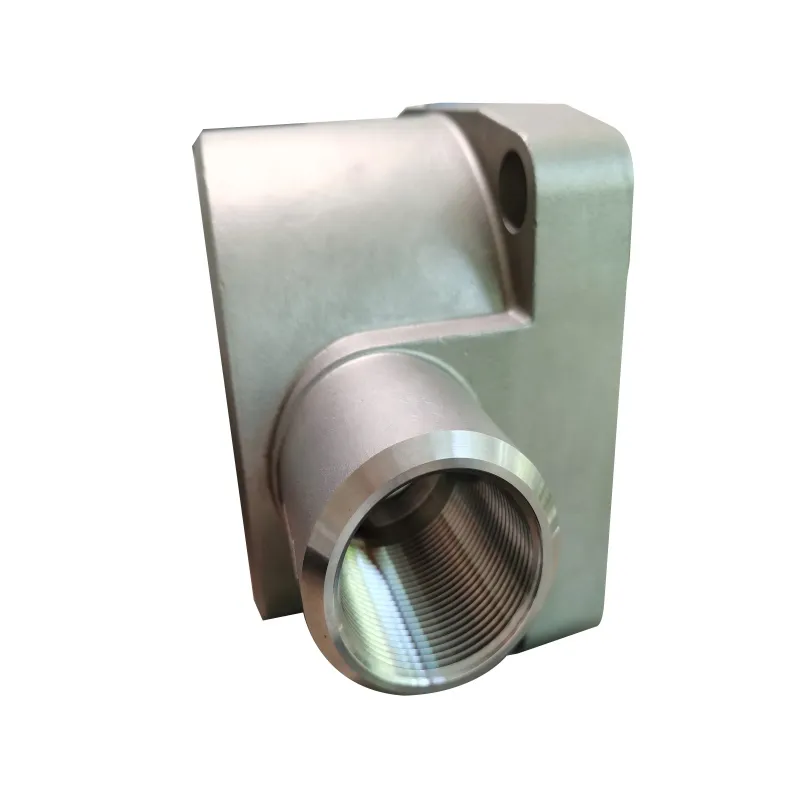
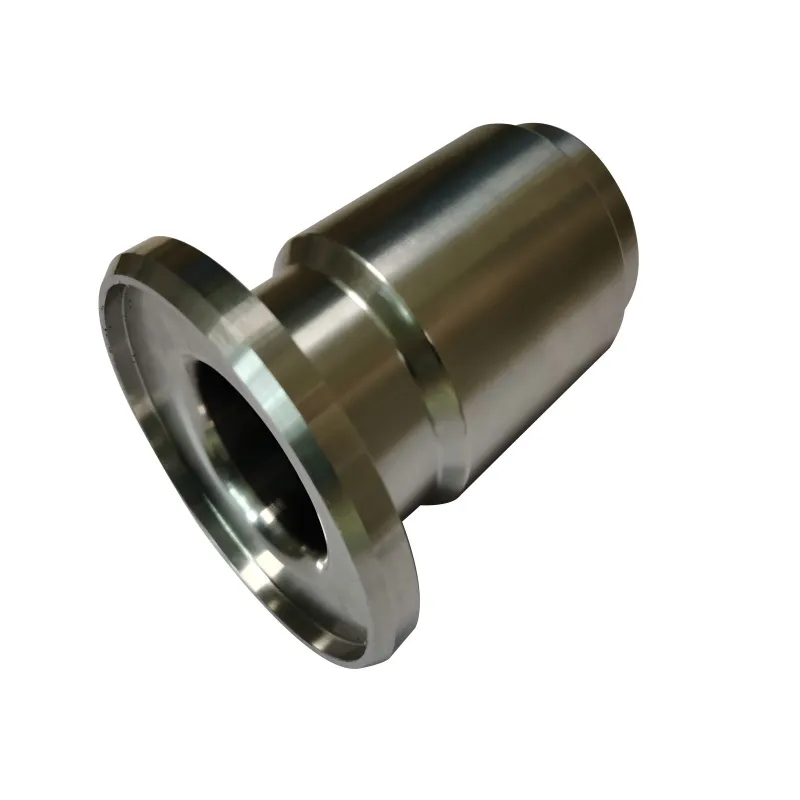
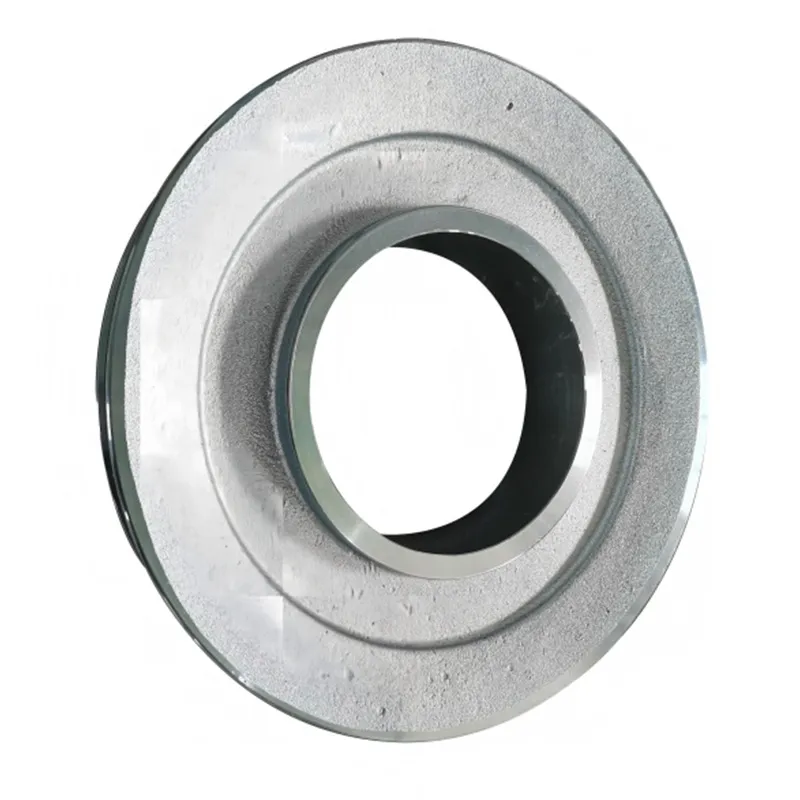
You see Stellite 6 come up on a spec sheet, and the immediate thought is hardfacing for valves and seats. That's not wrong, but it's a bit like calling a Swiss Army knife just a blade. In my years around foundries and machine shops, that simplification has led to more than a few misapplications and head-scratching moments post-installation. The reality is, Stellite 6 is a cobalt-chromium-tungsten alloy whose behavior is deeply tied to how it's processed—cast, welded, machined—and what it's paired with. It's not a magic dust you sprinkle on a part for instant invincibility.
The Casting Conundrum: Fluidity vs. Integrity
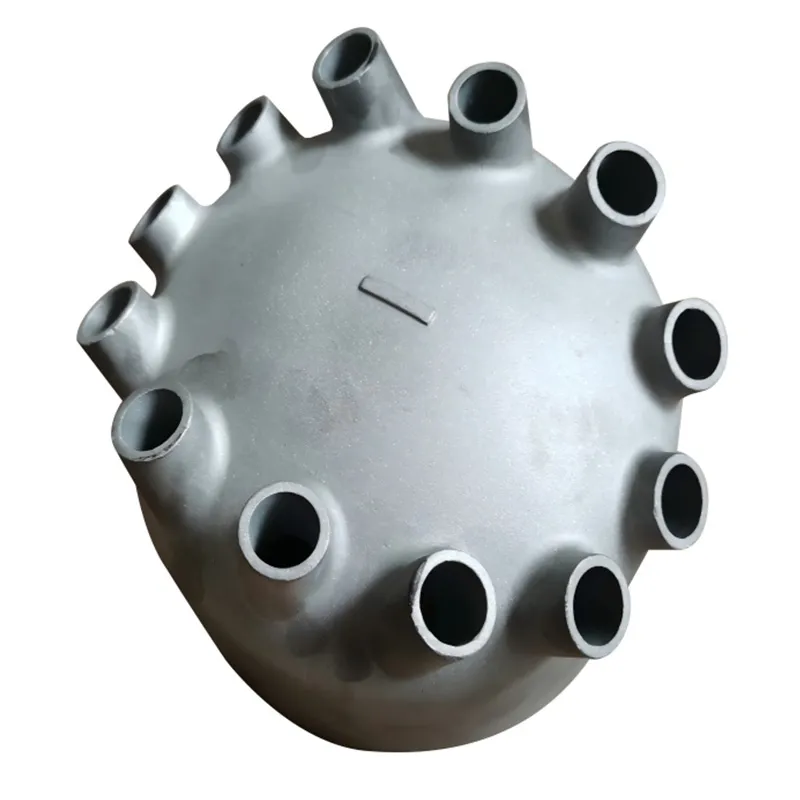
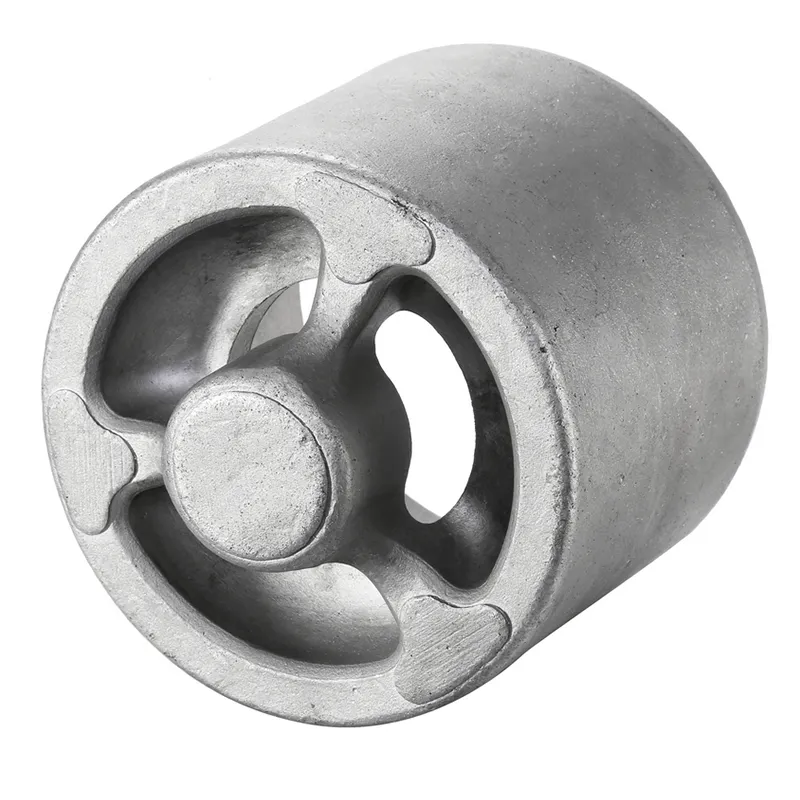
Casting Stellite 6 is where the first layer of nuance appears. Its reputation for good castability is earned, mostly due to that decent fluidity when molten. We've run plenty of shell mold and investment casting jobs with it at our facility. But good doesn't mean forgiving. The thermal expansion characteristics are... particular. If you're not meticulous with your gating system design and cooling control, you're inviting hot tears, especially in more complex, thin-sectioned geometries. It's not the alloy's fault; it's just physics demanding respect.
I recall a batch of pump impellers we did years back. The print called for Stellite 6 cast blades on a stainless steel hub. The initial runs had a rejection rate near 30% due to micro-cracking at the junction. The issue wasn't the alloy chemistry but the differential shrinkage during solidification. The fix was a redesign of the mold's feeding system and a tweak to the pre-heat temperature of the ceramic shell. It added cost and time, but it was the only way to get structural integrity. That's the hidden labor with these special alloys.
This is where a foundry's experience really tells. A shop that's only ever poured gray iron or carbon steel might get the shape right, but the internal soundness could be compromised. At QSY, with three decades in shell and investment casting, you develop a feel for these things—a mix of data from past runs and almost instinctual adjustments to the process parameters for each new pattern. It's never just pour metal A into mold B.
Machining: The Abrasive Truth
If casting it requires finesse, machining it demands patience and the right tools. Calling Stellite 6 difficult to machine is an understatement. It's not hard in the same way as a hardened tool steel; it's tough and work-hardens like crazy. Take a light cut with a slightly dull insert, and you've just created a surface harder than your cutter, guaranteeing rapid tool failure on the next pass.
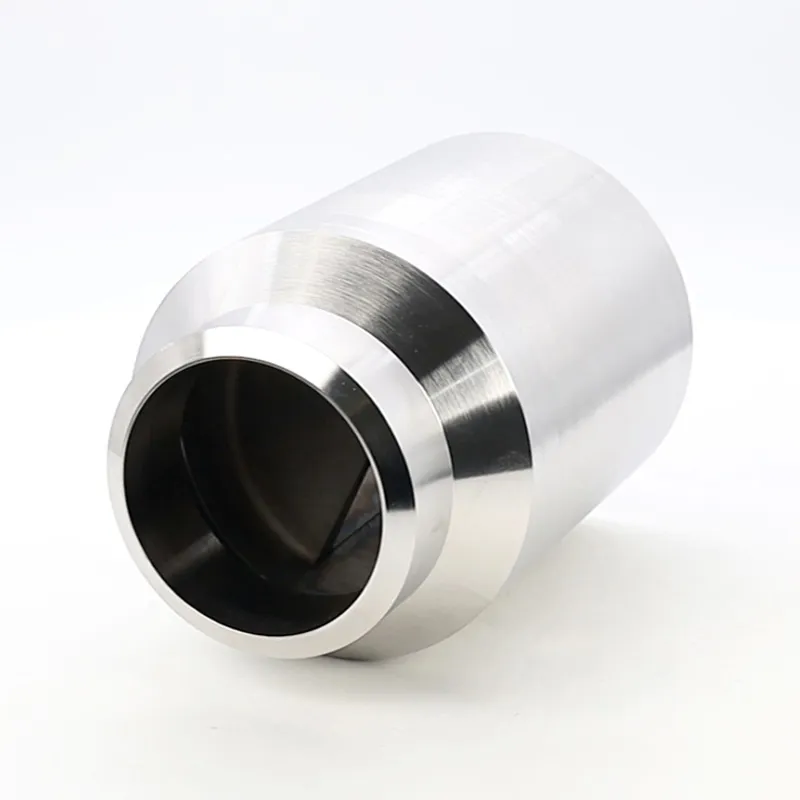
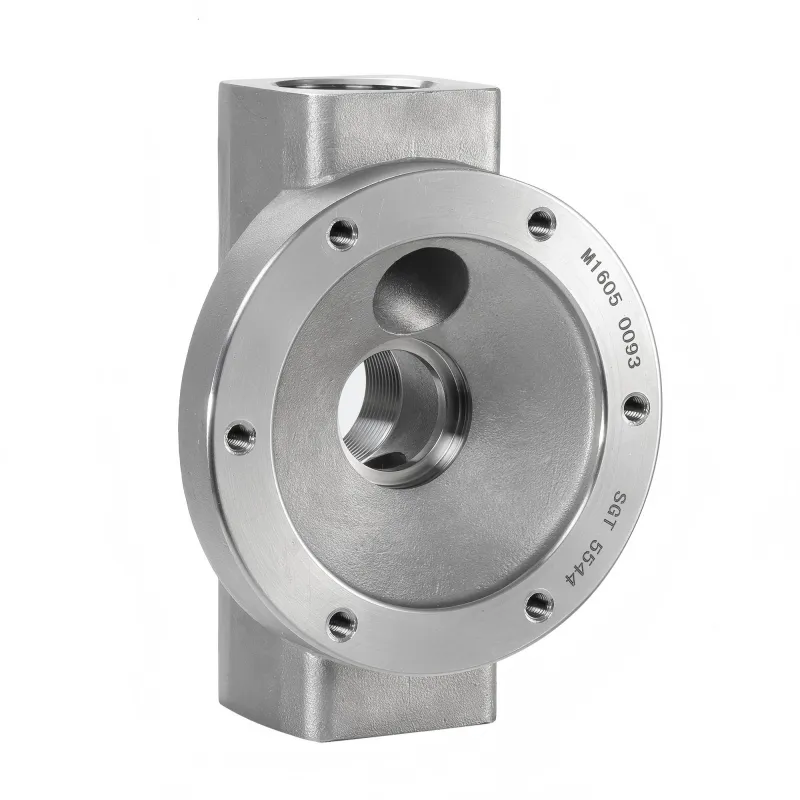
We learned this the hard way on a CNC machining job for some valve trim components. The specs called for tight tolerances on the seating faces. Our first approach used standard carbide grades. It was a disaster—excessive tool wear, poor surface finish, and dimensional drift. The solution wasn't brute force. We switched to a dedicated grade of carbide with a sharper edge preparation and a much more rigid toolholding setup. Even then, speeds and feeds were conservative, and we accepted that tool life would be short. The key is controlling heat and maintaining a consistent, aggressive enough cut to get under the work-hardened layer.
This is the practical reality that doesn't make it onto the data sheet. The impressive room-temperature hardness and wear resistance of Stellite 6 directly translate to high machining costs. Any shop quoting a job needs to factor in tooling consumption and slower cycle times. It's a trade-off: phenomenal in-service performance against more expensive fabrication.
The Welding Dance: Heat Input is Everything
Probably the most common application is as a weld overlay. And here lies the biggest pitfall: treating it like just another filler metal. Stellite 6's susceptibility to cracking if welded incorrectly is legendary. The carbide network that gives it its wear properties can become a liability if you dump too much heat into the base metal.
We've seen it on repair jobs for extruder screws. A shop will try to build up a worn flight with Stellite 6 using a high-amp, single-pass technique. The result is often cracks propagating from the heat-affected zone into the overlay itself within weeks of service. The correct method is painstaking: low heat input, often using processes like Plasma Transferred Arc (PTA) for better control, multiple thin layers, and strict interpass temperature management. Sometimes, you even need a buttering layer of a more ductile nickel alloy before applying the Stellite.
It's a dance between dilution and diffusion. You want enough fusion for bonding, but not so much that the base metal's elements dilute the overlay and degrade its properties. Getting this right consistently is what separates a proper job from a ticking time bomb. It's not a skill you pick up overnight.
Material Pairing and Real-World Context
Stellite 6 rarely works alone. Its performance is contextual, defined by what it's against. Its excellent galling and adhesive wear resistance make it a classic choice for sealing faces in valves—think a Stellite 6 seat against a Stellite 6 plug. But in abrasive slurry environments, like in coal wash or mining pumps, its performance can be surprisingly nuanced.
I remember a case involving slurry pump wear plates. The customer initially specified a full Stellite 6 overlay based on its general wear rating. In service, it performed okay, but not spectacularly, and the cost was high. The failure mode was primarily low-stress abrasion from fine, hard particles. We later proposed and tested a composite approach: a harder, more abrasion-resistant ceramic matrix composite for the direct impingement zones, with Stellite 6 used strategically in areas more prone to cavitation erosion and corrosion. The service life improved significantly. The lesson was that wear is a family of failure mechanisms, and no single material, not even Stellite, is king of all.
This gets to the heart of practical engineering. You don't just select a material from a table. You look at the specific wear mechanism, the operating temperature, the presence of corrosion, the system stresses, and the cost of downtime. Sometimes, Stellite 6 is the unequivocal best choice. Other times, it's overkill, or its weaknesses (like impact resistance) make it unsuitable. A supplier who understands this, like QSY, which works across cast iron, steels, and these special alloys, can be invaluable in navigating these choices, not just executing a print.
Beyond the Hype: A Tool in the Box
So, what's the takeaway after seeing this material in various forms—as-cast components from our investment line, machined trim, welded overlays on giant shafts? Stellite 6 is an exceptionally valuable engineering material, but it's not a universal solution. Its value is unlocked only with precise process control and a deep understanding of its idiosyncrasies.
The industry sometimes falls into the trap of specifying it by name alone, as a sort of talisman for durability. That's a risky shortcut. The real specification should encompass the required performance environment and the fabrication methodology. A perfectly formulated Stellite 6 alloy can be rendered mediocre by poor casting practice, aggressive machining that induces subsurface stress, or sloppy welding that creates crack initiation sites.
In the end, materials like Stellite 6 remind you that manufacturing is applied science, not a cookbook. The data sheets from the alloy producers give you the potential. It's the accumulated, sometimes hard-won experience of the foundry and machine shop—the kind built over 30 years at a place like Qingdao Qiangsenyuan Technology—that translates that potential into a reliable, high-performance component sitting in a pump or valve somewhere, doing its job quietly for years. That translation is the real craft.