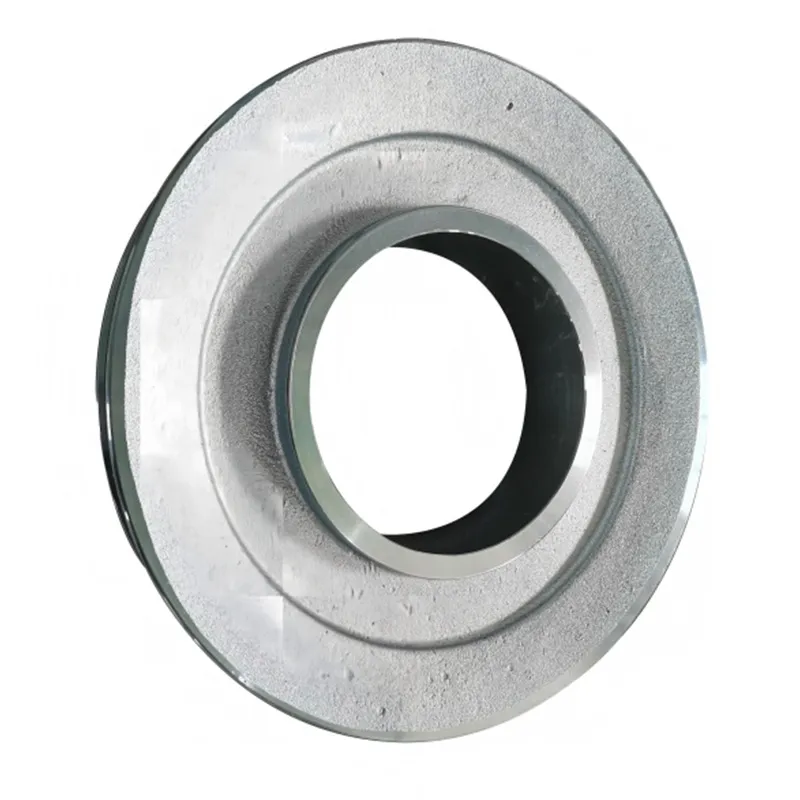
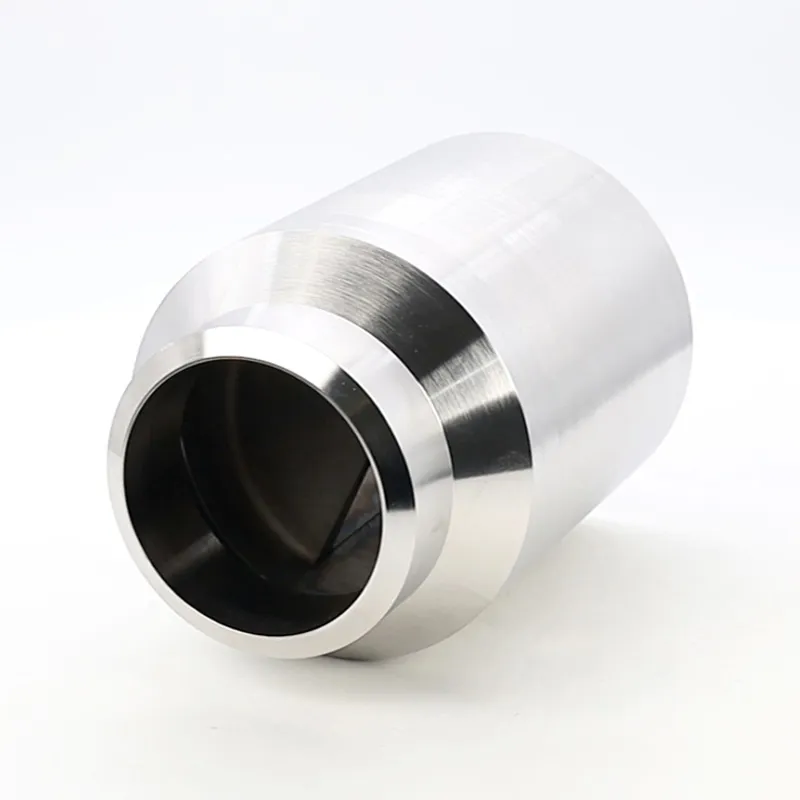
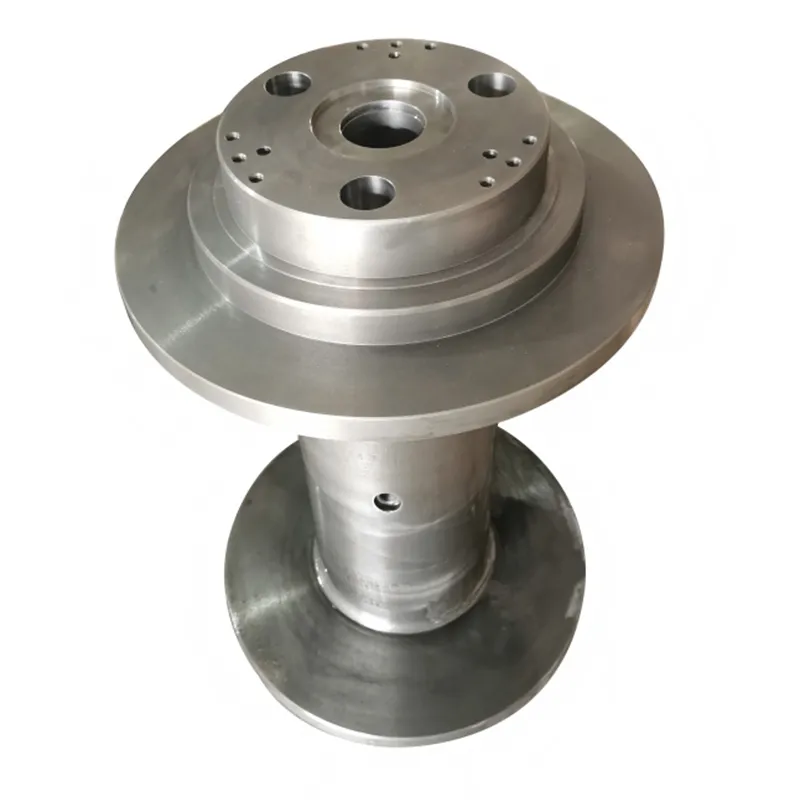
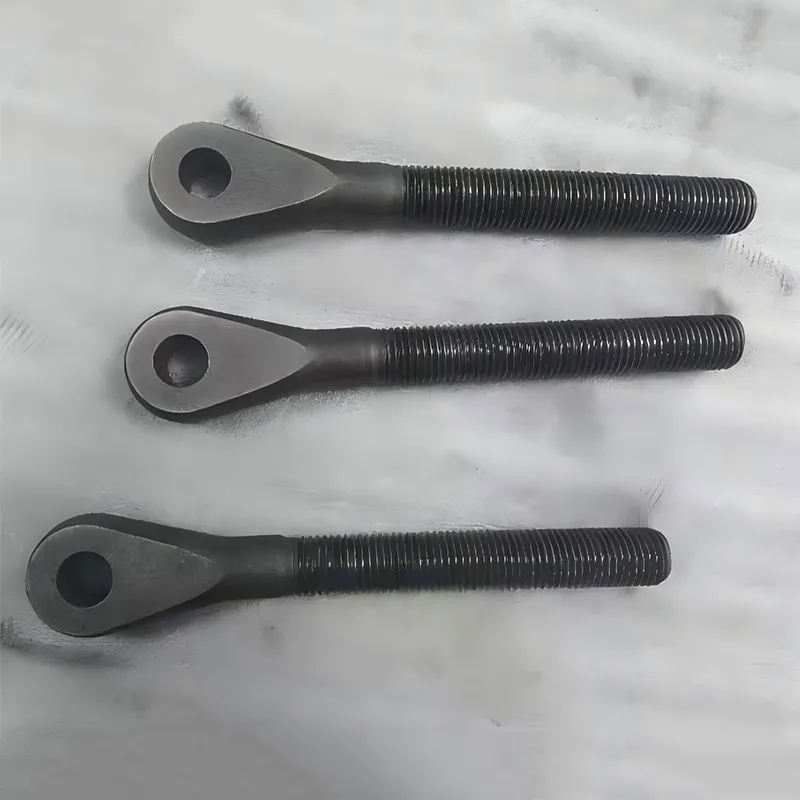
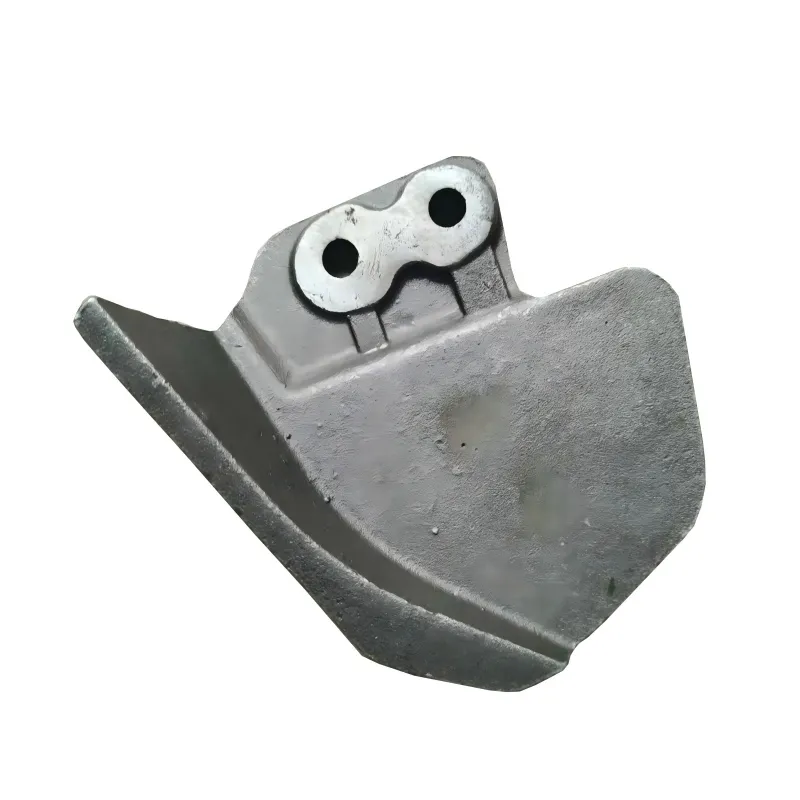
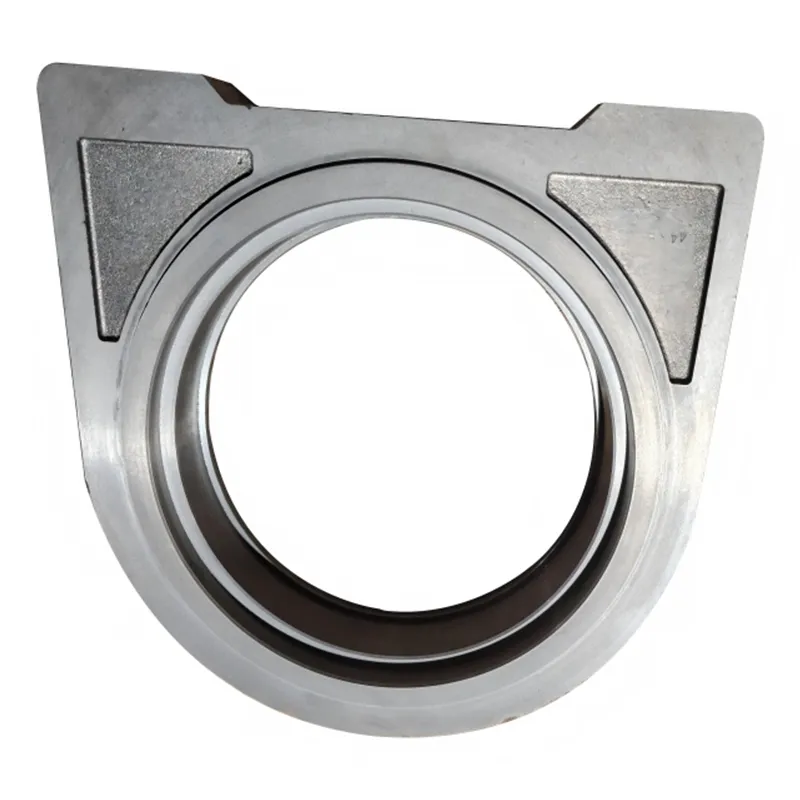
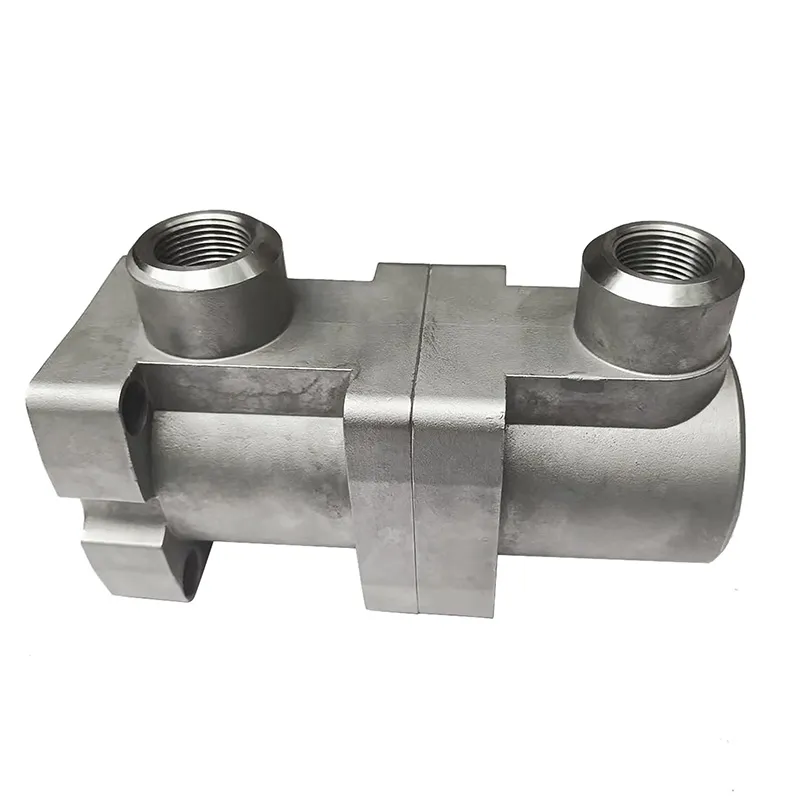
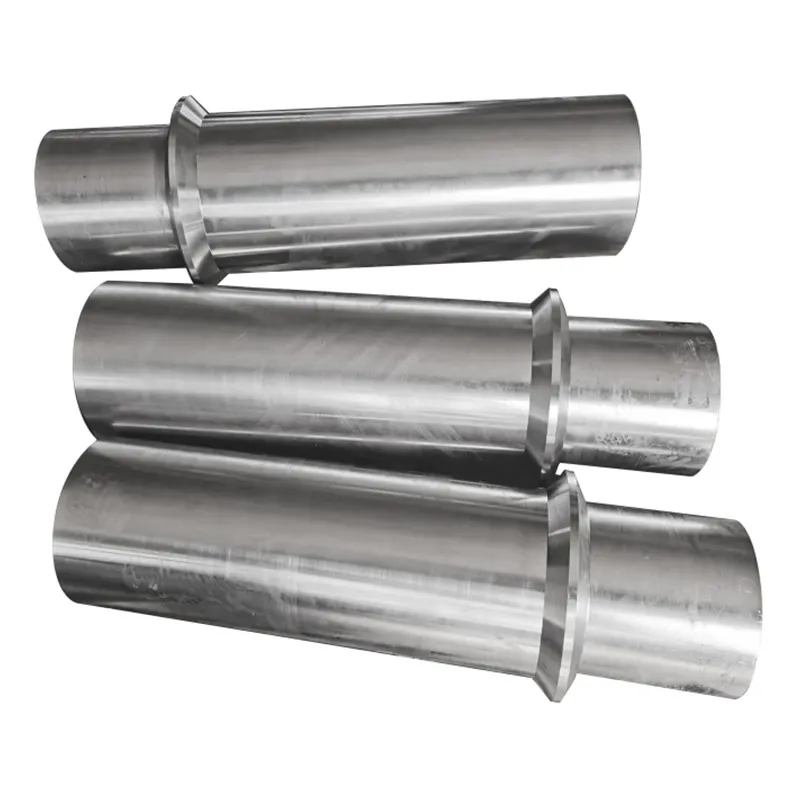
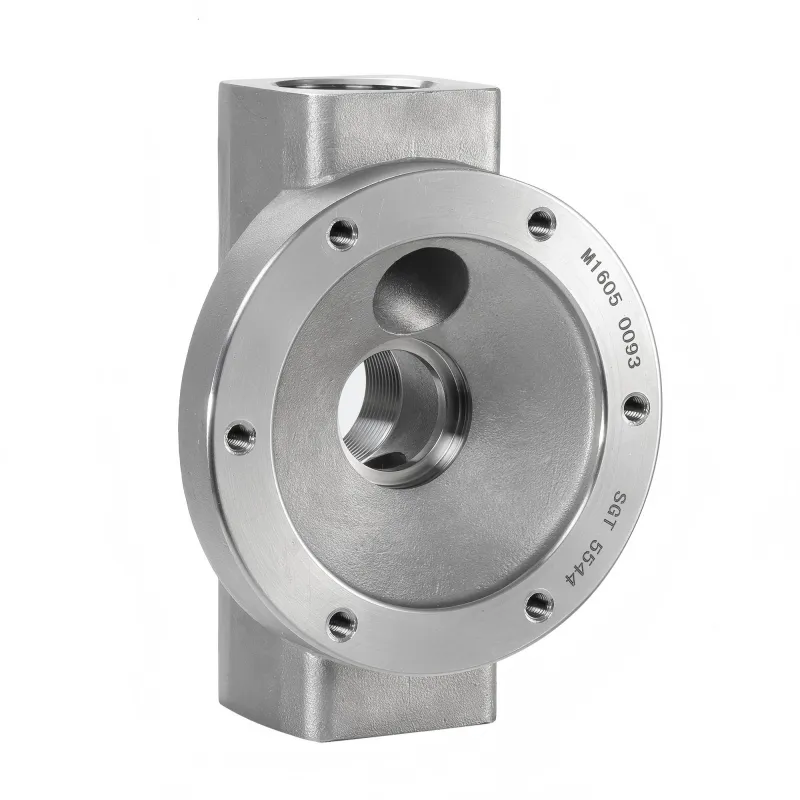
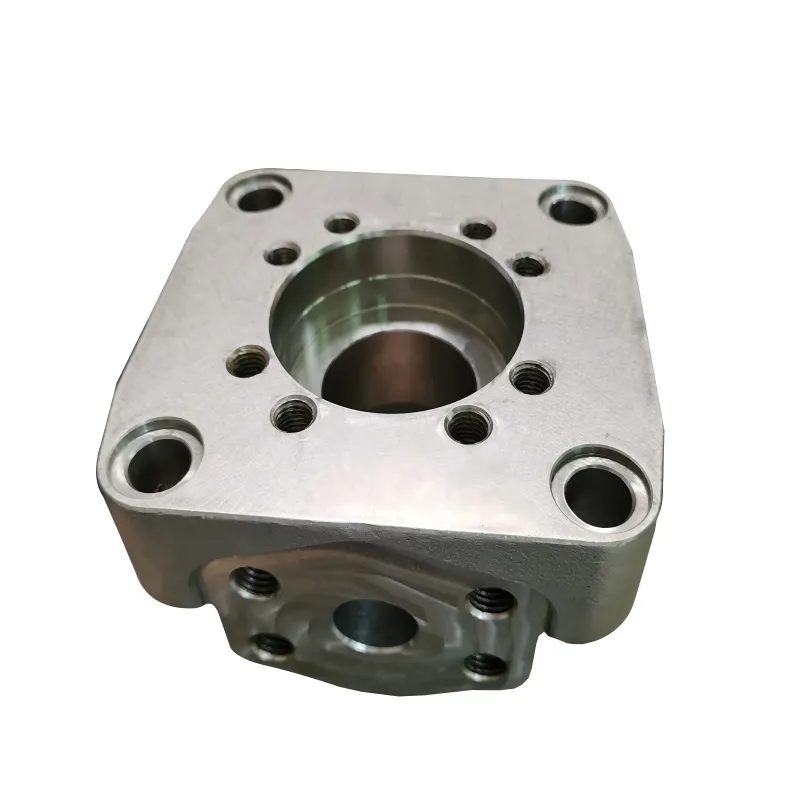
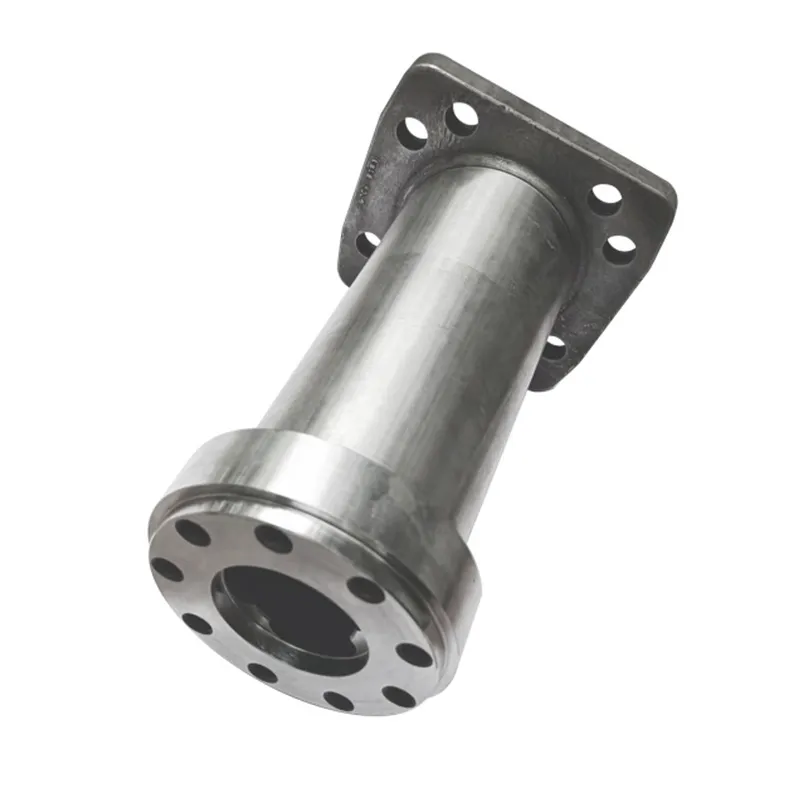
Let's cut through the noise. When people hear Stellite 6, they often think it's a magic bullet—just slap it on any part and call it a day. That's a costly mistake. It's a fantastic cobalt-chromium alloy, yes, renowned for galling resistance, metal-to-metal wear, and holding an edge at high temps. But specifying and machining Stellite 6 parts isn't a checkbox exercise; it's a series of deliberate, sometimes frustrating, choices. I've seen too many projects where the material was chosen because it was the hardest or most wear-resistant on the chart, without considering the manufacturing reality or the actual failure mode. It's not just a material; it's a commitment to a specific process chain.
The Reality of Getting It Made
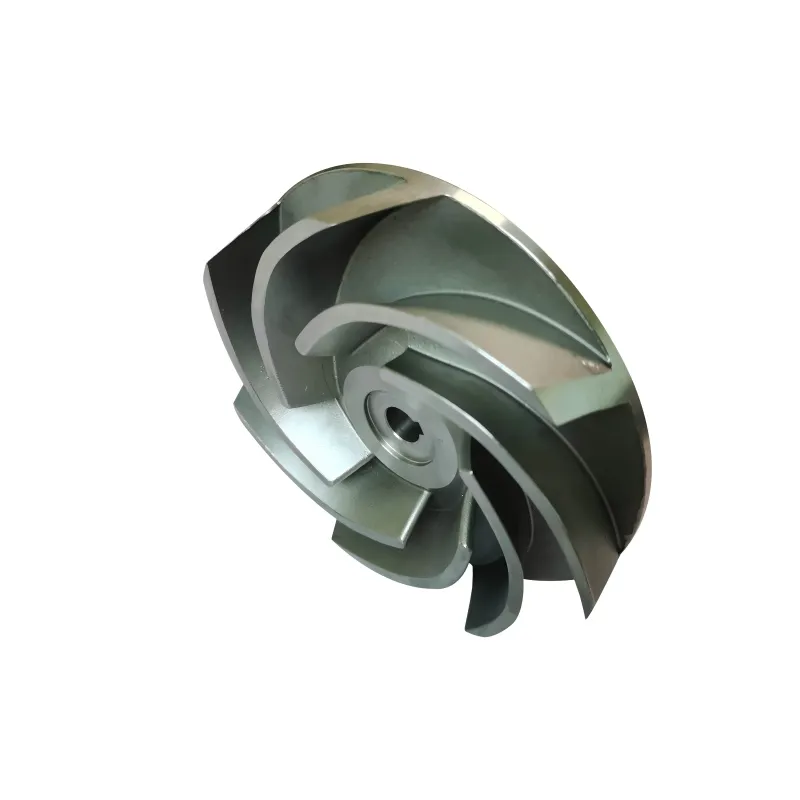
You don't just order Stellite 6 like 304 stainless. The supply chain is different. We're talking about specialized foundries and machinists who understand exothermic reactions and the material's behavior. Early on, we tried to treat it like a tough steel. Big error. For a valve seat prototype, we went with a standard investment casting house. The result? Micro-cracking and inconsistent hardness. The lesson was brutal: the casting process for cobalt-based alloys is its own beast. It's not just about melting and pouring; it's about precise temperature control and understanding how the alloy solidifies. This is where a partner with deep material-specific experience becomes non-negotiable.
I've had better luck with shops that explicitly list special alloys as a core competency. For instance, a supplier like Qingdao Qiangsenyuan Technology Co., Ltd. (QSY) mentions working with cobalt-based alloys right in their intro. That's a signal. A company that's been in casting and machining for over 30 years has likely seen the pitfalls. They don't just offer Stellite 6 parts; they (should) offer the process knowledge to make them viable. Shell mold and investment casting they list are relevant, but the devil is in the parameters for this specific alloy.
The machining side is another world. You think you've machined hard materials until you try to turn or mill Stellite 6 in its hardened, as-cast state. It laughs at standard carbide. We burned through tools on a lathe job before switching to rigid setups, slow speeds, and dedicated grades of carbide. Even then, it's a grinding process more than a cutting one. The goal is to remove material without inducing thermal stress that could lead to cracks. It's slow, expensive, and requires a machinist who's paying attention, not just running a program.
Where It Actually Shines (And Where It Doesn't)
Forget the brochure. The real value of Stellite 6 is in specific, punishing scenarios. Take severe gate valve trim in oil & gas—where you have high-pressure closure, particulate erosion, and constant cycling. Here, its combination of corrosion resistance (not as good as some nickel alloys, but decent) and exceptional resistance to adhesive wear and galling is unmatched. We used it for a critical choke valve component subject to sand erosion; it outlasted hardened 17-4PH by a factor of five. That's the win.
But it's a poor choice for impact. I recall a project for a rock crusher wear plate. Someone specified Stellite 6 overlay. It failed catastrophically—chipping and spalling under repeated high-energy impact. That's a brittle failure mode. We switched to a more impact-resistant material, and the problem vanished. The key is diagnosing the wear mechanism. Is it abrasive sliding? High-temperature metal-to-metal friction? Corrosion plus light abrasion? Stellite 6 is brilliant for the first two, mediocre for pure corrosion, and bad for heavy impact.
The Nitty-Gritty of Specifications and Tolerances
You can't just send a drawing with Material: Stellite 6. That's asking for trouble. The specification needs to be tighter. Are you referring to ASTM F75 (the common cast version)? What's the required hardness range? As-cast? Or solution annealed and aged? The mechanical properties and even the wear resistance shift with heat treatment. For a seal ring application, we learned the hard way that specifying HRC 40-45 wasn't enough. We got parts at HRC 42, but the microstructure was wrong, leading to premature micro-pitting. Now, we specify the ASTM standard and a micrographic requirement for carbide distribution.
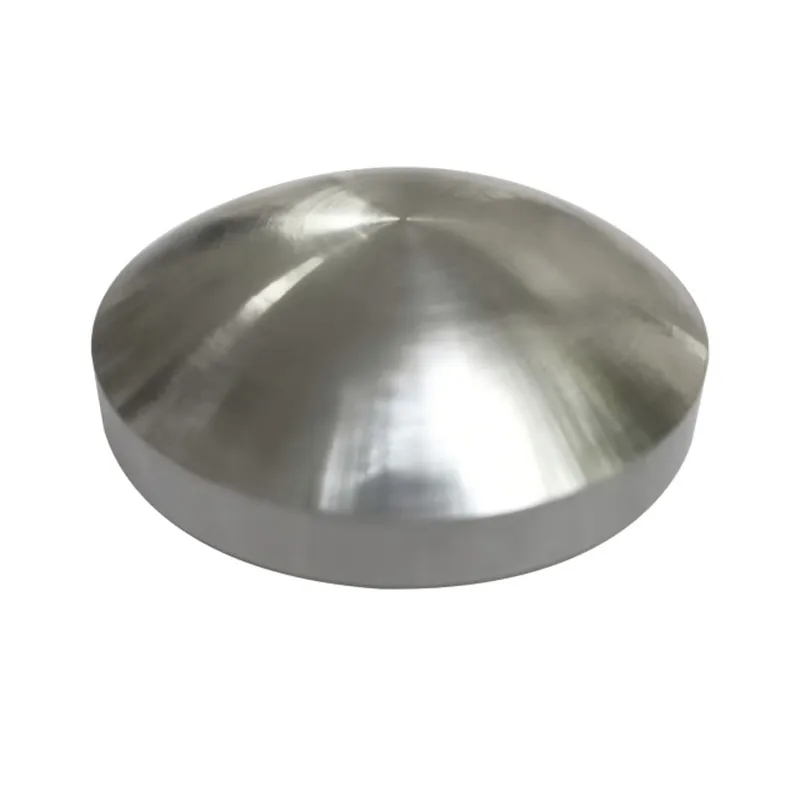
Dimensional tolerances on Stellite 6 parts need a reality check. Because of its machining difficulty, holding a ±0.0005 tolerance on a large diameter is not just expensive; it's often impractical due to stress relief and the grinding process. We design for function, allowing wider tolerances where possible and specifying critical sealing or mating surfaces clearly. Sometimes, it's smarter to design a stainless steel substrate with a Stellite 6 weld overlay or insert precisely where the wear happens. This hybrid approach was a game-changer for a large pump sleeve we worked on, cutting cost and lead time dramatically.
Surface finish is another subtle point. A mirror finish isn't always best. For some sliding wear applications, a controlled, slightly textured finish from grinding can help retain lubrication. We specify Ra, but also sometimes include a note on the lay direction relative to the motion. It's these tiny, experience-driven details that separate a part that works from one that lasts.
Failures and Lessons Learned
My most memorable failure was a set of hot shearing blades. We specified solid Stellite 6, investment cast, then precision ground. They performed beautifully... for about 20 cycles. Then, a catastrophic crack propagated from a mounting hole. Post-mortem analysis showed the issue wasn't the material; it was the design. We had a sharp internal corner (a stress concentrator) next to a clamping point. In a tough, relatively brittle material, that's a fracture waiting to happen. The fix was simple: a generous radius in the redesign. The lesson was profound: design for manufacturability is critical, but with exotic alloys, you must design for material behavior. You can't just port a steel design over.
Another lesson involved supply chain transparency. We once received parts that met all dimensional specs but failed prematurely. It turned out the supplier had substituted a similar cobalt alloy to save cost. Without material certification and a reliable traceable source, you're flying blind. Now, we insist on mill certs for the raw alloy and often do spot-check spectroscopy. Trust, but verify. This is why established operations with a long track record, like the mentioned QSY with its three decades, can provide more confidence—they have a reputation to uphold across their shell mold casting, investment casting, and CNC machining services, and material substitution is a quick way to ruin that.
The biggest ongoing challenge is cost justification. Stellite 6 is expensive—the raw material, the specialized casting, the arduous machining. You need to prove its value through total lifecycle cost: reduced downtime, fewer change-outs, increased safety. For a standard industrial valve, it's overkill. For the one that's inaccessible at the bottom of a deep-sea wellhead, it's the only choice. Making that business case, with real data from field trials, is part of the job.
Wrapping It Up: A Pragmatic View
So, what's the takeaway? Stellite 6 parts are a powerful tool, but they're not a universal solution. They demand respect for the entire process: from accurate wear mechanism diagnosis, to design tailored for the alloy's characteristics, to partnering with a fabricator who truly understands the intricacies of cobalt-based alloys through casting and post-processing. It's a collaboration between engineering and manufacturing.
Don't be seduced by the data sheet properties alone. Think about the grind, the heat treat, the cost of a scrapped part because of a design detail you overlooked. Start with a clear problem statement: We need a component that survives X environment, with Y type of wear, for Z cycles. If the answer points to Stellite 6, then proceed with eyes wide open to the manufacturing realities. It's a material that rewards careful, informed application and punishes assumptions. In the right place, on the right part, it's worth every penny and every bit of the headache.