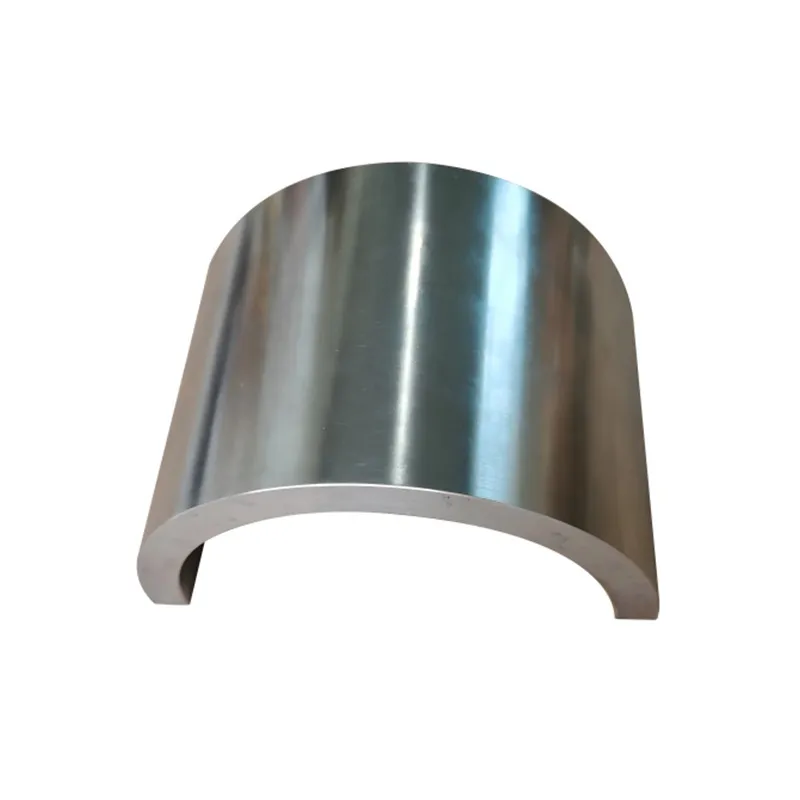
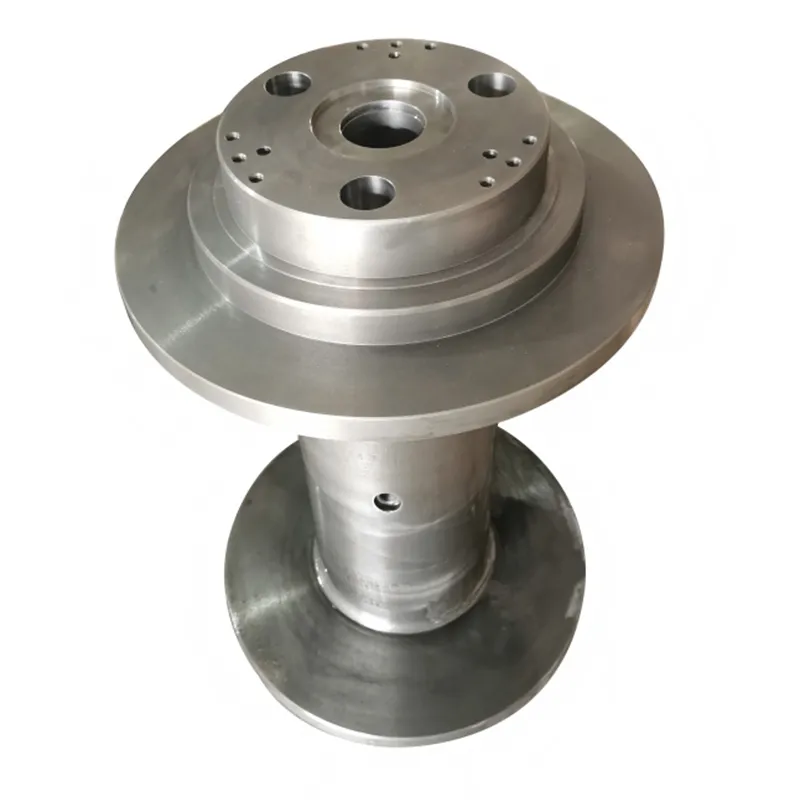
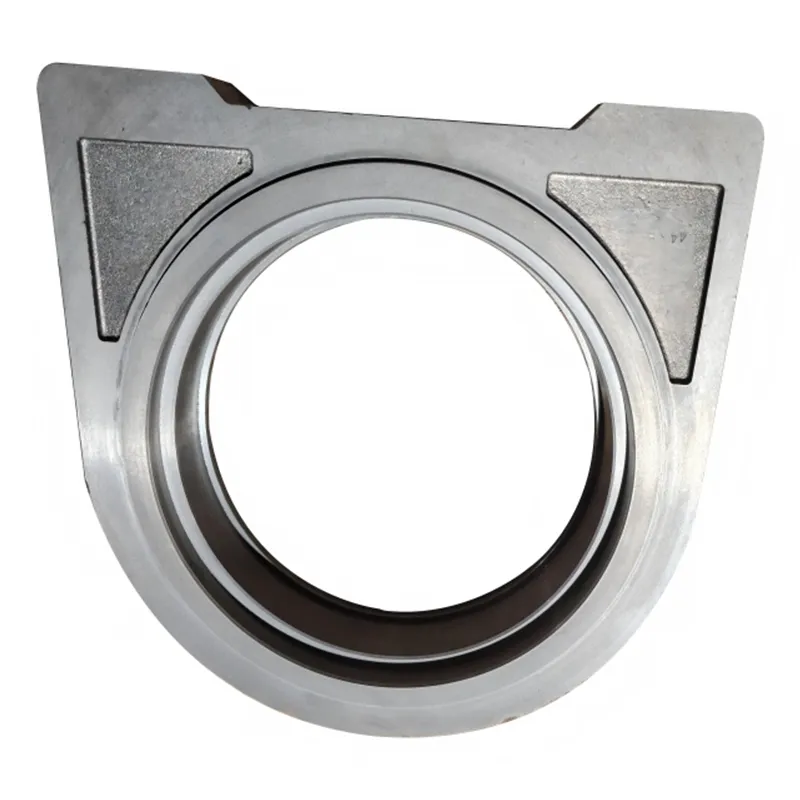
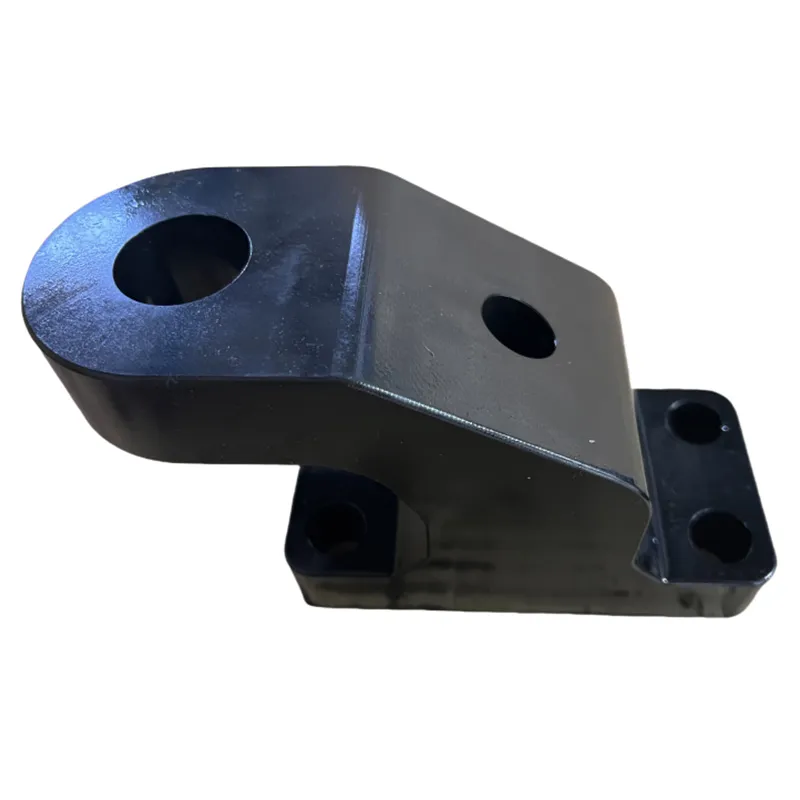
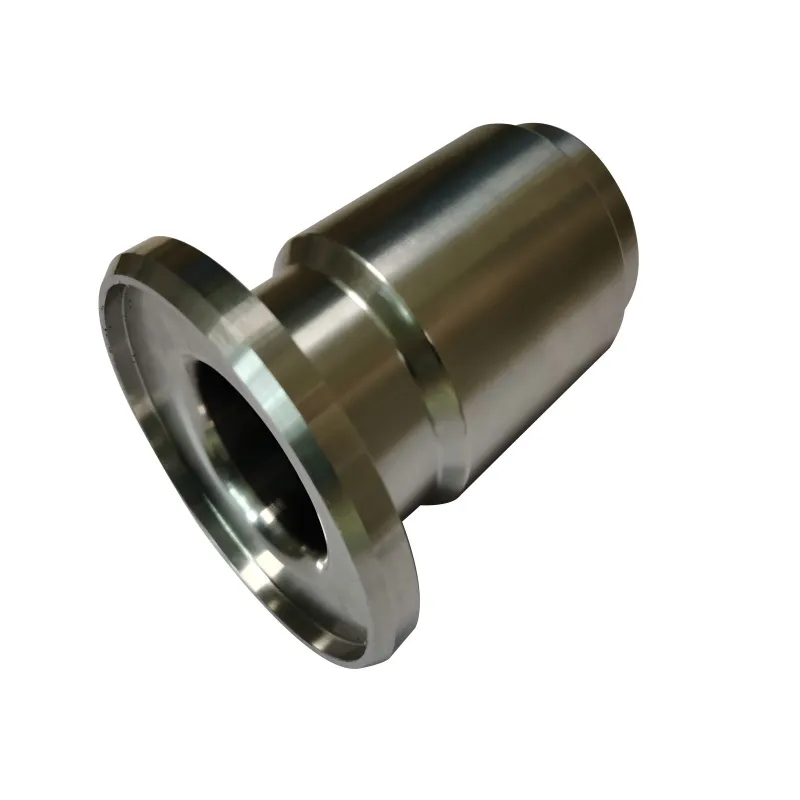
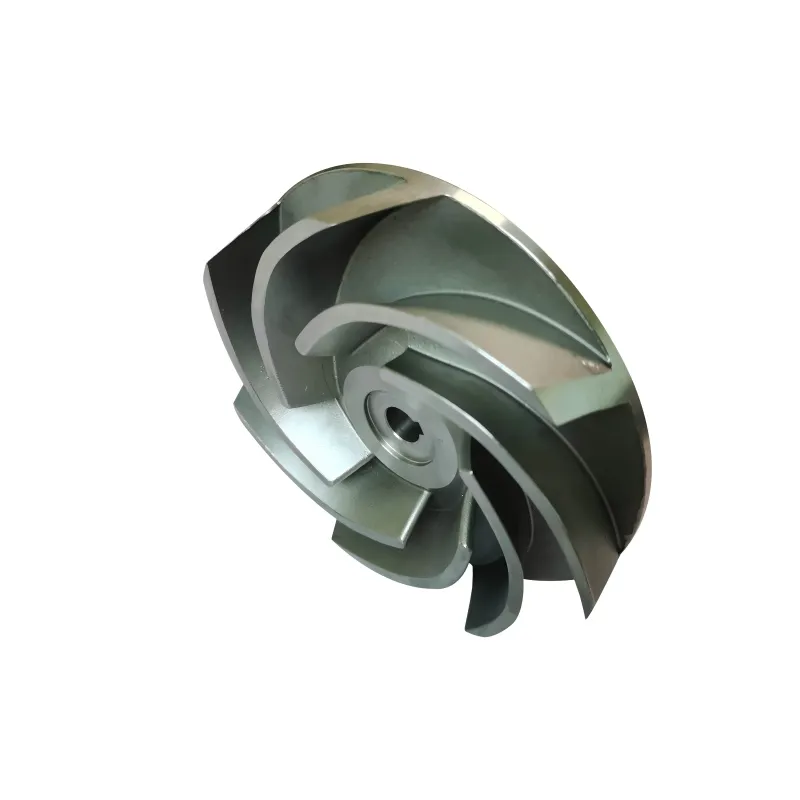
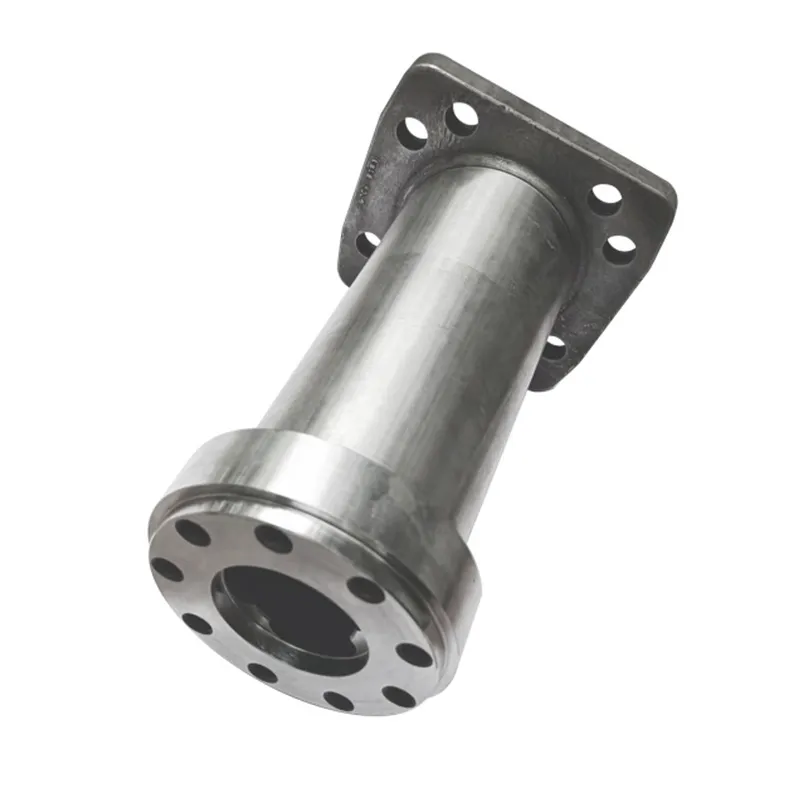
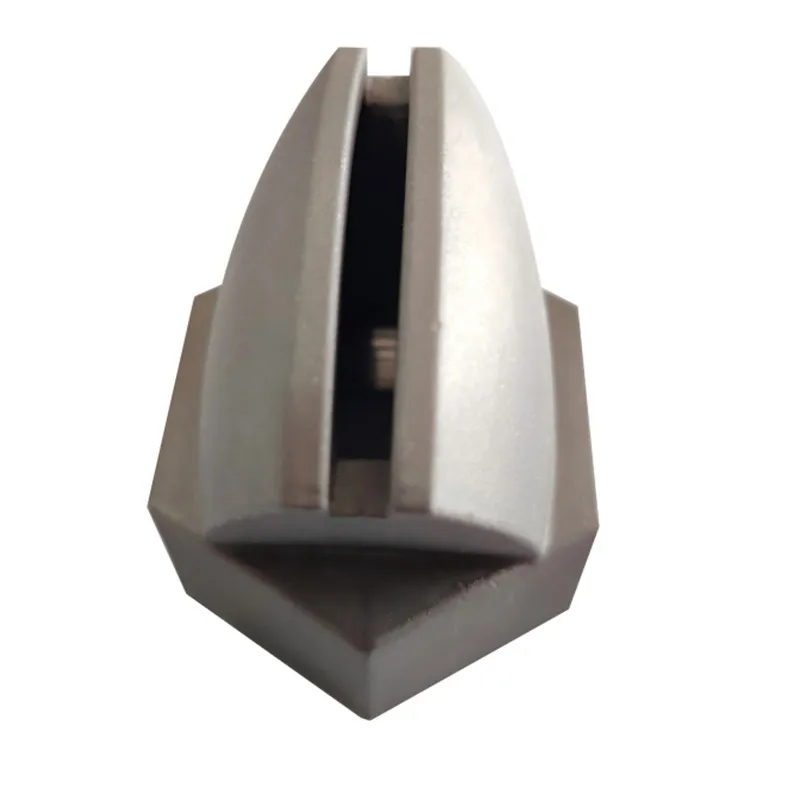
You see 'stellite' on a drawing and the first thing that comes to mind is 'hard, wear-resistant, expensive'. That's the surface. The real story starts when you try to machine it, weld it, or source a casting that doesn't crack under its own internal stress. There's a common misconception that because it's a cobalt-based superalloy, it's somehow magically uniform. In practice, the difference between a Stellite 6 valve seat that lasts a decade and one that spalls in a year often comes down to the foundry's skill with the pour and the post-casting heat treatment—details most procurement specs gloss over entirely.
The Casting Conundrum: It's All in the Feed
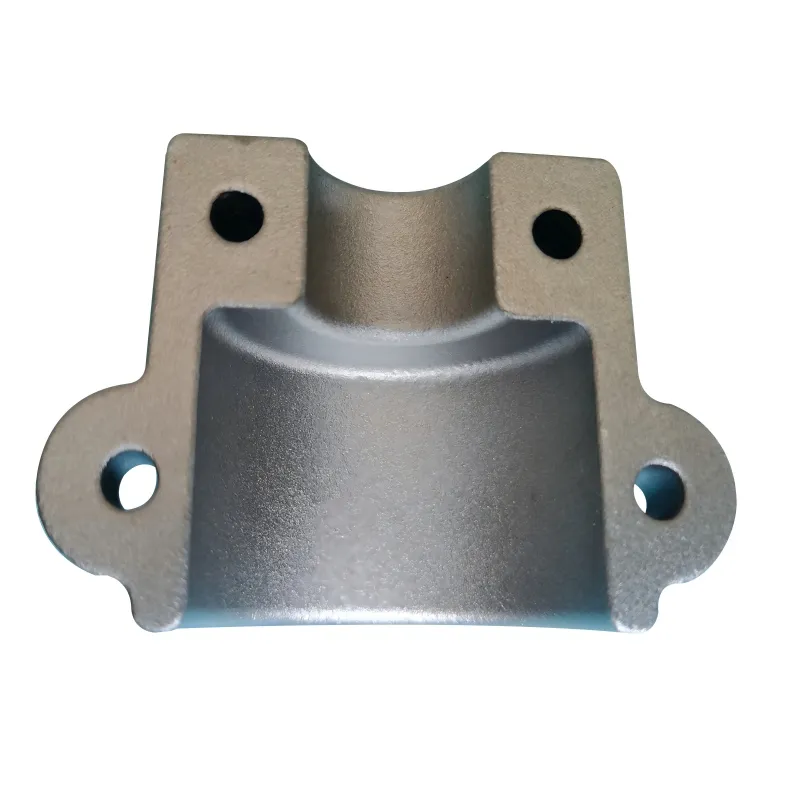
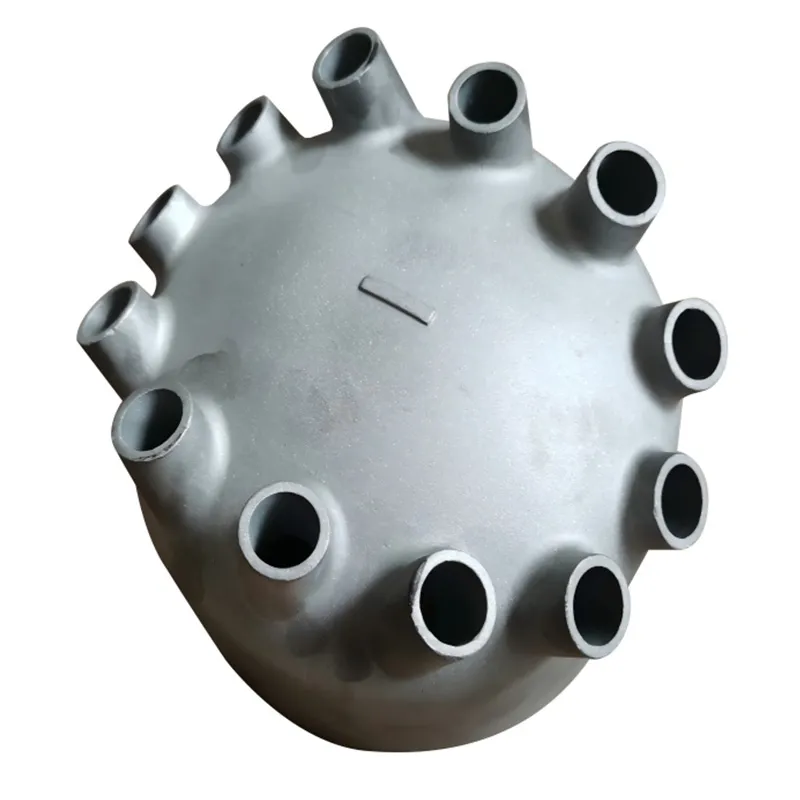
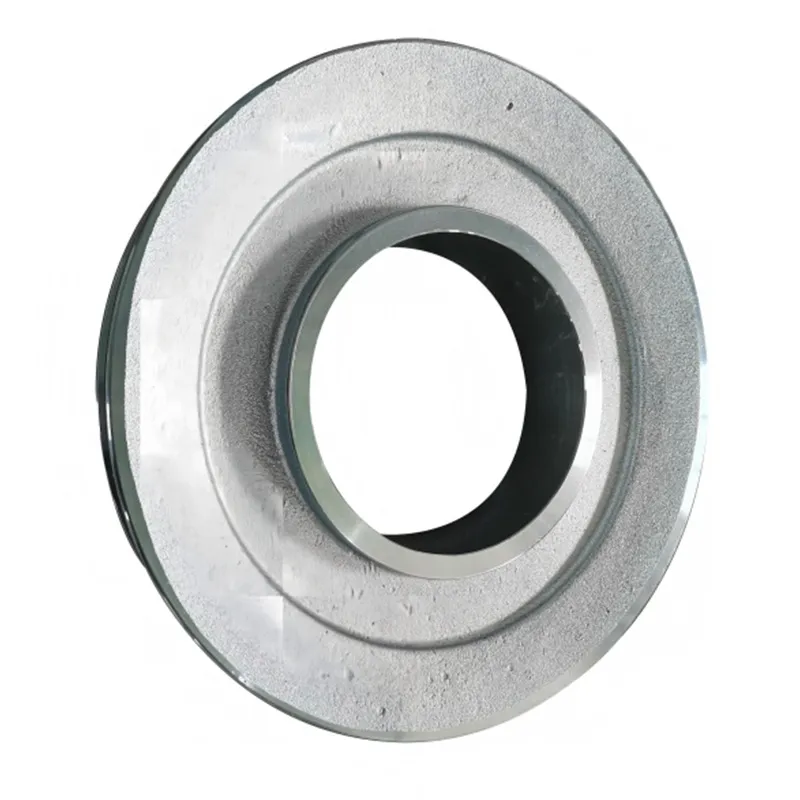
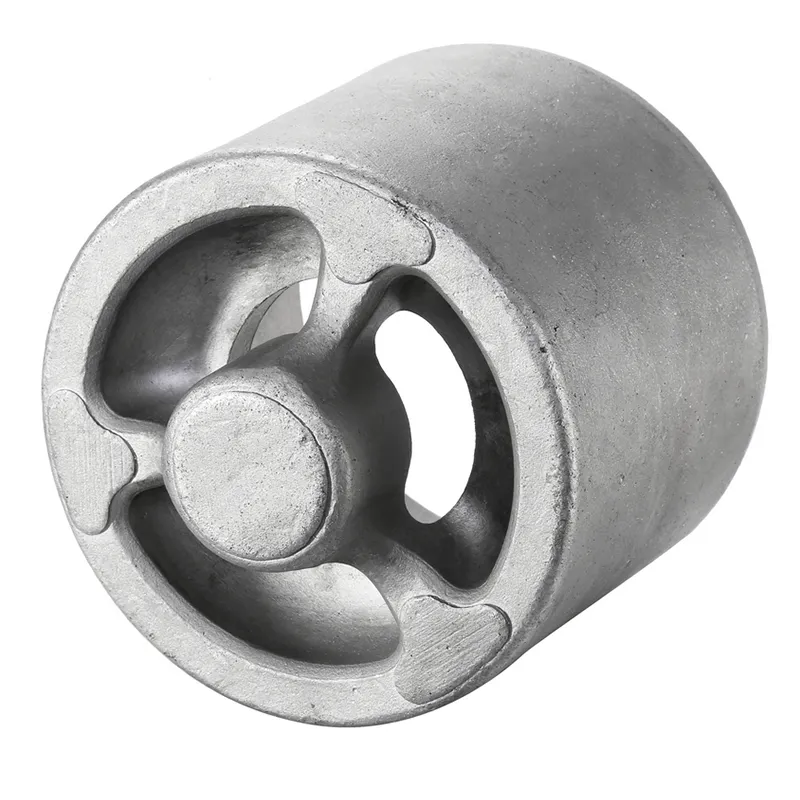
Investment casting is the go-to for complex Stellite alloy parts, like turbine blade seals or intricate pump components. But with Stellite, the high melting point and fluidity characteristics are a double-edged sword. I remember a project for a directional solidification casting—meant to create a columnar grain structure for better thermal fatigue resistance. The theory was sound, but the practice was a nightmare of hot tearing. The issue wasn't the alloy composition; it was the gating and riser system. We had to move from textbook designs to much larger, hotter feeds to compensate for the alloy's rapid solidification shrinkage. A shop that's only used to steel or even nickel alloys will often undersize these, leading to shrinkage porosity that's impossible to detect without destructive testing. That's where a foundry's decades of tacit knowledge, like what you'd find at a specialist like Qingdao Qiangsenyuan Technology (QSY), becomes non-negotiable. They've been running shell molds for 30 years; they've likely seen every kind of shrinkage defect and have the pattern modifications to prevent it.
Heat treatment is another black art. Solution treating and aging cycles for precipitation-hardening grades like Stellite 21 are critical. But the time-temperature curves you get from the material datasheet? They're a starting point. The actual cycle needs to account for the section thickness of your specific part. A thick-section valve body and a thin-wall sleeve will behave completely differently in the same furnace. I've seen parts come out with the correct hardness but compromised toughness because the shop followed the generic recipe. The result? A part that passes QC but fails prematurely in service under impact. You need a supplier that understands metallurgy, not just following a heat chart.
Then there's the raw material input. Not all 'stellite' is created equal. Recycled content, trace element control (like carbon and silicon), and even the form of the master alloy ingot can affect castability and final properties. A reliable partner will trace their melt stock and be able to discuss the implications of, say, a 0.5% vs. 0.4% carbon content on your specific application's need for abrasion resistance versus machinability.
Machining: Where Tooling Goes to Die (If You're Not Careful)
If you think machining stainless is tough, Stellite alloys are a different league. The work-hardening rate is phenomenal. A light, conservative cut can often do more harm than good, work-hardening the surface and making the next pass even harder. The trick is to get under that work-hardened layer immediately. This means rigid setups, absolutely no vibration, and using positive-rake, sharp carbide grades designed for high-temperature alloys. Ceramic or CBN inserts can work for finishing, but the initial cost is high and they're brittle.
Coolant is critical, but not for the reason most think. It's less about cooling and more about lubrication and chip evacuation. A high-pressure, through-tool coolant system is almost mandatory for deep-hole drilling or milling. The goal is to prevent the chip from welding to the cutting edge, which is a quick path to catastrophic tool failure. Dry machining? Forget it. You'll just generate excessive heat that anneals the substrate below your cut.
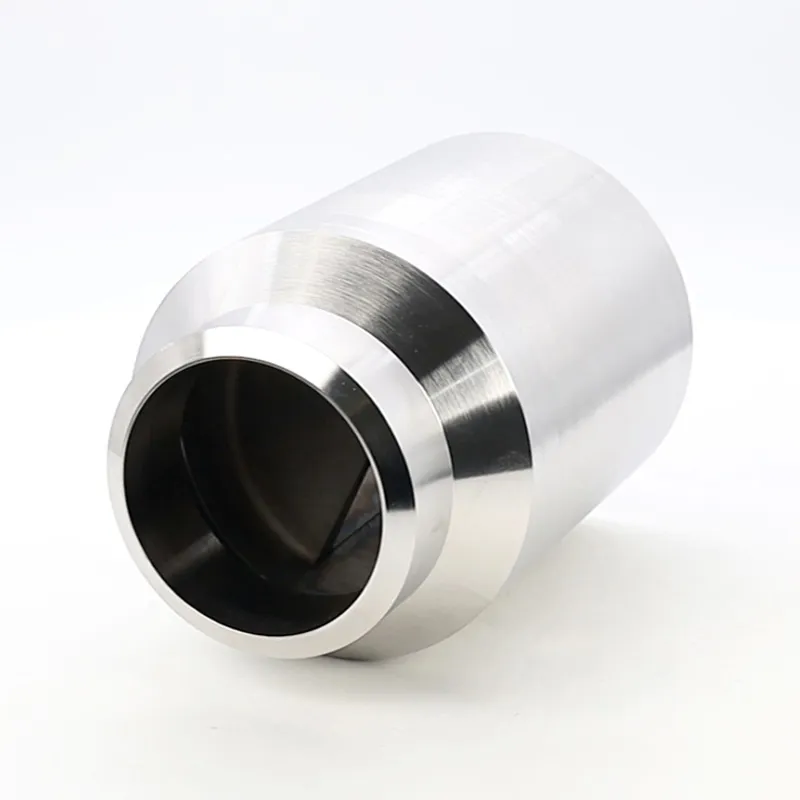
We learned this the hard way on a batch of Stellite 12 overlays on gate valve stems. The print called for a fine surface finish on the sealing diameter. Our first attempts with a standard CNC lathe and flood coolant resulted in chatter and a torn surface. The solution wasn't faster RPM or a different insert geometry alone. We had to change the entire process sequence: rough turn, then a stress-relief anneal (yes, even after machining), then finish grind to spec. The extra step added cost and time, but it was the only way to achieve stability and finish. This is where a supplier with integrated CNC machining and metallurgical knowledge saves headaches. They know the sequence matters as much as the toolpath.
The Welding and Overlay Minefield
Hardfacing with Stellite rod or wire is common, but dilution is the silent killer. If the base metal (usually carbon steel or stainless) melts too much and mixes with the Stellite weld metal, you dilute the cobalt matrix with iron. This drastically reduces hot hardness and corrosion resistance. The ideal is a minimal-dilution process like PTA (Plasma Transferred Arc) or laser cladding. Even with these, parameter control is everything. Too much heat input, and you're just making expensive, inferior iron-cobalt alloy.
I've inspected cross-sections where the spec called for a 3mm Stellite 6 overlay, and the effective, undiluted layer was less than 1mm after machining. The part would wear through in a fraction of the expected life. The fix involved tighter control on arc voltage, travel speed, and powder feed rate. It's a process that demands documentation and repeatability, not just a welder's feel.
Post-weld heat treatment (PWHT) is another tricky area. For parts that require it for base metal integrity (like pressure-containing components), the PWHT cycle can over-age the Stellite overlay, softening it. Sometimes you have to accept a compromise or design the component so the Stellite area is applied after the main PWHT, which adds logistical complexity. There's no perfect answer, only the least-bad trade-off for the service conditions.
Real-World Failure: A Case of Galvanic Corrosion
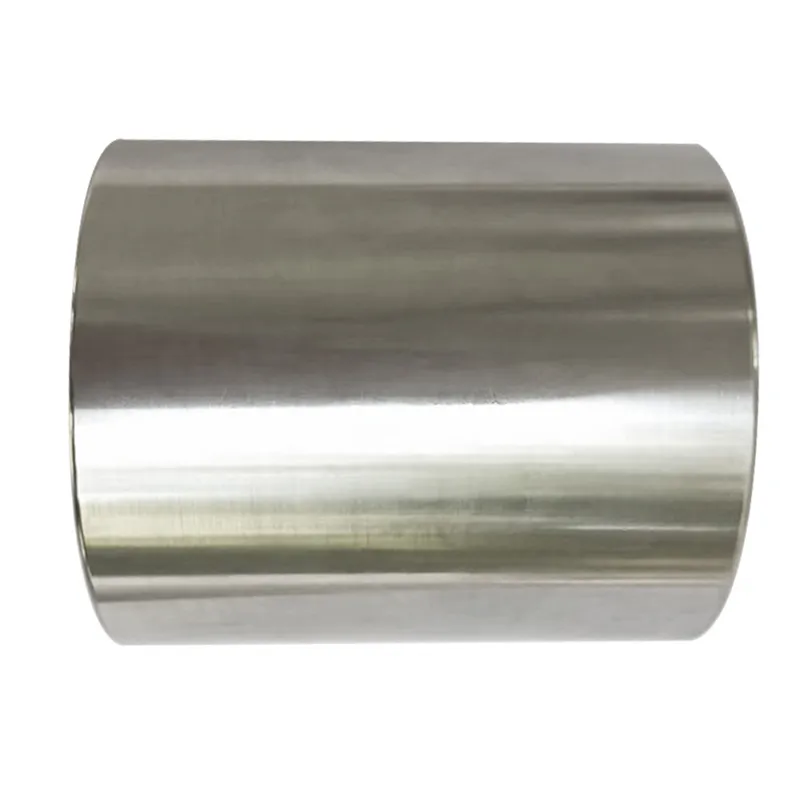
We once supplied a set of Stellite 21 sleeves for a seawater pump. The material was chosen for its excellent cavitation erosion resistance. They failed spectacularly in months, not from wear, but from severe pitting. The root cause? They were press-fitted into a stainless steel housing. In the seawater electrolyte, we had created a massive galvanic cell. The more noble Stellite (cobalt-based) acted as the cathode, and the less noble stainless steel housing became the sacrificial anode, accelerating its own corrosion. The lesson was brutal: material selection cannot happen in a vacuum. You must consider the entire assembly environment—fluid, temperatures, and, crucially, the other materials in contact. A good technical partner will ask these system-level questions, not just accept the print for a single part.
This is why working with a multi-material specialist makes sense. A company like QSY, which handles everything from cast iron to nickel alloys, is more likely to spot these interfacial issues early. Their experience across material families gives them a broader view of compatibility problems that a single-alloy shop might miss.
The fix involved redesigning the interface with an insulating coating and changing the fit tolerance. It was a costly redesign that could have been avoided with a front-end design-for-manufacture review. Now, we always ask: What's it touching, and what's the environment?
Sourcing and the China Factor
Let's be practical. A lot of stellite alloy parts sourcing leads to China, given the cost of raw cobalt and labor-intensive processes. The fear is always quality consistency. The key differentiator isn't the country, it's the operational maturity of the specific foundry. You need evidence of process control: certified melt practices, documented heat treatment charts for each batch, and robust NDT (like FPIs for surface cracks on critical parts).
A website like tsingtaocnc.com shows a long operational history (30+ years) and a focus on shell and investment casting. That longevity in this niche is a signal. It suggests they've navigated the learning curve on tricky alloys and have retained the skilled pattern makers and metallurgists needed. The real test is in their technical dialogue. Can they discuss pre-heat temperatures for welding Stellite 1 to 410 stainless? Can they recommend a machining sequence for a thin-walled Stellite 3 ring? Their response to these questions tells you more than any certificate.
Ultimately, successful Stellite parts come from treating the alloy with respect for its quirks. It's not a commodity steel. It requires a symbiotic relationship between the designer, the metallurgist, and the machinist. The goal is to leverage its incredible properties without being defeated by its manufacturing challenges. The suppliers that get this are the ones who've been through the fires—literally and figuratively—of the casting furnace and the machining center, and have the practical, sometimes hard-won, solutions to show for it.