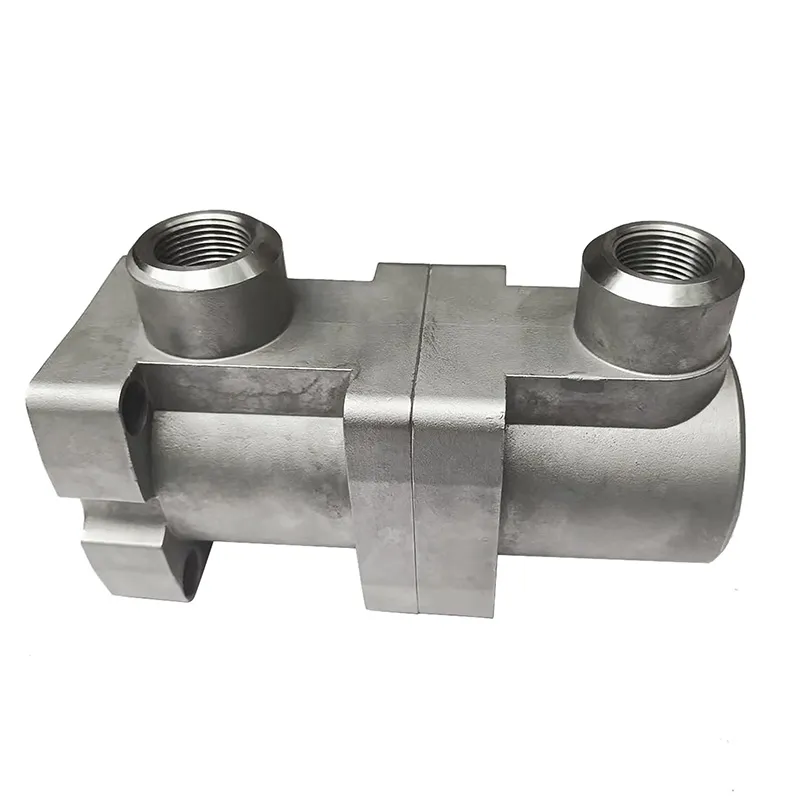
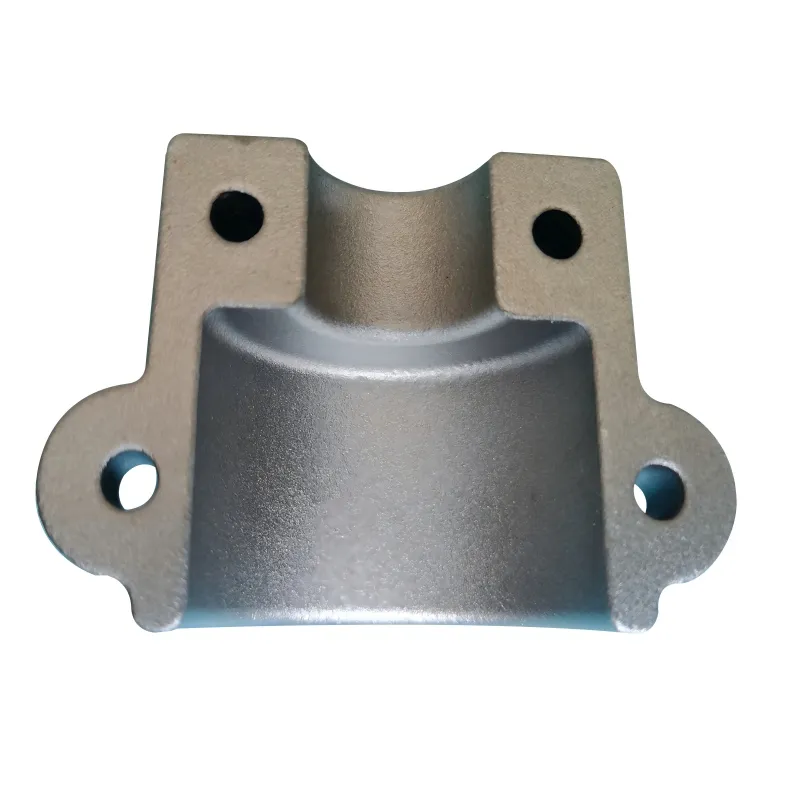
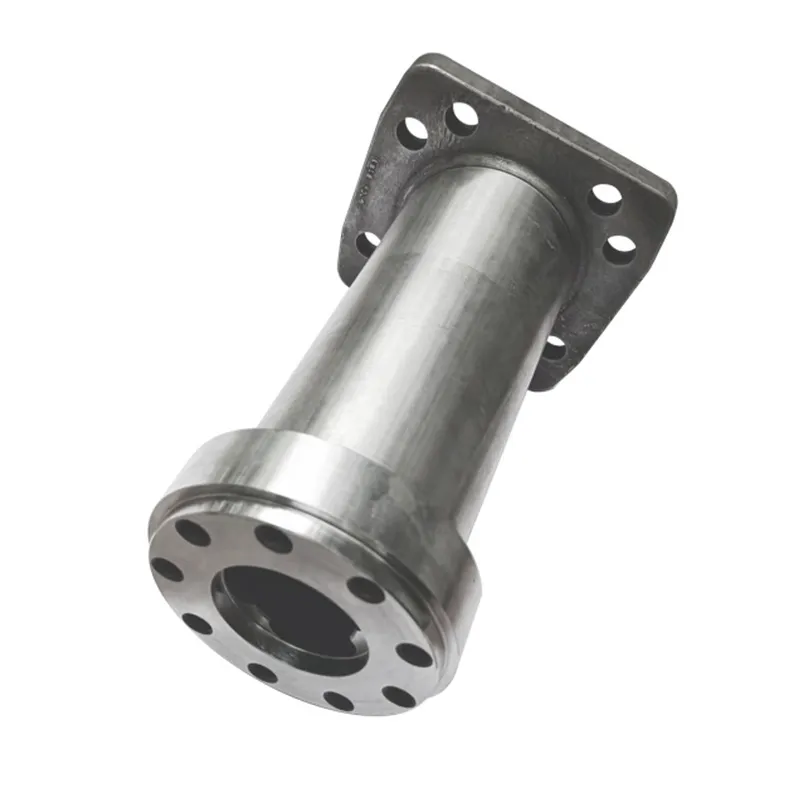
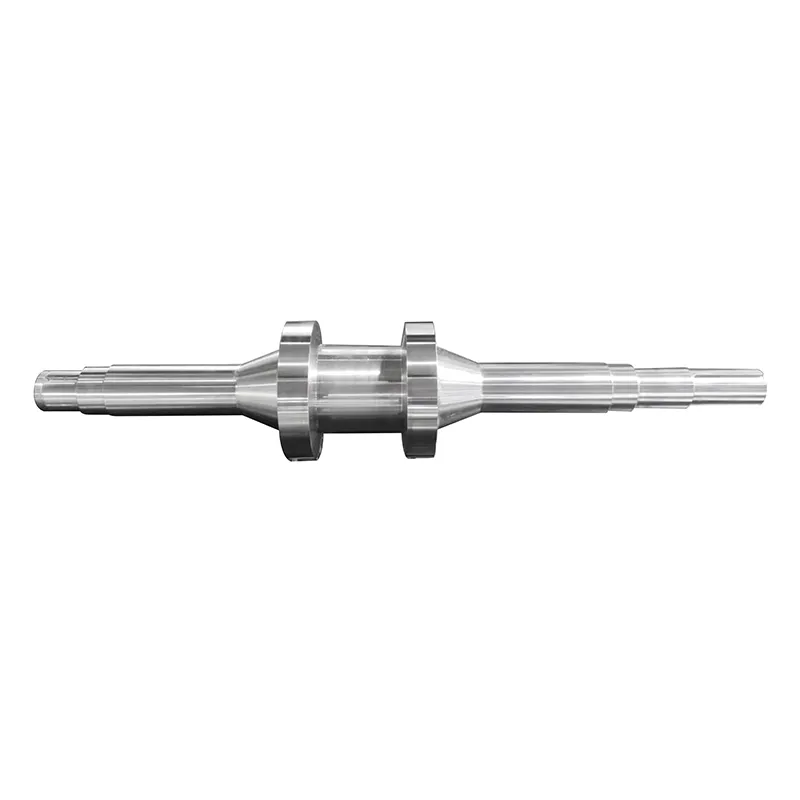
Look, when most folks hear Stellite bearing, they immediately think indestructible. That's the first mistake. It's a cobalt-chromium alloy, yes, exceptionally hard and resistant to wear, galling, and corrosion. But slapping Stellite onto a bearing surface isn't a magic fix. I've seen designs fail because someone specified it for the wrong application, thinking hardness alone solves everything. The reality is more nuanced—it's about understanding where that hardness works, where it might be overkill, and crucially, how you get it onto the part reliably.
The Alloy Itself and Where It Actually Shines
Stellite isn't one single formula. You've got grades like 6, 12, 21... each with tweaks in tungsten, carbon, molybdenum content. For bearings, you're typically in the realm of Stellite 6 or its cousins. Its prime virtue isn't just hardness (which is up there, around 40-50 HRC as-cast, higher if hardened), but its ability to retain that hardness at elevated temperatures and its near-complete resistance to seizing. This makes it a go-to for situations where lubrication is marginal, intermittent, or impossible—think pump sleeves in abrasive slurry, valve trunnions in high-temperature steam, or certain positions in extreme-duty mixers.
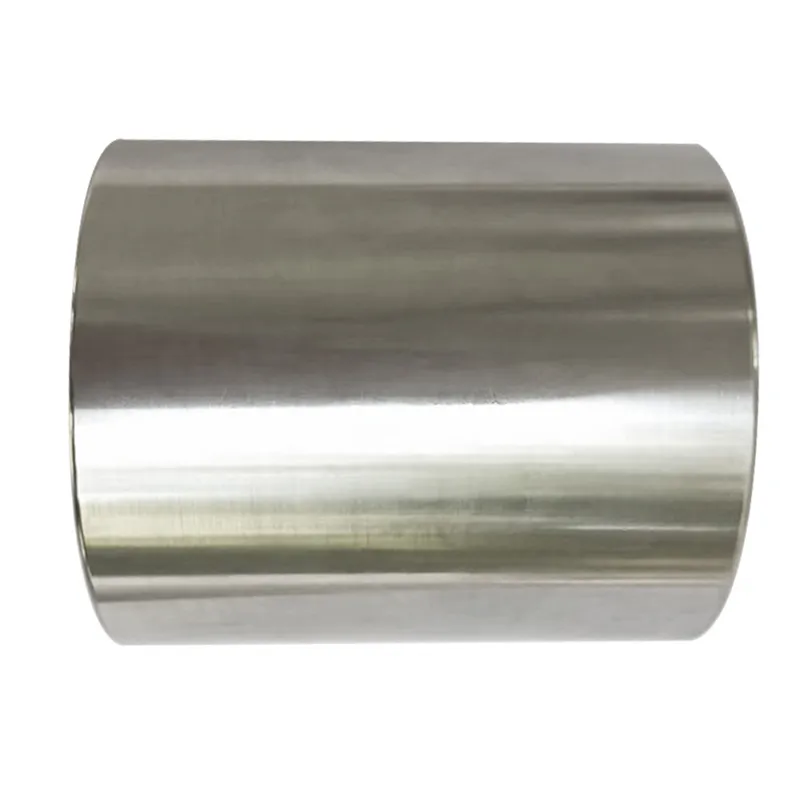
I recall a project for a chemical processing client. They had a stainless steel shaft journal wearing out in weeks due to a combination of mild acid exposure and particulate carryover. Lubrication was a no-go. We proposed a Stellite bearing sleeve overlay on the journal. The key wasn't just the material choice, but specifying Stellite 6B for a bit better corrosion resistance over the standard 6. That distinction matters on the ground.
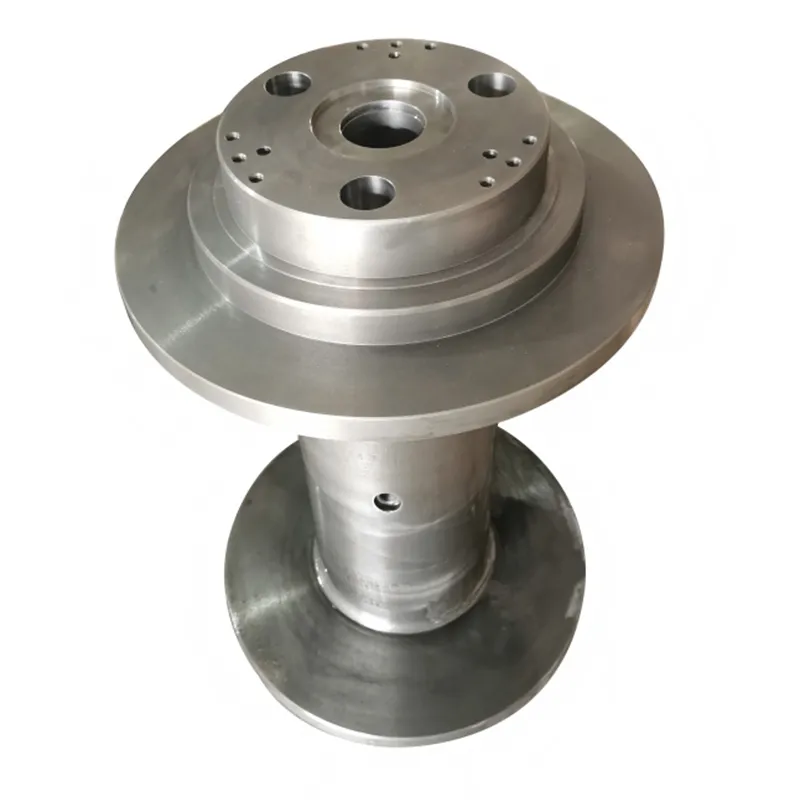
The flip side? It's brittle. You can't take a Stellite-coated component and expect it to withstand heavy shock or point impacts. It'll chip or crack. I learned that the hard way early on with a rock crusher application. The specification called for Stellite overlays on a bearing housing, but the design didn't account for the occasional tramp metal. Result: catastrophic spalling after a few months. We had to go back to a tougher, though less wear-resistant, base material with localized hard-facing.
The Manufacturing Crucible: Casting vs. Overlay
This is where the rubber meets the road. You don't usually cast an entire large bearing component from solid Stellite—it's prohibitively expensive and the casting complexities for large, sound masses are significant. The common, cost-effective method is applying a Stellite overlay onto a tougher, more ductile substrate like carbon steel or 316 stainless.
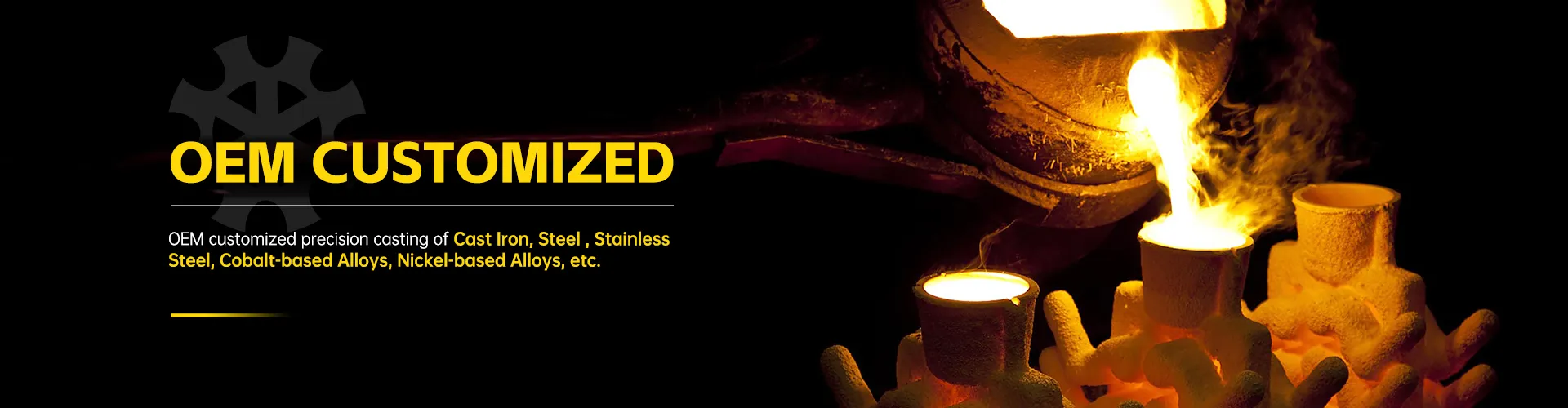
This is where a partner's process capability becomes critical. Companies that have been in precision casting and machining for decades, like Qingdao Qiangsenyuan Technology Co., Ltd. (QSY), have seen these cycles. With over 30 years in shell mold and investment casting, they understand metallurgical bonding. For a Stellite bearing surface, the overlay process—often powder welding or PTA (Plasma Transferred Arc)—needs to be controlled to prevent dilution of the Stellite into the base metal and to minimize heat-affected zone cracking. QSY's background in working with special alloys, including cobalt-based ones, gives them a leg up in pre-heat and post-heat treatment protocols, which are non-negotiable for success.
I've inspected failed overlays where the Stellite layer simply peeled off. The root cause? Almost always improper surface preparation or incorrect interlayer material. Sometimes you need a nickel-based buffer layer between a steel shaft and the Stellite to manage differential thermal expansion. It's these gritty details that separate a working component from a scrap bin candidate.
Machining and Finishing: The Final Hurdle
Okay, you've got your Stellite layer successfully bonded. Now you need to machine it to precise bearing tolerances. This is another beast. You can't use standard HSS or even some carbide tools; you need specialized grades of carbide, often with specific geometries, or you go to grinding. It's slow, it eats tools, and it's expensive.
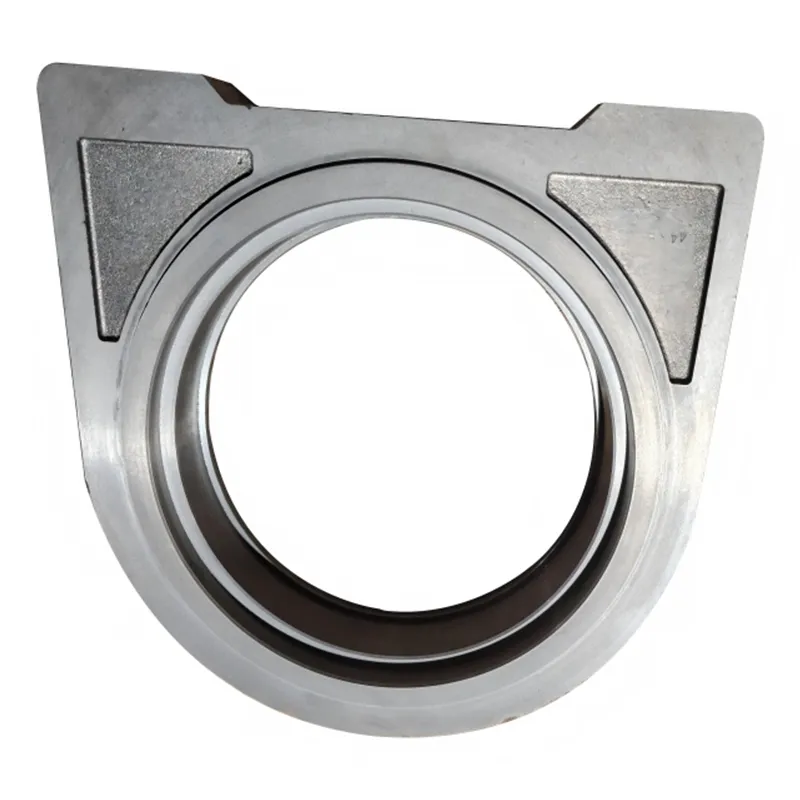
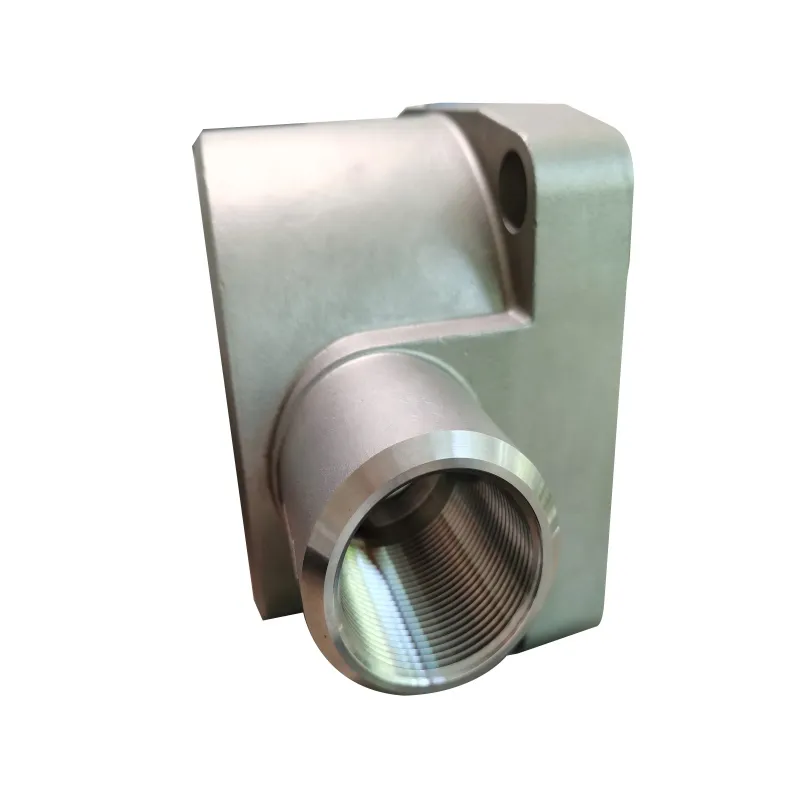
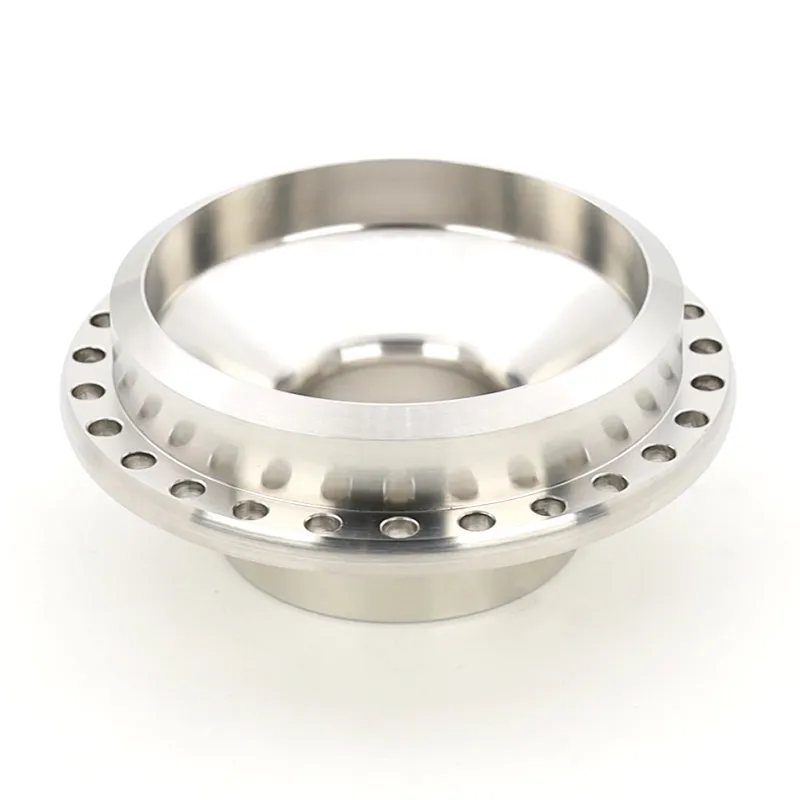
CNC machining expertise is paramount here. The feed rates, speeds, and depth of cut are completely different from machining mild steel. A shop that primarily does aluminum or plain steel will struggle and produce a poor surface finish that undermines the bearing performance. The finish on a Stellite bearing surface needs to be very fine to prevent initiating cracks and to ensure proper seal interaction if applicable. This is another area where integrated shops that handle both the alloy application and the precision machining, as indicated in QSY's service range, can maintain consistency and accountability through the whole process.
We had a case where the overlay was perfect, but the final grinding introduced micro-cracks due to overheating. The part passed initial inspection but failed in service prematurely. The fix was switching to a creep-feed grinding process with enhanced coolant delivery. Lesson: the process chain doesn't end at deposition.
Application Pitfalls and Real-World Compromises
Specifying Stellite isn't a checkbox exercise. You have to consider the mating surface. Running Stellite against itself is generally bad practice—it can still gall under extreme pressure. The classic pairing is Stellite against a softer, compatible material like 316 stainless or a specially treated bronze. This allows the softer material to wear slightly, embedding any abrasives and protecting the Stellite.
Corrosion is another nuanced point. While Stellite resists many corrosive media, it's not universally inert. In highly reducing acids or environments with chlorides at high temperature, you need to consult the corrosion tables carefully. Sometimes, a high-grade stainless or a nickel-based alloy like Hastelloy might be a better overall choice, even if its wear resistance is lower. It's a trade-off.
Cost always enters the conversation. A full Stellite overlay process on a large component can cost 5-10x more than a standard hardened steel sleeve. Justification comes from extended run times, reduced unplanned downtime, and safety in sealed or difficult-to-access systems. You don't use it because it's cool tech; you use it because the total cost of ownership math works out.
Looking at the Supply Chain
Sourcing reliable Stellite-bearing components isn't about finding the cheapest vendor. It's about finding a partner with metallurgical knowledge and process control. The 30-year history of a firm like QSY in casting and machining special alloys suggests they've navigated the learning curve of working with difficult materials like cobalt and nickel alloys. This experience translates directly into fewer manufacturing defects and better advice during the design phase.
When reviewing a supplier, I don't just look at their shiny brochure. I ask about their PTA weld overlaying parameters, their method for verifying bond integrity (usually ultrasonic testing), and their standard practices for stress relief. I want to see their tooling for holding complex parts during machining. These are the unsexy, practical details that guarantee the part works.
In the end, a Stellite bearing solution is a highly engineered answer to a specific set of brutal conditions. It's not a commodity. Its success hinges on a deep, practical understanding of the alloy's behavior from the foundry or welding bay through to the final micron-level finish on the CNC machine. Getting it right feels less like a triumph of technology and more like the hard-earned result of respecting material science and process limits.