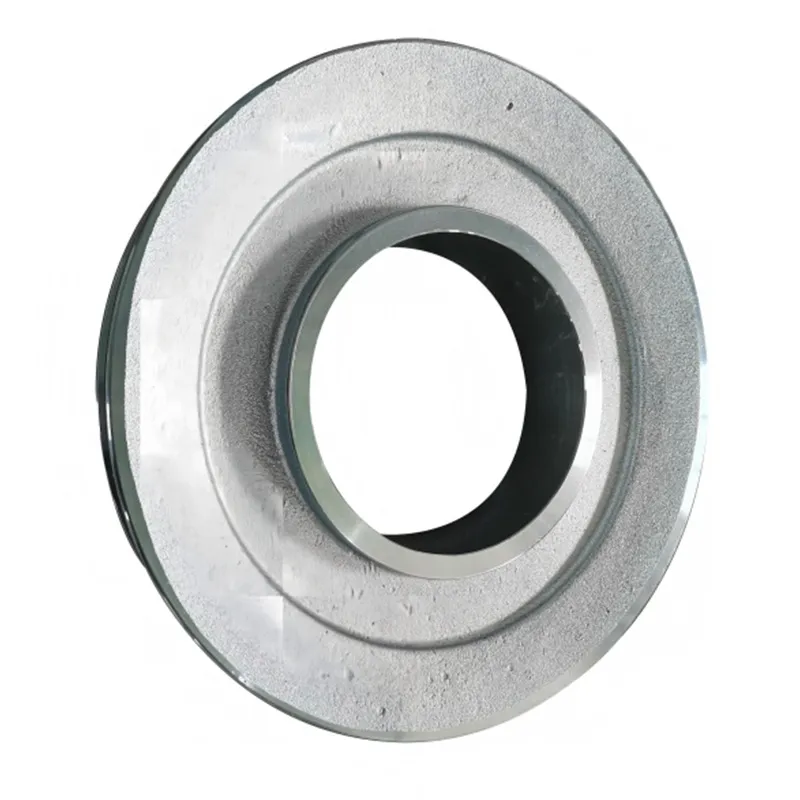
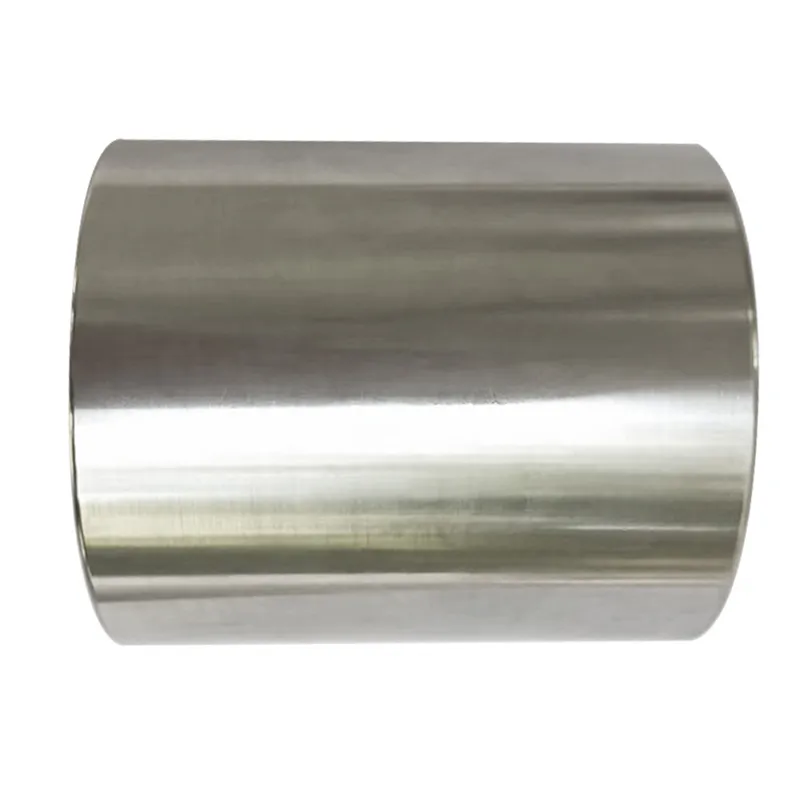
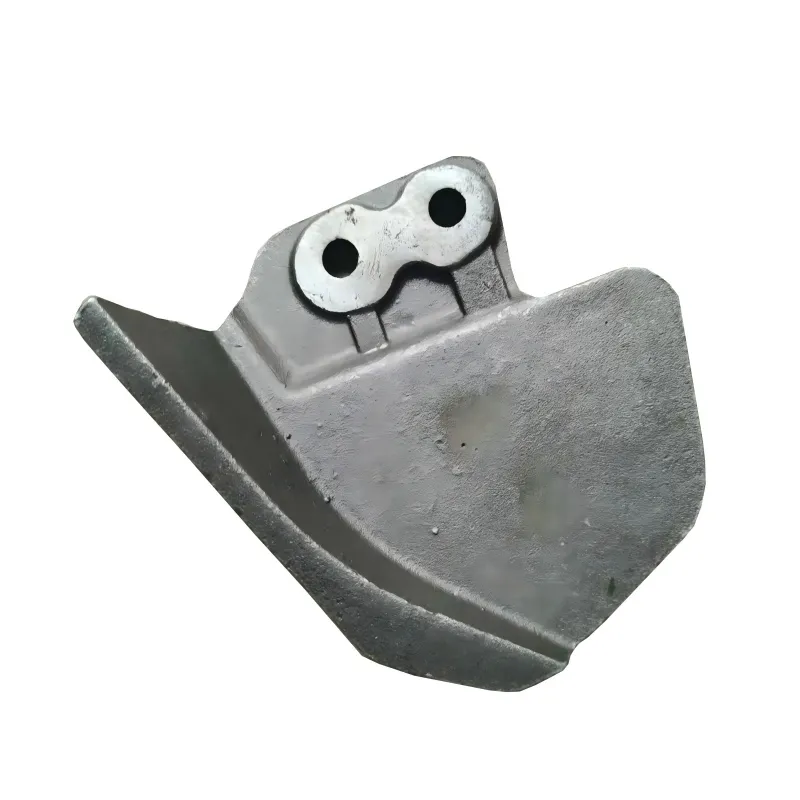
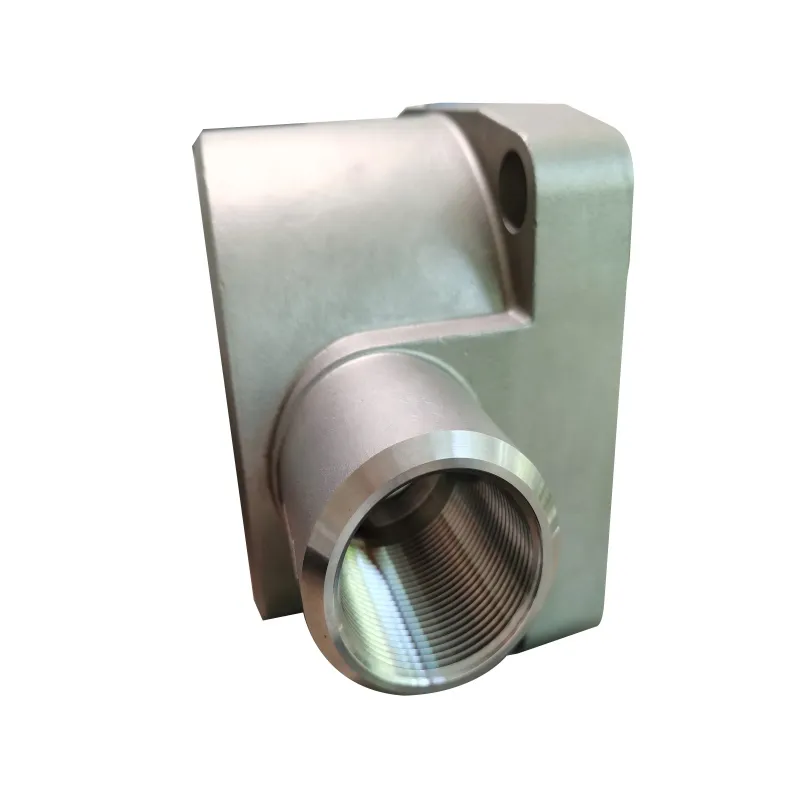
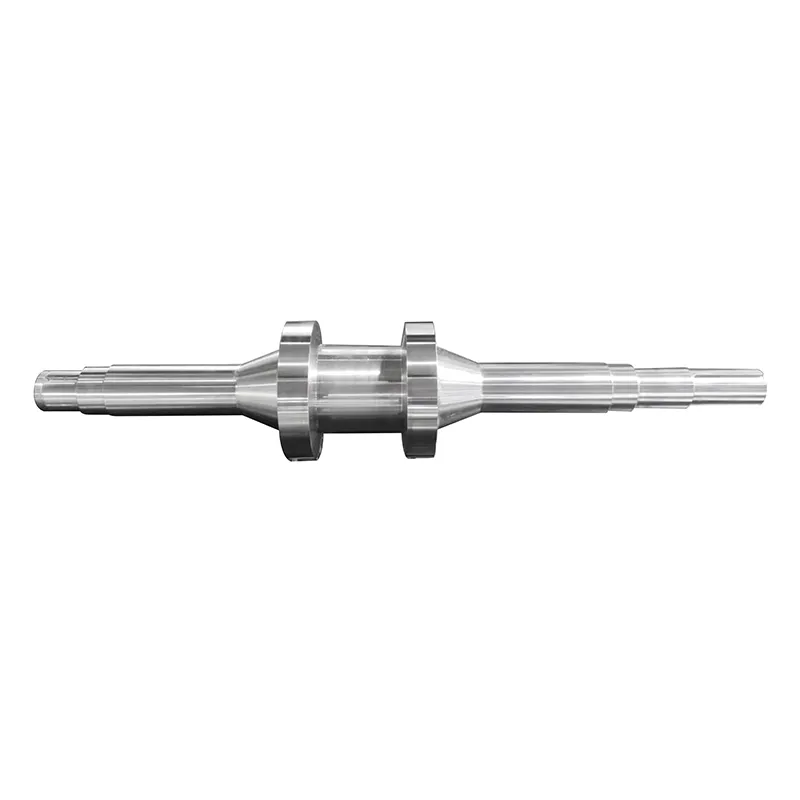
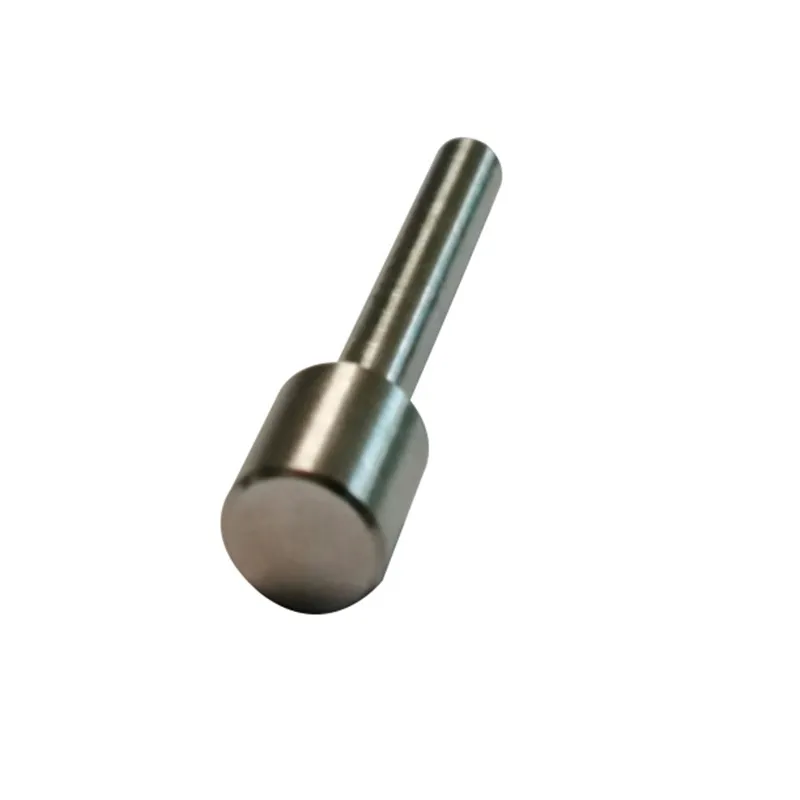
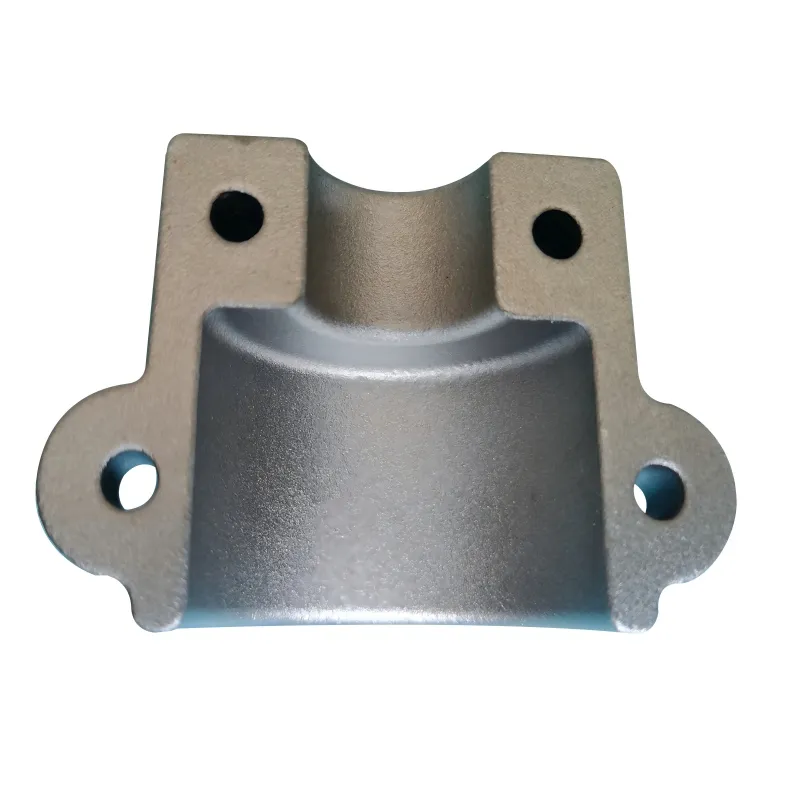
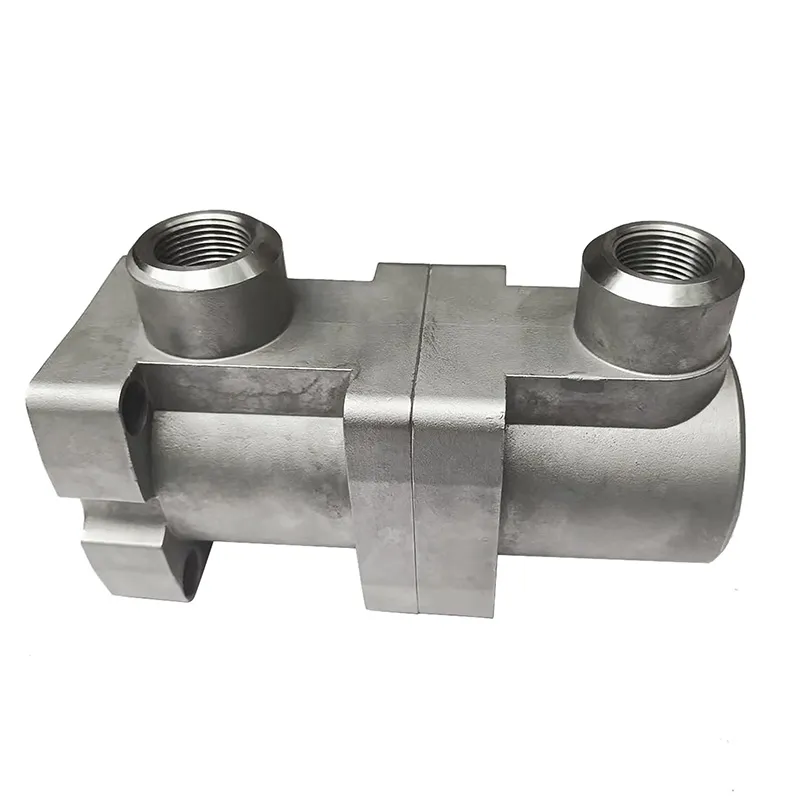
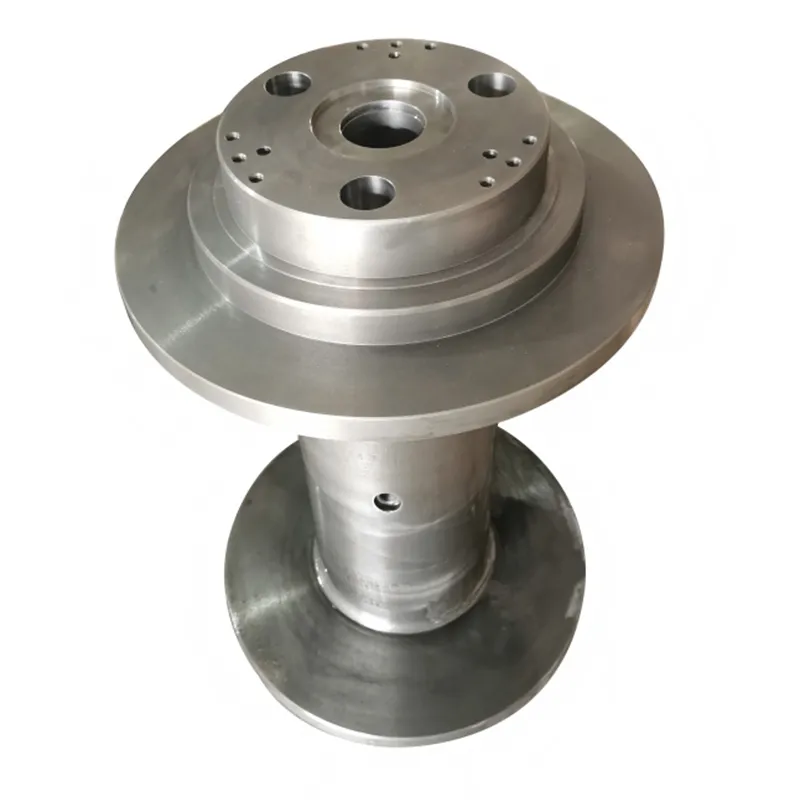
When you hear 'Stellite plug', the immediate thought is often just a hard, wear-resistant part for a valve or pump. That's not wrong, but it's a simplification that can lead to specification mistakes. In practice, it's the specific grade, the casting integrity, and the post-machining that truly define its performance in punishing environments. I've seen too many failures traced back to treating all cobalt-based alloy parts as interchangeable commodities.
The Material Nuance Behind the Name
Stellite isn't a single material; it's a family of cobalt-chromium alloys. The choice between, say, Stellite 6 and Stellite 12 for a plug isn't arbitrary. Stellite 6 offers excellent general wear and cavitation resistance, which made it our default for many slurry pump applications. However, we once had a high-temperature steam isolation valve application where the client insisted on Stellite 6 based on past 'general' use. It underperformed on thermal fatigue. Switching to a higher carbon grade like Stellite 12, which balances wear resistance with better thermal properties, resolved the issue. The lesson was to look beyond the brand name to the actual service environment—erosion, temperature, corrosion media, and impact load are all decisive factors.
This is where working with a foundry that understands metallurgy is non-negotiable. You can't just send a drawing and a material callout. The discussion has to cover the full duty cycle. I recall a project with Qingdao Qiangsenyuan Technology Co., Ltd.(QSY) where we were developing a large-bore valve plug for a petrochemical client. The spec called for a nickel-based alloy initially, but after dissecting the service data—which included traces of sulfur compounds and cyclic thermal shocks—their engineering team suggested a specific cobalt-based alloy variant they had experience with in similar settings. That suggestion, coming from their three decades in casting special alloys, likely prevented a premature failure. It's this kind of collaborative specification that adds real value.
The casting process itself is critical for these alloys. Poor gating or riser design can introduce shrinkage porosity right in the critical sealing or wear surfaces. I've cut open rejected plugs and found voids that weren't visible on the surface. That's why the foundry's process control, especially for shell or investment casting of these expensive alloys, is paramount. It's not just about melting and pouring; it's about solidification control.
Precision Machining: Where the Design Meets Reality
As-cast Stellite is brutally hard and abrasive to machine. Getting the final tolerances and surface finish on a Stellite plug is where many projects stumble. You can't machine it like steel. Incorrect tool geometry, speed, or feed rate will simply burn up inserts or, worse, induce micro-cracks in the surface layer, creating initiation points for failure.
We learned this the hard way early on. A batch of plugs required a very fine finish on the tapered sealing surface. Our standard CNC parameters for hard materials led to chatter and a subpar surface. We had to experiment with specialized, sharp-edged carbide grades and significantly adjust our speeds and feeds. The solution often involves slower, more deliberate cuts and high-pressure coolant to manage heat. This machining expertise is why we often partner with integrated suppliers like QSY, who handle both the casting and the CNC machining in-house. It eliminates the blame game between the caster and the machinist when a part fails—they own the entire process from molten metal to finished component. Checking their capability list at https://www.tsingtaocnc.com shows this vertical integration is a core part of their offering.
The other machining challenge is holding the cast part. Because the final geometry is often complex, designing fixtures that secure the irregular casting without distorting it during aggressive cutting is a subtle art. It's one of those practical details you only appreciate after scrapping a few expensive castings.
Failure Analysis: What Broken Plugs Teach You
Inspecting failed parts is the best education. One recurring theme isn't material failure, but design failure. A classic example is specifying a full Stellite plug in a system where the mating seat is a softer material. The plug might survive beautifully, but it will gall and destroy the seat, causing a leak. Sometimes, the correct solution is a Stellite overlay or insert only on the critical sealing land, not the entire component.
I remember a case in a power plant's feedwater system. The plugs were wearing uniformly but failing inspections too quickly. The root cause wasn't the plug's wear resistance; it was that fine particulate in the water was getting embedded in the slightly softer seat material, effectively turning it into a grinding paste. The fix involved re-evaluating the entire material pair, not just the plug. It shifted the conversation from a simple component replacement to a system-level material selection review.
Corrosion-assisted wear is another silent killer. Stellite alloys have good corrosion resistance, but they're not magic. In highly reducing acidic environments or situations with chlorides at elevated temperatures, the passive chromium oxide layer can be compromised. The wear rate then accelerates dramatically. A plug that lasts years in one service might last only months in another if the corrosion chemistry is overlooked.
The Integration & Testing Phase
Even a perfectly cast and machined plug can fail at installation. The fit with the seat is everything. We now insist on lapping the plug and seat together as a matched set for critical applications. This isn't always in the spec, but it's cheap insurance. The lapping process creates a perfect microscopic seal pattern that a CNC machine alone often cannot achieve.
Pressure testing is another area for realism. Factory acceptance tests (FAT) with clean water at ambient temperature are useful but not fully representative. They won't reveal problems related to thermal expansion differentials between the plug and the valve body. For high-temperature services, we push for, or at least simulate, hot functional tests. The clearance gaps calculated at room temperature can close up or open under operating heat, leading to binding or leakage.
Documentation from the foundry is part of this phase. A proper material certificate (MTC) tracing the heat of alloy, along with inspection reports for dimensional checks and non-destructive testing (like dye penetrant for surface defects), is mandatory. It's the component's passport. Reputable suppliers provide this as standard. It builds traceability and confidence.
Economic & Supply Chain Considerations
Let's be frank: Stellite components are expensive. The cobalt and chromium content seesaws with global commodity markets. The instinct is to look for the lowest bid. But with these parts, the total cost of ownership is the only metric that matters. A cheaper plug that fails in half the time costs far more in downtime and replacement labor than the premium for a correctly made one.
This is where long-term relationships with technically proficient suppliers pay off. They become an extension of your engineering team. For instance, when global supply chains tightened a few years back, having an established channel with a capable manufacturer like QSY, with their deep roots in shell mold casting and investment casting of special alloys, ensured continuity. They could advise on alternative material grades with similar performance from available stock to keep a critical maintenance project on schedule.
Finally, don't overlook lead time. A true high-integrity Stellite plug isn't an off-the-shelf item. Between pattern work, casting, heat treatment, and precision machining, a realistic schedule is weeks, not days. Rushing any of these steps is a direct compromise on quality. Planning your inventory or maintenance schedules around this reality is part of the professional discipline with these specialized components.