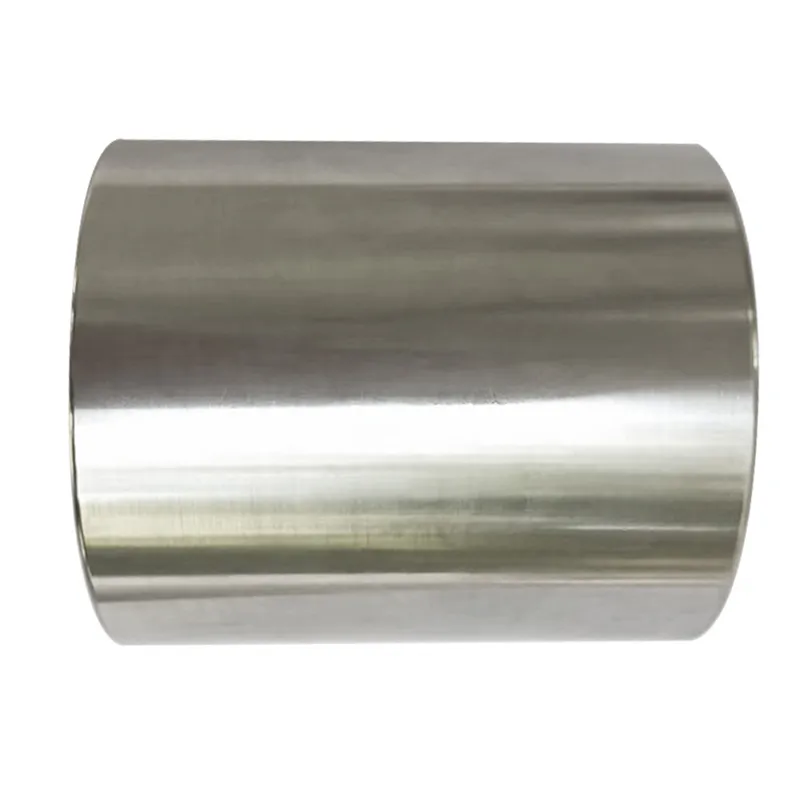
You hear 'Stellite sleeve' and most engineers immediately think 'hard, wear-resistant, good for high temps'. That's true, but it's also where the oversimplification starts. In my years sourcing and specifying these components, mainly for pump shafts and valve stems in severe service, I've seen the gap between the catalog description and the on-ground reality. It's not just a commodity bushing; its performance lives or dies by the alloy grade selection, the casting integrity, and crucially, the post-cast machining. A poorly machined Stellite 6 sleeve can fail faster than a properly treated carbon steel one in some abrasive environments. This isn't theoretical—it's what you learn after dealing with a few premature failures and digging into the 'why'.
The Alloy Isn't the Whole Story
Stellite, the cobalt-chromium alloy family from Kennametal, comes in grades. Stellite 6, 12, 21—each has its niche. 6 is the general-purpose warrior, great for combined wear and corrosion. But here's a common pitfall: specifying Stellite 6 for everything because it's the most famous. I recall a project for a chemical process pump handling hot, abrasive slurry. The initial spec was Stellite 6 sleeves. They lasted about 40% of the expected lifecycle. The failure analysis pointed to inadequate galling resistance under the specific pressure-temperature combo. Switching to Stellite 12, which has a different carbide structure, pushed the life back on track. The lesson? The sleeve isn't just a Stellite sleeve; it's a Stellite 12 or Stellite 21 sleeve. The grade dictates the microstructure, and that dictates life.
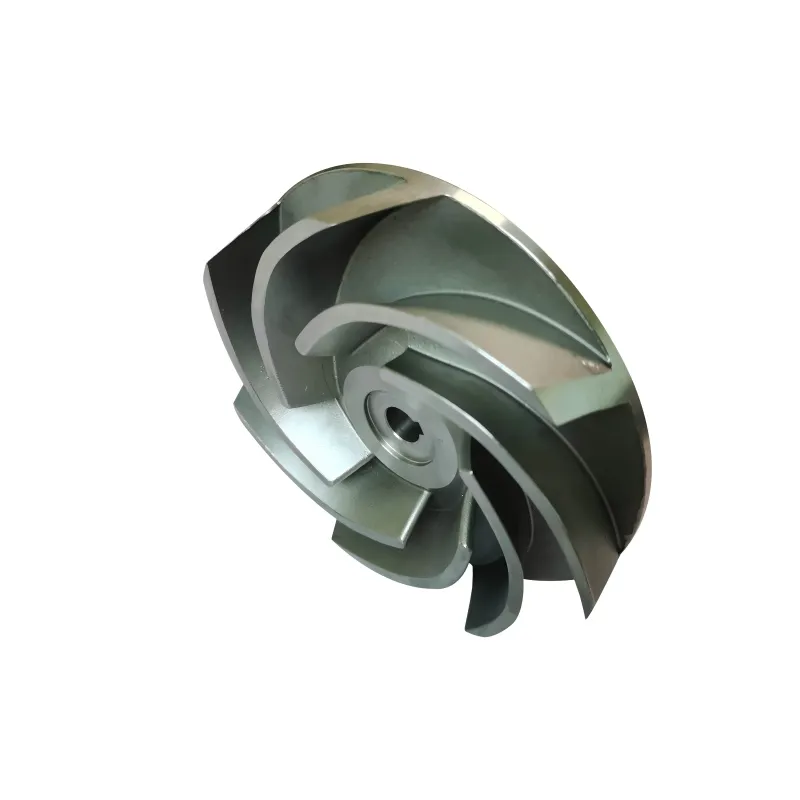
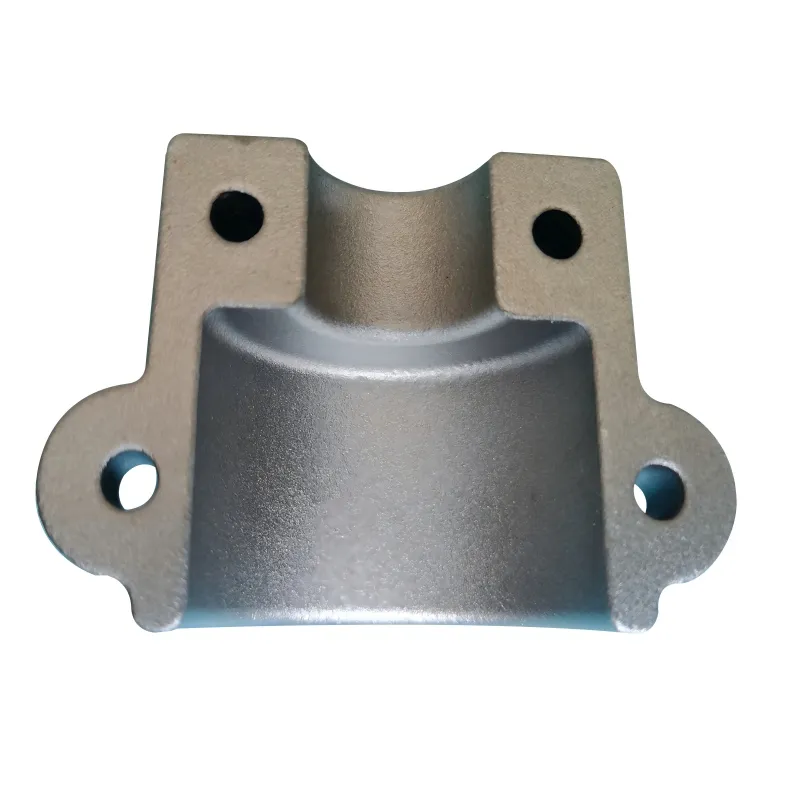
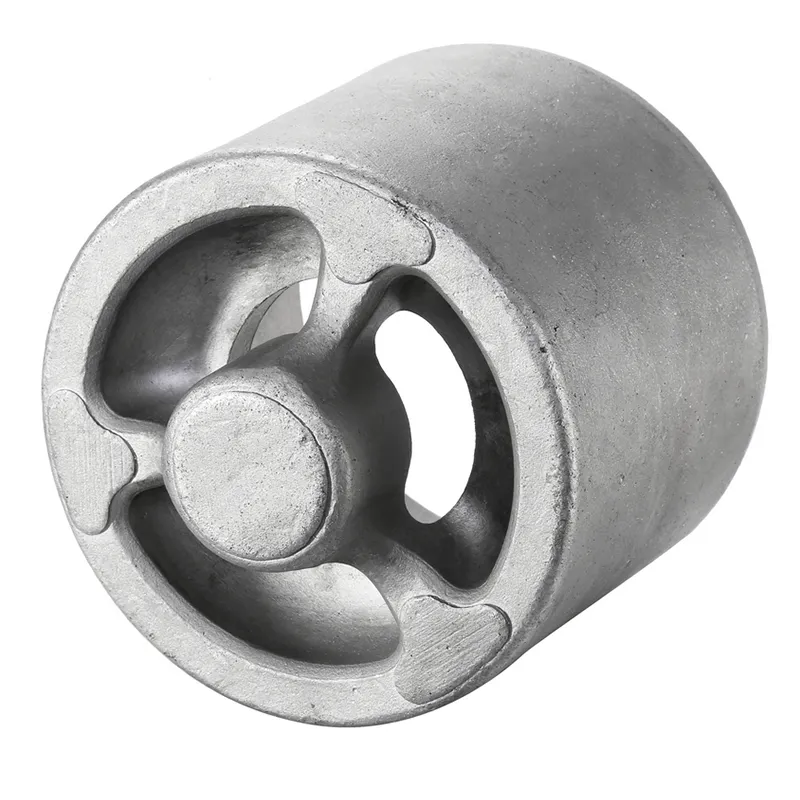
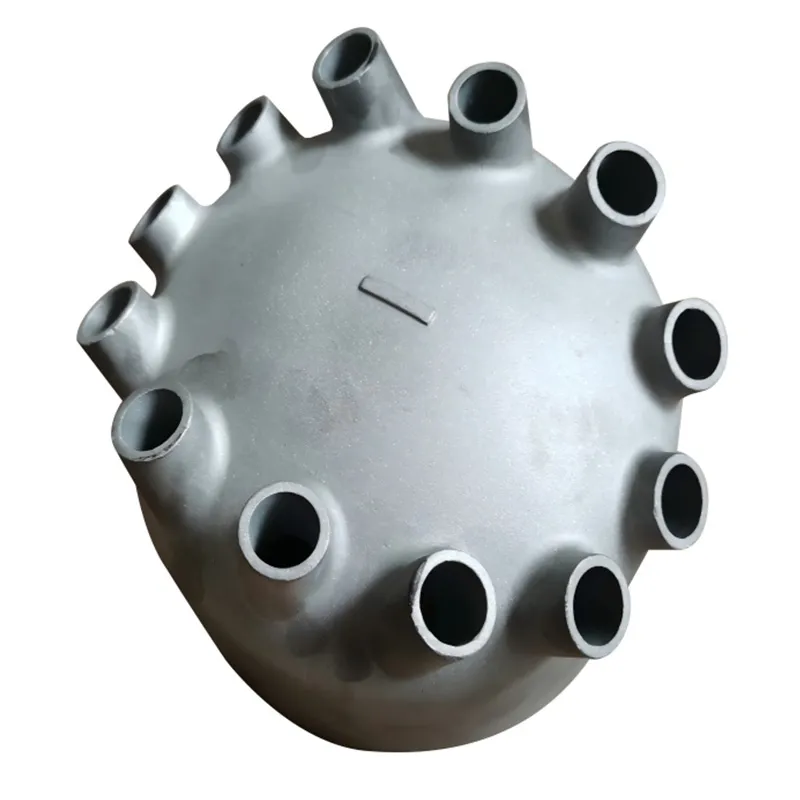
This is where partnering with a foundry that understands metallurgy, not just molding, is key. A company like Qingdao Qiangsenyuan Technology Co., Ltd. (QSY) comes to mind. With their 30-year background in shell and investment casting of special alloys, they get this. You can't just pour these alloys like cast iron. The solidification rate, the mold material—it all affects the carbide distribution. A poorly cast Stellite can have carbide clusters that become initiation points for cracks under thermal cycling. QSY's focus on cobalt and nickel-based alloys means they're set up for this control. It's a different ball game from general steel casting.
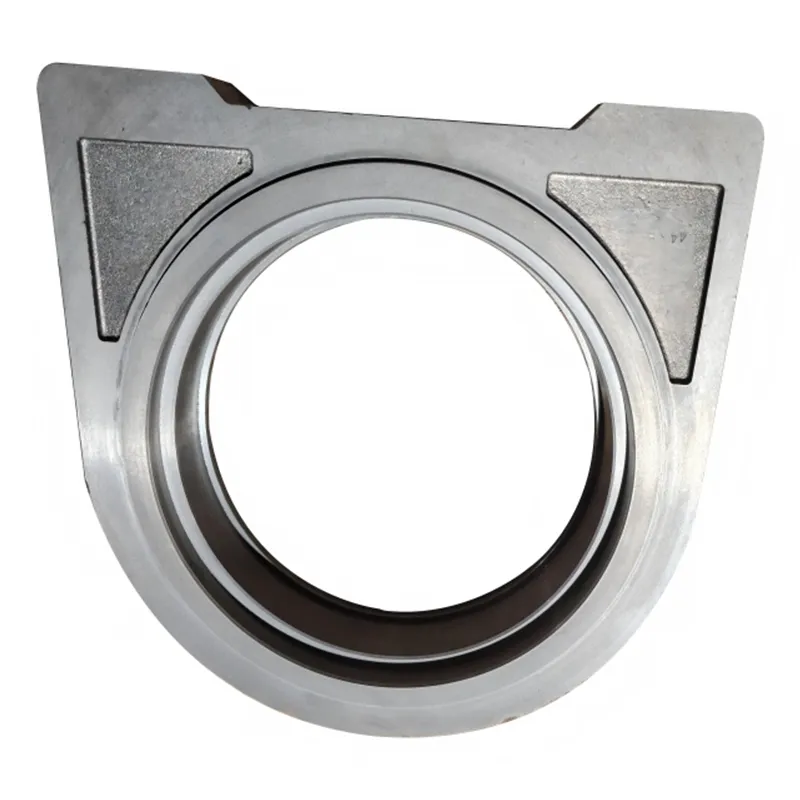
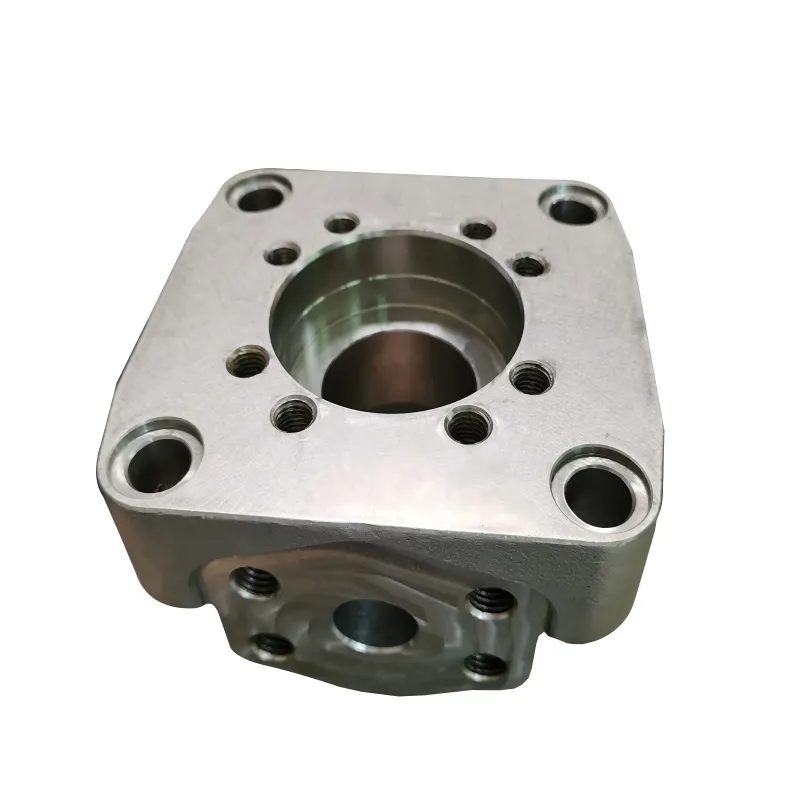
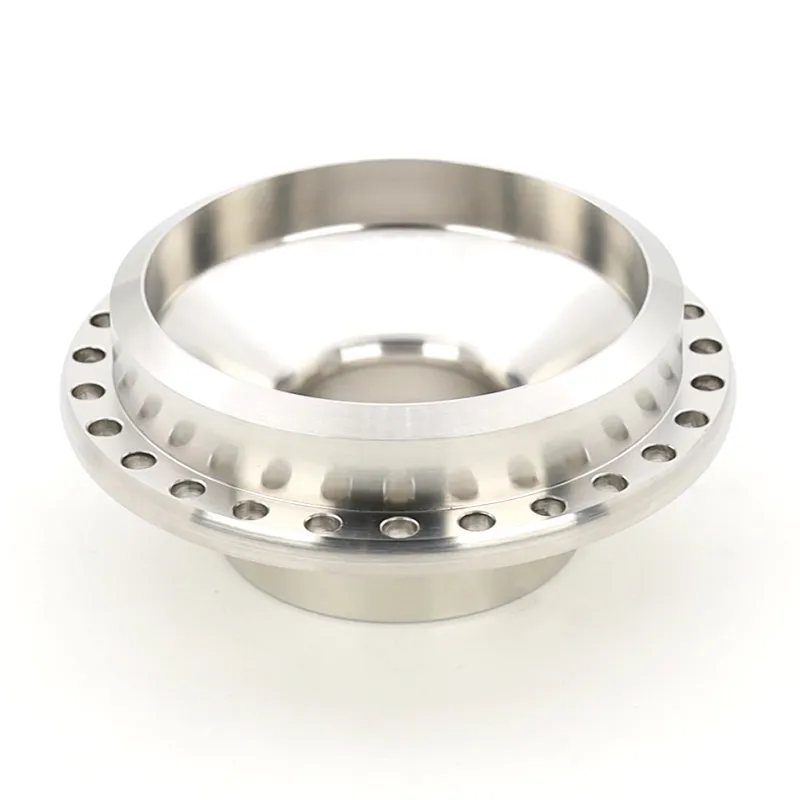
The machining is the other half. Stellite is brutal on tools. It work-hardens. If your machining vendor uses the wrong insert grade, wrong speeds and feeds, they'll induce micro-cracks or leave a tensile stressed surface layer. That sleeve is doomed from the start. The finish on the ID and the OD, the concentricity—it all matters for press-fit assembly and final seal interface performance. A perfect casting can be ruined in the CNC stage. That's why integrated shops that handle both casting and precision CNC machining under one roof, as QSY does, often deliver more reliable parts. They control the entire value chain, so there's no finger-pointing between the caster and the machinist when a problem arises.
Where Sleeves Fail (And It's Often Not the Material)
I've pulled out more failed sleeves than I care to remember. The classic failure mode is excessive wear, sure. But look closer, and the root cause is often interfacial. Debris ingress between the sleeve OD and the housing bore, leading to fretting wear. Or thermal expansion mismatch causing the sleeve to loosen in service. One specific case involved a stellite sleeve on a boiler feed pump. The sleeve itself showed minimal wear, but the shaft underneath had corroded. The failure was a crevice corrosion issue because the press-fit interface wasn't perfectly sealed. The sleeve material was flawless, but the system design around it was the weak link.
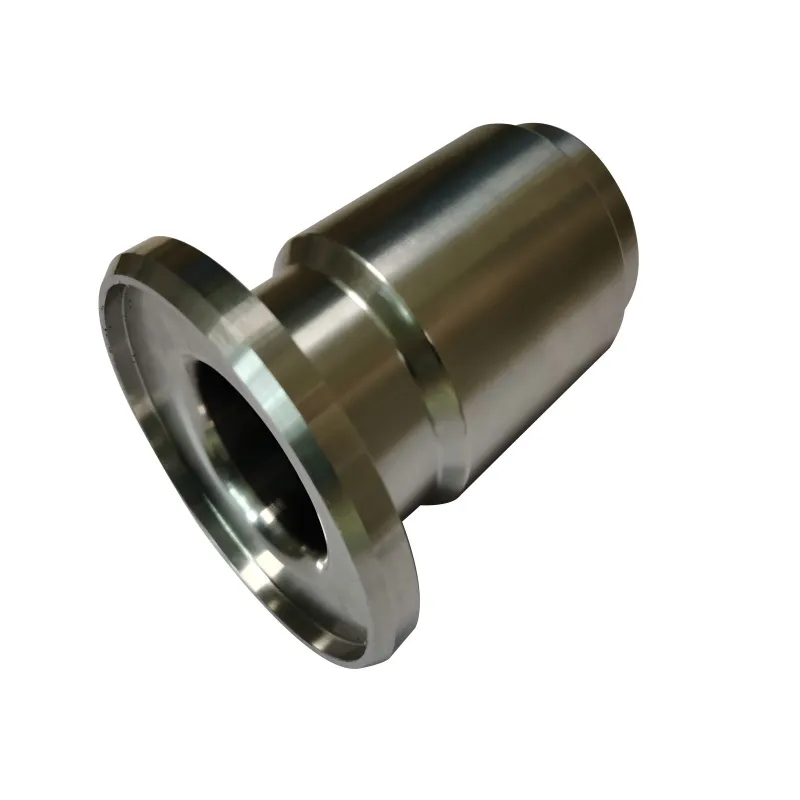
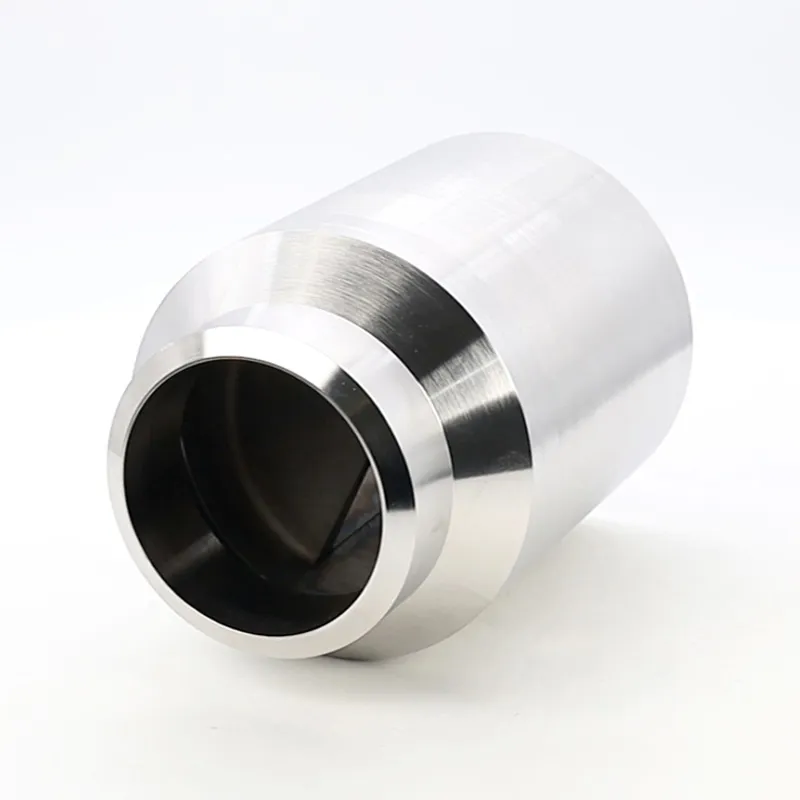
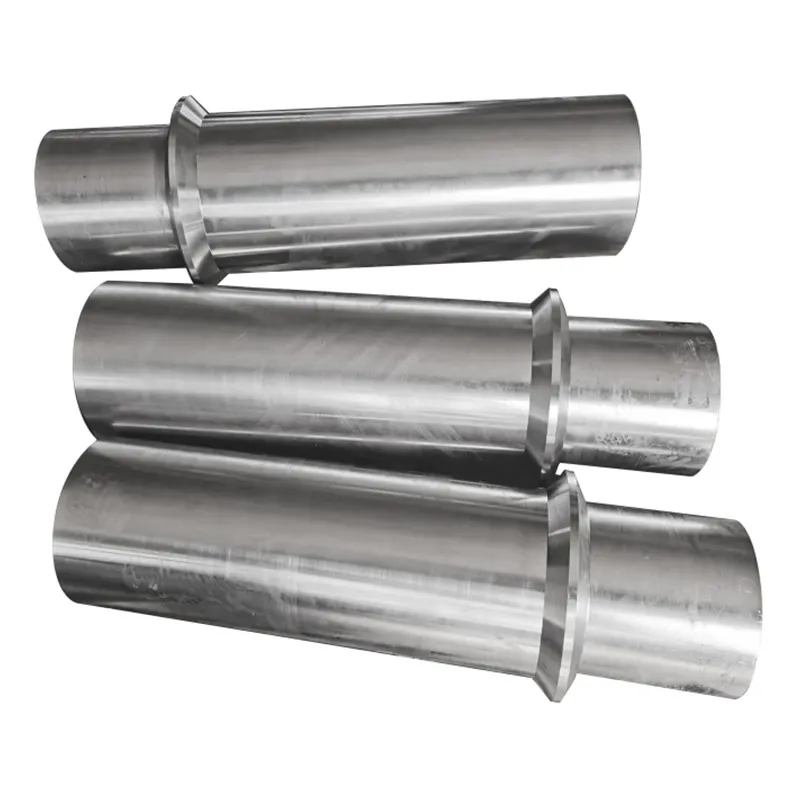
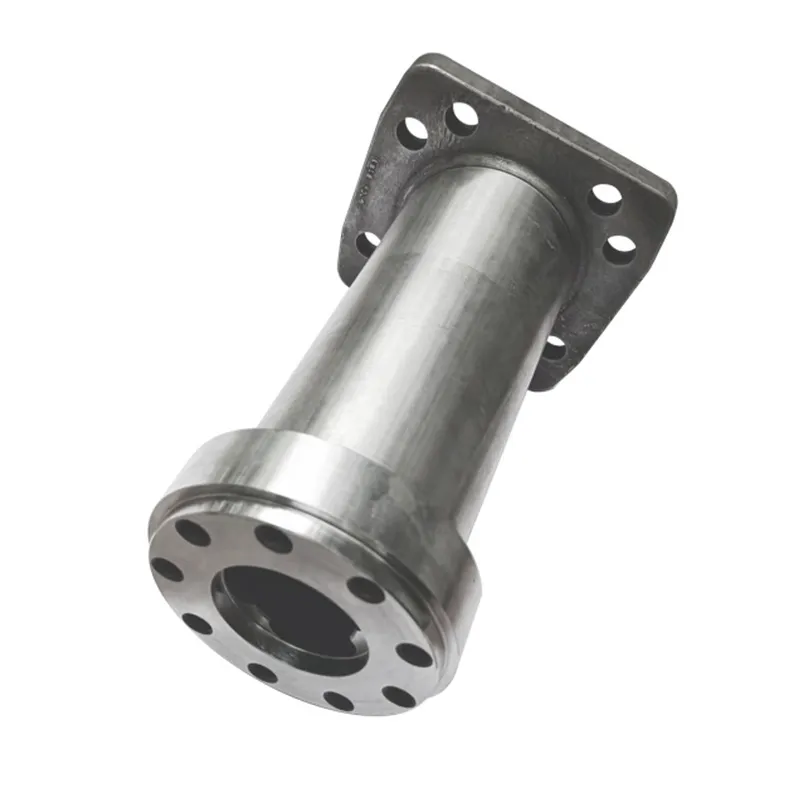
This leads to design considerations. The wall thickness. Too thin, and it deforms during pressing or in service. Too thick, and you're wasting expensive alloy and increasing the risk of casting defects. For critical applications, we often moved from a simple cylindrical sleeve to one with a slight flange or a groove for an anti-rotation pin. It adds cost but solves a different set of problems. It's a trade-off. The drawing just says Stellite Sleeve, but the devil is in those dimensional and geometric tolerances that aren't always on the standard spec sheet.
Another practical headache is inventory and lead time. You can't just order these off the shelf. They are made-to-order components. If your supplier's process isn't streamlined, a rush order is a fantasy. This is another reason to vet your supplier's operational maturity. A company with a long track record, like the aforementioned QSY, typically has established patterns and process controls that make lead times more predictable. Checking their capability portfolio at https://www.tsingtaocnc.com gives you a sense of their range—from shell mold casting for simpler shapes to investment casting for more complex, integral designs, all backed by in-house machining. That integration is a huge plus for project scheduling.
The Machining Dance: Getting it Right
Let's drill down on machining, because it's where value is added or destroyed. You can't machine Stellite like steel. The first rule is to use rigid setups. Any chatter will chip your expensive carbide inserts and ruin the surface finish. We always specify grinding for the final finish on the sealing surfaces when possible. It gives a better, compressive-stress surface. CNC turning is for getting to near-net shape.
Coolant is critical, and it's not just about cooling. It's about preventing the work-hardening layer from getting too deep. A high-pressure, high-volume coolant system aimed right at the cutting edge is non-negotiable. I've seen shops try to get away with a minimal coolant mist, and the parts always come back with issues—dimensional instability or subsurface damage that only shows up in NDT.
Toolpath strategy matters too. Climb milling versus conventional milling in the finishing passes can affect tool life and surface integrity on the flange faces. A good machinist, one familiar with superalloys, will have their own little bag of tricks—specific tool brands, a preferred feed rate for the final pass. When you find a shop that has this down, you stick with them. It's tribal knowledge as much as it is textbook.
Cost vs. Performance: The Real Calculation
Yes, a Stellite sleeve is expensive. The cobalt content alone sees to that. The business case isn't about the unit cost; it's about total cost of ownership. A $500 sleeve that lasts 24 months in a service where a $150 440C stainless sleeve lasts 3 months is a no-brainer. The downtime cost for replacement often dwarfs the part cost. The calculation gets trickier when the performance delta is smaller, say 20% longer life for 100% higher cost. Then you're into reliability engineering and risk assessment for unplanned outages.
This is where material alternatives come in. For some less severe applications, nickel-based alloys like Inconel 625 overlay or even advanced ceramic coatings might be contenders. But for the combination of metal-to-metal wear, corrosion, and high temperature (think 500°C and above), Stellite, particularly the higher tungsten grades, still reigns. It's a mature solution, but not an outdated one.
When you're sourcing, you're not just buying a chunk of alloy. You're buying the foundry's metallurgical control, the machinist's skill, and the supplier's ability to deliver a dimensionally stable, ready-to-install component. That's the package. Skimping on any leg of that stool usually costs more later. Looking at a supplier's full service offering, like the casting and machining combo from a specialist such as QSY, often provides a more stable total cost picture, even if the initial quote isn't the absolute lowest.
Final Thoughts: Specifying for Success
So, if I were to write a spec for a Stellite sleeve today, it wouldn't just be a line item with a material callout. It would specify the grade (Stellite 6, 12, etc.), reference the applicable ASTM or proprietary standard, call out the casting process (investment casting preferred for critical duty to ensure density), and have detailed notes on machining finishes, tolerances for press-fit, and maybe even a note about final inspection for surface defects via dye penetrant. It's the details that turn a generic wear part into a reliable engineered component.
The industry is moving towards more integrated solutions, too. Instead of a sleeve, sometimes it's a Stellite overlay welded directly onto the shaft. That eliminates the press-fit interface issues but introduces welding distortion and heat-affected zone concerns. It's a different set of trade-offs. The sleeve remains the king of replaceability and repair-ability.
In the end, working with Stellite sleeves teaches you respect for process. The material is fantastic, but it's not magic. Its performance is meticulously earned in the foundry and the machine shop. That's the real takeaway after all these years. You stop seeing it as just a 'sleeve' and start seeing it as a system whose integrity is built layer by layer, from the melt to the final micron-level finish.