You see 'Stellite' thrown around a lot in valve specs, especially for balls and seats. The immediate assumption is it's just a super-hard, wear-resistant material you slap on, and boom – problem solved. That's where a lot of the trouble starts. In reality, specifying a Stellite valve ball and seat isn't a single decision; it's a series of interconnected choices about the substrate, the application method, the specific Stellite grade, and the final machining. Get one wrong, and the whole assembly can underperform or fail prematurely, turning that premium investment into a costly lesson.
The Core Misconception: It's All About Hardness
Most procurement sheets fixate on hardness, usually demanding something like HRC 40-45 minimum on Stellite 6 overlay. While hardness is critical for abrasion resistance, it's only part of the story. I've seen seats that met the hardness spec but cracked in service because the underlying material, say a 13Cr martensitic stainless, wasn't prepared correctly or the Stellite was applied too thickly without proper stress relief. The bond failed. The obsession with a number ignores metallurgical compatibility and the residual stresses from welding or spraying.
Then there's the substrate. You can't just apply Stellite to anything. For a ball, you're often looking at a 17-4PH or 316SS core. For the seat, it might be integrated into a 410 or Inconel 718 holder. The thermal expansion coefficients need to be in the same ballpark. I recall a project for a high-pressure letdown valve where the seat ring was 316L, and we applied a thick Stellite 21 layer. During thermal cycling, the differential expansion caused a hairline crack at the interface. The part passed QA hardness and dye penetrant, but failed in the field after a few cycles. The root cause? The substrate choice for that specific thermal duty was wrong.
The application process itself is a minefield. PTA (Plasma Transferred Arc) welding is common and gives a superb, dense metallurgical bond, but the heat input is significant. Laser cladding is more precise with less heat, but the capital cost is higher and the powder morphology needs to be perfect. Oxy-acetylene welding, the old-school method, is still out there for repairs; it gives a good, soft-ish deposit but is highly skill-dependent. Each method results in a different microstructure, dilution rate with the base metal, and final stress state. Specifying Stellite overlay without defining the process is an invitation for variability.
Grade Selection: Stellite 6, 12, 21, or Something Else?
Stellite 6 is the workhorse, good general corrosion and wear resistance. But it's not always the answer. In highly erosive, sandy slurry services, Stellite 12, with its higher carbon content for more carbides, might hold up better. However, that extra hardness comes with slightly reduced impact resistance. For services with significant cavitation, like in pump discharge valves, the tougher, more ductile Stellite 21 can sometimes absorb the micro-impacts better without micro-fracturing.
This is where partnering with a foundry and machine shop that understands the full lifecycle matters. A company like Qingdao Qiangsenyuan Technology Co., Ltd. (QSY), with their three decades in casting and machining, typically gets this. They're not just order-takers; their experience in shell mold and investment casting, plus their work with cobalt and nickel alloys, means they see the part from molten metal to finished dimension. They'd be the ones to question if a Stellite 6 PTA overlay on an investment-cast 17-4PH ball is the right call for a specific sour gas service, suggesting maybe a different pre-heat protocol or even a switch to a nickel-based alloy overlay like Colmonoy for better sulfide stress cracking resistance.
The devil is in the post-clad heat treatment and machining. After cladding, stress relief is non-negotiable. Machining the clad surface to final tolerances, especially on a spherical ball surface or a narrow seat angle, is a specialized skill. You need CNC setups that are rigid enough to handle the intermittent cut and tools that can manage the hard, gummy nature of Stellite without work-hardening the surface. A poorly machined seat will have micro-tears that become initiation points for erosion. I've had to reject parts that looked perfect on a CMM but felt gritty when you ran a fingernail over the sealing surface – a telltale sign of torn material from a dull tool.
Real-World Pitfalls and Assembly Nuances
Even with perfect components, assembly can kill the performance. The classic mistake is over-torquing the seat retainer. You've got this beautifully machined Stellite seat ring pressed or threaded into a larger body. If the fit is too tight or the torque too high, you can actually distort the seat ring, creating a non-circular bore. The ball will then only seal on a high spot, leading to rapid localized wear and leakage. I learned this the hard way on a set of trunnion-mounted ball valves. We chased a leak for weeks, replacing balls and seats, before finally checking the bore geometry of the seat pocket in the body – it was oval by a few tenths after assembly.
Another subtle point is the break-in or lapping. Some purists insist that Stellite balls and seats should be lightly lapped together as a matched set. Others argue that with modern CNC machining, they should seal right out of the box. My take is it depends on the class of sealing. For ANSI Class VI (bubble-tight) soft seats, it's irrelevant. For metal-seated, Class IV or V, a very light, controlled lapping with a fine compound can help by mating the microscopic high points. But overdo it, and you ruin the geometry and surface finish. It's a touch thing, not a procedure you can easily write down.
The Value of Integrated Manufacturing
This is why the distinction between a simple job shop and an integrated manufacturer is critical. When the casting, cladding, heat treatment, and precision machining are under one roof, or at least tightly coordinated, you avoid a lot of finger-pointing. If there's a flaw in the substrate casting that only shows up after cladding, the single-source supplier owns the problem. They can trace the thermal history of the part from the beginning.
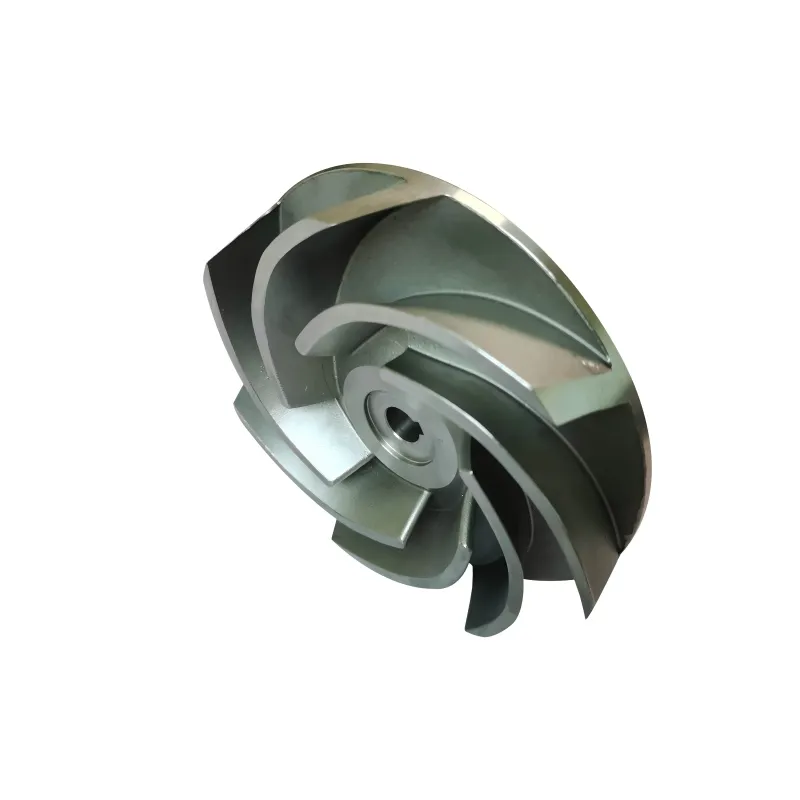
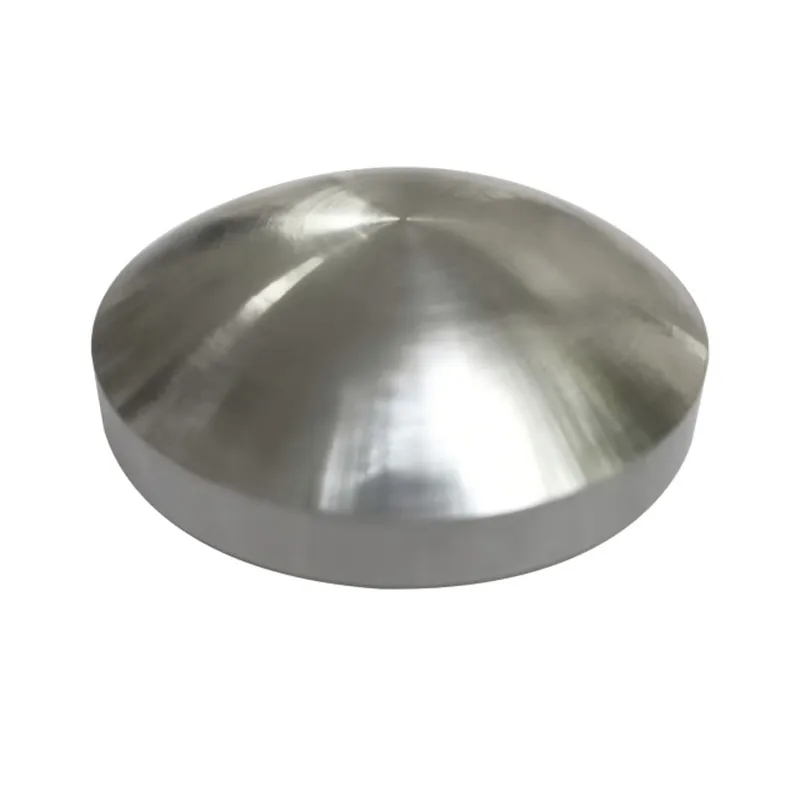
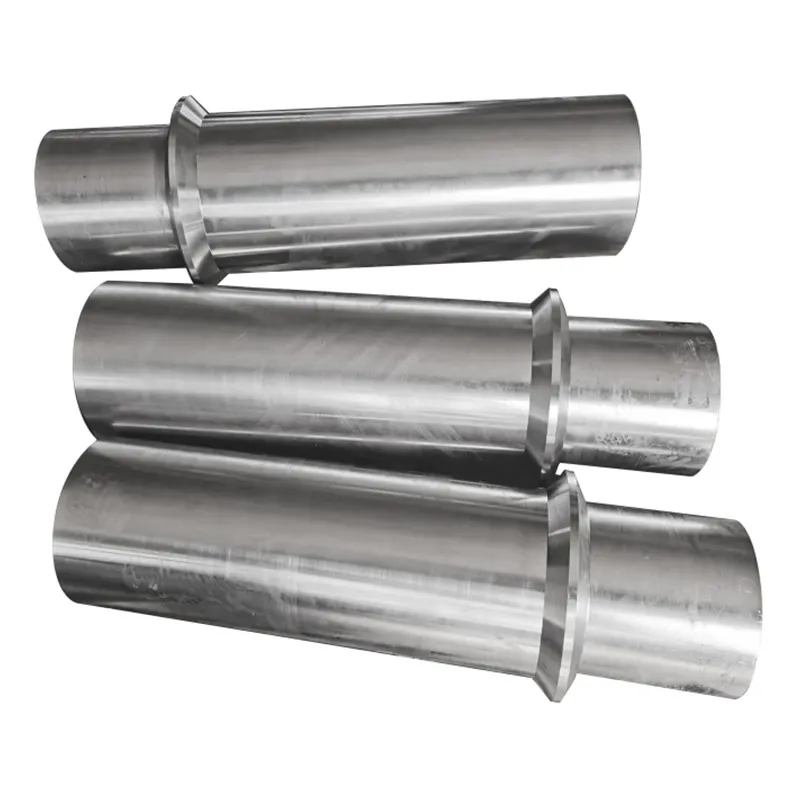
Looking at a supplier like QSY (https://www.tsingtaocnc.com), their offering of shell mold and investment casting paired with CNC machining for materials including cobalt-based alloys speaks to this integration. For a Stellite valve ball, they could potentially investment cast the ball core to near-net shape from a suitable stainless, perform the PTA cladding in-house, conduct the necessary post-weld heat treat, and then finish machine the spherical surface and stem connection on a CNC lathe with live tooling. That continuity controls variables. An engineer there would know exactly how much stock to leave on the casting for the clad layer, how the part distorts during welding, and how to fixture it for final machining to hold the tenths.
The alternative is a fragmented supply chain: Company A casts the blank, Company B does the cladding, Company C does the heat treat, Company D does the machining. Each step adds logistics, re-fixturing errors, and, most dangerously, a diffusion of responsibility. When the finished seat fails a helium leak test, everyone blames the other guy. The integrated approach might not always be cheaper on the initial quote, but it drastically reduces the total cost of quality and risk.
Concluding Thoughts: It's a System, Not a Coating
So, when you're next reviewing a spec for a Stellite seat and ball, look beyond the material callout. Think systemically. What is the full chemical and mechanical environment? What is the substrate, and is it compatible? How is the Stellite being applied and finished? How will the parts be assembled? There's no universal best practice, only the most appropriate set of compromises for the service.
The goal is never just to have a Stellite component. The goal is to have a reliable, long-lasting sealing solution. Sometimes, that might even mean questioning the premise – in certain low-pressure, clean service, a hardened 440C or a nitride-treated 17-4PH might do the job at a lower cost. But when you need that combination of galling resistance, corrosion resistance, and erosion resistance that cobalt alloys uniquely provide, then you commit to engineering the entire component stack with that understanding. It's not a commodity purchase; it's a technical collaboration between the designer and a manufacturer who gets their hands dirty with the process. That's where real reliability is built.