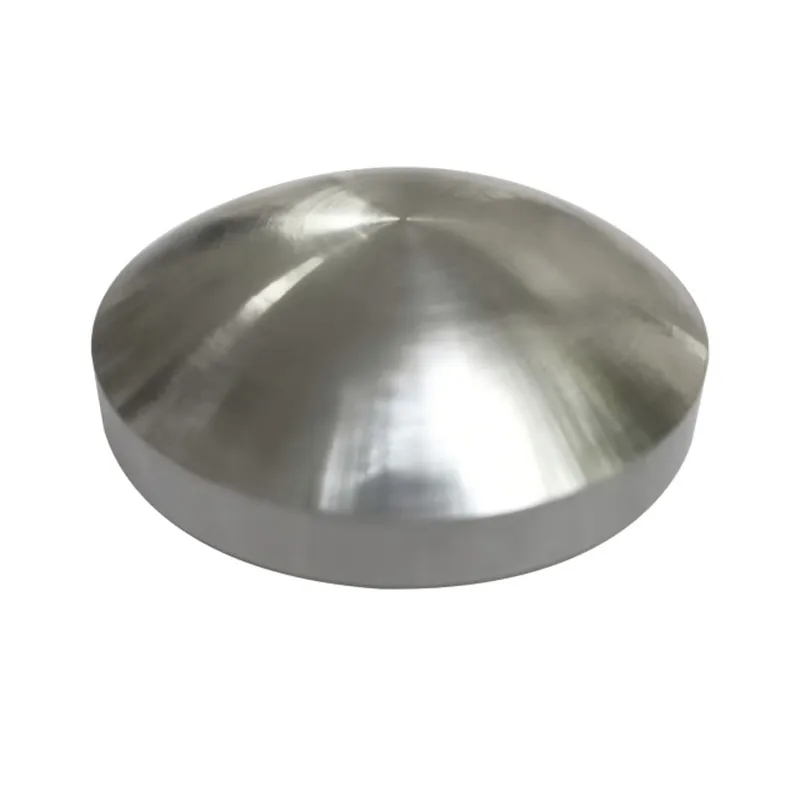
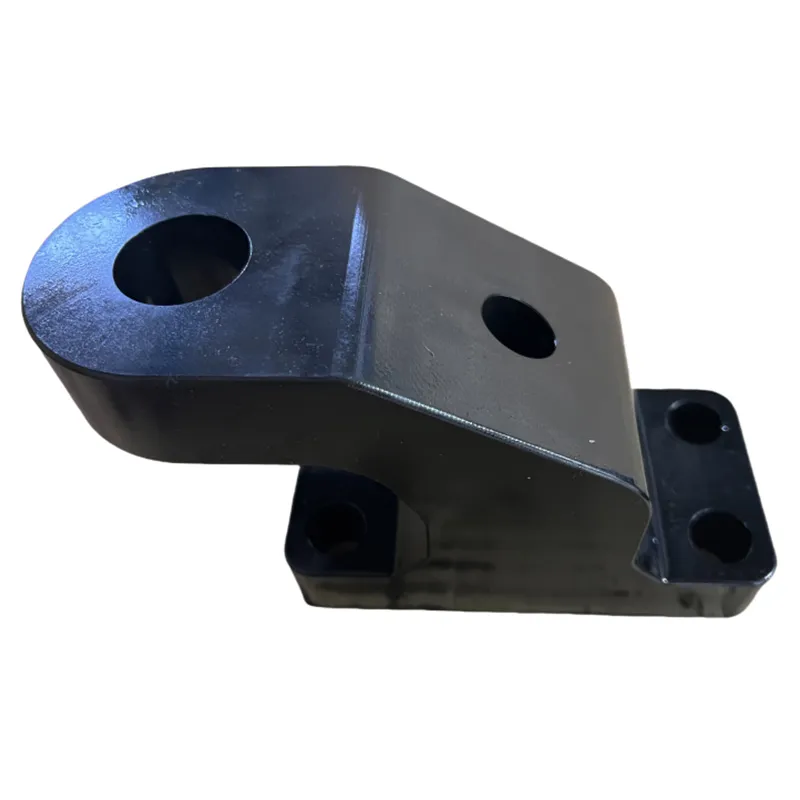
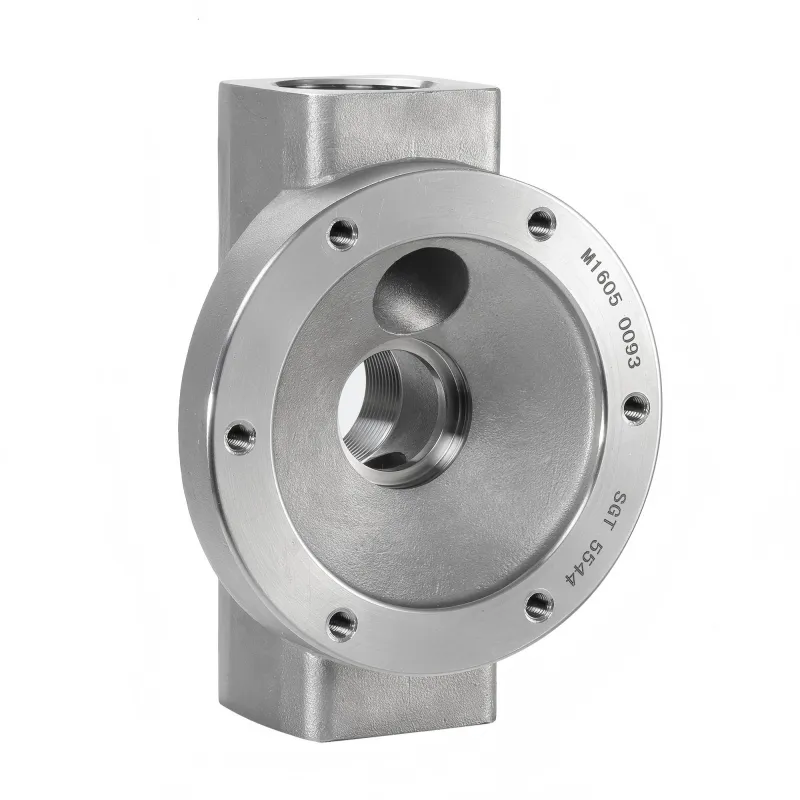
When you hear 'tension levelers parts', most minds jump straight to the big-ticket items: the work rolls, the backup rolls, the hydraulic cylinders. That's the glamour stuff. But the real headache, the stuff that grinds a line to a halt on a Tuesday afternoon, often lives in the supporting cast. The bearing housings, the link arms, the eccentric shafts, the saddle assemblies. These are the components where tolerance is king, and a replacement that's 'close enough' is a recipe for vibration, premature wear, and a call you don't want to get at 3 AM. I've seen too many operations focus budget on the rolls while sourcing these critical structural and linkage parts from vendors who don't grasp the cyclical, high-load environment they live in. It's a false economy.
The Unseen Stress Points: Beyond the Rolls
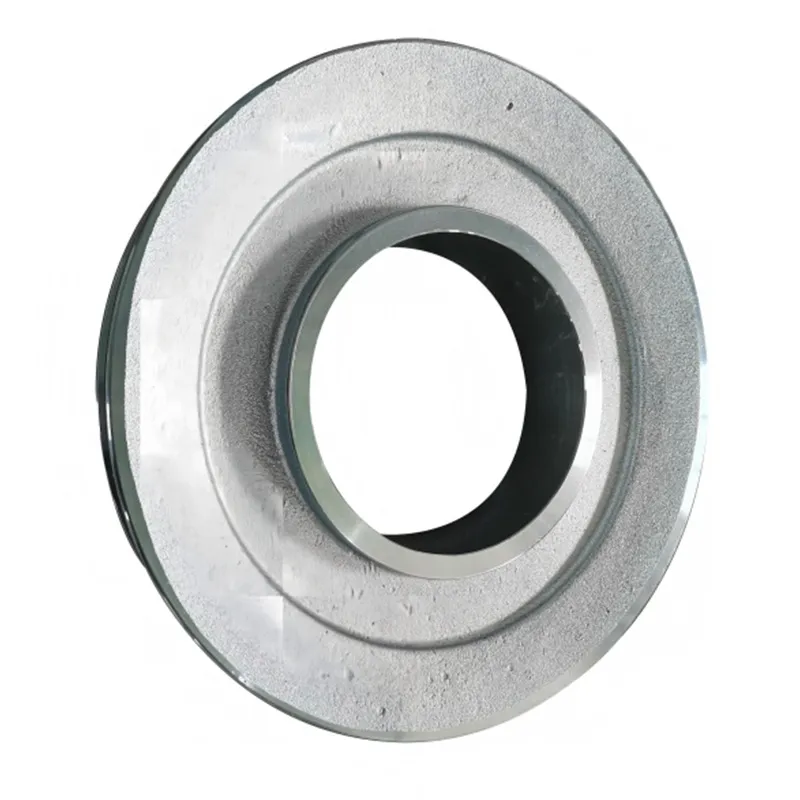
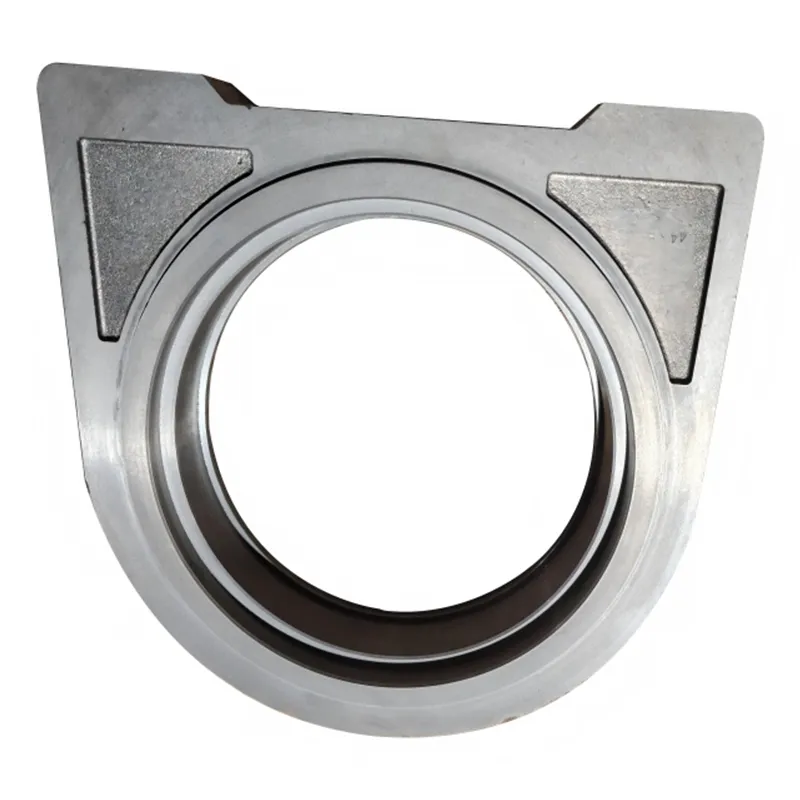
Let's talk about bearing housings for a moment. On paper, it's a block of metal with a hole in it. In practice, it's the interface between a rotating roll and a static frame, absorbing immense cyclical force. A housing cast from generic mild steel might pass a static load test, but under the fatigue loading of a leveler, it can develop micro-cracks. I recall a case where a plant was chasing a persistent vibration issue. They changed rolls, balanced drives, the works. The culprit? A slightly out-of-spec bore in a replacement housing from a general machine shop. It wasn't the diameter; it was the cylindricity and surface finish. The bearing wasn't seating properly, leading to fretting and eventually, a knock. The lesson was that for these parts, the tension levelers parts that form the machine's skeleton, the casting quality and machining precision are non-negotiable.
This is where a foundry's pedigree matters. A company like Qingdao Qiangsenyuan Technology Co., Ltd.(QSY) comes to mind. With thirty years in shell and investment casting, they understand material grain structure and integrity. For a tension leveler link arm, which sees constant tension-compression cycles, using a properly engineered cast steel or even a ductile iron—machined to precise tolerances—makes a difference in service life that you can measure in months or years, not just on a spec sheet. Their work with special alloys is also relevant for specific, high-wear components in severe environments.
The eccentric shaft is another classic example. It's the heart of the roll gap adjustment on many levelers. The fit between the shaft, its bushings, and the saddle is hyper-critical. Too loose, you get play and inconsistent leveling. Too tight, you risk seizing during thermal expansion. I've been part of a retrofit where we replaced an assembly with parts from different suppliers. The machining was done to print, but the heat treatment on the shaft wasn't uniform, leading to a slight warp after six months of service. The adjustment became stiff, operators overforced it, and we ended up with a cascade of failures. The takeaway? Every component in the load path, no matter how mundane it looks, is a tension levelers part that needs to be treated as such.
Material Choices: It's Not Just Steel
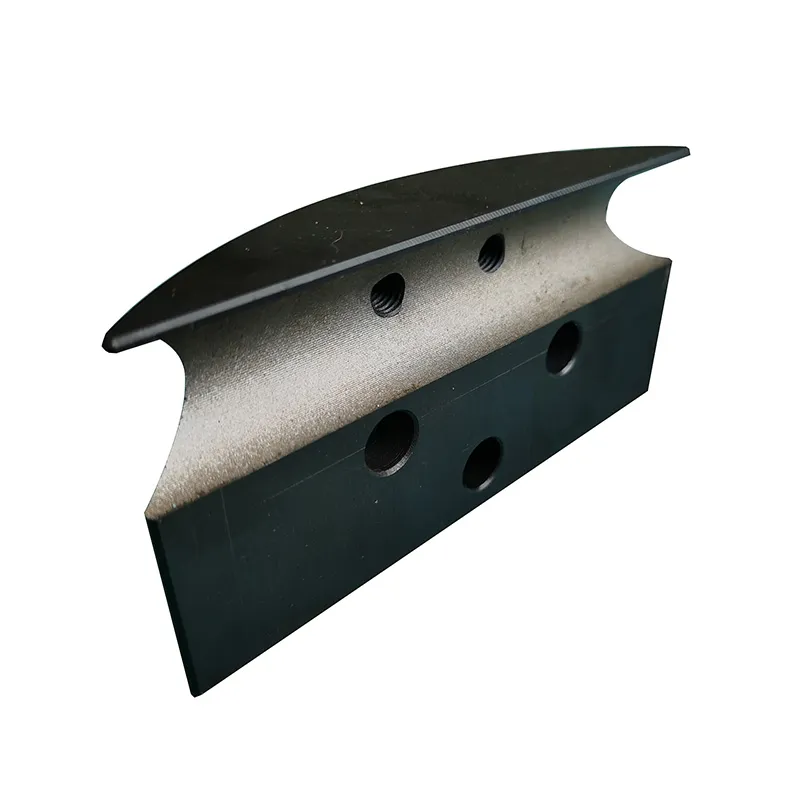
Specifying steel for a wear plate or a guide block is a sure way to get a part that fails faster than it should. The abrasion from strip, especially if you're running hot-rolled pickled and oiled (HRPO) or certain high-strength steels, is brutal. A 1045 carbon steel might be fine for a low-volume line, but for a continuous tandem line, you're looking at hardened tool steels or even incorporating tungsten carbide inserts. The material science behind these choices is where the real operational cost is saved.
This ties back to the capabilities of a specialized manufacturer. Looking at a supplier's portfolio, like the one you can find at https://www.tsingtaocnc.com, tells you what they're set up for. If they list nickel-based or cobalt-based alloys alongside their standard offerings, it signals an understanding of wear and corrosion resistance needed in industrial machinery. For instance, a tension leveler's entry or exit guide made from a cast stainless steel (like CF-8M) can dramatically reduce galling and particle generation compared to a standard carbon steel part, improving strip surface quality.
The failure mode we often ignore is fatigue. Parts don't always break from a single overload; they die from a thousand small cycles. A connecting rod in the leveler's drive linkage is a prime candidate. Choosing a material with good fatigue strength, like a forged alloy steel, and ensuring the machining doesn't introduce stress risers (sharp corners, poor surface finish in fillet areas) is crucial. I've seen rods fail at a threaded section because the thread root was machined too sharply, creating a perfect crack initiation point. It's these details that separate a functional part from a reliable tension levelers part.
The Machining & Fit Conundrum
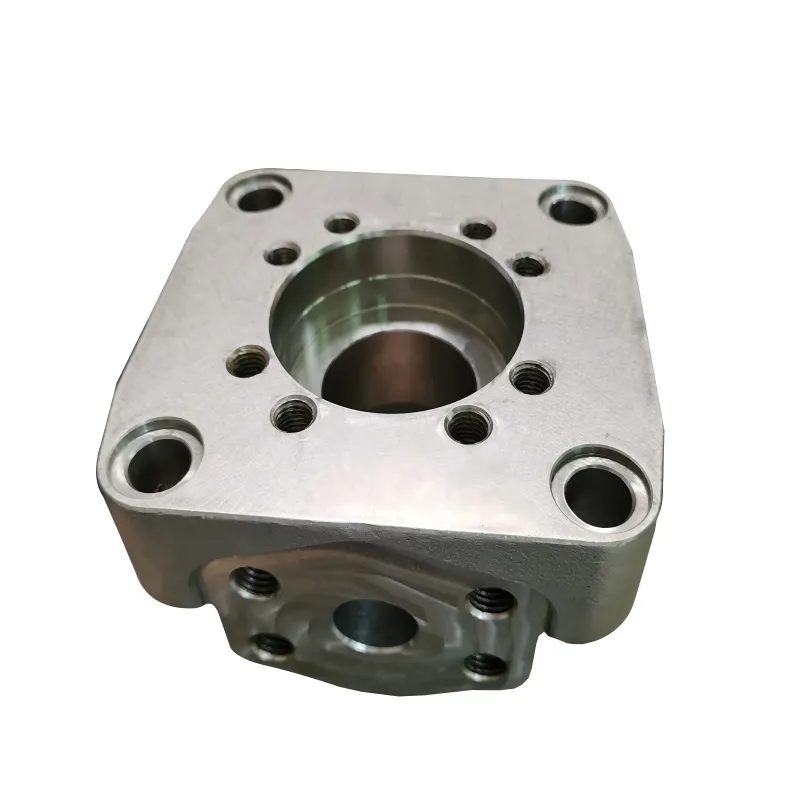
Even with a perfect casting or forging, the job is only half done. CNC machining is where the part earns its place in the machine. For assembly components, we're not just talking about dimensions; we're talking about geometric tolerances—parallelism, perpendicularity, true position. The mounting face for a hydraulic cartridge valve block on a leveler frame needs to be flat and have the right surface finish to prevent external leakage. A seemingly simple task, but if the machining sequence is wrong, residual stress in the part can cause it to distort after it's unclamped from the bed.
A shop that only does light fabrication will struggle here. You need a vendor whose CNC machining division is accustomed to heavy, complex parts. They need to understand how to fixture a large, irregular casting like a tension leveler side frame without inducing stress, and how to achieve consistency across a batch. When you need four identical saddle assemblies, they must be truly identical, not just within print tolerance, but with a consistency that ensures they behave the same under load. This level of control is what allows for predictable maintenance schedules.
Then there's the fit. The transition from a sliding fit to an interference fit is a decision based on function, and getting it wrong is expensive. For a pin connecting two linkage arms, you might want a sliding fit with a grease nipple. For a bearing pressed onto a shaft, you need a controlled interference. I remember a rebuild where we used a new gearbox. The output shaft was machined to the standard tolerance for a bearing fit. However, the bearing housing we had (an older, salvaged part) was at the very top of its bore tolerance. The resulting fit was too loose. We didn't catch it during assembly, and within weeks, the bearing spun in the housing, wrecking both. The fix involved machining the housing and installing a sleeve—downtime we couldn't afford. It underscored that matching new tension levelers parts with existing infrastructure requires more than just a micrometer check; it requires system thinking.
Real-World Failures and Iterations
You learn more from a breakdown than a manual. We had a continuous processing line where the tension leveler's entry looper car rollers kept seizing. The rollers themselves were fine, but the stub axles they rotated on were failing. The original design used a through-hardened shaft with a standard bronze bushing. The environment was warm and dusty. The failure mode was abrasive wear on the shaft and adhesive wear (galling) in the bushing. Our first fix was to chrome-plate the shafts. It helped, but the plating eventually chipped.
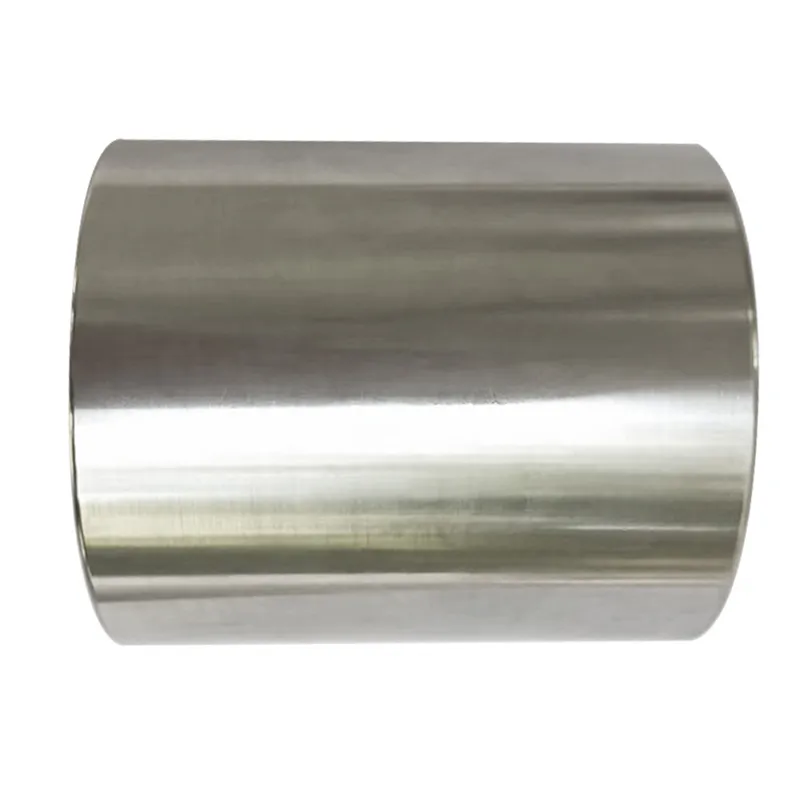
The second iteration, which worked, was a complete material and design change. We sourced new stub axles made from a through-hardened tool steel with a much higher surface hardness, and paired them with graphite-impregnated bronze bushings from a specialist like QSY, who could cast and machine such specific material combinations. The graphite provided dry lubrication, countering the dust issue. This wasn't an off-the-shelf solution; it was a collaboration between our maintenance team and a technical foundry/machine shop to create a purpose-built tension levelers part. It's this kind of problem-solving that defines sustainable operation.
Another common pitfall is assuming all fasteners are equal. The bolts that hold a leveler's roll chock in place are under tremendous alternating shear stress. Using a standard Grade 5 bolt instead of a high-strength Grade 8 or even an alloy socket head cap bolt can lead to stretch and, ultimately, fracture. It seems trivial, but a broken bolt in a blind tapped hole in a massive casting is a multi-hour repair nightmare. Now, we specify and source the fasteners as part of any component kit, treating them as critical wear items.
Sourcing Philosophy for Long-Term Uptime
So, what's the approach? It's about building a supply chain for reliability, not just for price. For the core structural and high-wear tension levelers parts, you need partners who speak the language of metallurgy and precision machining, not just procurement. You want a supplier who asks questions: What's the operating temperature? What's the cycle frequency? What failed on the old part? A website like the one for Qingdao Qiangsenyuan Technology, showing a long history in casting and machining diverse alloys, is a good starting indicator of depth.
It's also about planning for obsolescence. Many levelers in service are decades old. Original equipment manufacturers (OEMs) may no longer support them, or lead times are prohibitive. Having a reliable secondary source for manufacturing these components—one that can reverse-engineer from a worn sample, advise on material upgrades, and deliver a finished, machined part—is invaluable. This turns a potential week-long line stop into a planned weekend outage.
Finally, document everything. When you find a solution that works—a new material for a wear strip, a modified tolerance for a shaft, a specific vendor for cast ductile iron components—record it. Build your own internal database. The collective memory of what works for your specific machines and product mix is your most valuable asset. It transforms the concept of 'tension leveler parts' from a generic shopping list into a curated library of solutions that keep your line running flat and stable.