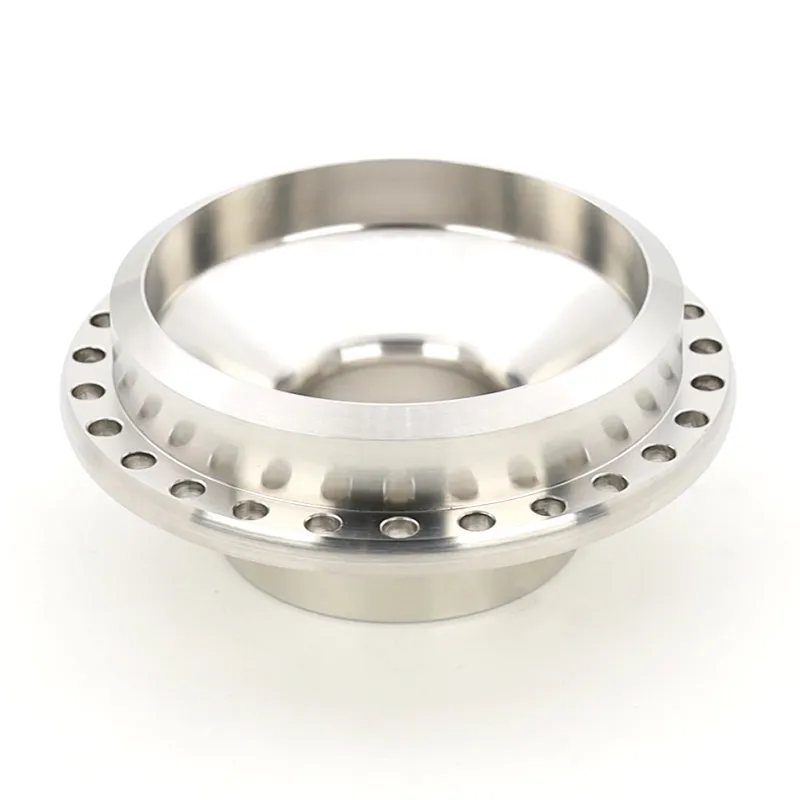
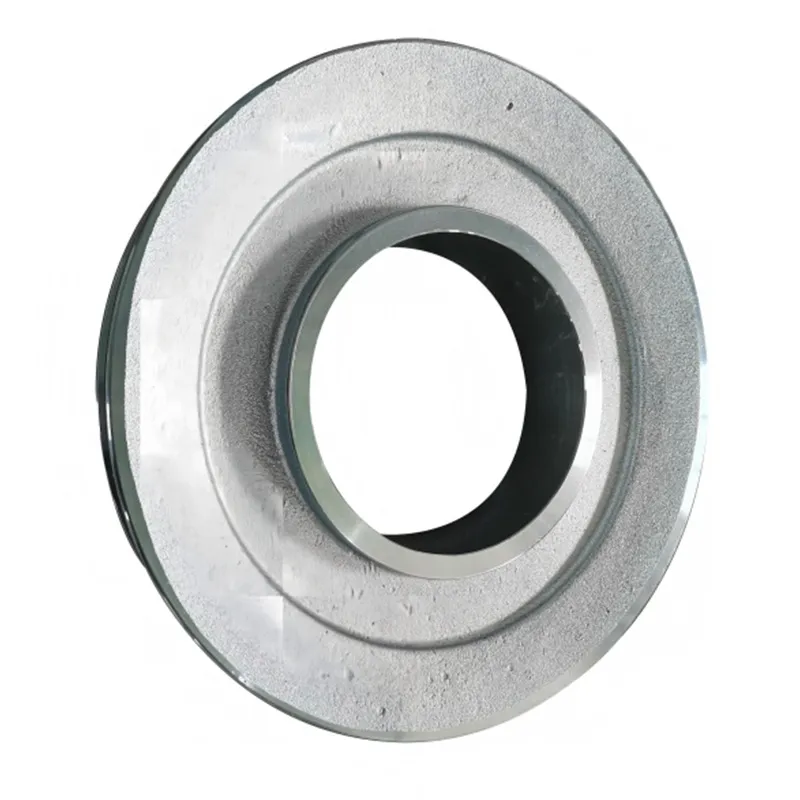
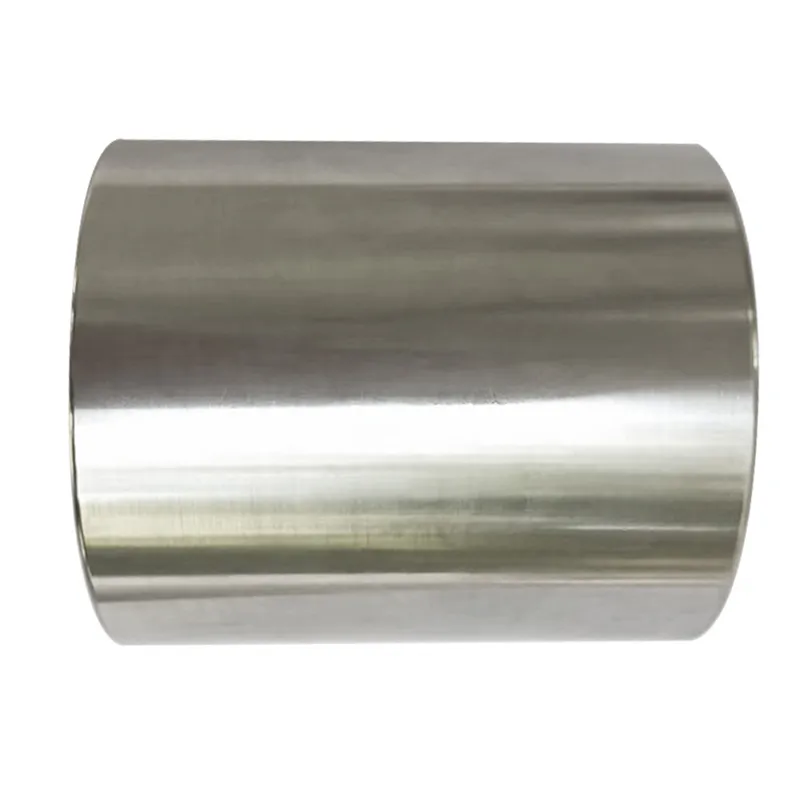
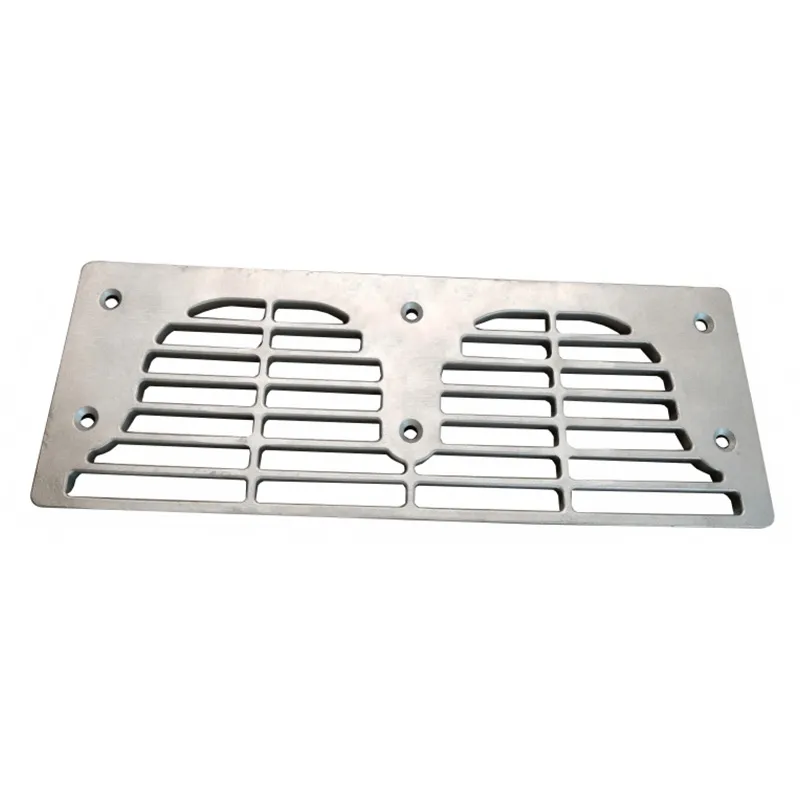
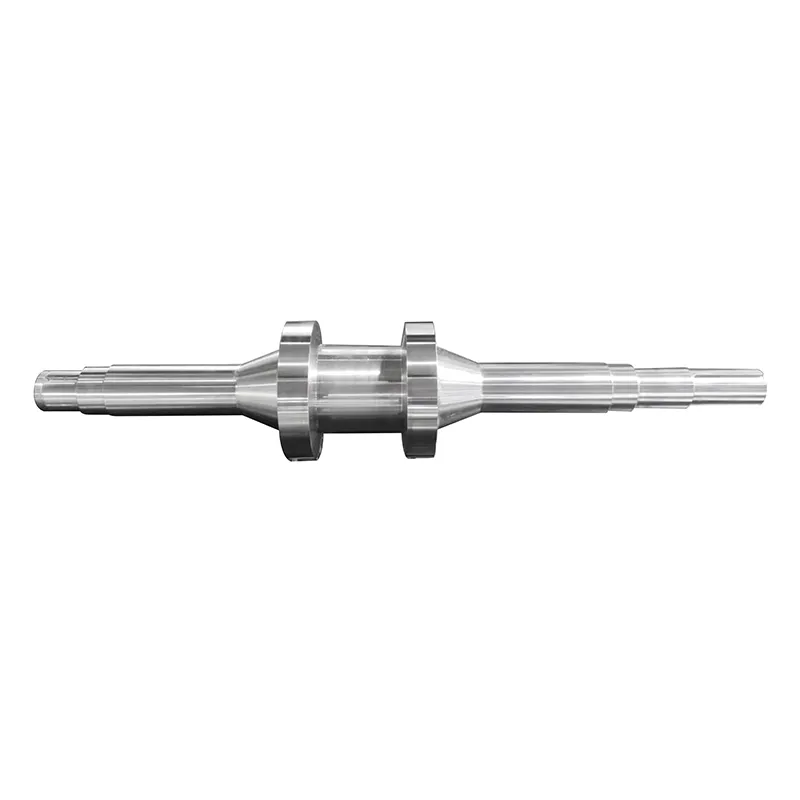
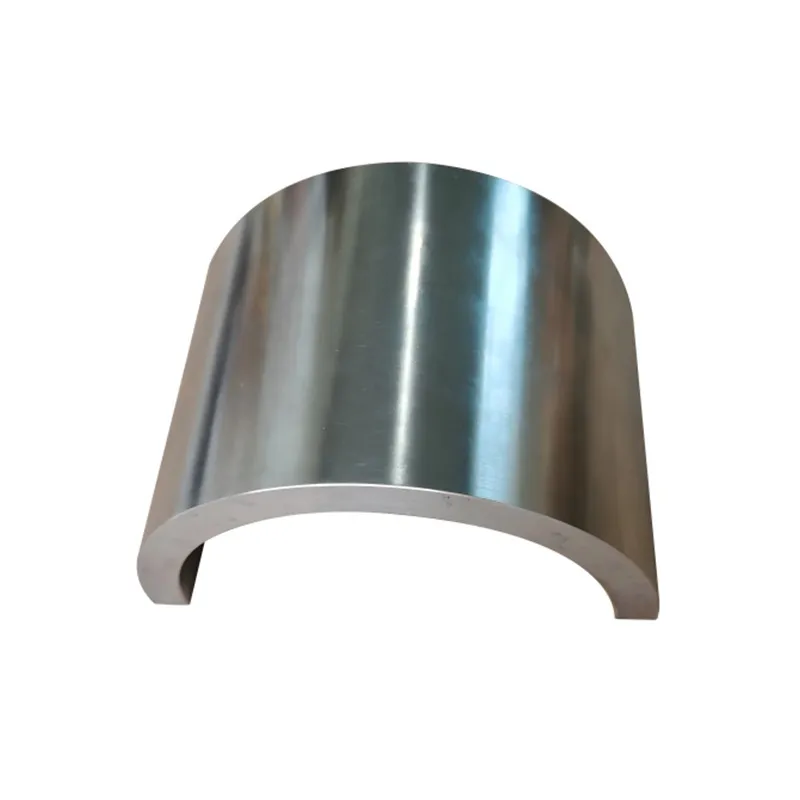
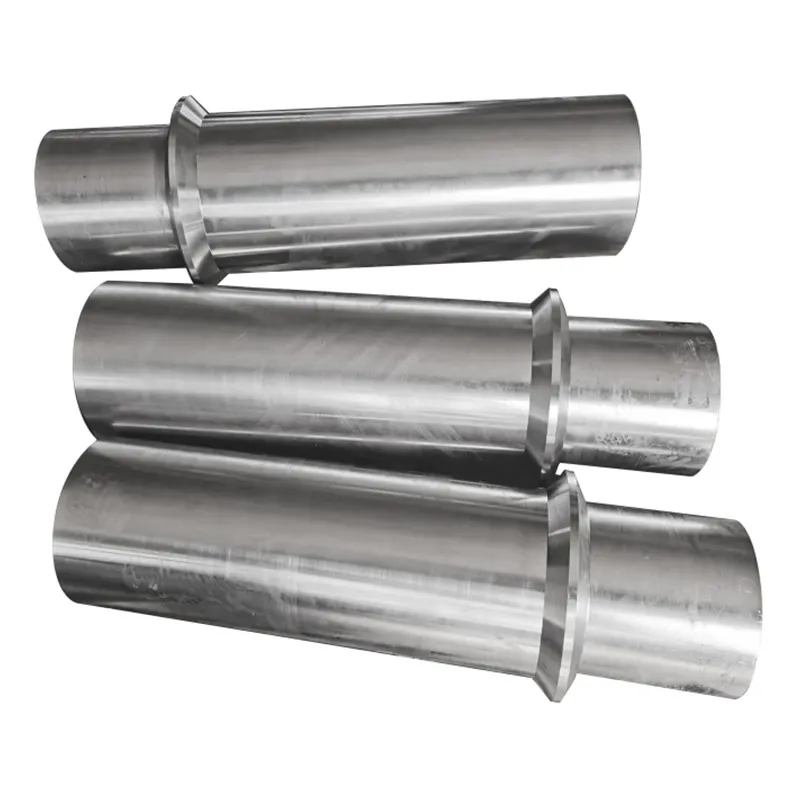
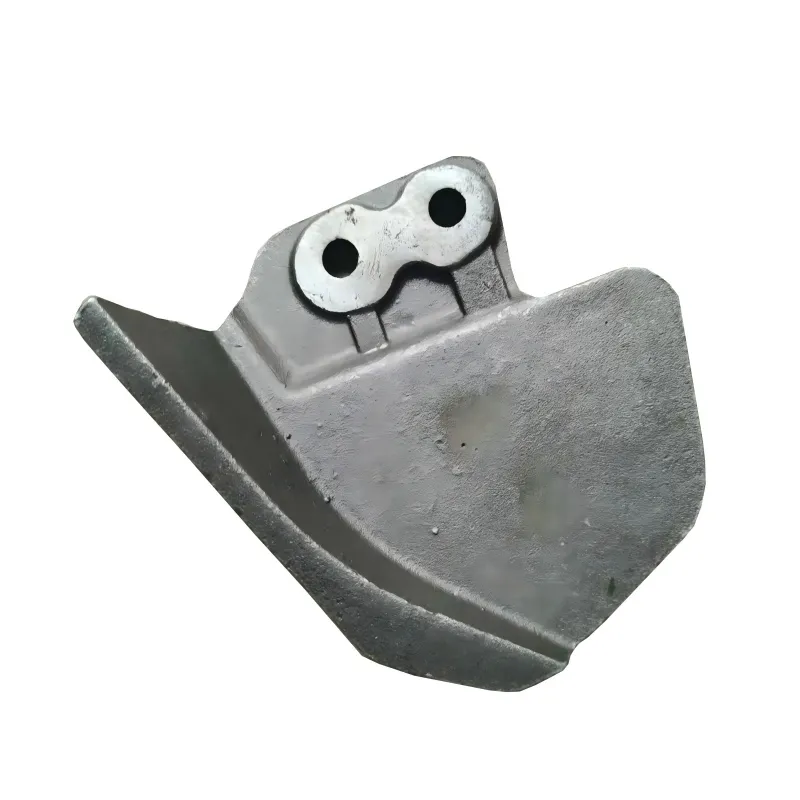
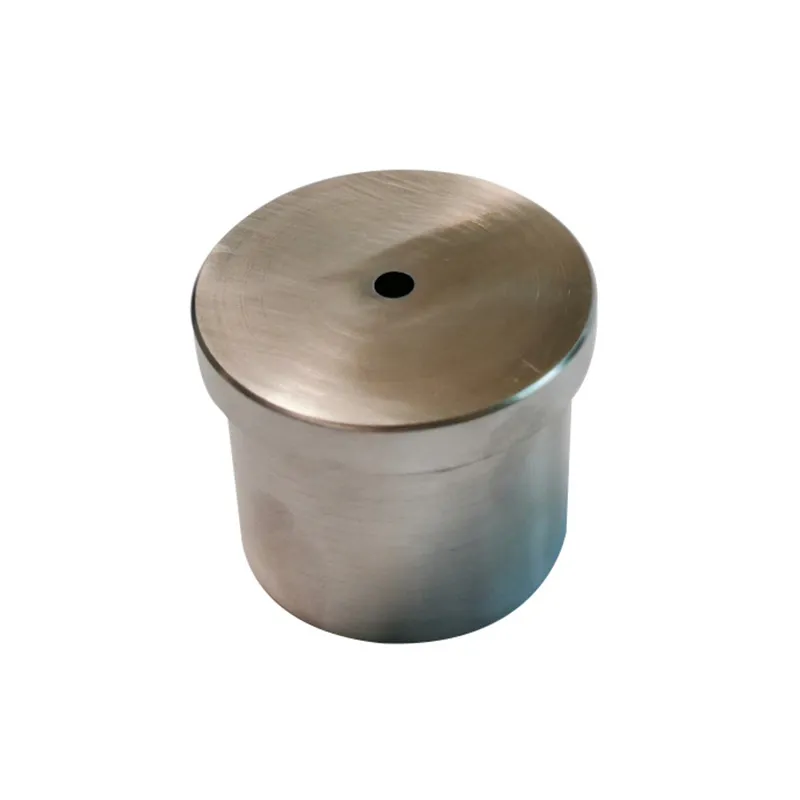
When you hear 'textile machinery spare part', most people immediately picture a simple gear or a generic bearing. That's the first misconception. In reality, it's the specific, often non-standard component that brings a high-speed loom or a precision winder to a complete halt. It's not about the commodity items you can find in any catalogue; it's about the engineered piece that matches the exact wear pattern, material grade, and performance envelope of a 15-year-old machine still running three shifts a day. The real challenge isn't just having a part, it's having the right part that performs like the original, or sometimes, even survives longer.
The Core Misunderstanding: Casting vs. Machining
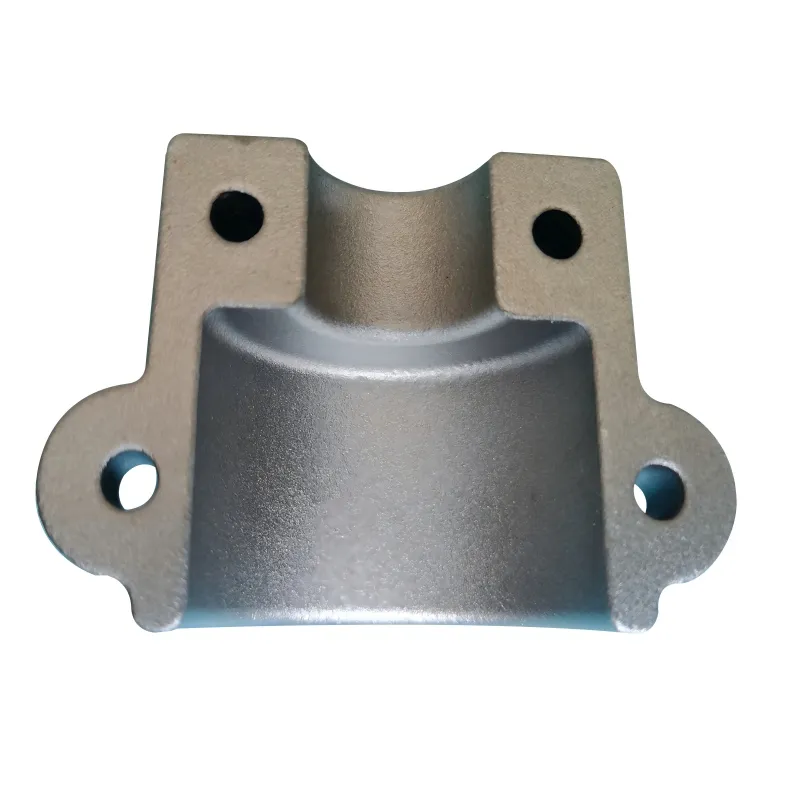
A lot of the trouble starts right at the sourcing stage. Buyers often treat all textile machinery spare parts as simple machined items. They see a drawing and think any machine shop can make it. But if the original part was a casting—say, a complex shuttle gripper housing for a projectile loom—and you try to fabricate it from solid steel plate, you're asking for trouble. The internal stress, the weight, the grain structure will all be wrong. It might fit, but it'll fail under cyclic load in a fraction of the time. I've seen this happen with tensioner arms. A shop milled one from a block, it passed initial inspection, but cracked within a week of installation. The original was a ductile iron casting for a reason—damping vibration.
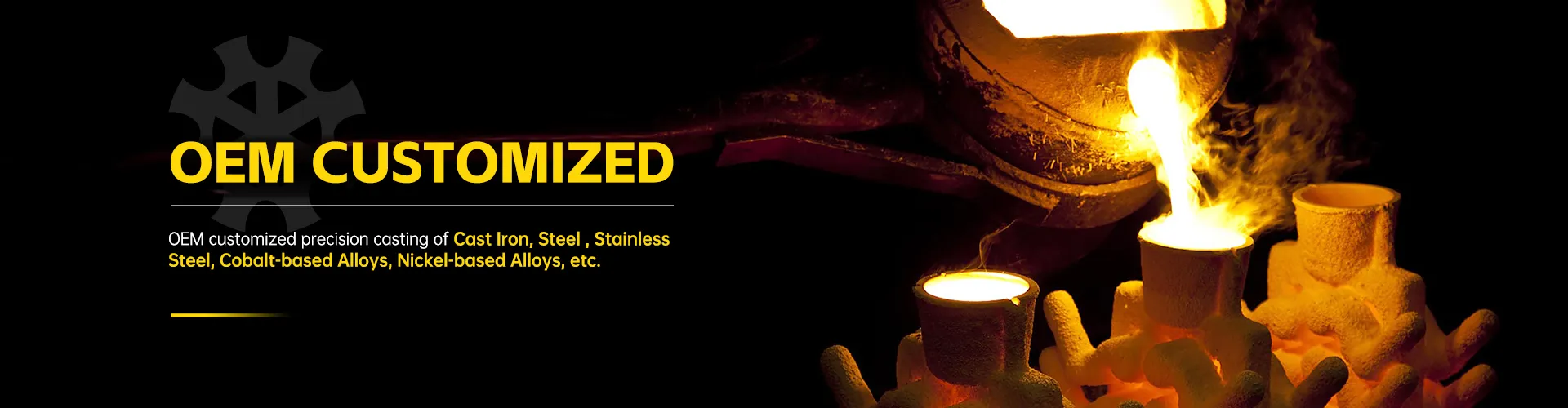
This is where the distinction between foundry work and pure machining becomes critical. For parts subject to impact or constant vibration, the manufacturing route is part of the design. You can't separate them. A company like Qingdao Qiangsenyuan Technology (QSY) gets this because they've been in casting and machining for over three decades. They don't just look at the final dimensions; they ask about the application, the forces involved. Their long history in shell mold and investment casting means they understand that for many legacy textile machinery spare parts, the casting process is the first, non-negotiable step. You can find their approach detailed on their site at https://www.tsingtaocnc.com.
The material choice within casting is another layer. It's not just steel. For a guide rail in a bleaching range constantly exposed to corrosive chemicals, a standard carbon steel casting will corrode. You might need a CF8M stainless steel investment casting. Or for a high-temperature setting near a tenter frame, the creep resistance of a nickel-based alloy becomes paramount. QSY's experience with special alloys like cobalt and nickel-based ones is relevant here. It's not academic; it's about knowing that the wrong alloy specification for a heat-exposed part leads to catastrophic elongation and machine misalignment.
The On-Ground Reality: When Close Enough Isn't
In the mill, the pressure is always on. A machine is down, production managers are breathing down your neck, and a supplier promises a compatible part in two days versus six weeks for an OEM part. The temptation is huge. I've made that call before, opting for a locally sourced equivalent for a combing machine segment. The hardness was off by just a few points on the Rockwell C scale. Seemed negligible. But in operation, it wore down the opposing needle bed at an accelerated rate, causing a secondary, far more expensive failure. The downtime cost from the cascade effect dwarfed the initial savings.
This is where precision in reproduction matters, especially for wear parts. It's not just about hitting the dimensional tolerances on the drawing. It's about replicating the surface finish, the heat treatment profile (case depth, core hardness), and sometimes even the plating or coating. A textile machinery spare part like a heald frame or a drop wire has a specific surface smoothness to reduce friction with the warp yarn. A slightly rougher finish, invisible to the eye, increases yarn breakage rates dramatically.
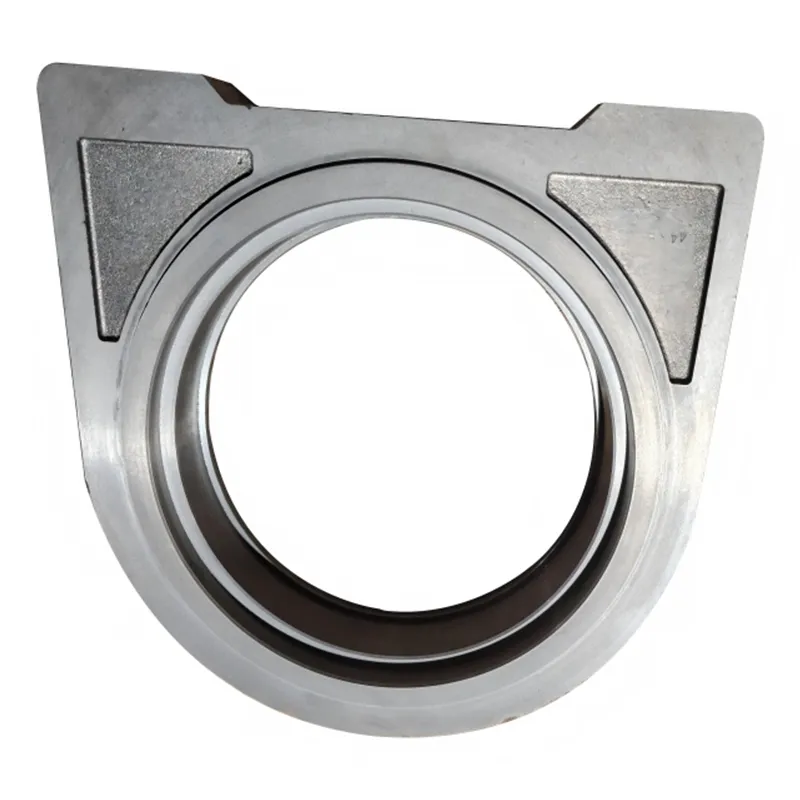
CNC machining is the final arbiter here. After you have a sound casting or a forged blank, the machining defines the functional geometry. For a company like QSY, their CNC machining capability is what closes the loop. It's one thing to produce a good casting of a cam for a knitting machine; it's another to machine its complex profile with the required positional accuracy and surface integrity so it synchronizes perfectly with other moving parts. A micron-level error in the cam path translates to faulty stitch formation.
Case in Point: The Spindle Drive Flange Saga
Let me give a concrete example. We had a recurring failure with the spindle drive flanges on a batch of older ring spinning frames. The OEM part was discontinued. The failure mode was always a fatigue crack originating from a sharp internal corner—a stress riser. Simply copying the old design would have perpetuated the problem.
We worked with a technical partner (a foundry-machining combo similar to QSY's model) on a redesign. The goal was a drop-in replacement that addressed the root cause. First, they suggested a material change from the original grade of cast steel to a more fatigue-resistant nodular iron for better damping. Then, through investment casting, they were able to produce the part with a generous fillet radius in that critical internal corner, something that would be impossible to achieve with machining alone. Finally, their CNC shop finished the mounting faces and splined bore to the original specs.
The result wasn't just a spare part; it was an upgrade. The mean time between failures increased significantly. This process—failure analysis, material reconsideration, process-aware redesign, and precision finishing—is what separates a parts supplier from a solutions provider. It's the kind of deep industry application knowledge that a company with 30 years in casting and machining accumulates, as hinted in the operational history of Qingdao Qiangsenyuan Technology Co., Ltd.
The Logistics of Obsolescence
Another brutal reality is obsolescence. Textile mills often run machinery for 20, 30 years. The original manufacturer may have gone out of business or stopped supporting that model. Your blueprint might be a faded photocopy of a photocopy. This is where a supplier's flexibility is tested. Can they work from a sample part? Can they reverse-engineer a worn component and account for the wear to deduce the original dimensions?
I remember trying to source a gear for a vintage warping creel. No drawings existed. We sent the broken, pitted remnant. A competent workshop will 3D-scan it, but then the real work begins: the engineer has to interpret the data, distinguish between original design features and damage, and consult cross-sectional manuals to infer the correct tooth profile and pressure angle. It's detective work. It requires patience and a willingness to iterate—to make a prototype, test it, and adjust.
This scenario is common. It underscores why partnering with a fabricator who offers a full service—from material selection and forming (casting) to final machining—is so valuable. It creates a single point of responsibility. You're not shuttling a rough casting between three different vendors, losing traceability and adding lead time at each step.
Final Thought: It's a Reliability Chain
So, when I think about textile machinery spare parts now, I don't think of isolated components. I think of a reliability chain. Every link matters: the correct material specification (cast iron, alloy steel, stainless), the appropriate manufacturing process (shell mold casting for volume, investment for complexity), the precision machining, and the final quality verification that it's not just to print, but fit-for-purpose.
The goal is never just to get the machine running again. It's to get it running reliably for the next production cycle, and the one after that. The cost of a part is trivial compared to the cost of unplanned downtime or secondary damage. That's the professional calculation.
It's why the details on a site like tsingtaocnc.com, highlighting long-term expertise in both casting and CNC machining across a range of engineering materials, resonate. It maps directly onto the real, messy, and demanding world of keeping textile production lines moving. The right part isn't an item; it's the outcome of a correct process.